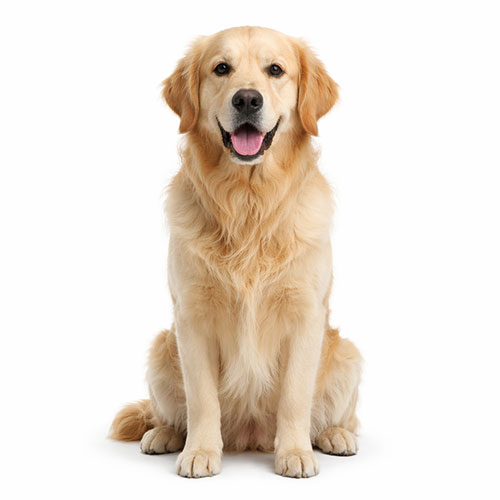



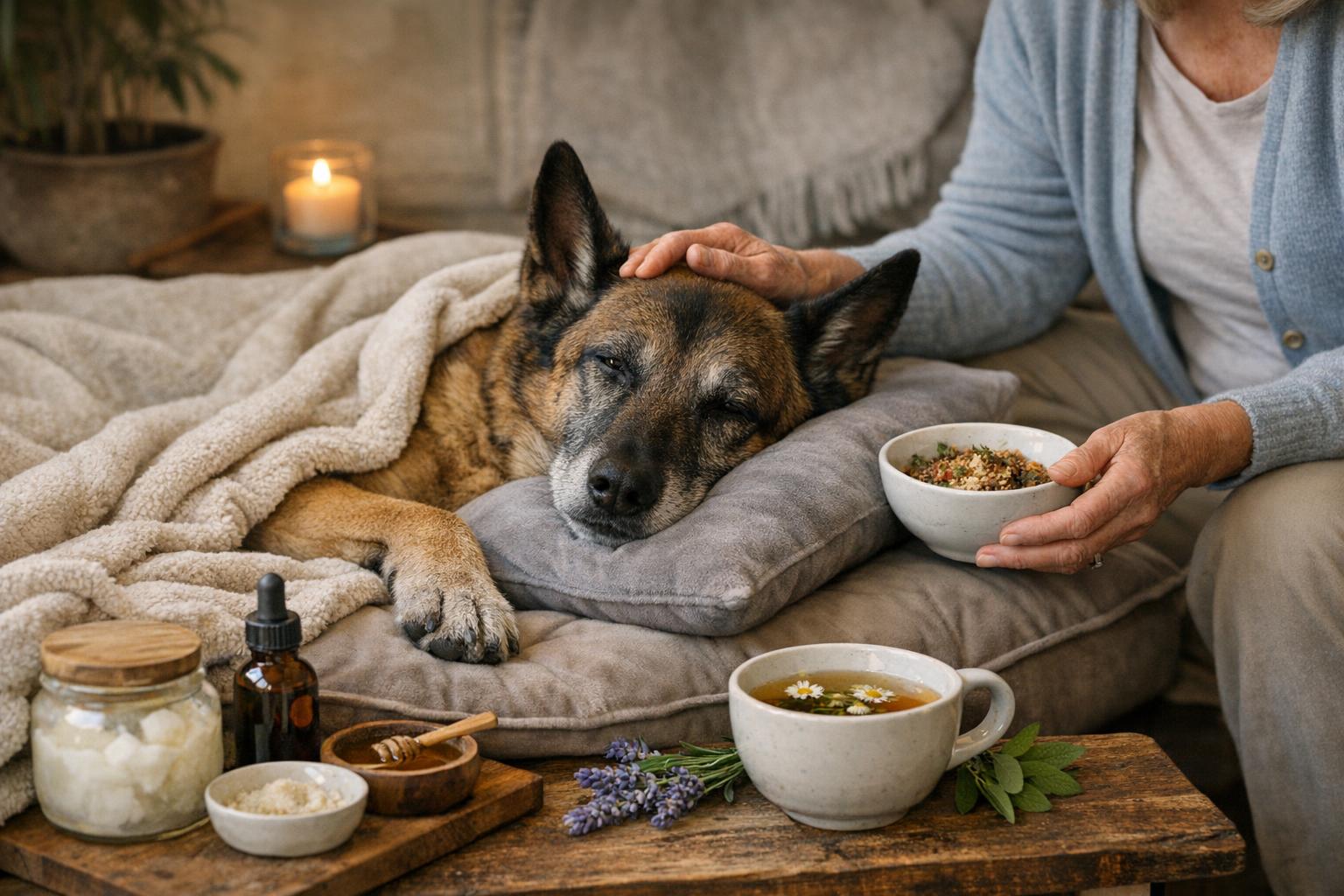
Aging dogs wear gray muzzles and softer patience, but they still deserve a life packed with comfort, dignity, and the occasional treat-for-no-reason. Caring for a senior pup is a gentle art: observe, adapt, and add a few home remedies that ease aches, improve mobility, and soothe nerves. Below are practical, safe, and easy-to-make approaches to elderly dog care that blend common-sense home fixes with veterinarian-friendly caution.
## Elderly Dog Care: 3 Gentle Home Remedies
These three remedies focus on common senior complaints: joint stiffness, dry or irritated skin, and anxiety. Each remedy includes materials and clear steps for preparation and application. When used responsibly and after a brief check-in with your vet, these can be a soothing addition to your ordinary elderly dog care routine.
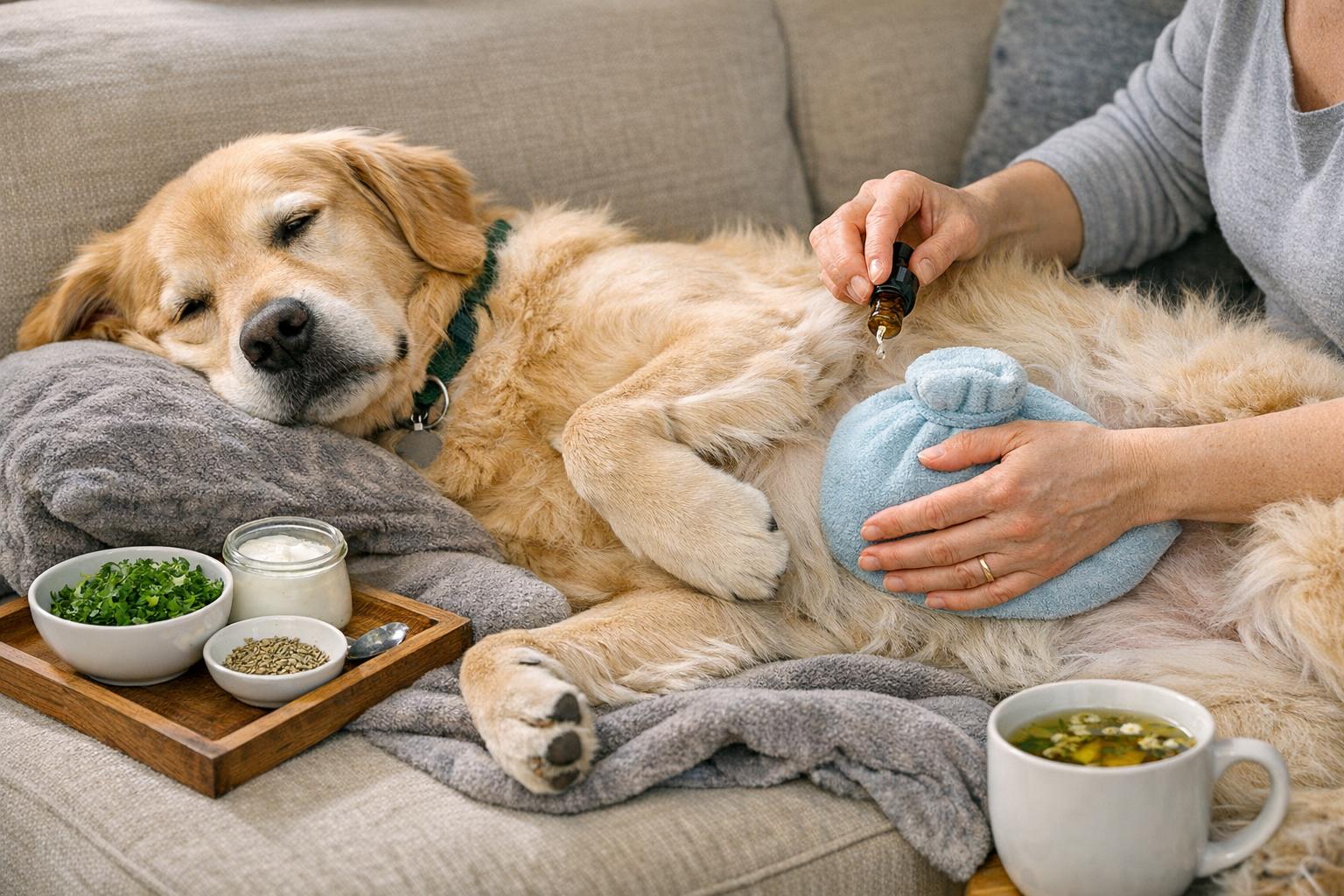
### 1. Joint-Soothing Turmeric Broth
Turmeric has natural anti-inflammatory properties (curcumin) that can help with mild joint discomfort. This broth is meant as a supplemental treat—never a replacement for prescribed medication.
#### Ingredients Or Materials
– 4 cups low-sodium chicken or beef broth (no onions, garlic, or added salts)
– 1 teaspoon ground turmeric
– 1/4 teaspoon black pepper (helps turmeric absorption)
– 1 tablespoon coconut oil or olive oil (healthy fat improves absorption)
– Optional: 1-2 tablespoons plain, unsweetened pumpkin (for taste and fiber)
#### Preparation And Application
1. Combine the broth and turmeric in a saucepan over low heat.
2. Whisk in black pepper and oil; simmer gently for 5–10 minutes. Do not boil vigorously.
3. Remove from heat and allow to cool to lukewarm.
4. Stir in pumpkin if using.
5. Offer 1–2 tablespoons for small dogs, 1/4 cup for medium dogs, and up to 1/2 cup for large dogs, once or twice daily. Use as a topper on food or as a spoon-fed treat.
6. Store leftovers in the refrigerator up to 3 days. Reheat gently before serving.
Safety Notes: Start with a small amount to ensure no digestive upset. Avoid if your dog is on certain medications (e.g., anticoagulants) without veterinary approval. This is supportive elderly dog care, not a cure.
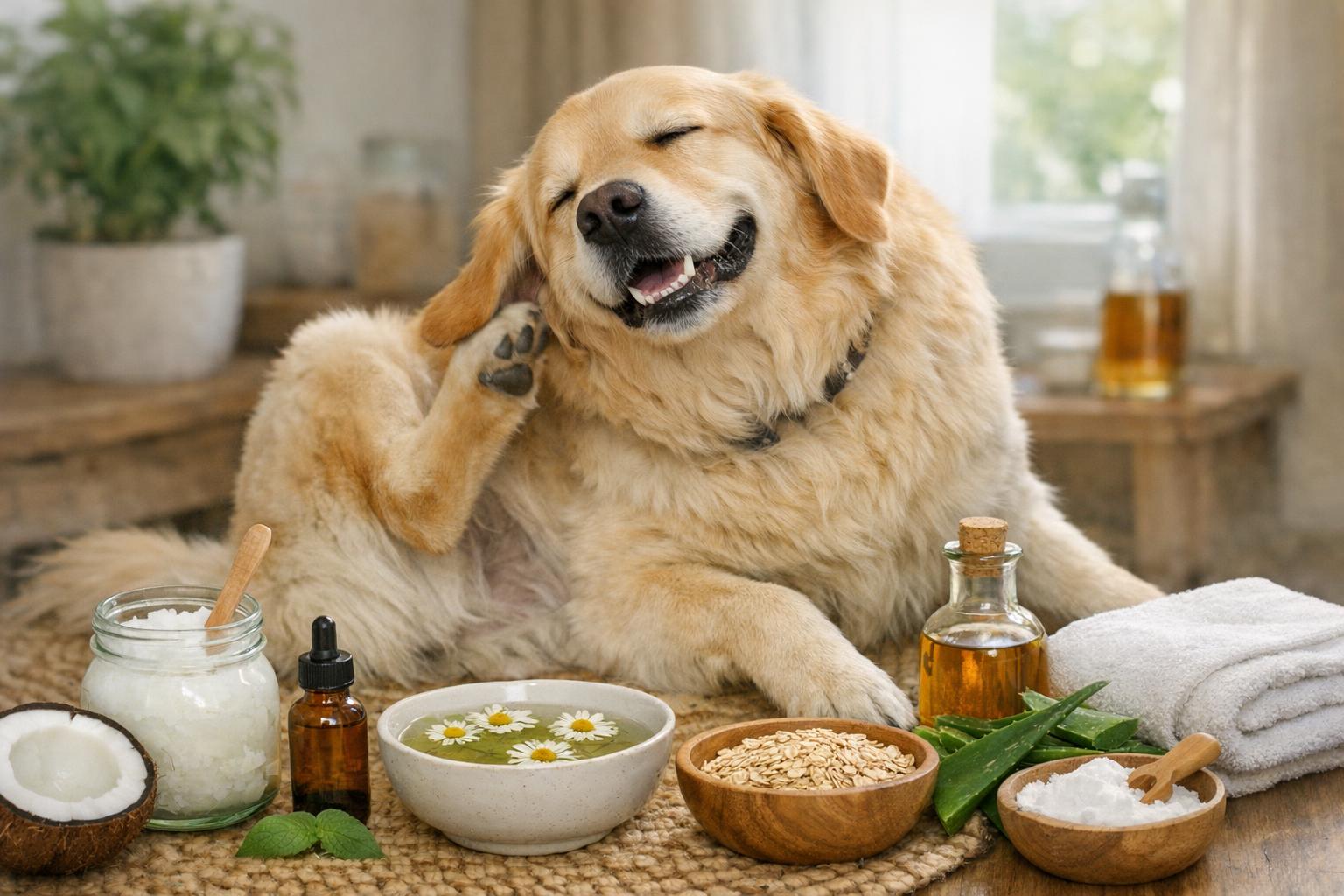
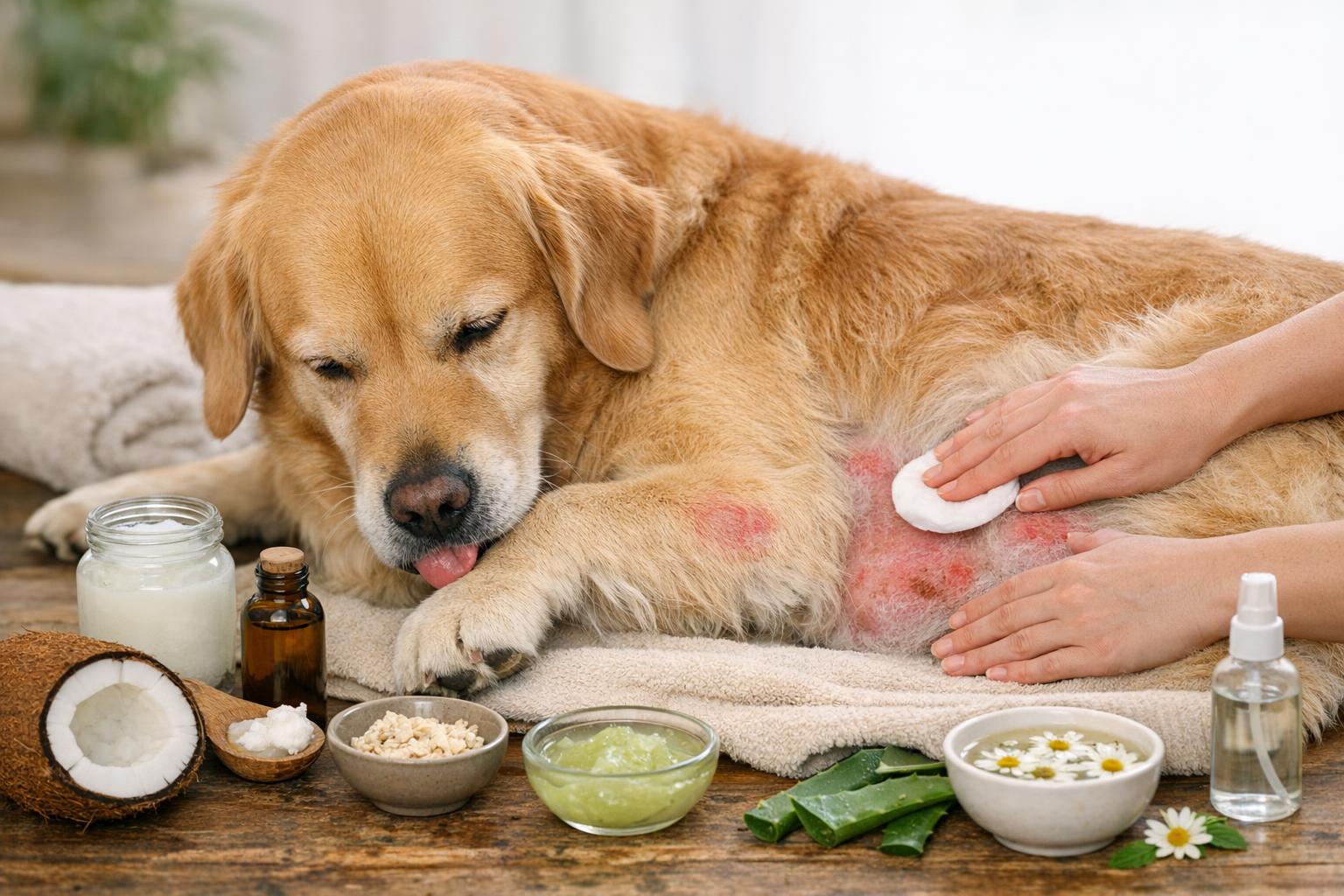
### 2. Soothing Oat And Aloe Skin Compress
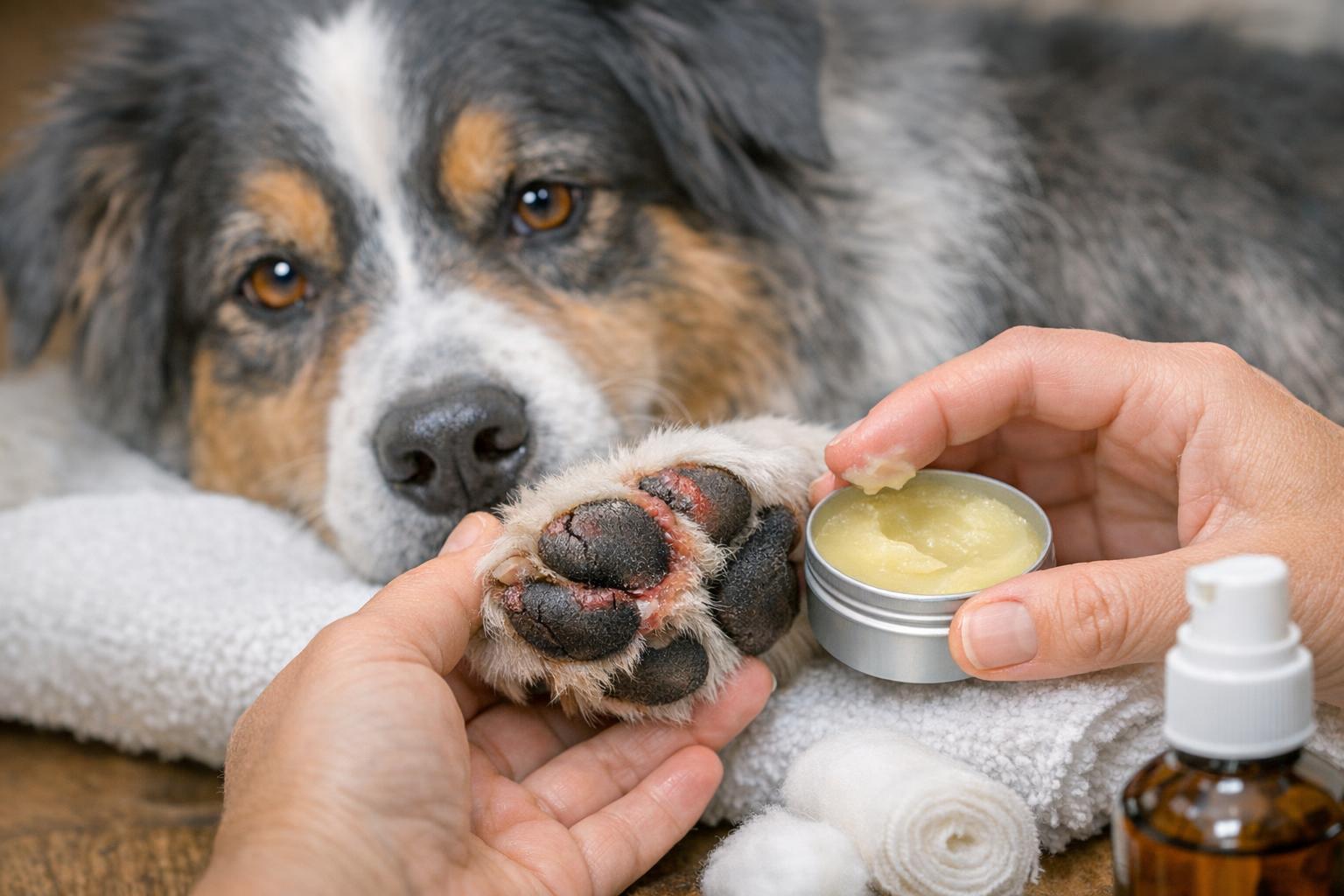
Senior dogs often have drier, thinner skin. A mild oat and aloe compress can reduce itch and soothe localized irritation. This is for external use only.
#### Ingredients Or Materials
– 1/2 cup colloidal oat (finely ground oats) or regular oats blended to a powder
– 1 cup cool boiled water
– 2 tablespoons pure aloe vera gel (ensure it’s pet-safe, no added alcohol)
– Clean cloth or gauze pads
– Small bowl
#### Preparation And Application
1. Mix the colloidal oat with cool water until a smooth paste forms.
2. Stir in the aloe vera gel until evenly combined.
3. Soak a clean cloth or gauze in the mixture and wring out excess.
4. Apply the compress to the affected area for 5–10 minutes. Repeat 2–3 times daily until irritation improves.
5. Rinse the area gently with clean water after the last application if there is residue.
6. Discard any unused mixture after 24 hours.
Safety Notes: If skin lesions are oozing, infected, or worsening, consult your veterinarian immediately. Patch-test a small area first to check for sensitivity.
### 3. Calming Lavender-Oat Spray For Bedtime
Anxiety and disrupted sleep are common in older dogs. A light, pet-safe lavender and oat spray can create a calming sleep environment without sedatives.
#### Ingredients Or Materials
– 1 cup distilled water
– 1 tablespoon colloidal oat or finely ground oats
– 1 teaspoon witch hazel (alcohol-free)
– 1 drop of high-quality lavender essential oil (Lavandula angustifolia) — VERY sparingly
– Small spray bottle (glass preferred)
#### Preparation And Application
1. Combine distilled water and colloidal oat; shake and let sit 10 minutes, then strain into a clean bowl to remove solids. (This yields a soothing base.)
2. Add witch hazel and carefully add ONE drop of lavender essential oil to the mixture, then stir well.
3. Pour into the spray bottle and label clearly.
4. Lightly mist bedding or a blanket from a distance (2–3 feet) once or twice before bedtime. Do not spray directly on the dog.
5. Store in the refrigerator and discard after 7–10 days.
Safety Notes: Essential oils can be toxic to dogs in concentrated amounts. Use the smallest dose and never apply directly to skin or mucous membranes. Avoid if your dog has respiratory issues. If in doubt, skip the oil and use just the oat spray.
## Mobility And Home Adjustments For Comfort
Small adjustments at home make a big difference in elderly dog care. The goal is to reduce strain and prevent injury.
### Flooring And Traction
Place non-slip rugs or traction pads near the bed, food, and water bowls. Consider pet booties when going outdoors on slippery surfaces. Trim long nails regularly to improve grip.
### Ramps And Low-Profile Steps
Install ramps or stairs to help access beds, couches, or cars. Ramps should be shallow (gentle incline) and covered with non-slip material. Measure distance to choose the appropriate length; a shorter, steeper ramp can worsen joint strain.
### Elevated Feeding Stations
Elevating food and water bowls reduces neck strain for dogs with arthritis. Use stable platforms that won’t wobble when your dog eats.
## Nutrition Adjustments For Senior Vitality
Food is medicine when tailored to the senior stage. Slight modifications support weight, joint health, and digestion.
### Protein, Fat, And Calorie Balance
Senior dogs may need fewer calories but adequate high-quality protein to maintain muscle. Discuss protein targets with your veterinarian—some conditions require specific adjustments.
### Helpful Supplements
Glucosamine, chondroitin, omega-3 fatty acids (fish oil), and a balanced multivitamin for seniors can be beneficial. These should be introduced under veterinary guidance and sourced from reputable brands.
### Hydration
Keep fresh water accessible at all times. Consider adding the turmeric broth or low-sodium bone broth occasionally as an incentive for hydration and gentle joint support.
## Gentle Exercise And Stretching
Maintaining low-impact activity preserves mobility and mood. Short, frequent walks on soft surfaces are better than one long trek.
### Range-Of-Motion Routine
Perform gentle range-of-motion exercises daily to maintain flexibility:
– Support the limb and slowly bend and extend the joint 5–10 times.
– Keep movements slow and stop if your dog pulls away or shows pain.
– Do 2–3 sets per joint area, especially hips and shoulders.
These exercises are part of responsible elderly dog care and should be introduced gradually.
## Grooming And Massage For Daily Comfort
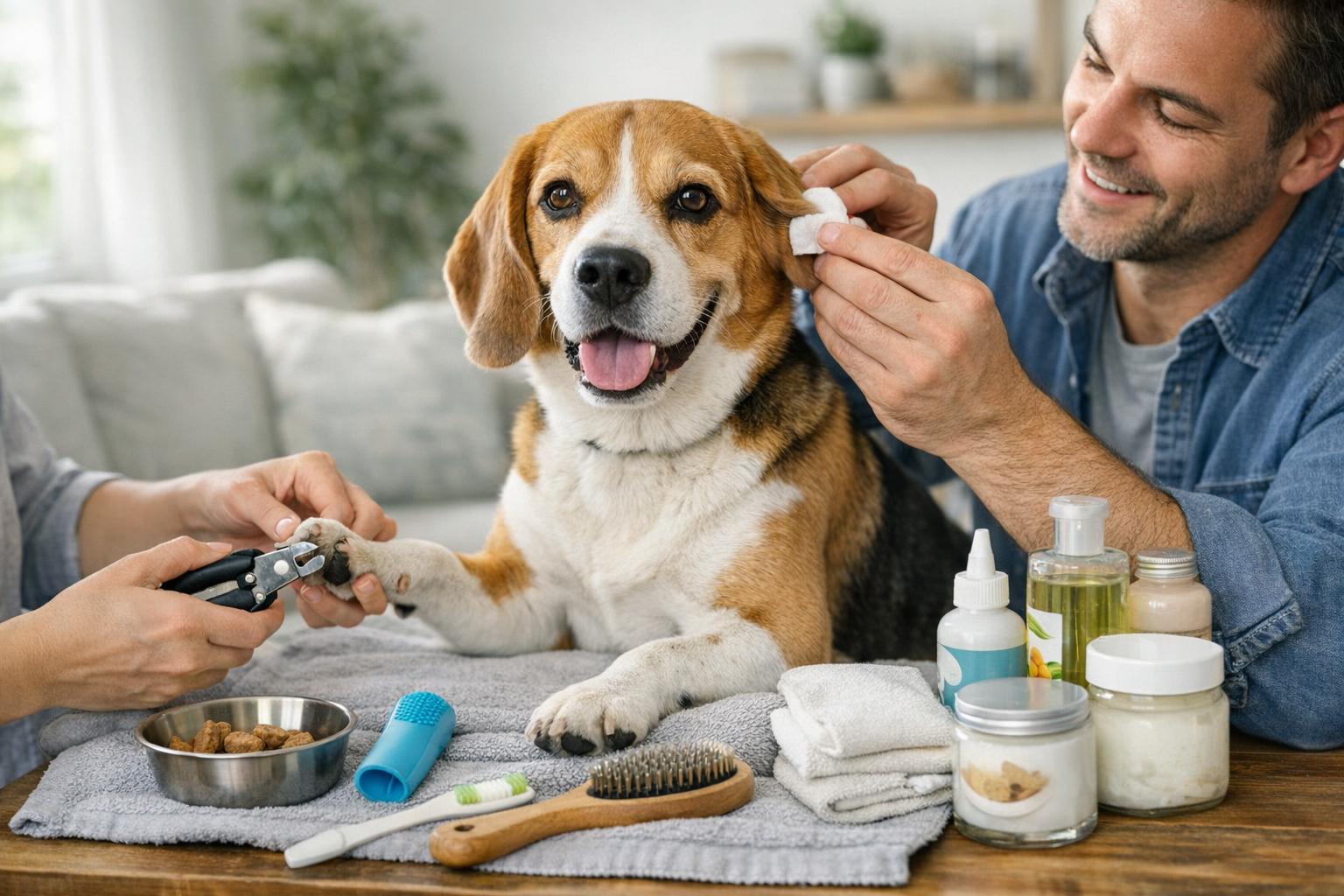
Regular grooming keeps skin healthy and provides an opportunity for close inspection and bonding.
### Massage For Circulation
A brief, focused massage can reduce stiffness and promote circulation:
– Use gentle, circular motions with light to moderate pressure.
– Spend 5–10 minutes focusing on tense areas but avoid painful joints.
– Use a small amount of pet-safe oil (coconut oil) if the skin is dry.
Massage should be slow, comfortable, and always stop if the dog resists.
## Safety, Medication, And When To Call The Vet
Elderly dog care includes knowing when home comforts aren’t enough. Sudden changes in appetite, mobility, urination, or behavior require veterinary attention.
### Monitoring And Documentation
Keep a simple journal tracking appetite, stool quality, mobility, sleep patterns, and any new lumps or wounds. This aids in early detection and helps the vet make informed decisions.
### Medication Interactions
Before starting any herbal supplement or home remedy, check for interactions with prescribed drugs. Turmeric, for example, can interact with anticoagulants and some medications. Transparency with your vet is part of good elderly dog care—think of them as your dog’s health co-pilot.
## Emotional Comfort And Environmental Enrichment
Senior dogs can get bored or anxious with reduced mobility. Enrichment supports cognitive health and emotional wellbeing.
### Simple Puzzle Feeders And Scent Games
Low-effort puzzle feeders that require a gentle nudge can keep the mind engaged. Scatter small treats in a sniffing mat to encourage natural foraging behaviors. Keep challenges short and positive.
### Predictable Routines
Senior dogs thrive on routine. Consistent feeding, potty breaks, and quiet time help reduce anxiety and confusion.
There you go—practical, vet-friendly steps and gentle home remedies designed to make the golden years happier and softer for your companion. These measures fit neatly into a thoughtful elderly dog care plan and can be tailored to your dog’s unique needs.


Leave a Reply