






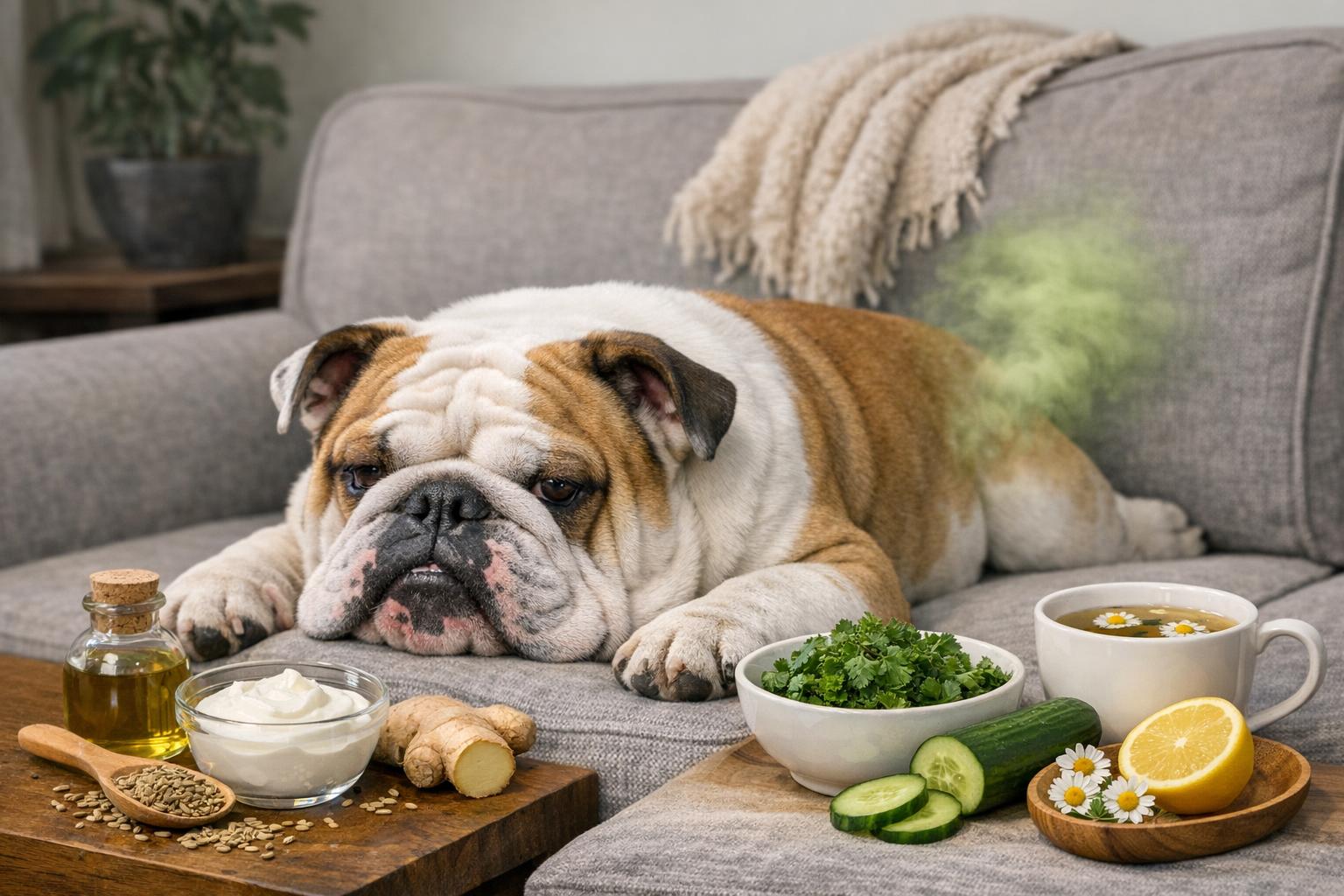
You love your dog, but sometimes living with their internal brass band is a test of devotion—and air freshener. If your pup is sending more than love into the room, here are friendly, practical, vet-conscious home remedies and lifestyle changes to reduce canine flatulence and keep the household breathable.
## Understanding Canine Flatulence
Dogs pass gas for many of the same reasons humans do: swallowed air, diet, intolerances, and gut bacterial activity. Occasional toots are normal. Persistent, foul, or painful gas can point to food sensitivity, rapid eating, an abrupt diet change, intestinal parasites, or an underlying health condition like inflammatory bowel disease. The phrase canine flatulence covers a range from mild nuisance to a symptom worth veterinary investigation.
### Common Causes And What To Watch For
– Eating too fast and gulping air.
– Low-quality kibble, high-fat or high-fermentable carbohydrate diets.
– Sudden diet changes or table scraps that don’t agree.
– Food intolerances (e.g., lactose in sensitive dogs).
– Overgrowths of gas-producing gut bacteria or parasites.
– Underlying medical conditions.
### Red Flags That Require A Vet
– Severe abdominal pain, vomiting, bloody stools, persistent diarrhea, weight loss, or a sudden dramatic increase in gas. These signs need a veterinary exam and possibly diagnostic testing.
## Prevention Basics For Less Gas
A few lifestyle changes can go a long way toward cutting down on canine flatulence. Think of prevention as the long-term deodorizer.
### Mealtime Habits
– Use a slow-feeder bowl or spread food across a flat tray to reduce gulping.
– Feed smaller, more frequent meals rather than one huge serving.
– Avoid giving table scraps, especially fatty or dairy-rich foods.
### Diet Adjustments
– Transition diets slowly over 7–10 days. Rapid switches can trigger gas.
– Consider a novel-protein or limited-ingredient diet for suspected intolerances; discuss trial periods with your vet.
– Choose high-quality, digestible protein sources and avoid excessive fermentable carbs.
### Lifestyle
– Regular exercise after meals helps move gas through the system.
– Keep an eye on body condition; obesity increases digestive stress.
## Remedy 1: Pumpkin And Yogurt Digestive Tonic
This is a gentle, fiber-forward remedy good for softening firm stools and supporting regularity while feeding beneficial bacteria. Use only plain canned pumpkin (not pie filling) and plain yogurt with live cultures.
Ingredients/Materials:
– 1–2 tablespoons canned plain pumpkin (per medium dog)
– 1 teaspoon plain unsweetened yogurt with live cultures (per medium dog)
– Clean spoon, measuring spoons, small bowl
Creation And Application:
1. Measure pumpkin and yogurt into a bowl. For small dogs (under 15 lb), start with 1/2–1 teaspoon pumpkin + a pinch of yogurt. For medium dogs (15–40 lb), use 1–2 tablespoons pumpkin + 1 teaspoon yogurt. For large dogs, increase modestly.
2. Mix until smooth.
3. Serve mixed into one meal once daily for up to 7 days while monitoring stool quality and gas changes.
4. If improvement is seen, you can taper to a maintenance portion (e.g., pumpkin a few times per week). If gas worsens, stop and consult your vet.
Safety Notes: Pumpkin is high in fiber and generally safe, but too much can cause constipation. Yogurt must be plain and free of artificial sweeteners (xylitol is toxic). If your dog is lactose-intolerant, yogurt may still be okay in tiny amounts due to live cultures, but proceed cautiously.
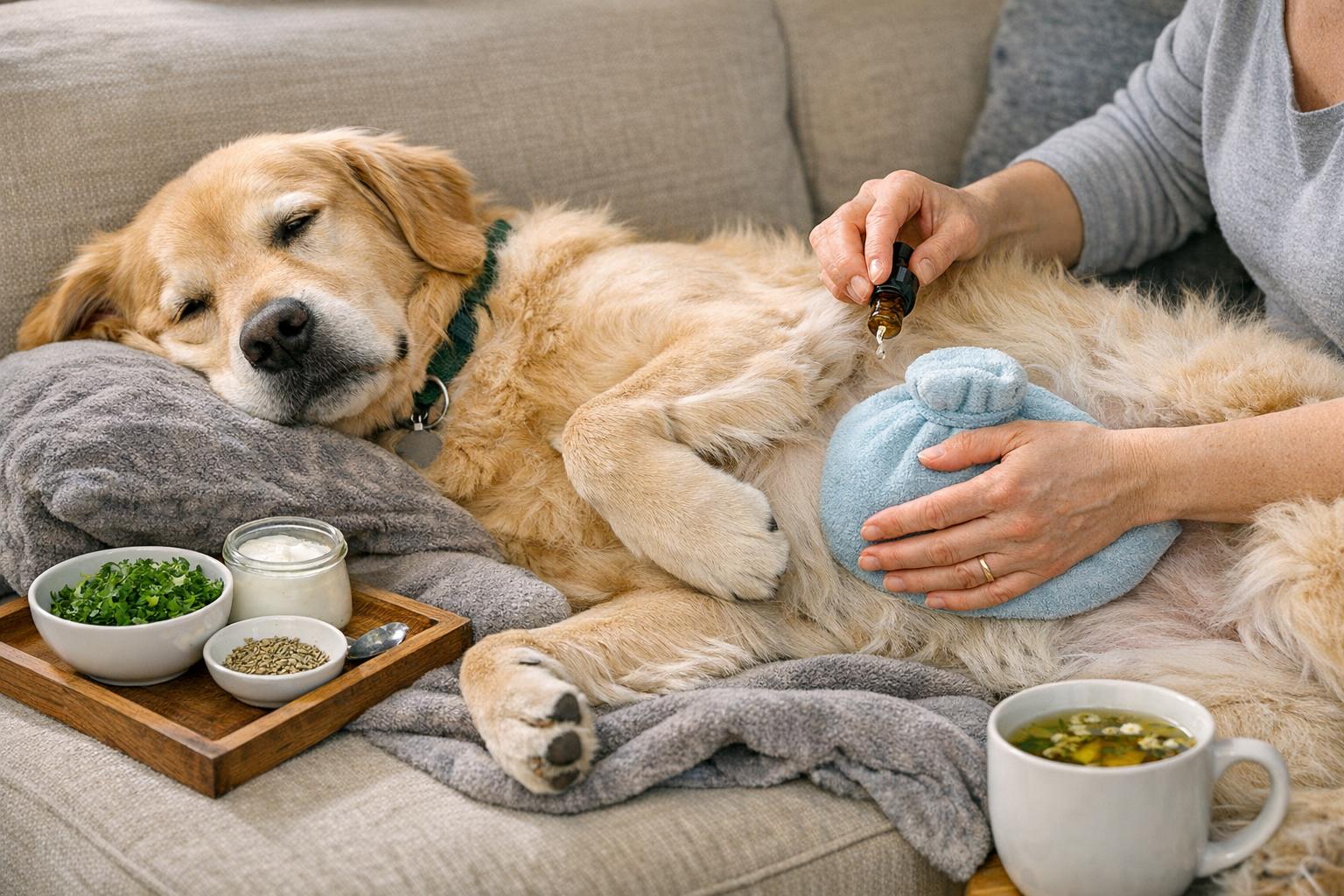
## Remedy 2: Digestive Tea For Dogs (Chamomile + Fennel) — Numbered Remedy 2
A mild herbal tea can soothe the gut, reduce cramping, and help dissipate gas. Be precise with herbs and dosages; herbs are active substances and should be used conservatively.
Ingredients/Materials:
– 1 teaspoon dried chamomile flowers
– 1 teaspoon crushed fennel seed
– 1 cup boiling water
– Strainer, small cup, measuring spoons
– Optional: a teaspoon of honey for palatable mix (only for adult dogs, not for puppies)
Creation And Application:
1. Place chamomile and fennel in a heatproof container.
2. Pour 1 cup (240 ml) boiling water over the herbs and steep for 5–7 minutes only.
3. Strain the tea and let it cool to lukewarm. It must be cool before offering to your dog.
4. Dosage: For small dogs, offer 5–10 ml (about a teaspoon to two teaspoons). For medium dogs, offer 15–30 ml (about 1–2 tablespoons). For large dogs, up to 60 ml (about 1/4 cup). Start with the low end, once daily, and monitor.
5. Offer in a bowl or mix into a small portion of food. Use for up to 3 consecutive days. If improvement is noted, you may repeat as needed, but limit routine use unless advised by your veterinarian.
Precautions: Avoid long-term use without veterinary oversight. Do not use if your dog is pregnant or on medications that interact with herbs. If your dog has severe symptoms, skip home herbal remedies and see your vet.
## Remedy 3: Enzyme And Probiotic Topper — Numbered Remedy 3
If canine flatulence is tied to poor digestion or an imbalance of gut bacteria, adding digestive enzymes and a probiotic can help break down food more effectively and rebalance the microbiome.
Ingredients/Materials:
– Plain probiotic powder or canine-specific probiotic supplement (follow manufacturer guidelines)
– Fresh ripe papaya or a small amount of fresh pineapple (both contain natural digestive enzymes papain and bromelain)
– Optional: plain kefir (unsweetened) with live cultures
– Small bowl, measuring spoons
Creation And Application:
1. Choose a reputable canine probiotic product or plain yogurt/kefir with active cultures. If using commercial probiotics, follow the label for daily dose based on weight.
2. For the fresh enzyme supplement: remove seeds and skin from a small slice of papaya or a small wedge of pineapple. For small dogs, 1–2 teaspoons of finely mashed fruit; for medium dogs, 1–2 tablespoons; for large dogs, up to 3 tablespoons. Use fresh fruit only, no canned syrup.
3. Combine the probiotic powder with the mashed fruit or a teaspoon of kefir in a small bowl and mix thoroughly.
4. Add the mixture as a topper to the dog’s meal once daily for up to two weeks while observing changes in gas and stool.
5. If improvement occurs, continue at maintenance dosing as guided by a vet. If no change after two weeks, consult your veterinarian before continuing.
Safety Notes: Some dogs may be sensitive to fresh fruit sugars; start small. Avoid giving pineapple core or canned pineapple in heavy syrup. If using human probiotic supplements, verify strains and dosing with your vet first. Commercial canine probiotics are often preferable.
## When To See The Vet
Even with careful home care, certain situations require professional attention. If gas is accompanied by severe lethargy, vomiting, persistent diarrhea, fever, or weight loss, contact your veterinarian promptly. Your vet may recommend stool testing, parasite screening, dietary trials, blood work, or imaging to rule out more serious causes.
### Diagnostic Tools A Vet May Use
– Fecal exam for parasites and bacterial overgrowth
– Bloodwork to check organ function
– Diet trials to identify intolerances
– Abdominal ultrasound or X-ray if obstruction or severe disease is suspected
## Practical At-Home Tips And Troubleshooting
– Keep a food-and-symptom diary for at least two weeks: note feedings, treats, stool, and gas episodes. This record helps spot patterns and is useful for your vet.
– Rotate treat types and avoid soy, peas, and legumes if they seem to trigger gas—they’re common culprits in some commercial diets.
– If you use supplements, introduce one at a time so you can identify what helps or harms.
– Maintain parasite prevention—some parasites can cause increased gas and digestive upset.
– Be patient. Gut changes often take several days to weeks to show improvement after diet or routine changes.
Use these remedies responsibly, and when in doubt, check with your veterinarian. A calm approach, consistent feeding habits, and the right natural supports can often turn down the volume on canine flatulence without turning your home into a gas mask drill.







Leave a Reply