
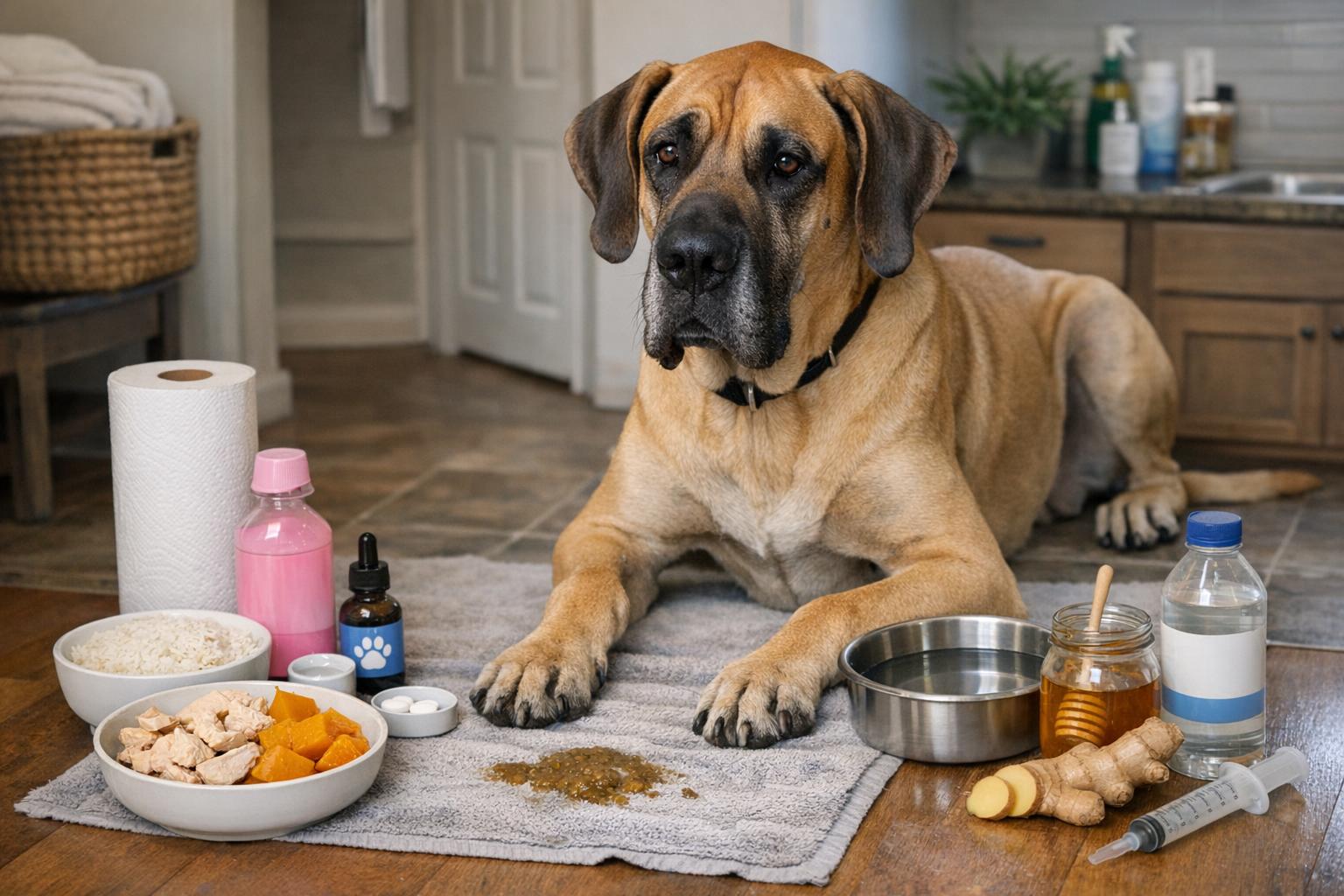
If your pup’s suddenly turning your living room into a crime scene, take a deep breath — you can help. Dog diarrhea is common and usually fixable at home with simple, safe care and a little extra TLC. Below are clear steps, practical remedies, and when to move from home care to the vet’s office. I’ll keep it friendly — and promise to judge neither your mop skills nor your dog’s appetite for trash.
## Dog Diarrhea Treatment: First Steps At Home
Dog diarrhea treatment starts with observation, basic dehydration checks, and a temporary change in diet. Before trying any remedy, ask: How long has the diarrhea lasted? Is your dog otherwise bright and active? Any vomiting, blood, fever, or abdominal pain? These answers guide whether home treatment is appropriate.
Check for dehydration: gently lift the skin at the scruff — if it snaps back quickly, your dog is likely hydrated; if it tents, that’s a concern. Also monitor gum color and tackiness. If you suspect dehydration, contact your vet immediately.
### 1. Bland Diet And Short Fast
This is the classic first-line dog diarrhea treatment for stable dogs. Fasting gives the gut a short rest while bland food soothes and stabilizes digestion.
#### Ingredients Or Required Materials
– Plain boiled white rice (no seasonings)
– Skinless, boneless boiled chicken breast (no salt or spices)
– Clean measuring spoons and bowls
– Scale or simple measuring cup to portion food by weight
#### Step-By-Step Creation And Application
1. Confirm your dog is not a puppy, elderly, or showing severe symptoms (if they are, skip home treatment and call the vet).
2. Withhold food for 12 hours for adult dogs (6 hours for small or toy breeds), but continue providing fresh water. This reduces intestinal workload.
3. After fasting, offer small amounts (about 1-2 teaspoons per 10 pounds of body weight) of a 50:50 mixture of boiled white rice and shredded chicken every 3-4 hours.
4. If stools begin to firm over 24–48 hours, gradually increase portions and reintroduce regular food over another 2–3 days by mixing increasing amounts of their normal diet.
5. Stop the bland diet and resume regular feeding once stools are consistently normal for 48 hours.
Notes: Avoid fatty foods, dairy, and treats during recovery. This method is a core part of most dog diarrhea treatment plans.
### 2. Probiotic Support And Plain Yogurt
Restoring healthy gut bacteria is a pivotal piece of dog diarrhea treatment. Probiotics can shorten the duration and reduce recurrence.
#### Ingredients Or Required Materials
– Canine-specific probiotic supplement (CFU and strains geared for dogs)
– Plain unsweetened yogurt (optional, as a temporary measure)
– Measuring spoon for precise dosing
#### Step-By-Step Creation And Application
1. Choose a probiotic formulated for dogs; human products vary in strain and potency. Typical therapeutic doses range widely; follow product instructions or your vet’s guidance.
2. Start probiotics when the stool begins to show improvement or immediately if recommended by a veterinarian.
3. If using plain yogurt, offer no more than a teaspoon per 10 pounds of body weight once or twice daily for a short period; ensure it contains live active cultures and no artificial sweeteners like xylitol (toxic to dogs).
4. Continue the probiotic for 7–14 days or as advised. Monitor for improvement; some dogs may take 48–72 hours to respond.
Important: Probiotics are supportive, not a cure for serious causes like parasites or bacterial infections. They’re an evidence-backed component of responsible dog diarrhea treatment.
### 3. Pumpkin Pulp And Slippery Elm
Fiber and mucilage can bulk stools and soothe irritated intestinal linings. This is a gentle, natural adjunct to diet changes.
#### Ingredients Or Required Materials
– Canned plain pumpkin (100% pumpkin, not pumpkin pie mix) OR cooked, mashed pumpkin
– Slippery elm powder (food grade, from reputable supplier)
– Measuring spoons and small bowl
#### Step-By-Step Creation And Application
1. For pumpkin: give 1–2 teaspoons per 10 pounds of body weight once or twice daily. Mix into the bland diet or offer separately.
2. For slippery elm: mix according to product instructions — a common approach is 1/4 teaspoon for small dogs, up to 1 teaspoon for large dogs, dissolved in warm water to make a paste; administer once or twice daily.
3. Continue until stools normalize for 48 hours. If no improvement in 48–72 hours, or if symptoms worsen, seek veterinary care.
Caveats: While helpful for many mild cases, these remedies won’t address infections, toxins, or obstructions that require veterinary diagnosis.
## When To Worry: Red Flags And When To Call The Vet
Even with excellent home dog diarrhea treatment, some signs require immediate professional attention. Call your vet or an emergency clinic if any of the following occur:
– Persistent diarrhea lasting more than 48–72 hours despite home measures
– Repeated vomiting, inability to keep water down
– Blood or black, tarry stools
– Lethargy, collapse, or severe abdominal pain
– Signs of dehydration (sunken eyes, dry gums, decreased skin elasticity)
– Puppies, senior dogs, or dogs with chronic illnesses
Your veterinarian may recommend stool testing for parasites, a fecal float, bloodwork, imaging, or prescription medications like anti-diarrheals, dewormers, or antibiotics depending on diagnosis.
## Preventing Future Episodes
Prevention is a key piece of any dog diarrhea treatment plan. Keep a relaxed but vigilant routine:
– Avoid sudden dietary changes; introduce new foods over 7–10 days.
– Keep trash, spoiled food, and human medications out of reach.
– Regular parasite prevention and stool checks, especially for dogs that spend time outdoors.
– Cautious treat policy: low-fat, low-additive treats are safest.
– If you travel to areas with different water sources, bring bottled water for sensitive pups.
### Tips For Reintroducing Normal Diet
When your dog’s stools have been firm for 48 hours:
1. Mix 25% of the regular diet with 75% bland diet for two days.
2. Increase to 50/50 for two days.
3. Move to 75% regular diet for two days, then fully back to normal.
This gradual approach minimizes relapse.
## Medication And Professional Options
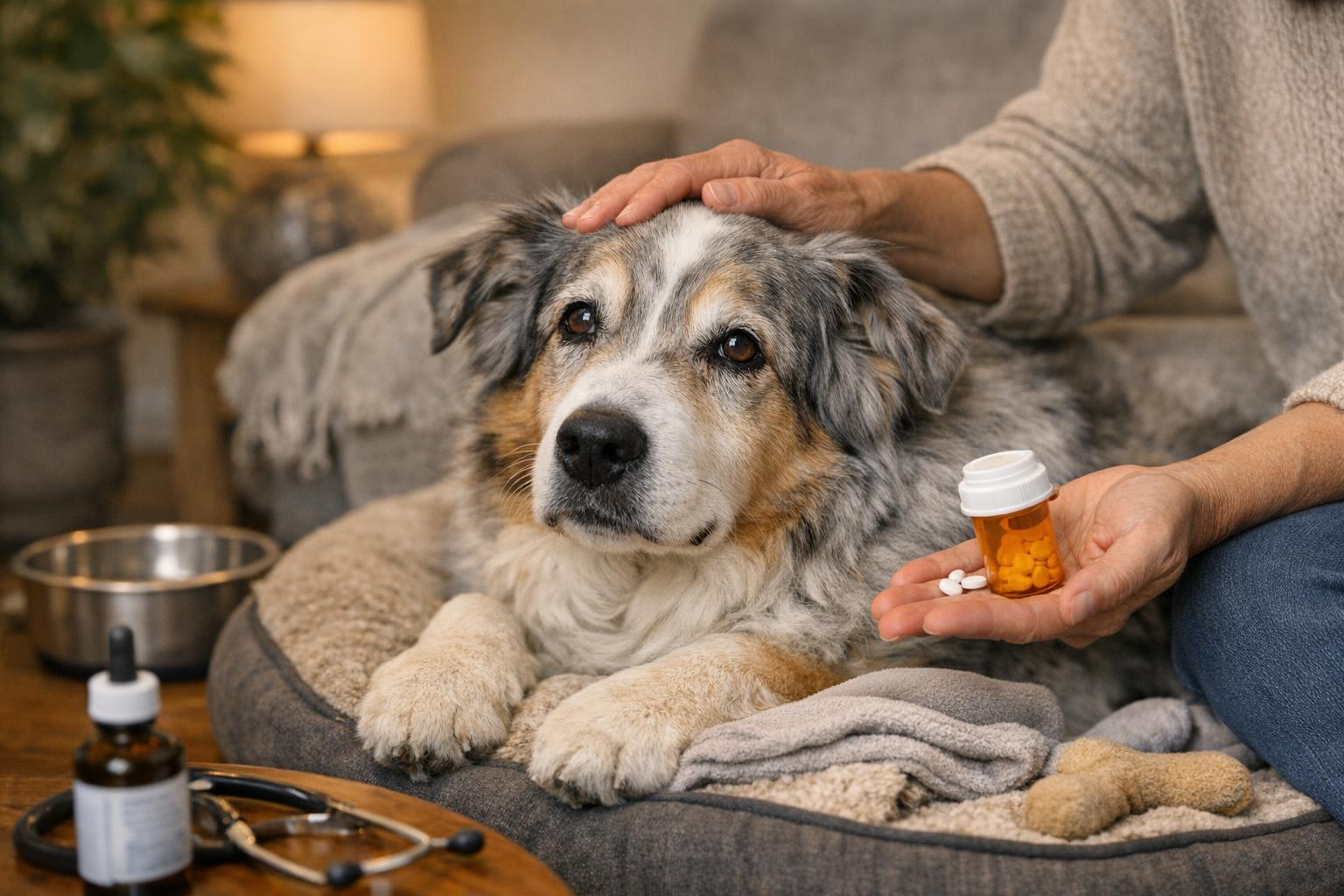
Some causes require specific medical treatments. If your vet prescribes medications, follow the dosing, duration, and administration instructions exactly. Common interventions include:
– Dewormers for confirmed parasitic infections
– Metronidazole or tylosin for certain bacterial overgrowths (only under vet guidance)
– Anti-inflammatory agents if inflammatory bowel disease is suspected
– Fluid therapy for dehydration, sometimes administered subcutaneously or intravenously in clinic
Do not give human anti-diarrheal medications without veterinary approval. Many are unsafe or ineffective for dogs.
## Treats, Snacks, And Human Foods To Avoid
While the temptation to bribe a sick dog with cookies is strong, skip these:
– Anything with xylitol or high sugar
– Dairy (many dogs are lactose intolerant)
– Fatty or spicy foods
– Bones or chews that could irritate the gut
These items can undermine your dog diarrhea treatment efforts and prolong recovery.
## Monitoring Progress And When To Reassess
Keep a brief log: time of each stool, consistency (loose, watery, formed, bloody), appetite, vomiting, energy level, and water intake. If there’s clear improvement within 24–48 hours with home measures, continue the plan until recovery. If there’s no steady improvement or complications arise, resume professional care.
If your dog has recurring diarrhea episodes, consider allergy testing, a specialized diet trial, or further diagnostic workups guided by your vet. Chronic issues are best managed with a targeted plan rather than repeated short-term dog diarrhea treatment attempts.
A final friendly note: accidents happen, but most cases of mild diarrhea can be handled at home with calm care, sensible diet changes, and informed use of supportive remedies. If anything about your dog’s condition feels off, trust your gut (and call your vet).
Leave a Reply