
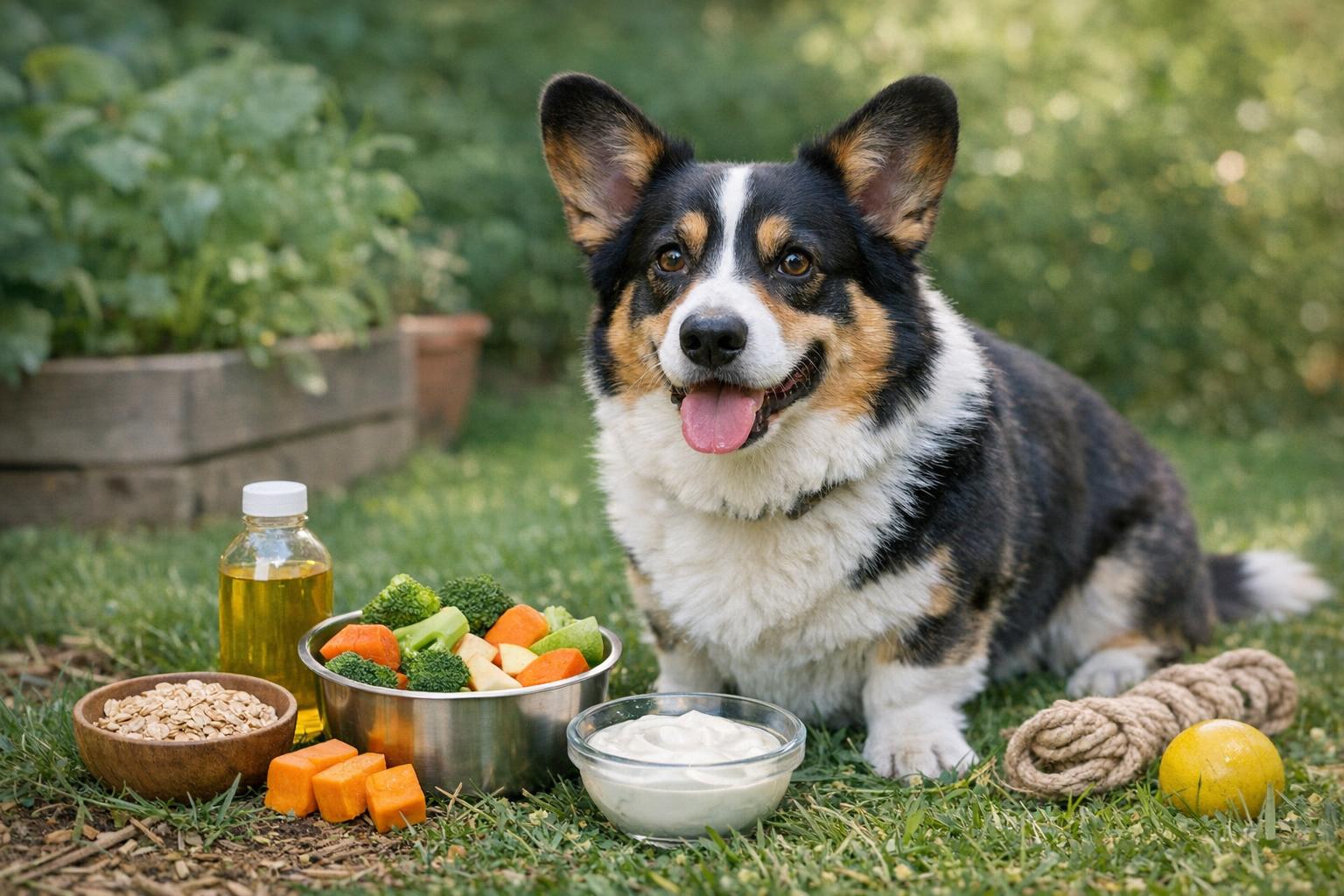
If your dog is hanging around the back door like they’ve forgotten where the bathroom is, you’re not alone. Constipation in dogs can be uncomfortable for them and stressful for you. Below are friendly, practical, vet-friendly tips to help — with a mix of natural remedies, adjustments to routine, and clear steps so you know exactly what to try first. If you’re googling “what helps a dog poop,” you’ll find a range of options here that are safe for most dogs. (But remember: persistent blockage needs vet care.)
## What Helps A Dog Poop: Natural Tips
Knowing what helps a dog poop starts with simple checks: hydration, fiber, movement, and comfort. Mild constipation is often resolved at home with low-risk fixes. More serious cases — extreme straining, vomiting, blood in stool, or lethargy — require immediate veterinary attention. Use these approaches in order from least to more involved, and monitor your pup’s response.
### Recognize When It’s Serious
#### Signs To Watch For
– Repeated straining without passing stool
– Small, hard pellets of stool
– Vomiting, weakness, fever, or abdominal pain
If you see these, call your vet. What helps a dog poop at home is great for mild issues, but it’s not a substitute for professional care when complications are present.
## 1. Increase Hydration And Moisture
Proper hydration is one of the simplest answers to what helps a dog poop. A well-hydrated colon moves stool more easily.
Ingredients/Materials:
– Fresh water available at all times
– Electrolyte solution for dogs (optional, vet-approved)
– Canned (wet) dog food or homemade warmed broth (no onion/garlic)
Step-By-Step Creation And Application:
1. Offer fresh water frequently; change it twice daily to encourage drinking.
2. Add a splash of low-sodium chicken or beef broth to the water or food (1–2 teaspoons for small dogs, up to 1 tablespoon for large dogs).
3. Replace one meal with canned wet food for 24–48 hours to increase moisture intake.
4. If your dog refuses liquids, consult your vet about an oral electrolyte solution formulated for dogs and the proper dilution and dosage.
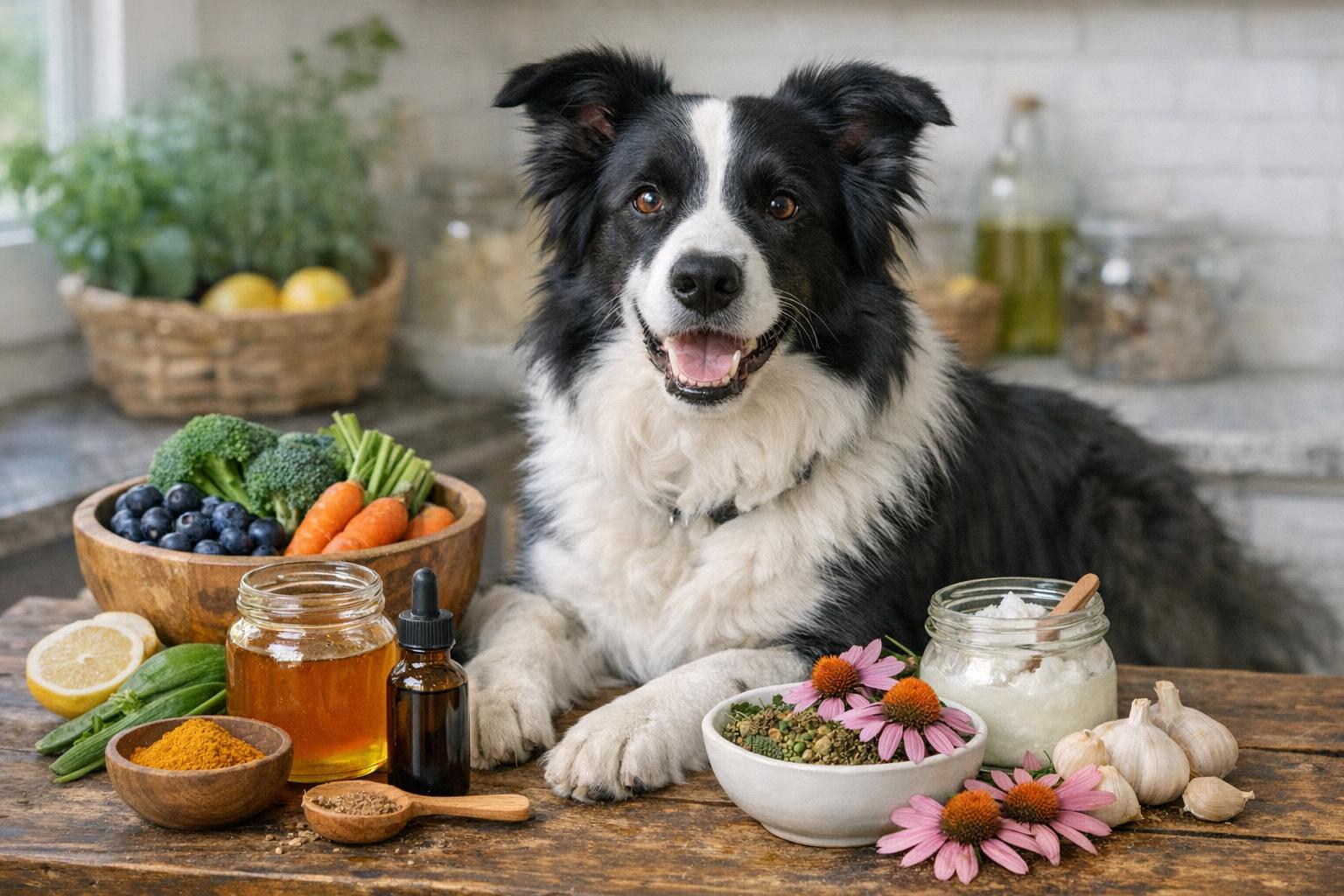
## 2. Fiber Boosts: Pumpkin And High-Fiber Foods
Fiber is a top natural remedy in the list of what helps a dog poop. It softens stool and increases bulk to encourage bowel movements.
Ingredients/Materials:
– Plain canned pumpkin (100% pumpkin, not pie filling)
– Oat bran, psyllium husk (Metamucil—unsweetened), or a vet-recommended fiber supplement
– Measuring spoon
Step-By-Step Creation And Application:
1. For small dogs (under 20 lbs): give 1 teaspoon of plain canned pumpkin once or twice daily.
2. For medium dogs (20–50 lbs): give 1–2 tablespoons once or twice daily.
3. For large dogs (over 50 lbs): give 2–4 tablespoons once or twice daily.
4. If using psyllium husk: start with a small dose (1/4 tsp for small dogs to 1 tsp for medium; up to 1–2 tsp for large) mixed into food, and increase gradually under vet guidance.
5. Continue for up to 3 days; if constipation persists, stop and consult your vet.
### Suitable Fiber Foods
#### Safe Foods And Quantities
– Plain canned pumpkin: as above.
– Cooked sweet potato: small mashed amounts (no butter or seasoning).
– High-fiber dog food: follow manufacturer guidelines and transition slowly.
## 3. Natural Lubricants: Olive Oil And Coconut Oil
A small amount of oil can lubricate the intestinal tract and soften stool. This is one of the more commonly asked answers to what helps a dog poop naturally.
Ingredients/Materials:
– Extra virgin olive oil or organic virgin coconut oil
– Measuring spoon
Step-By-Step Creation And Application:
1. Dosage: 1/4 teaspoon for every 10 pounds of body weight, given once (do not exceed recommended amounts).
2. Mix the oil into a small portion of food or canned pumpkin to improve palatability.
3. Observe stool softness within 12–24 hours. Do not make a habit of daily oil dosing — consult your vet for repeated use.
4. Watch for diarrhea; if loose stools occur, stop the oil and reduce the next approach to fiber or hydration.
## 4. Gentle Exercise And Routine Changes
Movement stimulates gut motility, so it’s practical and noninvasive. When considering what helps a dog poop, exercise often helps more than we expect.
Ingredients/Materials:
– Leash and collar/harness
– Time for 10–30 minutes of activity depending on dog
Step-By-Step Creation And Application:
1. Take multiple short walks (10–15 minutes) throughout the day rather than one long walk if the dog is reluctant.
2. Encourage gentle play and natural movements (fetch, incline walking, stairs if healthy).
3. Establish a consistent regular bathroom routine: take your dog out after meals and first thing in the morning.
4. Keep activity low-impact if your dog is elderly or has joint issues; consult your vet for tailored exercise plans.
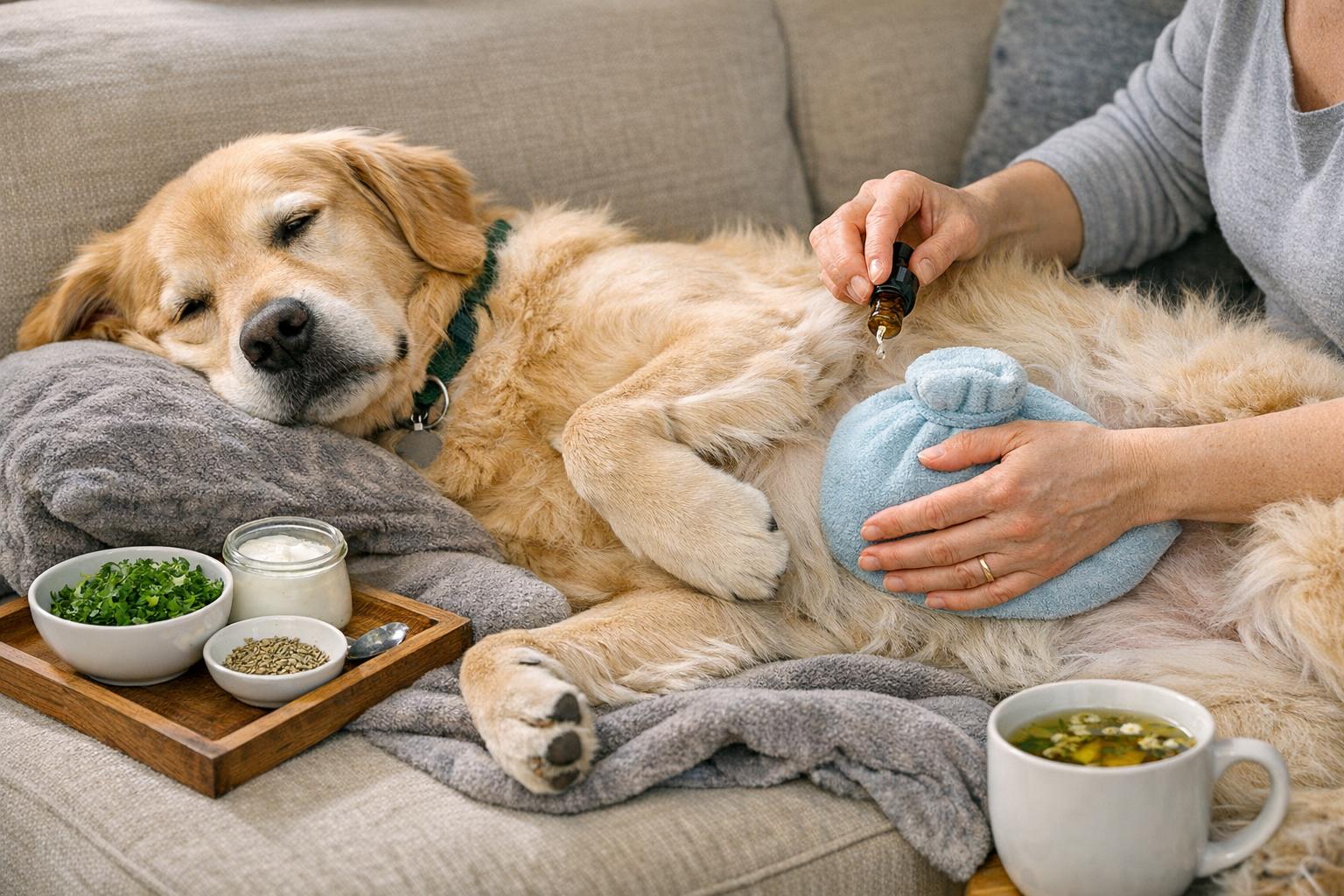
## 5. Abdominal Massage And Positioning
Hands-on techniques can encourage bowel movements by helping peristalsis and relaxing the dog.
Ingredients/Materials:
– Comfortable mat or soft surface
– Treats for positive reinforcement
Step-By-Step Creation And Application:
1. Calm your dog and have them lie on their side or stand if they prefer.
2. Use gentle, circular motions with light pressure on the belly, moving clockwise (following the direction of the colon).
3. Perform for 2–5 minutes, several times a day, while speaking calmly and offering treats.
4. Combine with a warm compress for a few minutes before massage to relax muscles.
5. If massage causes pain or your dog flinches, stop immediately and seek veterinary advice.
### How Often To Try These Steps
#### Frequency And Monitoring
Try one method at a time for 24–48 hours, noting stool changes. If there’s no improvement after 48–72 hours, or if symptoms worsen, contact your veterinarian. Repeating multiple home remedies simultaneously increases the risk of diarrhea or interactions (e.g., too much fiber and oil).
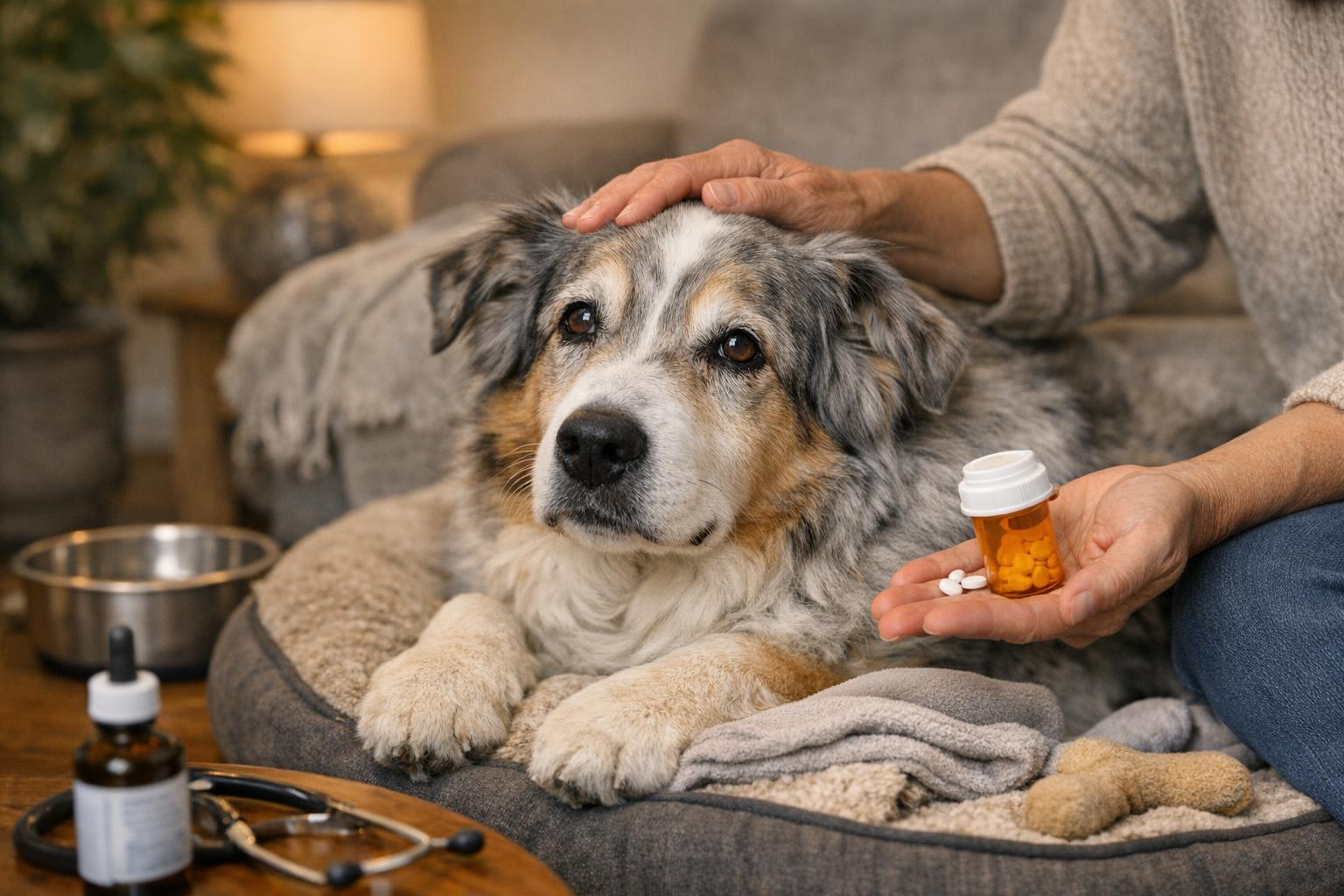
## 6. When Foods And Home Care Don’t Work
If you’re still asking what helps a dog poop after home care, professional care may be necessary.
Ingredients/Materials:
– Phone number for your vet or emergency clinic
– Transport crate or leash for safe travel
Step-By-Step Creation And Application:
1. Document symptoms: time since last stool, stool appearance, any vomiting, appetite changes.
2. Call your veterinarian, describe the steps you’ve taken and your dog’s response.
3. Follow vet instructions; they may recommend an in-office exam, diagnostic imaging, stool softeners, enemas, or other interventions.
4. If advised to bring your dog in, transport them safely and follow clinic intake procedures.
Throughout these options, remember: moderation is key. If you’re thinking, “Okay, I’ll give my dog everything that helps a dog poop,” hold up. Combining multiple high-dose remedies can cause diarrhea, electrolyte imbalance, or stomach upset. Work through steps methodically and involve your vet when in doubt.
### Final Notes On Safety And Prevention
#### Long-Term Prevention Tips
– Keep fresh water available at all times.
– Maintain regular exercise and a consistent bathroom routine.
– Incorporate fiber slowly if switching diets.
– Avoid feeding bones, high-fat table scraps, or indigestible materials that can lead to blockages.
If your search for what helps a dog poop brought you here, you now have a clear, practical toolkit: hydrate, add gentle fiber, use safe lubricants sparingly, encourage movement, and try massage. When in doubt, call the vet — better safe than scooping out a crisis later.

Leave a Reply