





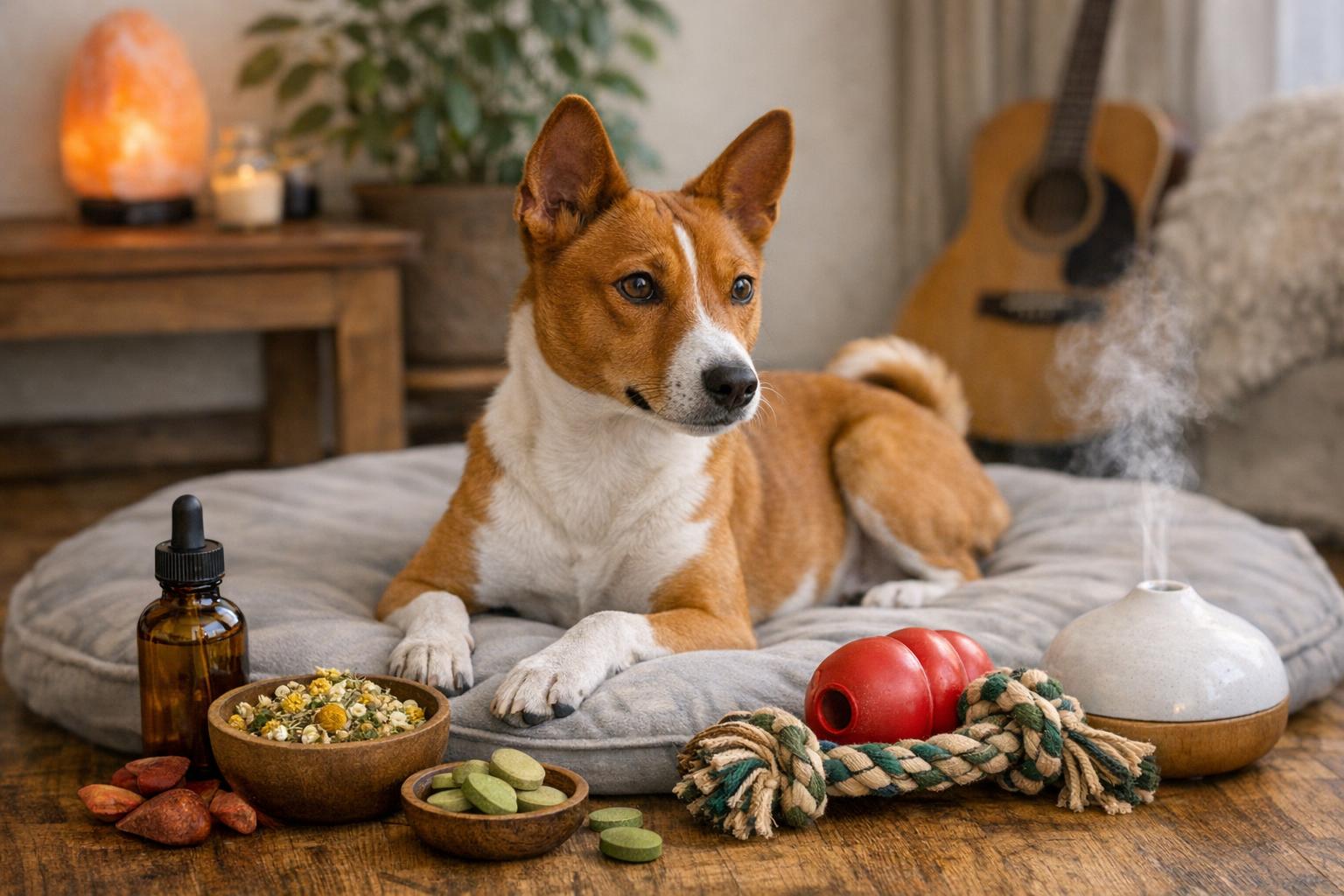
You love your dog, but sometimes that boundless enthusiasm feels like living with a furry tornado. Relax—there are clever, natural ways to ease dog hyperactivity at home that don’t involve sedatives or guilt. These options focus on enrichment, scent, nutrition, and routine. Try one or combine a few, and tailor them to your dog’s personality. A little science plus a little creativity goes a long way (and fewer chewed sneakers is always a win).
## 1. Calming Scented Bandana For Dog Hyperactivity
### Why It Helps
Olfaction is a dominant sense for dogs. Specific calming scents—used safely—can reduce arousal and improve focus. This remedy supports a calmer baseline behavior when used as part of a broader management plan.
#### Ingredients Or Materials
– 100% cotton bandana (washable)
– 2–3 drops lavender essential oil (high-quality, diluted; caution below)
– 1 teaspoon plain carrier oil (fractionated coconut or sweet almond)
– Small glass dropper bottle
– Clothespin or safety pin to attach bandana
#### Step-By-Step Creation And Application
1. Mix the carrier oil and essential oil in the dropper bottle to create a mild dilution (approx. 2% final dilution).
2. Apply one drop of the diluted mixture to the inside fold of the bandana—do not saturate.
3. Allow the bandana to air for 5–10 minutes before placing it on your dog.
4. Fasten the bandana loosely around the neck; ensure it’s comfortable and does not restrict breathing.
5. Use during moderately stimulating situations (grooming, visitors arriving) or for short periods (30–60 minutes) to avoid scent fatigue.
6. Wash the bandana between uses and reapply oil sparingly.
Important Safety Note: Do not use essential oils on kittens, puppies under 12 weeks, pregnant animals, brachycephalic breeds, or dogs with respiratory issues. Always consult your veterinarian before introducing essential oils.
## 2. Frozen Puzzle Treat (Numbered Remedy 2)
### Why It Helps
Food puzzles slow consumption, increase mental load and engage foraging instincts—reducing restless energy. Controlled calorie adjustments prevent weight gain.
#### Ingredients Or Materials
– Kong toy or silicone mold
– 1/2 cup plain Greek yogurt or unsweetened applesauce
– 2 tablespoons natural peanut butter (xylitol-free)
– 1/4 cup low-sodium chicken broth
– 1/4 cup kibble or small crunchy treats
#### Step-By-Step Creation And Application
1. Mix yogurt (or applesauce), peanut butter, and chicken broth until homogeneous.
2. Fold in kibble to create texture that requires manipulation.
3. Spoon mixture into the Kong or molds, leaving an air gap at the top.
4. Freeze for at least 4 hours or overnight.
5. Give the frozen puzzle during calm times or immediately after a short walk, which pairs exercise with mental work.
6. Monitor the dog while using the puzzle; replace with fresh one as needed.
Administer this treat no more than once daily for high-calorie ingredients; adjust portions to maintain overall caloric balance.
## 3. Structured Indoor Exercise Circuit (Numbered Remedy 3)
### Why It Helps
Physical activity that includes cognitive tasks reduces locomotor excess and provides predictable, structured outlets for energy. Routines increase canine self-control and cue responsiveness.
#### Materials Required
– Cones or household objects to serve as markers
– A low, stable platform (sturdier crate lid or step)
– Target mat or towel
– Favorite toys and treats for reinforcement
– Clicker (optional)
#### Step-By-Step Creation And Application
1. Lay out a simple circuit: start line, weave cones, platform for “sit/stay,” target mat for “down/stay,” return for toy reward.
2. Use short, targeted sessions (5–10 minutes) 2–3 times daily. Keep intensity moderate to avoid overstimulation.
3. Begin by guiding the dog through each station with treats and calm verbal cues. Reward compliance immediately.
4. Increase complexity gradually: add duration to stays, introduce a verbal cue sequence, alternate left/right weaving.
5. End sessions on a calm behavior (down or settle) and with encouragement; avoid ending on overly exciting play.
6. Track progress and increase challenge as the dog masters elements.
Consistency is vital. Structured exercise can be as effective as longer, unstructured activity for managing dog hyperactivity when sessions are regular and progressive.
## 4. Soothing Herbal Infusion For Short-Term Use (Numbered Remedy 4)
### Why It Helps
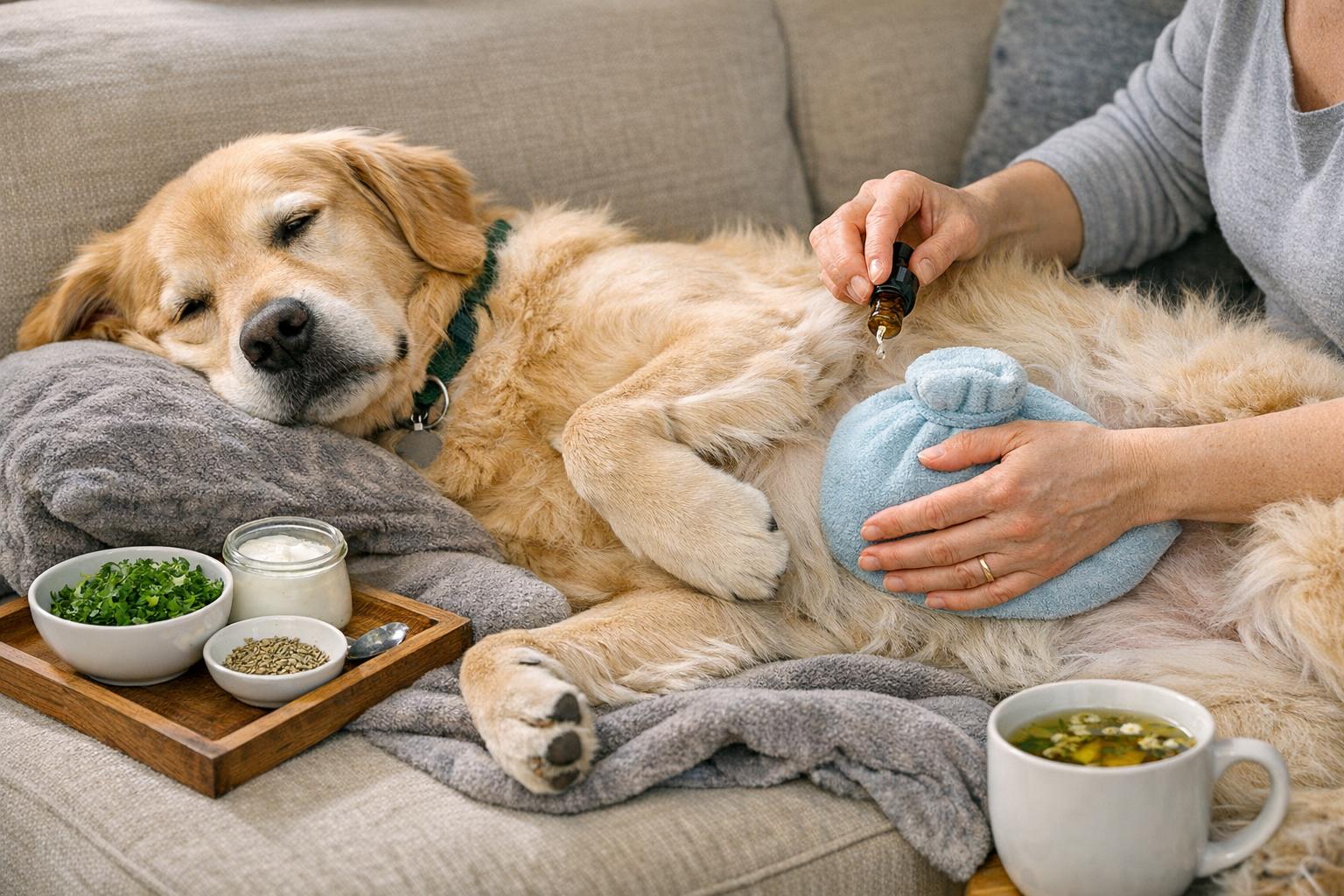
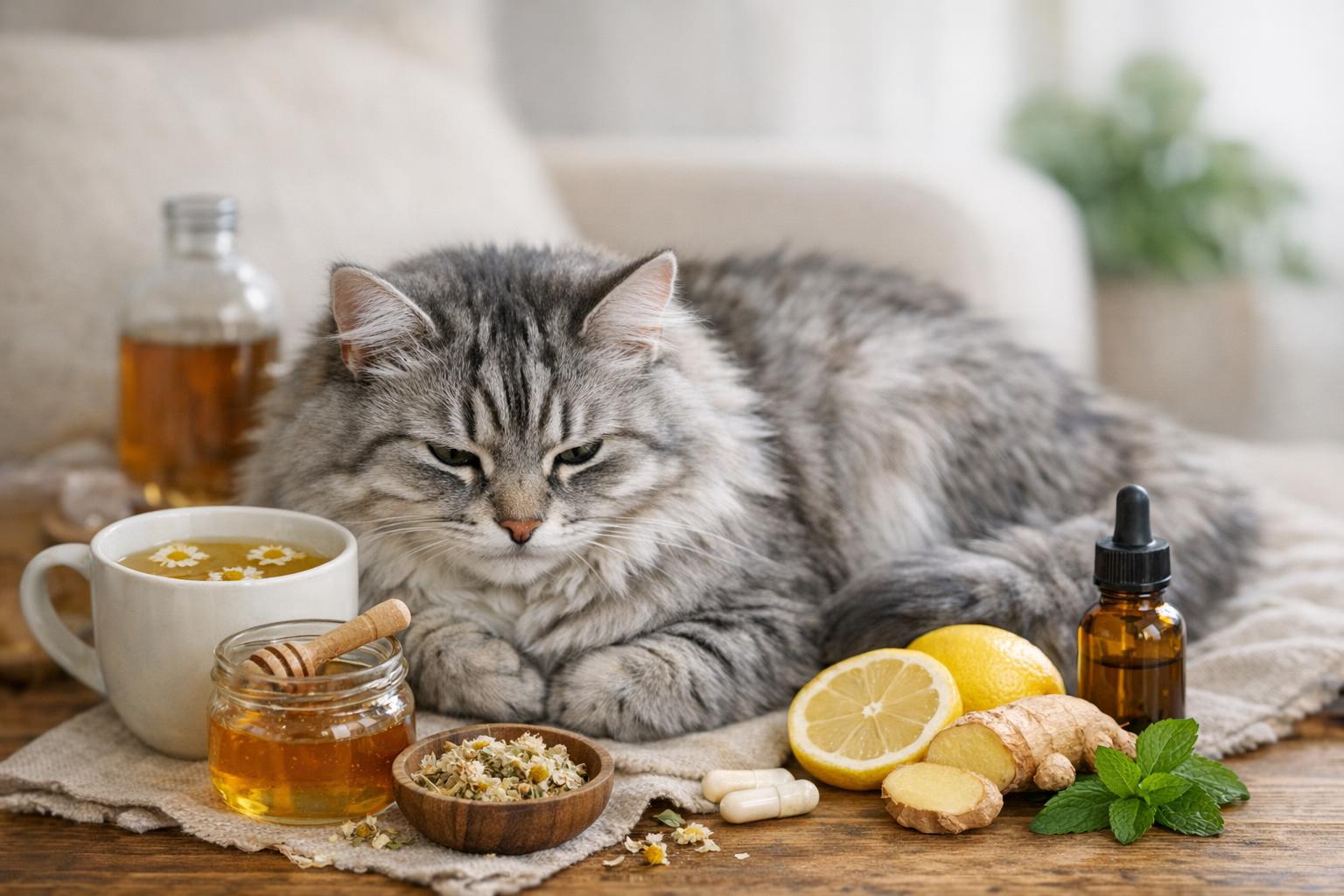
Certain herbs (chamomile, valerian) have mild anxiolytic effects via GABAergic modulation in mammals. Proper preparation and dosing are essential; this infusion is supplemental and not a replacement for veterinary guidance.
#### Ingredients Or Materials
– 1 teaspoon dried chamomile flowers
– 1/4 teaspoon dried valerian root (optional; use sparingly)
– 1 cup boiling water
– Fine strainer or muslin cloth
– Small syringe or dropper for dosing (if necessary)
– Refrigerator-safe container
#### Step-By-Step Creation And Application
1. Steep chamomile (and valerian, if used) in boiling water for 10 minutes.
2. Strain thoroughly into a clean container and allow to cool to room temperature.
3. For a small to medium dog, offer up to 1–2 tablespoons of cooled infusion, observing for sedation or GI upset. Larger dogs may tolerate 1–3 ounces. Start low.
4. Offer the infusion by dipping a treat or using a syringe into the dog’s mouth. Alternatively, mix a small amount into wet food.
5. Use no more than once daily and discontinue if any adverse reactions occur.
6. Store leftover infusion refrigerated for up to 48 hours; discard after.
Consult your veterinarian before use—do not combine with prescription sedatives or if your dog is pregnant, nursing, or has liver disease.
## 5. Scent Work Box Rotation And Chew Strategy (Numbered Remedy 5)
### Why It Helps
Scent work taps into innate behaviors, provides cognitive load, and can be performed indoors with minimal space. Chewing releases endorphins and can decrease arousal when appropriate options are available.
#### Materials Required
– Five small boxes or containers
– High-value treats or small pieces of kibble
– Durable chew items (bully sticks, rubber toys appropriate for your dog)
– Timer or schedule app for rotations
#### Step-By-Step Creation And Application
1. Assemble five boxes and place the dog in a sit or stay in another room.
2. Hide treats in 2–3 boxes, leaving others empty to maintain challenge.
3. Release the dog and allow scent investigation. Encourage and reward nose work with verbal praise.
4. Rotate treats and swap in different chews each session to maintain novelty.
5. Implement a schedule: scent work in the morning, chew session mid-day, circuit exercise in the evening.
6. Monitor chewing for safety; remove chews when small enough to swallow.
Scent work sessions should be brief (7–15 minutes) but mentally rigorous. Rotate chews by material and texture to sustain interest and dental benefit.
### When To Seek Professional Help
If behavioral strategies and natural remedies do not provide measurable improvement, or if the hyperactivity is sudden, extreme, or accompanied by compulsive behaviors, a veterinary behavioral consultation is warranted. A comprehensive medical assessment rules out metabolic, endocrine, neurological, or pain-related causes before relying solely on behavioral interventions. Veterinary oversight is especially important when combining herbal supplements with medications or treating very young, senior, or medically compromised dogs—do not self-prescribe.
If persistent dog hyperactivity interferes with daily life or safety, document episodes (video is helpful) and discuss them with your veterinarian or a certified professional dog trainer. There are evidence-based behavioral modification programs and, if necessary, pharmacologic options that can be introduced as part of a balanced plan.
A calmer household is a step-by-step process: scent, structure, exercise, and enrichment often work best together. Mix and match these remedies, observe your companion’s responses, and tweak dosages, durations, and complexity. With patience and consistency, you’ll likely see fewer zoomies and more zen—plus the bonus of a happier, well-stimulated dog.












Leave a Reply