
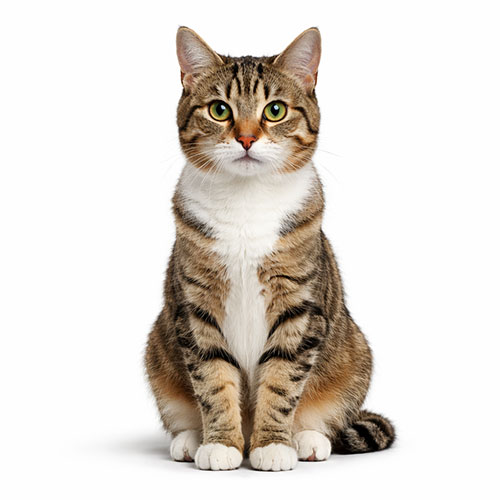

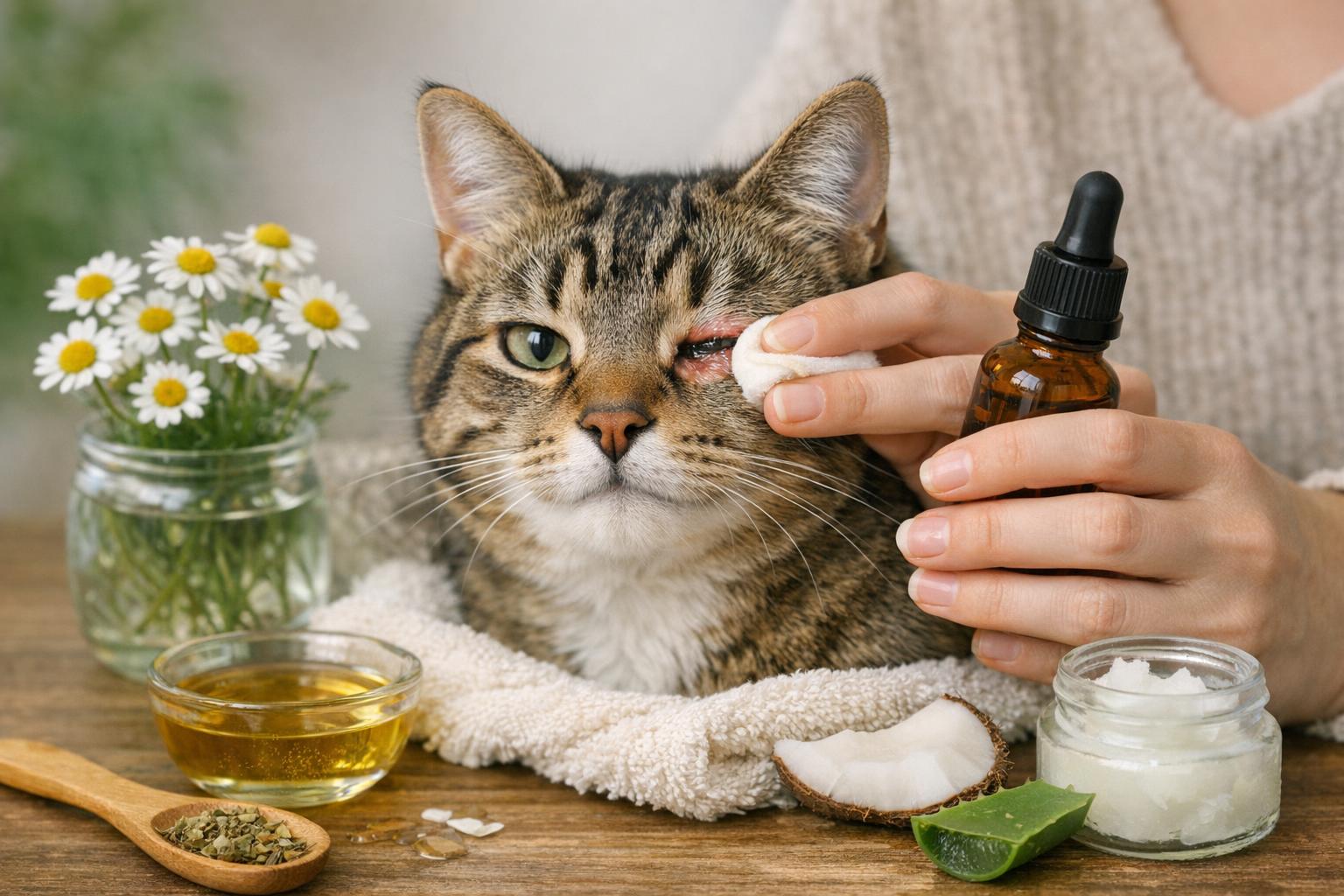
Hello there — glad you stopped by. If your cat has been blinking dramatically like a tiny Shakespeare or rubbing one eye a bit too often, you’re probably looking for safe, gentle ways to help. This guide is friendly, practical, and a little bit quirky (because cats are), and it focuses on real cat eye irritation treatment options you can do naturally at home — when appropriate.
## Pet Eye Care Tips: Cat Eye Irritation Treatment Naturally
Cats’ eyes are beautiful and sensitive. A little redness, watery discharge, or mild squinting often clears with simple care, but sometimes it signals a problem that needs veterinary attention. Below you’ll find clear descriptions of causes and signs, practical daily care suggestions, and two numbered natural remedies you can prepare at home. When we move into the remedies, the tone becomes more formal and precise to make sure you follow safe, effective steps.
## Common Causes And Signs Of Eye Irritation
Eye irritation in cats has several common origins:
– Allergens like dust, pollen, or household cleaners.
– Foreign bodies such as tiny grass seeds or particles.
– Mild infections (viral or bacterial) causing conjunctivitis.
– Blocked tear ducts or anatomical issues leading to tearing and staining.
– Trauma, scratches, or chemical exposure.
Watch for these signs:
– Excessive blinking or squinting.
– Pawing or rubbing at the eye.
– Redness or swelling of the eyelids or conjunctiva.
– Clear, watery, or colored discharge (yellow/green suggests infection).
– Crusty eyelids upon waking.
– Sensitivity to light or reluctance to open the eye.
If the eye is painful, stays red, shows colored discharge, or your cat’s behavior or appetite changes, consult a veterinarian promptly.
## Gentle Daily Care To Reduce Irritation
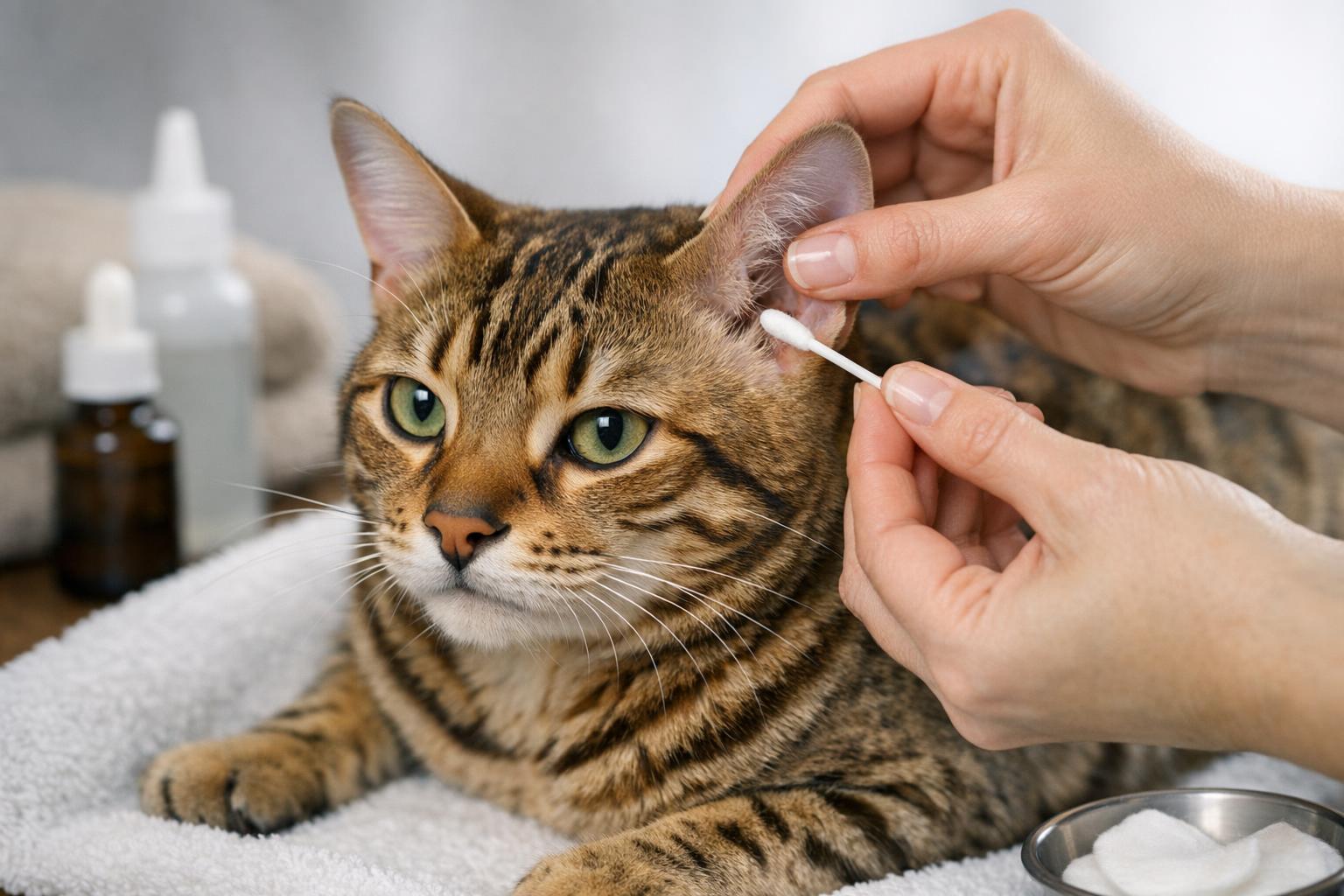
Daily care helps prevent and ease mild irritation. Keep your cat’s face clean and free of debris, especially after outdoor time. Use a soft, clean cloth dampened with lukewarm water to wipe away discharge — always from the inner corner outward. Wash your hands before and after handling your cat’s face, and use separate cloths per eye if both are affected.
If you’re searching specifically for cat eye irritation treatment that’s natural and low-risk, start with hygiene and environmental adjustments: remove strong aerosols, dust frequently, and change cat litter to a low-dust brand. These small changes can reduce flare-ups without any fuss or llama-level theatrics.
### 1. Homemade Saline Rinse For Cat Eye Irritation Treatment
This is a straightforward, safe first-aid measure for flushing out foreign particles and soothing mild irritation.
#### Ingredients And Materials
– 1 cup (240 ml) distilled water
– 1/4 teaspoon non-iodized salt (sea salt or kosher, without additives)
– A clean cup and measuring spoon
– Sterile cotton balls or sterile gauze pads
– Clean syringe without needle or an eye dropper (optional)
– Clean towel
Preparation and application should be performed with clean hands in a calm environment. If your cat is anxious, have an assistant gently hold them.
Step-By-Step Creation And Application
1. Sterilize and Combine: Boil the distilled water for 5 minutes to ensure sterility, then let it cool to lukewarm. Stir in the 1/4 teaspoon salt until dissolved.
2. Cool And Store: Pour the saline into a clean container. Use immediately or store in the refrigerator for up to 24 hours. Discard after 24 hours.
3. Position And Restrain: Wrap your cat gently in a towel leaving the head exposed, or have an assistant hold them. Speak softly to keep them calm.
4. Rinse: Soak a sterile cotton ball or gauze in the saline. Gently hold the upper lid and use the soaked cotton to wipe from the inner corner outward to the outer corner. If using a syringe or dropper, instill 1–2 drops into the eye and allow blinking to flush the area.
5. Repeat As Needed: Repeat 2–4 times daily for up to 48 hours. If no improvement, or if discharge becomes colored or the eye remains painful, stop home rinses and see your veterinarian.
Precautions: Never use homemade saline that has been sitting for more than 24 hours. Do not use human contact lens solutions, hydrogen peroxide, or any antiseptic not prescribed by a vet.
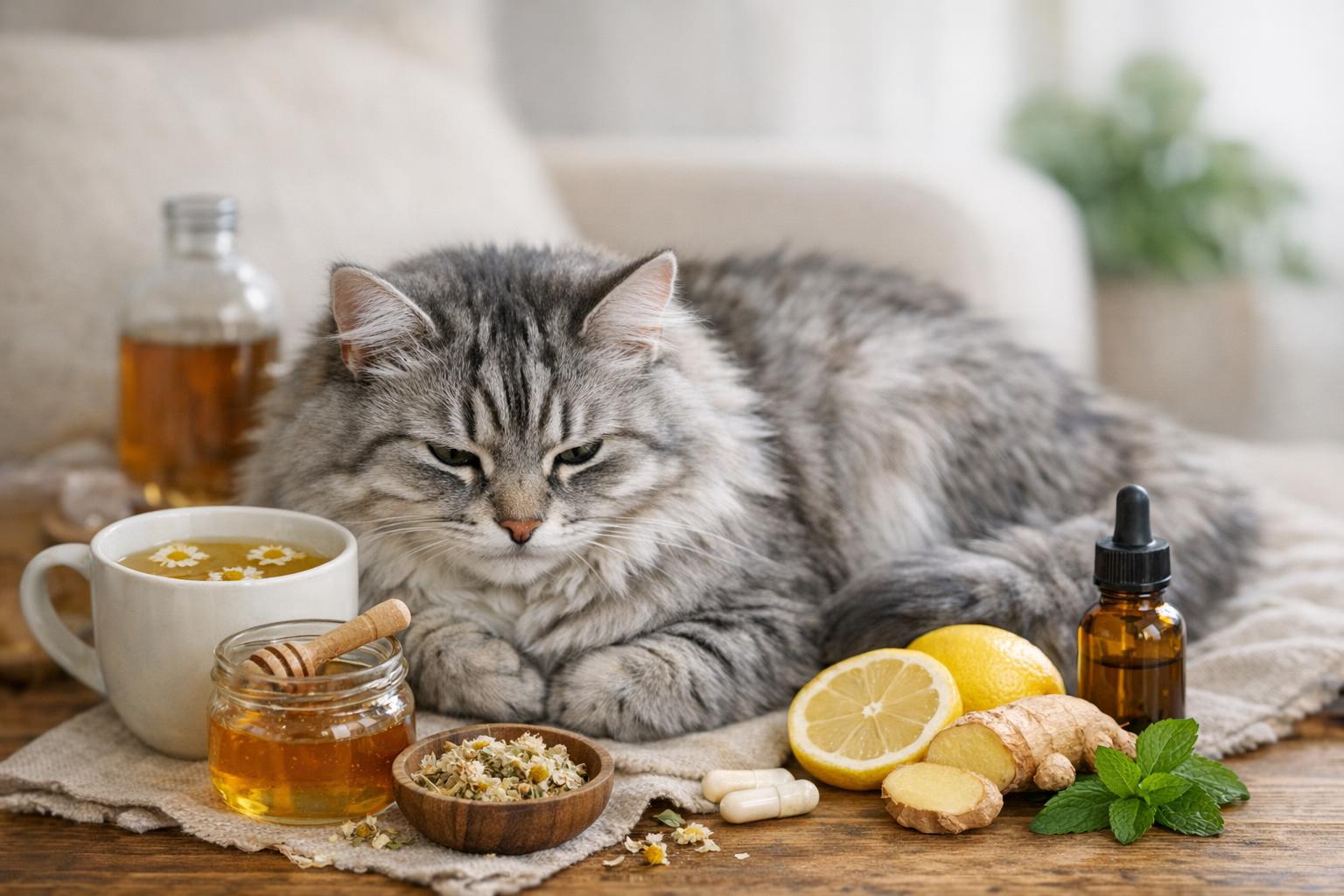
### 2. Chamomile Compress For Mild Cat Eye Irritation Treatment
Chamomile can provide gentle anti-inflammatory and soothing effects. Use this compress only for mild irritation and never if there is a suspected corneal ulcer, strong infection, or chemical burn.
#### Ingredients And Materials
– 1 chamomile tea bag (organic, no added flavors)
– 1 cup (240 ml) distilled water
– Sterile gauze pads or clean cotton balls
– A small bowl
– Clean towel
Step-By-Step Creation And Application
1. Brew And Cool: Pour 1 cup of boiling distilled water over the chamomile tea bag. Steep for 5–7 minutes. Remove the tea bag and allow the tea to cool to lukewarm. For extra sterility, you can steep the tea bag for a minute longer and strain through a clean sieve.
2. Prepare Compresses: Saturate sterile gauze pads or cotton balls in the cooled chamomile liquid.
3. Position And Restrain: As with the saline rinse, wrap your cat in a towel and keep them calm with soft talk. Have an assistant if needed.
4. Apply Compress: Gently press the saturated gauze or cotton over the closed eyelid for 2–3 minutes. Do not rub. Allow the compress to rest and the chamomile to soothe the surface.
5. Repeat Treatment: Apply compresses 2–3 times daily for up to 48 hours. Observe for improvement. Discontinue and consult a veterinarian if redness worsens, discharge becomes colored, or the cat shows signs of distress.
Formal Note On Use: Prepare compresses freshly for each application, and avoid any tea with additives or oils. Chamomile may cause allergic reactions in a small number of animals; discontinue immediately if you notice increased irritation or swelling.
## When To See A Veterinarian
Natural cat eye irritation treatment can handle mild cases, but some signs mean it’s time for professional care:
– Thick, yellow, green, or bloody discharge.
– Sudden onset of severe redness or swelling.
– Visible scratch on the eye, cloudiness, or change in pupil size.
– Both eyes are affected with severe discharge, indicating possible systemic infection.
– Persistent symptoms beyond 48 hours of home care or any worsening.
A veterinarian can assess for corneal ulcers, conjunctivitis, blocked tear ducts, glaucoma, or underlying systemic issues and prescribe appropriate medication like antibiotics, antiviral therapy, or specialized eye drops.
## Safety Tips And Common Mistakes To Avoid
– Avoid using any human eye medications unless explicitly told by your vet.
– Never use essential oils, alcohol, hydrogen peroxide, or antiseptic sprays near the eyes.
– Don’t try to pry open a tightly closed eye; this can cause injury.
– Avoid over-handling the eye area — steady, brief interventions are better than prolonged fiddling.
– If your cat wears a collar or cone following treatment, ensure it fits comfortably to prevent rubbing or further injury.
## Long-Term Prevention And Care
Create a low-irritant home environment: choose low-dust litter, avoid cigarette smoke and harsh aerosols, and maintain regular grooming to keep tear-staining hair trimmed. Routine wellness checks at the vet will help catch tear-duct or eyelid issues early.
If you try gentle, natural cat eye irritation treatment and see steady improvement within 24–48 hours, you’ve likely handled a minor problem. If not, or if anything looks concerning, veterinary care is the responsible next step — because cats are drama kings and queens, but their eyes deserve real attention.
Keep calm, move slowly, and remember: a soothing rub behind the ears afterward is the best thank-you you’ll get (and possibly the only payment your cat accepts).













Leave a Reply