



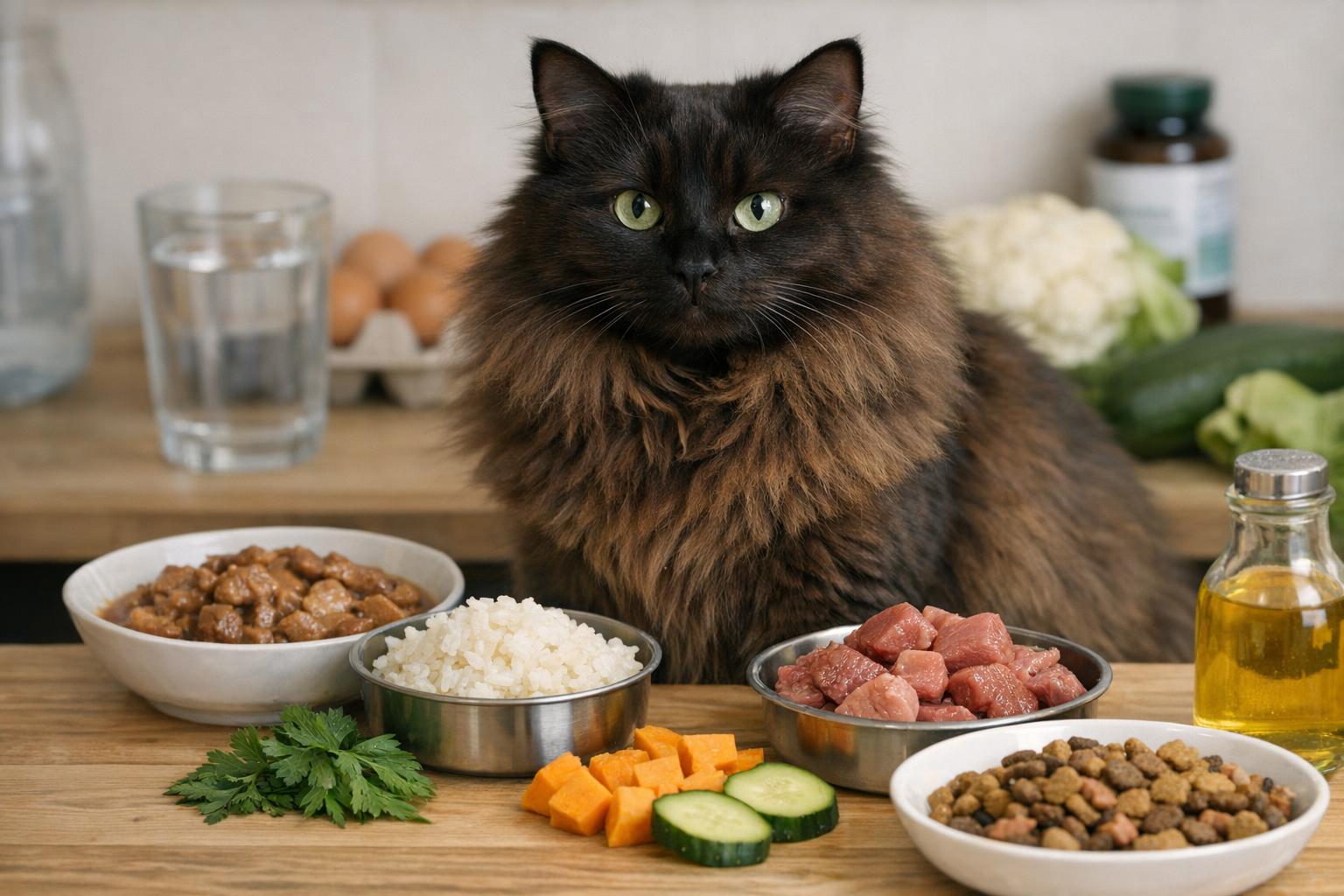
Caring for a cat with declining kidney function can feel like juggling paw-sized responsibilities: meds, vet visits, and the eternal quest for food they’ll actually eat. One of the most powerful tools you have is diet. A thoughtful, tailored eating plan can ease symptoms, slow progression, and keep your kitty comfortable — think of it as culinary physical therapy for the kidneys. If you’re researching a special diet for cats with kidney disease, this guide will walk you through why diet matters, what to prioritize, and a vet-approved homemade wet-food option you can prepare at home.
## Understanding Kidney Disease In Cats
Kidney disease in cats ranges from sudden (acute) issues to a slower, age-related decline (chronic kidney disease, or CKD). Because kidneys filter waste and help regulate electrolytes, a malfunction affects appetite, hydration, and overall energy. That’s why nutrition is central: the wrong balance can overload the kidneys, while the right balance supports remaining function and quality of life.
### Signs And Diagnosis To Watch For
Typical signs include increased thirst and urination, decreased appetite, weight loss, lethargy, and occasional vomiting. Your veterinarian will use bloodwork (creatinine, BUN), urine tests, blood pressure, and possibly imaging to stage the disease. Diet becomes a cornerstone of management once kidney disease is diagnosed or suspected.
### How Diet Helps Kidneys
Diet for renal cats is about reducing strain while keeping calories and nutrients adequate. A special diet for cats with kidney disease aims to modulate protein, lower phosphorus, control sodium, maintain hydration, and be palatable enough that a fussy feline still eats. Think of diet as both medicine and comfort food (the medicinal kind).
## Special Diet For Cats With Kidney Disease: What To Feed
This section focuses on the practical: what to prioritize and what to avoid. If you’re switching foods, always do so under veterinary guidance, and keep the transition slow to avoid GI upset.
### Protein: Quality Over Quantity
Protein restriction used to be a blanket rule, but modern guidance emphasizes high-quality protein at moderate levels rather than severe restriction. The goal is to provide enough amino acids to maintain muscle mass without producing excessive nitrogenous waste that stressed kidneys struggle to eliminate. Look for diets labeled for renal support that use high-biological-value proteins (egg, poultry, fish), and follow your vet’s recommendation about the exact protein percentage appropriate for your cat’s stage.
### Phosphorus And Sodium Management
Phosphorus reduction is one of the most evidence-backed dietary changes for slowing CKD progression. Special diets will have lower phosphorus content and often include phosphorus binders if needed. Sodium should be controlled to manage blood pressure, but not so low that the food tastes unappealing. Overall, the balance matters: lower phosphorus, controlled sodium, and consistent monitoring.
#### Reading Commercial Labels Carefully
Not all “low-phosphorus” claims are the same. Check guaranteed analysis and ingredient lists; some therapeutic renal diets are prescription-only and formulated to meet clinical goals. If cost or availability is an issue, discuss alternatives with your vet rather than guessing.
### Hydration And The Role Of Wet Food
Hydration is huge. Cats with kidney disease often drink less or lose the sensation to drink adequately. Wet food provides moisture with each bite, helping maintain hydration and supporting kidney filtration. If your cat is resistant to higher-moisture foods, try adding low-sodium broth or water, warming food slightly, or using feeding enrichment to entice eating.
## Homemade Remedy: Renal Support Wet Food (Recipe And Application)
Below is a single, vet-reviewed homemade option designed as an occasional supplement or temporary solution when commercial veterinary renal diets aren’t an option. This is not a replacement for a prescription renal diet unless your veterinarian approves it for your cat’s specific stage. The following section is formal and precise: follow it carefully and consult your vet before prolonged use.
Ingredients / Required Materials:
– 250 g cooked white chicken breast (no skin, no bones), finely shredded
– 100 g cooked white rice (well-cooked, soft)
– 200 ml low-sodium chicken or turkey broth (homemade or commercial low-sodium)
– 1 large egg (cooked, hard-boiled and mashed)
– 1/2 teaspoon fish oil (for omega-3 fatty acids)
– 1/4 teaspoon calcium carbonate (optional — only if veterinarian approves as a phosphate binder)
– Blender or food processor
– Airtight containers for storage
Step-By-Step Creation:
1. Prepare Ingredients: Cook chicken thoroughly, remove skin and bones, and let cool. Cook rice until very soft. Hard-boil the egg and mash the yolk and white finely.
2. Combine Base: Place shredded chicken, soft rice, and mashed egg in the blender or food processor.
3. Add Liquids And Oils: Pour in the low-sodium broth and add the fish oil. Blend until the mixture reaches a pâté-like consistency that is easy for your cat to lap up.
4. Add Supplement If Approved: If your veterinarian has recommended a phosphate binder or specific supplement (e.g., calcium carbonate), add the prescribed amount and mix thoroughly. Do not add binders without vet approval, as dosages must be individualized.
5. Portion And Cool: Divide into daily portions based on your cat’s caloric needs. Cool to room temperature before serving.
6. Storage: Refrigerate for up to 48 hours or freeze individual portions for up to two weeks. Thaw in the refrigerator before use.
Application / Feeding Guidelines:
– Serve small, frequent meals to reduce nausea and encourage intake. Cats with CKD often prefer many little meals.
– Warm to body temperature to increase aroma and palatability.
– Replace no more than one meal per day with this homemade wet-food option unless your vet approves a full transition.
– Monitor appetite, stool quality, hydration, and behavior closely. Report any decline or changes to your veterinarian immediately.
This homemade blend emphasizes hydration, moderate high-quality protein, and controlled phosphorus (relative to some table scraps), but it is not a complete replacement for balanced, therapeutic renal diets that contain specific electrolyte and vitamin adjustments. Use this recipe as a bridge or supplement only under veterinary oversight.
## How To Introduce A Special Diet For Cats With Kidney Disease
Switching foods can be dramatic for a finicky cat, so ease in slowly over 7–10 days. Begin with 25% renal food mixed with 75% old food, and gradually increase the renal food ratio. If your cat refuses to eat or develops vomiting or diarrhea, pause and consult your vet. Appetite stimulants or appetite-enhancing feeding techniques may be advised in some cases.
### Monitoring Labs And Appetite
Regular bloodwork and urine testing are essential. Diet changes should be coordinated with periodic testing of creatinine, BUN, phosphorus, and potassium levels. Appetite, weight, urine output, and hydration status should be tracked at home and reported to the veterinarian.
#### When To Call The Vet
Seek veterinary advice promptly if your cat stops eating for more than 24–48 hours, becomes increasingly lethargic, vomits repeatedly, or shows signs of dehydration. Diet helps, but it’s not a stand-in for medical care when things go wrong.
## Foods And Ingredients To Avoid
Avoid high-phosphorus foods (organ meats, dairy in excess), salty snacks, and any treats with unknown additives. Grapes and raisins are toxic to many animals and should be avoided. Also avoid excessive protein sources that are low quality (e.g., generic meat by-products) and table scraps high in sodium or fat. Remember: treats should be a small part of the overall plan and chosen with kidney-friendly composition in mind.
## Practical Tips And Lifestyle Adjustments
Small behavior changes can help your cat accept a special diet for cats with kidney disease. Offer food in shallow dishes to make smelling easier, warm food slightly to enhance aroma, and provide multiple water sources (fountains often encourage drinking). If your cat prefers dry kibble, consider mixing in moistened renal-appropriate wet food or adding extra low-sodium broth and monitoring phosphorus intake.
### Supplements And Medications That May Interact With Diet
Some cats require phosphorus binders, potassium supplements, or B vitamins (e.g., B12/cobalamin). Any supplement or medication should be approved and dosed by a veterinarian, because interactions with dietary composition can significantly affect lab values and clinical response.
## Resources For Further Support
Seek out your veterinarian or a veterinary nutritionist for individualized diet plans. Prescription renal diets exist in wet and dry forms and are formulated to support cats at different stages of kidney disease. If cost is a concern, ask your vet about programs, samples, or phased feeding strategies to maintain both affordability and clinical effectiveness.
(End of article — no summary provided.)









Leave a Reply