



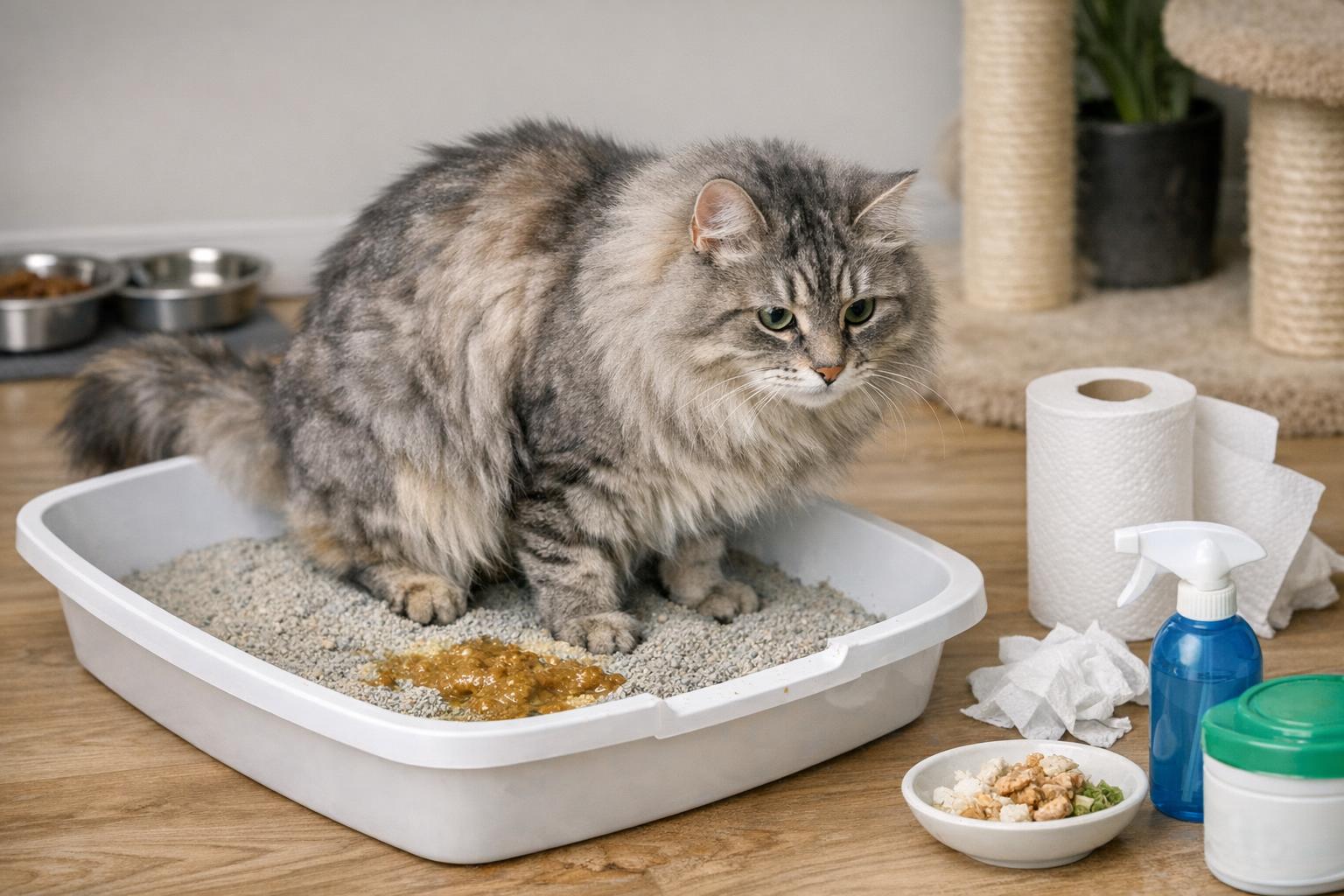
If your whiskered roommate is avoiding the litter box, gagging like they’ve seen a cucumber, or acting mopey and withdrawn, it’s natural to want to try something gentle at home before calling the vet (or calling in the tiny fury for interrogation). Some intestinal issues can be helped with natural, low-risk measures — but first, a serious but friendly heads-up: a true intestinal blockage is an emergency. These tips are for mild, partial obstructions or constipation that don’t include severe vomiting, collapse, or complete refusal to eat. When in doubt, phone your vet.
## 3 Gentle Remedies For Intestinal Blockage In Cats
An intestinal blockage in cats can range from a small hairball slowing things down to a more dangerous object completely stopping passage. These remedies focus on supporting motility, softening stool, and gentle lubrication. They are not a substitute for veterinary care when signs point toward a complete obstruction. If your cat shows persistent vomiting, abdominal pain, a bloated belly, or stops producing stool, get professional care immediately.
### Remedy 1: Canned Pumpkin For Safe, Gentle Fiber Support
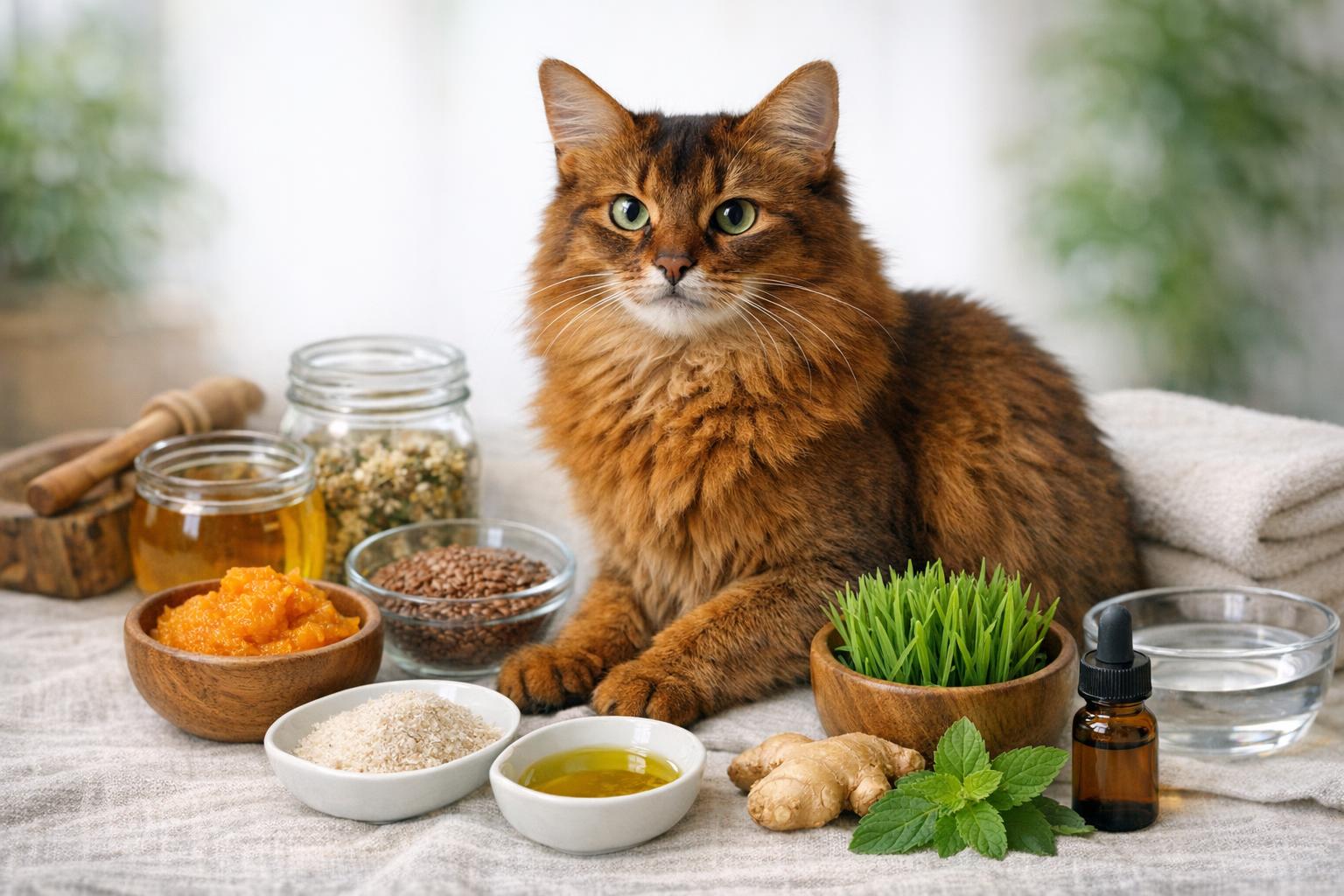
Canned plain pumpkin (not pumpkin pie filling) is a tried-and-true mild fiber source that can help move things along and is safe for most cats in small amounts.
#### Ingredients Or Materials
– 100% plain canned pumpkin (unsweetened, no spices)
– Measuring spoon
– Wet food or a small bowl
#### Step-By-Step Creation And Application
1. Measure: Start with 1/4 teaspoon of plain canned pumpkin for a small to medium adult cat. For larger cats, you can use up to 1/2 teaspoon per meal. Do not exceed 1 tablespoon per day for an adult cat.
2. Mix: Stir the pumpkin thoroughly into a small portion of your cat’s regular wet food or onto a separate shallow dish. This helps ensure it’s eaten rather than picked at.
3. Frequency: Offer this with one meal per day for up to 48–72 hours while monitoring stool and behavior. If stool softens and your cat improves, gradually reduce to once every few days as a preventive measure.
4. Monitor: Watch for diarrhea or increased vomiting. If either occurs, stop the pumpkin and consult your veterinarian.
5. Vet Check: If there’s no improvement in 48 hours, or if symptoms worsen, seek veterinary assessment. A persistent intestinal blockage in cats needs professional diagnostics.
This remedy is evidence-based as a gentle bulking agent; it’s best for partial slow transit problems and mild hairball-associated obstruction, not for a solid foreign body.
### Remedy 2: Warm Compress And Gentle Abdominal Massage To Encourage Movement
Increasing local blood flow and stimulating the gut with light massage can help a sluggish digestive tract. This method is noninvasive and useful for cats with mild constipation or hairball-related slowing.
#### Ingredients Or Materials
– Clean towel
– Bowl of warm (not hot) water
– Timer or watch
– Quiet, comfortable spot for the cat
#### Step-By-Step Creation And Application
1. Prepare: Soak the towel in warm water, wring it out so it’s warm but not dripping, and fold it into a small pad.
2. Apply Warmth: Place the warm towel gently across your cat’s lower abdomen for 3–5 minutes to relax muscles. Keep an eye on the cat’s comfort level; stop if they protest.
3. Massage Technique: After the heat application, use one or two fingers to perform a gentle circular massage on the lower abdomen. Massage clockwise following the natural direction of the intestines. Use soft pressure — think “petting, but focused.”
4. Duration and Frequency: Massage for 2–3 minutes per session, up to 3 times a day. Avoid deep pressure or poking near a painful or rigid area.
5. Hydration: Encourage drinking immediately after massage. Offer fresh water or slightly warmed low-sodium chicken broth (no onion/garlic) to promote motility.
6. Red Flags: If the cat becomes agitated, vocalizes in pain, or if the belly feels firm or distended during this process, stop and contact your vet. Do not attempt forceful manipulation.
This is an adjunctive supportive technique — helpful for mild cases and comfort, but not curative for a complete intestinal blockage in cats.
### Remedy 3: Psyllium Fiber Supplementation (Under Veterinary Guidance)
Psyllium husk is a soluble fiber that can bulk and soften stool, aiding passage through the intestines. Because cats are sensitive and easily dehydrated, use psyllium cautiously and only after confirming mild obstruction is likely and hydration is adequate.
#### Ingredients Or Materials
– Psyllium husk powder (plain, no sweeteners)
– Measuring spatula
– Warm water
– Wet food for mixing
#### Step-By-Step Creation And Application
1. Consult: Call your veterinarian to confirm psyllium is appropriate for your cat’s situation and to get a recommended starting dose.
2. Prepare Dose: A common starting dose for an adult cat is roughly 1/8 teaspoon mixed into food. If advised by your vet, this can be increased to 1/4 teaspoon once daily.
3. Mix Properly: Combine the measured psyllium with a small amount of warm water to create a gel, then mix into a small portion of wet food so the cat will eat it. Psyllium swells with water; mixing it into food prevents a dry powder being inhaled.
4. Hydration: Ensure your cat has ready access to fresh water — psyllium requires adequate fluid to work and to prevent worsening constipation.
5. Duration and Monitoring: Use psyllium for no more than 3 consecutive days without veterinary re-evaluation. Monitor stool consistency and frequency.
6. Stop And Seek Care If: Your cat vomits, becomes lethargic, has abdominal pain, or shows no improvement in 48–72 hours.
Use psyllium only when you’ve ruled out a full obstruction and under vet guidance; incorrectly used fiber can sometimes complicate a blockage.
## Warning Signs And When To See A Veterinarian Immediately
An intestinal blockage in cats can progress rapidly. If you observe any of the following, treat it as urgent:
– Repeated, forceful vomiting or dry heaving
– No appetite for more than 24 hours
– Weakness, collapse, or extreme lethargy
– Bloody or absent stool, or a suddenly distended abdomen
– Signs of severe pain when touched or during movement
Do not attempt enemas, laxatives designed for humans, or heavy oils (like mineral oil) at home — these can be dangerous if your cat aspirates or if the blockage is complete. When in doubt, seeking professional assessment sooner rather than later can prevent serious complications.
## Preventing Intestinal Blockage In Cats
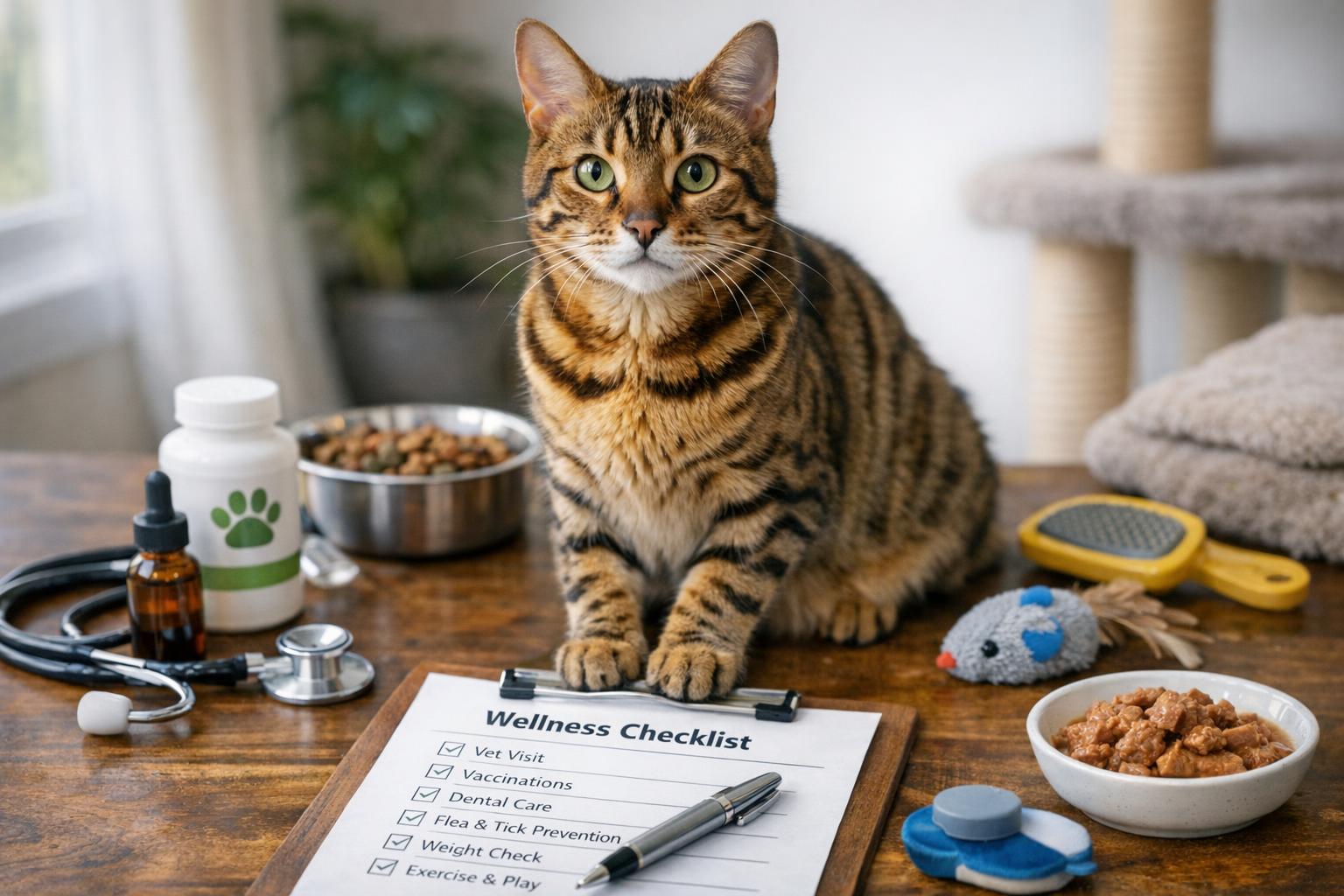
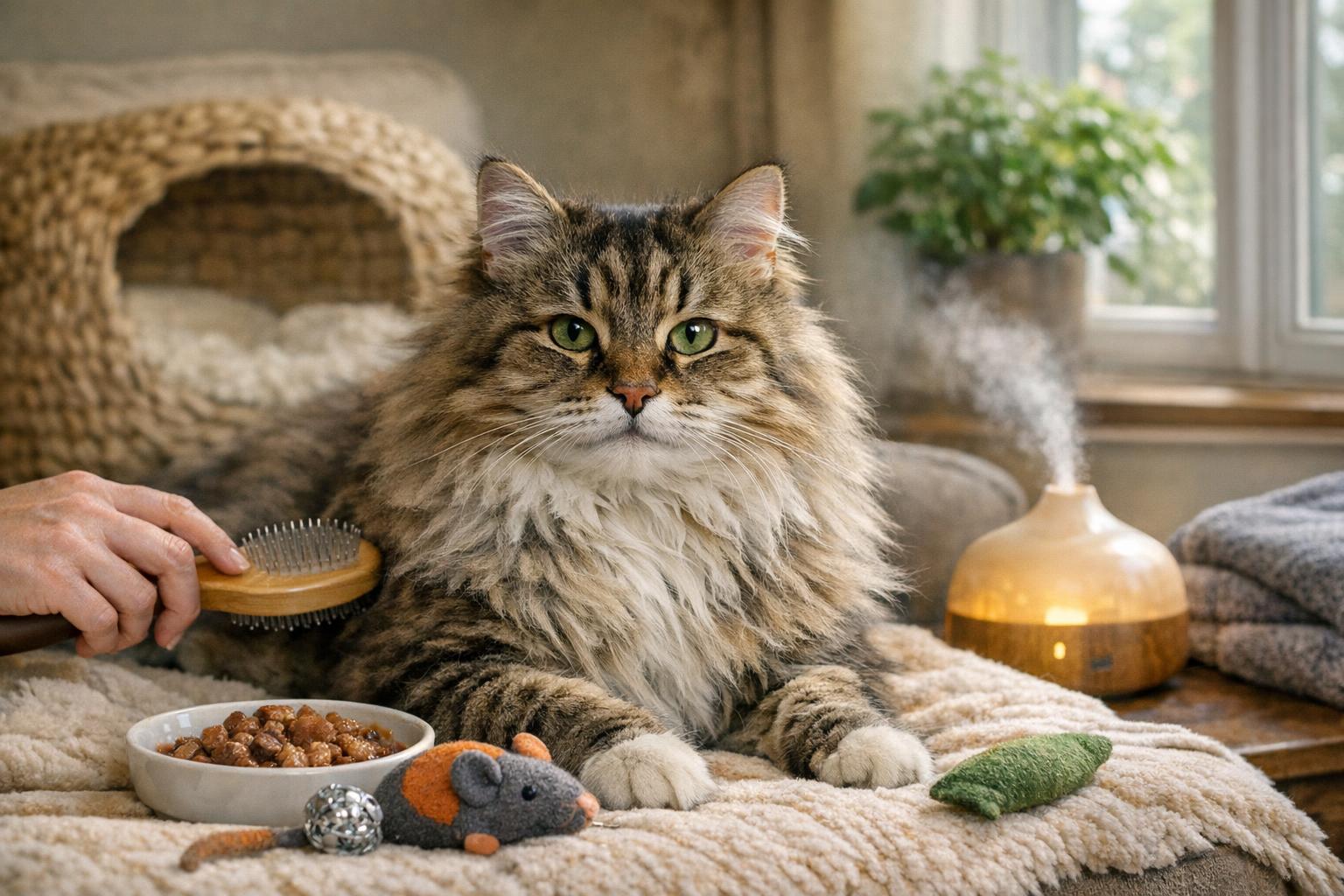
Good prevention reduces stress for both of you. Regular grooming for longhair breeds, feeding hairball formulas when recommended, and keeping small objects and strings out of reach are practical steps. Encourage hydration by offering wet food and fresh water in multiple bowls; consider a cat fountain for picky drinkers. Routine veterinary checkups can catch digestive issues early before they become an emergency.
Remember: some cases labeled as an intestinal blockage in cats resolve with gentle home care, while others require surgery or endoscopic removal. These natural measures are intended for mild, early situations and should be used thoughtfully and temporarily. If your cat’s condition raises concern at any point, your veterinarian is your best partner — they can determine whether diagnostics like X-rays or ultrasound are needed and can provide safe interventions.






Leave a Reply