

## Why Cat Ears Need Gentle Care (No, They Aren’t Tiny Vacuums)
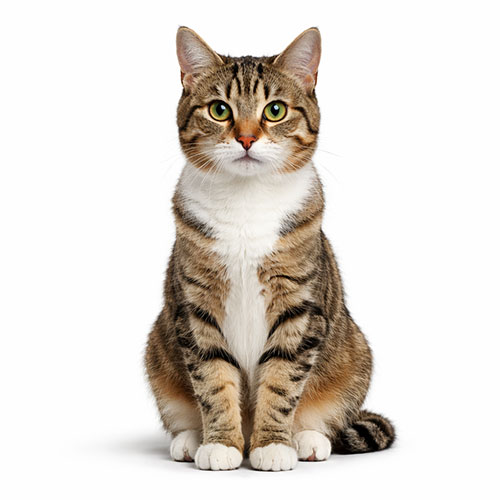
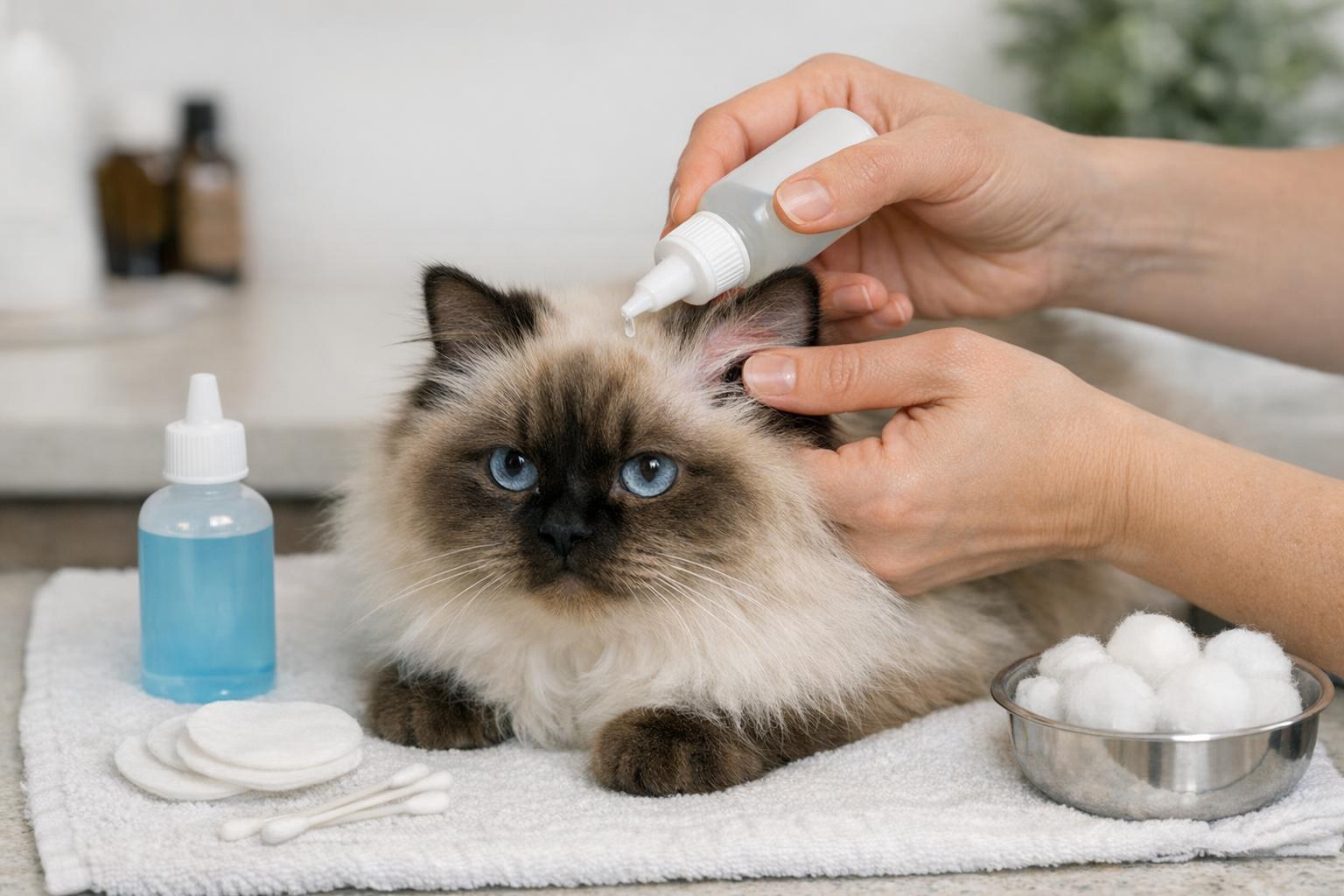
Cats are marvelously self-sufficient—until it comes to ears. Those cute, velvet-lined funnels are designed to catch sound, not grime and moisture. Left unchecked, debris and wax can trap bacteria or yeast, leading to infection. If you’ve ever tried to peer into a cat’s ear and felt like you were negotiating a diplomatic treaty, you’re in good company.
## Making A Safe Liquid Ear Cleaner For Cats At Home
When people search for “liquid ear cleaner for cats,” they want something effective, affordable, and safe. Store-bought cleaners can be fine, but a simple, vet-approved home formula can be made from common ingredients. Below you’ll find a straightforward remedy—written clearly and formally—so you can prepare and apply it with confidence.
### Ingredients And Materials You’ll Need
– 1/2 cup distilled water (boiled then cooled if necessary)
– 1/2 cup white vinegar or apple cider vinegar (choose white for less odor)
– 1 teaspoon 3% hydrogen peroxide (optional; for very dirty ears, use sparingly)
– Clean dropper bottle or squeeze bottle with a soft nozzle
– Cotton balls or gauze pads (no cotton swabs in the ear canal)
– Towels to keep your cat gently restrained
– A helper (recommended) to hold your cat calmly
### How The Formula Works (Short Science Bit)
The vinegar component gently lowers pH, discouraging yeast and some bacteria. Distilled water dilutes the solution so it’s mild and non-irritating. The optional small amount of 3% hydrogen peroxide helps to loosen excessive wax and debris, but it can be drying so it should only be used occasionally and diluted. This is not a medication—if infection is present, your veterinarian may prescribe topical or systemic treatment.
## Step-By-Step: Create And Use This Liquid Ear Cleaner For Cats
Be formal and precise here, please. Follow each step carefully.
#### 1. Preparation Of The Solution
1. Sanitize your working area and wash your hands.
2. Combine 1/2 cup distilled water and 1/2 cup white vinegar in a clean bowl.
3. If using hydrogen peroxide for very dirty ears, add 1 teaspoon and mix gently. Do not add more; more can irritate.
4. Pour the mixed solution into a clean dropper or squeeze bottle and label it. Store in a cool, dark place for up to 2 weeks. Discard if cloudy or if smell changes.
#### 2. Preparing Your Cat
1. Choose a calm time when your cat is relaxed—after a meal or nap often works best.
2. Have your helper gently hold the cat against their chest, with a towel over the shoulders to minimize scratches.
3. Speak in soothing tones. Offer a treat to create a positive association.
#### 3. Application Technique
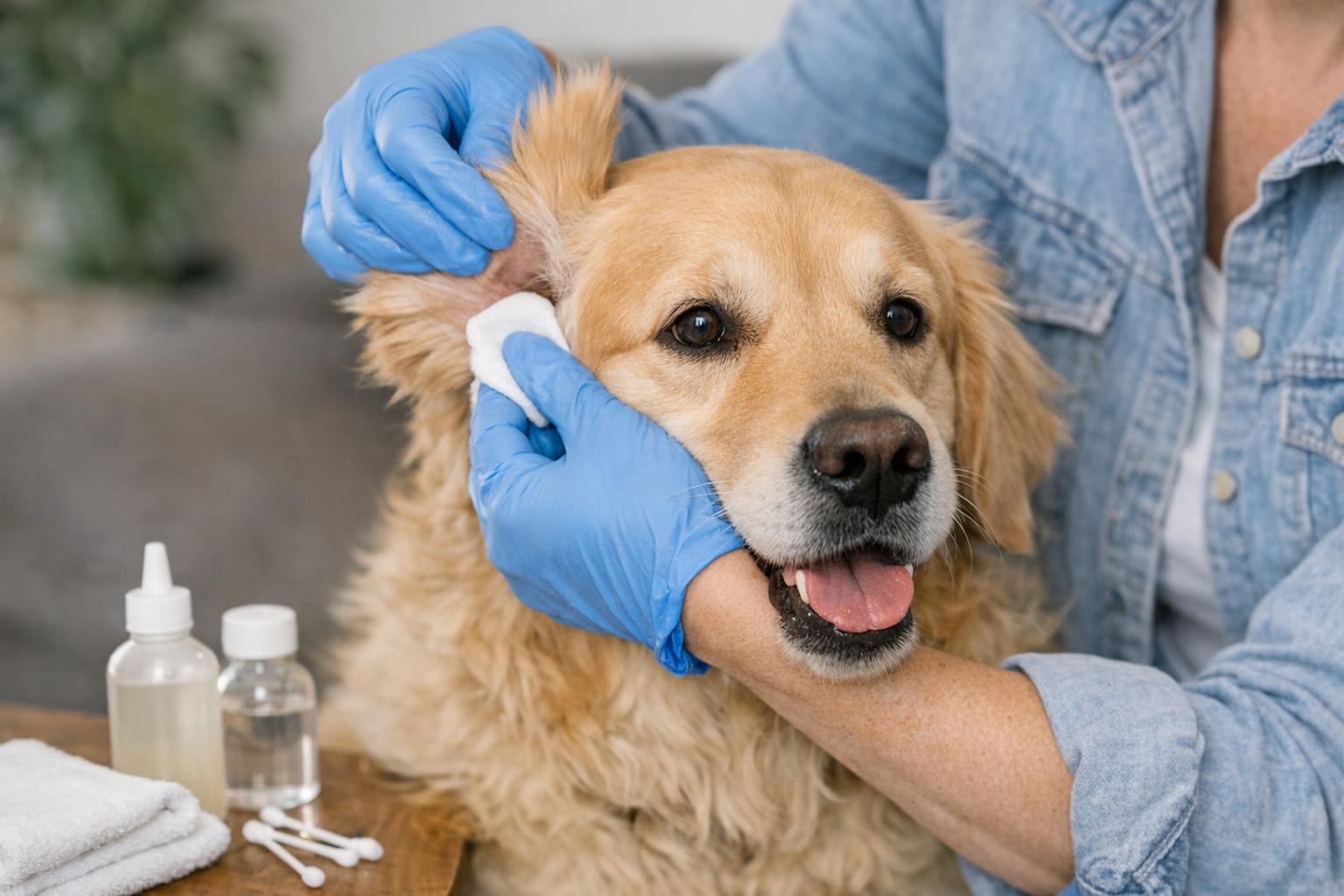
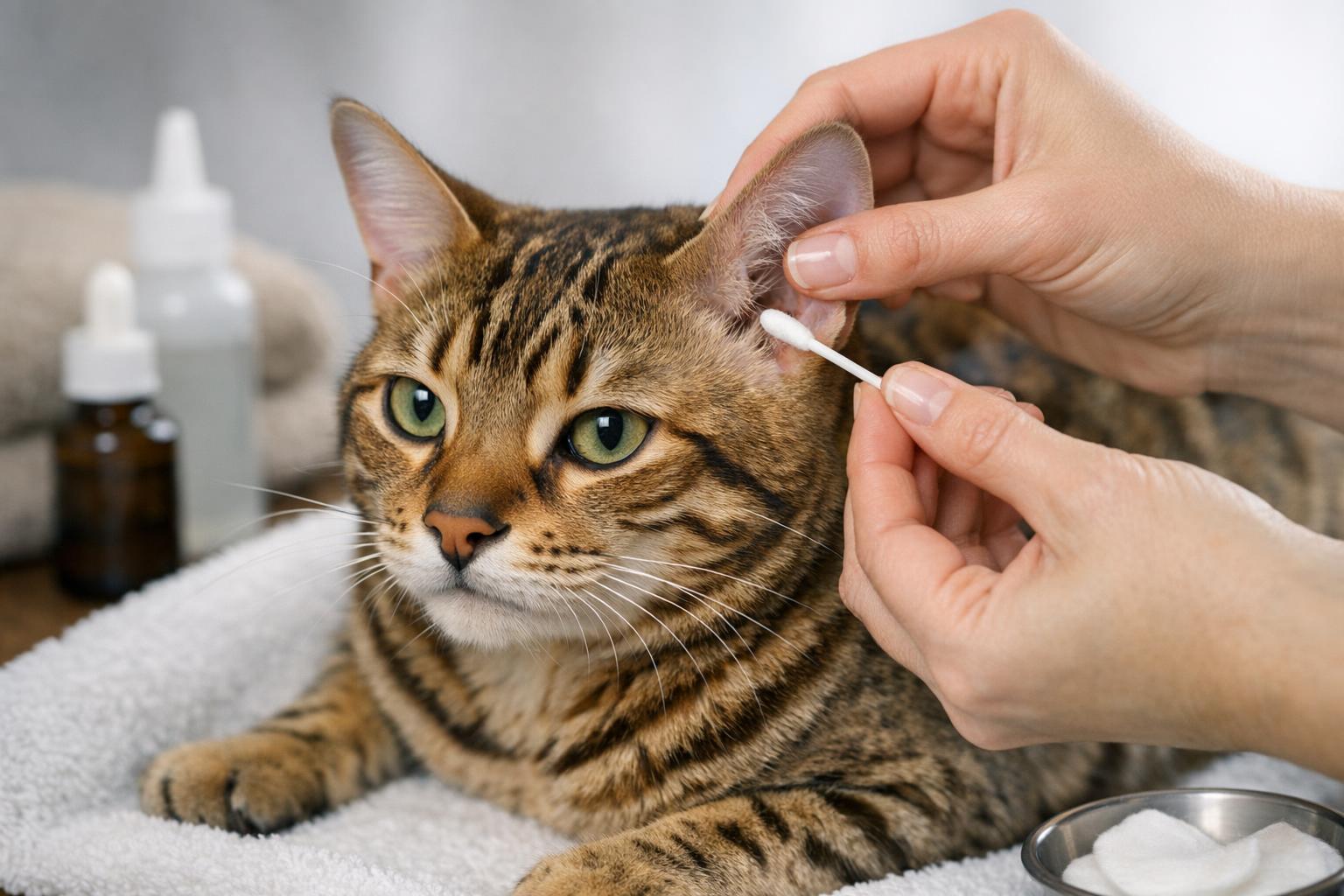
1. Gently fold the ear flap (pinna) back to expose the ear canal entrance.
2. Hold the bottle about 1/2 inch from the ear opening and administer 3–4 drops (for small cats) or up to 6–8 drops (for large cats), avoiding forceful streams.
3. Massage the base of the ear externally for 20–30 seconds to help dislodge debris. You may hear a squishing sound—that’s normal.
4. Let the cat shake its head (it will). Use cotton balls or gauze to wipe away loosened debris from the outer ear only. Never insert cotton swabs into the canal.
5. Repeat on the other ear if needed.
#### 4. Frequency And Monitoring
1. For routine maintenance, use the cleaner once every 2–4 weeks depending on waxiness and ear health.
2. If ears appear inflamed, smelly, very red, or the cat is in pain, stop the home treatment and consult your veterinarian immediately.
3. Keep a log of treatments for your own reference and to share with your vet if problems persist.
## How To Tell If Your Cat’s Ear Needs Professional Care
### Red Flags That Warrant A Vet Visit
– Persistent scratching or head shaking
– Foul odor or discharge
– Swelling, heat, or intense redness
– Pain when the ear is touched
– Loss of balance or unusual walking patterns
These signs could indicate bacterial or fungal infections, ear mites, polyps, or other conditions that require prescription medication or specialized cleaning.
## Alternatives And When To Choose Them
### Commercial Vs. Homemade
Commercial cleaners often contain additional antiseptics and have been formulated specifically for animal use. If you prefer a product with preservatives and vet endorsements, choose a veterinarian-recommended brand. However, when formulated properly, a balanced homemade liquid ear cleaner for cats is a cost-effective option for routine maintenance on healthy ears.
### Natural Additions (Use Caution)
Some owners inquire about adding herbal extracts like calendula or chamomile for soothing properties. These can be used in extraordinarily small concentrations and should be prepared by someone who knows proper extraction and dilution. When in doubt, stick to the basic vinegar-and-water formula above.
## Preventive Tips To Keep Ears Healthy
– Check your cat’s ears weekly for debris, redness, or smell.
– Keep long-haired breeds groomed around the ear base to prevent trapping debris.
– Avoid water entering the ear during baths; use cotton wool at canal entrance (remove promptly).
– Don’t use ear cleaners too frequently—overcleaning can strip protective oils and cause irritation.
– Provide routine veterinary check-ups, especially for cats prone to ear problems.
## Troubleshooting Common Questions (Short And Useful)
### My Cat Hates Ear Care—What Now?
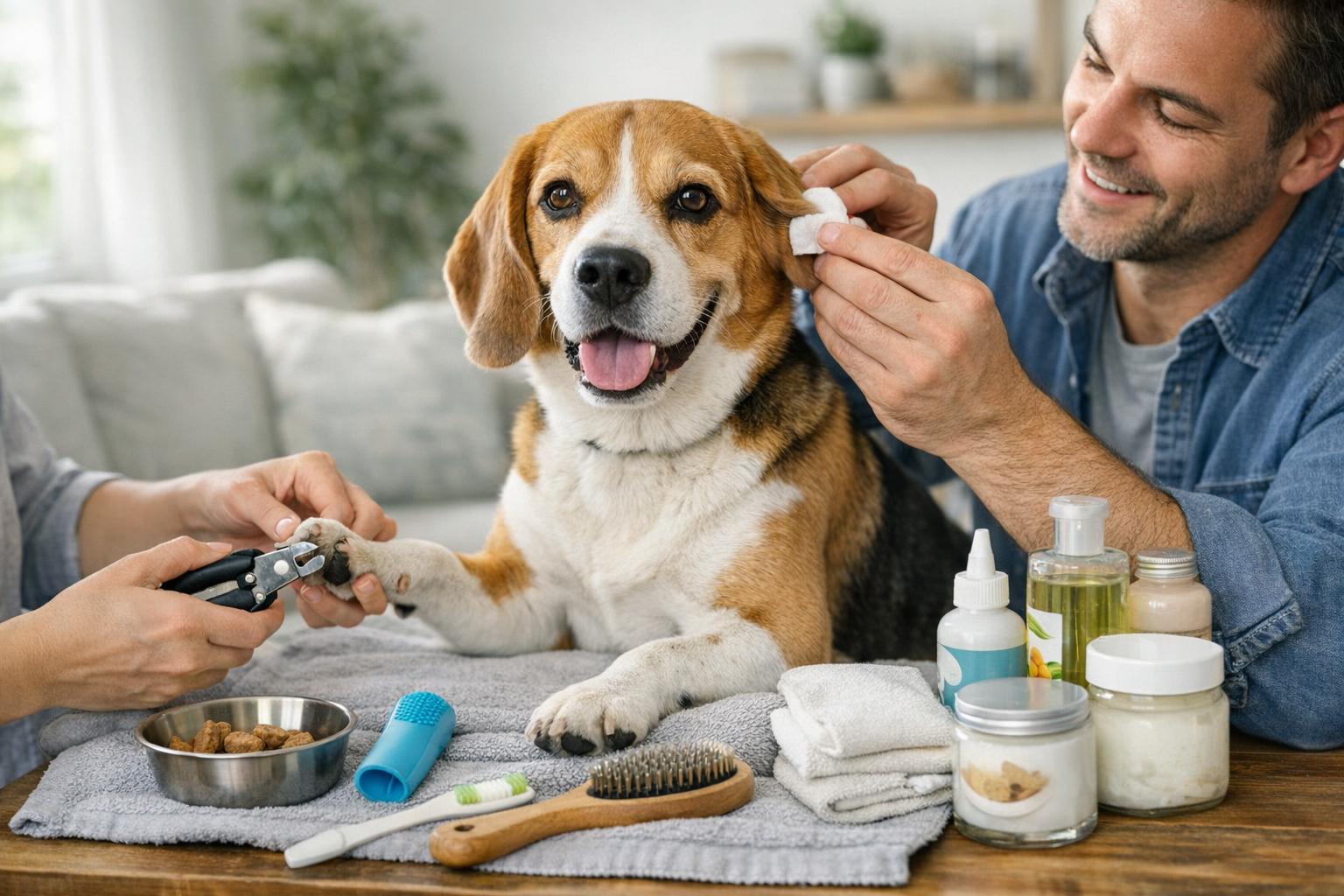
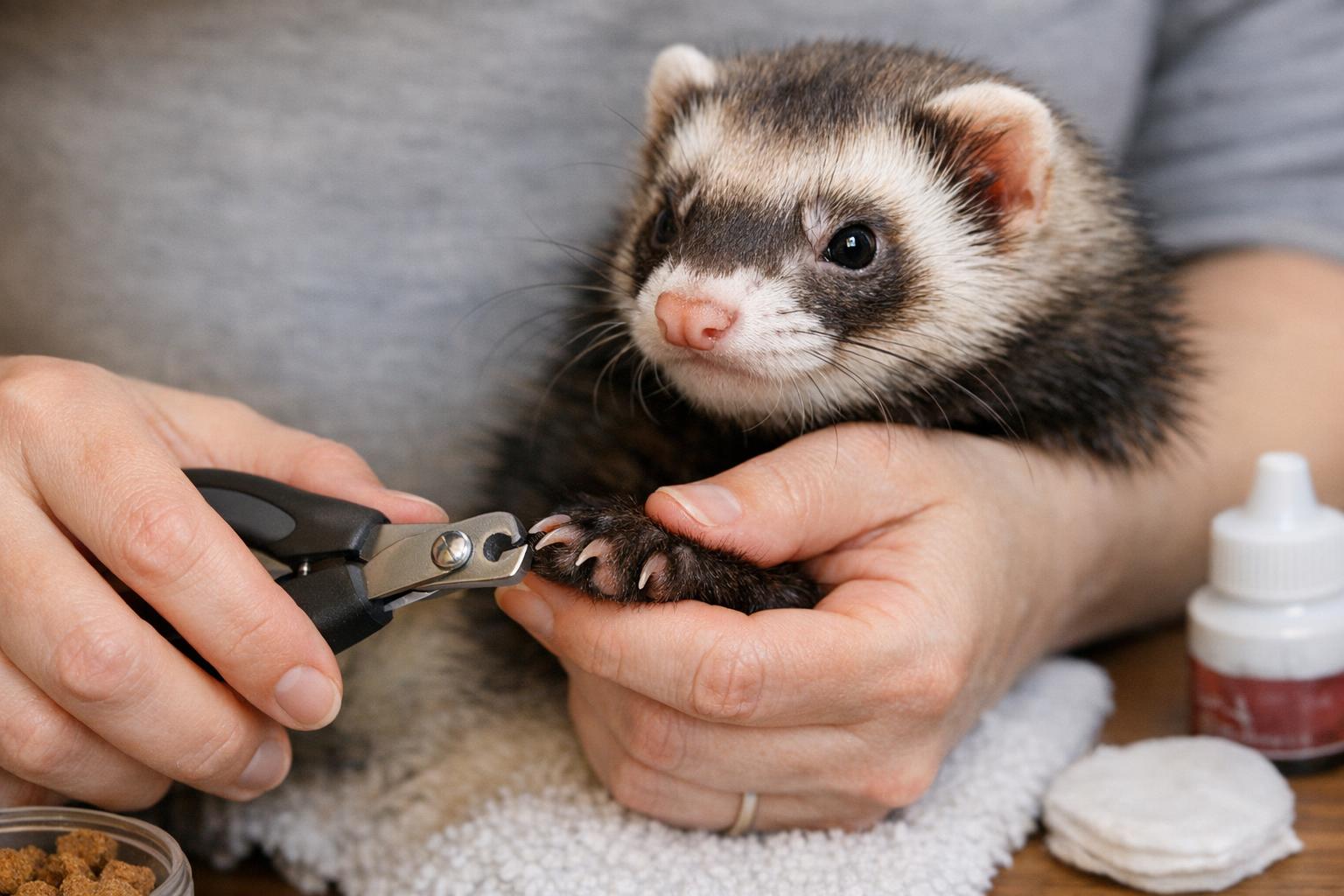
Keep sessions short, reward generously, and build positive associations with treats or play. Enlist a calm helper and try trimming nails and handling paws first as training steps.
### Can I Use Rubbing Alcohol Instead?
No. Rubbing alcohol (isopropyl) is too harsh and drying for a cat’s ear canal and can cause pain and irritation. Stick to the mild vinegar-and-water formula or vet-recommended products.
### Is Hydrogen Peroxide Safe Every Time?
Hydrogen peroxide should be optional and used sparingly. Frequent use can dry and irritate the ear canal, potentially making problems worse.
## When The Ears Don’t Improve
If you’ve used a gentle home-based liquid ear cleaner for cats as directed and signs persist or worsen after a few days, seek veterinary attention. Infection, mites, allergic dermatitis, or deeper issues may require medication, cleaning under sedation, or further diagnostics.
## Final Practical Thoughts (Keep It Real)
Routine ear care doesn’t have to be a wrestling match. With a calm approach, the correct DIY formula, and careful technique, you can safely maintain your cat’s ear health at home. Remember, the home cleaner described here is intended for routine maintenance of healthy ears; it is not a substitute for professional veterinary diagnosis and treatment. Use common sense, be gentle, and consult your veterinarian when in doubt—your cat will appreciate the attention, even if they show it in grudgingly affectionate ways.










Leave a Reply