





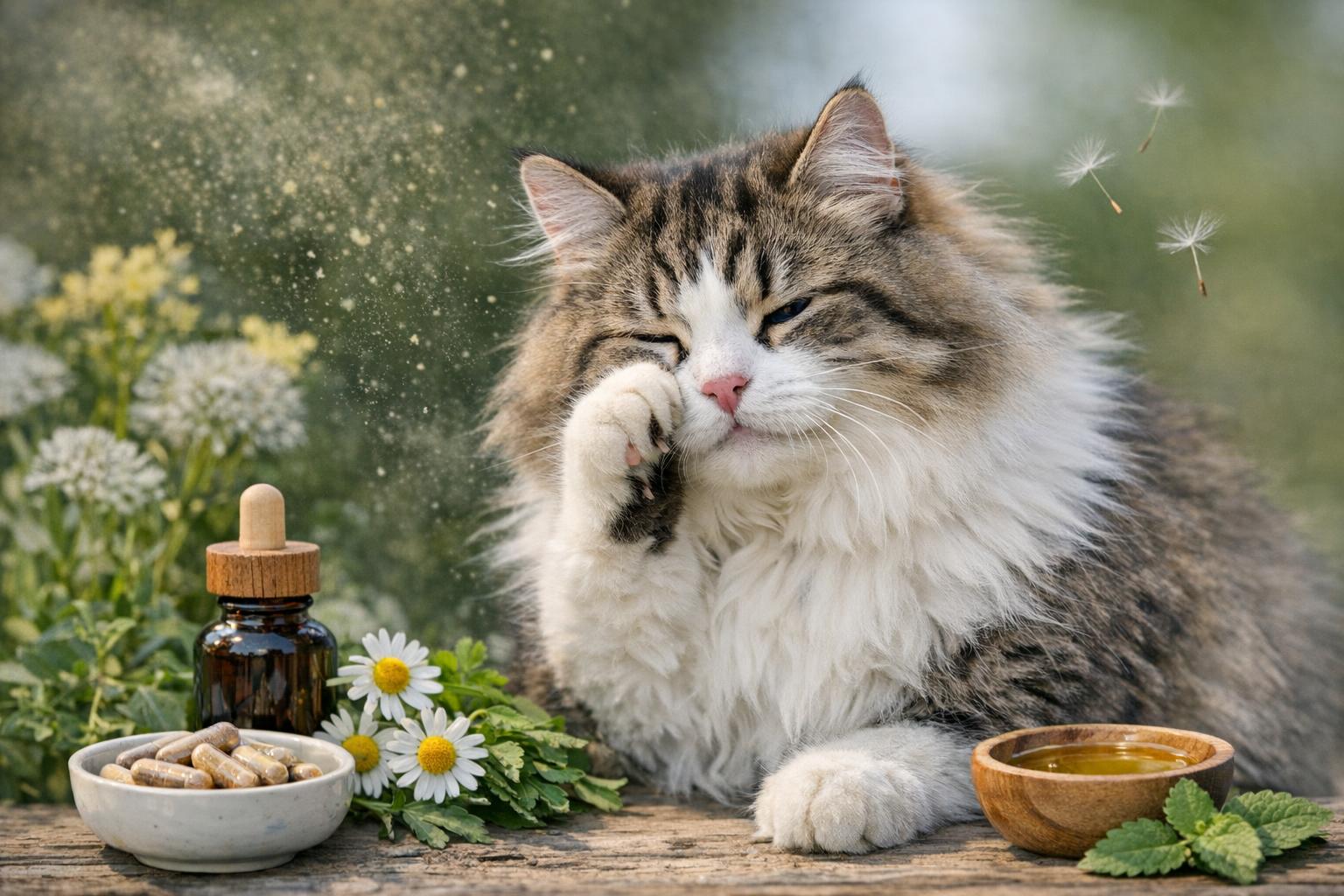
You love your cat. Your cat loves knocking your houseplants onto the floor at 3 a.m. What you don’t love is the sneezing, itchy eyes, or inflamed skin that can come with feline allergies. This guide will walk you through how to recognize and manage cat allergy symptoms in cats naturally, with practical at-home remedies and clear steps so both you and your whiskered roommate can breathe easier.
## Cat Allergy Symptoms In Cats: Signs To Watch
Cats can’t tell us when their ears itch or when their skin is hot, so we rely on behavioral and physical clues. Typical cat allergy symptoms in cats include:
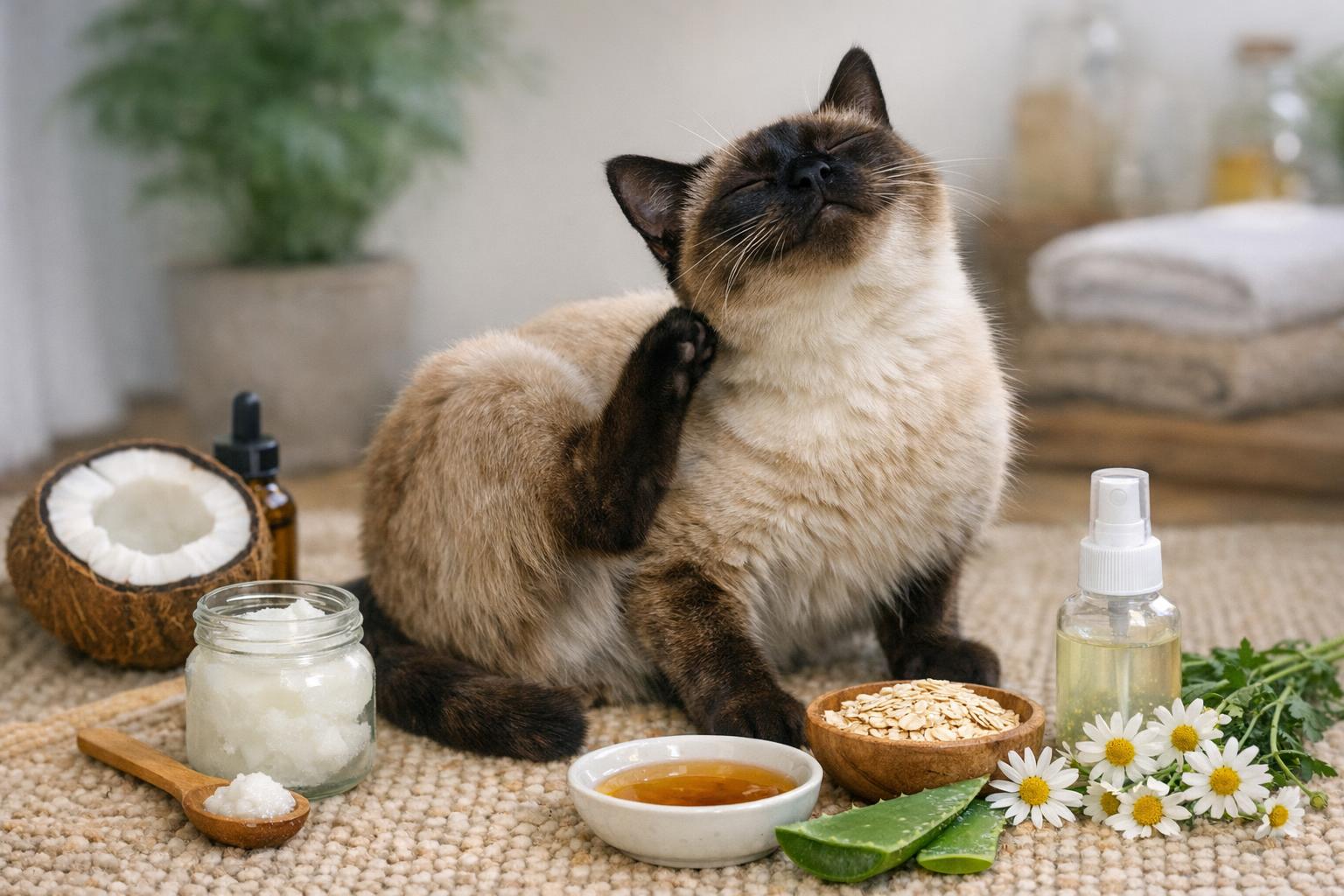
– Excessive scratching, licking, or biting at the skin
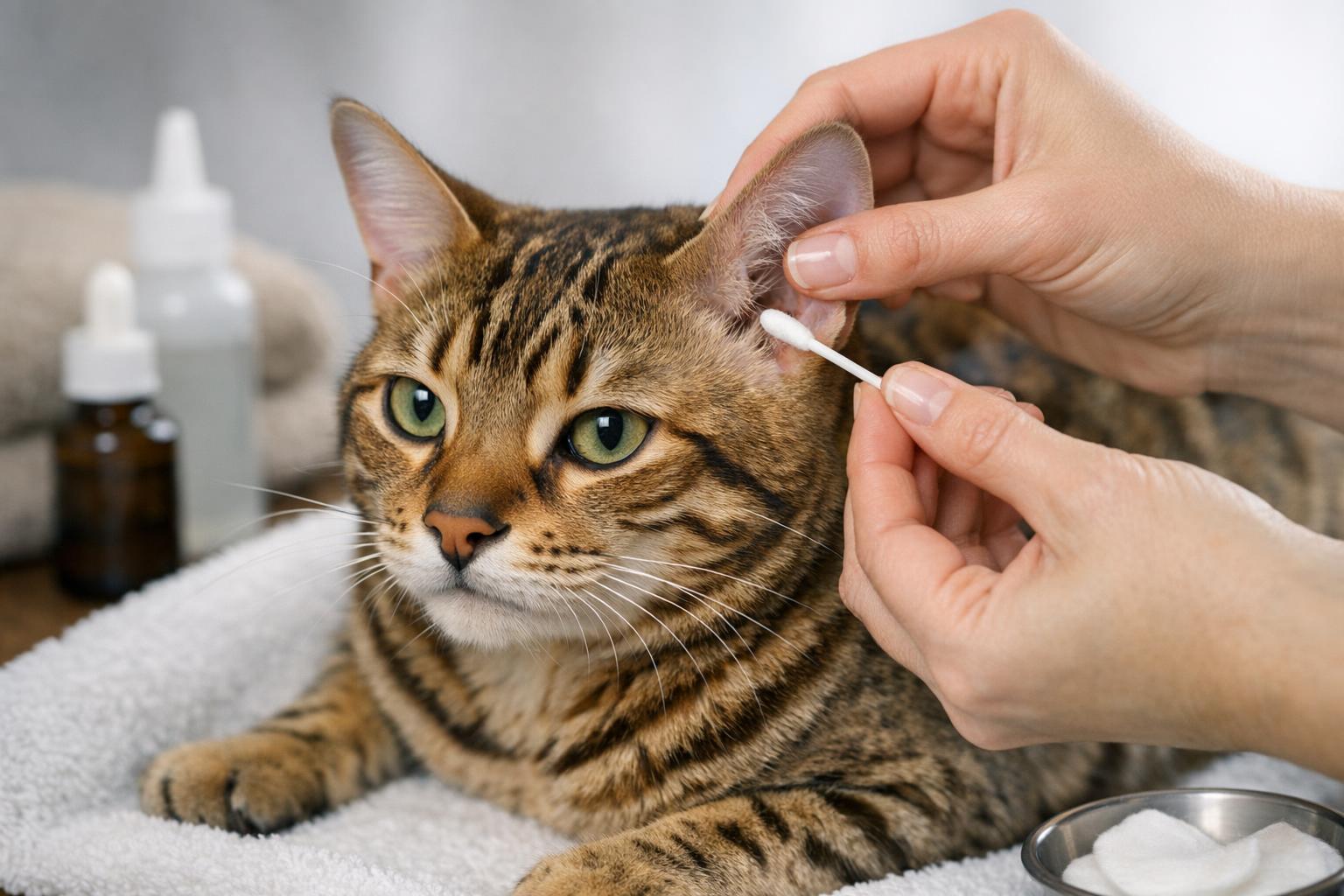
– Recurrent ear infections or head shaking
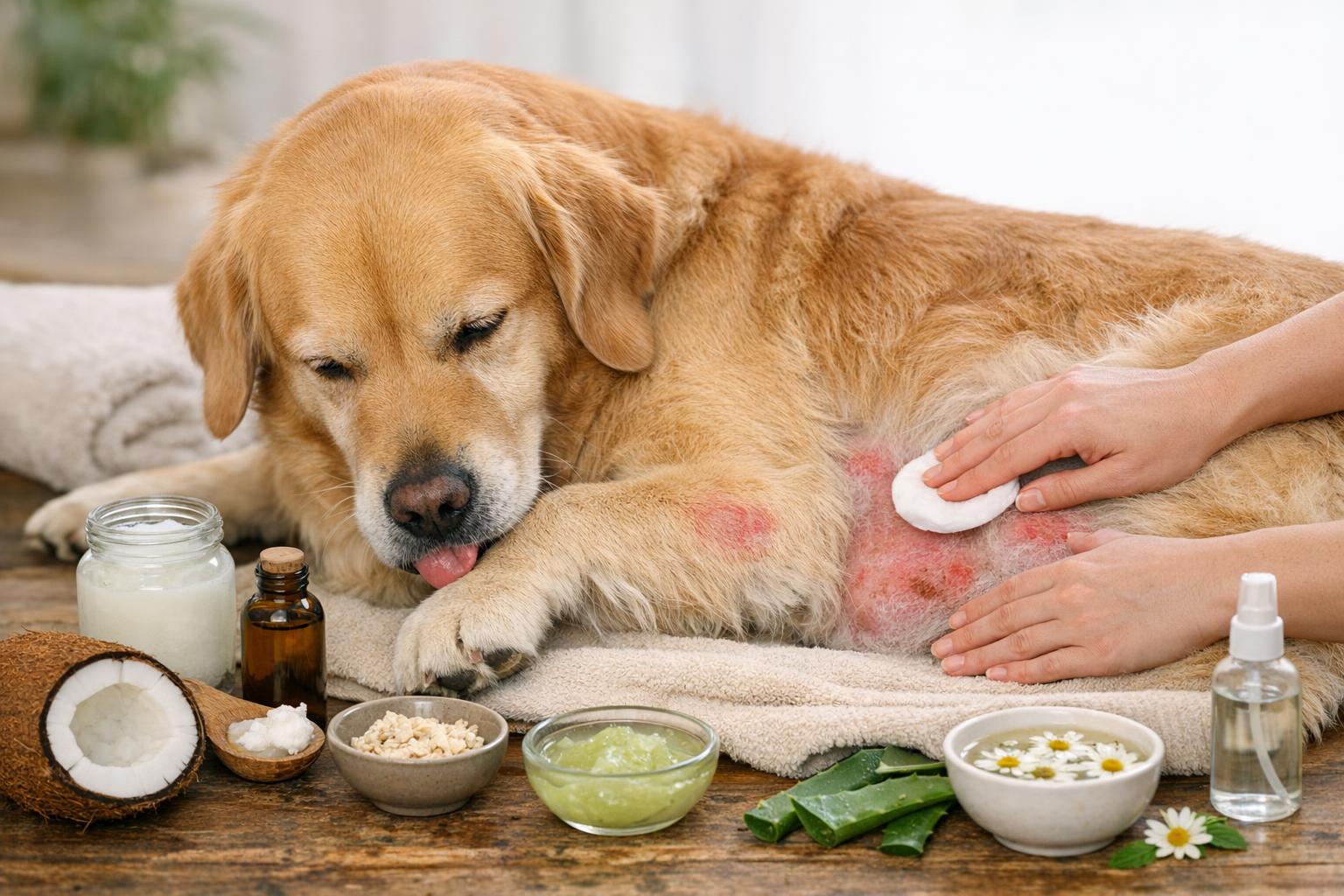
– Red, inflamed, or scabby patches of fur-less skin
– Sneezing, runny nose, or watery eyes (less common but possible)
– Coughing or wheezing in severe respiratory reactions
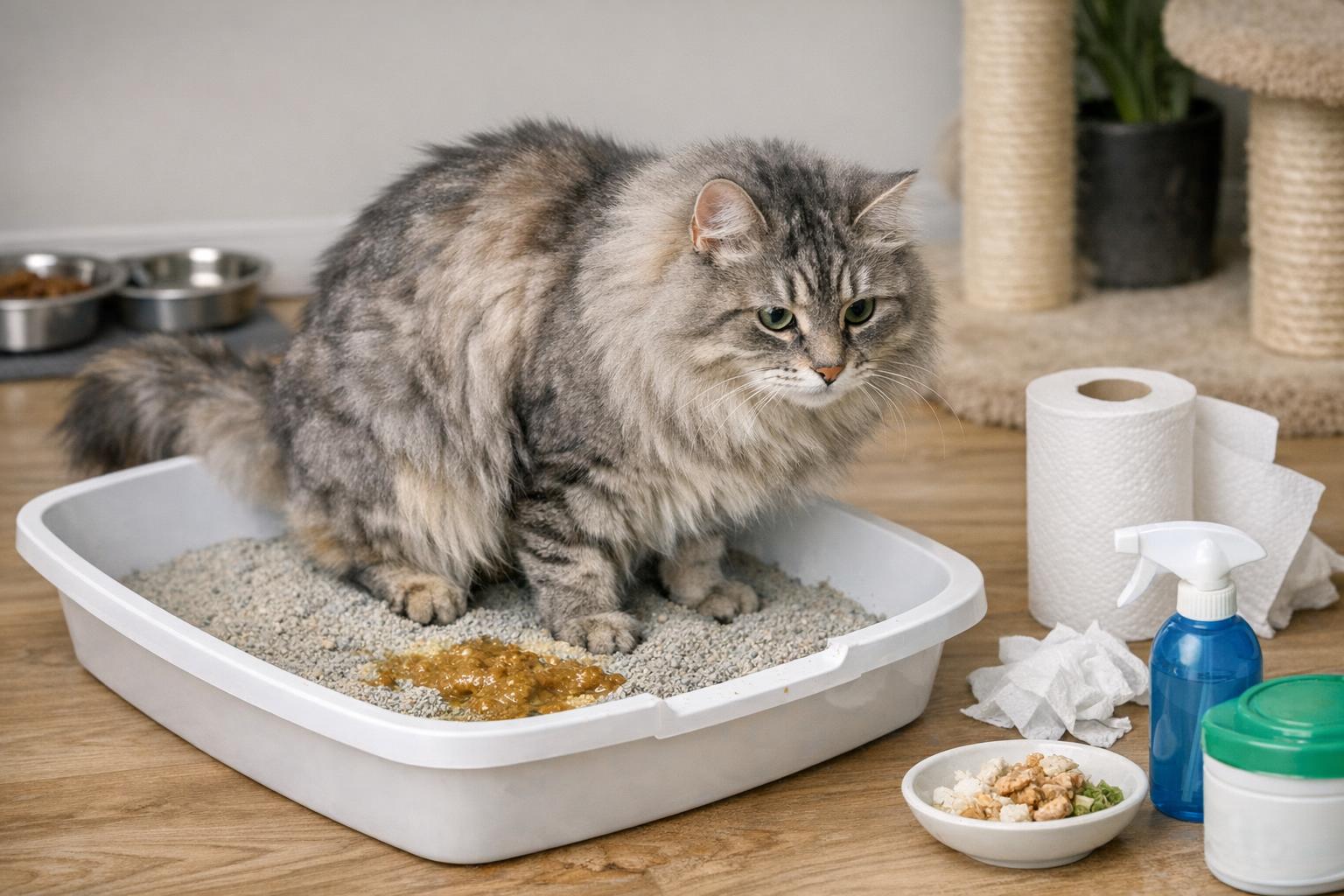
– Vomiting or diarrhea when food allergies are involved
If you notice one or several of these signs, don’t assume it’s “just fleas” or bad grooming—allergies can mimic many skin and respiratory issues. Keep a simple symptom diary noting when flare-ups happen, what season it is, and any new foods or products introduced.
### Why Allergies Happen
Allergic reactions are immune responses to harmless substances. In cats, common triggers include pollen, dust mites, mold, flea saliva, and certain food proteins. Genetics, indoor air quality, and skin barrier health all play a part. Identifying triggers can be tricky—many cats react to more than one thing.
### When To See A Vet
If cat allergy symptoms in cats are severe—open sores, constant vomiting, breathing difficulties, or sudden swelling—seek veterinary care promptly. A vet can rule out infections, parasites, or autoimmune conditions, and may recommend allergy testing or prescription treatments.
## Common Triggers And Diagnostic Tips
Understanding the likely triggers helps narrow down solutions. A few targeted observations and tests can point you in the right direction.
### Environmental Triggers
Seasonal pollen, household dust mites, and indoor mold are frequent offenders. If symptoms spike during certain times of year, pollen is a suspect. If symptoms are year-round, consider indoor sources like dust mites, certain bedding materials, or household cleaners.
### Food-Related Reactions
Food allergies typically show up as skin problems—especially around the head, neck, and ears—or chronic ear infections. An elimination diet under veterinary guidance is the most reliable way to confirm a food allergy.
### Flea Allergy Dermatitis
This is one of the most common causes of intense itching. Even a single flea bite can trigger severe reactions in sensitized cats. Regular, vet-approved flea control is essential.
### Simple Home Tests
Try temporarily removing suspected allergens: switch to hypoallergenic bedding, use a HEPA filter, or try a limited-ingredient diet for several weeks. Track any improvements. If nothing helps, professional allergy testing or a veterinary dermatologist consult is the next step.
## 1. Homemade Allergen-Reducing Spray (Remedy)
This is a practical, gentle spray to reduce airborne dust and dander and to freshen fabrics. Formal note: this remedy reduces exposure but does not replace veterinary care for severe allergies.
#### Ingredients
– 2 cups distilled water
– 1 tablespoon white vinegar
– 1 teaspoon vegetable glycerin (optional, for fabric softness)
– 5 drops lavender essential oil (use sparingly and only if your cat tolerates it; avoid tea tree oil—toxic to cats)
– Clean spray bottle
#### Steps
1. Sterilize the spray bottle with hot water, then rinse thoroughly.
2. Combine distilled water and white vinegar in a clean container. The vinegar helps break down oils and reduces dust clinging to surfaces.
3. Add vegetable glycerin if desired for a softer finish on fabrics.
4. Carefully add 5 drops of lavender oil and mix. Keep essential oil concentration very low—cats are sensitive to strong scents.
5. Pour the mixture into the spray bottle and label it clearly.
Application: Lightly mist upholstery, bedding, and curtains from a distance—do not spray directly onto your cat or into the air where they’re breathing. Test on a small fabric area first to ensure no staining. Use 2–3 times weekly. This will physically reduce allergens on surfaces, which helps lower overall exposure and can relieve mild cat allergy symptoms in cats.
## 2. Oatmeal Soothing Bath For Itchy Skin (Remedy)
This remedy is for cats with mild localized itching and irritated skin. Formal note: Baths should be done gently and only when necessary; many cats dislike water, and improper bathing can increase stress.
#### Ingredients
– 1 cup colloidal oatmeal (or grind plain oats into a fine powder)
– Warm water (not hot)
– A towel and a non-slip mat
– Hypoallergenic, cat-safe shampoo (optional, vet-recommended)
#### Steps
1. Prepare a shallow basin or sink with warm water deep enough to immerse affected areas (not full-body immersion if your cat is stressed).
2. Stir in the colloidal oatmeal until it dissolves and makes the water milky.
3. Gently hold your cat and wet the irritated areas with the oatmeal water. Use a soft cloth to apply the water; avoid pouring on the cat’s face.
4. Allow a few minutes of contact time for the soothing proteins in oatmeal to reduce inflammation.
5. Rinse thoroughly with warm water. If using shampoo, apply sparingly and rinse well.
6. Pat dry with a towel and keep the cat in a warm, calm space until fully dry.
Frequency: Use once every 7–10 days during flare-ups. If the skin condition worsens, discontinue and consult your veterinarian.
### Safety And Precautions For Home Remedies
Natural does not always mean harmless. Essential oils, strong fragrances, and human medications can harm cats. Avoid tea tree, eucalyptus, and concentrated citrus oils. Always use hypoallergenic or vet-approved products for bathing and flea control. When in doubt, call your vet.
### Preventive Steps To Reduce Flare-Ups
Small daily changes can make a big difference in reducing triggers and managing cat allergy symptoms in cats.
– Keep bedding and curtains washed on hot cycles when possible.
– Use HEPA filters and vacuum with a HEPA-equipped vacuum.
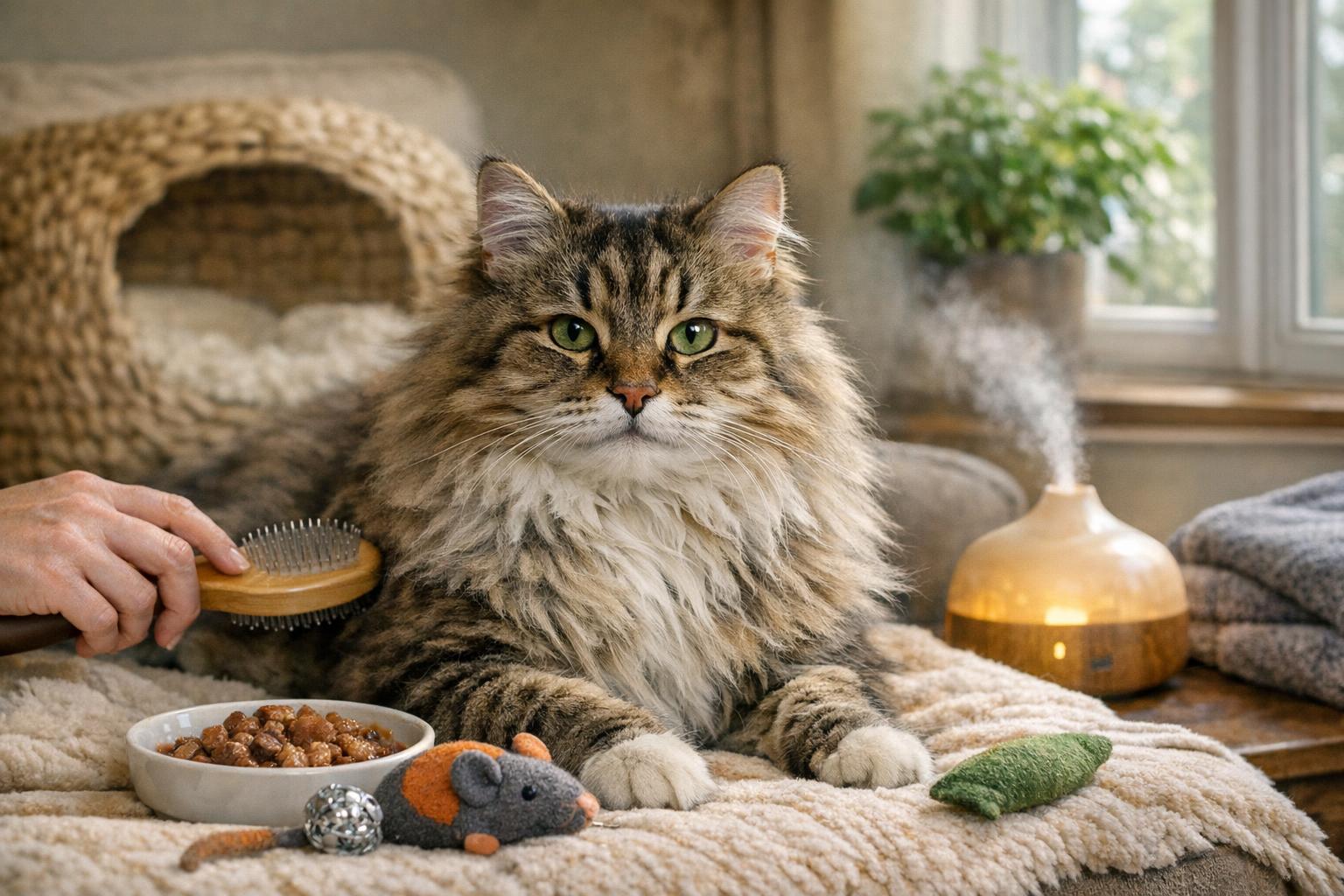
– Groom your cat regularly with a soft brush to reduce loose fur and dander—do this outside if you are highly allergic.
– Maintain flea prevention year-round with products prescribed by your veterinarian.
– Replace dusty fabrics and opt for leather or washable covers for furniture where feasible.
### Monitoring Progress And When To Escalate
Track symptoms weekly and note changes after trying a remedy or making environmental adjustments. If you see no improvement after 4–6 weeks, or if symptoms escalate, return to your veterinarian for diagnostic tests and possibly medication. In many cases, combined strategies—environmental control, topical care, and veterinary treatment—provide the best results.
#### Tracking Tips
– Keep a simple log with dates, symptom severity, diet changes, and environmental notes.
– Photograph skin lesions to objectively track healing or progression.
– Note response time after each remedy (immediate, 24 hours, one week).
If your cat’s breathing becomes labored, or if you notice sudden swelling or systemic signs such as lethargy or loss of appetite, seek veterinary attention immediately—these are not situations for home remedies.
### Practical Lifestyle Adjustments
Make your home allergy-friendlier by creating cat-free zones (like bedrooms), washing your hands after handling your cat, and considering hardwood or tile floors versus carpets if feasible. Small shifts reduce the allergen load and can markedly lessen cat allergy symptoms in cats over time.
Now pick the one change you can try this week—maybe the allergen-reducing spray or a regular grooming session—and see what your cat’s response tells you. If you get a calm purr instead of a frantic scratch, that’s a good sign you’re on the right track.
























Leave a Reply