

Welcome! If you’ve got a chirpy little roommate, you probably wonder whether that rainbow of birdseed is enough, or if you should be serving up a greener, fresher menu. Parakeets are small but picky eaters with big nutritional needs. This article walks you through practical, down-to-earth guidance on foods for parakeets, what to prioritize, and safe DIY treats to support feathered health. Expect friendly vibes, a sprinkle of humor, and—when it comes to recipes and remedies—solid, formal instructions.
## Key Nutrients Parakeets Need
Parakeets require a balanced diet to thrive—think vitamins, minerals, proteins, healthy fats, and fiber all in bird-size portions. Failing to meet these needs can lead to dull feathers, low energy, and health issues. Focus on:
– A base of high-quality pellets or a controlled seed mix for stable nutrition.
– Fresh fruits and vegetables for vitamins A and C, and antioxidants.
– Small amounts of protein and calcium, especially during molt and breeding.
– Safe fresh water daily.
### The Role Of Pellets Versus Seeds
Pellets are formulated to provide balanced nutrients in every bite, which helps prevent selective eating. Seeds can be part of the diet, but seed-only offerings often lack essential vitamins and minerals. A practical approach is to use pellets as the primary staple and supplement with seeds and fresh foods.
### Vitamins And Minerals That Matter Most
Vitamin A supports feather and immune health. Calcium and vitamin D help with bone and egg-laying needs. Iron, zinc, and trace minerals support metabolic functions. Ensuring variety helps cover these bases without complicated supplementation unless prescribed by an avian vet.
## Foods For Parakeets: Safe Choices And Those To Avoid
Knowing which foods are beneficial—and which are toxic—keeps your bird lively and out of danger. Below is a clear guide to common items you might consider.
### Safe Fruits And Vegetables
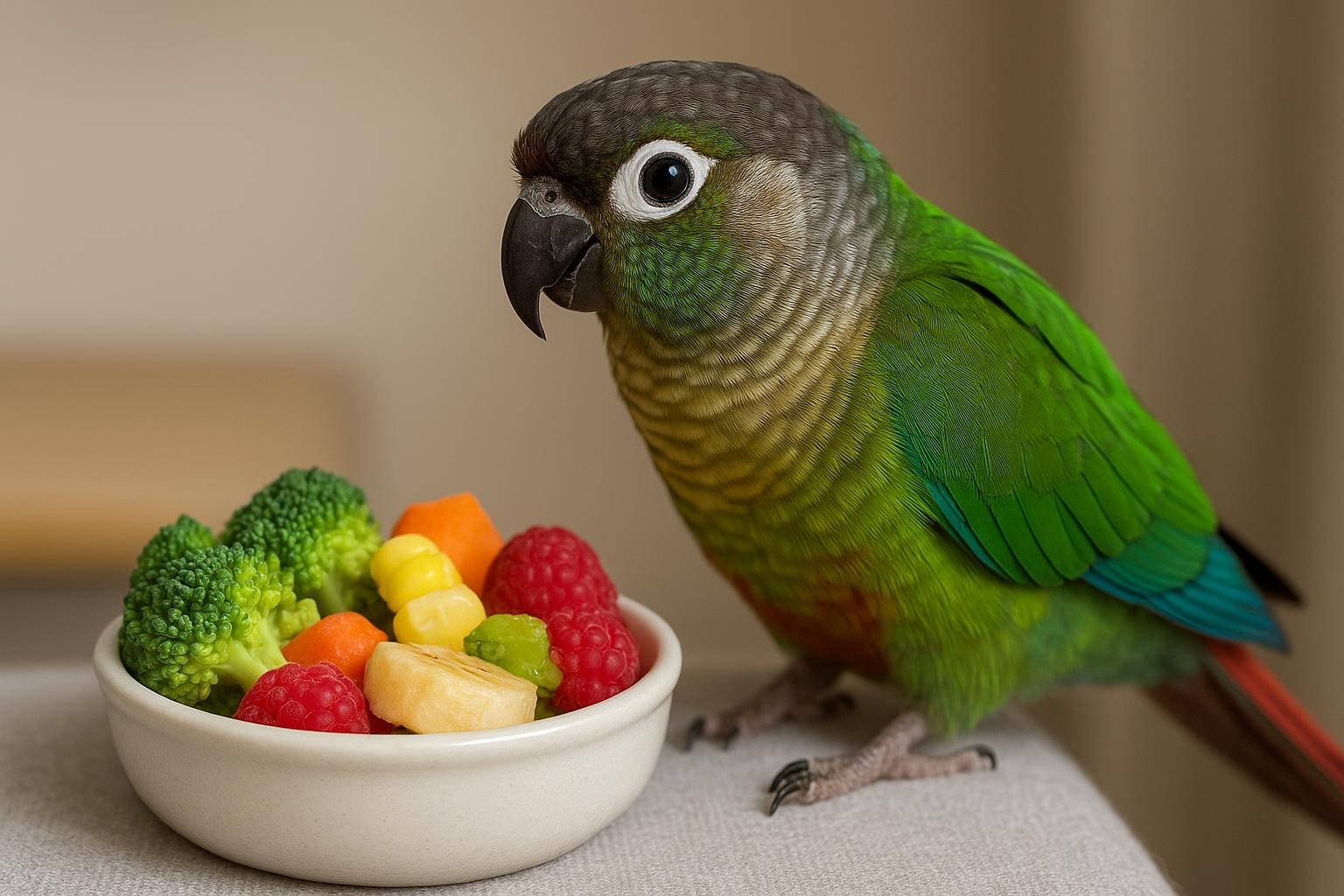
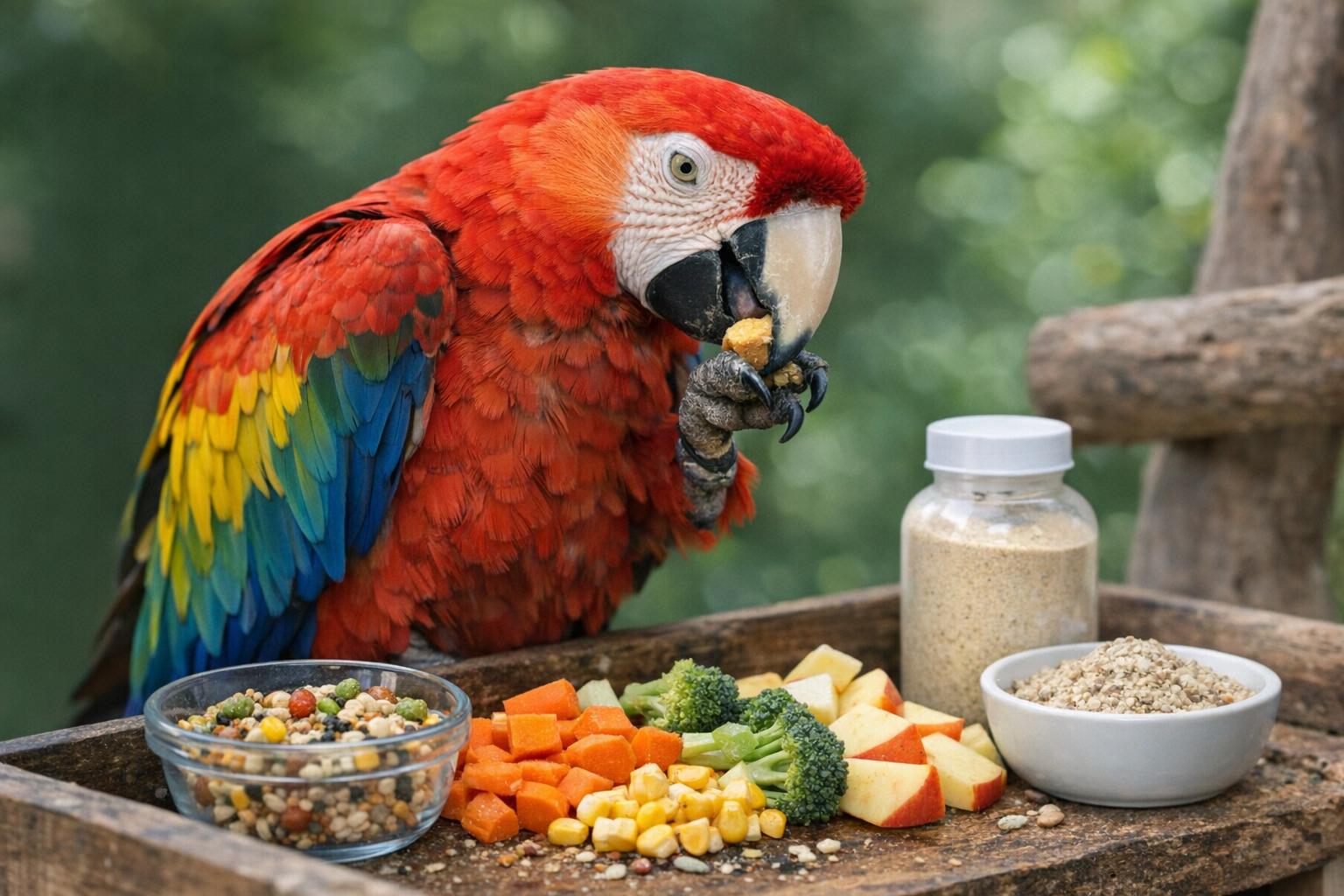
Fruits and vegetables are essential for variety and micronutrients. Suitable options include:
– Leafy greens: kale, spinach (in moderation), dandelion leaves.
– Vegetables: carrots, broccoli, bell peppers, sweet potato (cooked).
– Fruits: apple (no seeds), pear, mango, papaya, berries.
Offer small quantities and rotate items to maintain interest.
### Protein And Calcium Sources
Parakeets benefit from occasional protein-rich foods and calcium:
– Hard-boiled egg (small piece, chopped finely).
– Plain cooked legumes (lentils, chickpeas) in small amounts.
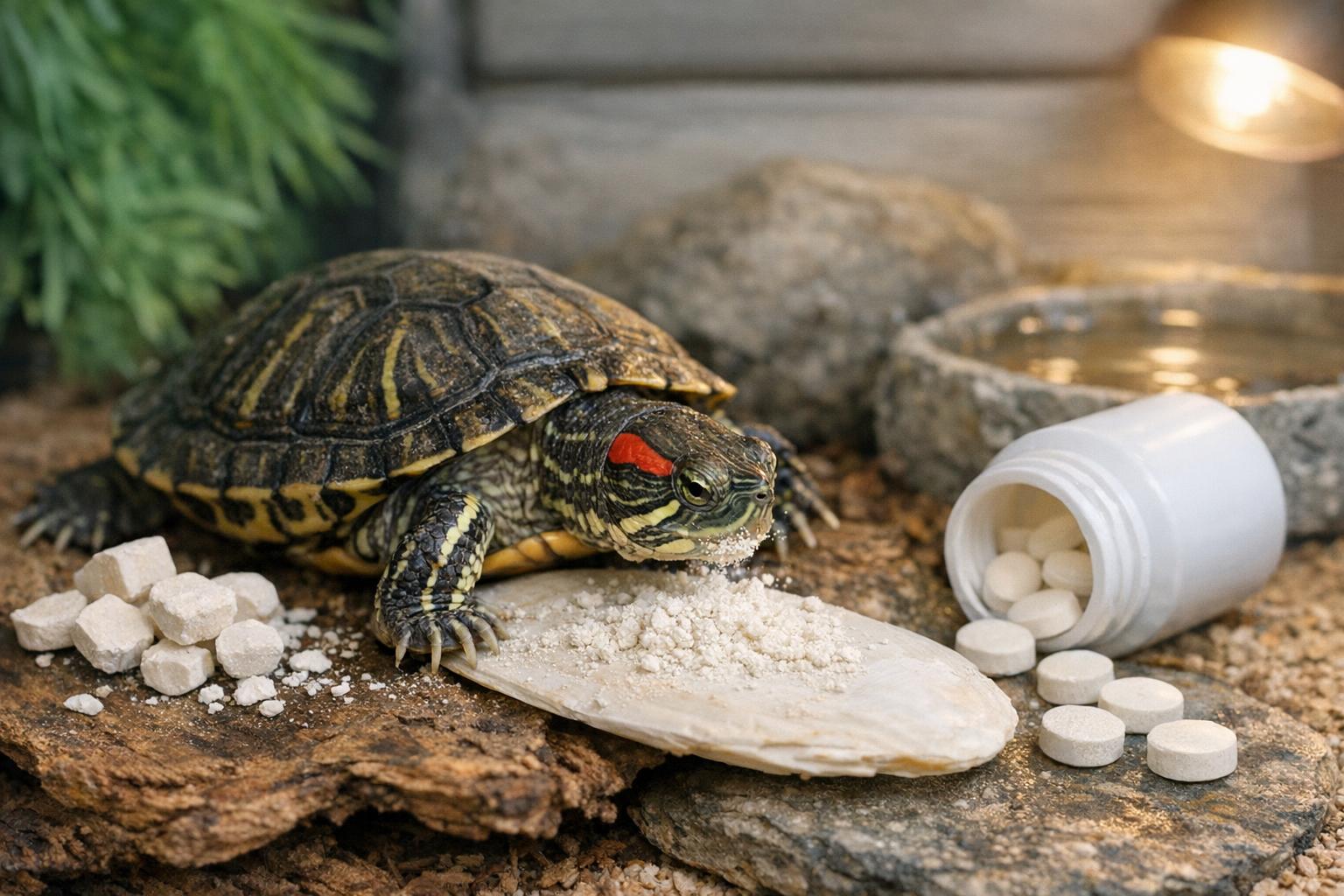
– Cuttlefish bone or mineral block for calcium; crushed eggshells can be used cautiously and sterilized.
### Foods To Avoid
Some human foods are dangerous to birds. Never give parakeets:
– Chocolate, caffeine, alcohol.
– Avocado (highly toxic).
– Onions, garlic, chives.
– Salted or sugary snacks.
– Apple seeds and fruit pits (contain cyanogenic compounds).
## Feeding Tips And Schedules
Consistency and observation are key. Keep mealtimes routine and watch for signs of appetite change or preference shifts.
### Daily Routine Best Practices
– Fresh water every day.
– Replace fresh food items twice daily if warm; remove leftovers after a few hours to avoid spoilage.
– Weigh treats and seeds to avoid overfeeding; remember parakeets are prone to obesity.
### Portion Control And Monitoring
A general guideline: pellets as the staple should make up about 60–70% of daily intake, seeds and treats less than 20%, and fresh fruits/veggies the remaining portion. Adjust based on activity level, age, and veterinary advice.
## ### Remedy 1: Balanced Seed And Pellet Mix
This first remedy creates a balanced base food that mixes pellets with a measured seed portion to reduce selective feeding while keeping the familiar crunch parakeets enjoy.
Ingredients / Materials:
– High-quality parakeet pellets (unflavored) — 70g
– Millet spray pieces or small seed mix — 20g
– Dried, unsweetened chamomile flowers (optional, for stress) — 2g
– Clean mixing bowl and airtight container
Preparation And Application (Formal Instructions):
1. Sanitize your hands and work surface. Measure all components precisely using a kitchen scale to maintain nutritional ratios.
2. Gently crumble the pellets only if needed to match seed size; do not pulverize into dust.
3. Combine pellets and seed mix in the mixing bowl. If using chamomile, mix in at the measured amount—no more than 2-3% of the total blend.
4. Blend thoroughly to distribute seeds evenly, minimizing the bird’s ability to pick out favorites.
5. Store the mixture in an airtight container in a cool, dry place for up to 4 weeks. Label with the date prepared.
6. Introduce the new mix gradually by replacing 25% of the old food per day over four days to reduce stress and allow the parakeet to adapt.
Note: Monitor weight and stool quality for two weeks after dietary changes and consult an avian vet if you observe refusal to eat, lethargy, or digestive upset.
## ### Remedy 2: Nutritious Soft Treat For Molting Or Convalescence
This second remedy is a soft, nutrient-dense treat designed for birds during molting, illness recovery, or breeding seasons. It’s higher in protein and vitamins and should be used temporarily or as recommended.
Ingredients / Materials:
– Hard-boiled egg yolk — 1 yolk
– Plain cooked sweet potato — 1 tablespoon, mashed
– Finely chopped cooked lentils — 1 tablespoon
– Finely grated carrot — 1 teaspoon
– Small pinch of powdered calcium supplement (avian grade) — as directed
– Small mixing spoon and shallow ramekin
Preparation And Application (Formal Instructions):
1. Prepare the egg yolk and mash it thoroughly in the ramekin until smooth. Ensure the yolk is fully cooked to avoid bacterial risk.
2. Add mashed sweet potato, chopped lentils, and grated carrot. Mix until a homogeneous paste forms.
3. Add the powdered calcium supplement according to the manufacturer’s dosage for small birds; mix again.
4. Offer a pea-sized portion on a shallow dish in the cage once daily for up to 7–10 days or according to veterinary instruction.
5. Remove any uneaten portion after 2 hours to prevent spoilage. Store leftovers in the fridge and discard after 24 hours.
6. Monitor for changes in appetite, droppings, or behavior. Use this treat as a supplement—not a staple—and consult an avian vet if symptoms persist.
## How To Introduce New Foods Without Stress
Parakeets can be suspicious of change. A relaxed approach helps them accept new foods without drama.
### Gradual Introduction Strategy
Start by placing a tiny portion of the new food near familiar items, so the bird associates it with existing meals. Praise and mild attention (not overexcited gestures) work better than force. Offer a favorite treat after the bird samples the new food to build a positive connection.
### Observing Acceptance And Health
Keep a short diary for one to two weeks after introducing significant dietary changes. Note weight (weekly), droppings (consistency and color), feather condition, and energy levels. Any persistent changes warrant a vet visit.
## Seasonal And Life-Stage Adjustments
Diet needs shift with life stage and season. Molt and breeding seasons increase demand for protein and calcium; cooler months may call for higher energy foods.
### Young Birds And Growing Parakeets
Young parakeets benefit from slightly higher protein and more frequent feedings. Offer softer foods and more nutrient-dense options, but remain cautious about over-supplementation.
### Senior Birds
Older parakeets may need easier-to-digest foods, softer pellets, and attention to weight and mobility. Keep fruits and veggies chopped finely to encourage eating.
## Enrichment: Making Meals Fun
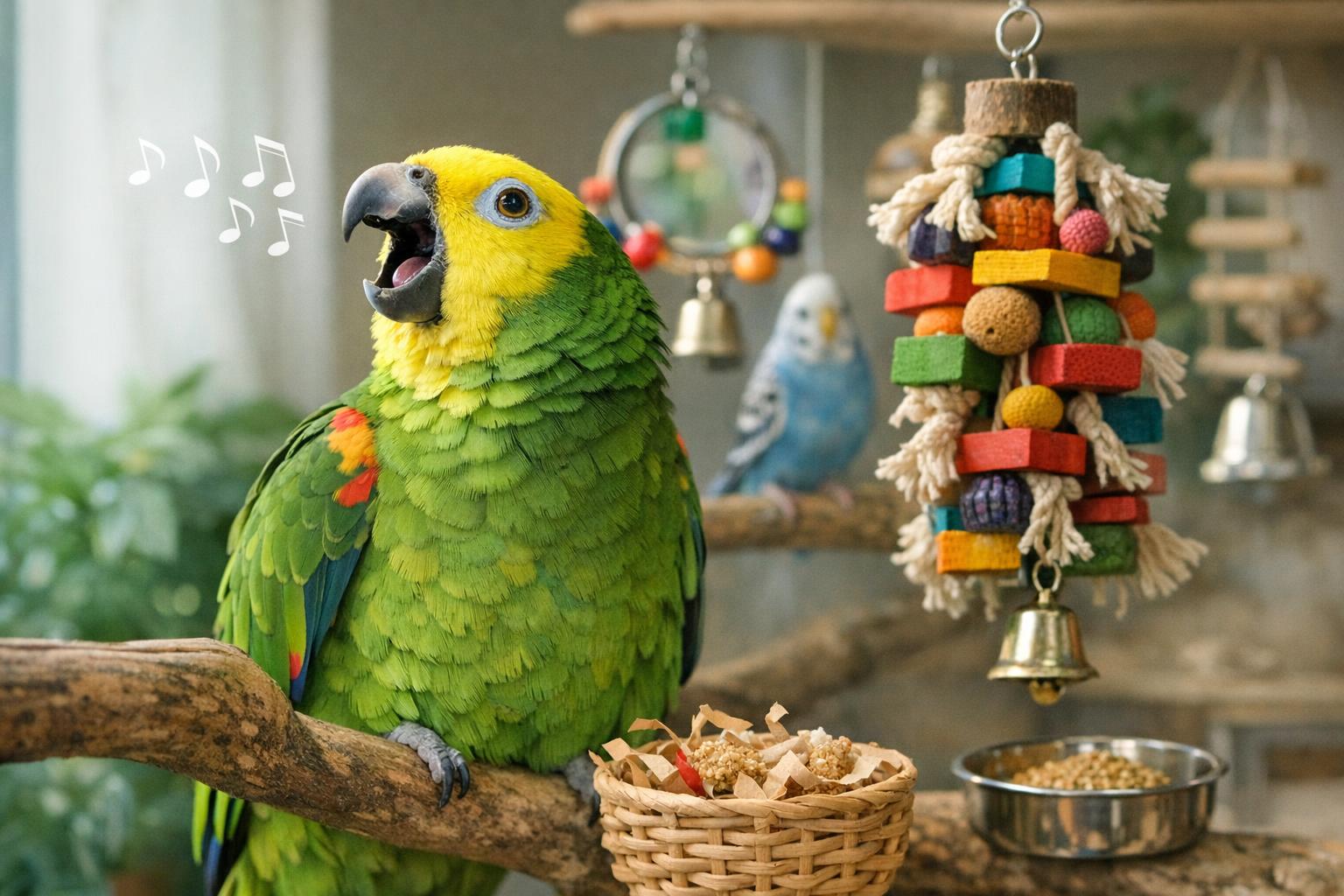
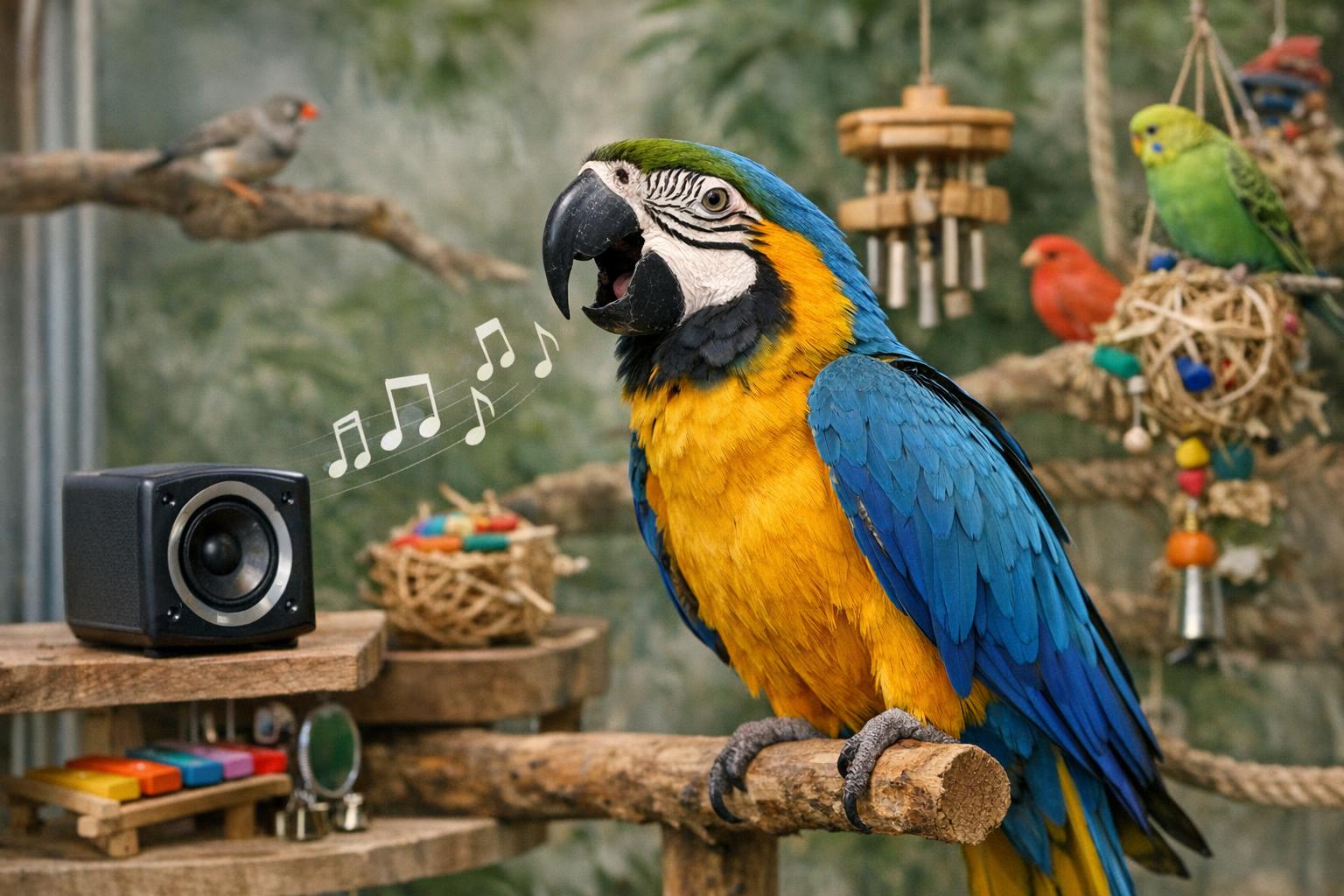
Feeding time is also enrichment time. Rotate feeding stations, hide small treats in millet sprays, and offer foraging toys to stimulate natural behaviors. Keep enrichment varied but safe—avoid foods or toys with small detachable parts that could be swallowed.
### Foraging Ideas That Are Safe
Suspend a sprig of leafy greens, hide small bits of fruit among shredded paper (bird-safe), or clip vegetables onto the cage bars. Always supervise new enrichment to ensure the bird uses it safely.
## When To Call The Vet
If your parakeet stops eating for more than 24 hours, shows breathing difficulty, has discolored droppings, or displays dramatic behavioral changes, seek veterinary care. Nutritional tweaks are helpful but cannot replace professional diagnosis and treatment when illness is present.
Enjoy experimenting with balanced, safe foods for parakeets—and remember: a healthy bird is curious, bright-eyed, and ready to tweet about the quality of your culinary skills.


Leave a Reply