
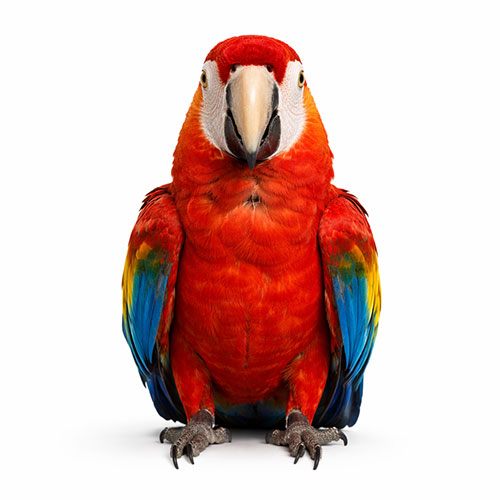

Hey bird parent — if you’ve ever clipped a wing and watched your parrot, cockatiel, or budgie give you the side-eye while a tiny spot of blood appears on the nail, you already know nail trims can be dramatic. Relax: bleeding from a quicked nail is common, and it’s usually manageable at home with the right supplies and calm hands (and maybe a treat as a peace offering).
## Nail Care Tip: Styptic Powder For Birds At Home Guide
### Why Nail Trims Sometimes Bleed
Bird nails have blood vessels and nerves inside — the “quick” — especially in birds with lighter, translucent nails. Trim too close and you nick the quick. The result is yikes-level tiny bleeding, which is stressful for you and your bird. Blood flow in a bird’s nail is lower than in many mammals, so most small bleeds can be controlled quickly if you act correctly.
### What Is Styptic Powder For Birds?
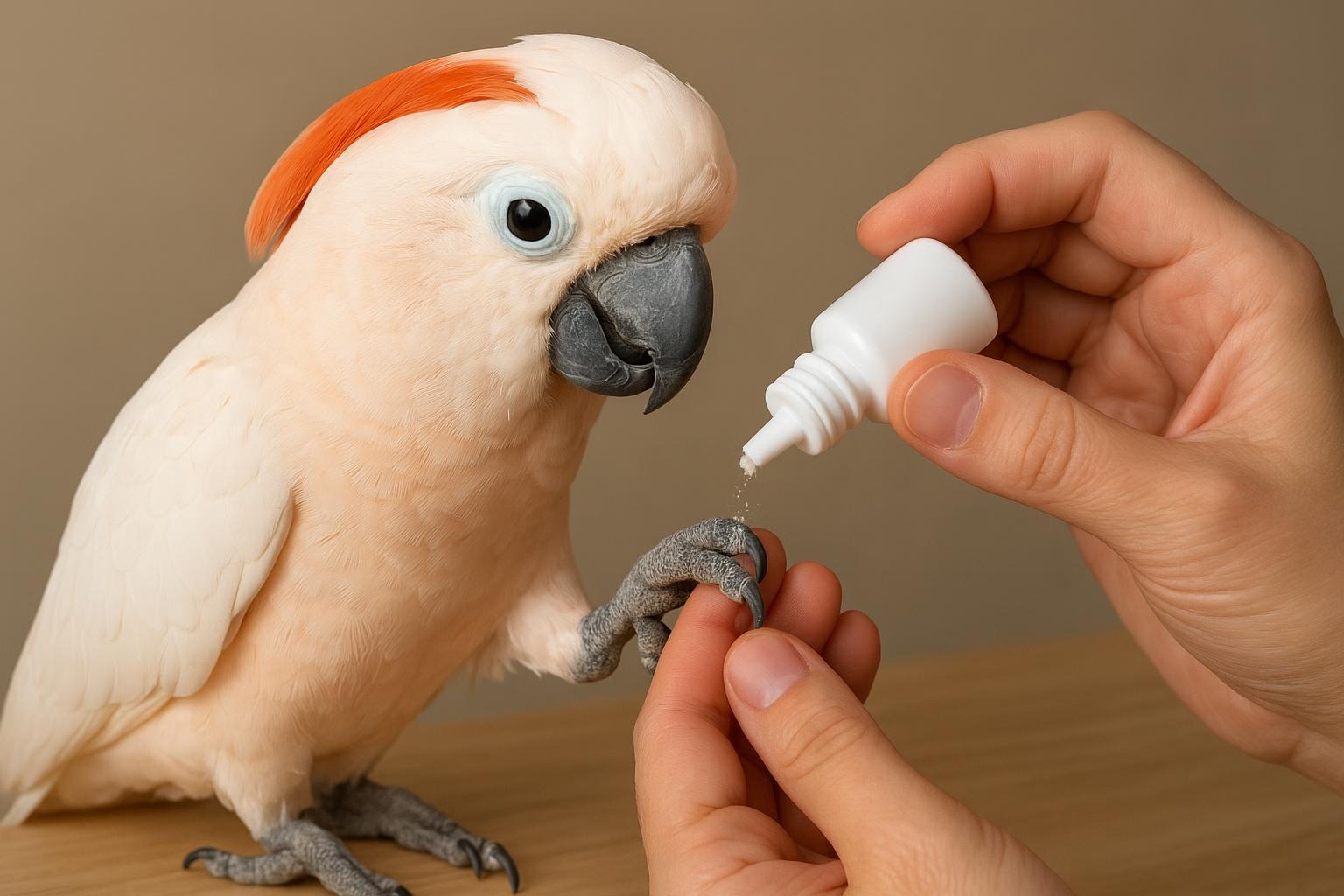
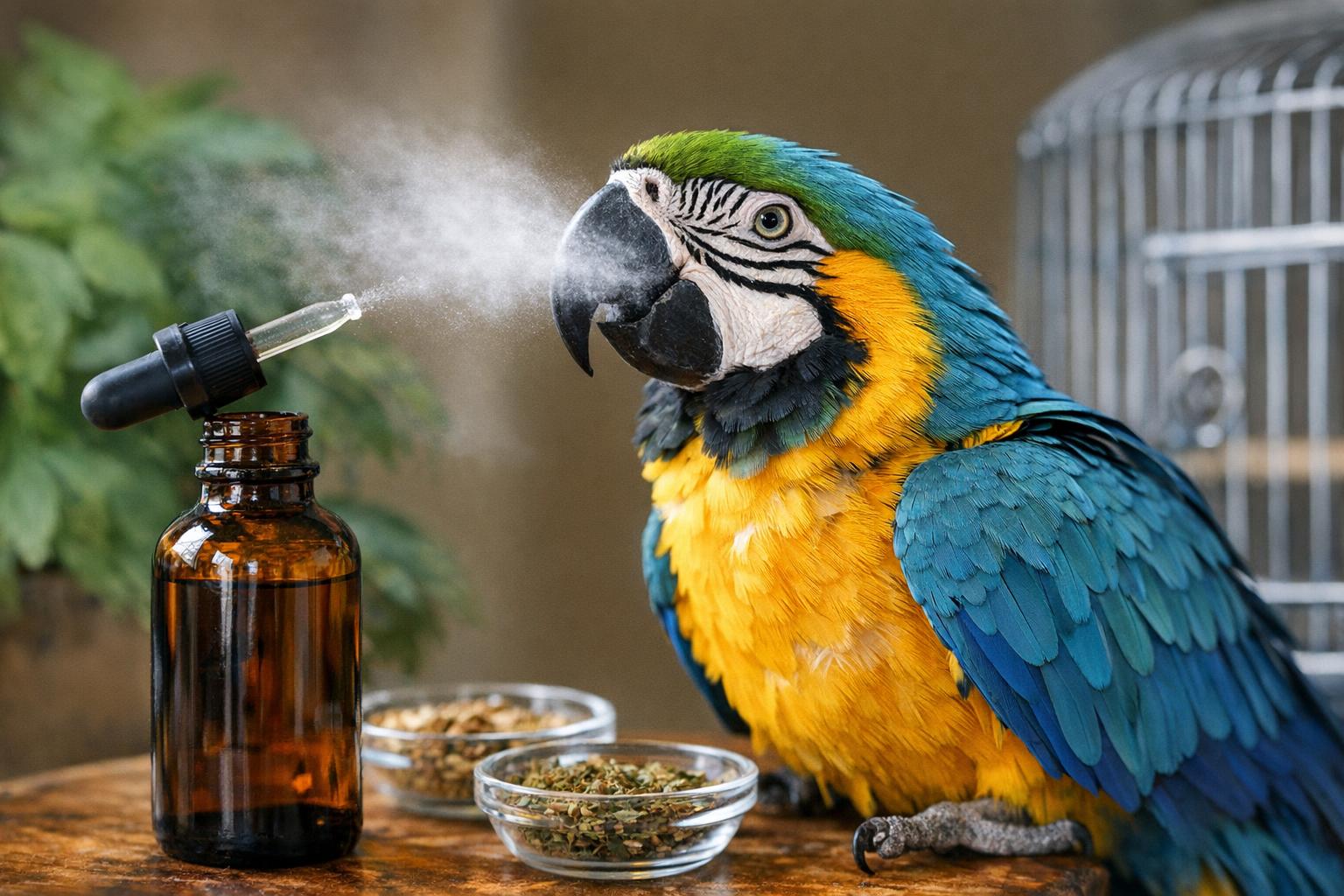
Styptic powder for birds is a clotting aid designed to stop minor bleeding from trimmed nails by helping blood coagulate and form a protective crust. Veterinary styptic powders generally contain an astringent compound (like aluminum-based salts) that constricts blood vessels and helps clotting. For birds, it’s best to use formulations labeled for avian or small-animal use, or to have an approved veterinary product on hand. If you don’t have a veterinary styptic powder available, household cornstarch can serve as a temporary, gentle option until you can get a proper product.
### When To Use Styptic Powder For Birds And When To Call A Vet
Use styptic powder for birds for:
– Small nail bleeds after routine trimming.
– Bleeding that slows or stops after application and light pressure.
Call your avian vet or emergency clinic if:
– The bleeding is heavy, spurting, or doesn’t slow after 10–15 minutes of treatment.
– The bird seems lethargic, pale, or very distressed.
– A beak injury or larger wound is involved.
### Materials You’ll Need (Ingredients/Required Materials)
#### Essential Items
– Veterinary-recommended styptic powder for birds (preferred) or a small jar of cornstarch as an emergency alternative.
– Clean cotton swabs or a small spoon/flat applicator reserved only for first-aid use.
– Clean towel or soft cloth for gentle restraint.
– Disposable gloves (optional, but cleaner and calmer).
– Small flashlight to check the nail and quick location.
– A shallow dish to pour a little powder into for easy access.
– Treats to reward and calm your bird after.
#### Optional But Helpful
– Antiseptic designed for avian use (only after bleeding stops and on vet advice).
– A partner to help gently hold your bird if needed.
### How To Create A Simple Emergency Styptic Mix (Optional DIY)
If you’re committed to DIY and want a basic emergency mixture, you can make a cornstarch-based option. Note: this is a temporary measure and not a replacement for a veterinary styptic powder.
Ingredients:
– 1 tablespoon cornstarch
– Small, clean airtight container
– A pinch of turmeric (optional — natural antiseptic, but can stain feathers)
Creation:
1. Ensure your container is clean and dry.
2. Add 1 tablespoon of cornstarch. If using, mix in a very small pinch of turmeric and stir.
3. Seal the container and label it clearly “For Nail Bleeds Only.”
This mixture is gentle, absorbent, and helps form a clot. It lacks the astringent strength of commercial styptic powders, so it’s for emergency, small bleeds only.
### How To Use Styptic Powder For Birds: Step-By-Step Application
When you’re in the moment, calmness matters more than speed. Follow these formal, instructional steps carefully.
1. Calm the Environment
– Turn off loud noises and bright lights. Speak softly to your bird. If the bird is agitated, let it settle for a moment.
2. Secure Your Bird Gently
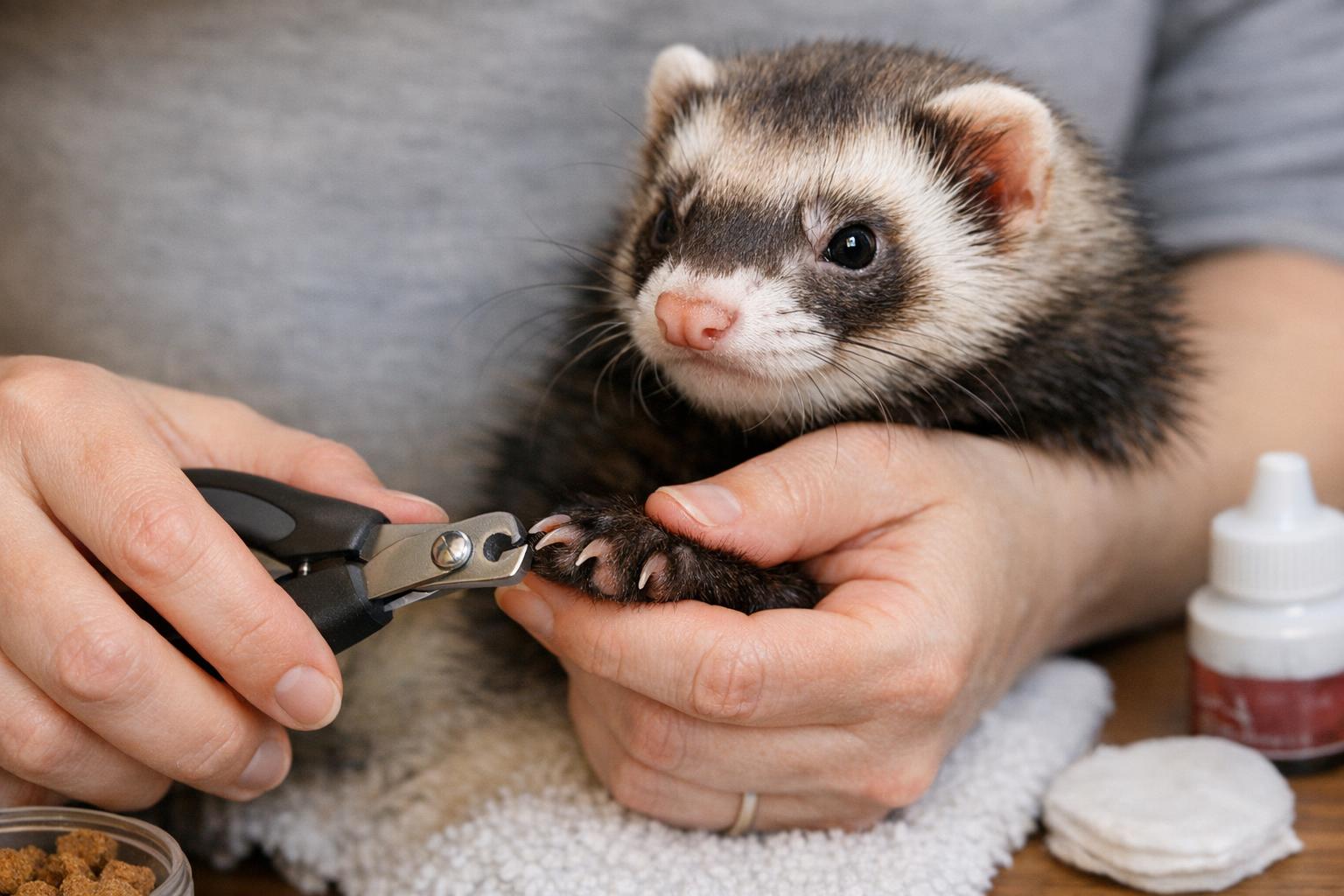
– Wrap your bird loosely in a towel, keeping the injured foot exposed. This prevents flapping and reduces stress.
3. Inspect the Injury
– Use a small flashlight to identify where the bleeding originates. If you see obvious deep tissue damage beyond the nail, contact your vet.
4. Prepare Your Materials
– Pour a small amount of styptic powder for birds into a clean dish. If using the DIY cornstarch mix, open the container now.
5. Apply Pressure First
– Before powders, gently press a clean cotton swab or gauze against the nail to remove excess blood and give clotting a start. Maintain steady pressure for 30–60 seconds.
6. Apply The Powder
– With a fresh cotton swab or the rounded end of your applicator, dip into the powder. Apply directly onto the bleeding tip of the nail. If using cornstarch, be liberal but gentle.
7. Maintain Gentle Pressure
– After powder application, press gently for another 30–60 seconds. The powder should form a paste with blood and create a crust that seals the tip.
8. Check Bleeding
– Carefully remove pressure; if bleeding has stopped, observe for a few minutes. If it continues, reapply powder and pressure one more time. If still bleeding after two attempts and 10–15 minutes total, phone your vet.
9. Clean Up
– Remove towel and dispose of used swabs and gloves. Keep the bird calm; offer a treat once it’s settled.
10. Monitor Over The Next 24 Hours
– Watch for re-bleeding or signs of infection (swelling, foul smell). Only apply topical antiseptics on vet advice.
### Safety Notes And Common Mistakes
– Do not use household products like super glue, powdered mustard, or random chemicals on wound sites. These can burn tissue or cause infections.
– Avoid using human styptic pencils or strong cauterizing agents unless your vet confirms their safety for avian use.
– Don’t trim the other nails immediately after a bleed unless you are confident and comfortable; take a break and reassess.
– A little blood on feathers near the nail is normal. Excessive blood or a continuous stream is not.
### Alternatives To Styptic Powder For Birds
– Cornstarch: Gentle and absorbent — good temporary option; used above.
– Clean ice pack or cold compress: Calm vasoconstriction can help small bleeds but use only briefly and not directly on feathers.
– Veterinary hemostats or pliers: Not for home use; these are surgical tools.
When at all possible, have a small, labeled first-aid kit with “styptic powder for birds” on your shelf. It’s a compact, affordable item that can turn a panicked situation into a minor inconvenience.
### How To Prevent Quicking In The First Place
– Trim conservatively: small snips more often are safer than deep cuts infrequently.
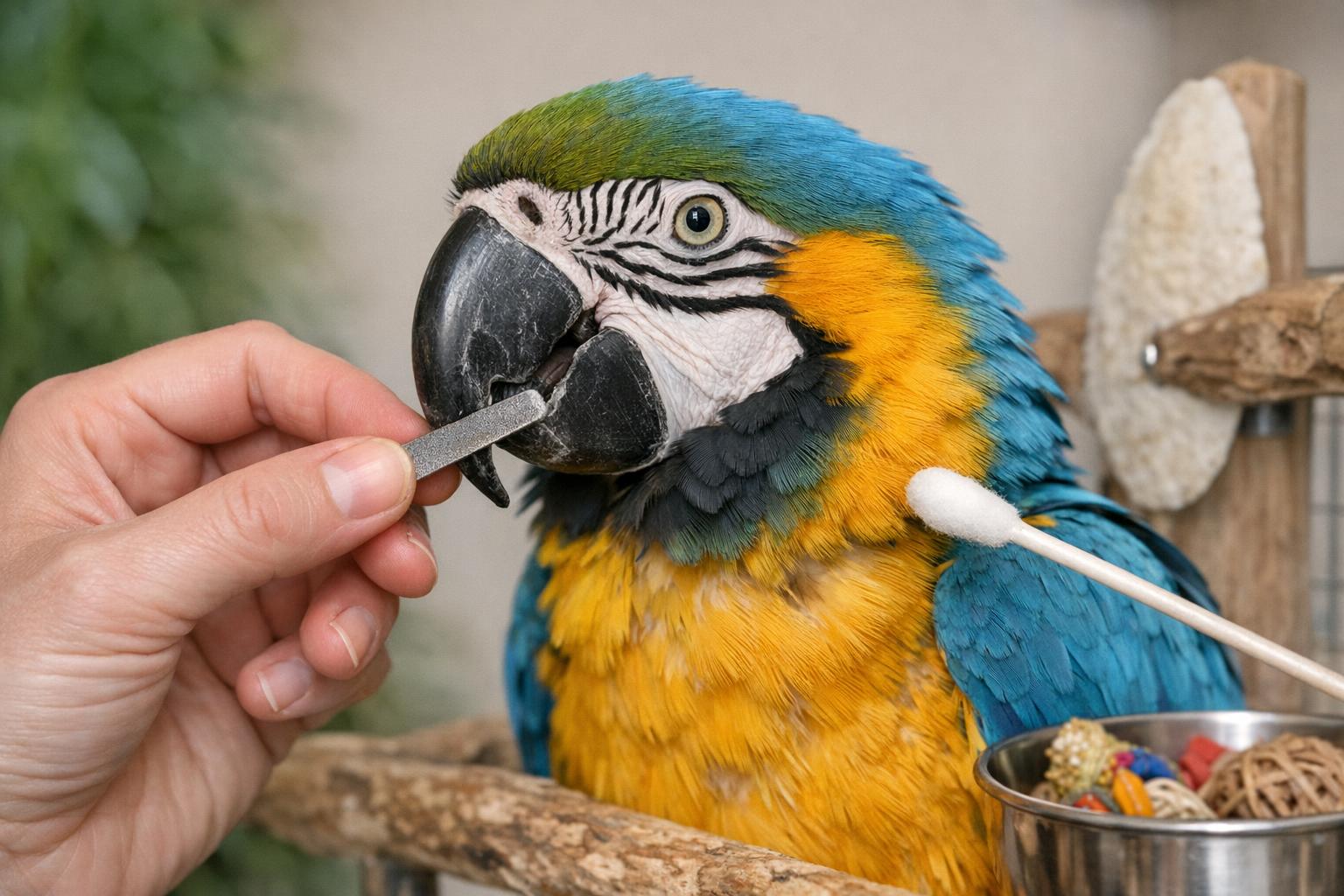
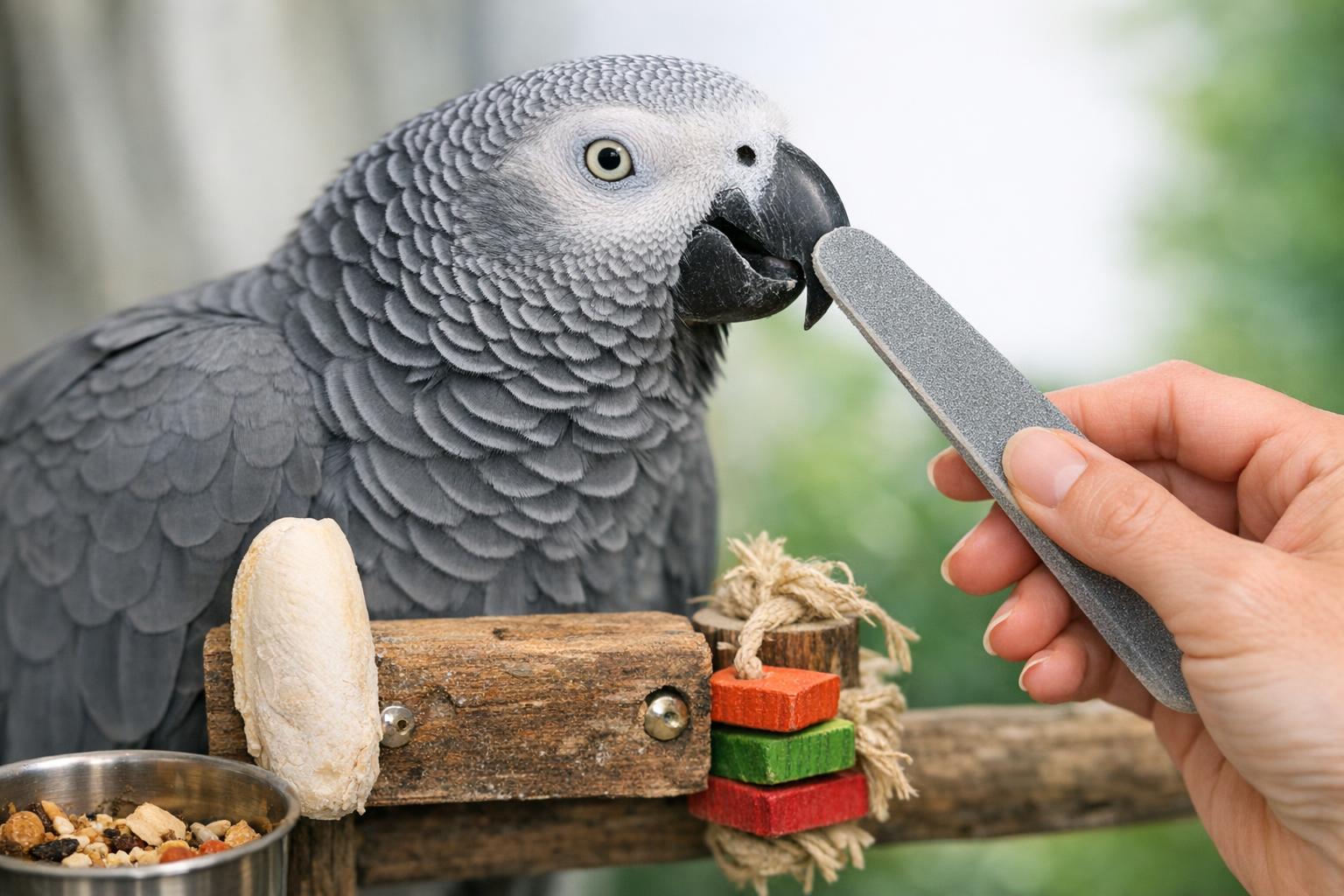
– Use a nail file or Dremel designed for birds to shorten gradually and avoid sudden nicks.
– Get comfortable working with your bird’s feet before trimming — teach them to step onto your hand and accept gentle handling.
– If your bird is flighty, consider professional trimmers or a vet to show proper technique.
### Training And Handling Tips To Reduce Stress
– Pair nail handling with treats and friendly talk.
– Practice short handling sessions so your bird learns that being touched near the feet isn’t torture.
– Have someone help you the first few times: one person holds calmly while the other trims.
### Where To Buy And What To Look For
Purchase a product labeled for avian or small-animal use; packaging often mentions “pet” or “avian”. Read ingredients — aluminum-based astringents and ferric-based products are common. If unsure, call your avian vet and ask for a recommended brand. Keep your kit accessible near the area where you trim nails.
### Quick Troubleshooting
– If the powder sticks and the bird pulls it off, reapply with a fresh swab and hold gently for longer. The crust needs time to form.
– If the bird is excessively stressed, stop and consult a professional. Stress can do worse than a small bleed.
– If you notice repeated quicking, your bird’s nail shape or growth pattern may need professional attention or trimming frequency adjustment.
If you stock a small jar labeled “styptic powder for birds” and a sachet of cornstarch in your bird-care kit, you’ll be ready for most minor nail mishaps. And remember: every bird owner has had a trimming mishap at least once — consider it a rite of passage, with bandages replaced by treats and a few deep, calming breaths.




Leave a Reply