
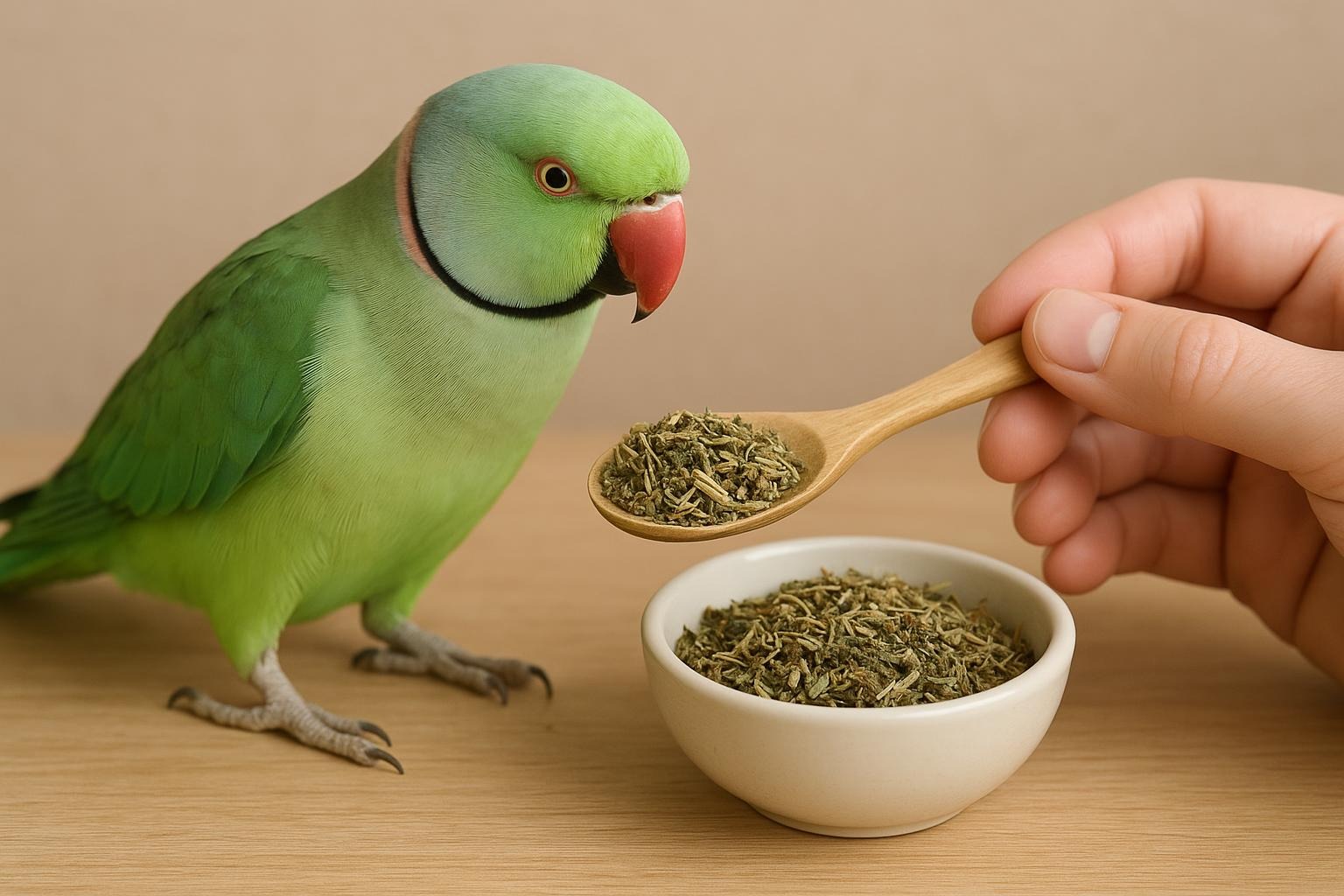
If your little parakeet seems quieter than usual, pushing when it poops, or producing unusually dry droppings, you might be dealing with budgie constipation. Don’t panic — budgies are delicate, but many mild cases can be helped at home with gentle care, good diet shifts, and quick attention. Think of this as first aid for a feathered roommate: kind, calm, and slightly smug when the problem resolves.
## Gentle Remedies For Budgie Constipation And Bowel Health
### Recognizing The Signs
Not all bathroom oddities mean trouble. Still, keep an eye out for:
– Straining or prolonged perching in the same spot.
– Small, hard feces or very dry droppings.
– Decreased appetite, reduced singing, or general lethargy.
– Swollen abdomen or visible discomfort.
If you notice any of these, write them down (or snap a discreet photo) to show your avian vet if needed. Early recognition makes treatment simpler and safer.
### Common Causes To Consider
Budgies can get constipated for reasons that are fairly easy to fix:
– Low water intake or a diet too heavy in seed and low in greens.
– Changes in routine, stress, or a new environment.
– Obstruction from sand, shell grit, or large seed pieces.
– Underlying illness (less common) like organ issues or infections.
If this is a recurring problem, the cause may be dietary or medical and worth investigating more thoroughly.
## 1. Gentle Hydration Boost (Remedy)
### Ingredients / Required Materials
– Fresh, clean water (room temperature)
– A shallow dish or small water bowl in addition to the standard water bottle
– A few drops of unsweetened, plain fruit juice (optional; see steps)
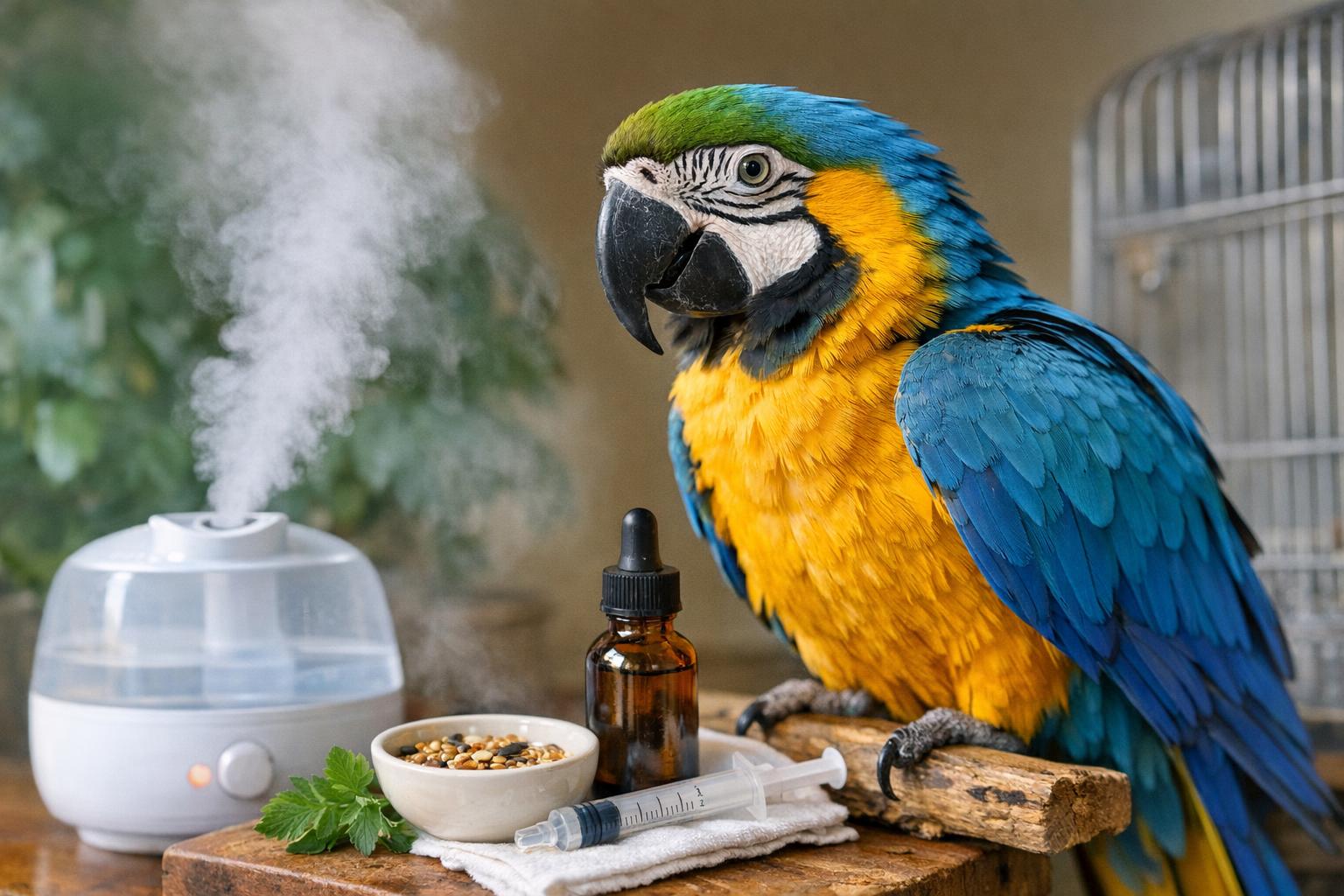
– A soft syringe (without the needle) for very timid birds (optional)
### Creation And Application Steps
1. Replace the water in the cage with fresh, room-temperature water twice daily. Budgies prefer clean water and will often drink more when it’s fresh.
2. Offer a shallow dish beside the normal water source; some budgies prefer dipping or splashing, which encourages drinking.
3. If your budgie is a reluctant drinker, add one to two drops of unsweetened apple or pear juice into the shallow dish to encourage a sip — do this only for a day or two.
4. For a mildly constipated bird that won’t drink, you can administer small amounts of water using a soft syringe: place the syringe at the side of the beak and release 0.5–1 ml at a time, allowing the bird to swallow. Only perform this gently and stop if the bird resists or coughs.
5. Monitor droppings over 24–48 hours for softening and increased frequency.
Note: Excessive forceful syringing risks aspiration. If you are uncomfortable with this, skip it and seek veterinary help.
## 2. Soften The Diet Safely (Remedy)
### Ingredients / Required Materials
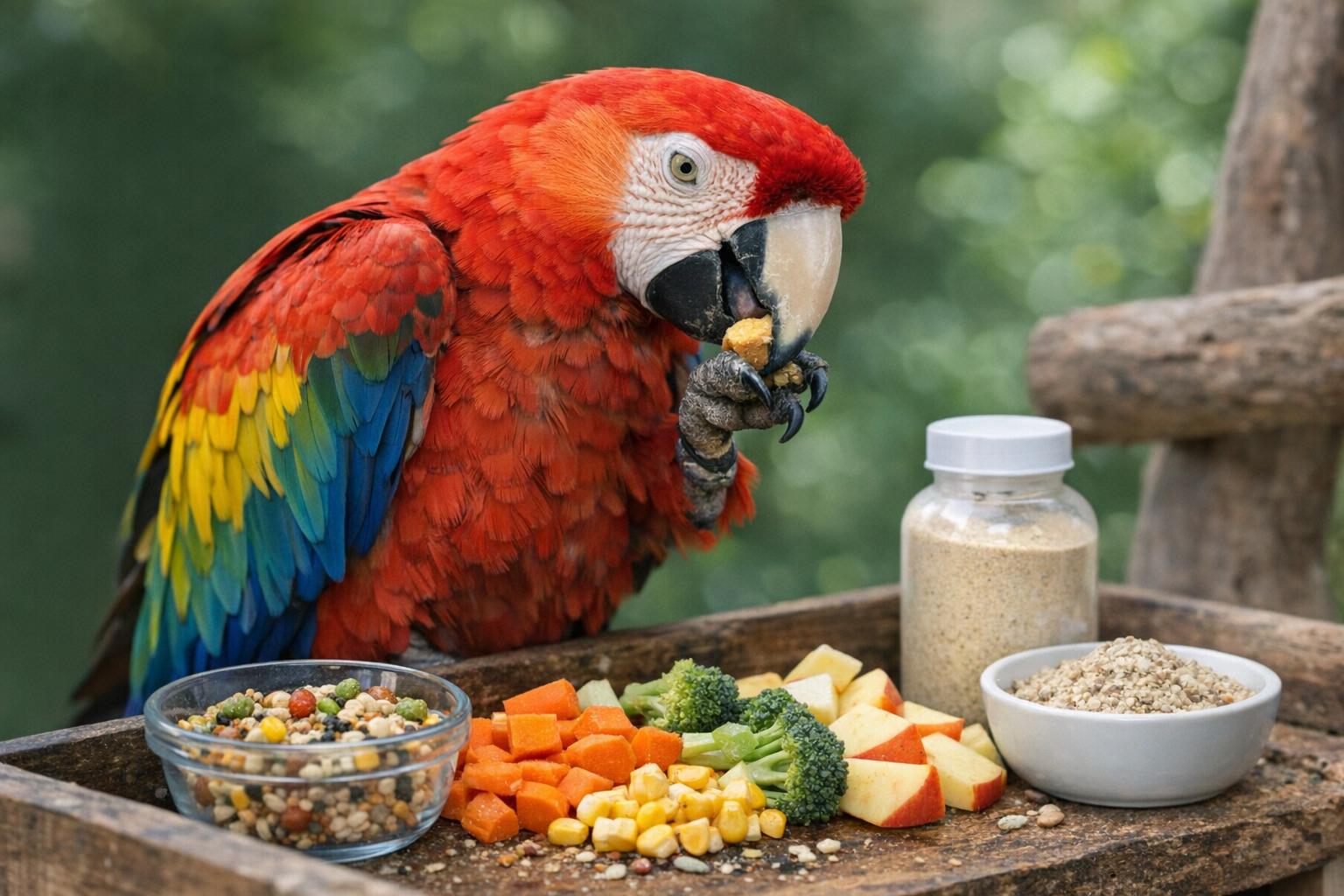
– Cooked, unsalted sweet potato or pumpkin (cooled)
– Fresh leafy greens: spinach, kale, dandelion greens (washed)
– Millet spray or sprouted seeds (optional treat)
– Small serving dish or leaf clip for cage
### Creation And Application Steps
1. Prepare tiny portions of cooked sweet potato or pumpkin — a pea-sized flake or two is often enough for a budgie. Mash it smooth to avoid choking hazards.
2. Offer fresh, chopped leafy greens daily. Rotate types to keep interest high: a tiny piece of kale one day, a leaf of spinach another.
3. Place the cooked mash in a small dish or attach a clipped leaf to the cage bars where your budgie likes to perch.
4. Observe whether your budgie samples the new items. If it does, continue for 2–3 days while monitoring droppings. The fiber and moisture from these foods often help relieve mild budgie constipation.
5. Reduce seeds slightly while increasing fresh vegetation over a week to prevent sudden dietary upheaval.
Diet changes should be gradual in general, but temporary, gentle increases in moisture- and fiber-rich foods are usually safe for short-term relief.
## 3. Warm Soothing And Gentle Massage (Remedy)
### Ingredients / Required Materials
– Warm (not hot) compress: a soft cloth and warm water
– Quiet, dim room to minimize stress
– Timer or watch
### Creation And Application Steps
1. Make a warm compress by soaking a soft cloth in warm water and wringing it until damp.
2. Hold your budgie gently and place the compress briefly against the belly (under supervision) for 30–60 seconds. Keep contact gentle and avoid forcing the bird into any position.
3. After the compress, use a fingertip to very gently stroke the lower abdomen in small, circular motions for 30–60 seconds. Do not press hard; the goal is to stimulate gentle movement, not to prod.
4. Repeat once or twice a day for up to 48 hours while monitoring droppings.
5. If the bird becomes highly stressed or resistant, stop immediately.
These tactile, calming interventions can encourage gut motility through warmth and mild stimulation. Always prioritize your bird’s comfort and avoid overhandling.
### When To Use A Laxative Under Vet Guidance
Do not give human laxatives or oil to a budgie unless directed by an avian veterinarian. In some cases, vets may recommend specific, bird-safe products or administer fluids and medications professionally. Improper dosing can be life-threatening in small birds.
#### Quick Safety Notes
– Never use olive oil or mineral oil orally without vet approval — oils can interfere with feather condition and cause aspiration.
– Avoid honey for very young budgies; it carries risks. Use only vet-recommended substances.
– If droppings are bloody, extremely watery, or if your budgie shows breathing difficulty, immediate vet attention is required.
### When To Call The Vet
– No improvement within 24–48 hours despite home care.
– Persistent straining or signs of severe pain.
– Marked changes in behavior, appetite, or breathing.
– Recurrent episodes of budgie constipation.
Your veterinarian can perform a physical exam, check for obstructions, recommend safe medications, and if necessary, provide subcutaneous fluids or force-feeding support.
## Diet And Cage Habits For Long-Term Bowel Health
A steady plan keeps the plumbing happy. The focus should be on hydration, balanced nutrition, and safe foraging.
– Offer a base of a balanced pelleted or sprout-based diet rather than an all-seed diet.
– Provide fresh greens daily and rotate variety.
– Ensure constant access to fresh water; consider two water sources.
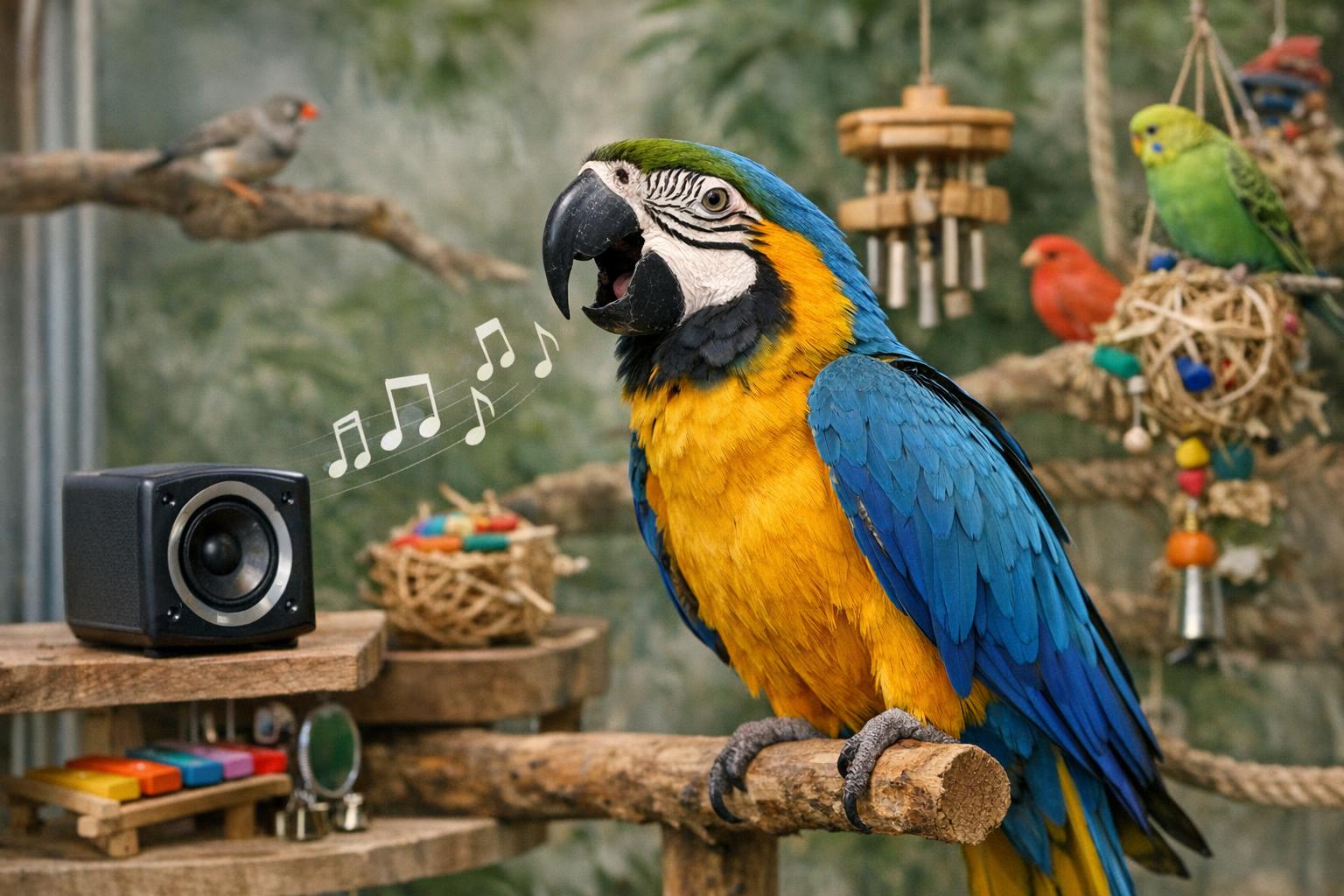
– Offer safe foraging toys and fresh branches to encourage movement — exercise stimulates digestion.
– Keep cages clean and monitor perch heights; extreme perching angles can make bowel movements awkward.
Integrating these habits reduces the likelihood of future budgie constipation and supports overall well-being.
### Monitoring And Record-Keeping
Keep a small notebook or phone folder for notes about droppings, appetite, and behavior. Note which remedies you tried and their effects. This log is invaluable if you eventually consult the vet — it speeds diagnosis and helps avoid unnecessary tests.
If you try these gentle remedies and your feathered friend improves, give yourself a quiet, smug pat on the back. If not, no shame — small birds often need professional care. Either way, prompt, calm action is the best medicine for a grumpy little beak.



Leave a Reply