

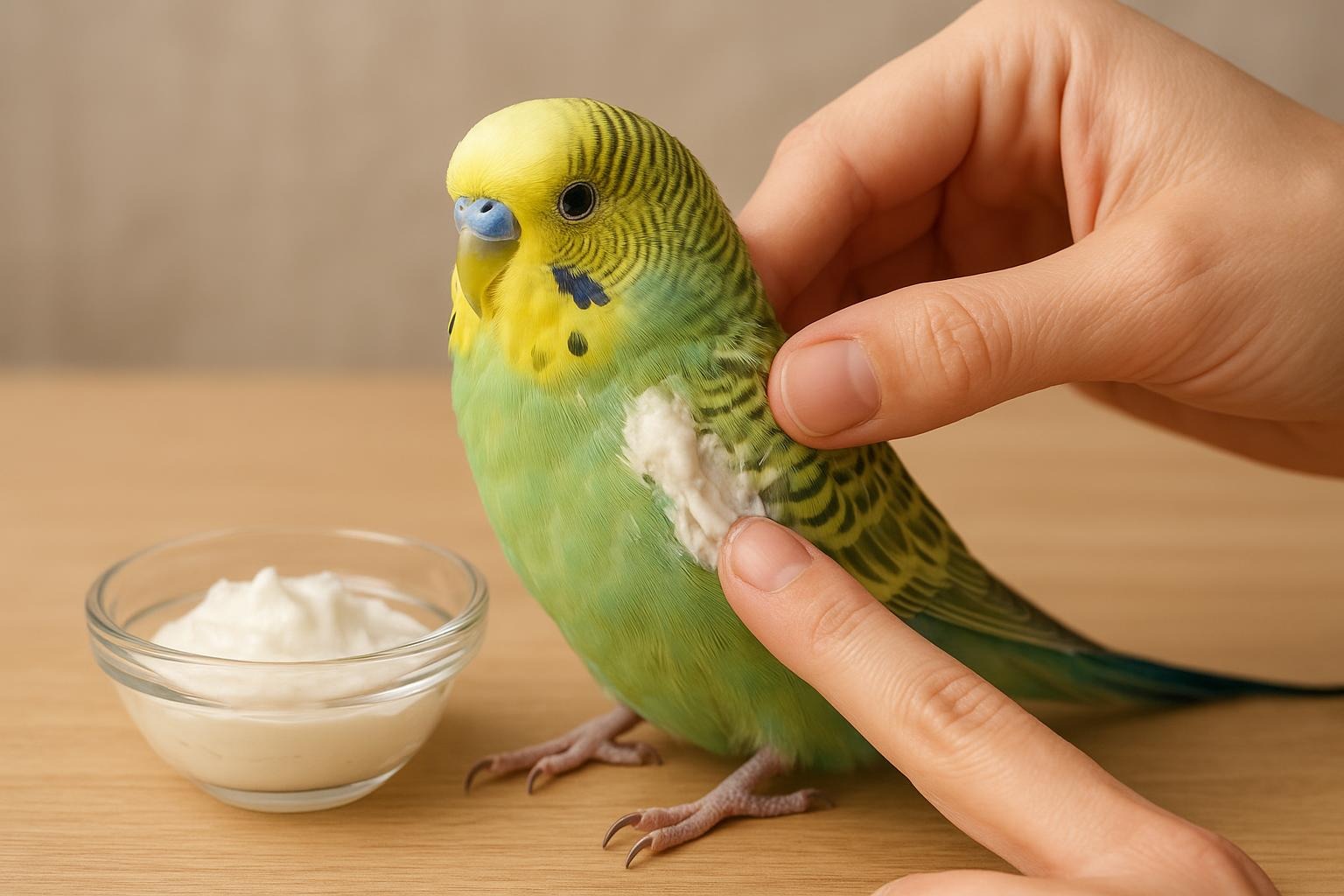
Hey there—if your little feathered roommate is suddenly tossing out old plumage like a tiny, dramatic hairdresser, you’re in the right spot. Molting can look alarming the first time, but with gentle care and a few DIY comforts, most budgies bounce through it just fine.
## Gentle Molting In Parakeets Care: DIY Home Remedies
### What Is Molting And Why It Happens
Molting is a normal, periodic process where birds replace worn feathers with new ones. In wild birds it keeps plumage efficient for flight and insulation; in pet birds it’s largely the same—older feathers are shed and fresh feathers grow in. If you’re wondering whether you should panic, remember: molting is natural and expected. Still, it can be uncomfortable and energetically demanding for your parakeet, so supportive care helps.
#### Common Feather Changes
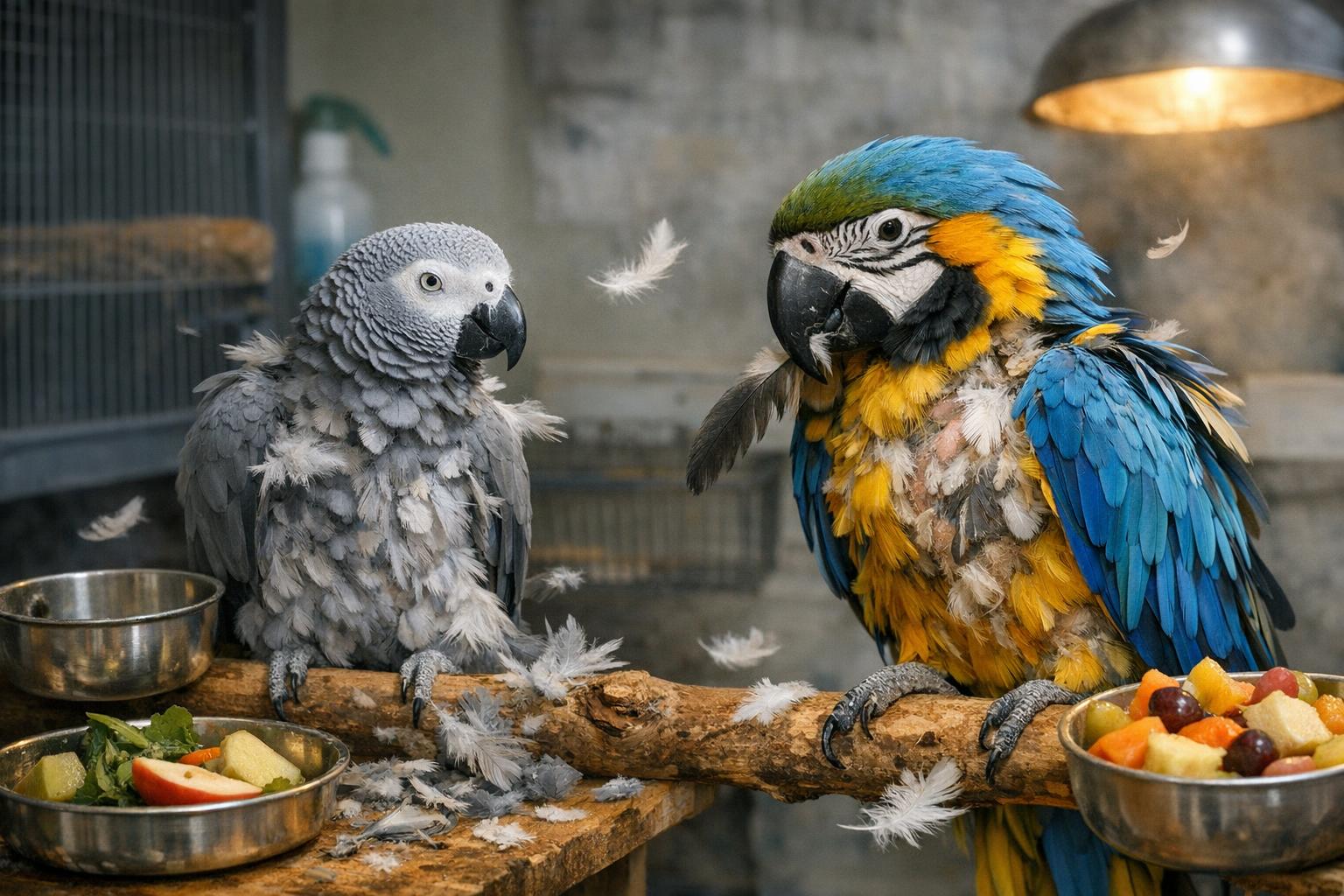
You may notice pin feathers (those new feathers wrapped in a sheath), uneven feather patches, or a slightly grumpy attitude. While molting, parakeets may look puffier or spend more time resting. Pin feathers can be sensitive to touch and may bleed a tiny bit if handled roughly; give those spots respectful space.
### Signs Your Bird Is Molting
Typical signs include increased feather dander around the cage, more scratching than usual, small tufts of feathers on perches, and the appearance of those bead-like pin feathers. Appetite can temporarily climb because feather growth is protein- and nutrient-intensive. If activity drops a lot or you see skin lesions, that’s when you should be more alert.
### How Diet Helps During Molting
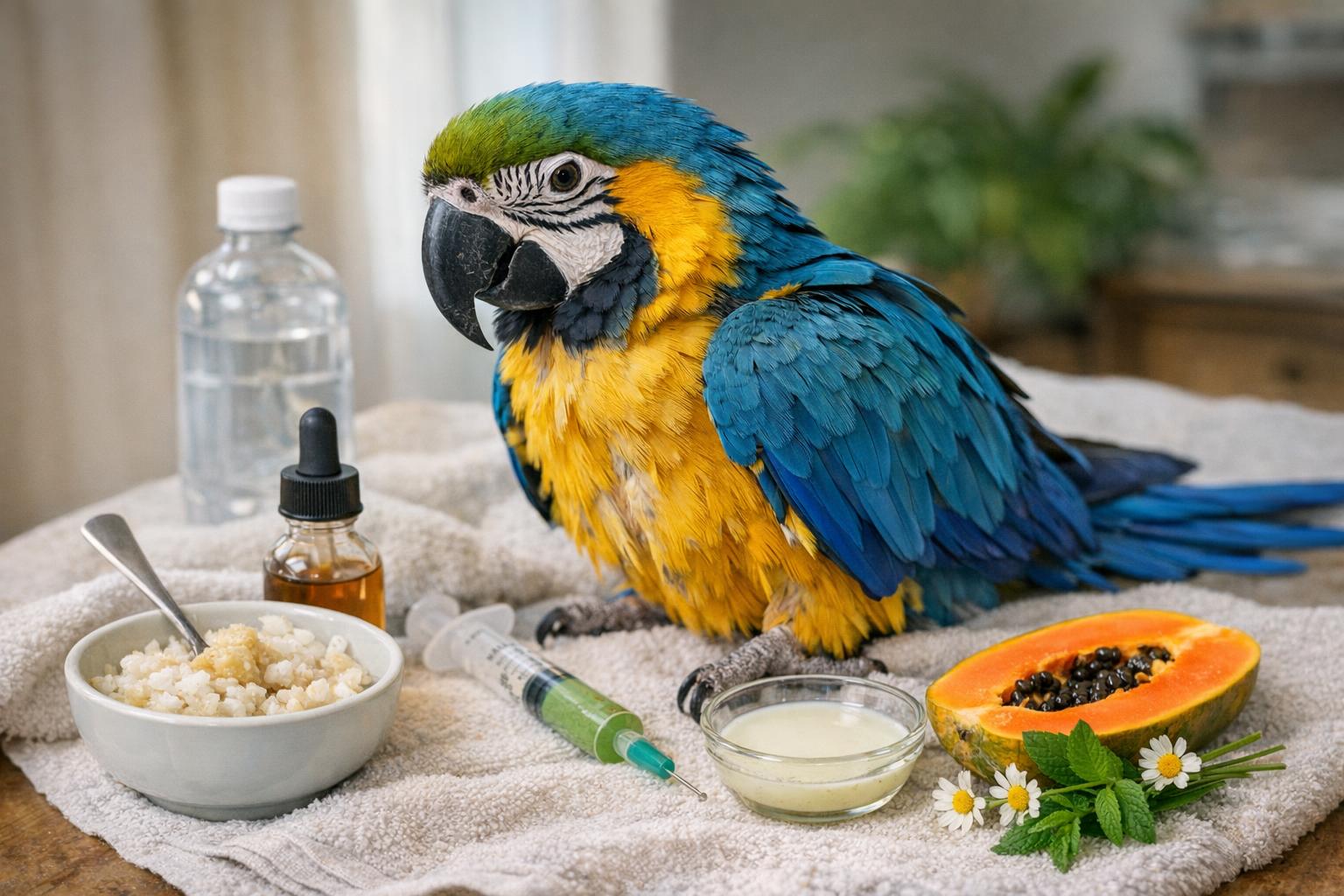
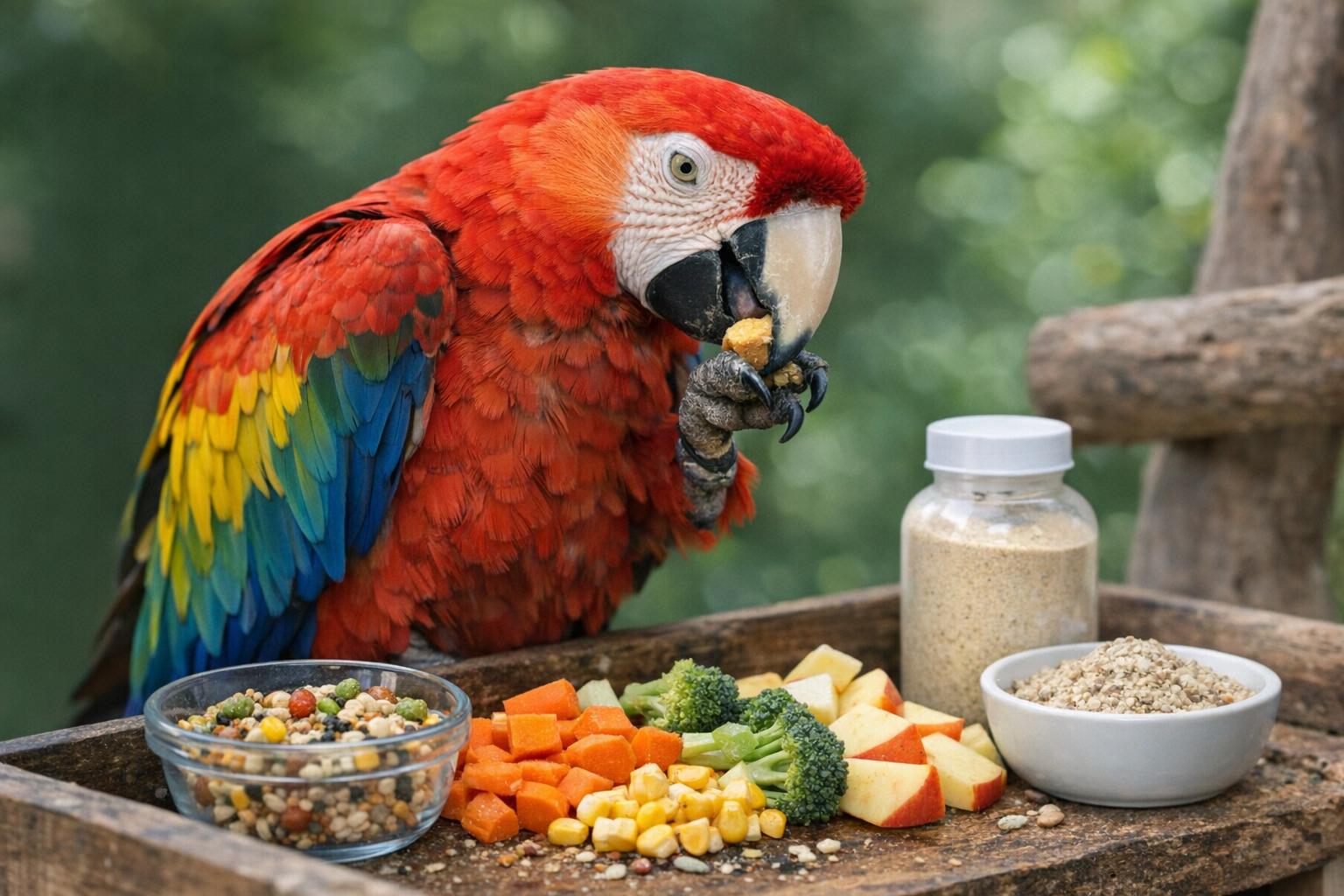
A balanced, nutrient-rich diet short-circuits a lot of molting misery. Protein, vitamins A and D, omega-3 fatty acids, and trace minerals like zinc and selenium support healthy feather regrowth. Avoid dramatic diet swings mid-molt; instead, gently enrich the existing diet with concentrated, safe additions so your bird gets the raw materials it needs.
## 1. Nutritional Boost Remedy For Molting In Parakeets
When molting in parakeets ramps up, a targeted nutritional boost can make a measurable difference. This remedy is practical and meant to be used for the short, intense phase of feather regrowth.
### Ingredients And Required Materials
– High-quality seed mix (your bird’s usual baseline)
– Pellets formulated for budgies (if you already feed pellets)
– Cooked plain egg (hard-boiled), mashed — small pinch per feeding
– Finely chopped steamed vegetables: carrot, kale, spinach (very small amounts)
– Fresh millet spray (as a treat)
– Clean feeding dishes and a small spoon
### Step-By-Step Creation And Application
1. Assess Current Diet: Confirm what your parakeet currently eats. Any sudden introductions should be gradual to avoid digestive upset.
2. Prepare Egg Boost: Finely mash a small amount (pea-sized for a budgie) of hard-boiled egg. This provides highly bioavailable protein and essential amino acids needed for feather keratin.
3. Steam Vegetables: Lightly steam a tiny amount of carrot and a leaf or two of kale or spinach. Chop finely so pieces are bite-sized and easy to pick up.
4. Mix With Pellets/Seeds: Sprinkle the mashed egg and chopped vegetables over the pellet or seed serving. The warmth and scent will help encourage eating.
5. Offer Millet As Reward: Present a short millet spray during daytime as a motivational treat and extra calories.
6. Frequency: Offer the enriched portion once daily for one to two weeks during peak molting. Monitor stool and appetite; discontinue if signs of digestive upset appear.
7. Hygiene: Remove uneaten fresh food after one hour to prevent spoilage. Wash dishes daily.
Note: Quantities are intentionally small—overfeeding cooked egg or greens can cause diarrhea. Keep portions conservative and focused on nutrient density rather than volume.
## 2. Soothing Misting And Bathing For Molting In Parakeets
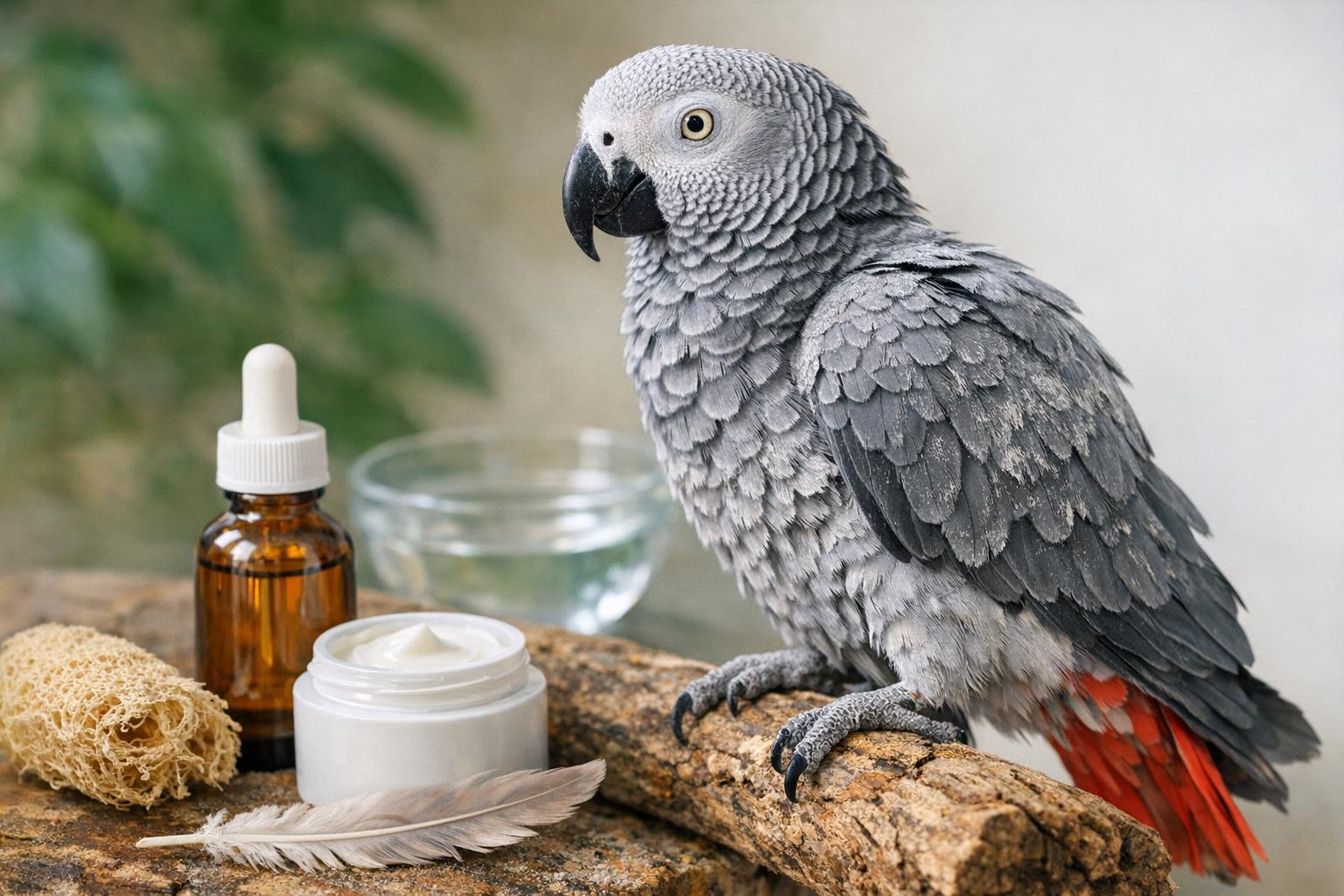
A proper moisture routine helps loosen old feather sheaths and soothes itchy skin. This method is gentle and should be done cautiously to avoid chilling.
### Ingredients And Required Materials
– Clean, lukewarm water (room temp to slightly warm, ~90–95°F / 32–35°C)
– A clean spray bottle with an adjustable mist setting (finely atomized)
– A shallow birdbath dish or pan
– Towels and a warm, draft-free room
– Optional: A few drops of unscented saline-based eye wash (for accidental eye contact cleanup)
### Step-By-Step Creation And Application
1. Prepare Environment: Choose a warm, quiet room with no drafts. Lay out towels and warm the area so your budgie won’t get chilled after misting or bathing.
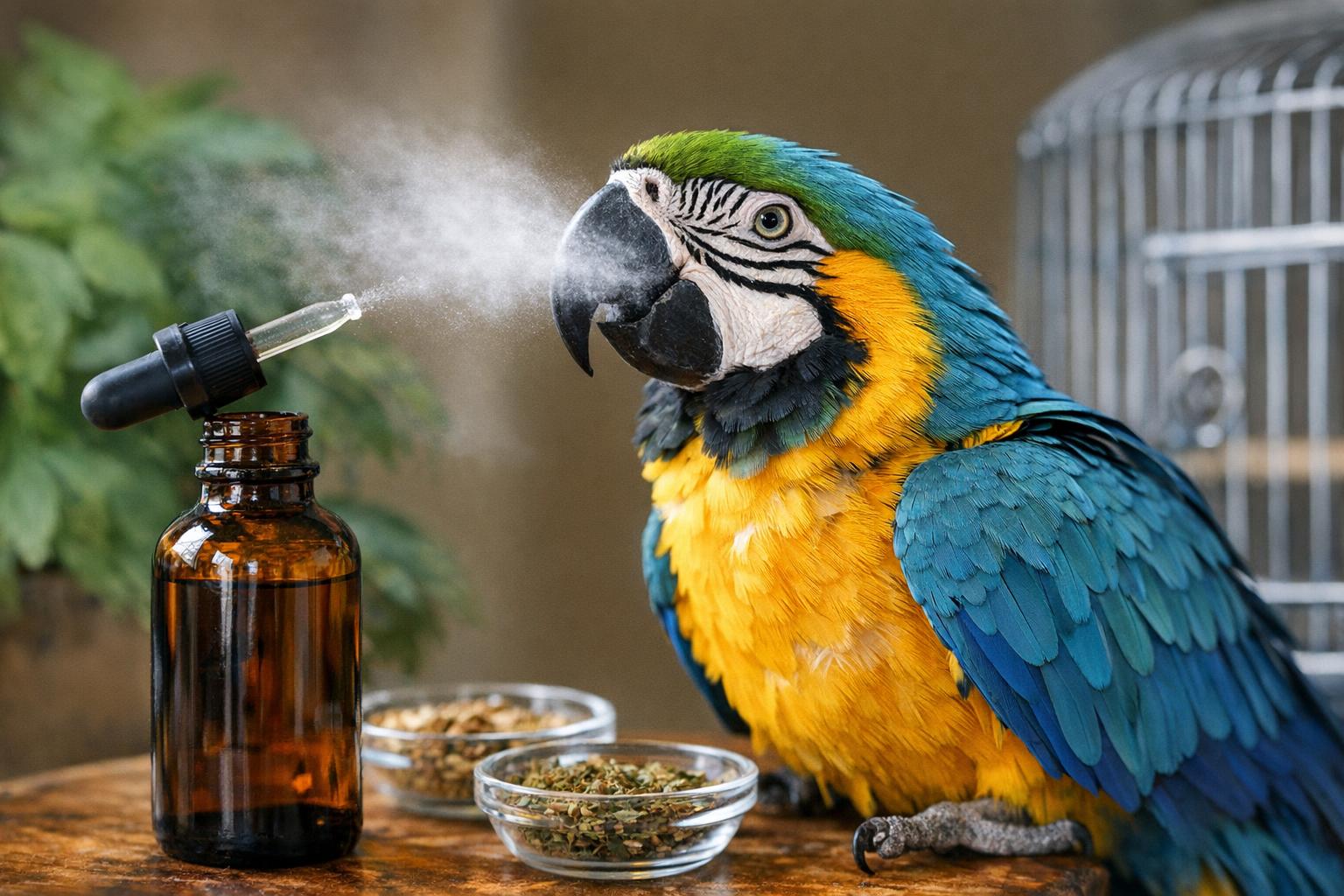
2. Fill And Test Sprayer: Use only plain water. Test the spray on your wrist to ensure a very gentle mist—no direct jets.
3. Introduce Slowly: Allow your parakeet to explore the empty spray bottle while treating them calmly so there’s no fear association.
4. Offer Bath Dish: Place a shallow dish of lukewarm water in the cage or on a secure surface. Some budgies prefer bathing themselves; others prefer a mist.
5. Gentle Misting: If using the sprayer, stand at arm’s length and mist briefly—2–4 short bursts—avoiding the head/back of the neck. Watch your bird’s reaction.
6. Supervised Soak: If your budgie hops into the dish, supervise for a few minutes and let them exit when ready.
7. Drying: Allow your bird to preen and dry naturally in the warm room. Avoid towel drying unless absolutely necessary, and never use hair dryers.
8. Frequency: Offer a bath or light misting 2–3 times per week during heavy molt; adjust if your budgie shows strong preference for more or less.
Be formal: maintain strict hygiene, use only clean water, and avoid additives that claim to “speed up” feather growth. Essential oils, soaps, or human skin-care products are unsafe for birds.
## 3. Environment And Stress Reduction For Easier Molting
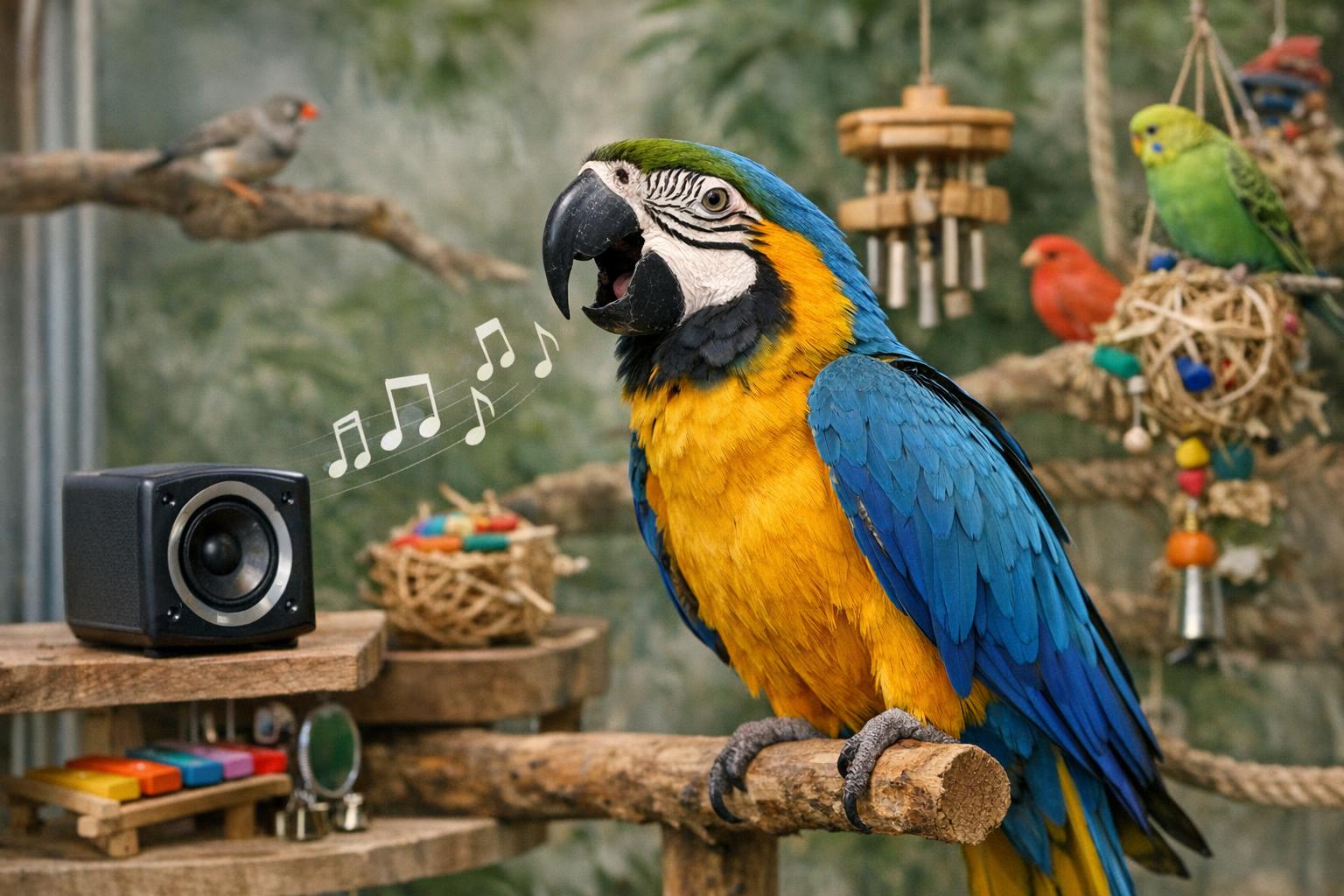
Stress amplifies the physical load of molting. Reducing environmental stressors can shorten the recovery window and keep behaviors calm.
### Materials And Practical Steps
– Quiet location for the cage (away from heavy foot traffic)
– Nighttime cover or dimming lights to preserve natural sleep cycles
– Appropriate cage perches (varying diameters, natural wood if possible)
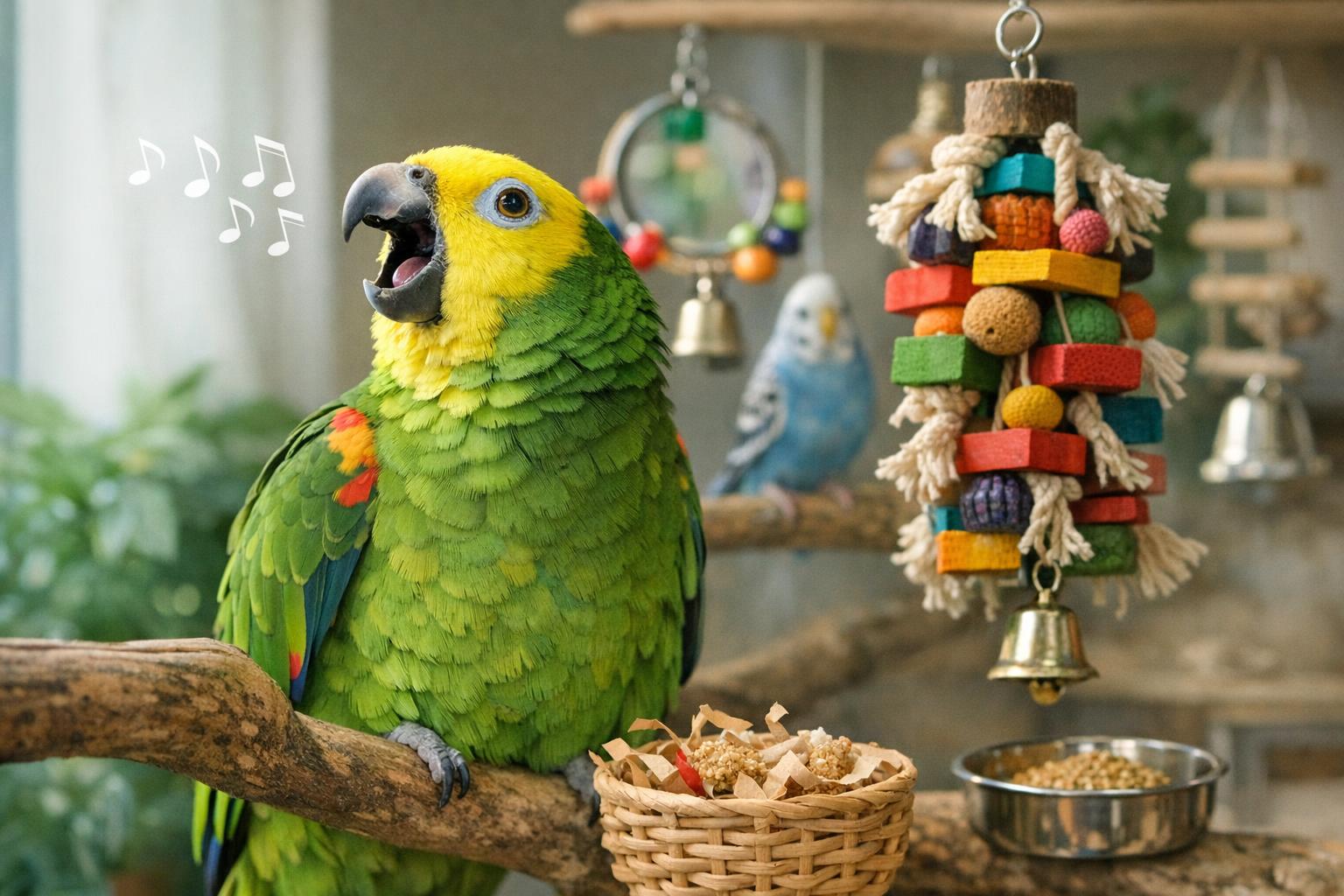
– Soft, non-toxic toys for comfort and distraction
Step 1: Relocate the cage temporarily to a calmer part of the home. Avoid constant rearrangement.
Step 2: Ensure 10–12 hours of uninterrupted darkness to support hormonal balance. Use a breathable cover or move the cage to a dim room.
Step 3: Provide perches of different widths to encourage gentle foot exercise that avoids over-scratching.
Step 4: Rotate toys every few days to offer low-effort mental engagement without overstimulation.
Step 5: Keep interaction steady but low-pressure—short, pleasant sessions rather than long handling periods. Let the bird set the pace.
### When To See A Vet
If you notice prolonged lethargy, significant weight loss, excessive bleeding, bald patches that don’t show pin feathers after several weeks, or changes in droppings (color/consistency), seek veterinary attention promptly. Health issues can mimic or complicate molting. A vet will assess for infections, mites, nutritional deficiencies, or systemic disease and recommend diagnostics or targeted treatments.
Molting in parakeets is usually a temporary, manageable stage. With a calm environment, modest dietary enrichment, and careful bathing/misting, most budgies regain their glossy selves without drama. If anything looks seriously off, your avian vet is the best co-pilot.







Leave a Reply