

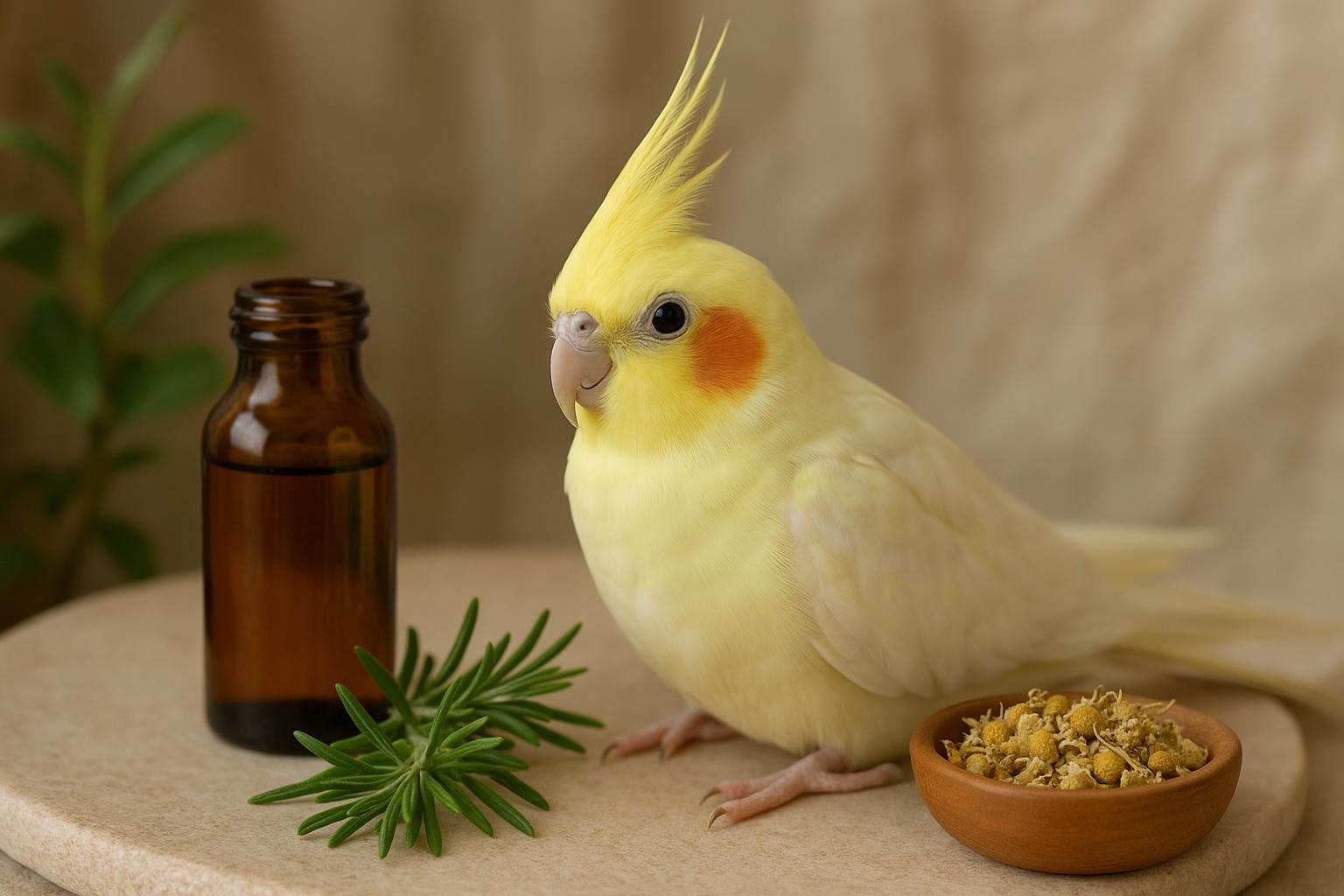
If your cockatiel seems wired, fluffed up more than usual, or suddenly obsessed with a sad little feather-pecking hobby, you might be looking at cockatiel stress. Don’t panic; small adjustments and gentle, natural remedies often calm these little drama queens down. Below are thoughtful, safe, home-friendly approaches that focus on environmental enrichment, predictable care, and gentle stimulation—plus step-by-step DIYs you can actually finish without glue in your hair.
## Understand Cockatiel Stress
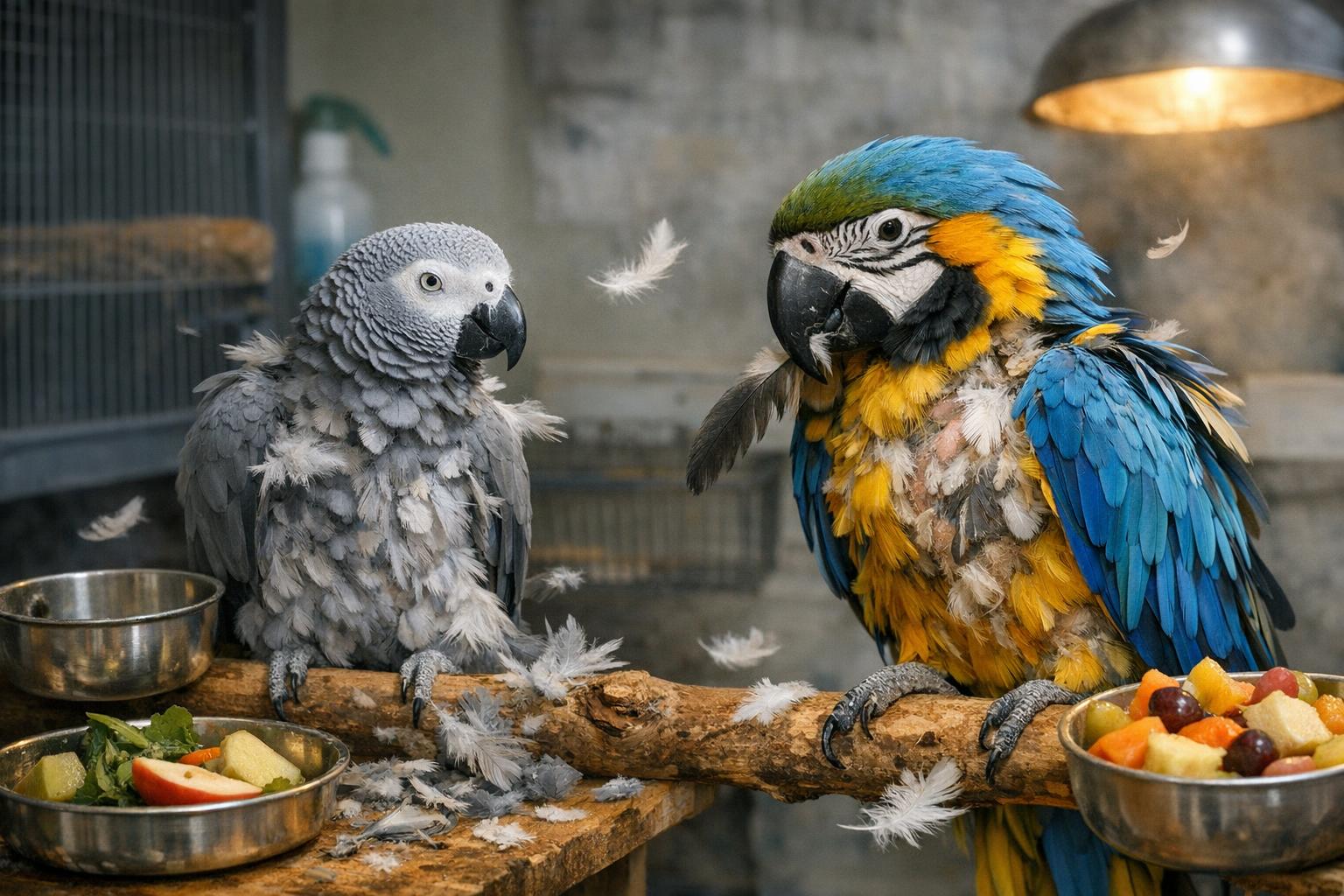
Recognizing cockatiel stress is the first step to helping your bird. Stress in cockatiels shows up in a few common ways: changes in appetite, excessive vocalization or silence, feather plucking, pacing, tiptoe walking, or sudden aggression. Stressors range from obvious (new pets, loud construction) to subtle (changes in routine, new scent on your clothes, or inconsistent lighting).
Common Causes
– Sudden changes to the environment or routine.
– Lack of mental stimulation and social interaction.
– Poor cage placement (too drafty, too exposed, or too noisy).
– Illness or discomfort.
Understanding the source helps you pick the right natural remedy instead of flinging treats at the problem and hoping for the best.
## 1. Make A Predictable Daily Routine
Birds are creatures of habit. A steady routine lowers cortisol spikes and gives your cockatiel a sense of control—one of the best defenses against cockatiel stress.
### Materials
#### What You Need
– A simple daily schedule (paper, app, or wall calendar).
– A small container for treats and training rewards.
– A consistent wake/sleep signal (cover or a low-light lamp).
### Steps To Create And Apply
1. Map Wake And Sleep Times: Decide on consistent wake and rest times that match natural daylight in your area. For most cockatiels, 10–12 hours of sleep is ideal.
2. Regular Meal/Play Blocks: Schedule 2–3 short interactive sessions daily (10–20 minutes each) for social time and training. Offer food and water at roughly the same times.
3. Predictable Handling: If your bird enjoys handling, keep handling times regular. If your cockatiel dislikes being handled, plan interactive floor or cage activities instead.
4. Use Visual Cues: A cover placed over the cage at night or a specific song at morning time signals transitions.
5. Keep Notes: Track behavior for a week. If a particular routine change corresponds to stress spikes, adjust accordingly.
Consistency reduces uncertainty. When a cockatiel can anticipate and “read” its day, acute stress episodes tend to decrease.
## 2. DIY Foraging Toy To Stimulate And Distract
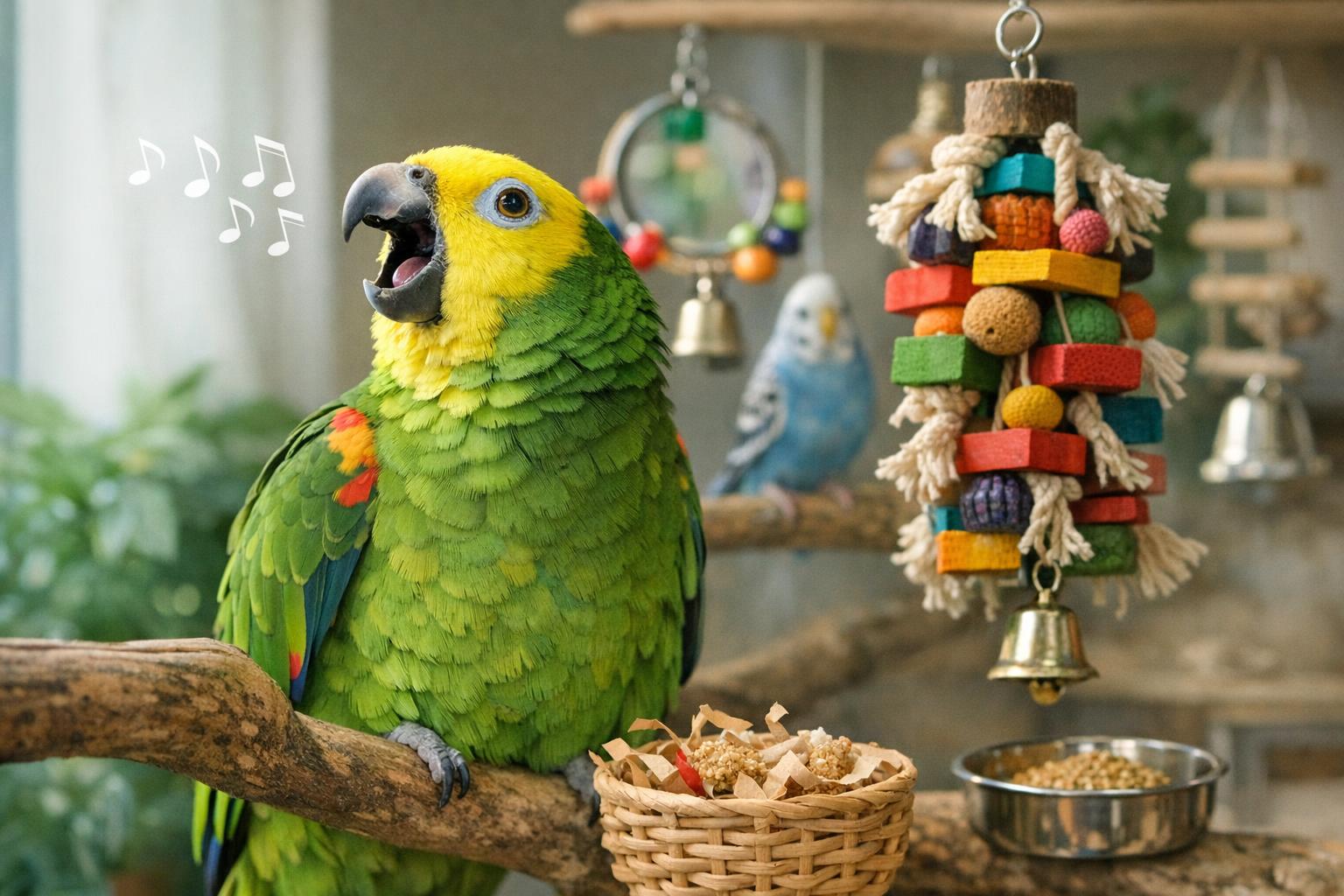
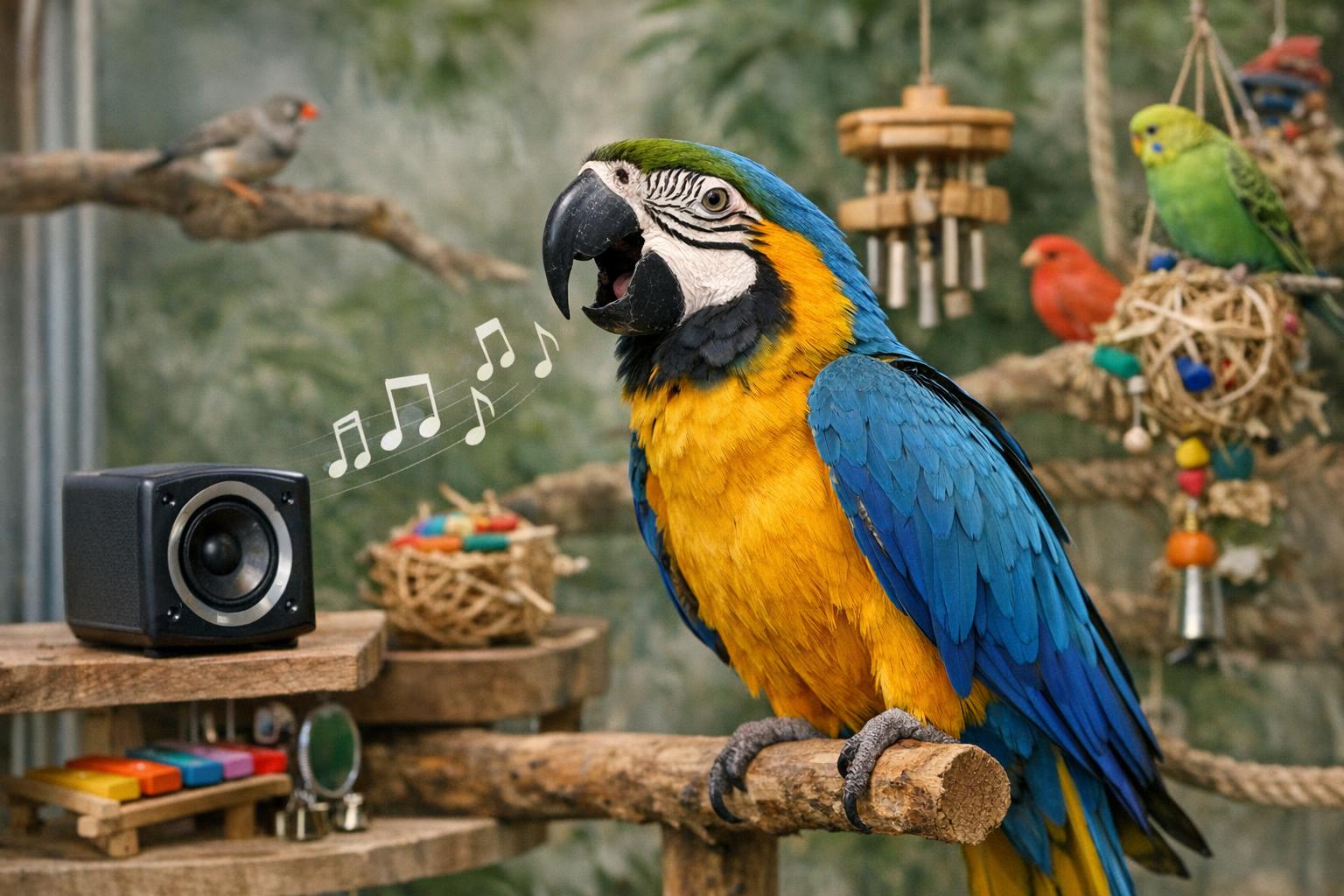
Foraging taps into natural behaviors and is a proven, non-invasive way to reduce boredom-related cockatiel stress. A homemade toy is affordable, customizable, and safe when made from bird-friendly materials.
### Materials
#### What You Need
– Untreated pine or cardboard tubes.
– Natural cotton rope (no synthetic strands).
– Bird-safe treats (millet spray, chopped fresh parsley, leaf lettuce).
– Scissors and a birdsafe glue (optional).
### Steps To Create And Apply
1. Prepare Materials: Cut cardboard into 3–4 inch sections. Cut several short lengths of cotton rope.
2. Hide Treats: Slip bits of millet or small pieces of herb into the tubes and fold or crumple light paper to keep treats from falling out too easily.
3. Assemble: Thread tubes and rope alternately to make a hanging cluster. Knot securely and trim excess rope.
4. Install: Hang the foraging toy at a mid-cage height where your bird can comfortably reach but must work a bit to access treats.
5. Rotate Weekly: Change toys or move them to new positions to maintain novelty and engagement.
Use monitoring the first few days to ensure chains, knots, and small parts remain safe. Foraging reduces idle time that often turns into feather picking or repetitive pacing.
## 3. Gentle Chamomile Mist (External Only)
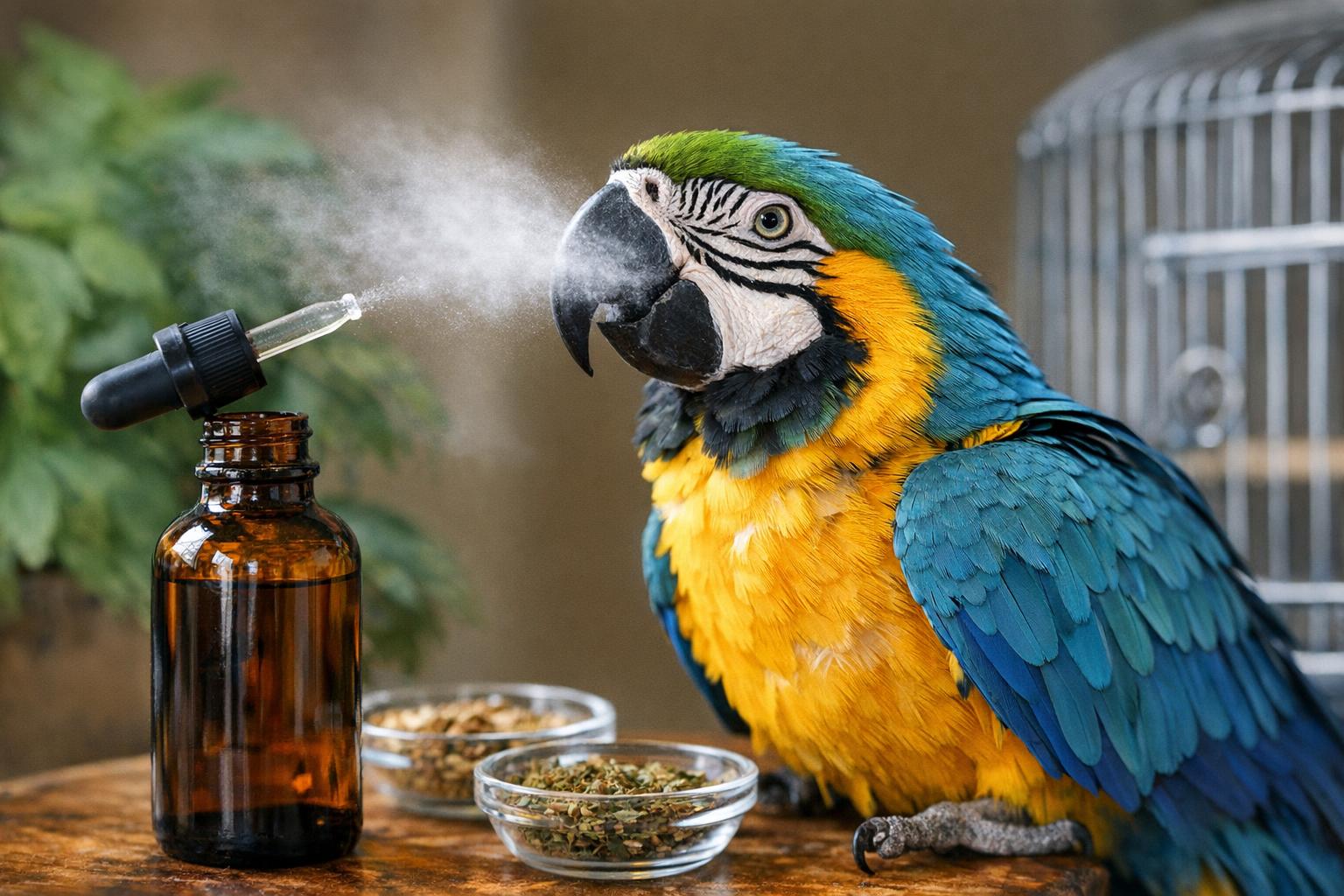
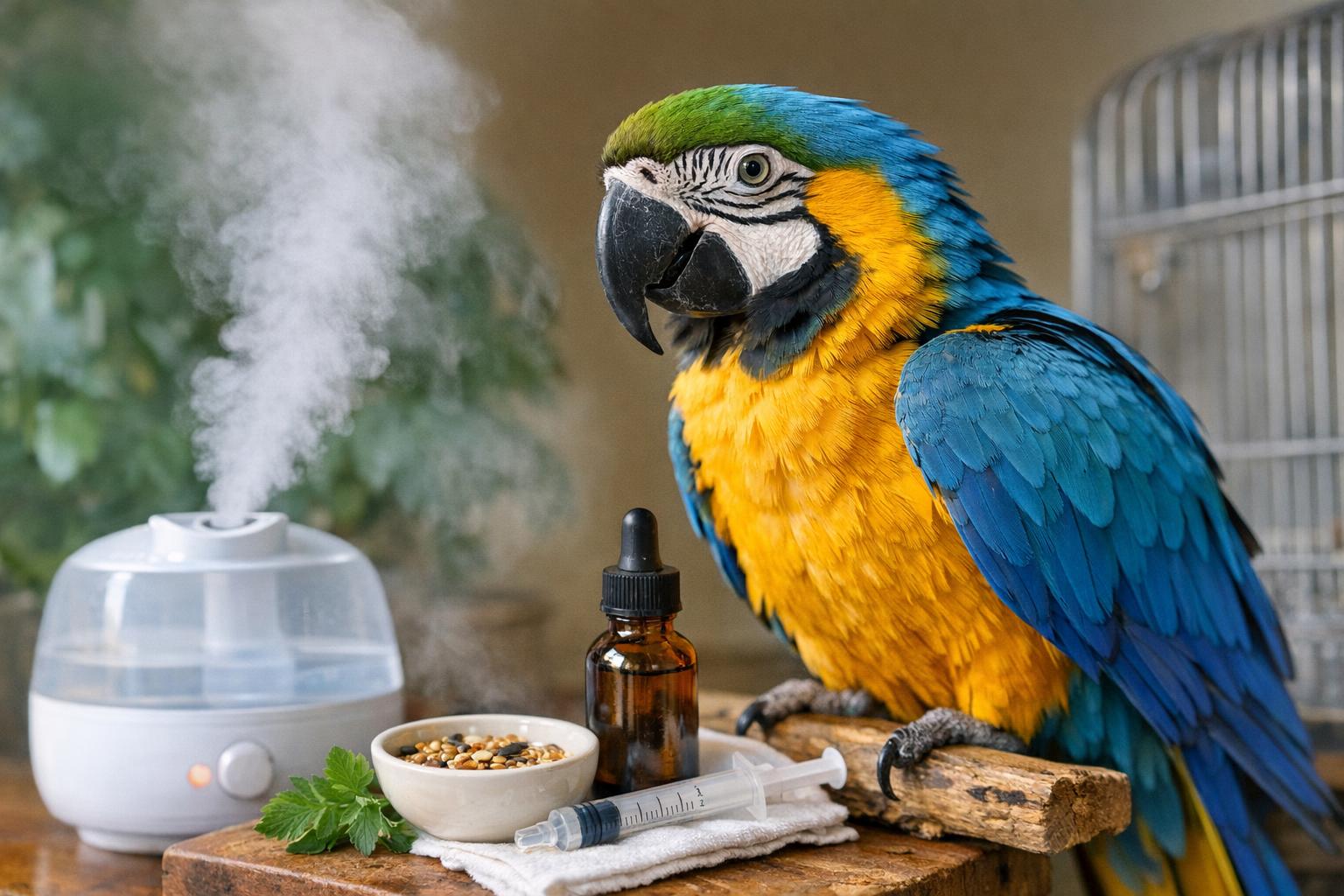
A light, cool mist of chamomile infusion in the cage area can create a calmer microclimate without exposing your bird to essential oils or concentrated substances. This is an external application intended to slightly scent the environment and add humidity—never force sprays directly onto your bird without vet approval.
### Materials
#### What You Need
– Organic chamomile tea bags (or loose chamomile).
– Filtered water.
– Clean spray bottle (no residual chemicals).
– Thermometer (optional).
### Steps To Create And Apply
1. Brew A Weak Infusion: Steep one chamomile tea bag in 1 cup of boiling water for 3–4 minutes. Do not over-concentrate. Let cool completely to room temperature.
2. Dilute: Add 3 parts filtered water to 1 part cooled chamomile infusion in the spray bottle to keep the scent mild.
3. Test Patch: Spray a small amount into an empty area of the cage away from the bird. Check for any odd reaction (sneezing, coughing).
4. Apply Sparingly: Mist the cage surroundings once a day—avoid direct spraying on the bird. Aim for a light, brief humidity boost and a gentle herbal scent.
5. Observe: Monitor breathing and behavior for 24 hours after first use. Discontinue if any irritation appears.
Note: Avoid essential oils entirely. Many are toxic to birds. Chamomile in a very mild external mist is generally safer but always use conservative dilution and consult your avian vet for any health concerns.
## 4. DIY Covered Hideaway And Lighting Adjustments
A safe, dim hideaway gives a stressed cockatiel a refuge. Combined with gentle lighting adjustments, you can simulate natural dusk and dawn to regulate sleep hormones and reduce anxiety.
### Materials
#### What You Need
– Breathable fabric for a cage cover or a small nesting box (untreated wood or thick natural fiber).
– Soft LED lamp with dimming capability or smart bulb.
– Cuttlebone or mineral block for comfort and enrichment.
### Steps To Create And Apply
1. Provide A Hide: If your cockatiel prefers privacy, add a small nesting box or drape a breathable cover over a section of the cage—make sure airflow is not restricted.
2. Mimic Natural Light Cycles: Use a dimmable LED to create a gradual “sunset” about an hour before bedtime. In the morning, use soft light before brighter light to simulate sunrise.
3. Position Cuttlebone: Place cuttlebone near the hideaway area. Access to familiar comforts reduces stress.
4. Monitor Reaction: Some birds dislike covers; observe how your cockatiel behaves. If covering increases alarm, remove it and try a smaller secluded corner instead.
Reducing visual overstimulation and creating a predictable sleep cue helps regulate stress hormones and supports recovery from chronic agitation.
### When To Seek Veterinary Help For Cockatiel Stress
If behavioral changes persist despite environmental changes and enrichment, contact an avian veterinarian. Signs that require professional assessment include severe feather loss, sudden changes in droppings, labored breathing, persistent lethargy, or aggression that escalates. An underlying medical issue—parasites, nutritional deficiency, or pain—can masquerade as stress.
What To Tell The Vet
– Timeline of behavior changes.
– Recent environmental shifts (new animals, remodels, scents).
– Diet and any supplements.
– Photos or short video of the behavior.
A vet can rule out medical causes and recommend safe supplementation or behavior-modification plans.
Small adjustments can make a big difference in your cockatiel’s wellbeing. Try one remedy at a time, observe for several days, and combine environmental changes with gentle enrichment. If things get stubbornly worse, keep your avian vet on speed dial—birds are small but worth the big attention.










Leave a Reply