

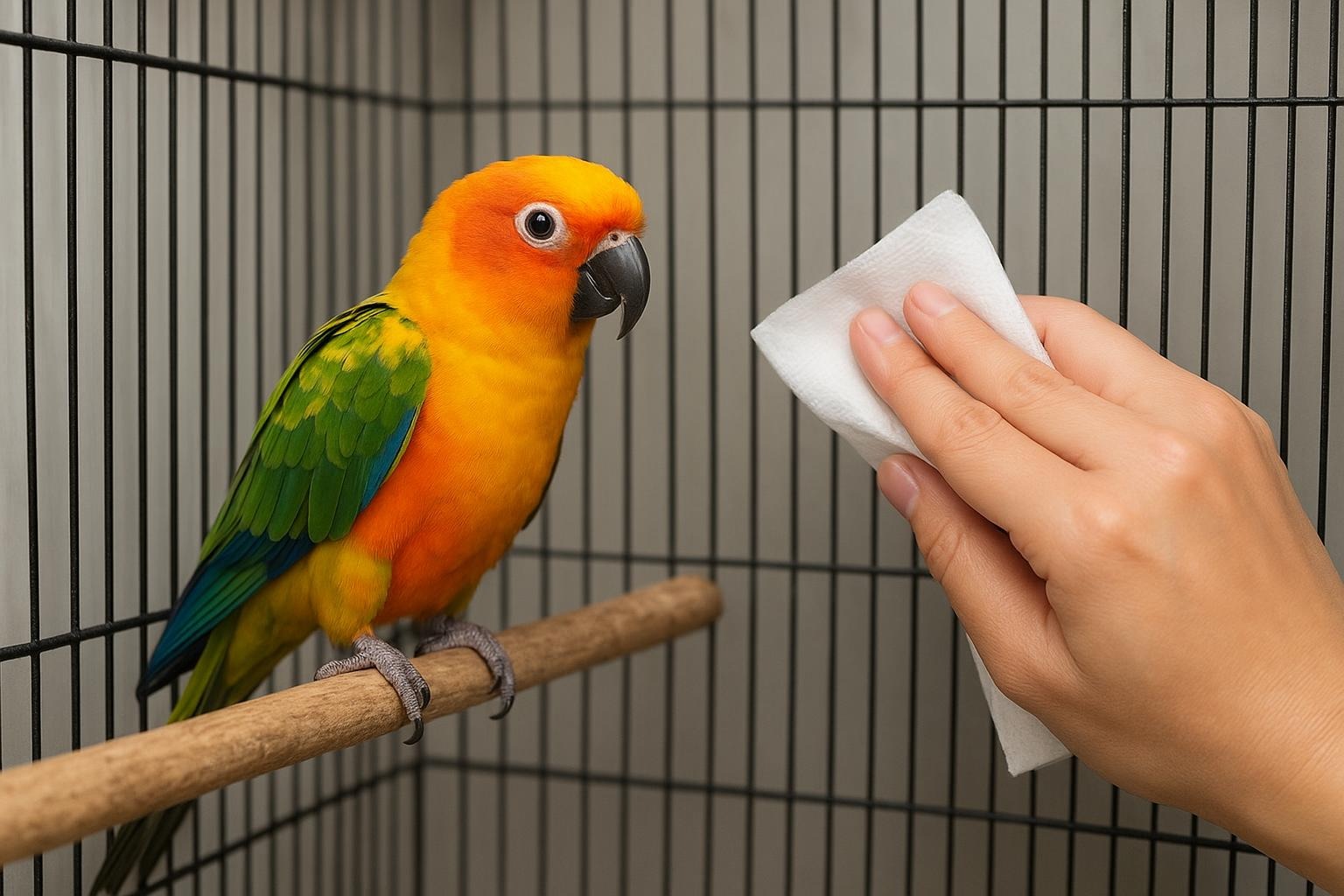
Keeping a bird’s cage clean is one of those chores that pays off in chirps, bright feathers, and fewer vet visits. If you’ve ever stood there wondering what to clean bird cage with, you’re not alone — but you’re in the right place. Below are safe, practical methods and a few DIY remedies that actually work, plus things to avoid so you don’t accidentally create an airborne disaster for your feathered roommate.
## What To Clean Bird Cage With: Safe, Everyday Options
When deciding what to clean bird cage with, think simple and non-toxic. Birds have incredibly sensitive respiratory systems; harsh chemicals and strong scents can be dangerous. For routine cleaning, warm water and a mild, fragrance-free dish soap are your baseline. For deeper cleaning, white vinegar and baking soda are excellent natural options. Commercial avian-safe disinfectants are fine for occasional use, and a diluted bleach solution is acceptable only sparingly and with strict rinsing and drying.
Avoid products that release fumes (ammonia-based cleaners, bleach mixed with other cleaners), aerosol sprays, or household cleaners containing phenols or pine oils. Also skip essential oils near cages — tea tree, eucalyptus, and many others are toxic to birds even in tiny amounts.
### Daily And Weekly Care: Small Efforts, Big Results
Daily: Remove leftover food, replace water, and wipe down food dishes and the cage tray. Spot-clean droppings and wet messes as soon as you see them. This minimizes buildup and makes deep cleans faster.
Weekly: Remove the bird to a safe, ventilated location (a carrier or a playstand in another room). Remove toys, perches, and dishes. Wash everything with warm water and mild dish soap, scrub the cage bottom and bars, rinse thoroughly, and allow full drying before returning items.
Monthly or As Needed: Perform a full disinfection. Depending on your bird’s species and health status, this might mean using a commercial avian disinfectant or a diluted bleach rinse (follow the strict recipe below).
## Remedy 1: Mild Vinegar-Based Cleaner (DIY)
This is my go-to answer when people ask what to clean bird cage with for regular, safe cleaning. Vinegar cuts grime, neutralizes odors, and is non-toxic when rinsed.
Ingredients / Materials:
1. White distilled vinegar — 1 cup
2. Warm water — 1 gallon
3. Mild, fragrance-free dish soap — a squirt (optional for greasy spots)
4. Spray bottle or bucket
5. Soft scrub brush or non-abrasive sponge
6. Clean towels or paper liners for drying
Step-By-Step Creation And Application:
1. Mix one cup of white distilled vinegar with one gallon of warm water in a bucket, or use a spray bottle with a 1:8 ratio (vinegar:water).
2. Remove the bird and all movable items from the cage.
3. Pre-rinse the cage with water to remove loose debris.
4. Apply the vinegar solution to the cage bars, tray, perches, and toys. For stubborn spots, add a little dish soap directly to your scrub brush.
5. Scrub gently with the brush or sponge, paying attention to corners and crevices.
6. Rinse thoroughly with clean water until no vinegar or soap residue remains.
7. Dry all parts with clean towels or air-dry completely before reassembling and returning your bird.
Vinegar is slightly acidic and helps dissolve mineral deposits and droppings without harsh fumes. It’s safe when well-rinsed and left to dry.
### Remedy 2: Baking Soda Paste For Stubborn Grime
When the tray or grate has baked-on droppings, baking soda is a gentle abrasive that won’t harm metal or plastic if used properly.
Ingredients / Materials:
1. Baking soda — 3 tablespoons
2. Water — enough to make a paste
3. Scrub brush or old toothbrush
4. Bucket for rinsing
Step-By-Step Creation And Application:
1. Mix baking soda with a few drops of water to form a spreadable paste.
2. Apply the paste to stained areas or any encrusted droppings.
3. Let it sit for 10–15 minutes to loosen debris.
4. Scrub the area with a brush, then rinse thoroughly with warm water.
5. Repeat if necessary, and ensure everything is completely rinsed and dry before reassembly.
Baking soda is also useful for deodorizing liners and small toys. Sprinkle, let sit, and vacuum or rinse off.
### Remedy 3: Occasional Disinfecting With Bleach (Use Sparingly)
For disease outbreaks or when a deep disinfect is warranted, a bleach solution is effective. This should be a last resort for routine cleaning and used with caution.
Ingredients / Materials:
1. Household bleach (unscented) — use 1 part bleach to 32 parts water (about 1/2 cup bleach per gallon of water)
2. Protective gloves
3. Well-ventilated area
4. Large bucket
5. Plenty of water for rinsing
Step-By-Step Creation And Application:
1. Mix 1/2 cup unscented household bleach with one gallon of water in a well-ventilated area (always add bleach to water, not the other way around).
2. Remove birds and all items from the cage. Use a designated bucket for bleach work — do not use the same buckets for food or water.
3. Apply the solution to the cage and removable parts, letting it contact surfaces for at least 10 minutes (follow label directions).
4. Rinse thoroughly multiple times with clean water until no bleach odor remains. Use fresh water for the final rinse.
5. Allow the cage and all parts to dry completely in fresh air before returning your bird. If any bleach smell lingers, repeat rinsing.
Never mix bleach with ammonia or vinegar — that creates toxic gases. Use this method only occasionally, and always rinse and dry thoroughly.
#### Cleaning Specific Cage Parts
– Trays and Grates: Soak in warm soapy water, use baking soda paste for stubborn spots, rinse thoroughly.
– Perches: Scrub with soap and water. Wooden perches may need gentle sanding if very rough, but avoid harsh chemicals on untreated wood.
– Toys: Inspect for wear. Wash plastic and stainless-steel toys with soap and water or the vinegar solution. Avoid soaking wood toys in bleach — either replace or use a mild vinegar clean.
– Food/Water Dishes: Wash daily with hot, soapy water or run through the dishwasher if they’re dishwasher-safe and bird-safe materials.
#### Things To Avoid Around Birds
– Aerosol sprays, scented candles, incense, and oil diffusers.
– Essential oils near cages — even diffused oils can be harmful.
– Ammonia-based and phenolic cleaners (some disinfectants contain phenols).
– Allowing residue of cleaning agents on perches or toys — always rinse well.
## Tools And Materials You’ll Want Handy
A few reliable tools make cage hygiene much faster: a good scrub brush, a toothbrush for crevices, a spray bottle for your vinegar mix, rubber gloves, a utility sink or bathtub for soaking, and extra liners or paper towels for easy clean-up. Keep a small stash of spare perches and toys so you can rotate items through deep cleaning without leaving your bird bored.
### Reintroducing Your Bird Safely
Only put your bird back after the cage is dry and free of any cleaner smell. If you used bleach, consider airing the cage outdoors or in a very well-ventilated area for several hours. Reintroduce one cleaned toy at a time so your bird can re-familiarize without a sensory overload.
If you’re wondering yet again what to clean bird cage with, remember: choose non-toxic, rinse thoroughly, and prioritize ventilation. It’s kinder to lungs and feathers, and fewer nasty germs equal more happy singing in the morning.
Keep these routines simple, and your feathered friend will reward you with good health — and probably an attitude about the placement of perches.



Leave a Reply