






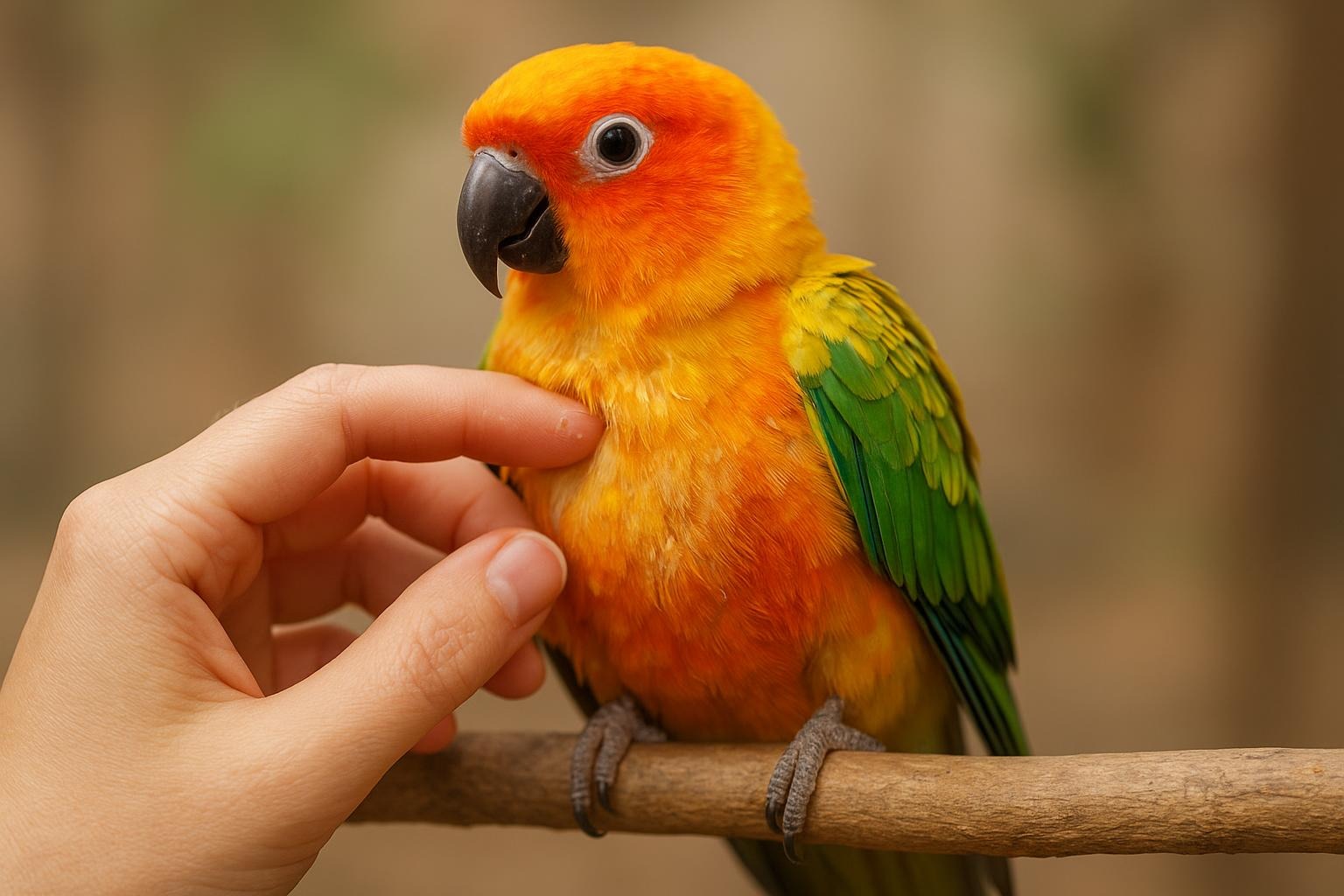
Hello friend — thanks for stopping by. Let’s dig into practical, gentle ways to help your feathery roommate feel their best.
Bird Dry Skin Natural Remedies For Your Feathered Friend
## Bird Dry Skin: Signs To Watch And Why It Happens
Dry, flaky skin in birds can be subtle or dramatic. You might notice dull feathers, tiny flakes on cages or perches, excessive preening, or birds picking at their skin. In some species the skin looks visibly scaly or rough. While an occasional dry patch isn’t a crisis, persistent bird dry skin deserves attention because it affects comfort, feather quality, and overall health.
Causes range from low humidity and poor diet to topical irritants, mites, fungal or bacterial infections, and underlying medical problems. Environmental factors — especially dry indoor air in winter — are a very common offender. Less commonly, chronic problems like thyroid issues or internal parasites can present with dry skin. Always pair home care with observation and a vet consult if you see open sores, blood, rapid feather loss, lethargy, or changes in appetite.
### How Grooming And Molting Play A Role
Molting is normal and can temporarily make skin appear dry as new feathers push through. Over-preening or feather plucking can cause localized dry patches. Note the timing: if dryness aligns with molt and the bird is otherwise bright and active, it’s more likely a natural phase.
### Grooming Tip
Provide safe bathing options (a shallow dish, spray bottle, or misting) a couple of times per week to help natural oils distribute and prevent bird dry skin from worsening.
## 1. Oatmeal Soak For Gentle Hydration
This remedy is kind to sensitive skin and can relieve flaking without harsh chemicals.
Ingredients / Materials
– 1 tablespoon of plain, finely ground colloidal oatmeal (or make finely ground from rolled oats)
– Warm (not hot) water, about 1–2 cups depending on bird size
– A shallow dish or basin suitable for the bird
– Towels and a warm, draft-free area for drying
Creation And Application — Formal Instructions
1. Preparation: Place the warm water in a shallow, stable dish. The water should be comfortably warm to the touch (about 95–100°F / 35–38°C). Add the colloidal oatmeal and stir until the water looks milky and a fine residue has dispersed.
2. Introduction: Gently encourage your bird to step into the dish. For nervous birds, allow them to hop in voluntarily by placing favorite treats nearby. Never force a bird into water.
3. Soak Period: Allow the bird to soak or splash for 5–10 minutes. Monitor closely. The oatmeal will soften and hydrate skin and help loosen flakes.
4. Rinse And Dry: Rinse briefly with clean warm water if necessary (some species tolerate leaving a light residue, but rinsing reduces risk of residue buildup). Gently towel-dry in a warm, draft-free environment. Ensure the bird is fully dry before returning to a cool area to prevent chilling.
5. Frequency: Apply once weekly for a few weeks and reassess. Discontinue if skin irritation worsens.
Notes: Colloidal oatmeal is anti‑inflammatory and safe for topical use. Avoid scented or additive oats. This is not a treatment for mites or infections.
## 2. Coconut Oil Spot Treatment For Localized Dry Patches
Coconut oil is a natural emollient and can help restore skin barrier function. Use judiciously and only on localized areas — not over the bird’s entire body, to avoid feather matting or ingestion in large amounts.
Ingredients / Materials
– Virgin, unrefined coconut oil (food-grade)
– Cotton swabs or clean fingers
– Clean workspace and gloves if preferred
Creation And Application — Formal Instructions
1. Preparation: Warm a small amount of coconut oil between your palms until semi-liquid. A pea-sized amount is usually plenty for a small bird; adjust for larger species.
2. Clean Area: Gently clean the dry patch with a damp, soft cloth to remove flakes and debris. Pat dry.
3. Application: Using a cotton swab, apply a thin layer of coconut oil directly to the affected skin. Massage lightly until absorbed. Avoid getting oil on feather shafts where possible.
4. Monitoring: Observe the bird for 24–48 hours for signs of improvement or adverse reaction (redness, increased irritation, unusual behavior). Repeat application every 2–3 days as needed for up to two weeks.
5. Precautions: Do not use if skin is broken or bleeding. If the bird excessively preens the area and ingests large amounts of oil, reduce frequency.
Notes: Coconut oil’s lauric acid has mild antimicrobial properties, but topical oil is not a substitute for veterinary treatment of infections or parasites.
## 3. Humidity, Diet, And Environment Adjustments
Addressing bird dry skin often requires environmental and nutritional fixes rather than only topical patches.
Materials / Considerations
– Humidifier (room or cage-safe)
– Diet changes: high-quality pellets, fresh vegetables, and safe fats (e.g., small amounts of nuts or seed mixes)
– Enrichment items to reduce stress-related plucking
– Clean cage liners and gentle cage-cleaning supplies
Creation And Application — Formal Instructions
1. Humidity Control: Aim for ambient humidity between 40–60% for most pet birds. Use a cool-mist humidifier near the cage (but not directly pointing at the bird) and monitor with a hygrometer. Gradually increase humidity if it was low.
2. Dietary Improvements: Ensure your bird receives a balanced diet appropriate to its species. Add moisture-rich fresh vegetables (e.g., steamed carrots, leafy greens) and consider safe omega-3/omega-6 sources like a small portion of shelled walnuts or flaxseed oil drops mixed into food for larger species. For a precise supplementation plan, consult an avian veterinarian.
3. Bathing Routine: Offer regular baths (mist, shallow dish, or shower-like spray) to maintain skin oils. For birds that dislike water, use a gentle mist once or twice weekly.
4. Stress Reduction And Enrichment: Provide toys, foraging opportunities, and social interaction to reduce behavioral over-preening that can mimic or worsen bird dry skin.
5. Hygiene: Keep perches, toys, and cage lining clean and free of harsh chemical residues. Rinse cleaning agents thoroughly.
Notes: Dietary supplements should be conservative; overdosing fat-soluble vitamins can be harmful. Any persistent skin problem despite environmental and dietary changes warrants veterinary evaluation.
### When To See A Vet
If dry skin is accompanied by feather loss, bleeding, crusts, sudden behavioral changes, respiratory signs, or poor appetite, you should consult an avian veterinarian promptly. A vet can perform skin scrapings to check for mites, cultures for infections, bloodwork for systemic issues, and provide prescription treatments when necessary.
### Preventive Care And Routine Checks
Routine wellness checks, a balanced diet, clean water, and a stable, humidity-friendly environment go a long way. Weekly visual checks for early signs of bird dry skin let you intervene before minor dryness becomes a chronic problem.
#### Cage And Perch Sanitation
Use plain, unscented cleaners and rinse thoroughly. Replace perches when abrasive or soiled. Natural wood perches are preferred for foot health; rough sand perches can cause irritation and contribute to grooming stress.
#### Safe Bathing Options For Different Birds
Smaller species often respond best to a misting bottle or shallow dish, while larger parrots may enjoy a light shower. Never force a bird into a bath; voluntary bathing is less stressful and more effective at reducing bird dry skin.
## Quick Troubleshooting And Myths
– Myth: All feather dust equals dry skin. Fact: Some species naturally produce feather dust; know your species’ normal.
– Myth: More oil equals better. Fact: Excessive topical oil can mat feathers, attract dirt, and lead to ingestion problems.
– Quick Fix: If you need an immediate, gentle measure for a tiny flare-up, a single light mist followed by a warm, draft-free drying session can calm irritation until you apply a targeted remedy.
## Resources And Next Steps
If home remedies improve your bird’s skin, continue preventive care. If the problem recurs or worsens, collect details — onset, diet changes, molting periods, and photos — to share with your avian vet. Documenting environmental changes (like recent heating system use) can help identify causes of bird dry skin.
If you’d like, I can tailor remedies to your bird’s species, size, and behavior. Tell me the type of bird, its current diet, and any recent changes, and I’ll suggest a customized plan.





























































Leave a Reply