


If your parrot has been dropping feathers like confetti and its beak looks a little off-kilter, you’re not alone — PBFD is one of those awful-sounding acronyms that pet owners dread. The good news is that while there’s no magical antiviral cure at home, there are practical, evidence-based supportive steps you can take. Think of it as detective work, supportive care, and sanitation all rolled into one calm, feather-fluffing routine.
## Pbfd Treatment: What Pet Owners Need To Know
PBFD (Psittacine Beak And Feather Disease) is caused by a circovirus that targets growing feathers and the keratin-producing cells of the beak. It primarily affects parrots and related species. Because the virus damages the tissues that make feathers and beak, the visible signs can be dramatic: broken or malformed feathers, abnormal beak growth, and general immune suppression. When people ask, “Can I do pbfd treatment at home?” the honest answer is: you can provide supportive care, improve quality of life, and reduce spread, but you cannot reliably cure the virus without appropriate veterinary guidance.
### What Happens To The Beak And Feathers
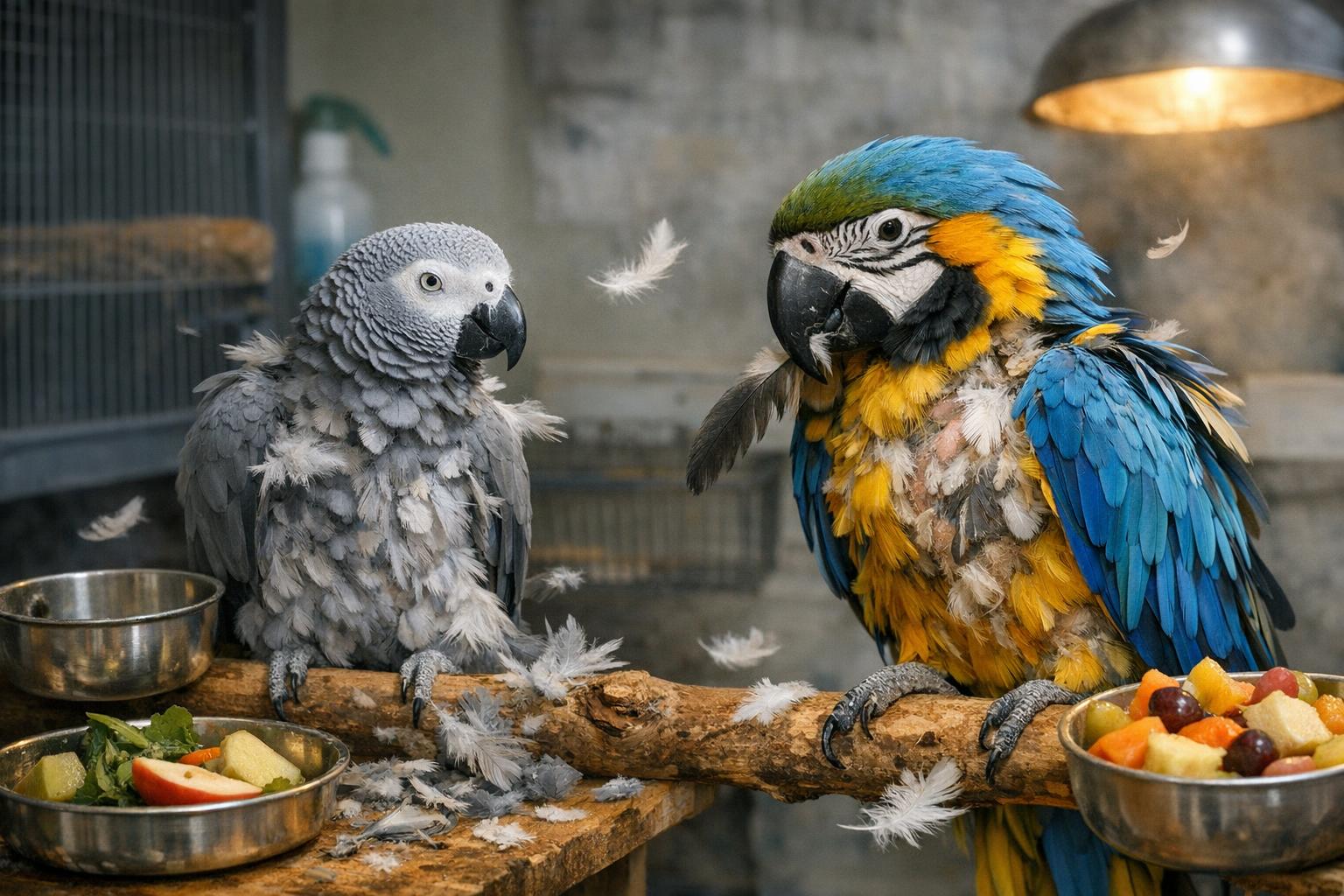
PBFD damages feather follicles and the beak’s keratin layer, leading to brittle, cracked, or overgrown beaks and feathers that break easily or fail to develop. Secondary infections are common because the bird’s immune defenses are weakened. That’s why pbfd treatment focuses heavily on nutrition, hygiene, and managing complications rather than promising a viral cure.
### Signs To Watch For
Recognizing early signs helps you act sooner. Look for irregular feather development, pinhead feathers that never mature, beak flaking or overgrowth, lethargy, weight loss, and chronic diarrhea. If you suspect PBFD, arrange veterinary testing (PCR) and start supportive measures right away to improve comfort and reduce transmission risk.
## 1. Supportive Pbfd Treatment: Immune Nutrition Regimen
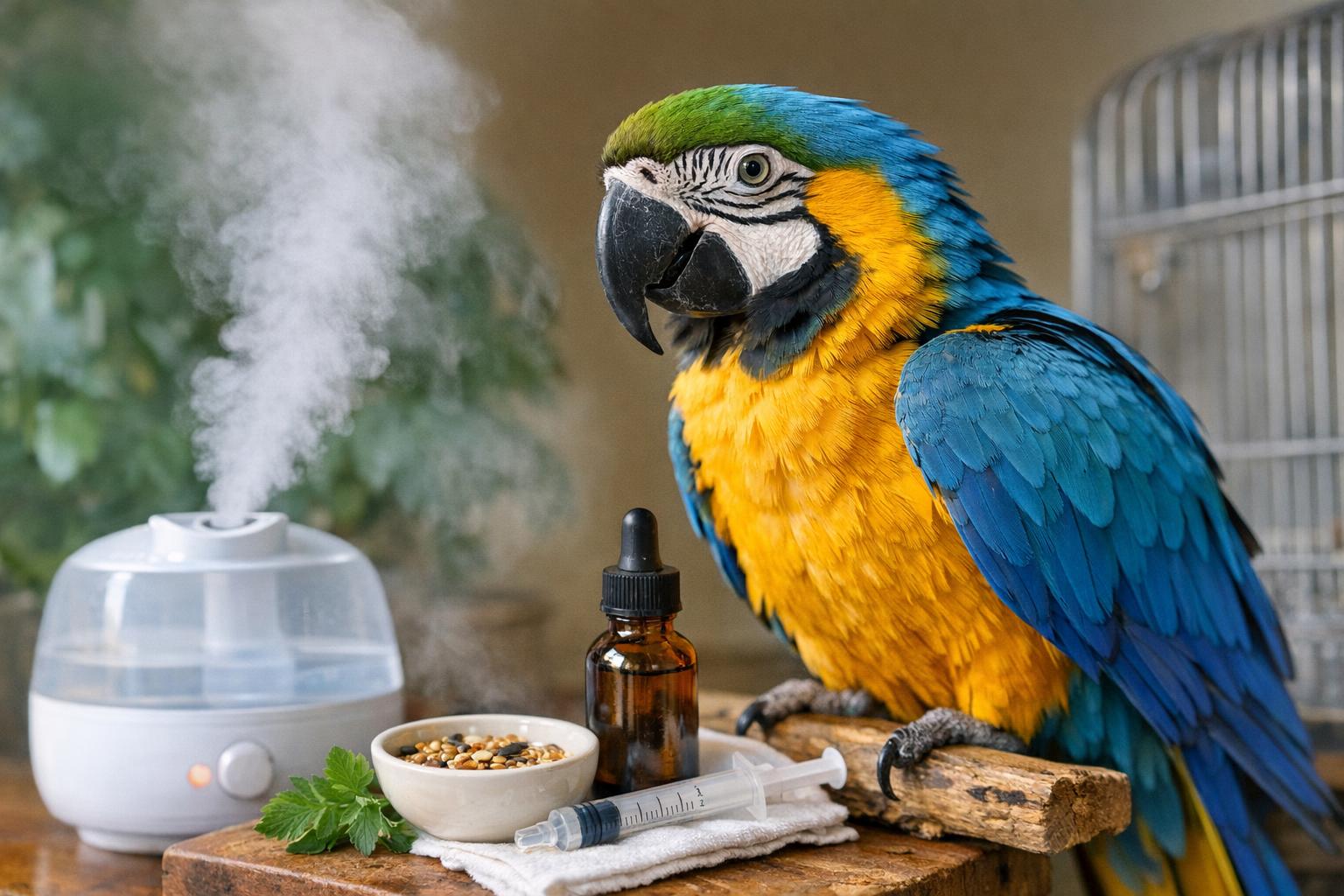
When we switch to solutions, I’ll be a bit more buttoned-up: these steps reflect standard supportive care principles used by avian vets and experienced breeders. This remedy is intended to support your bird’s immune system and nutritional status — not to replace veterinary diagnosis or treatment.
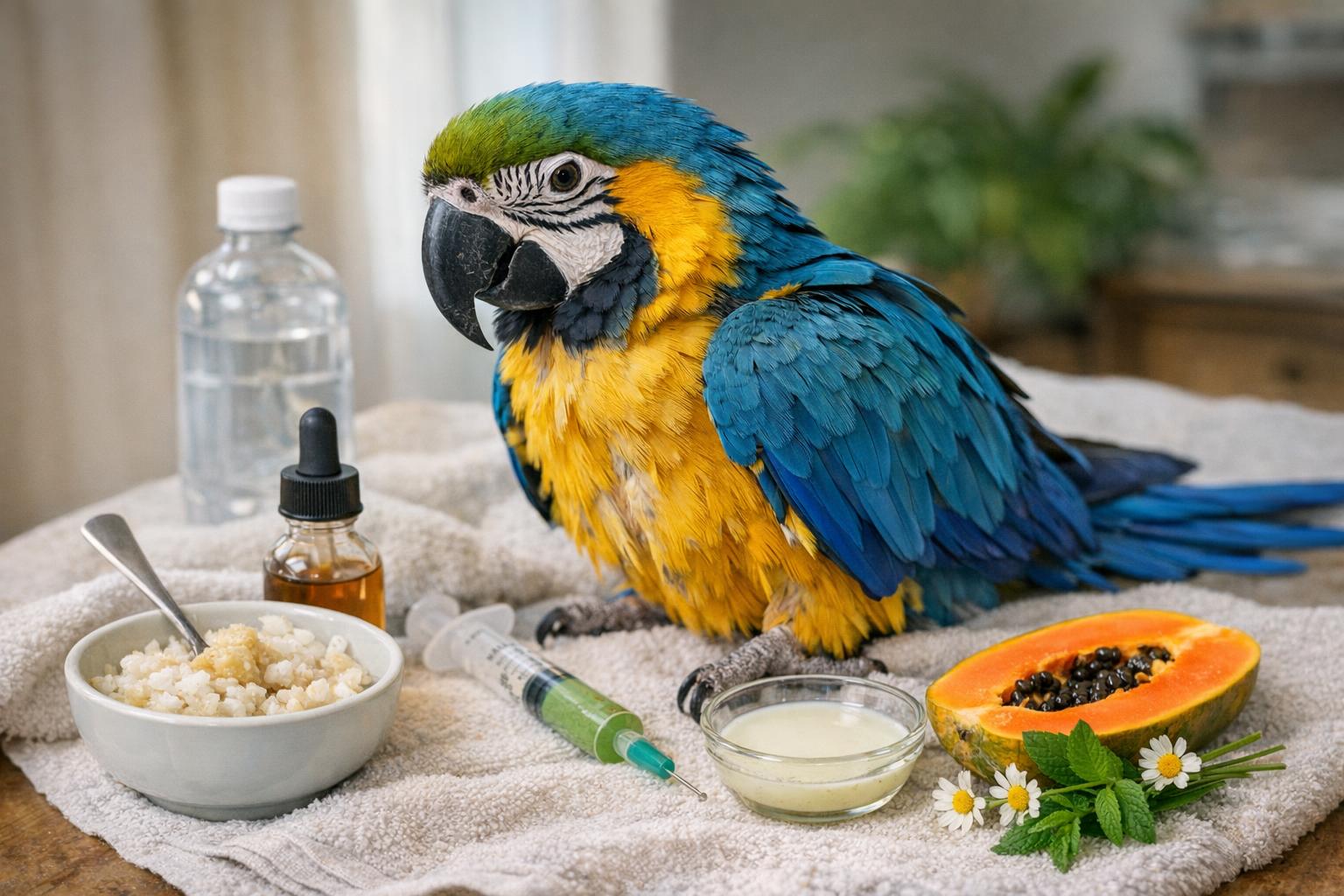
### Ingredients/Materials
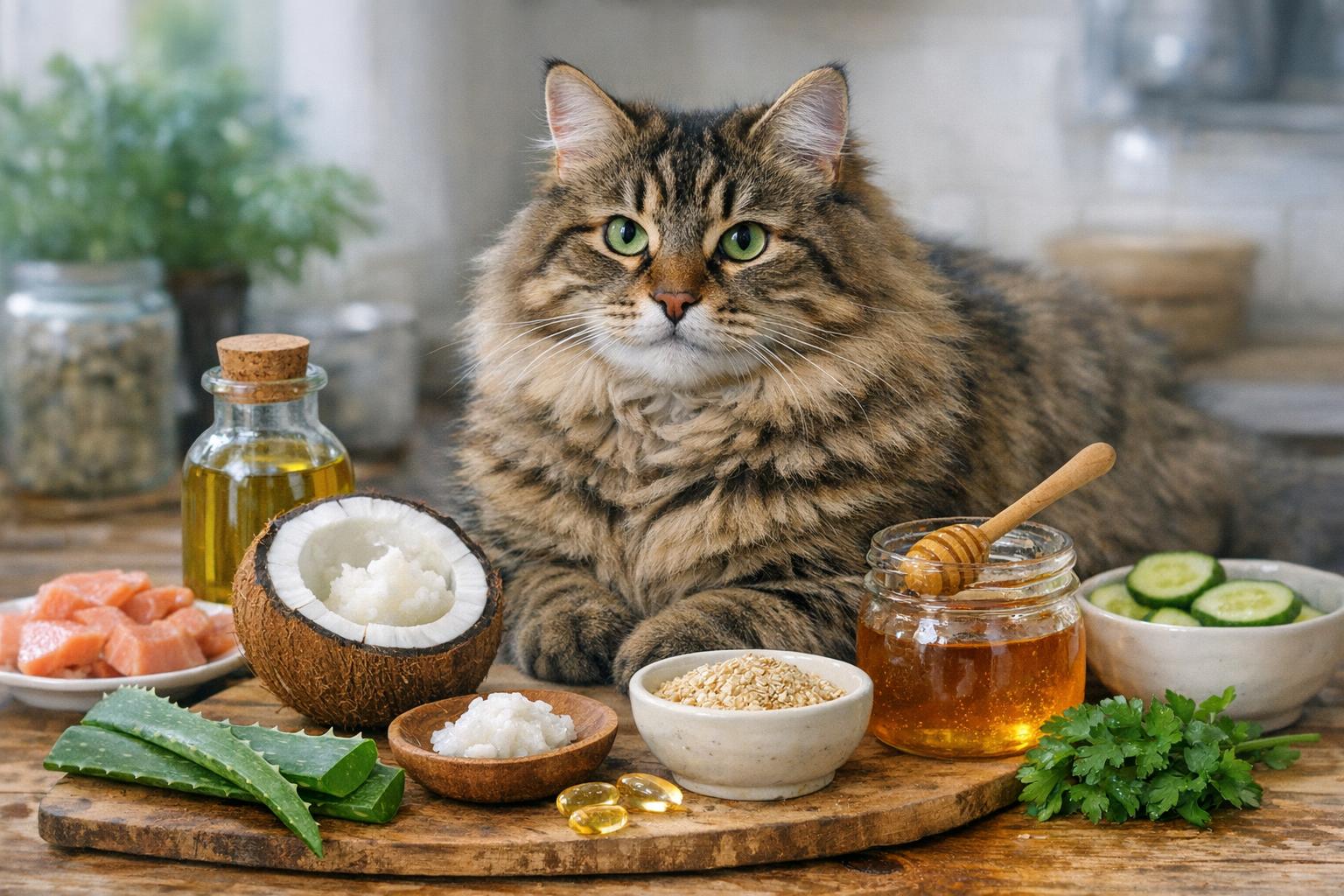
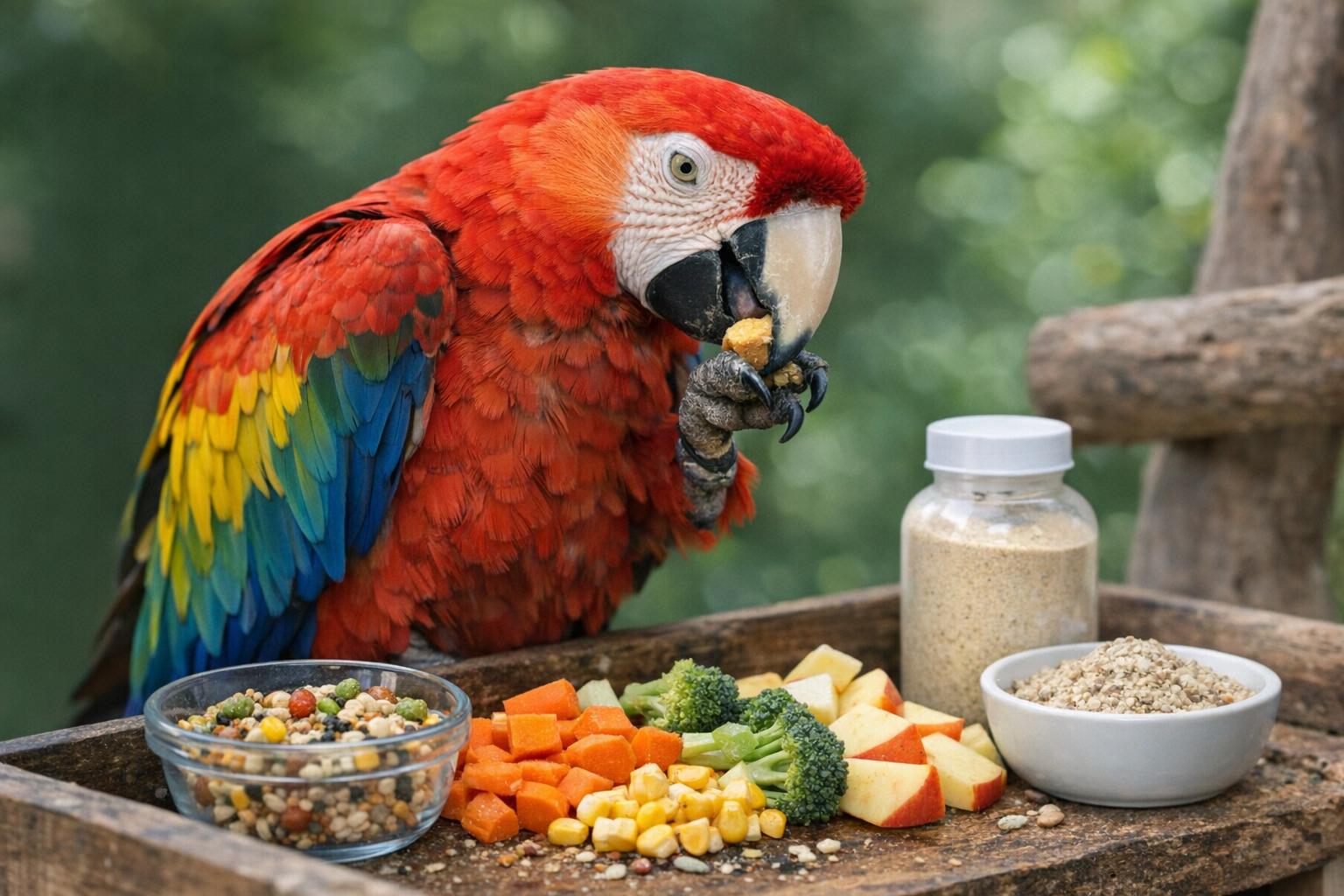
– High-quality, species-appropriate pelleted diet
– Fresh vegetables and fruits (low-oxalate greens, carrots, squash, apples without seeds)
– A probiotic formulated for birds (avian-safe)
– Liquid electrolytes or avian rehydration solution
– Omega-3 supplement (fish oil or flaxseed derivative labeled for birds)
– Vitamin supplement containing vitamin A and B-complex (avian-specific)
– Syringes (without needles) for syringe-feeding if necessary
– Clean bowls and fresh water daily
### #### Step-By-Step Preparation And Application
1. Assess Appetite: Offer preferred foods in small, frequent portions. Note what the bird will eat willingly — that’s your starting point.
2. Transition To Pellets Gradually: If the bird is on seeds, slowly mix pellets with familiar food over 7–14 days to improve baseline nutrition.
3. Fresh Foods Daily: Provide a variety of chopped vegetables and a small amount of fruit each day. Steam firm veggies lightly to make them more palatable.
4. Hydration: If watery droppings or lethargy are present, offer an avian electrolyte solution. Administer by syringe only if recommended by your vet.
5. Supplements: Add avian-specific probiotic and omega-3 supplement according to product directions or your vet’s dosage. Avoid human supplements unless cleared by a veterinarian.
6. Monitor Weight And Condition: Weigh your bird weekly on a kitchen scale. Any steady weight loss or worsening of beak/feather condition warrants immediate vet re-evaluation.
7. Record Keeping: Keep a simple log of food intake, droppings, and behavior to share with your avian vet — extremely useful for ongoing pbfd treatment planning.
## 2. Beak Maintenance Remedy And Safe Home Care
While beak overgrowth or malformations should ideally be addressed by a qualified avian veterinarian, there are safe maintenance steps you can do at home to help comfort your bird and slow secondary issues. This section is deliberately formal and precise: improper beak handling can cause pain and serious complications.
### Materials Needed
– Soft towel for restraint
– Food-safe mineral oil or small amount of coconut oil (for conditioning)
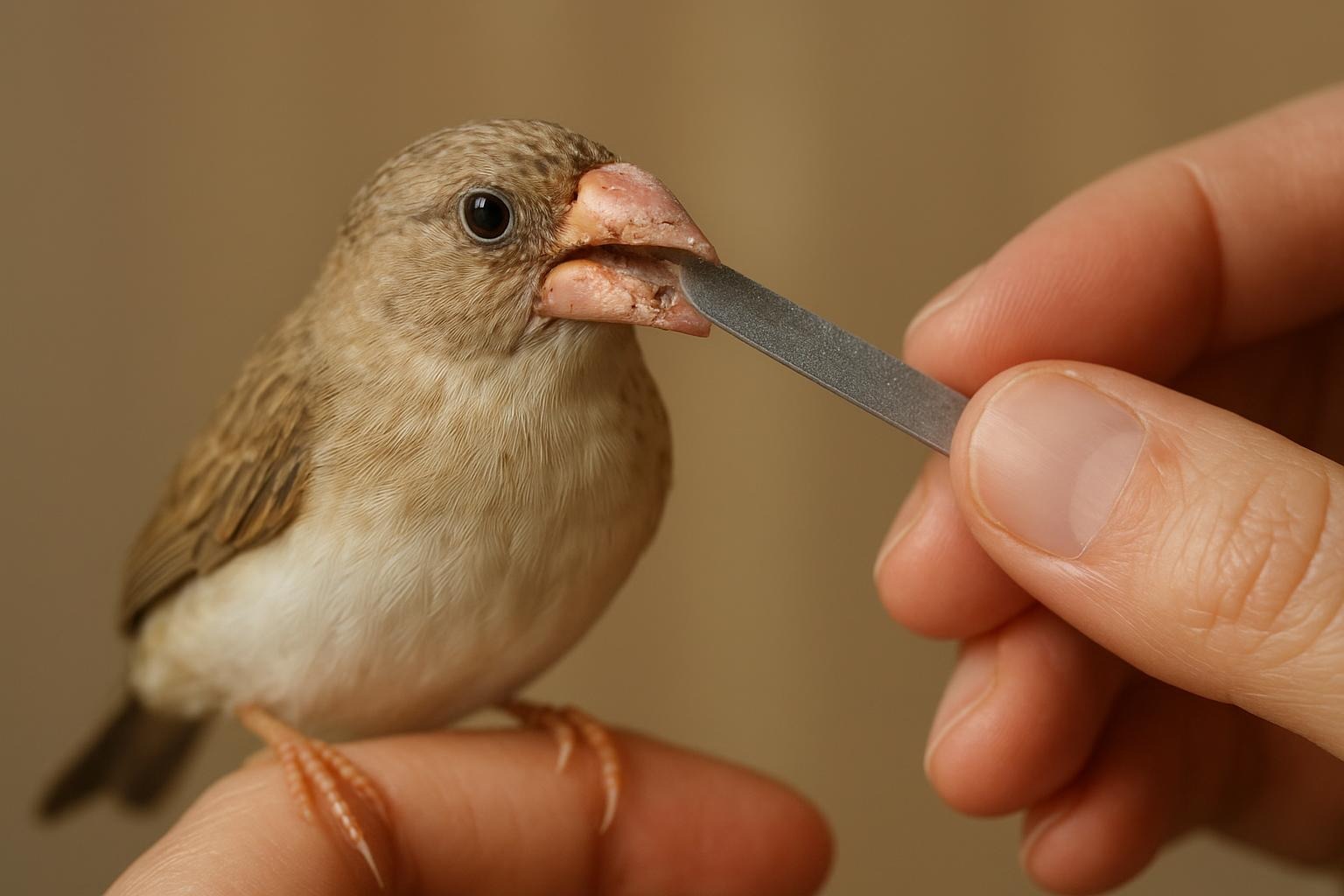
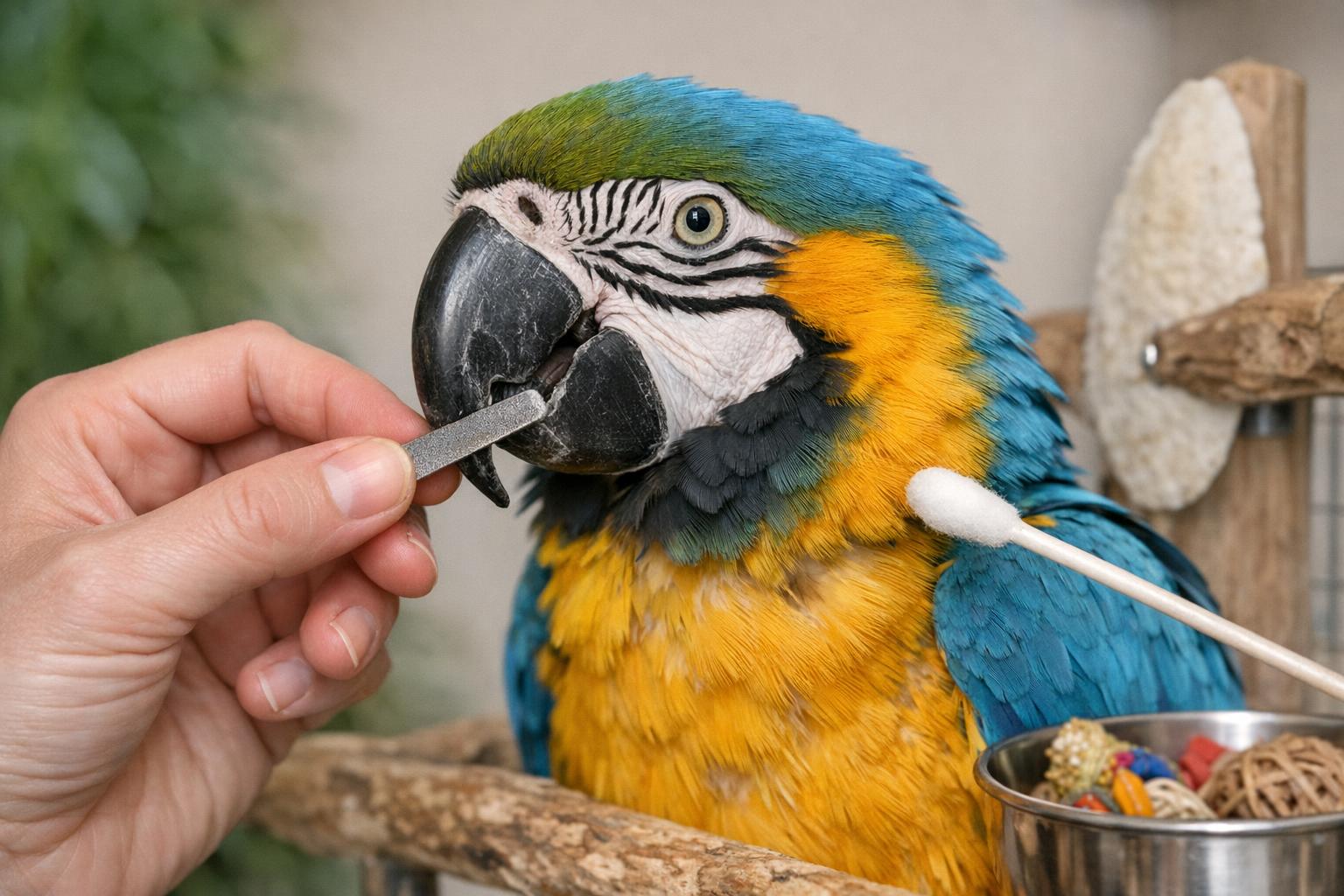
– Emery board or very fine grit nail file (use cautiously and only for smoothing, not major trimming)
– Styptic powder (for bleeding emergencies)
– Glove for owner (optional for bite-prone birds)
– Sterile gauze
– Clean container with warm water for soaking if advised by vet
### #### Step-By-Step Procedure For Safe Beak Care
1. Consult First: Before any beak handling, consult your avian vet. If beak overgrowth is significant, professional trimming under sedation is safest.
2. Prepare The Bird: Work in a calm, quiet environment. Wrap the bird gently in a towel to restrain wings while leaving the head exposed.
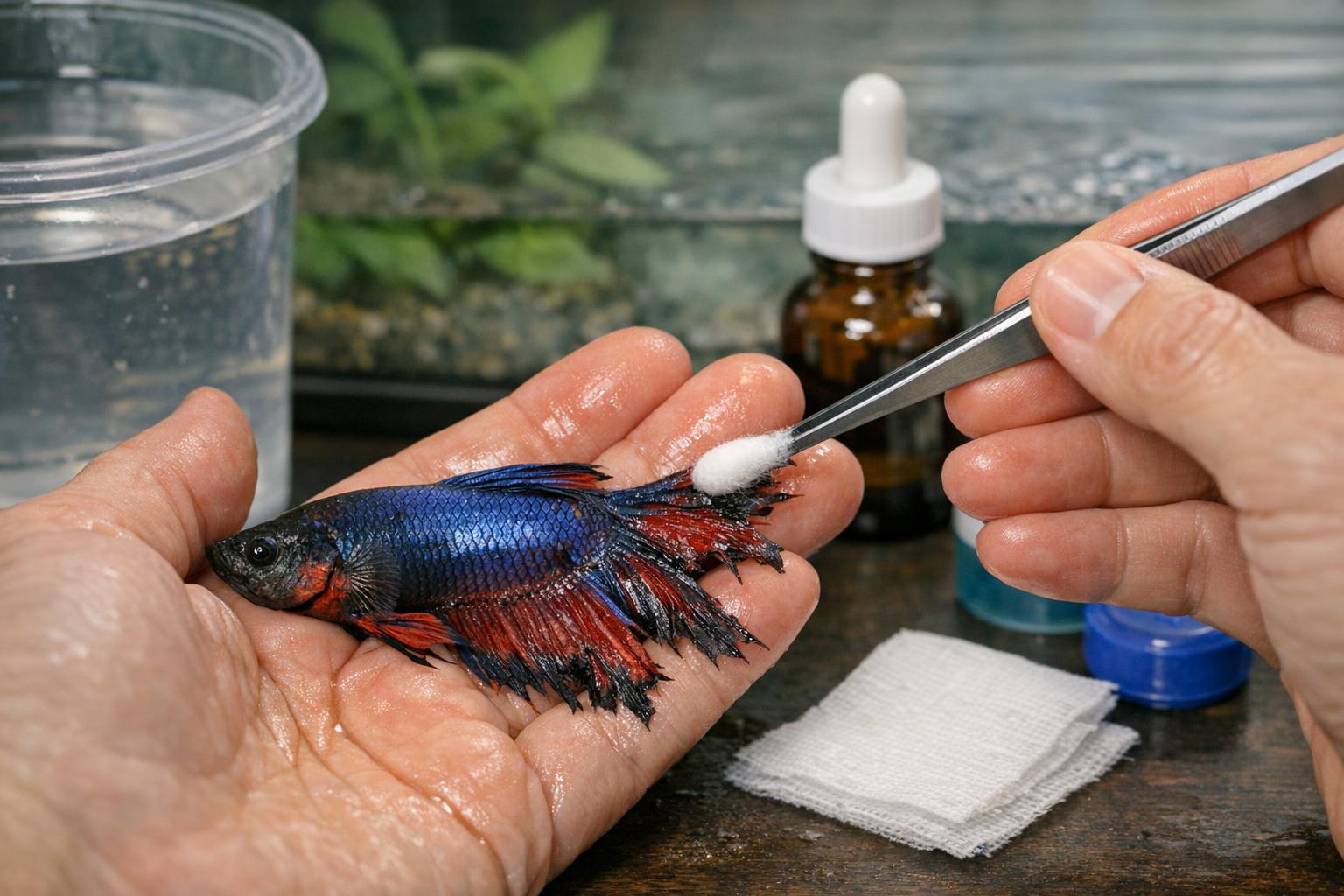
3. Surface Cleaning: Dampen sterile gauze with warm water and gently wipe beak surfaces to remove debris. Avoid pushing into the nostrils or mouth.
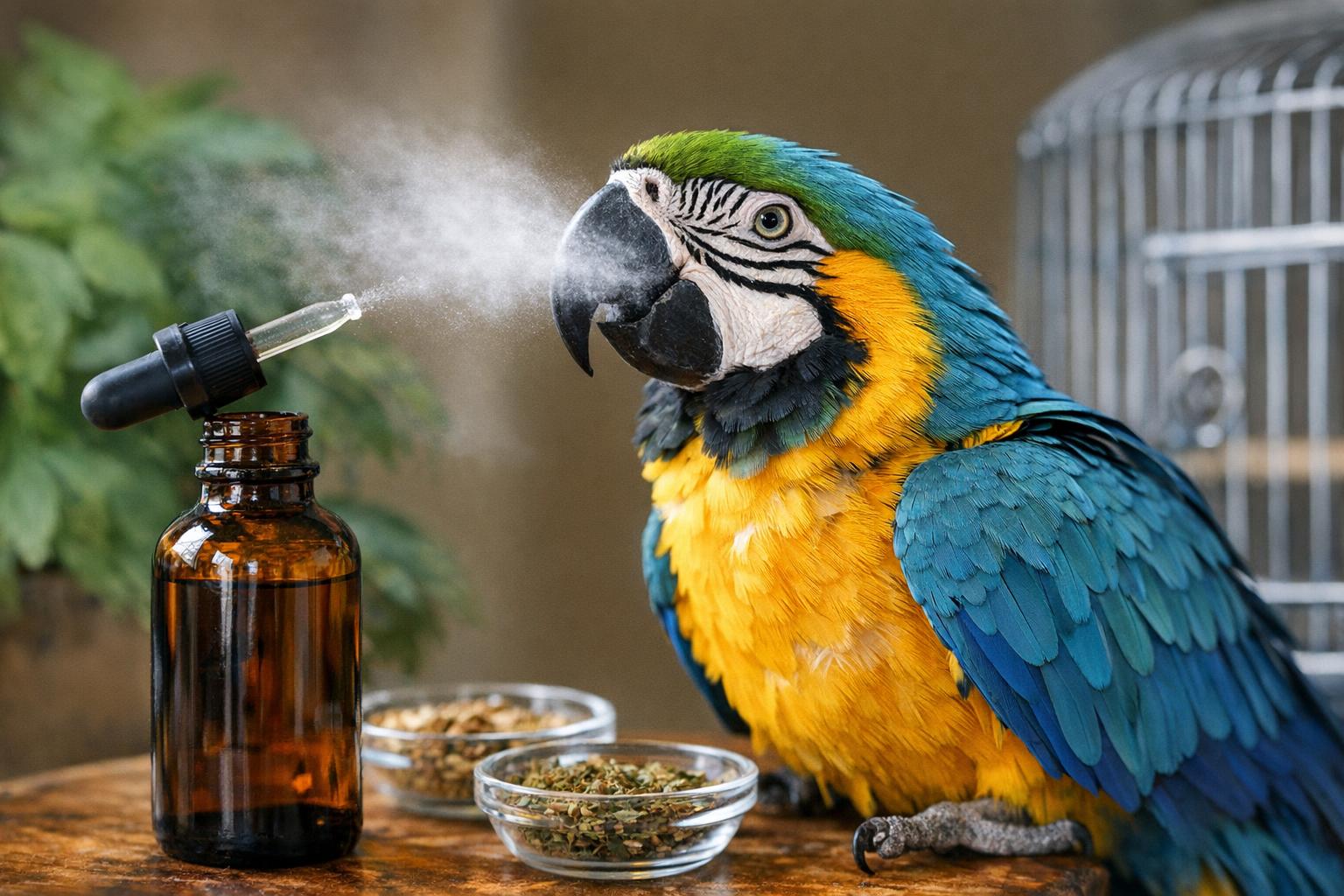
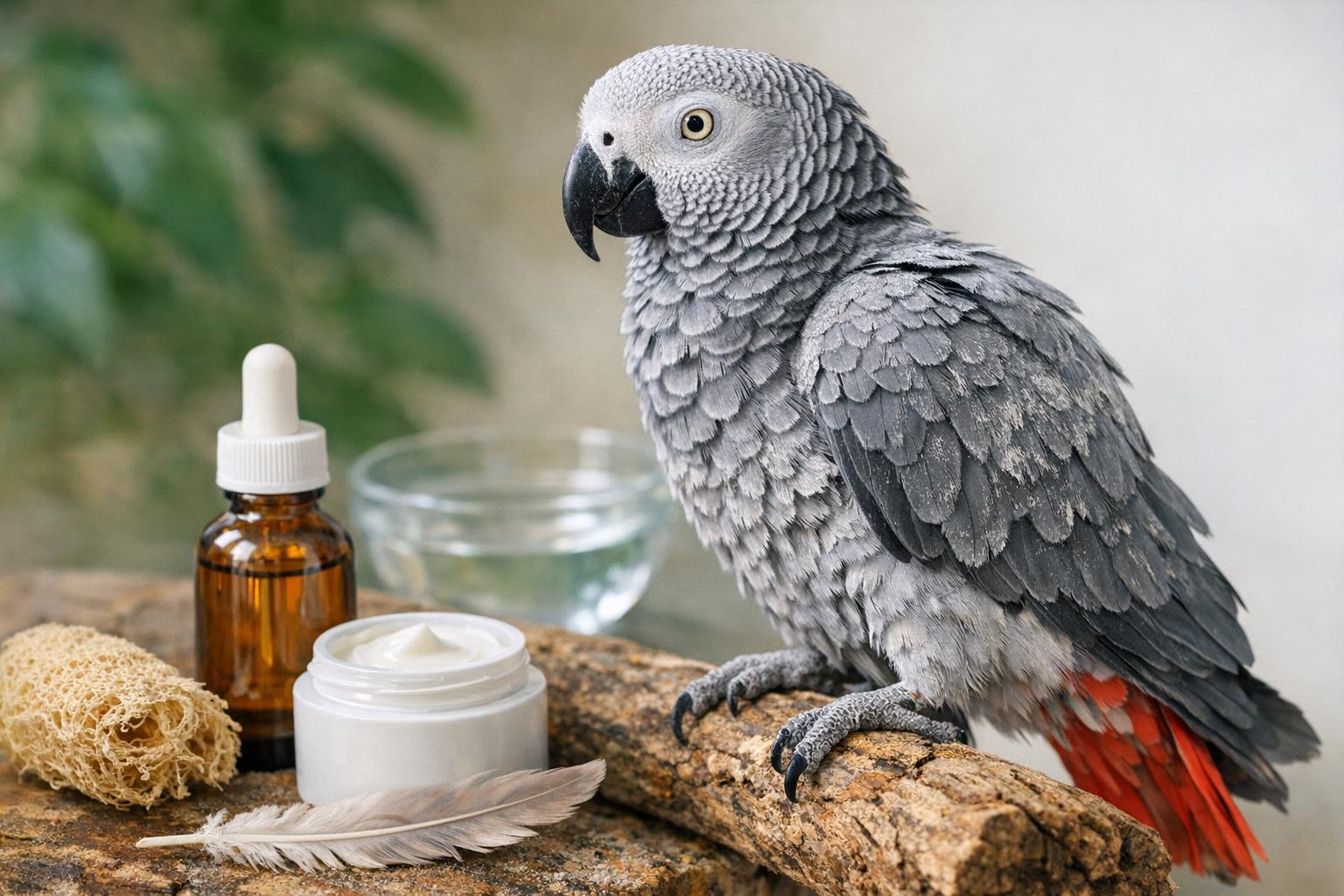
4. Conditioning: Apply a drop or two of food-safe mineral oil to the beak surface to condition and help with minor flaking. Massaging gently for a few seconds helps absorption.
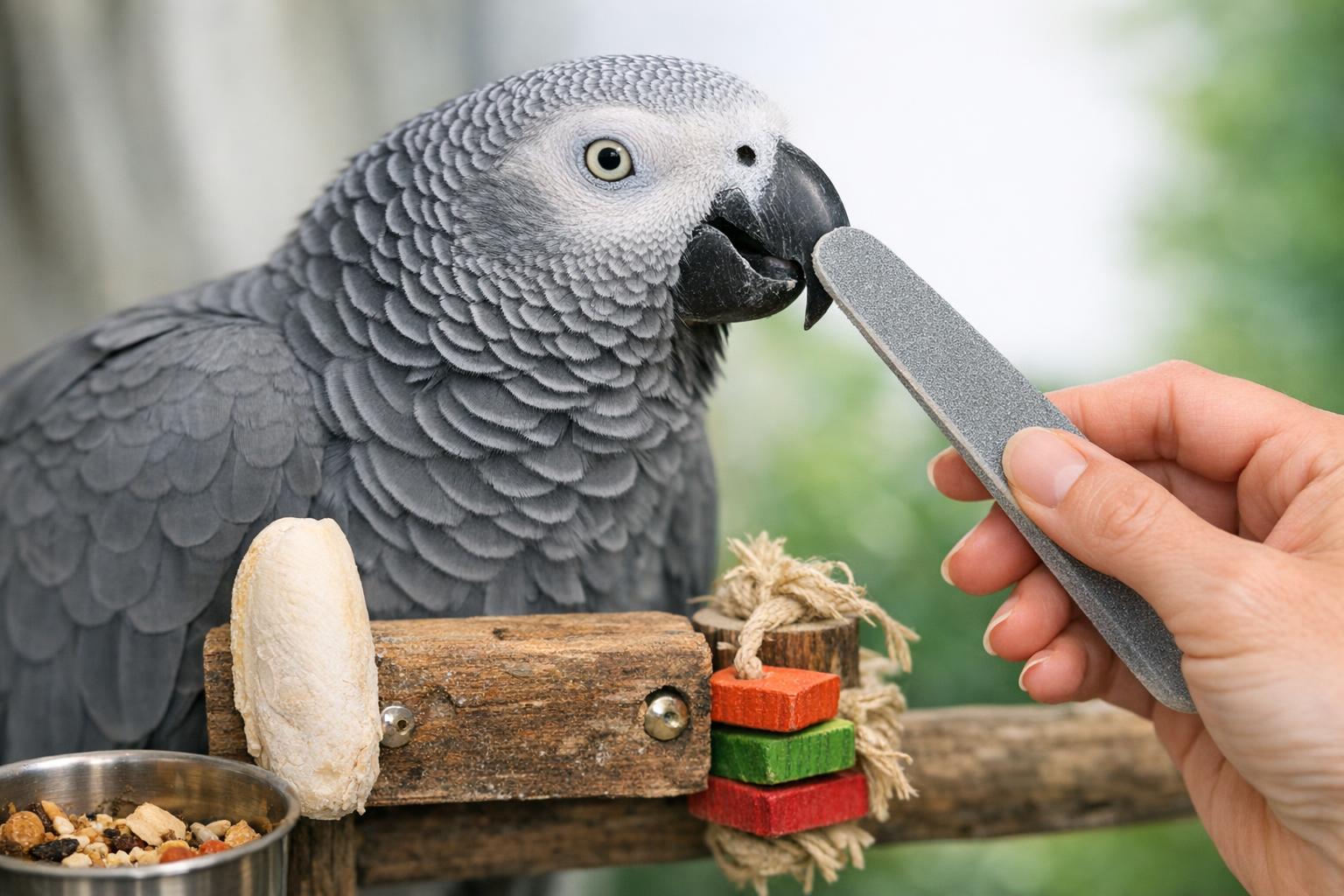
5. Smoothing (Only For Tiny Rough Spots): Using an emery board, very lightly file only the extreme tip of the beak if there’s a snag that could tear. Stop immediately if the bird reacts or you reach living tissue (which will bleed or look moist).
6. Emergency Response: If bleeding occurs, apply styptic powder per product instructions and contact your vet.
7. Follow-Up: Schedule regular vet checks. Any progressive deformity, asymmetry, or pain requires professional intervention.
### Veterinary Interventions And Diagnostics
A formal diagnosis for PBFD is done via PCR testing, often from blood or feather samples. Veterinarians may also perform bloodwork to assess organ function and immune status. Treatment in a clinic focuses on supportive therapy: fluid therapy for dehydration, nutritional support, antibiotics for secondary bacterial infections, and humane management decisions when prognosis is poor. For significant beak deformities, veterinarians can perform careful debridement and trimming under appropriate anesthesia, and they’ll advise whether prosthetic beak care or long-term management is feasible.
### Biosecurity: Disinfection And Household Safety
Because the pbfd treatment plan must include infection control, here’s how to reduce spread:
– Quarantine any bird suspected of PBFD from other birds indefinitely until testing and vet advice are complete.
– Use gloves when handling and disinfect surfaces. The virus is hardy; a 10% household bleach solution (1 part bleach to 9 parts water) is effective on hard surfaces. Allow contact time of 10 minutes, then rinse and dry.
– Wash hands thoroughly after handling. Use separate feeding utensils, perches, and toys for sick birds.
– Clean and sun-dry toys, perches, and cages regularly. Sunlight can help inactivate viral particles.
– Properly dispose of contaminated waste and used disposable items. If in doubt, consult local veterinary biohazard guidance.
### When To Seek Immediate Veterinary Help
If your bird shows rapid weight loss, severe breathing difficulty, seizures, persistent bleeding, or inability to perch, these are emergencies. Call your avian vet or an emergency clinic right away. Even with gentle optimism and the best pbfd treatment at home, professional care saves lives in many of these acute situations.
### Living With A PBFD Bird: Quality-Of-Life Tips
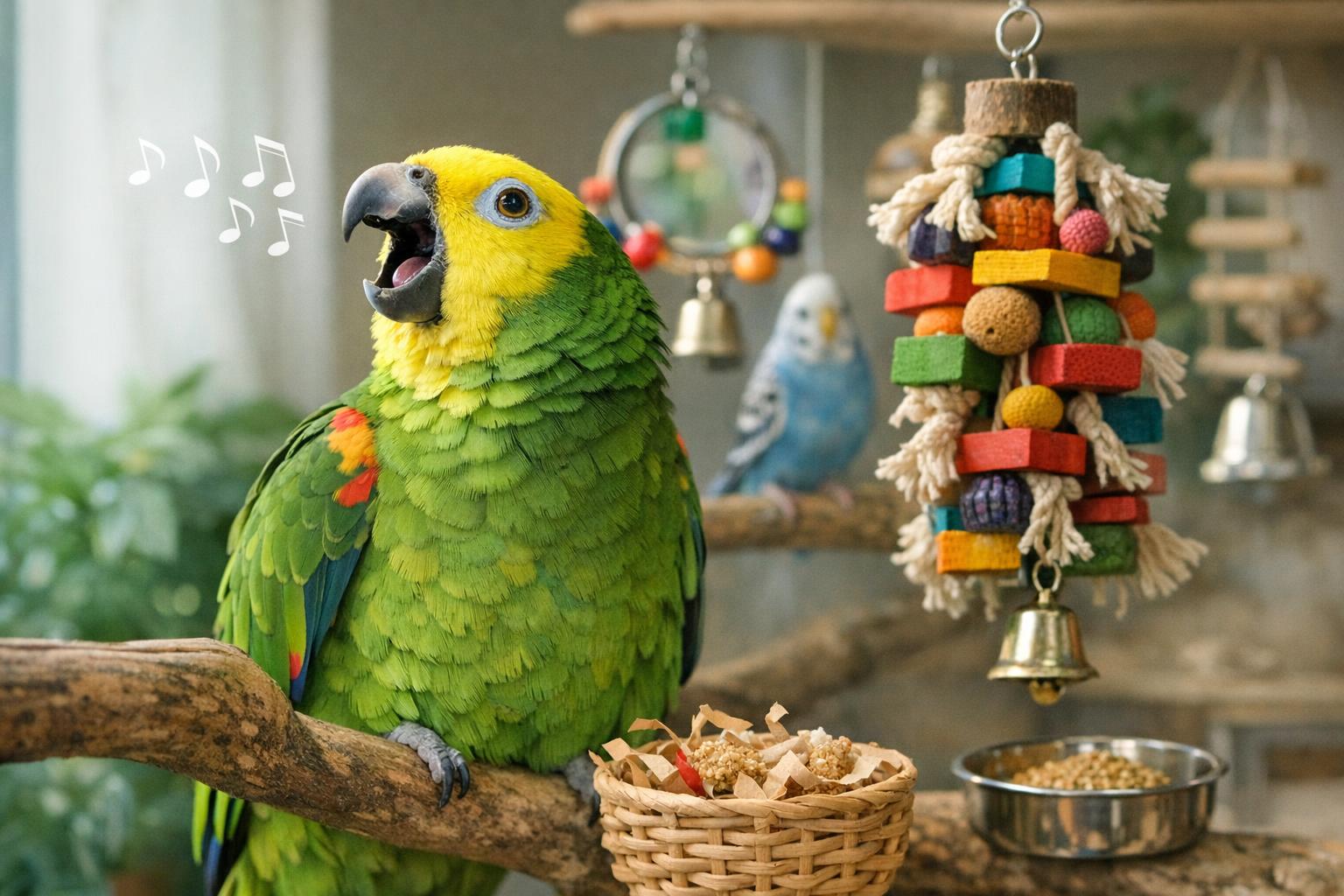
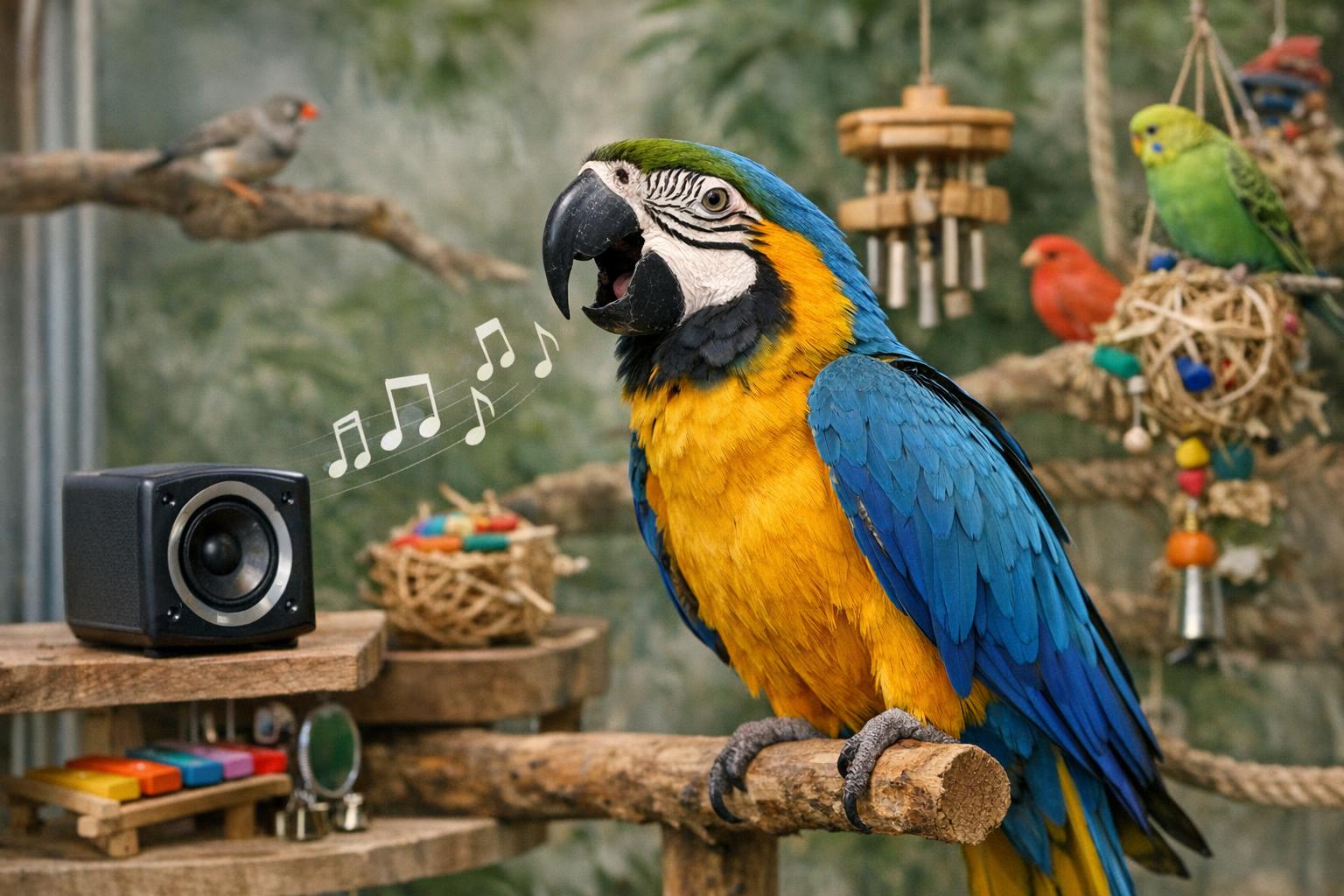
Create a comfortable environment: normal temperature, low stress, nearby company (but no contact with other birds), and predictable routines. Enrich with safe foraging toys that don’t stress the beak. Keep grooming simple and gentle. Love goes a long way, but pair it with pragmatic care and veterinary partnership.
If you’ve got more specific questions about diet recipes, safe supplements for your species, or step-by-step photos for the beak smoothing technique (for minor roughness only), I can help walk you through them.





Leave a Reply