

## Recognizing Signs Of Stress In Reptiles At Home
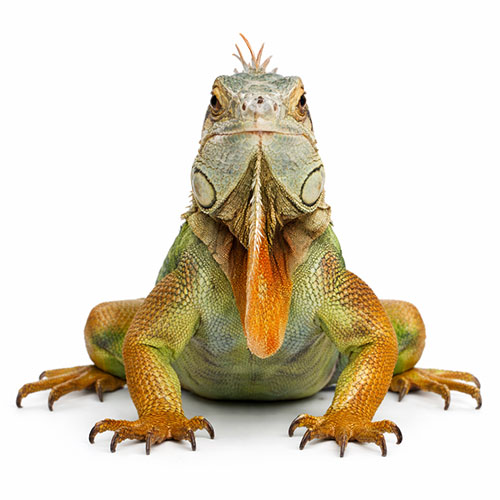
If you keep a bearded dragon, gecko, or ball python, spotting signs of stress in reptiles can be the difference between a minor fix and a sick pet. Reptiles hide discomfort well. That means you need to learn what to watch for and which changes are worth acting on right away.
### Body Language To Watch
Reptile body language is subtle. Watch for these behaviors and don’t shrug them off as “pets being weird”:
– Repeated pacing or “glass surfing” along the enclosure walls.
– Flattening of the body, constant hiding, or an unusually tight curl-up.
– Refusing food for more than a few feedings, or sudden aggression when handled.
Those are all concrete reptile stress indicators. One night of a reptile refusing food won’t always mean trouble. But persistent changes in appetite combined with altered body language usually point to a stressor in the enviroment or husbandry.
### Common Physical Signs
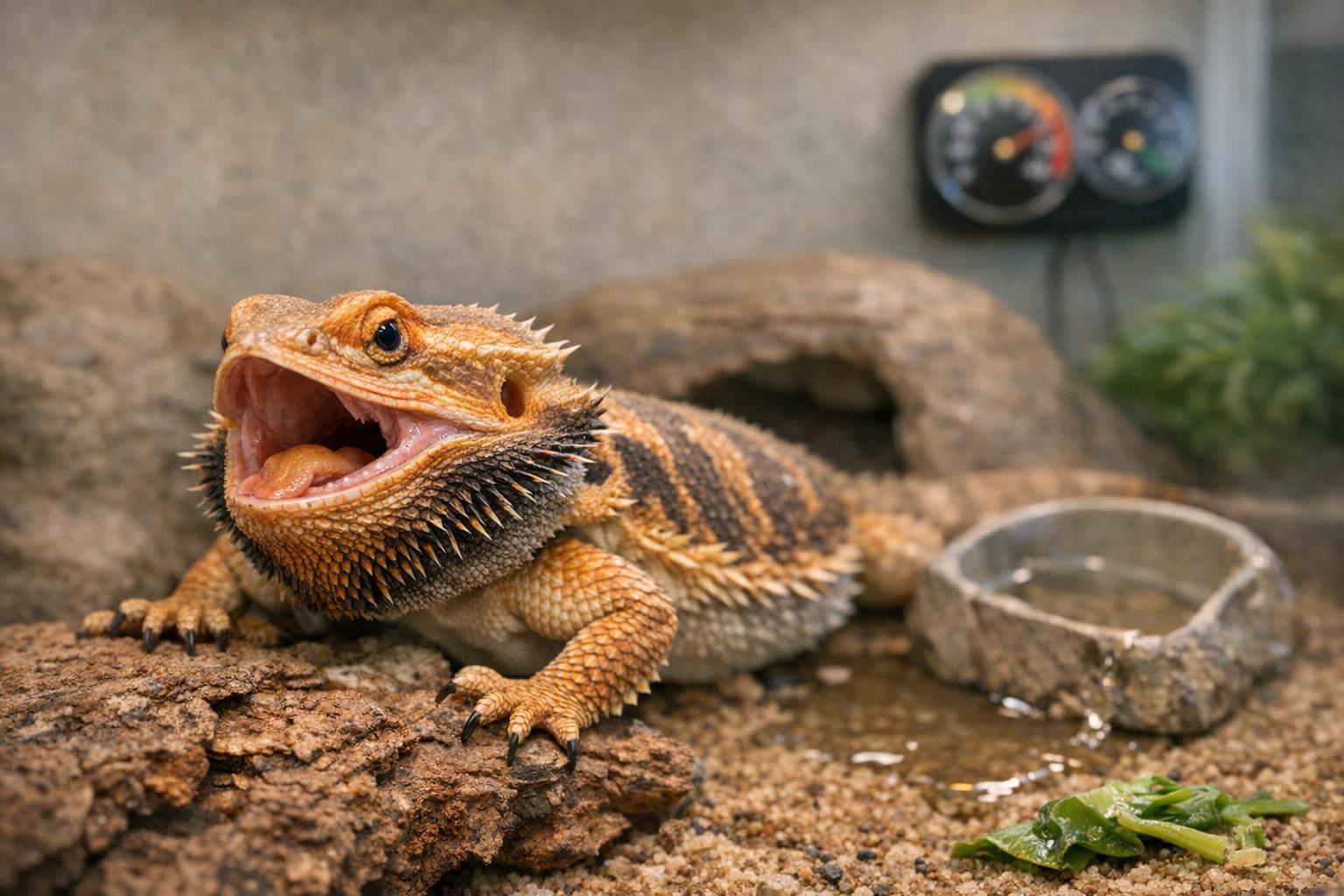
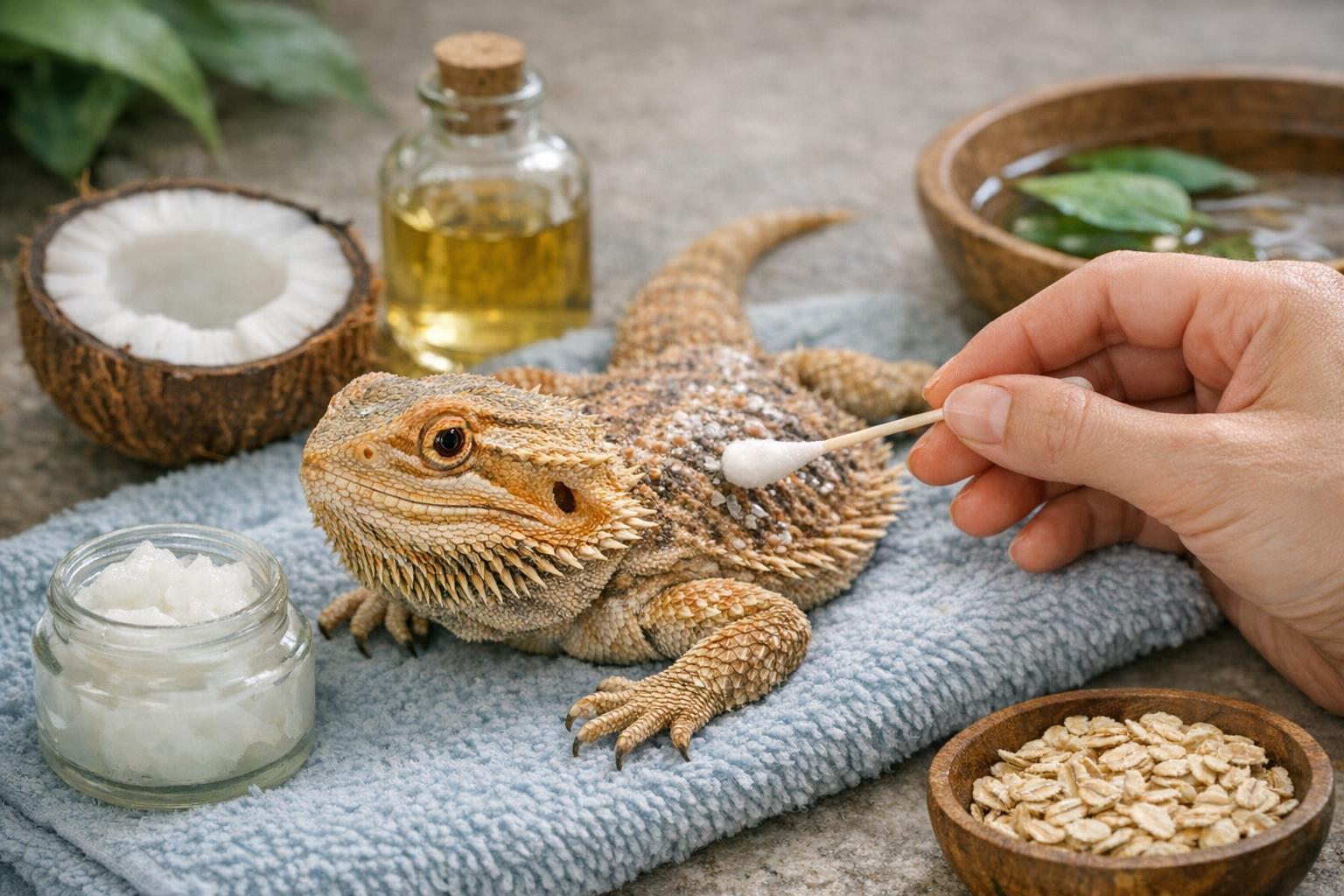
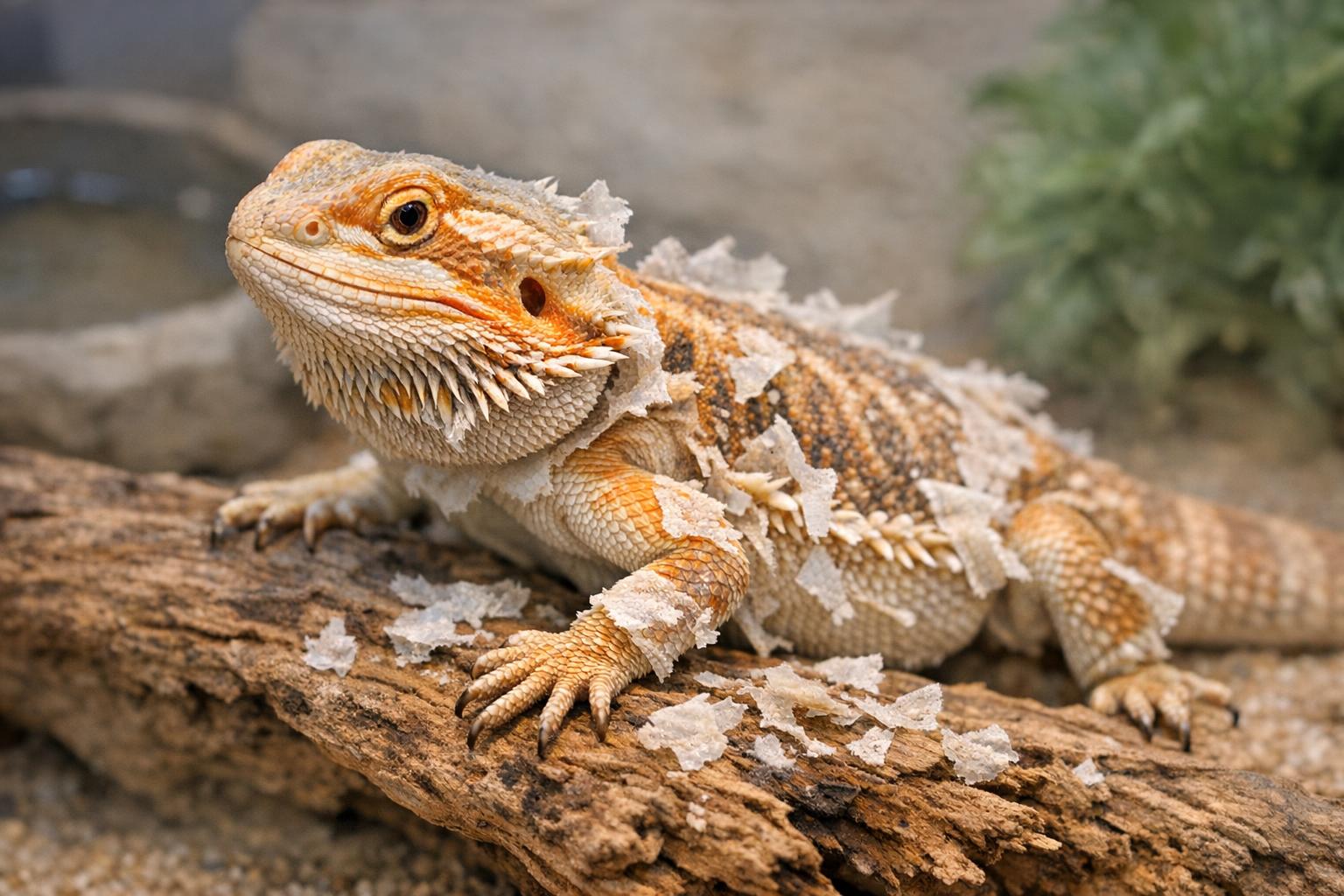
Not all stress shows up in posture. Look for physical clues: poor shed (patchy or stuck skin), weight loss, sunken eyes, and changes in stool consistency. Respiratory signs, like open-mouth breathing or wheezing, are urgent. These are reptile stress indicators because stress suppresses immunity and can trigger secondary infections.
A reptile that stops basking or spends too much time in the cool end is also showing a problem. Thermoregulation is central to reptile health. If they won’t use the warm spot you’ve set up, something about the enclosure or handling is making them avoid it.
## Environmental Triggers That Cause Stress
Small environmental problems add up fast. Here are the usual culprits that change reptile behavior.
### Temperature And Humidity
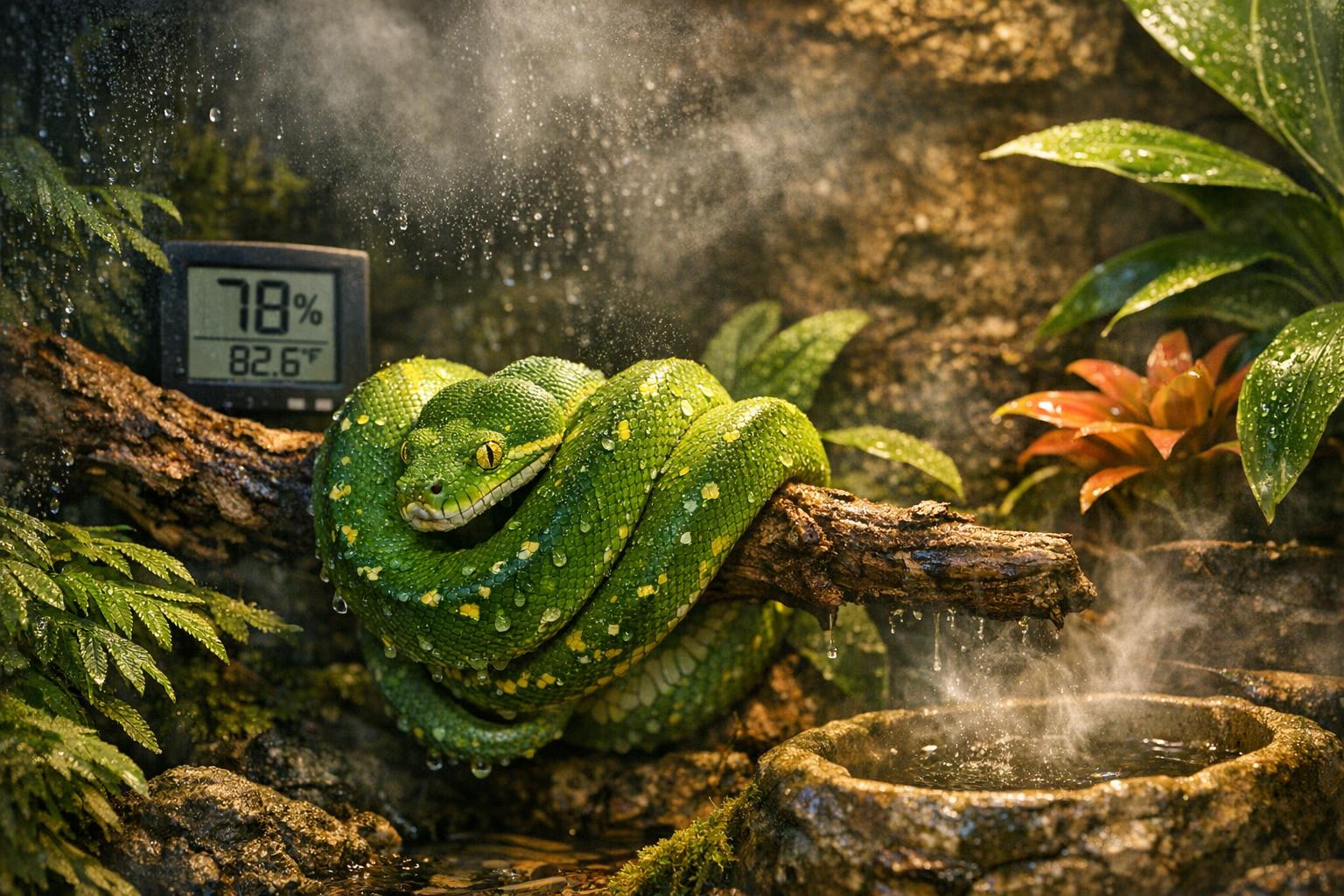
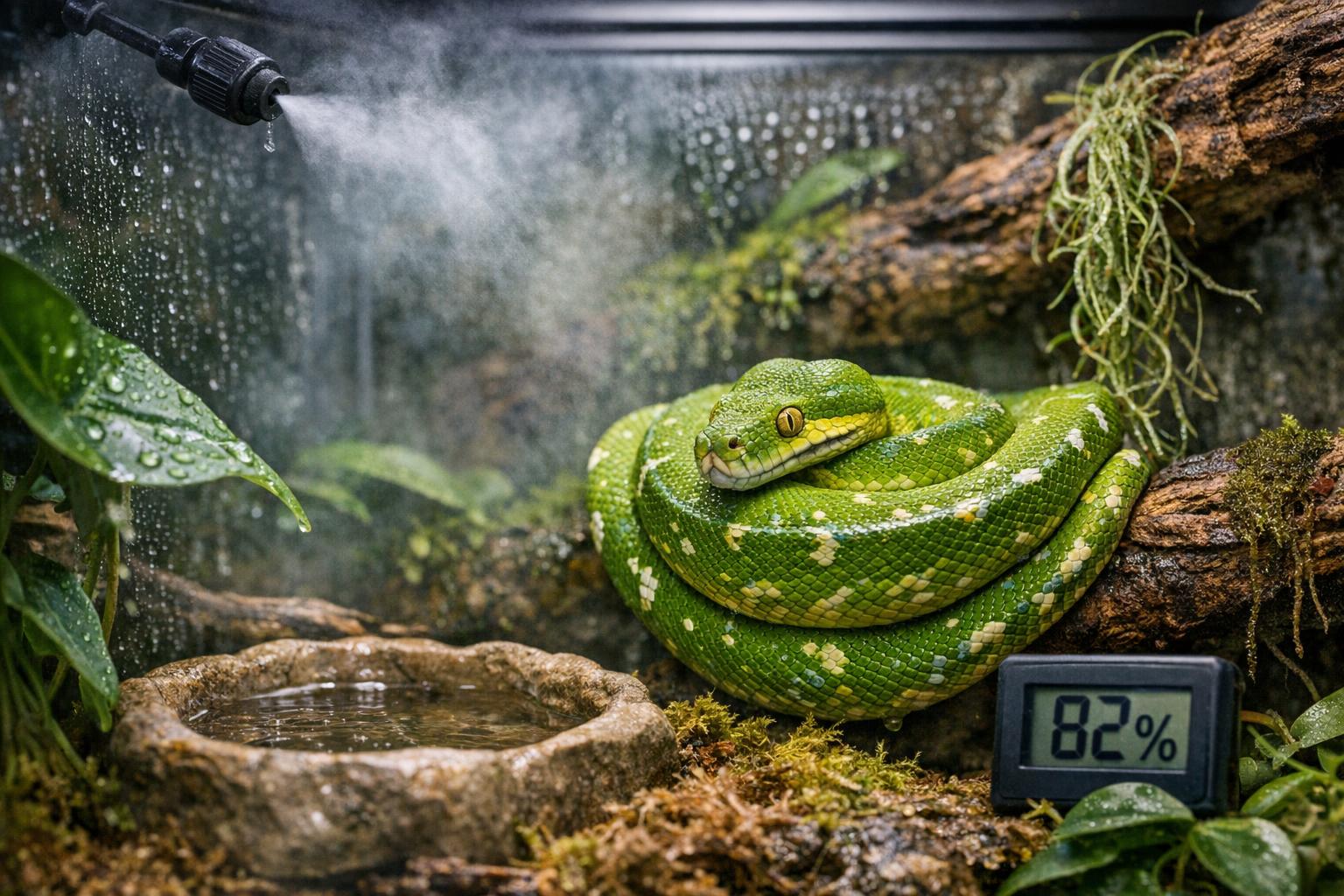
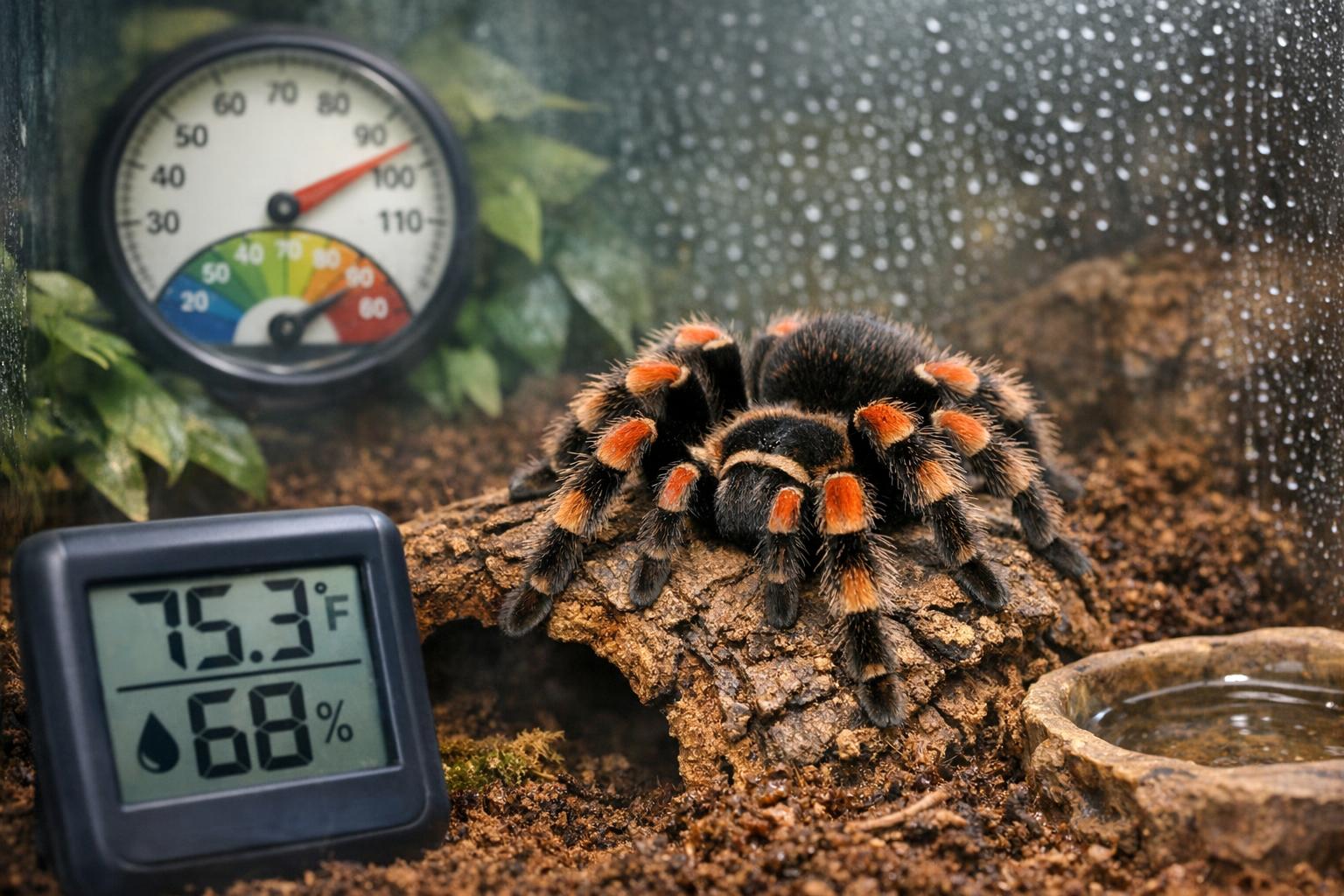
Reptiles have narrow comfortable ranges. For a crested gecko, nights below the mid-60s Fahrenheit can be stressful. For a ball python, a cool hide under the preferred basking range makes them stay withdrawn and refuse food. Humidity that’s too low or too high leads to bad sheds and sticky skin. Those are clear signs of stress in reptiles that owners can fix with a thermostat, a stable heat source, and a hygrometer.
### Enclosure Size And Furnishings
Too small, too bare, or too cluttered: any of these can stress an animal. A chameleon that can’t climb high enough will pace and stay flat more than normal. On the other hand, a snake in a tiny box may never feel safe enough to eat. Reptile behavior changes like hiding all day or repeatedly rubbing against glass often trace back to poor layout or lack of hiding spots.
### Lighting And UV Exposure
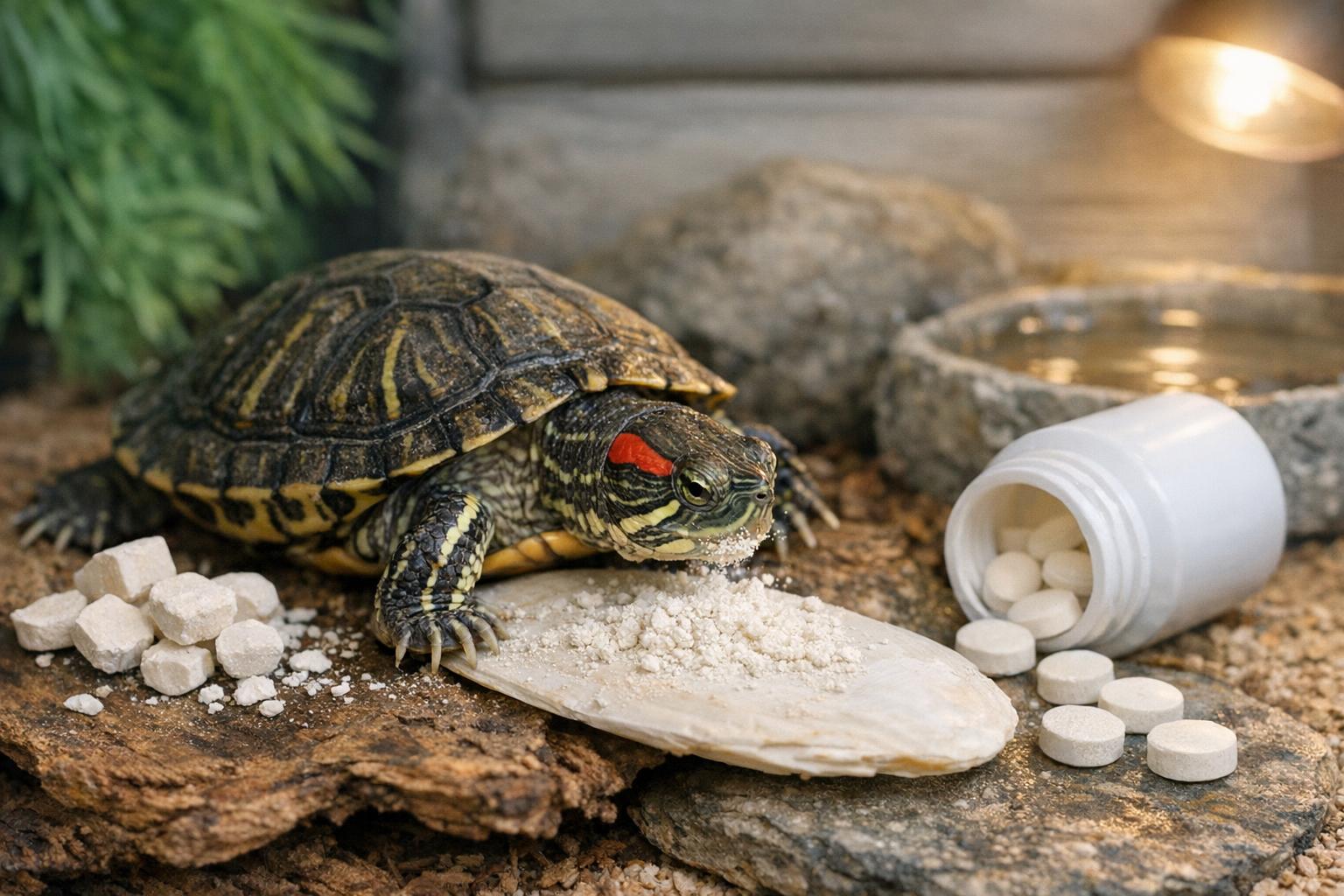
Some species need UVA/UVB to metabolize calcium. Lack of proper lighting leads to lethargy, bone issues, and abnormal sheds. Those physiological disruptions are among the most overlooked signs of stress in reptiles because they start slowly.
## Handling And Social Stress
People mean well but handling is often the most direct stressor.
### Handling Cues
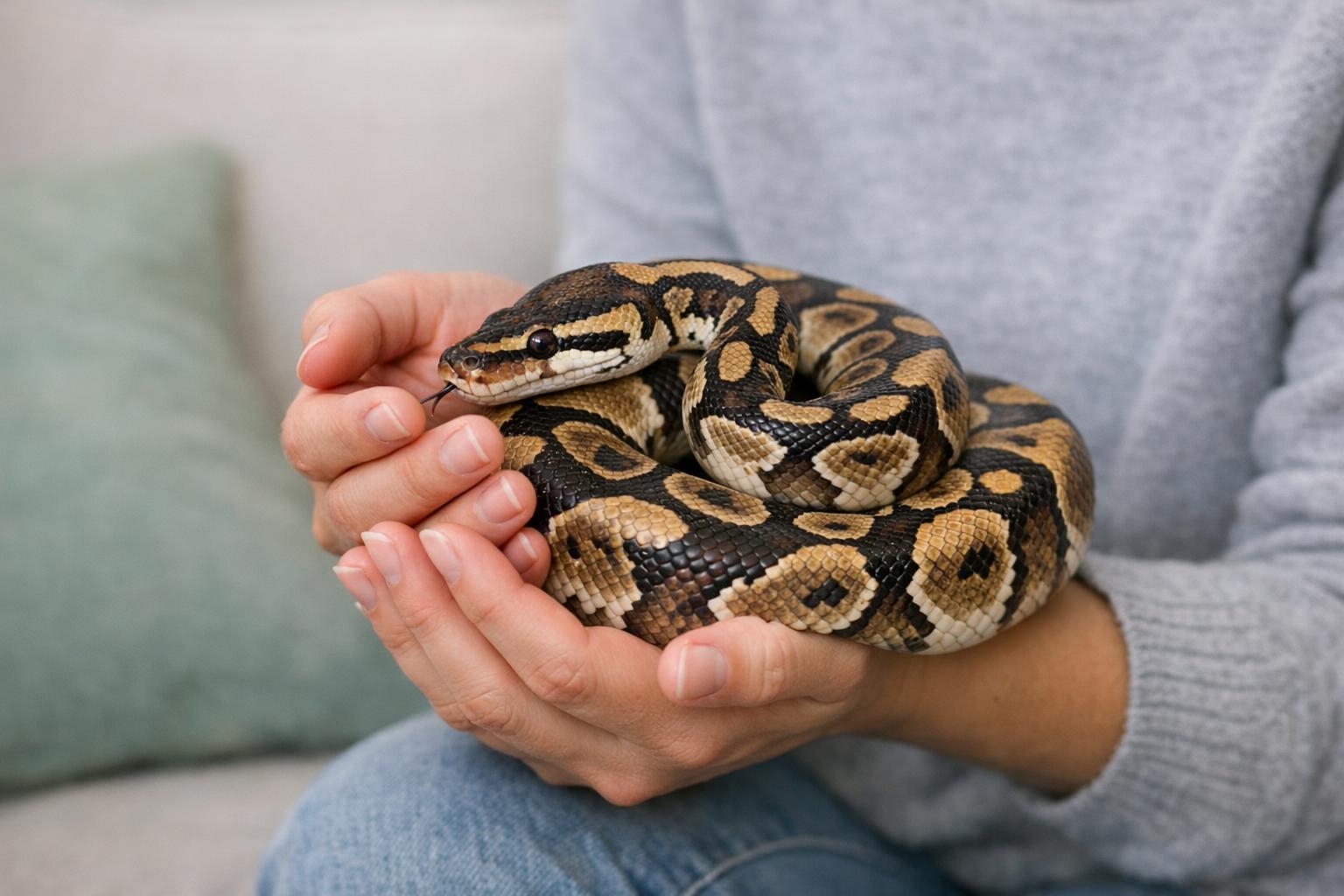
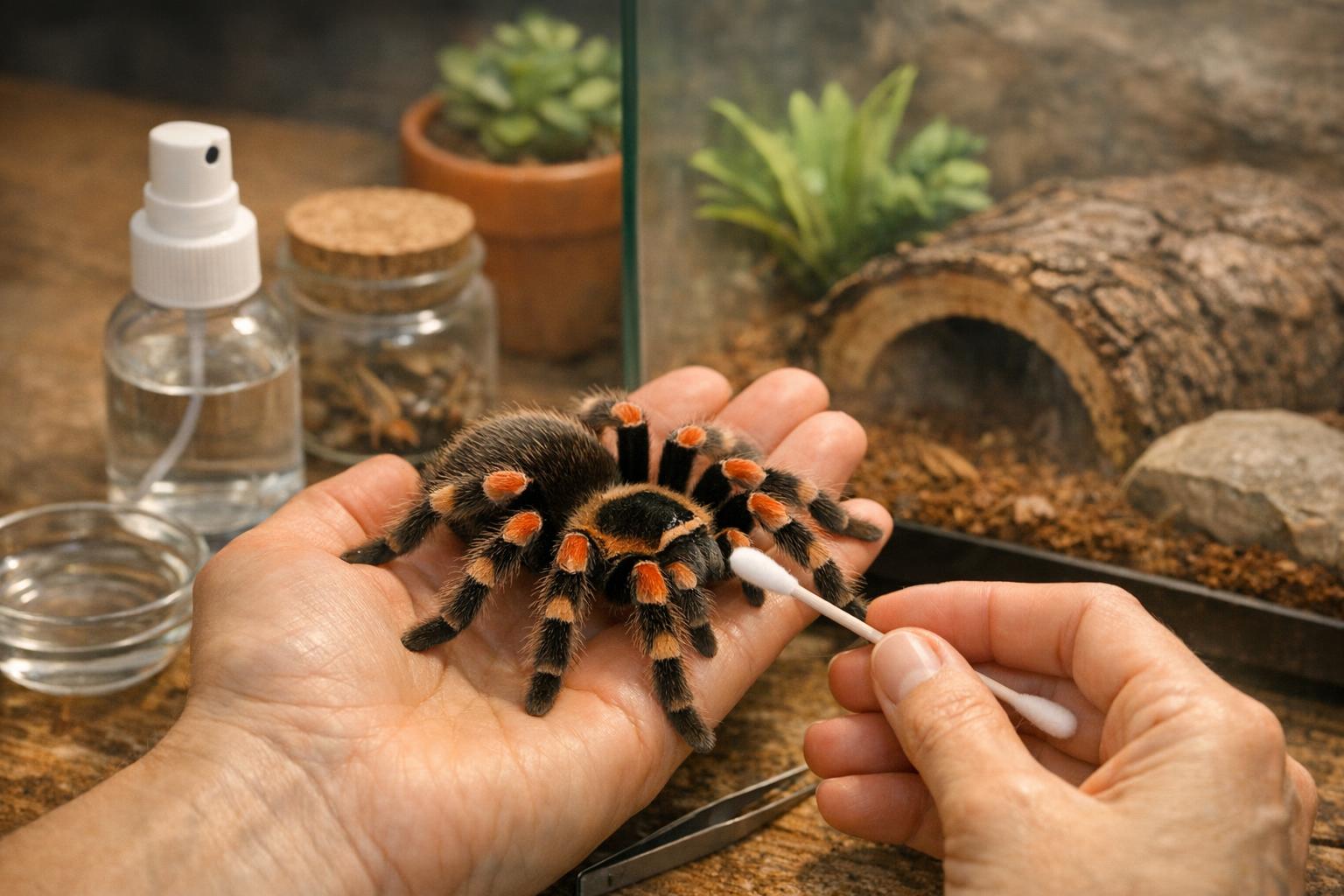
A tail thrash, rapid tongue flicking, or trying to escape the moment you reach in are warning signs. If your reptile becomes defensive only around certain people, you’ve got a handling or social stress issue, not a medical one. Train handling gradually, use calm, confident movements, and limit how often you pick them up until they relax.
#### How To Approach A Nervous Reptile
Slow entry into the enclosure is better than sudden grabs. Offer a climbing ledge or let them walk onto a hand rather than pinning. With snakes, support the body fully. For lizards, avoid looming overhead or quick shadows. These small changes reduce acute stress and change long-term reptile behavior for the better.
## Health And Diet Connections
Malnutrition, parasites, and chronic dehydration are all both causes and consequences of stress. A stressed reptile eats less, which weakens it and makes it more vulnerable to infections. When a pet shows intermittent appetite, poor color, or loose stools, treat those as reptile stress indicators and run basic checks: fecal exam, weight chart, and a look at UV and diet composition.
### When To Call The Vet
If physical signs like labored breathing, severe weight loss, persistent soaking, or dramatic changes in posture appear, call a reptile-savvy vet. Don’t wait for the behavior to “improve.” Vets can rule out infections, metabolic bone disease, and other conditions that mimic stress. Mention any recent changes in enclosure, handling, heating, or diet—those details speed up diagnosis.
## Quick Fixes That Often Work
Adjust the heat gradient, add hides, fix lighting, and change handling routines. Sometimes the fix is as simple as moving the enclosure away from a noisy room or bright window. Monitor for improvement over a week. If nothing changes, move on to vet tests and more detailed husbandry audits.
If you keep noticing the same signs of stress in reptiles despite these steps, escalate care and get professional help. Pets don’t get to tell you clearly what’s wrong, so your job is to notice, test, and respond quickly.
















Leave a Reply