






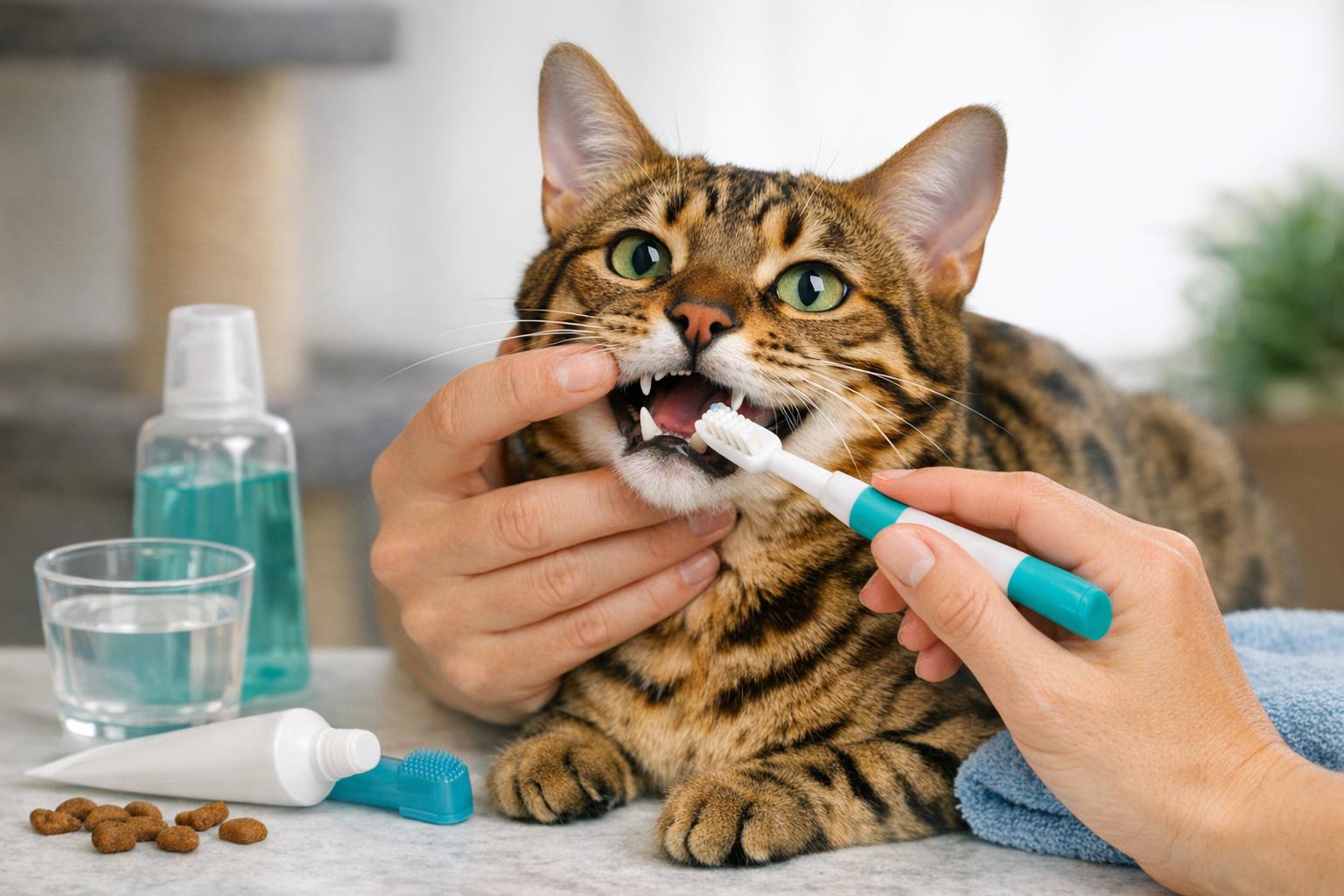
## Cat Dental Care At Home: Simple Habits That Work
Your cat’s mouth tells a lot about their health. Bad breath, red gums, or a paw at the face are not quirks — they’re clues. Do the small things now and you cut down the risk of painful dental disease later. Good cat dental care at home begins with a routine you can actually do, not a perfect regimen you’ll abandon.
### Why Home Care Matters For Cats
Cats don’t show pain the way dogs do. A cat that avoids hard food, loses weight, or becomes grumpy might be hiding a toothache. Regular home care improves cat dental health and helps you spot trouble early. It also lowers the chance your cat will need expensive extractions or full-mouth surgery. That matters because veterinary dental procedures require anesthesia and recovery time. Preventing disease saves stress for you and your cat.
### Common Dental Problems To Watch For
Know what you’re protecting against. Plaque turns into tartar, tartar leads to gingivitis, and gingivitis can progress to periodontal disease. You’ll also see:
– Broken or loose teeth.
– Oral ulcers or sores.
– Excessive drooling.
– Bad breath that doesn’t clear up after a meal.
If you’ve heard of stomatitis or resorptive lesions, those are serious issues that require veterinary attention. Learning the signs is the first step in sensible feline dental care.
### How To Start Brushing Your Cat’s Teeth
Brushing is the gold standard for cat dental care at home, but it has to be practical.
Pick Your Tools
– Use a paste made for cats. Human toothpaste is toxic to cats. Find a flavored enzymatic paste that your cat tolerates.
– Try a soft finger brush or a small child’s toothbrush. Both work. The finger brush is easier on shy cats.
Step-By-Step
Start slow. Let the cat sniff the paste. Rub it on their cheek and lips first. Work up to lifting the lip and rubbing the outer surfaces of the teeth. Most dental disease happens on the outside surface, so focus there. Aim for short sessions — five to ten seconds at first. Build toward 30 to 60 seconds.
If your cat fights, pause and try again later. You’re teaching tolerance, not obedience. Do this daily when you can. Even three times a week helps cat dental health. Reccomend patience and short bursts of handling will pay off.
### Alternatives If Brushing Isn’t Possible
Not every cat allows a toothbrush. That doesn’t mean you give up.
– Dental Wipes: Wipes won’t replace brushing, but they are better than nothing. Wipe the outer surfaces of teeth and gums to reduce plaque.
– Oral Rinses and Water Additives: Some enzymatic rinses reduce bacteria. They’re not miracles. Use them as an adjunct for cats who resist brushing.
– Dental Chews And Toys: Look for products made for cats. They can help remove soft plaque through mechanical action. Avoid very hard chews that can fracture teeth.
Use these tools alongside, not instead of, regular veterinary dental checks. Feline dental care is multi-layered.
### Diet And Its Role In Oral Health
Diet matters. Certain prescription and over-the-counter diets are formulated to help with tartar control. They use kibble shape and texture to scrub teeth slightly as cats chew. That’s helpful for cat dental care at home, especially when combined with brushing.
Wet food alone won’t clean teeth. If your cat is strictly wet food, consider adding dental treats or a vet-approved kibble for teeth a few times a week. Don’t overdo treats. Excess calories lead to weight problems, which bring whole other health issues.
### Toys, Chews, And What To Avoid
Chewables are useful, but be selective. Choose items designed for cats. Rawhides, bones, and frozen marrow are a bad idea. They can splinter and fracture teeth.
Look for:
– Soft, flexible chews with dental claims backed by study or veterinary endorsement.
– Rubber toys that encourage chewing, but replace them when worn.
If a toy or treat requires too much force to break, pass. Broken teeth are an emergency.
### Checking Your Cat’s Mouth Regularly
Make a habit of quick mouth checks. Twice a week is reasonable. Look for:
– Redness or swelling along the gum line.
– Soft, dark deposits near the gum margin.
– Discolored, cracked, or missing teeth.
– Any bumps or ulcerations inside the mouth.
Take photos with your phone. Over time you’ll see trends. If changes appear, call your vet. Early intervention preserves teeth.
### When To See The Vet
Routine exams twice a year are ideal for many cats. Signs that require sooner attention:
– Sudden reluctance to eat.
– Excessive drooling or dropping food.
– Bleeding from the mouth.
– A broken tooth or visible abscess.
A vet will assess oral pain, take dental x-rays, and discuss professional cleaning. Some problems need anesthesia and scaling below the gum line. That can’t be done safely at home.
### Professional Cleaning: What You Should Know
Professional cleanings are more than tartar scraping. Veterinarians clean above and below the gum line, take x-rays, and extract teeth if necessary. If your cat has periodontal disease, this is the treatment that prevents ongoing pain and infection.
Plan for:
– Pre-anesthetic bloodwork.
– Anesthesia and monitoring.
– Post-op pain control and a short recovery period.
Ask your vet to show you photos from before and after the cleaning. That helps you understand why they recommended the procedure and how your home routine can support recovery.
### Simple Routines That Fit Real Life
Cat dental care at home doesn’t need to be a chore. Build it into petting and play routines. A few ideas that stick:
– After the evening petting session, spend 30 seconds lifting lips and rubbing paste.
– Use short training sessions with treats to create positive associations.
– Keep toothpaste in the drawer next to where you feed your cat. Out of sight is out of mind.
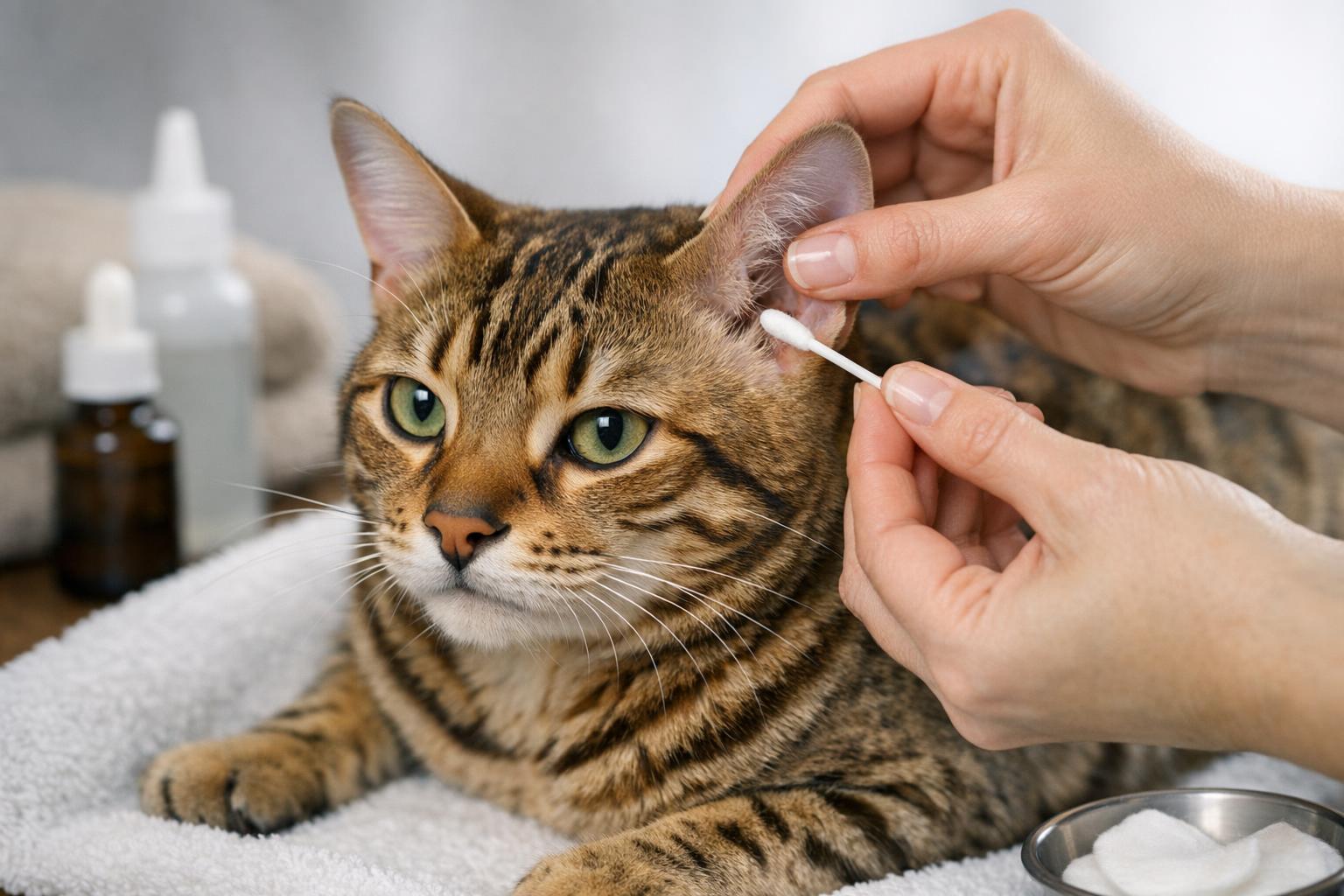
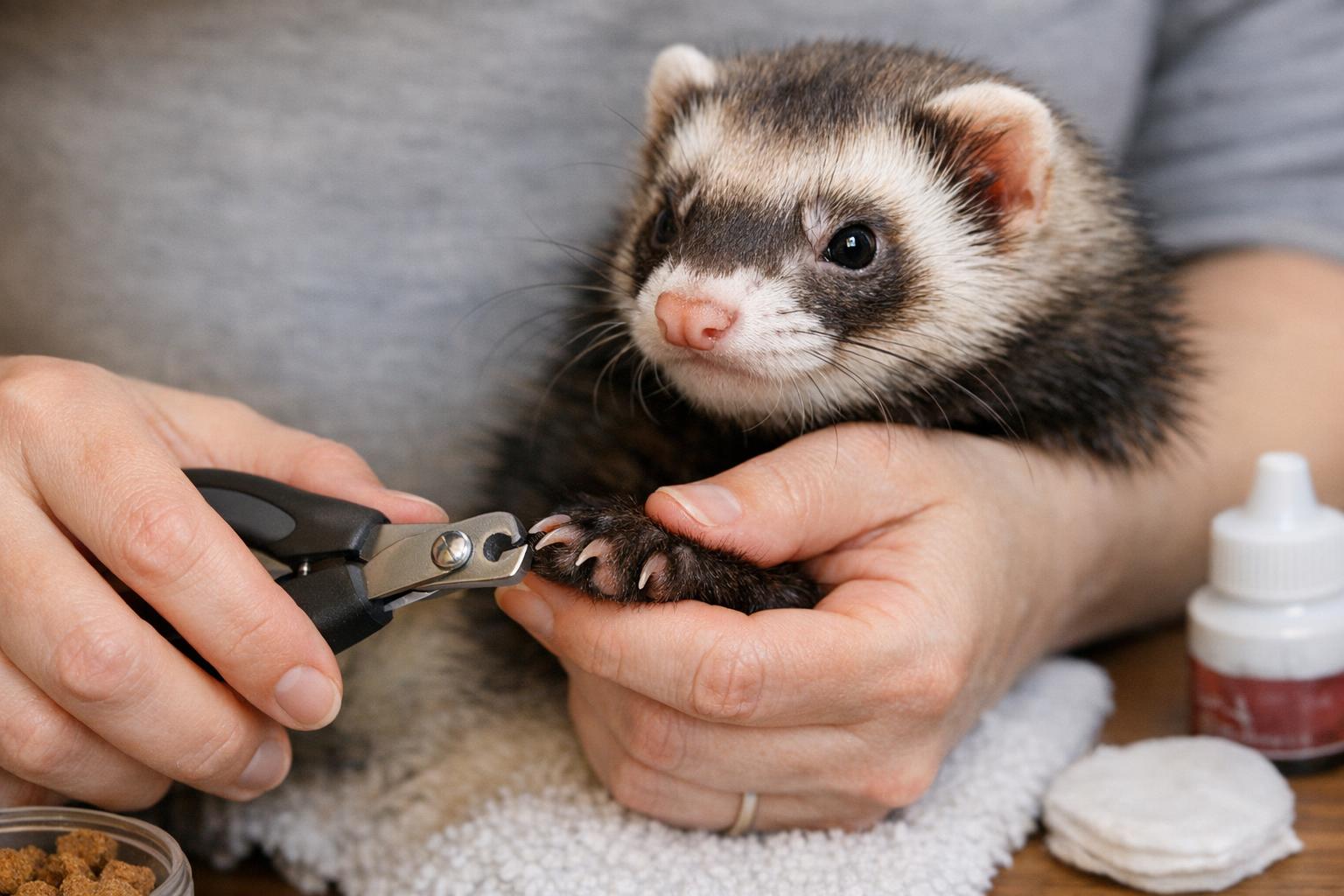
– Combine oral checks with nail trims or ear wipes to make them part of the same care block.
Small, consistent actions beat occasional big efforts.
### Special Considerations For Senior Cats And Kittens
Start kittens early. If you start at 8–12 weeks, they learn to accept handling and toothpaste flavors. That makes lifelong care easier.
Senior cats may have weakened kidneys, diabetes, or heart disease that affect dental decisions. Work with your vet to create a plan that balances anesthesia risk with the need to remove infected teeth. Good at-home care keeps seniors more comfortable between professional visits.
### Myths And Misunderstandings
A few things people get wrong:
– “If the breath smells, it’s just from the food.” No. Bad breath often means bacteria and disease.
– “If my cat eats, their teeth are fine.” Cats can eat with serious dental pain.
– “I can scrape tartar off at home with tools.” Don’t try this. You can damage enamel and cause infection.
Trust veterinary guidance and use home care for prevention and maintenance.
### Products Worth Considering
Not all products are created equal. Look for:
– Enzymatic toothpaste specifically made for cats.
– Finger brushes sized for small mouths.
– Dental diets and treats with veterinary recommendation.
Ask your vet before starting water additives or new chews, especially if your cat has health issues. Efficacy varies, and some additives interact with medications.
#### How To Introduce A New Product
Introduce one thing at a time. Give it a week. Watch for changes in appetite, stool, or behavior. Stop if you see vomiting, diarrhea, or lethargy.
### Keeping Records And Staying Consistent
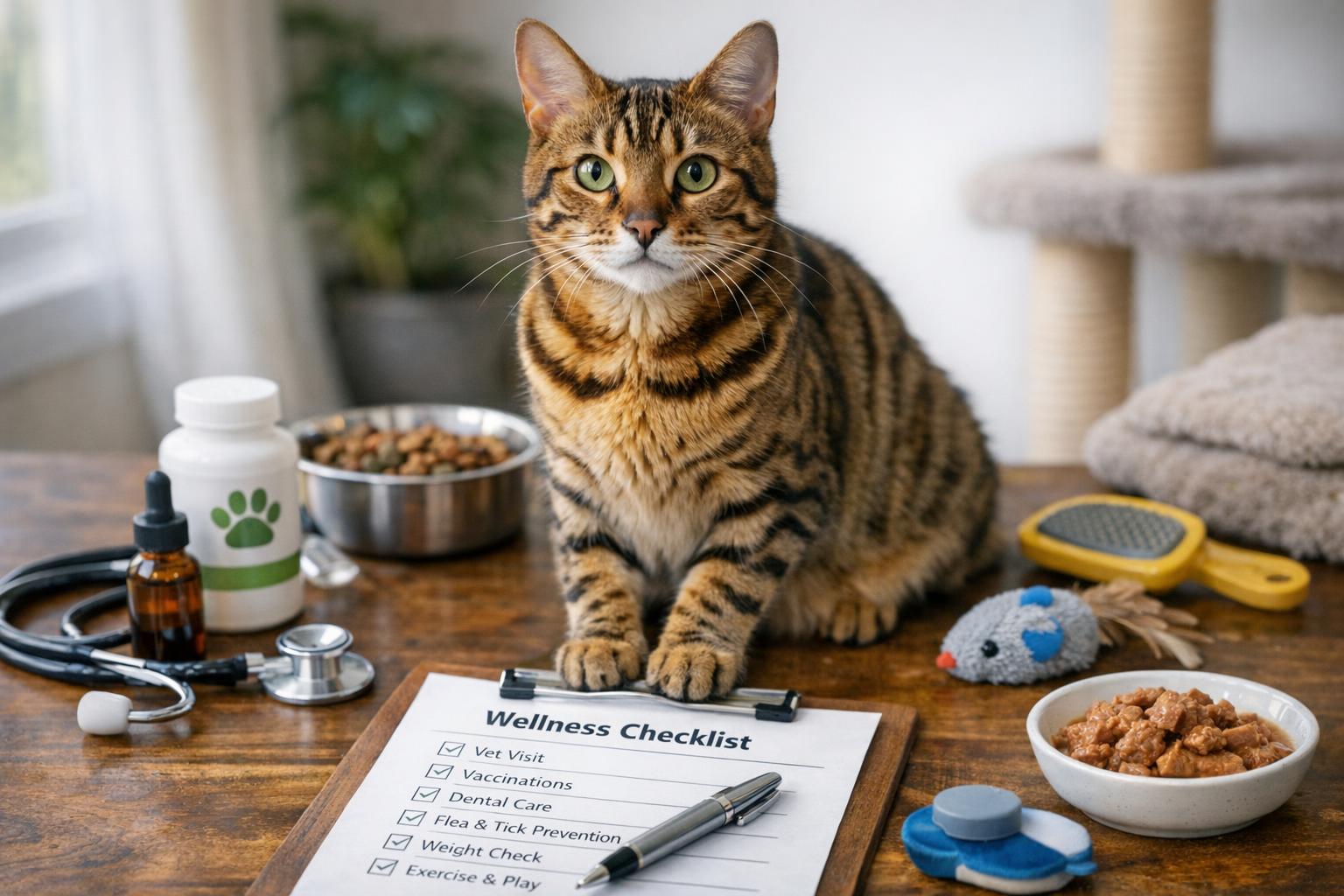
Write down what you do and when. A simple checklist on the fridge keeps you honest. Note bad breath, loose teeth, or bleeding. Bring that record to your vet. It helps them see the pattern.
If you’re traveling or have multiple caregivers, leave clear instructions. Consistency is what turns occasional care into meaningful feline dental care.
### Handling Resistant Cats
Some cats simply hate brushing. Break it into micro-steps. Reward with a favorite treat or a short play session. Don’t force it. For anxious cats, try:
– A towel wrap for gentle restraint.
– Brushing while they’re relaxed after a nap.
– Short, frequent practice sessions.
If these fail, use wipes and water additives while you work toward better tolerance. It’s better than nothing.
### Money And Time Saved By Prevention
Think of home care as an investment. A tube of cat toothpaste and a brush cost less than a single dental extraction. More importantly, you prevent pain. That’s the point. Keep up with simple practices and regular vet exams and most cats avoid the worst outcomes.
### When Home Care Isn’t Enough
If you notice swelling, pus, or a dramatic change in eating, don’t wait. These are red flags for serious infections. Your vet will likely recommend dental x-rays and a professional cleaning. Sometimes extraction is the humane choice.
If you’re unsure whether you’re doing enough, bring your cat in for a quick mouth check. A vet can show you the spots to target and reccommend products tailored to your cat’s needs.
Keep the routine doable. Make small, steady improvements. Practice, patience, and a few vet visits will go a long way toward strong cat dental health and a happier cat.






























Leave a Reply