

## Pre-Molt Care For Birds: A Practical Starting Point
If you want your bird to move through molt without looking ragged or feeling miserable, start before the first pin feather appears. Pre-molt care for birds isn’t a single trick. It’s small, consistent adjustments: feed better, tweak the environment, and change how you handle them. Do that and the rest of the season goes smoother.
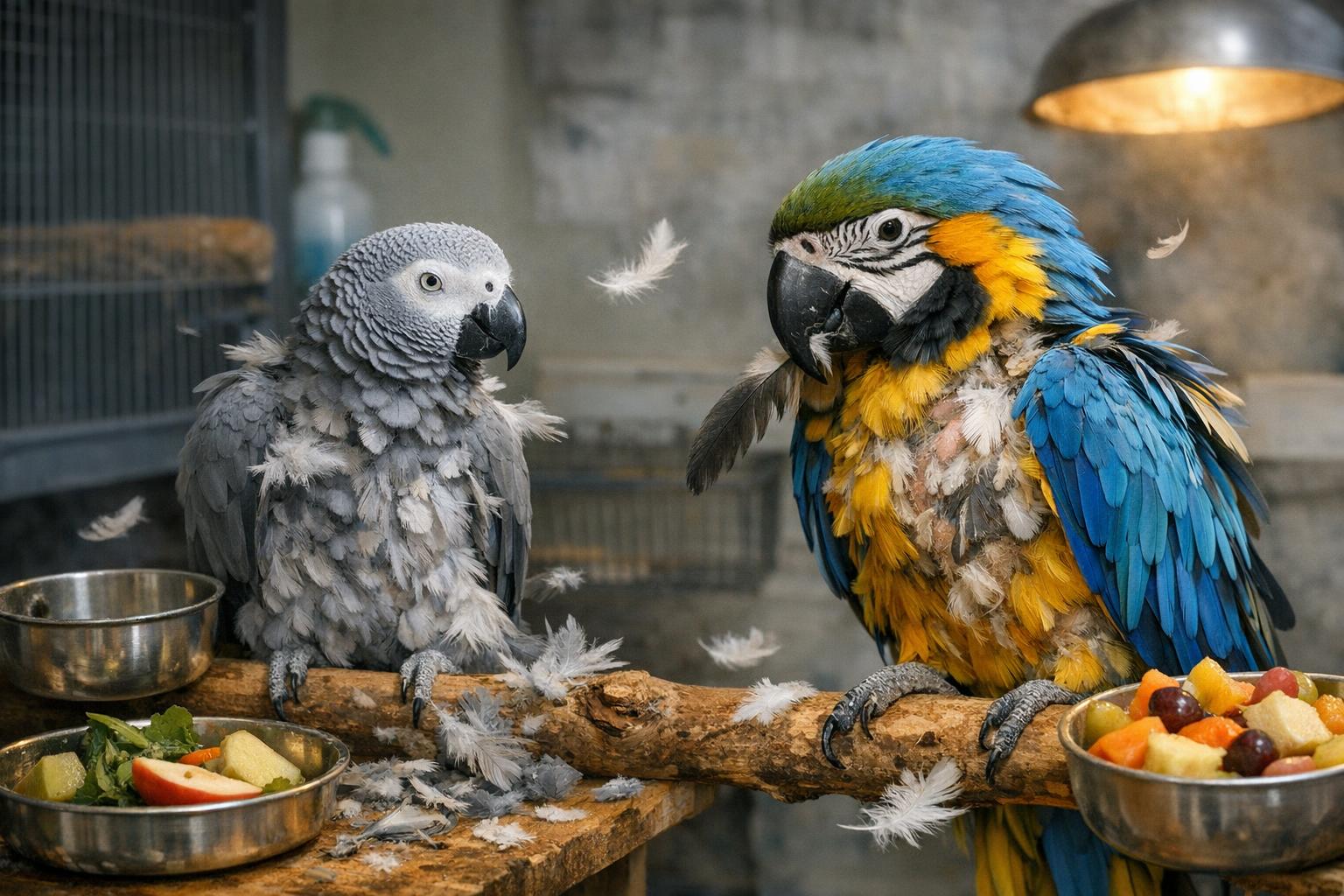
Most owners notice the obvious signs—loose feathers, piles under the perch—but the subtle cues matter more. A bird that gets quiet, eats less, or prefers to stay low in the cage is often preparing to replace feathers. Spot those shifts and you can make targeted changes that ease the process.
### Recognize The Signs Before Feathers Fall
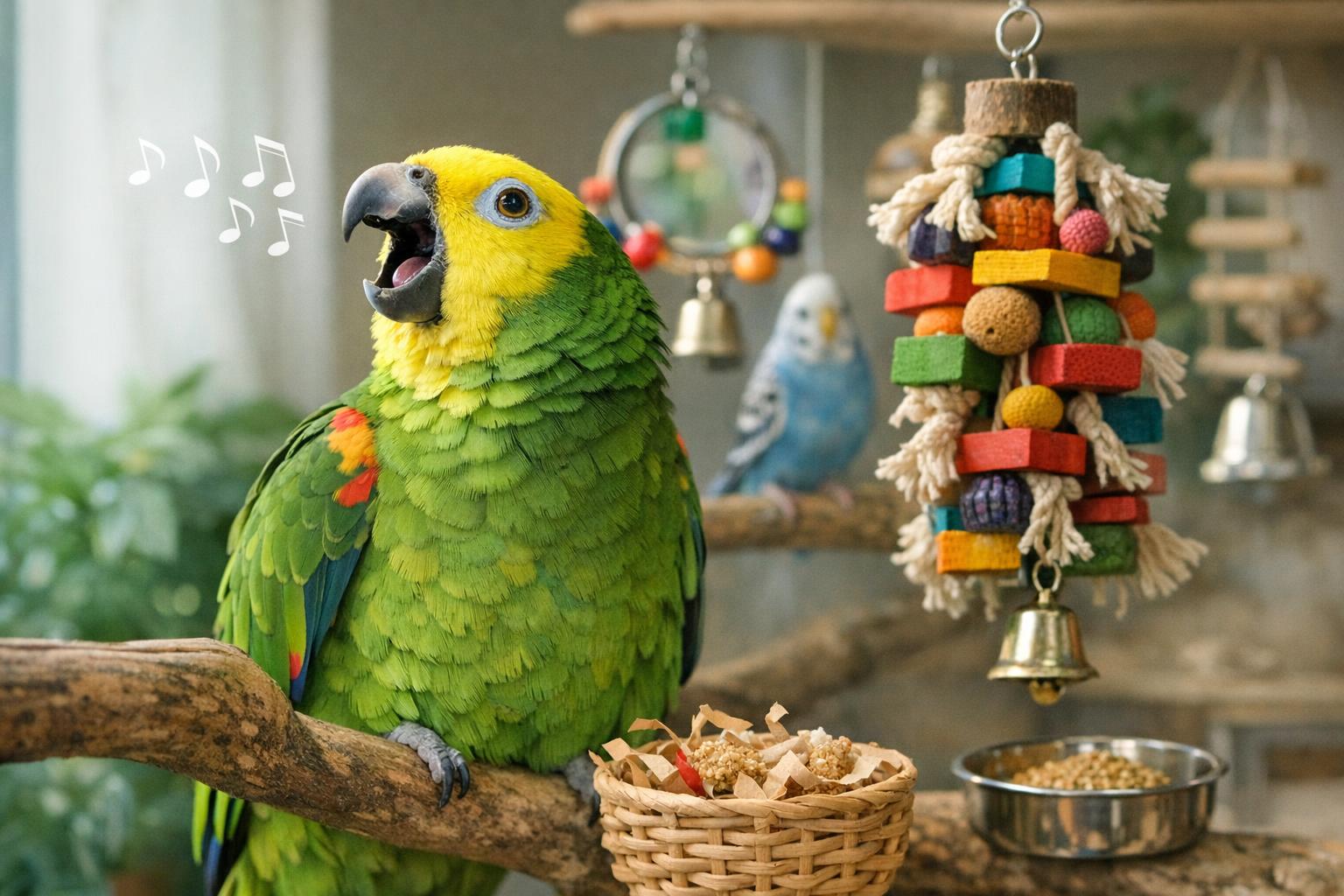
Molting birds don’t all go about it the same way. Parrots often show behavioral changes first; finches and canaries sometimes start with a dull coat. Look for pin feathers (small, stiff tubes at feather bases), extra preening that becomes frantic, or fluffed posture. If a usually chatty cockatiel goes mute for a week, that’s a flag.
Observe the pattern over days. One or two missing feathers are normal. Widespread patchiness or feather loss concentrated on one flank suggests something else — infection, mites, or stress. That’s why pre-molt care for birds includes basic record-keeping: note changes, take photos, and check weight weekly when possible.
### Nutrition That Actually Helps
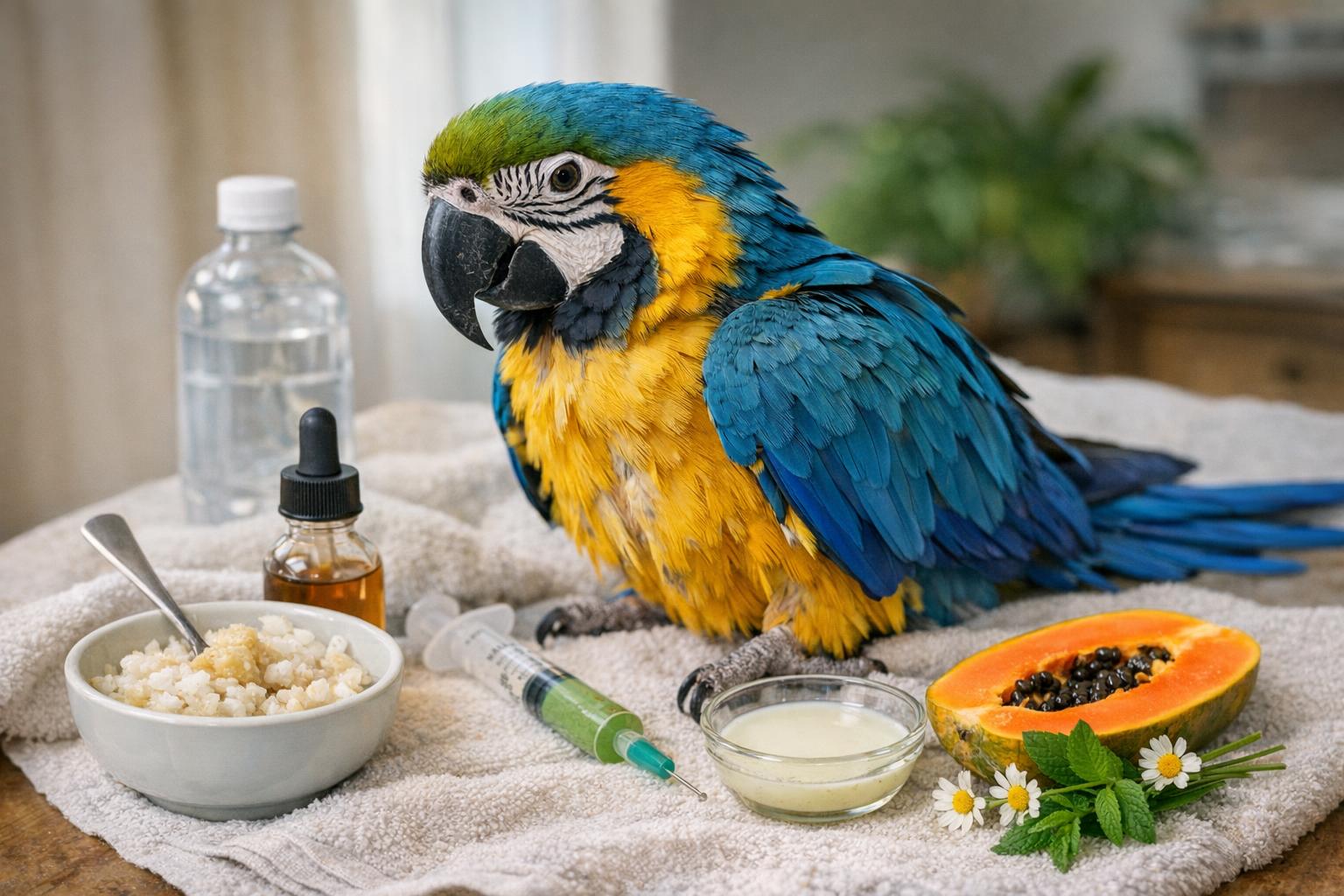
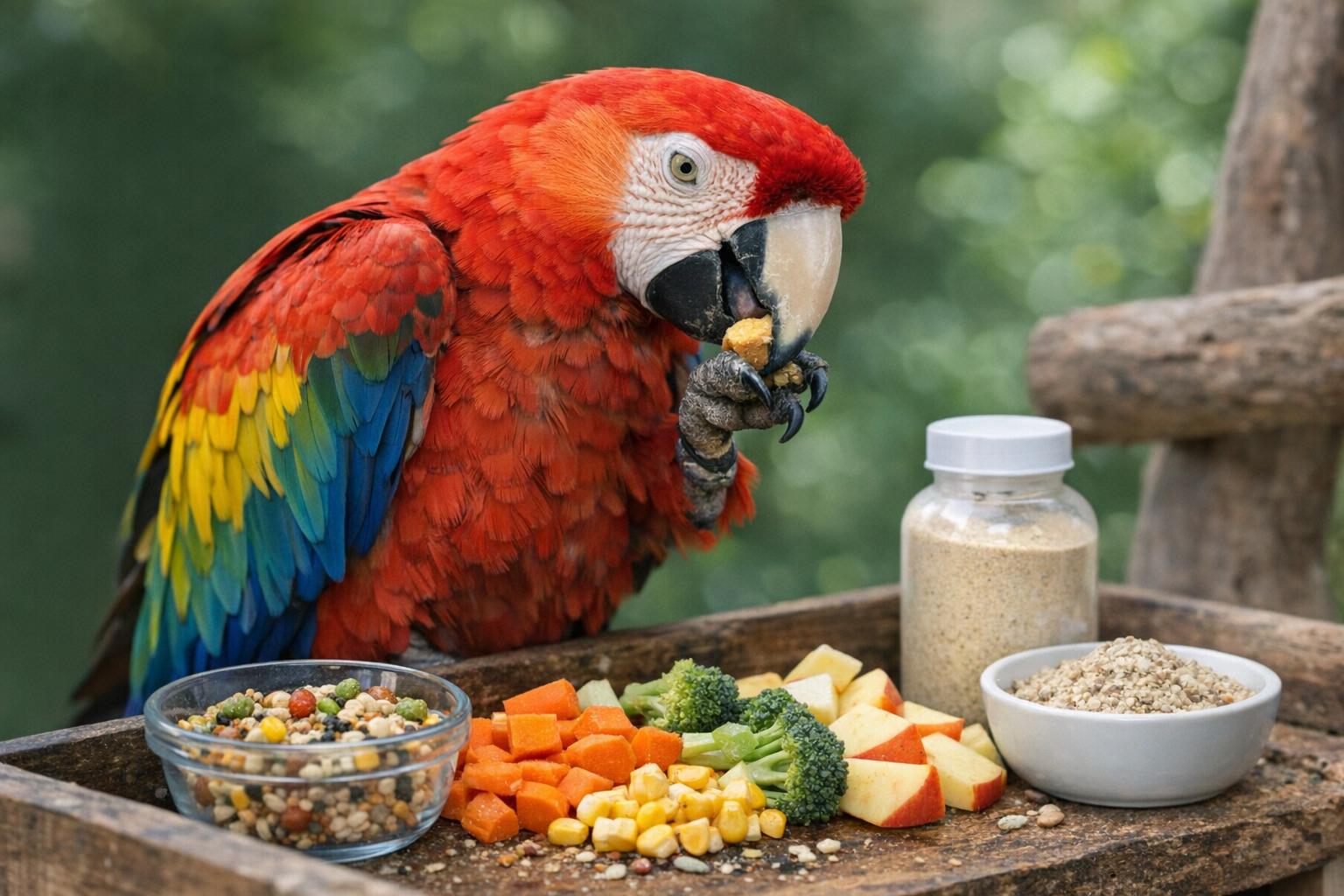
You can’t bribe a bird into better feathers with seeds alone. Nutrient needs shift before and during molt: more protein, some extra fat-soluble vitamins, and minerals like calcium and phosphorus. For many species, a daily boost of soft foods helps. Offer cooked quinoa or lentils, a splash of mashed sweet potato, or a spoon of plain Greek yogurt depending on the bird species.
Supplements have a place, but don’t lean on them as a crutch. A balanced pellet or formulated diet should be the backbone; targeted supplements fill the gaps. Use caution with vitamins A and D — too much is harmful. When in doubt, ask a vet who knows avian nutrition; they’ll steer you away from fad products that claim to “speed” molting.
Good bird molt care means watching appetite and condition. If your bird avoids protein-rich foods, try mixing them with something they already like. Sometimes a favorite treat mixed with a new ingredient works; reheating slightly can coax reluctant eaters. Keep water fresh and available at all times.
#### Foods To Prioritize
Lean, digestible proteins like cooked egg or legumes, omega-rich options like chopped nuts or flaxseeds in small amounts, dark greens for vitamins, and a good quality pellet. Fresh fruit is fine but don’t let it replace the protein your bird needs for building new feathers.
### Environmental Changes That Reduce Stress
Light and temperature influence hormonal signals that trigger molt. Don’t yank lights on and off randomly. A consistent schedule of daylight and nighttime darkness helps. For indoor birds, replicate natural light cycles as closely as practical. A sudden shift—longer days or increased light at night—can prolong or scramble molt.
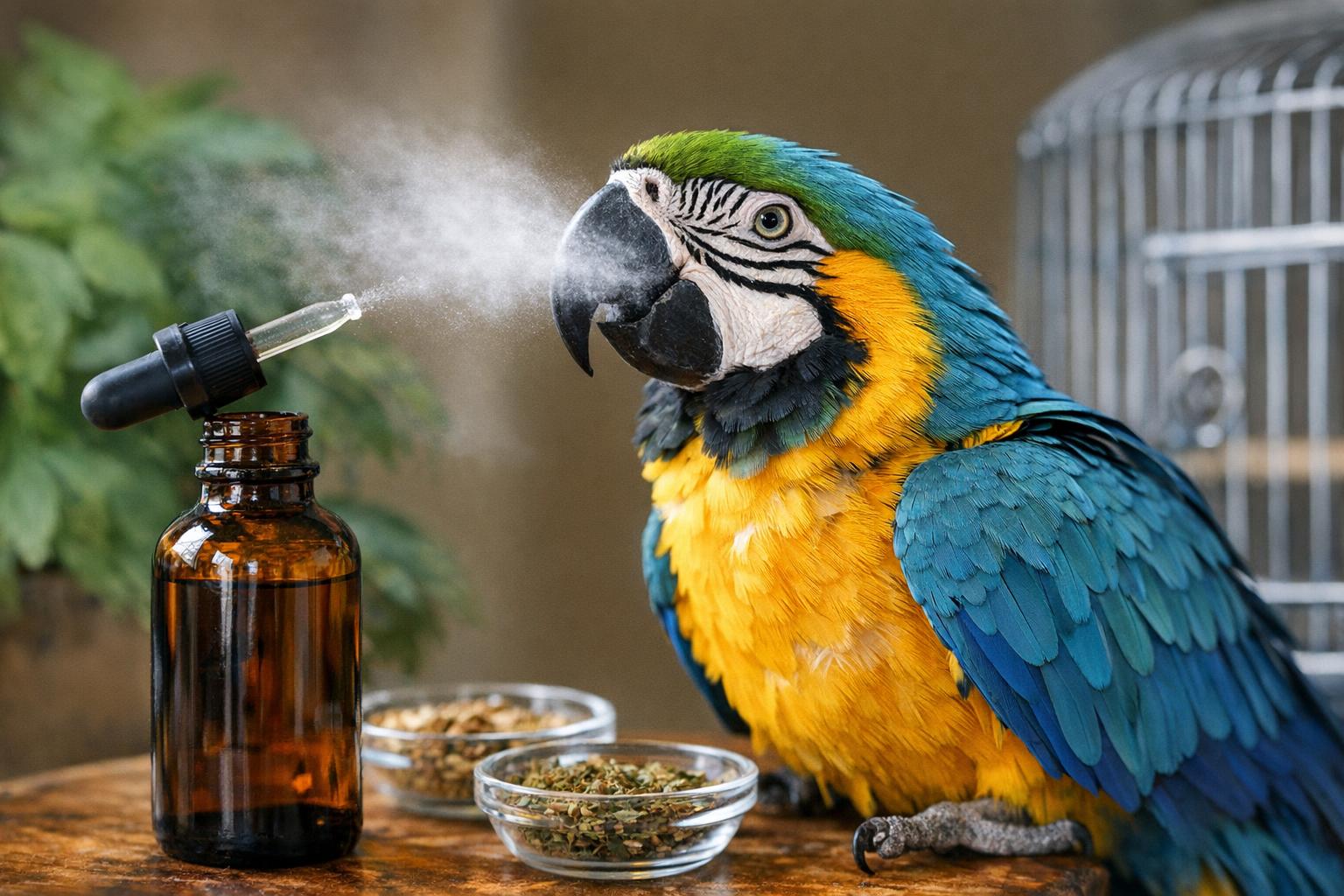
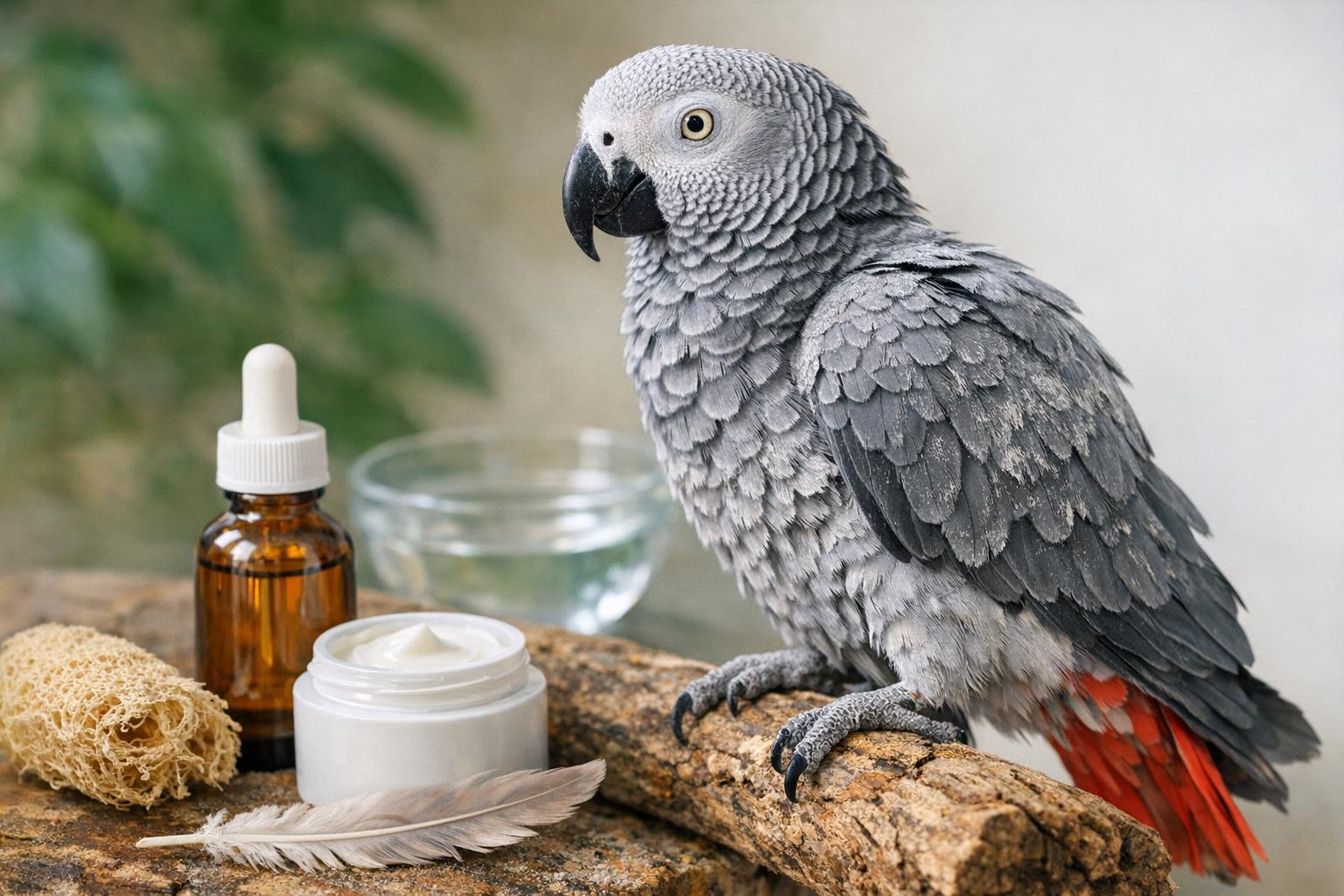
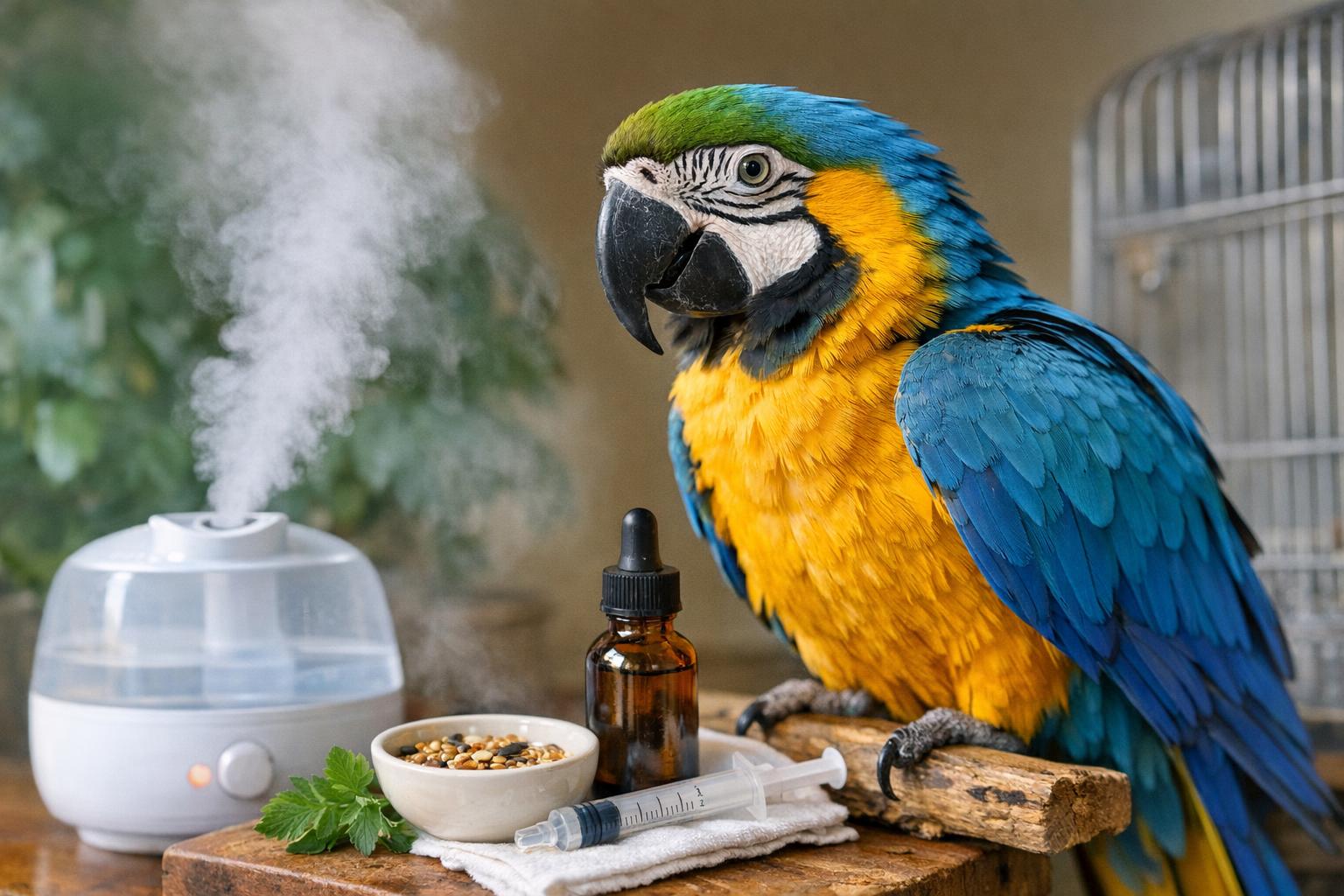
Humidity matters more than many owners realize. Dry air makes scabs and pin feathers brittle. Simple measures like a shallow daily misting or a warm bath twice a week suit many species. For parrots, a bathroom steam session (with the bird safely away from hot water) can ease skin dryness. Keep draughts away from the cage; low-level cold stress will slow feather regrowth.
Pre-molt care for birds also includes cleaning. A clean environment reduces infection risk around new feather follicles. Change substrate, wipe perches, and check toys. But don’t over-sanitize to the point of removing beneficial microbes; balance is what saves stress levels.
## Daily Routines To Support Molting Birds
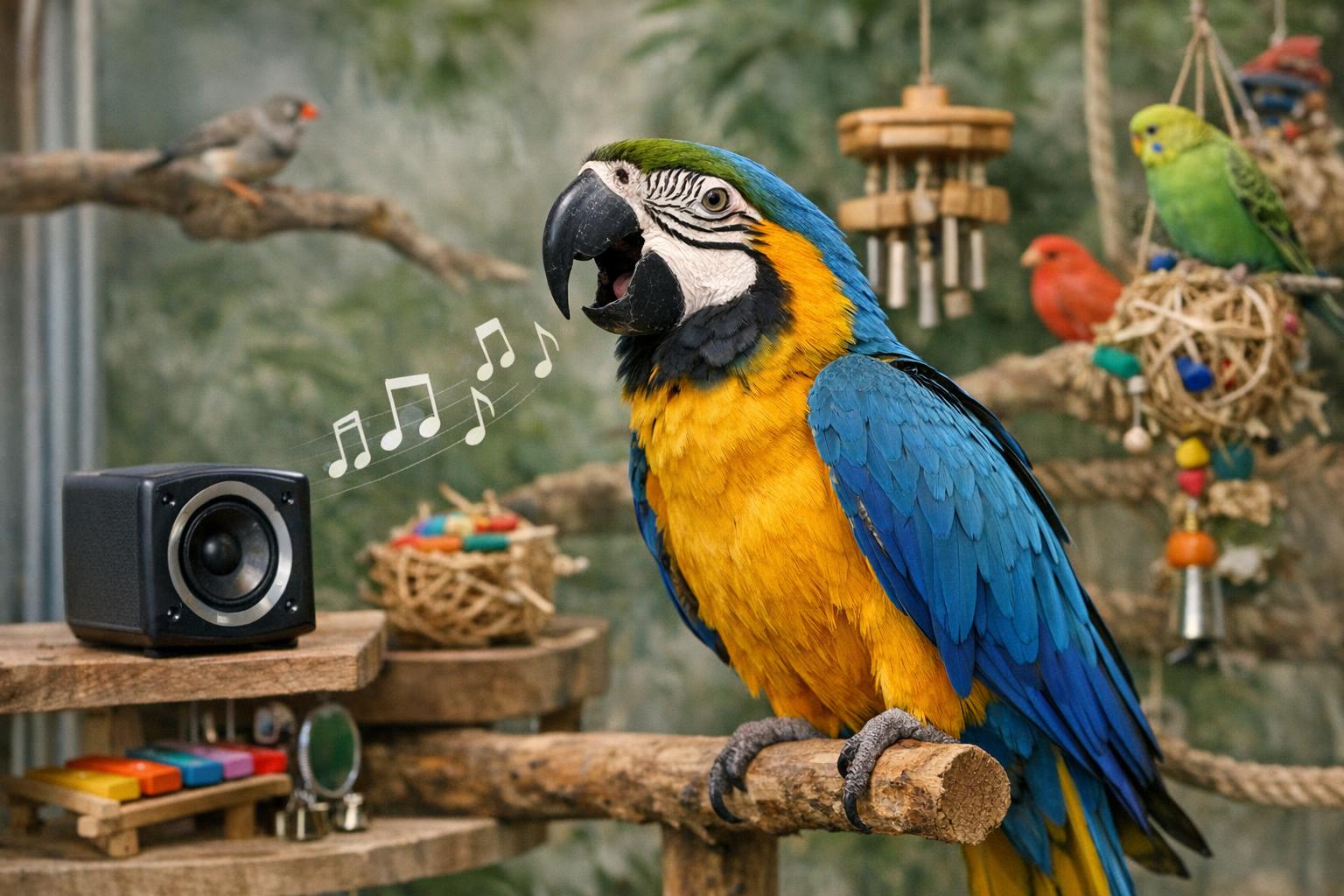
Routine is underrated. A consistent feeding time, a predictable place to bathe, and regular short out-of-cage periods will add up. Molting birds conserve energy; avoid long training sessions or new disruptive routines during the heavy phase. Keep social interactions steady but lower intensity. Short cuddles are fine; rough handling is not.
Hand feeding or more direct interaction can backfire if it stresses the bird. Watch their body language. Eyes half-closed, head tucked, or rapid breathing are clear signs to stop. On the other hand, for birds that hide during molt, soft talking and gentle presence without touching can be incredibly calming.
### Handling And Interaction
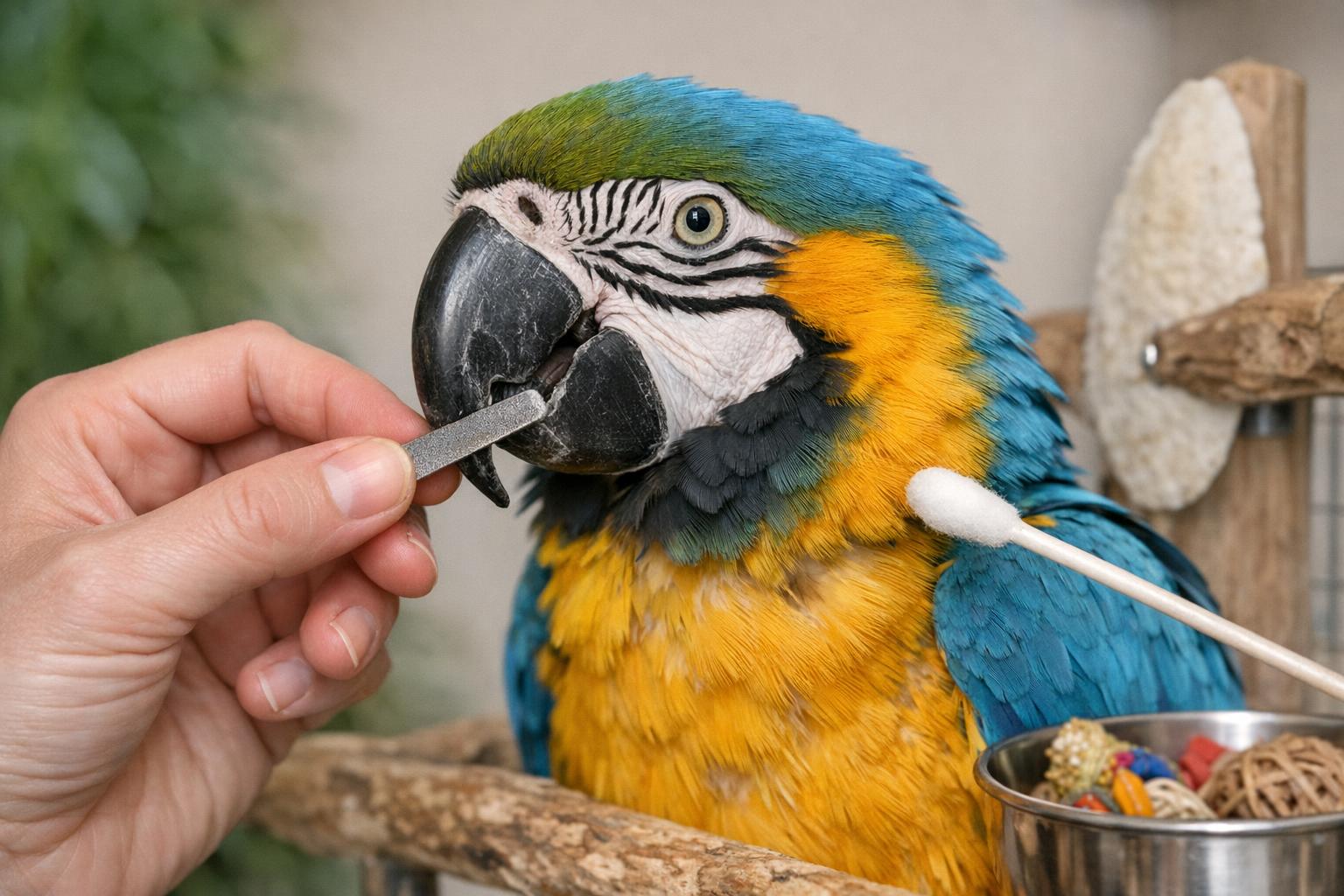
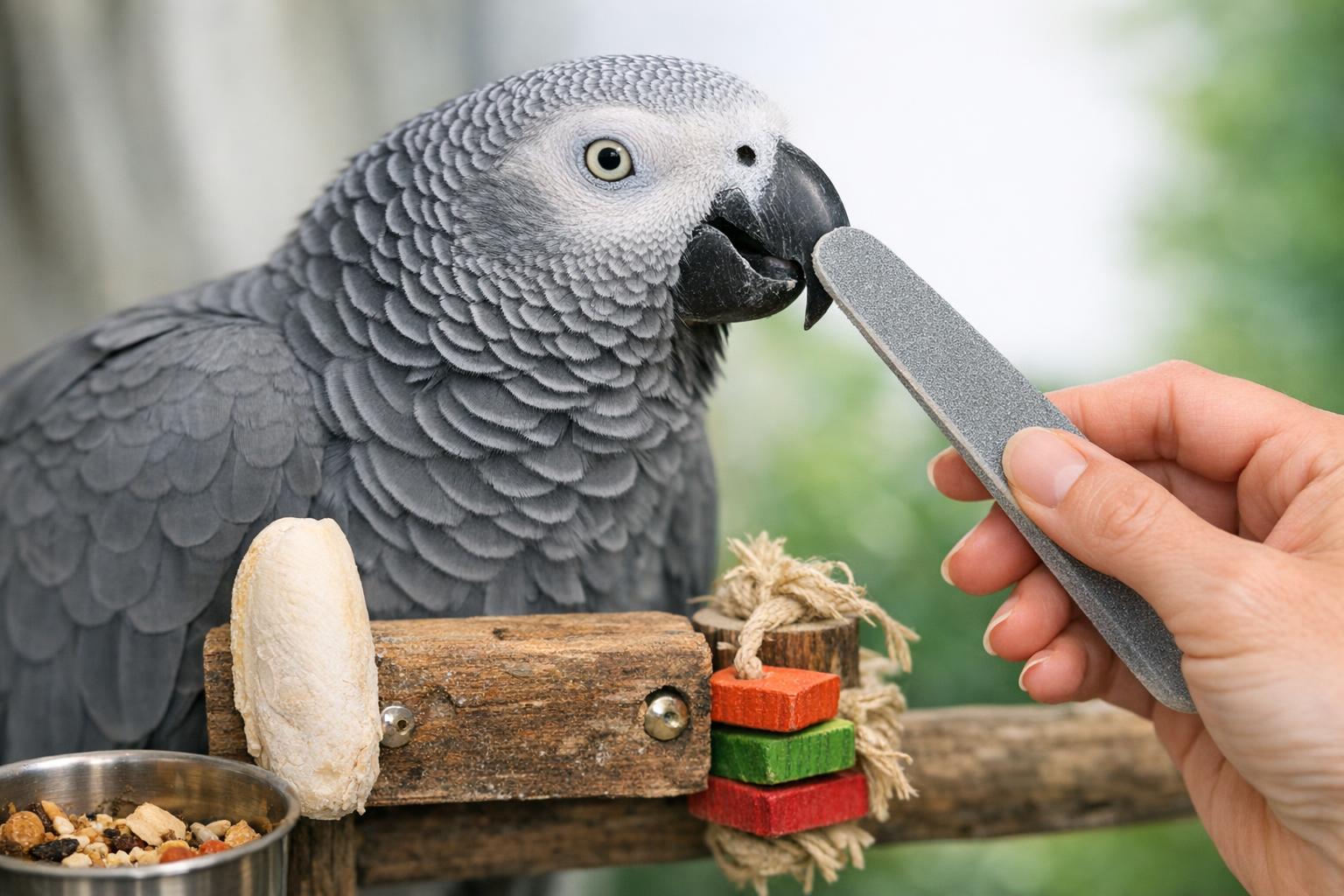
Don’t reach into the cage and attempt to “fix” a stuck feather. New pin feathers are tender and bleed easily. If your bird flinches when you touch a wing, leave it be. For birds that accept handling, support the body and avoid pinching near feather bases. Short, quiet handling sessions—ten minutes at most—work better than prolonged grooming.
When a bird is losing flight feathers, clipping should be avoided unless the bird’s safety is at stake. Molting birds need to exercise wings carefully to avoid trapped feathers or broken quills. Supervised out-of-cage time in a safe room provides exercise while reducing the risk of broken feathres.
#### When To See A Vet
If feathers are falling in clumps, there’s blood beyond tiny pin feather bleeds, or you notice bald patches with scaly skin, get veterinary help. Rapid weight loss, puffed appearance for multiple days, or unusual droppings are other red flags. A vet can check for parasites, nutritional deficiencies, or underlying disease that simple pre-molt care for birds won’t fix.
## Common Mistakes In Pre-Molt Care For Birds
People try to “help” with too much of a good thing. Over-supplementing vitamins, especially fat-soluble types, causes toxicity. Flooding a bird’s diet with seeds and treats while claiming it’s supportive is another common error. The result is poor feather quality despite enthusiastic feeding.
Changing housing mid-molt happens more often than you’d think. New cages, new perches, or moving the cage to a new room raises stress hormones and delays feather regrowth. Stick to small, manageable changes: swap one perch at a time, not the whole setup. Also avoid excessive bathing frequency; too much moisture combined with cold can chill the bird.
Poor timing of light adjustments is another misstep. Owners turning on bright lights to “wake” their bird during molt can backfire, disrupting circadian cues. Light management is part of bird molt care and deserves attention equal to food.
### Quick Troubleshooting For Patchy Feathers
If a patch refuses to fill in after a month, revisit diet first. Increase digestible protein gently, check calcium sources, and cut back on fatty treats. If behavioral causes are possible, look at social stressors: new pets, construction noise, or a nearby predator cat visible through the window. For suspected parasitic causes, capture clear photos and take them to your vet before attempting any treatment; misdiagnosing mites leads to unnecessary medications.
Record what you change and give each tweak at least two weeks before declaring it ineffective. Feathers don’t regrow overnight. Expect slow, steady improvement rather than dramatic overnight results. Trust the timeline and focus on steady, sensible pre-molt care for birds — it’s the way to inch toward bold molting wins tonight and in the seasons to come.




Leave a Reply