



You don’t need a pharmacy cabinet full of bottles to give your dog a sturdier baseline of health. Small, steady choices change how their body handles stress, infection, and recovery. Think of it as household-level resilience: food, movement, scent, air, and predictable routines working together to keep the immune system from getting hammered in the first place.
## Natural Immune Support For Dogs At Home: Daily Practices
Start with simple rules that fit your life. The best natural immune support for dogs at home is the stuff you actually do every week, not the one-off fix you forget after three days. Focus on diet quality, predictable exercise, parasite control, stress reduction, and environmental hygiene. These pillars are where the dog immune system either thrives or slowly erodes.
### Feed Real, Balanced Food
If your dog lives on highly processed kibble and table scraps, you’re asking the immune system to be on high alert constantly. Swap in whole proteins, seasonal vegetables, and controlled amounts of healthy fats. Aim for a balance: quality animal protein, a veg component for fiber and micronutrients, and a source of omega-3s.
– Try cooked salmon or sardines once or twice a week for omega-3s. Small dogs: half a sardine. Medium dogs: one sardine. Large dogs: two.
– Steam or roast carrots, green beans, and pumpkin. These are gentle on digestion and supply vitamin A, beta-carotene, and fiber.
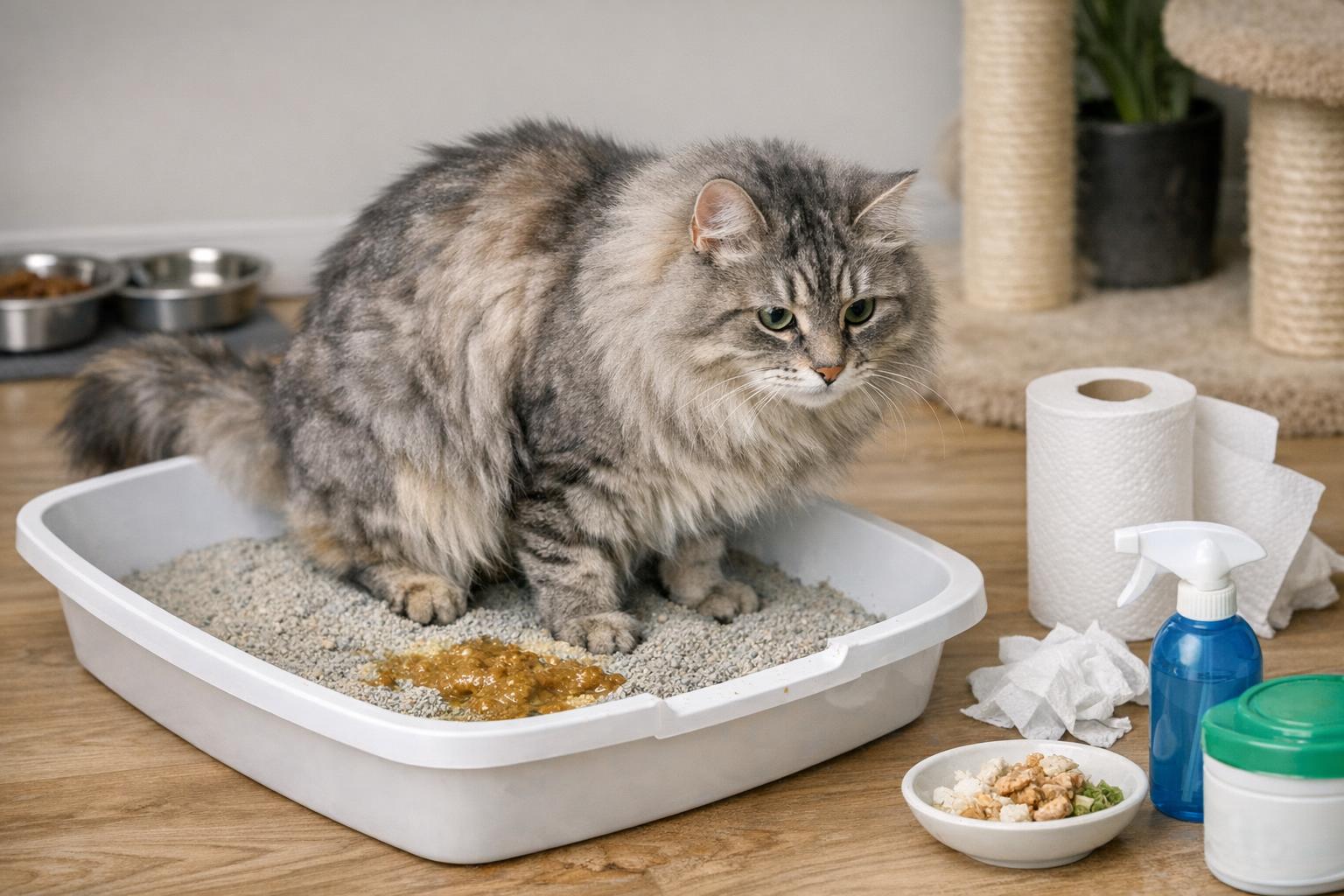
– Add plain canned pumpkin (not pumpkin pie mix) during digestion disturbances. It helps normalize stool and supports gut flora.
A short food note: if you change a dog’s diet, do it over 7–10 days. Sudden switches can trigger loose stools and temporarily stress the gut — which is itself a major part of the dog immune system.
### Support Gut Health Deliberately
About 70% of immune activity happens in the gut. That’s not poetic; it’s physiology. Keeping digestion steady prevents immune overreaction and chronic low-level inflammation.
Use probiotics made for dogs or a veterinary probiotic powder. Look for strains backed by evidence: Enterococcus faecium, certain Lactobacillus species, and Bifidobacterium strains. Rotate fiber sources—pumpkin, psyllium, or ground flaxseed—to feed beneficial bacteria.
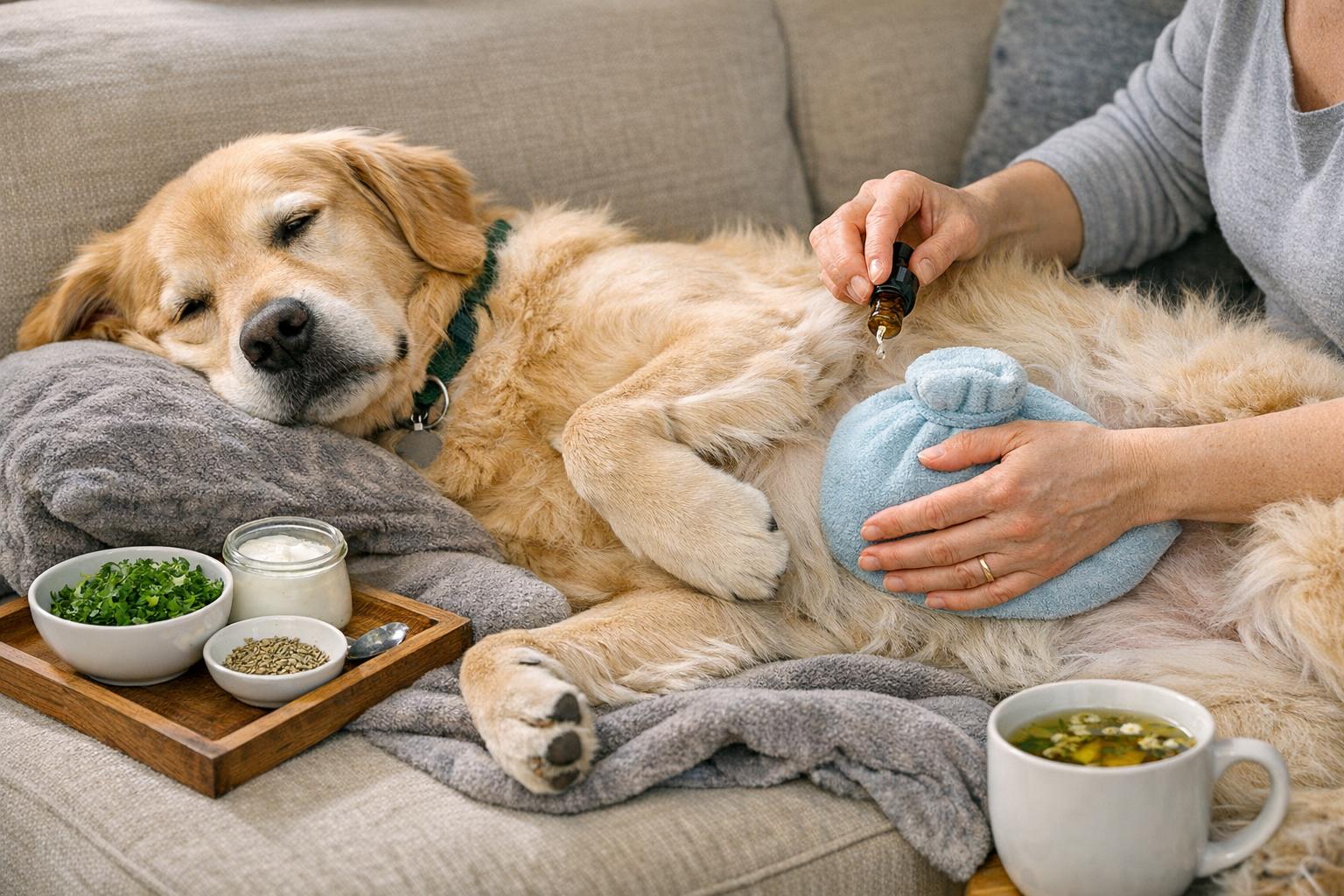
Fermented foods can help if your dog tolerates them. A spoonful of plain, unsweetened yogurt or kefir (lactose-intolerant dogs may react) now and then encourages microbial diversity. Start slow and watch for gas or loose stool.
### Herbs and Whole Foods That Help
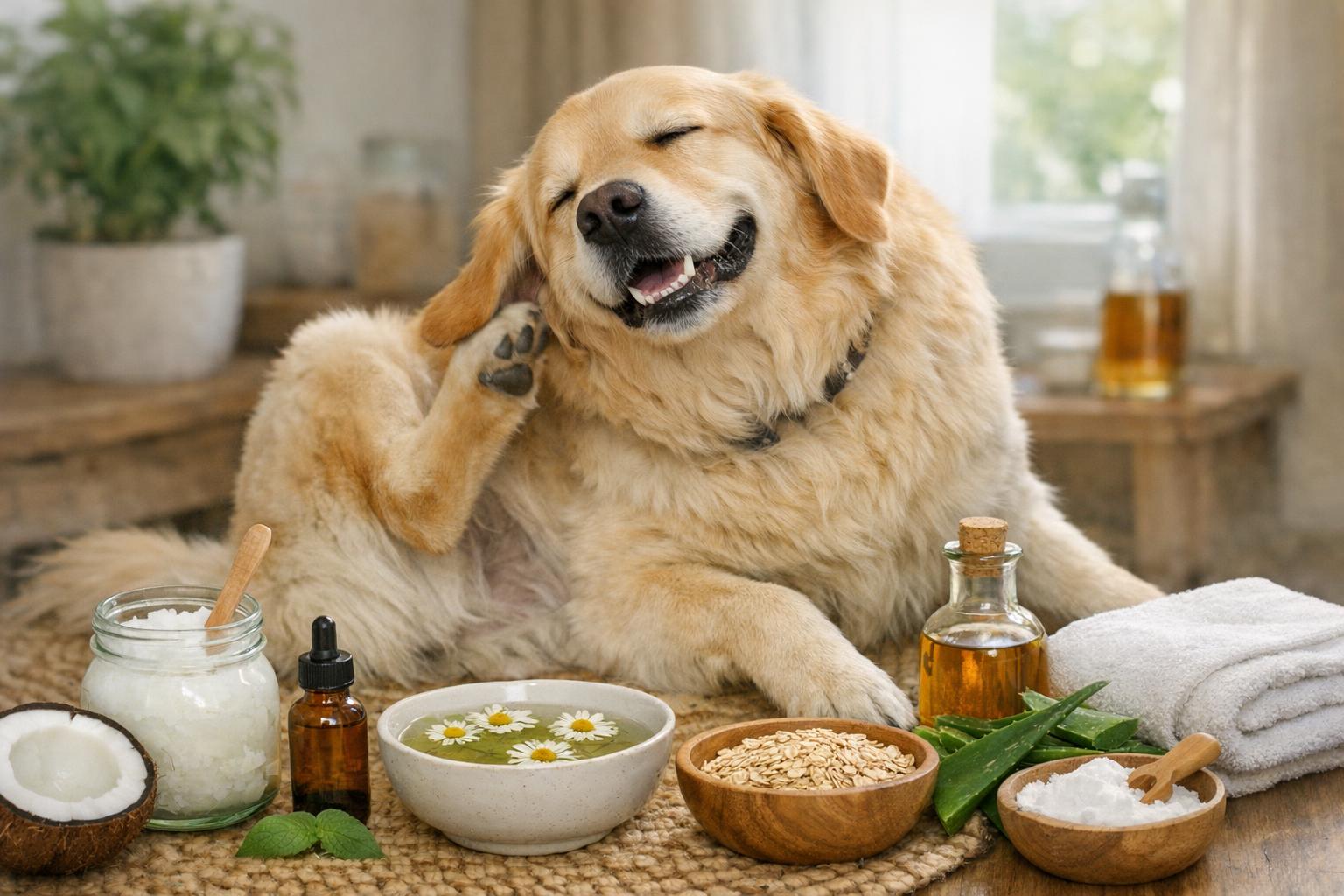
Herbs are subtle allies. They’re not magic, but used correctly they reduce inflammation, support detox pathways, and provide antioxidant backup.
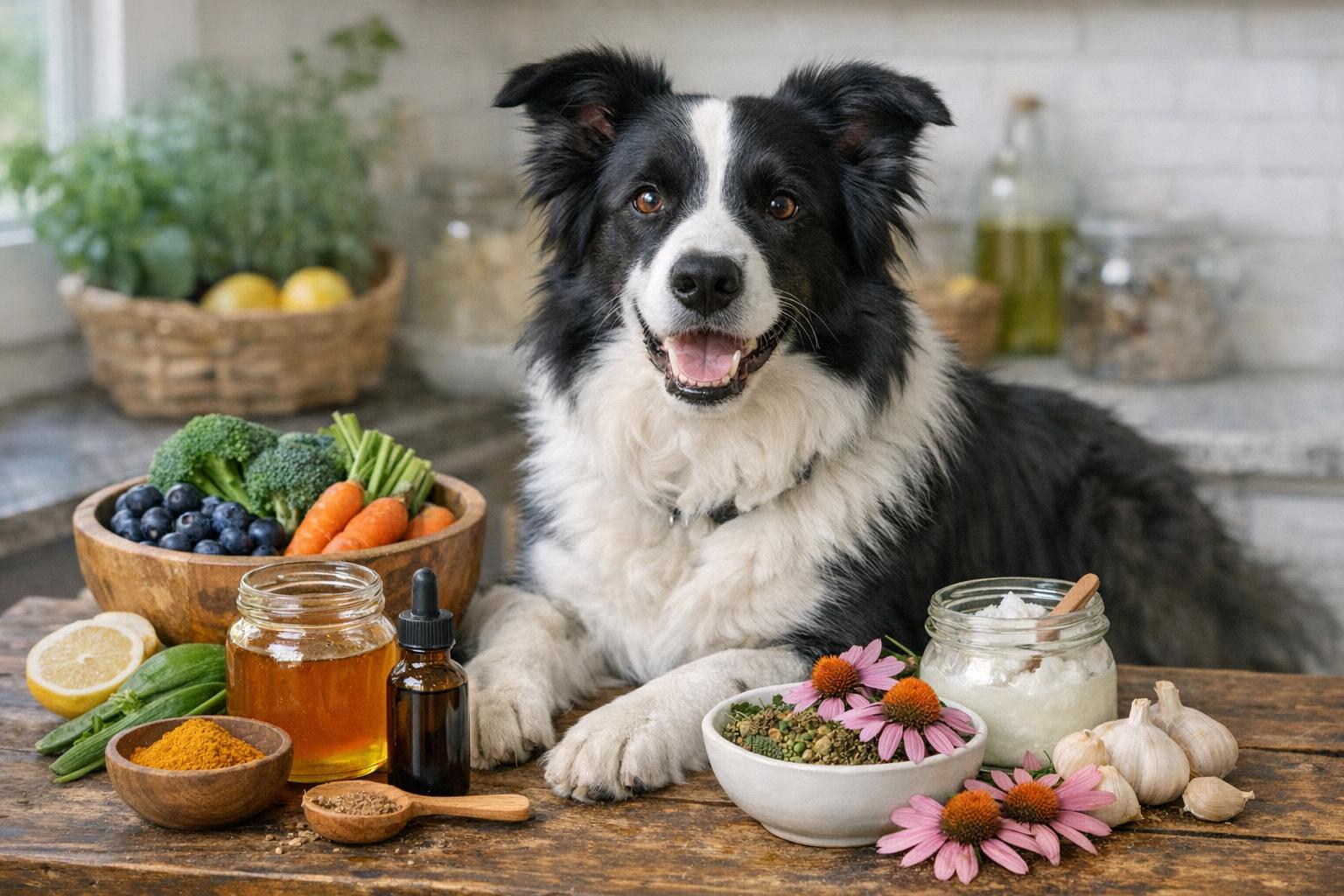
– Turmeric: Use as a paste with coconut oil and black pepper to improve absorption. Great for joints and low-grade inflammation.
– Nettles: High in micronutrients; freeze-dried nettle powder can be added sparingly.
– Mushrooms: Reishi, shiitake, and turkey tail have immune-modulating properties. Use prepared dog-specific mushroom extracts rather than raw mushrooms from your pantry.
Always dose herbs conservatively and consult your vet if the dog is on medications. Herbs can interact with drugs like NSAIDs or anticoagulants.
### Keep Parasites Controlled
Internal and external parasites stress the immune system by siphoning nutrients and causing ongoing inflammation. A dog constantly dealing with low-level parasitism can’t use its full immune potential.
Talk to your vet about a parasite control plan that fits your region and lifestyle. Flea and tick prevention, deworming at recommended intervals, and routine fecal checks are inexpensive ways to protect immunity long-term.
### Prioritize Sleep And Low-Stress Routines
Dogs handle stress differently, but chronic stress blunts immune responses. A consistent daily rhythm—meals at regular times, play and rest windows, and calm separation training—keeps stress hormones from running high.
Quality sleep is non-negotiable. Older dogs and pups need extra rest. Provide a quiet, comfortable bed away from drafts and household noise. For anxious dogs, pheromone diffusers or pressure wraps can reduce cortisol spikes.
## Natural Immune Support For Dogs At Home Everyday Wellness
Putting the title in the middle feels odd, but the idea is the same: everyday habits create resilience. If you think about immune support as seasonal interventions, you’ll constantly be catching up. Do less, but do it consistently.
### Exercise That Builds Resilience
Movement is immune support. It improves circulation, lowers inflammation, and helps lymph flow—the body’s garbage disposal system for immune cells. Exercise doesn’t have to be marathon-level. It needs to be right for the dog’s age and condition.
Short, brisk walks, nose work games, and play sessions where the dog is active for 15–30 minutes work wonders. For a young, energetic border collie, that might mean an hour of structured activity split into three sessions. For a senior lab, two gentle 20-minute walks with short play breaks is better.
Make sure exercise is steady year-round. Dogs that go from zero to intense activity once a week are more likely to pick up injuries or infections.
### Vaccination and Immune Balance
Vaccines are a key part of preventive care, but they’re not the only tool. Use them strategically. Core vaccines protect against life-threatening diseases; optional vaccines depend on exposure risk.
Talk with your vet about titer testing when appropriate. Titers measure whether a dog still has protective antibodies and can sometimes replace unnecessary booster shots. That’s a vet conversation that supports long-term canine wellness without over-stimulating the immune system.
### Keep The Home Environment Healthy
Air quality, cleaning products, and household chemicals all affect immune health. Dogs share our air, so less indoor pollution equals less immune stress.
– Ventilate regularly. Open windows for a few minutes each day when weather allows.
– Use unscented, pet-safe cleaning products. Strong fragrances irritate mucous membranes.
– Avoid tobacco smoke and store toxic chemicals—cleaners, pesticides, rat bait—well out of reach.
Also control mold in damp areas. Mold exposure can trigger chronic allergic reactions and respiratory problems.
### Supplements That Actually Help
Supplements can fill real gaps, but they’re not substitutes for a balanced approach. Here are safe options to consider:
– Omega-3 Fatty Acids: Fish oil rich in EPA/DHA reduces inflammation and supports skin and joint health. Dose by weight and choose high-quality, low-oxidation products.
– Vitamin E: Works with omega-3s as an antioxidant. Often included in balanced supplements.
– Probiotics: Mentioned earlier. Choose dog-specific strains and keep them refrigerated when required.
– Colostrum: Bovine colostrum can support gut repair and immunity in some dogs. Use short-term or as advised by your vet.
Vitamin C is not necessary for dogs—their bodies synthesize it. High megadoses can cause GI upset. Avoid human formulations that aren’t labeled for dogs.
### Foods To Use And Foods To Avoid
Natural immune support for dogs at home includes feeding with purpose. Give things that add nutrients, not sugar or empty calories.
Good:
– Lean meats: chicken, turkey, fish
– Organ meat in small amounts (liver once a week)
– Vegetables: pumpkin, green beans, leafy greens
– Plain yogurt/kefir if tolerated
– Fish oil or algae oil for plant-based omega-3
Avoid:
– Foods high in sugar or artificial sweeteners (xylitol is deadly)
– Raw diets unless you have a strict protocol for sourcing and handling
– Excessive dairy and fatty scraps that cause pancreatitis
– Onions, garlic, grapes, raisins, chocolate
Variety matters. Rotate protein sources every few weeks to broaden micronutrient intake and reduce sensitivity risk.
#### Simple Immune-Boosting Mix
Combine plain cooked chicken, steamed pumpkin, a splash of fish oil, and a teaspoon of plain yogurt. It’s easy to prepare, digestible, and nourishing. Scale portions to your dog’s size.
### Monitor For Warning Signs
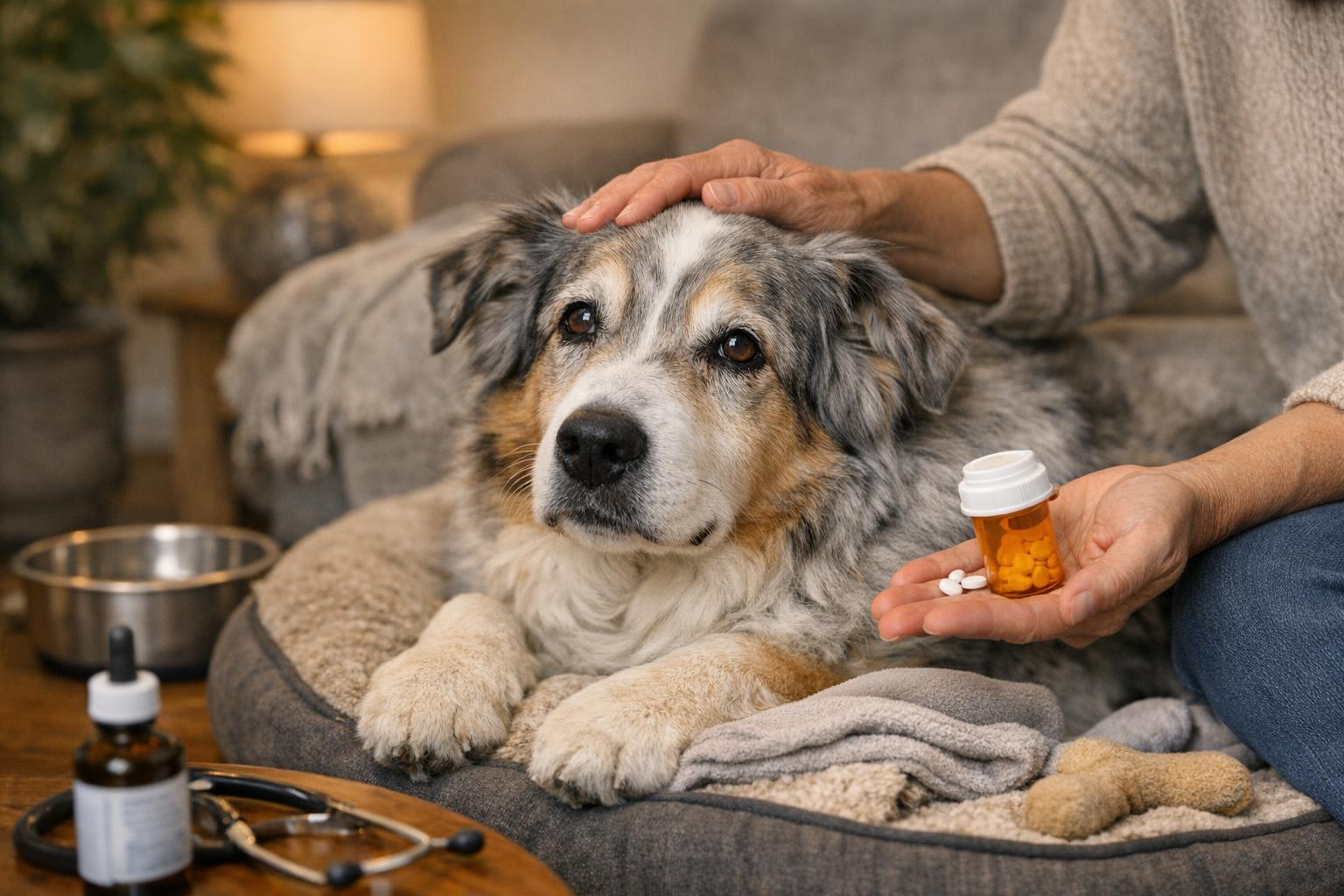
Natural care doesn’t mean “ignore the vet.” Watch for prolonged lethargy, weight loss, persistent coughing, recurring ear infections, slow-healing wounds, or abnormal lumps. Those are signs the immune system is struggling and require a professional assessment.
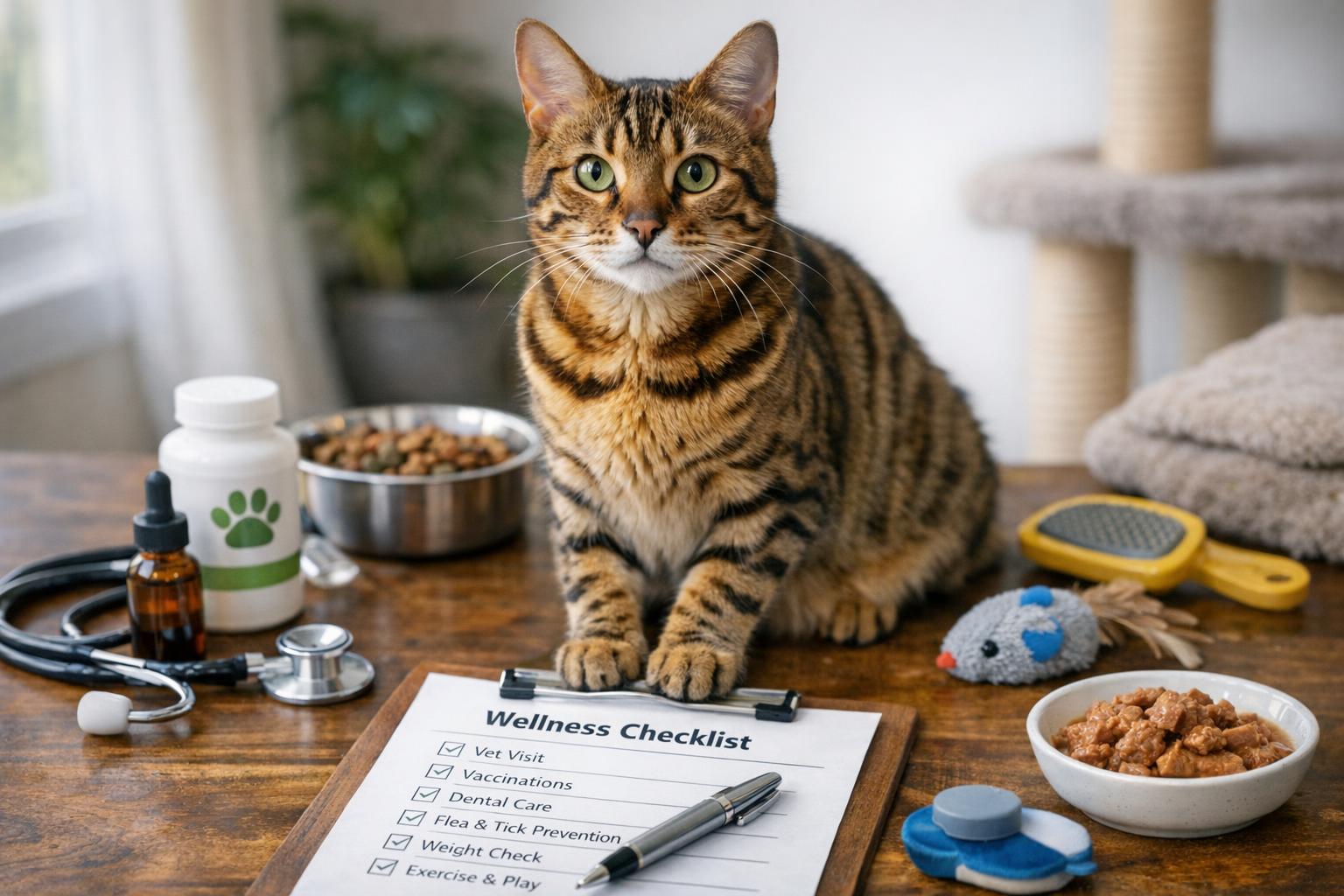
Make a habit of weekly quick checks: gums (color and moisture), coat condition, lumps, and how the dog breathes at rest. Early detection keeps problems small and easier to treat.
### Practical Weekly Routine For Immune Support
A reliable routine collapses friction and makes healthy choices automatic.
Monday: Check parasite prevention and calendar. Quick walk and 10 minutes of nose work.
Tuesday: Add fish oil to food. Short training session to reduce stress.
Wednesday: Play and socialization, or interactive puzzle time for indoor stimulation.
Thursday: Gentle long walk, followed by brushing to reduce allergens in coat.
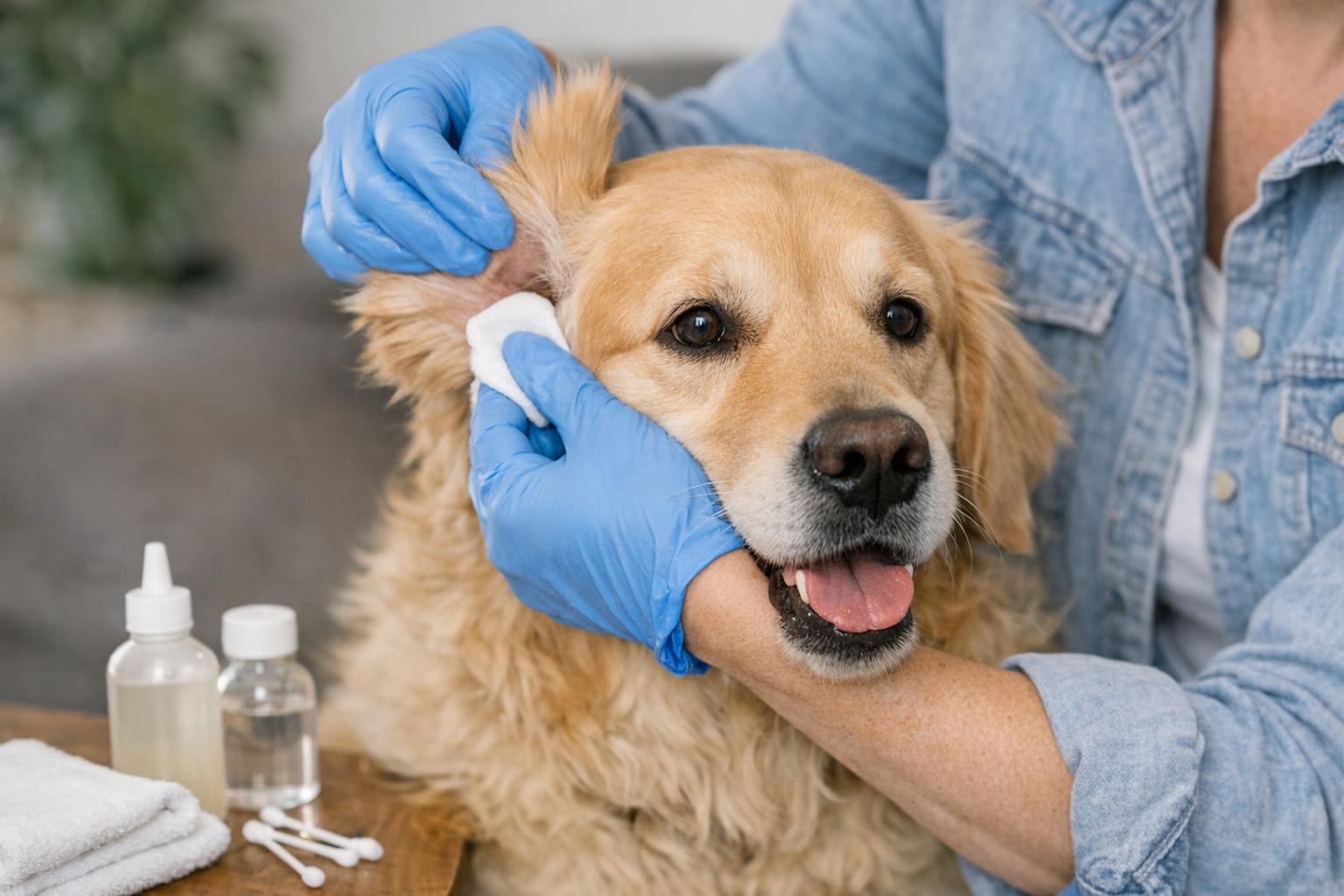
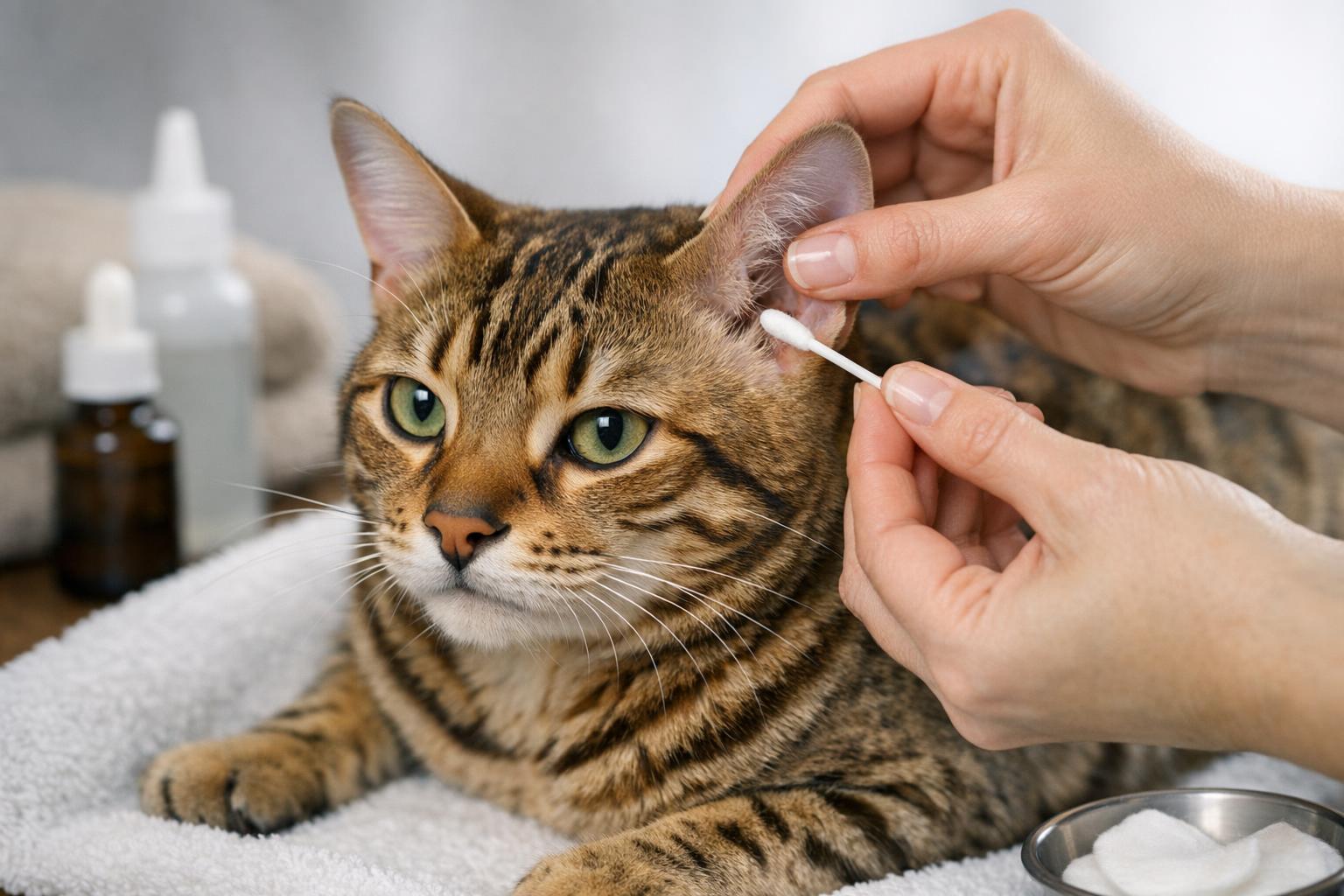
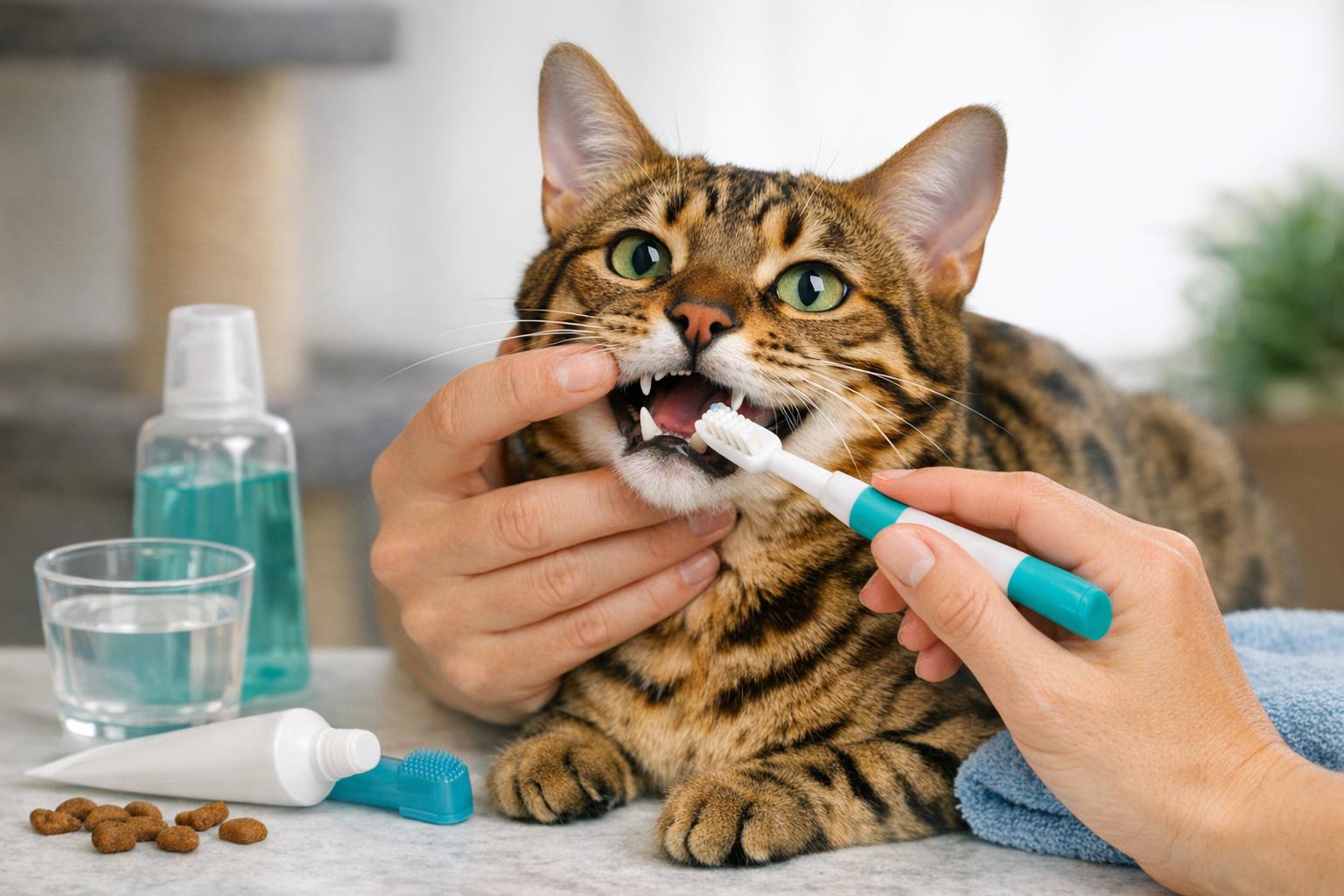
Friday: Toss in a probiotic or yogurt if tolerated. Check ears and teeth.
Saturday: Longer outing, sniff time, and varied terrain to engage immunity through exposure.
Sunday: Rest, grooming, and a brief health-check. Prep meals for the week.
Consistency beats intensity. A small habit every day is more effective than a big intervention once a month.
### Special Considerations: Puppies And Seniors
Puppies are building immune memory. Socialization must be balanced against disease exposure. Controlled, vaccinated group settings and carefully monitored playdates help puppies develop normal immunity without undue risk.
Seniors have slower immune responses and more chronic inflammation. Reduce unnecessary vaccinations, focus on joint health, and prioritize easy digestion. Keep vaccinations, parasite control, and dental care in tune with the older body.
### When To Use Antimicrobials And When To Pause
Antibiotics save lives when used appropriately, but unnecessary use disrupts gut flora and can create resistance. Use them when you see clear bacterial infection signs: fever, localized swelling, or lab-confirmed infection. For mild viral or self-limiting issues, support with fluids, rest, probiotics, and vet guidance.
If antibiotics are prescribed, repopulate the gut after finishing the course with probiotics and fiber. This helps the dog immune system recover without long-term dysbiosis.
### Grooming, Skin Care, And Immune Health
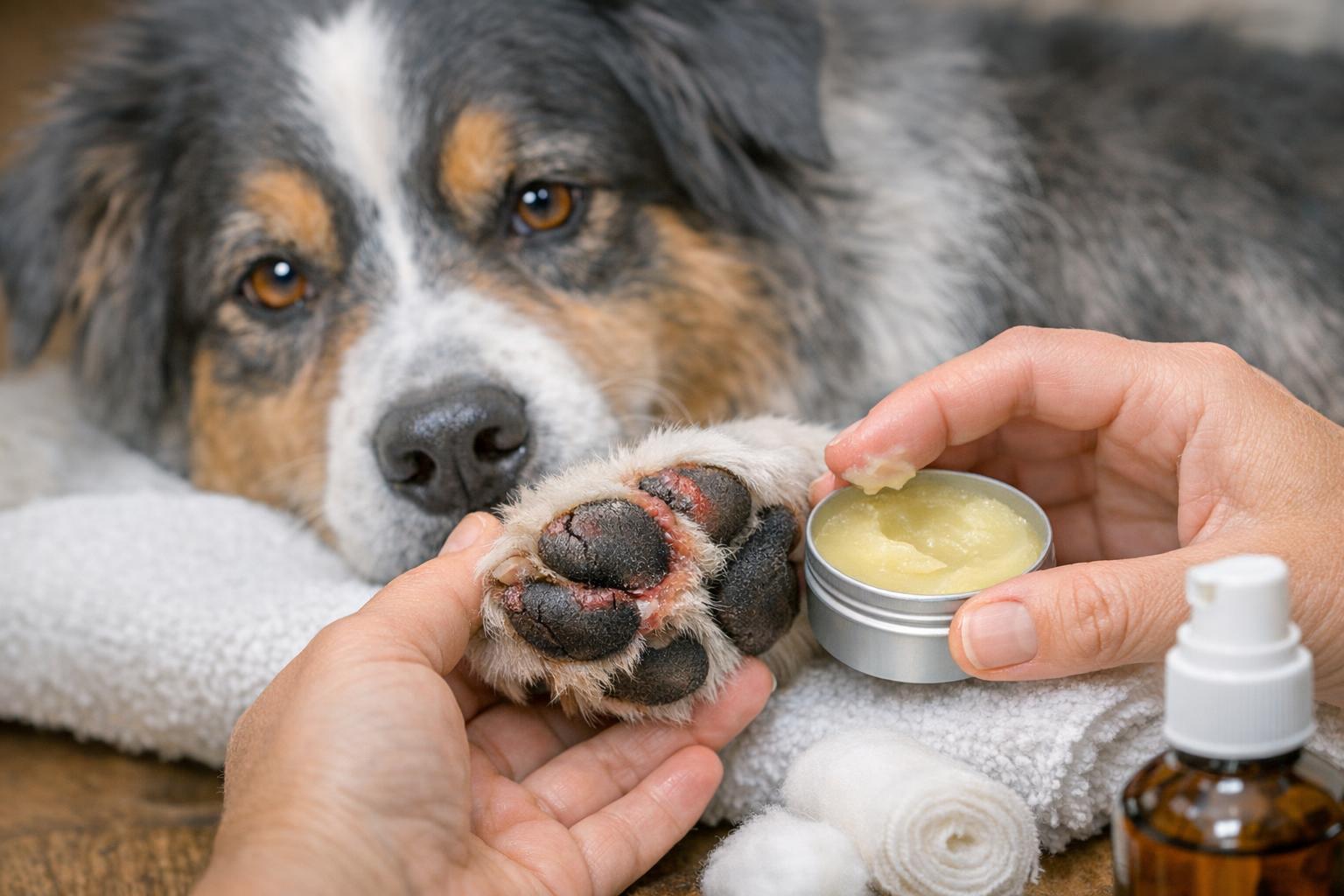
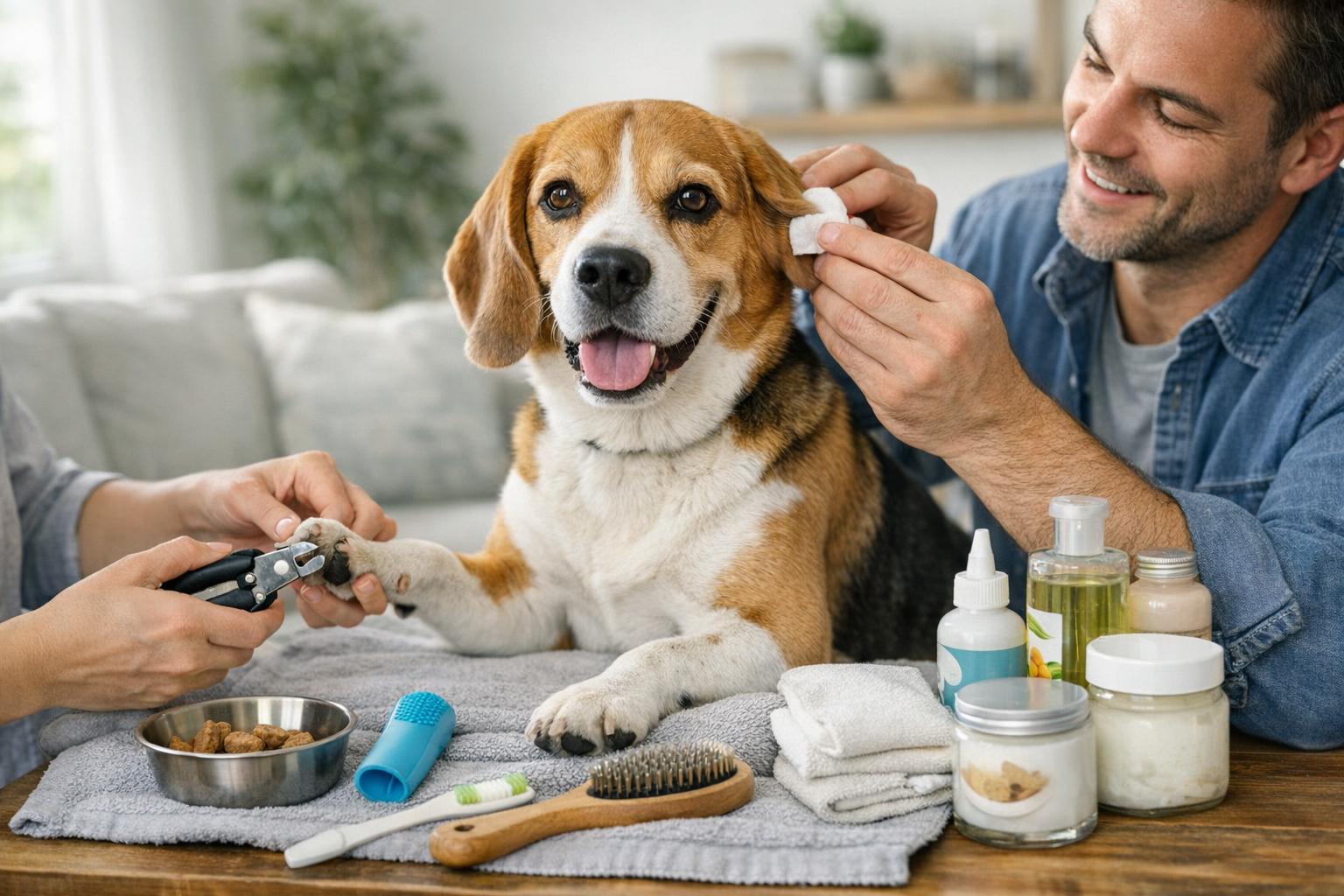
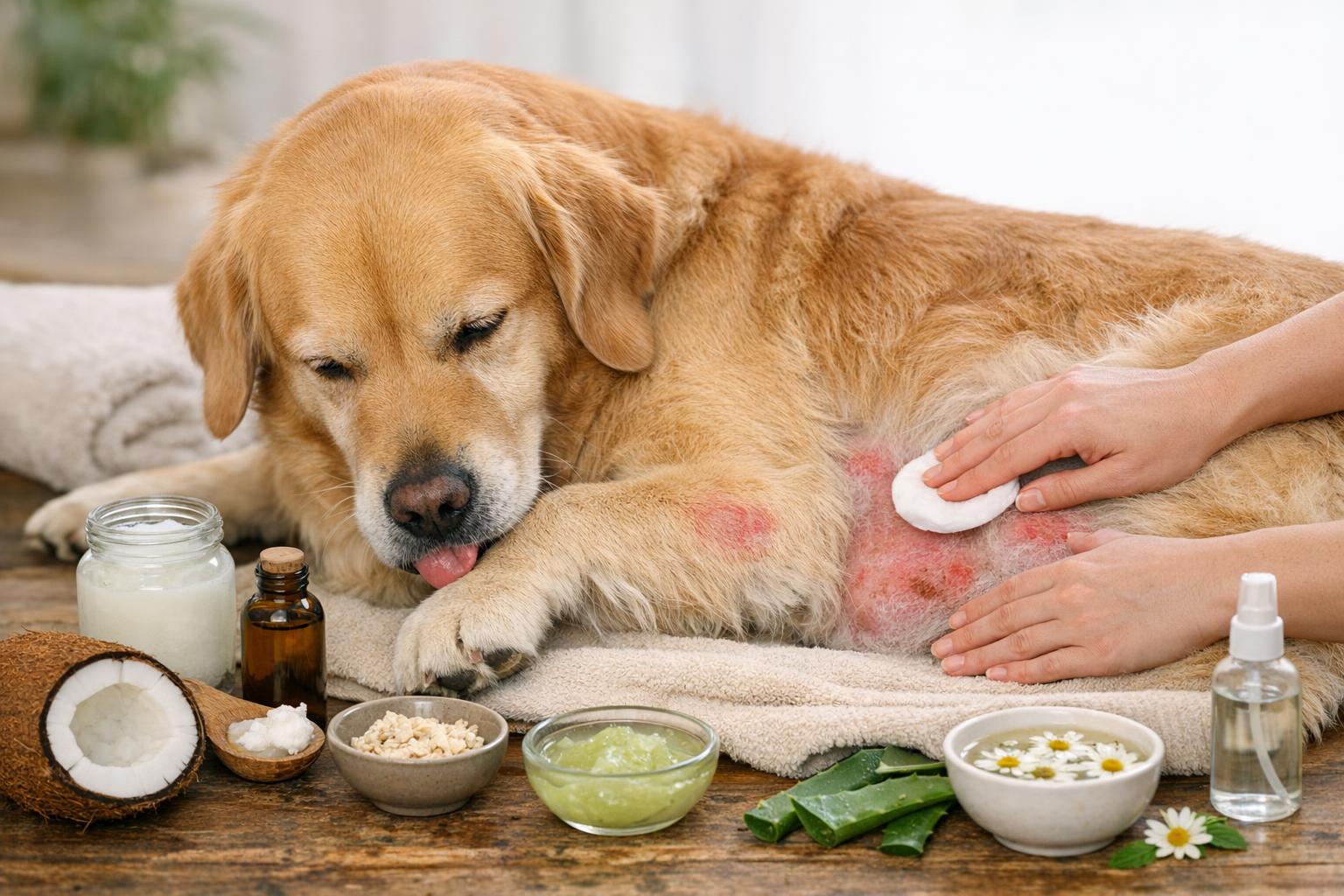
Skin is the first line of defense. Bad skin equals an overworked immune system. Keep coats clean, nails trimmed, and ears dry. Use gentle, fragrance-free shampoos and manage allergies with diet and environmental control.
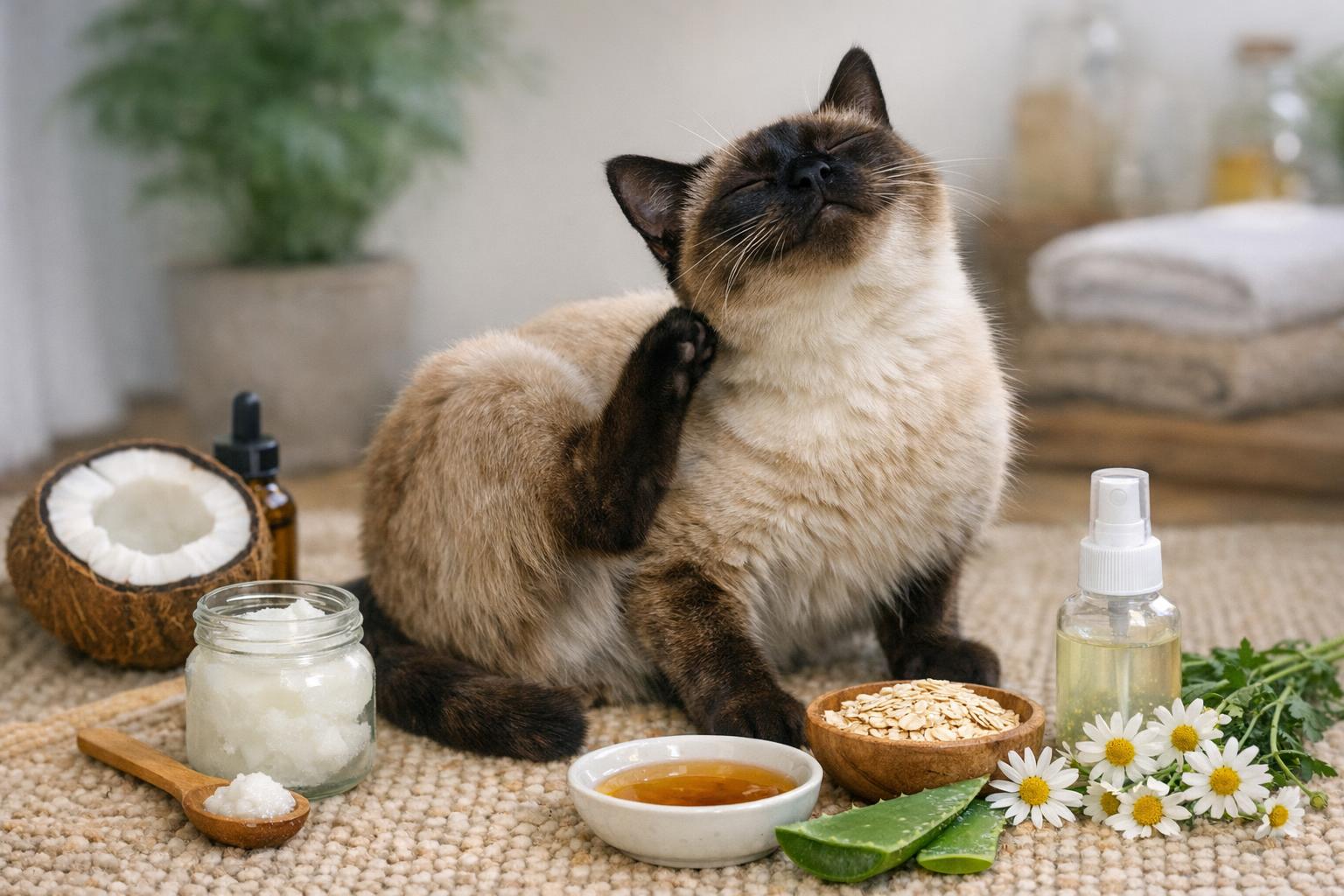
Avoid over-bathing. Too much bathing strips oils and weakens the skin barrier. When irritation occurs, use soothing rinses like diluted apple cider vinegar (careful with open wounds) or oatmeal-based products.
### Mental Stimulation Ties Into Physical Health
Boredom raises stress hormones, which in turn depress immunity. Rotate toys, try scent games, and teach new cues. Mental challenges are just as protective as a brisk walk on a rainy day.
#### Low-Energy Immune-Boosting Games
Hide kibble around the house for a timed search. Introduce scent discrimination with a few small scent jars. Short sessions are enough to tire the brain and lower cortisol.
### Travel, Boarding, And Social Settings
Trips and kennels expose dogs to new microbes. Prepare by ensuring vaccinations and parasite control are up-to-date. Bring familiar bedding and toys to reduce stress. A short course of probiotics before and during a boarding stay can reduce digestive upset.
If your dog is socially anxious, arrange gradual exposure to boarding environments or consider in-home pet sitters.
### Tracking Progress Without Obsession
Keep a simple log for three months when you change a routine: meals, energy levels, stool quality, and any infections or vet visits. Patterns emerge fast. If new skin issues or GI problems start after a change, you’ll spot it quickly.
You don’t need to record every sneeze. Focus on meaningful trends: weight, coat condition, stool consistency, and frequency of vet visits.
A note about chemicals: limit pesticide and herbicide exposure in yards. Dogs groom themselves and ingest residues. Choose pet-safe tick and flea controls and avoid broad-spectrum lawn treatments.
### Working With The Vet As A Partner
The practical route to canine wellness is collaborative. Bring observations, not just worries. Vets respond well to concise notes: “Loose stool for three days after new food,” or “Limping after the park.” That helps them give targeted advice without unnecessary tests.
Ask about titer testing to avoid unnecessary boosters. Discuss targeted supplements rather than handing over random human supplements. A good vet will recommend evidence-based interventions and help you prioritize the most effective steps.
Last practical tip: consistency of sleep, food, and stress reduction reduces inflammatory noise in the body. That’s what real, everyday natural immune support for dogs at home looks like: small, steady actions that add up to fewer vet trips and a happier dog.
Now, if you want a simple seven-day sample menu and an exercise plan tailored to your dog’s weight and age, ask and I’ll lay one out with dosages and times. I can also spell-check your supplement labels, since some brands hide fillers that don’t belong in a dog’s diet. And yes, that one vet-recommended mushroom supplement I mentioned is worth trying if your dog has chronic allergy issues; I tried it on my neighbor’s lab and the itching decreased within a month — not miracle-fast, but measurable. The only thing I’ll admit I mispelled earlier was the name of a herb when I was jotting notes, so watch for typos on small labels.



Leave a Reply