



## Natural Stress Relief For Cats At Home
Cats are sensitive to small changes. A moved chair, a stranger at the door, or a new scent in the house can throw them off. You can create natural stress relief for cats with basic tweaks: predictable routines, quiet refuges, and a few scent-based tools. These things don’t promise instant calm, but they stack up fast.
### Read The Signals
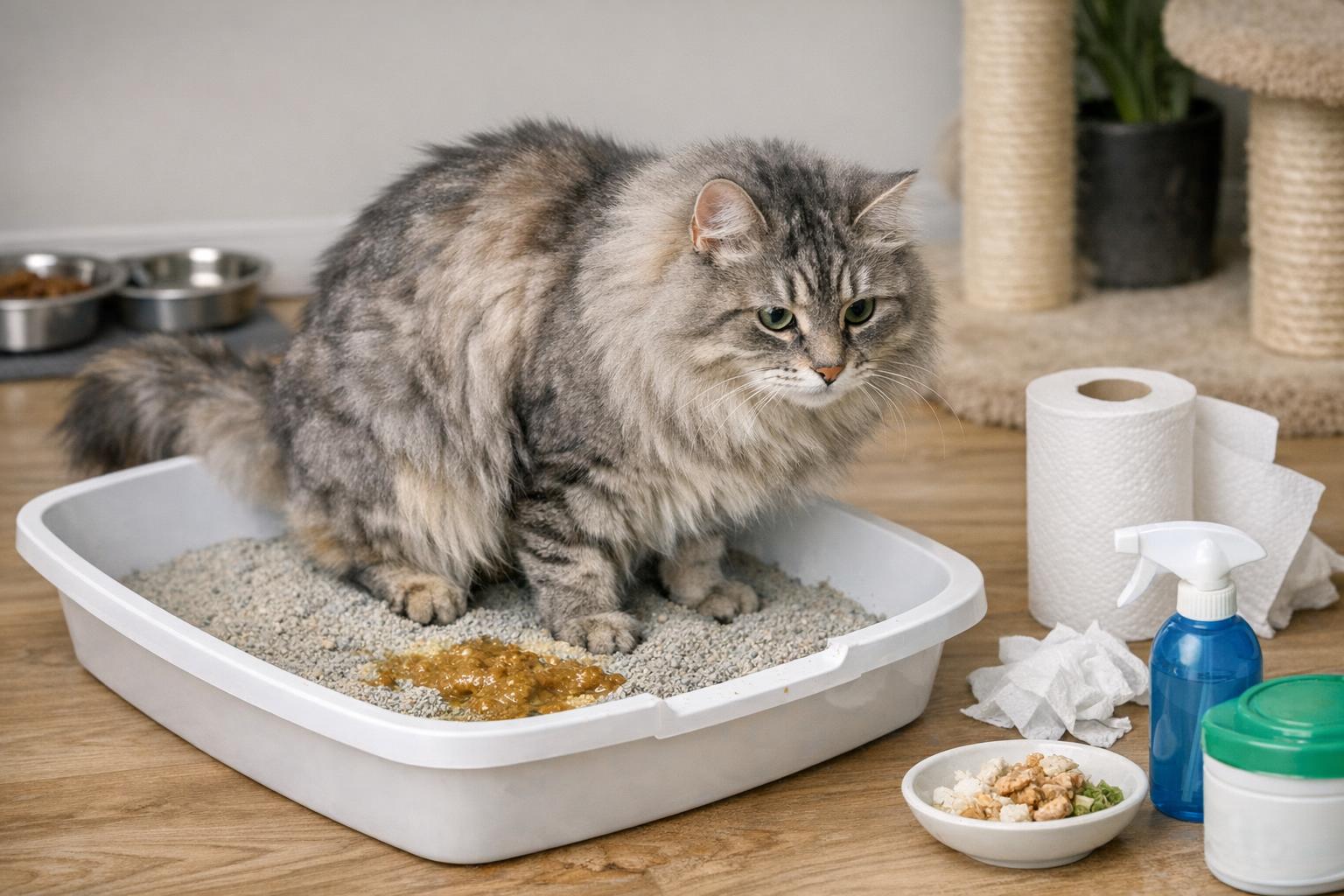
Watch posture and movement. A tucked tail, flattened ears, or dilated pupils tell you something is wrong. Sudden hiding, over-grooming, or toileting outside the litter box are all changes in cat behavior that signal stress. Notice when these happen—after a visitor, during remodeling, or around a noisy appliance—and you’ll have clues about what to change.
### Build Predictable Routines
Cats like patterns. Same feeding times, similar play windows, and a consistent bedtime signal safety. If you tend to feed at 7 a.m., try not to move that hour around. Predictable rhythms are a cheap, indirect form of natural stress relief for cats because they reduce the unknowns that trigger anxiety.
### Create A Quiet Territory
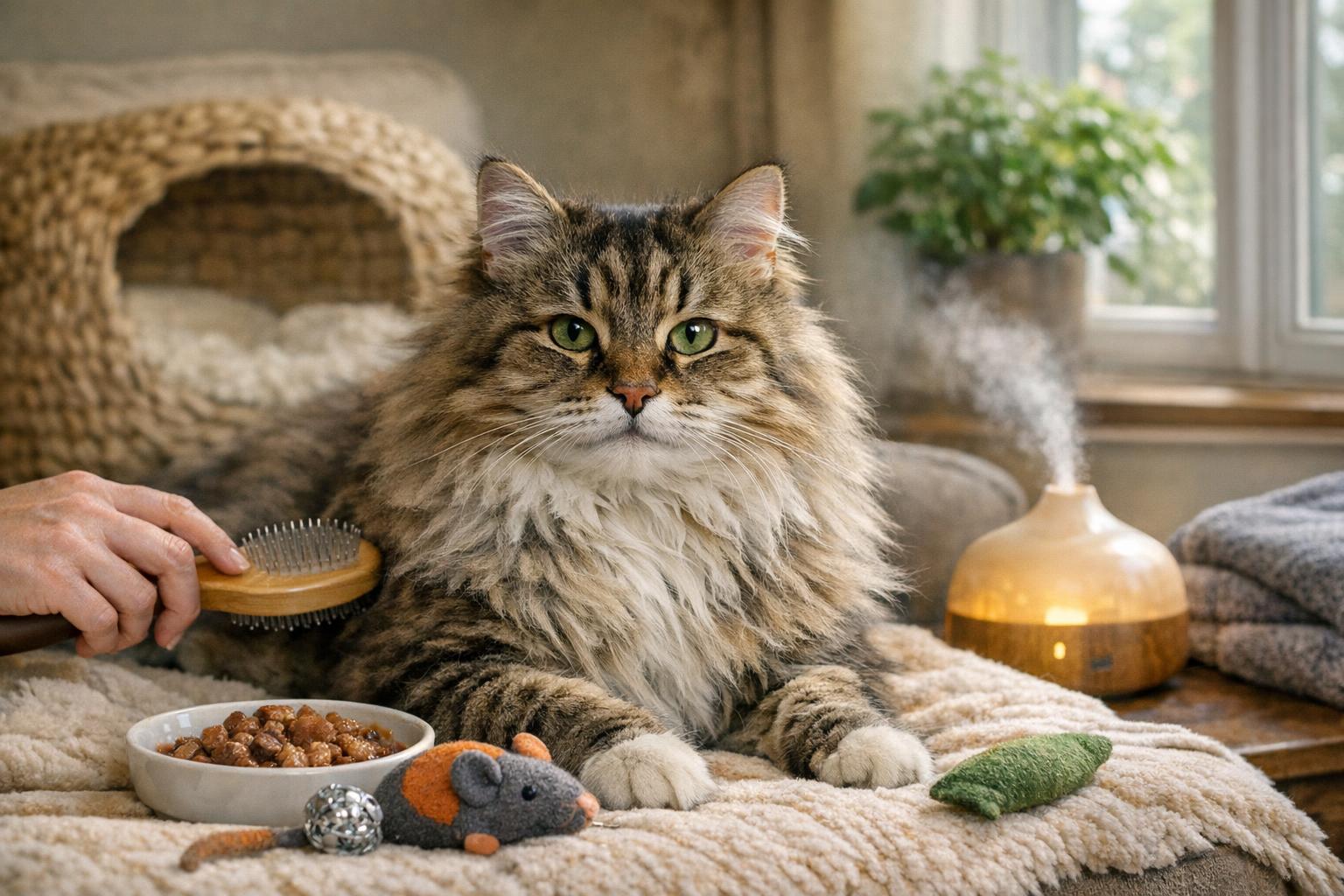
Give your cat at least one place that’s theirs alone. Elevated perches, a covered bed, or a closet shelf work. Place these safe spots away from the household’s busiest corridors. Cover floats of air with familiar scents: a worn shirt or a towel from a preferred sleeping spot. That smell anchors them.
### Use Enrichment To Redirect Energy
Play is medicine. Short, frequent play sessions encourage hunting motions, not destructive ones. Use wand toys, timed fetch, or puzzle feeders to occupy the urge to stalk and pounce. Enrichment changes cat behavior by giving them appropriate outlets, which leads to calmer interactions with people and other pets.
### Scent Tools That Help
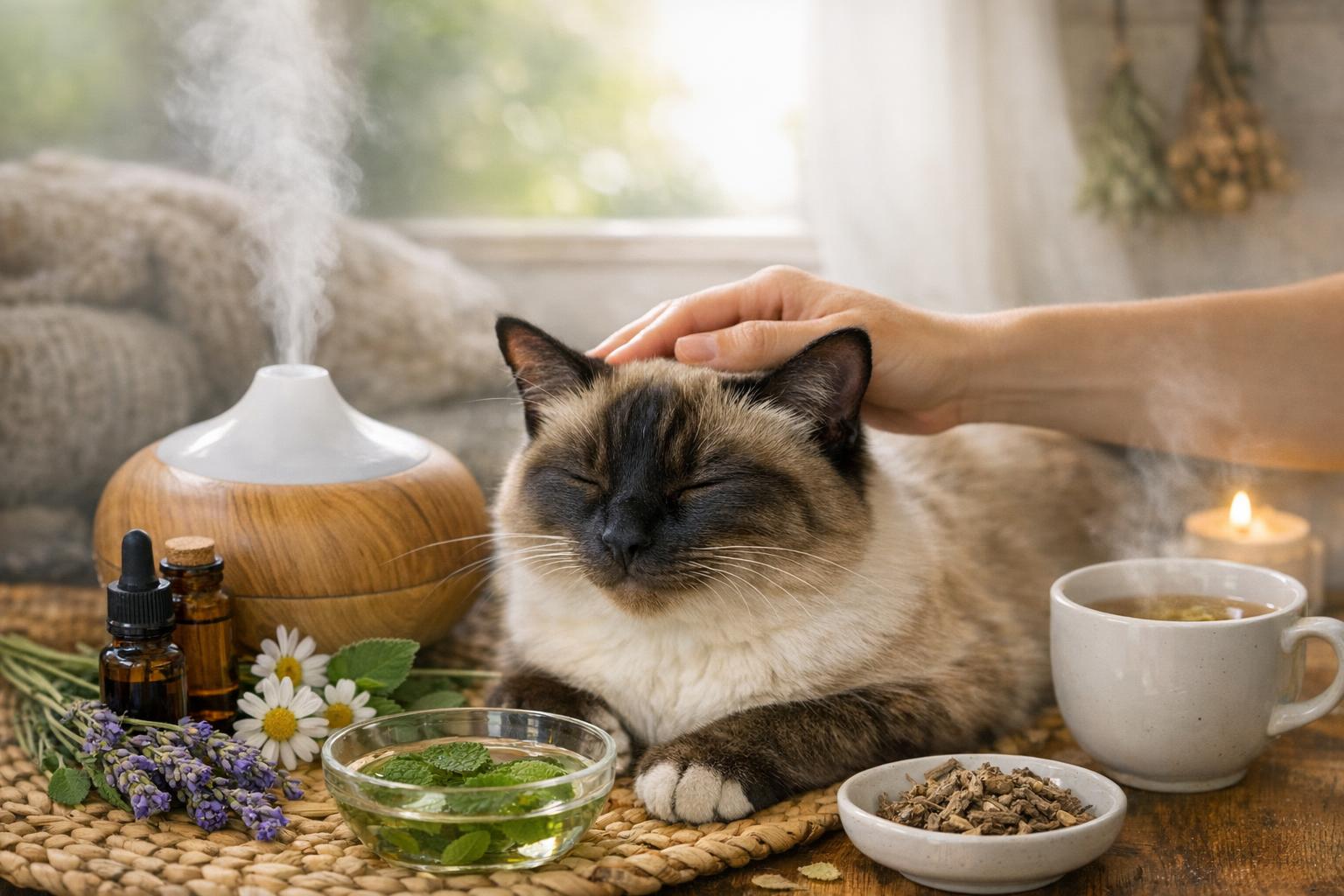
There are gentle scent-based options that support calm cats. Synthetic pheromone diffusers mimic the signals cats use to feel safe. Introduce one in the room where the cat spends most time. Lavender oil can be too strong for many felines, so avoid direct sprays and never apply essential oils to your cat. A small, low-intensity diffuser near their bed can be part of a layered approach to natural stress relief for cats.
#### Diet And Supplements
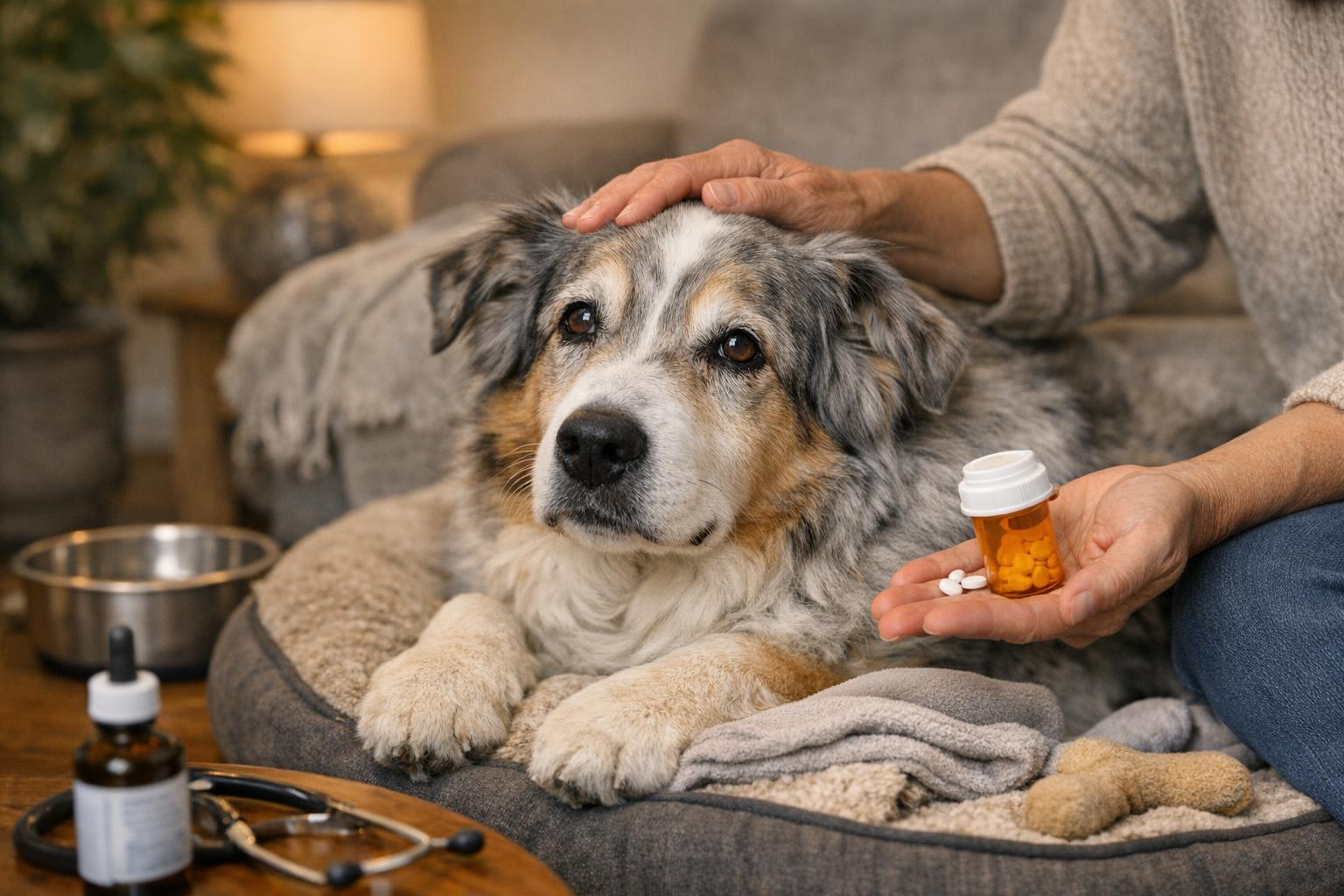
Some diets are formulated for anxiety support, with added amino acids or fatty acids. Supplements such as L-theanine or fish oil can be helpful in certain cases. Talk to your vet before starting anything new. Dosage matters. The wrong amount can be useless or worse.
#### Slow Introductions For New Members
When bringing a new person or pet home, slow the process. Keep the newcomer in one room at first. Swap bedding so both animals get used to each other’s scent. Let the resident cat approach at their own pace. These steps reduce fearful reactions and help maintain calm cats in the household.
### Handling Travel And Vet Visits
Travel and vet trips spike stress. To lessen that, make the carrier a neutral or positive place. Keep it out, open, with a comfy blanket inside so the cat can explore it on their own terms. Carry pheromone sprays on travel days. Covering the carrier with a towel during transport removes visual stressors and helps with natural stress relief for cats on the move.
### When To Seek Professional Help
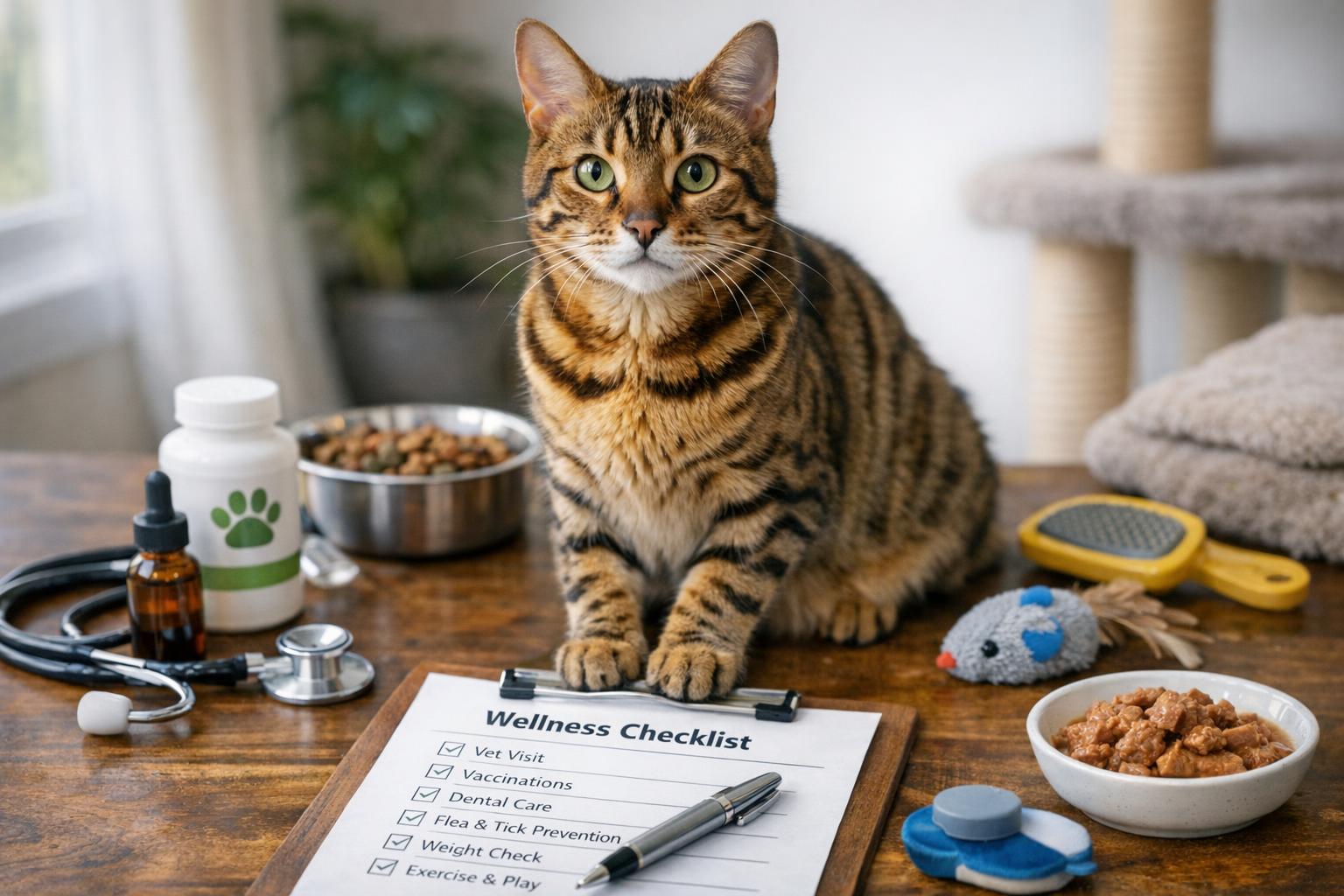
If changes in cat behavior are sudden, severe, or don’t improve with basic steps, consult a veterinarian. There may be a medical cause for stress-like behaviors. A vet can also advise on behavioral therapy or medication if needed. Getting expert input early often prevents longer-term issues.
### Quick At-Home Tactics
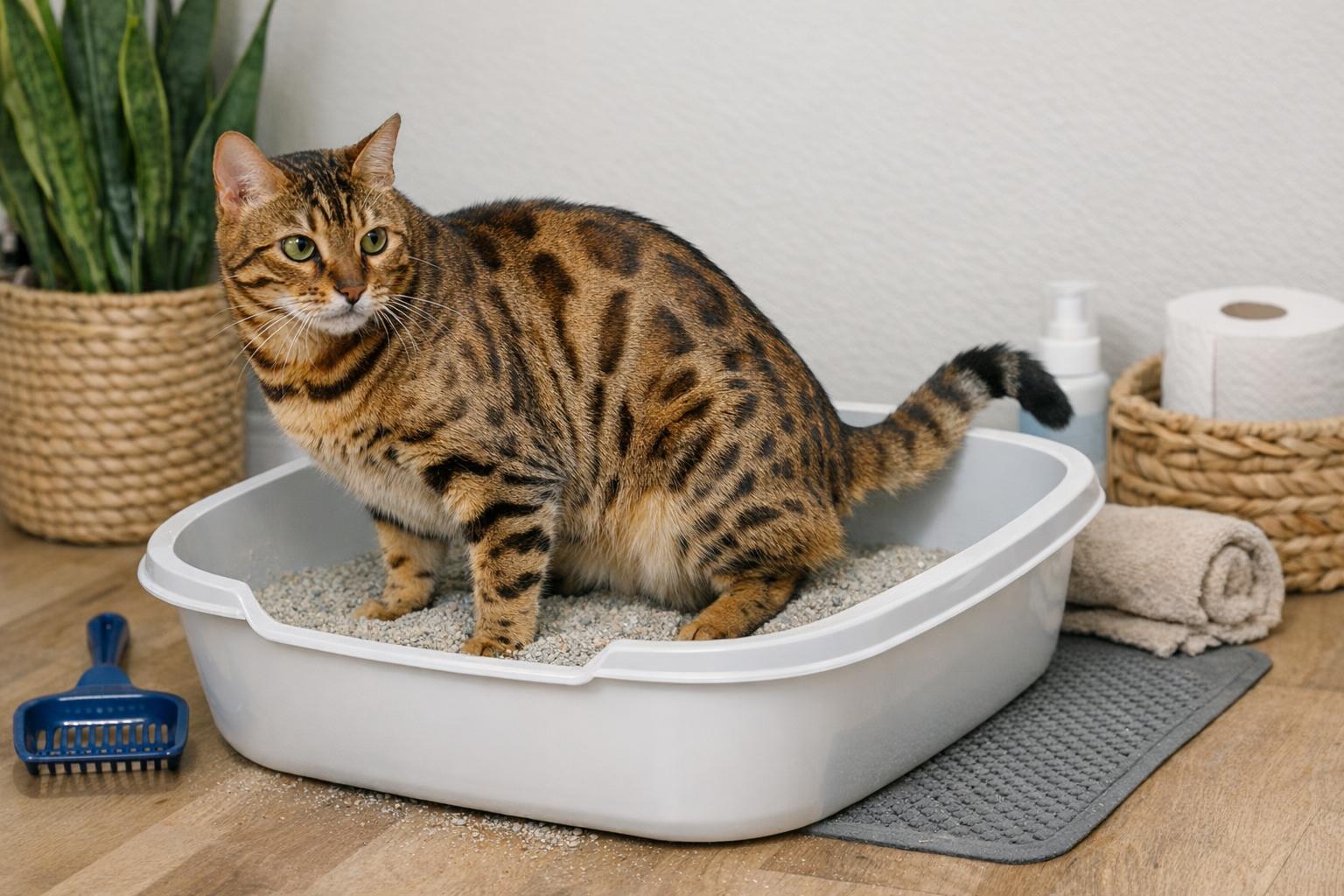
– Offer multiple litter boxes in different locations; stress can change toileting habits.
– Break play into short sessions throughout the day to avoid overstimulation.
– Keep windows secure and add perches so they can watch outdoor life safely.
These moves are practical ways to lower daily friction and support calm cats without heavy-handed interventions.
### Small Habits That Matter
Noise levels make a difference. A running dishwasher at odd hours can unsettle a sensitive cat. Try to limit sudden loud sounds near their favorite resting spots. Also, give attention on the cat’s terms. Sitting on the floor and letting them come to you is more effective than forcing interaction. Over time, small, respectful habits shift cat behavior toward more relaxed patterns.
A few changes at home, done consistently, are often enough to transform tense animals into more relaxed companions. Natural stress relief for cats isn’t about a single miracle fix. It’s about noticing, adjusting, and giving your cat predictable, safe options that reduce the reasons they feel worried. And remember: progress is usually gradual, not instant. Keep at it, even if it feels slow or a bit frusterating at times.












Leave a Reply