






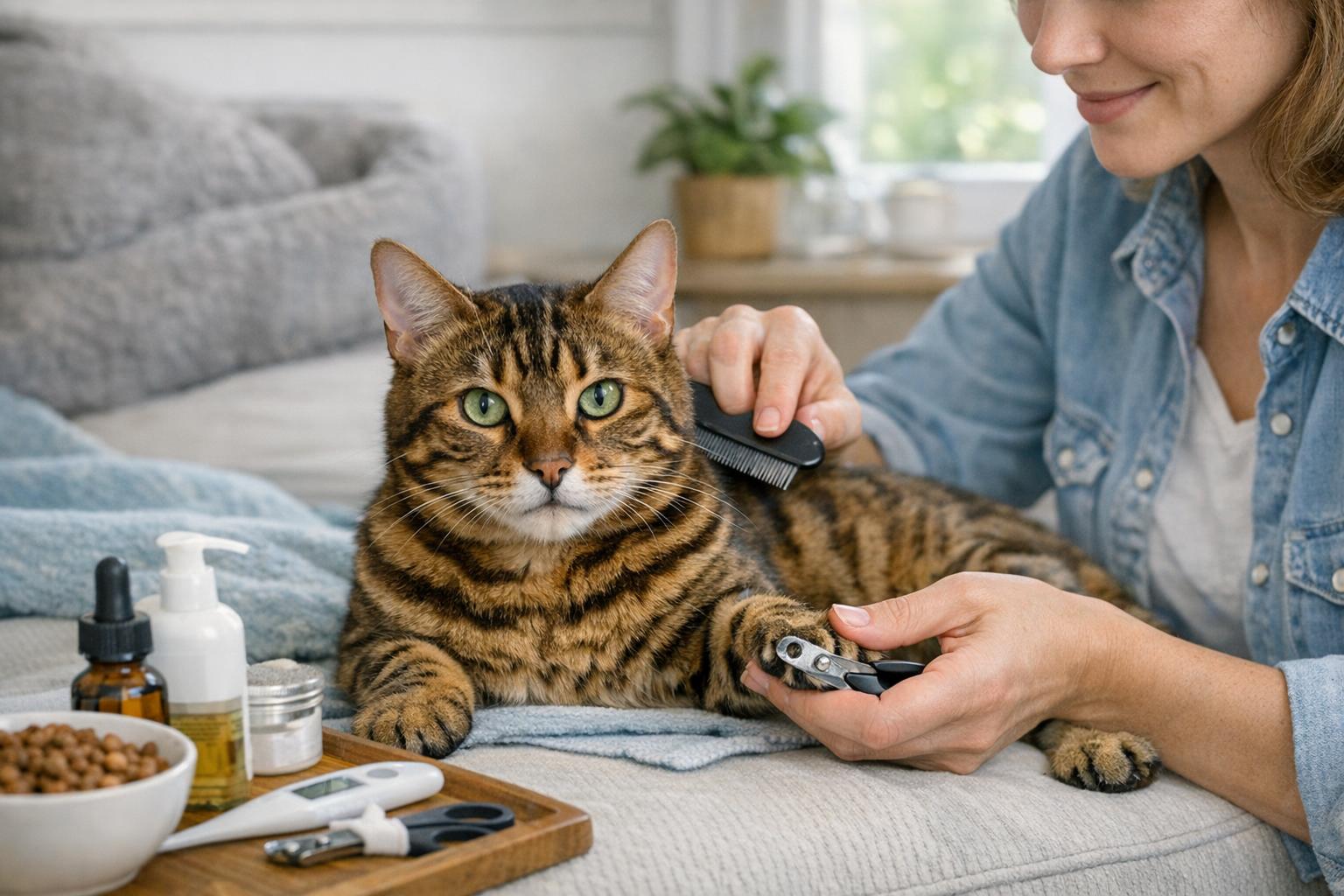
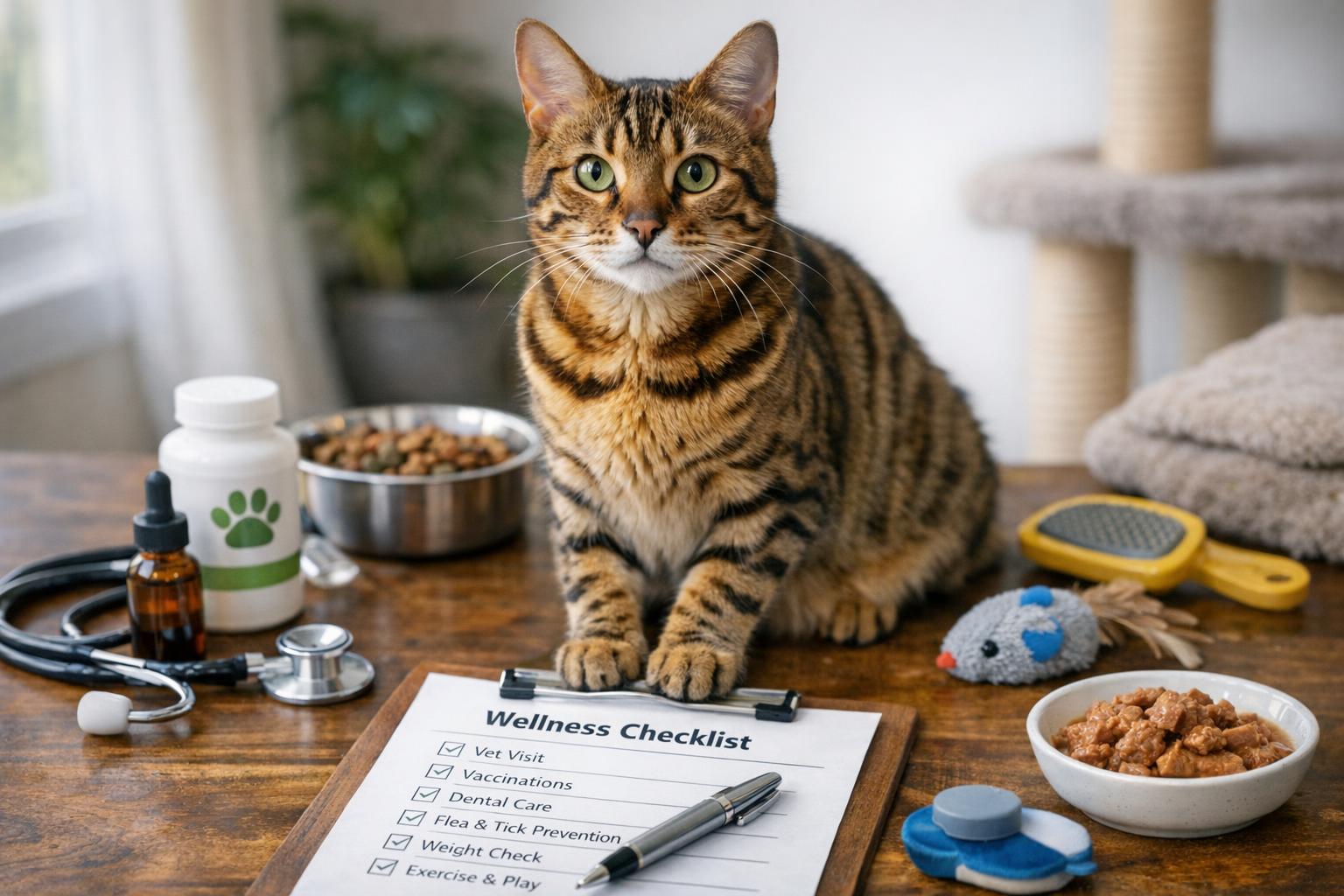
Preventive care is the difference between a quiet night at home and an expensive, stressful trip to the emergency clinic. It is not glamorous. It does not show up in a single purchase. It is a set of small habits you build into daily life so your cat stays healthy, comfortable, and less likely to develop chronic problems.
## Practical Cat Preventive Care Tips For Home
Cat preventive care starts at home and most of it is straightforward. You do not need fancy tools or special training. Pay attention to weight, appetite, coat condition, litter box habits, and behavior. Those simple signals tell you more than a fancy test about how your cat is doing day to day.
### Daily Checks That Matter
A quick walk-through each day is worth its weight in vet visits avoided.
– Look and feel the coat for mats, bumps, or bald spots.
– Check the eyes for discharge and the nose for persistent sneezing.
– Watch how your cat moves. Is she favoring a limb or slowing down?
– Note eating and drinking. A noticeable drop in appetite over 24 to 48 hours needs attention.
Do this while you pet your cat. Make it part of the routine, like brushing teeth after breakfast. Your cat will learn the rhythm and be less resistant over time.
### Grooming, Skin And Parasite Control
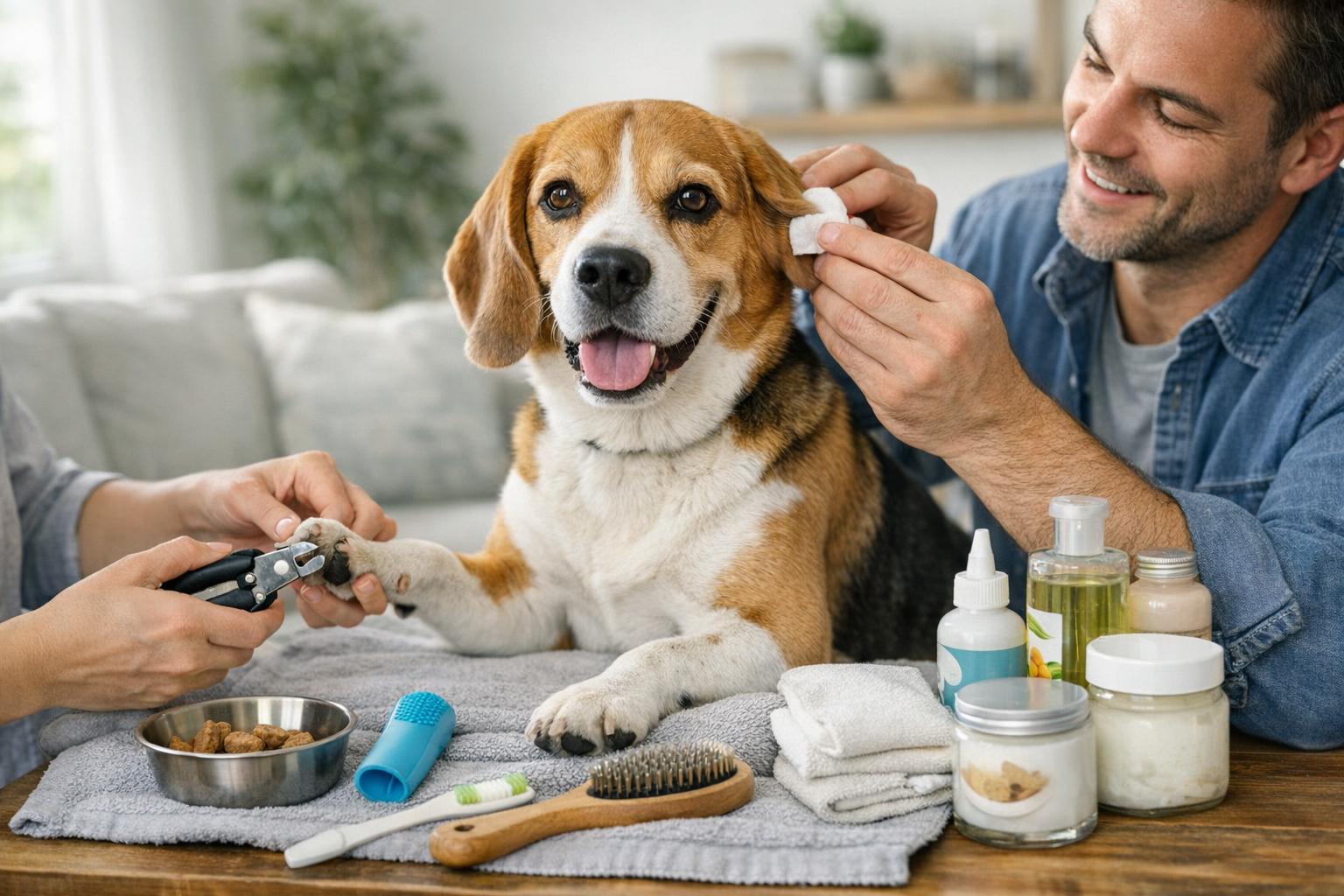
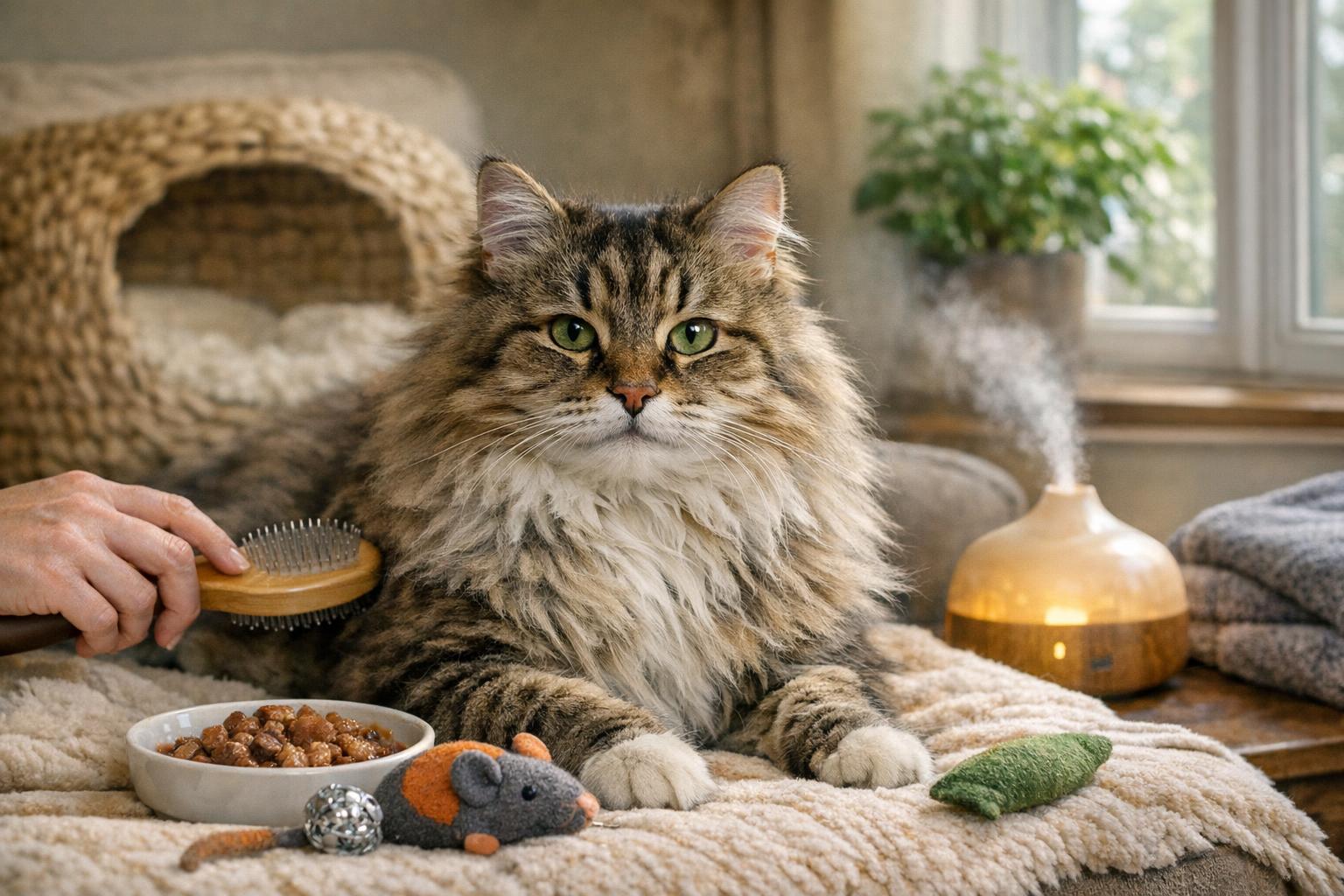
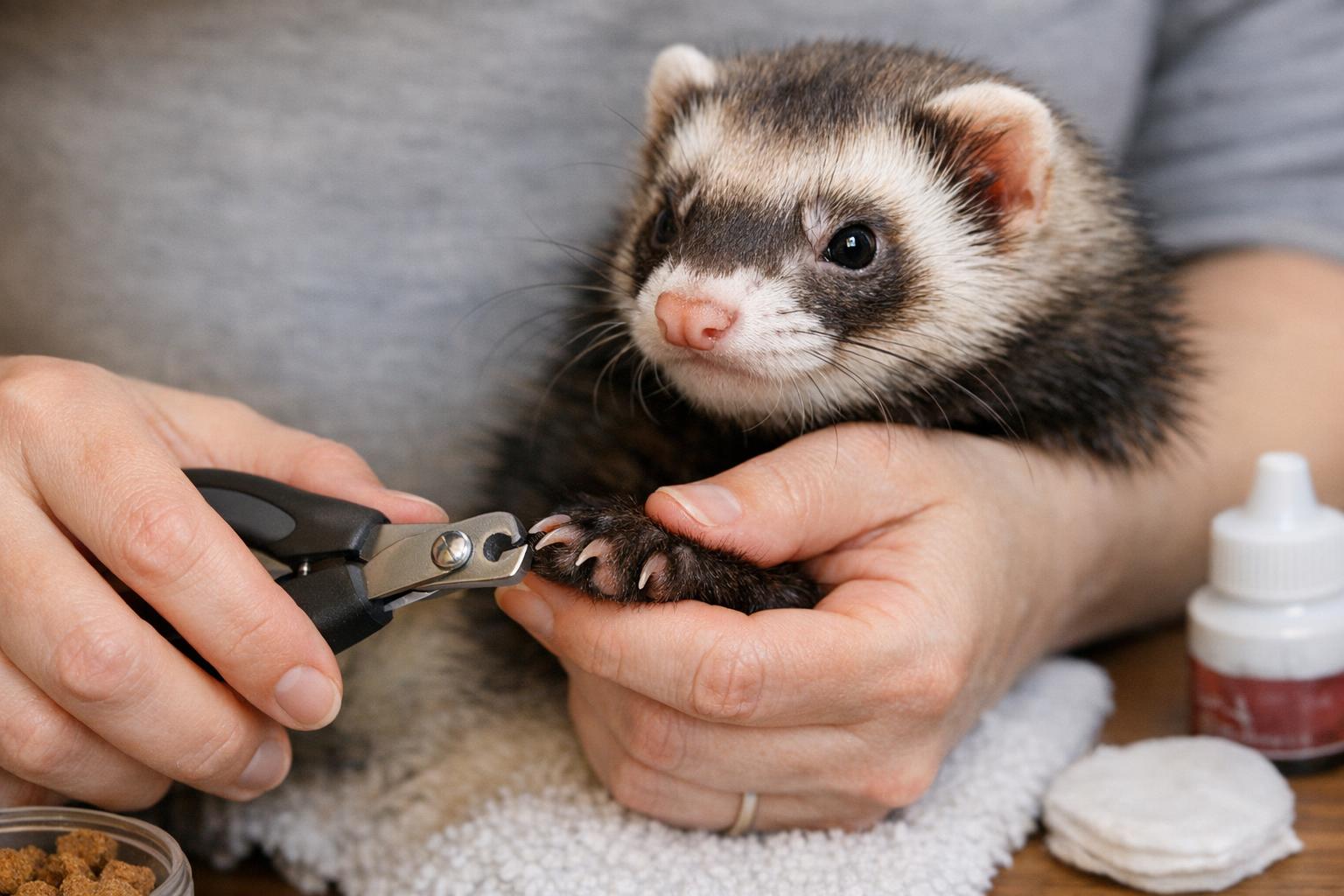
Brushing removes loose fur and helps you spot lumps, ticks, or skin irregularities. Longhaired cats need daily grooming. Shorthaired cats usually manage with a few sessions a week. Nail trimming every couple of weeks prevents overgrowth and broken nails. Handle paws early, when they are kittens, so your cat tolerates it.
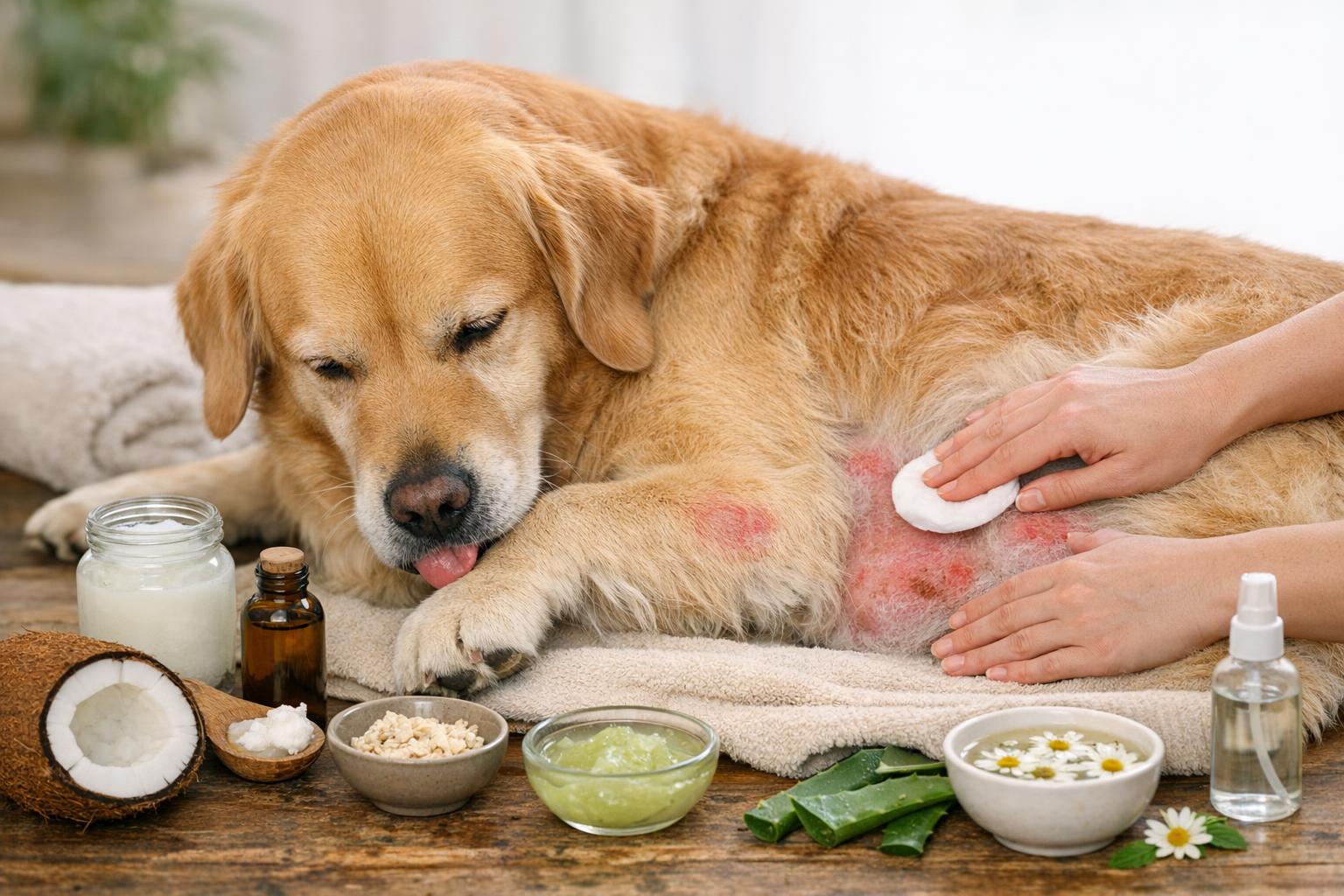
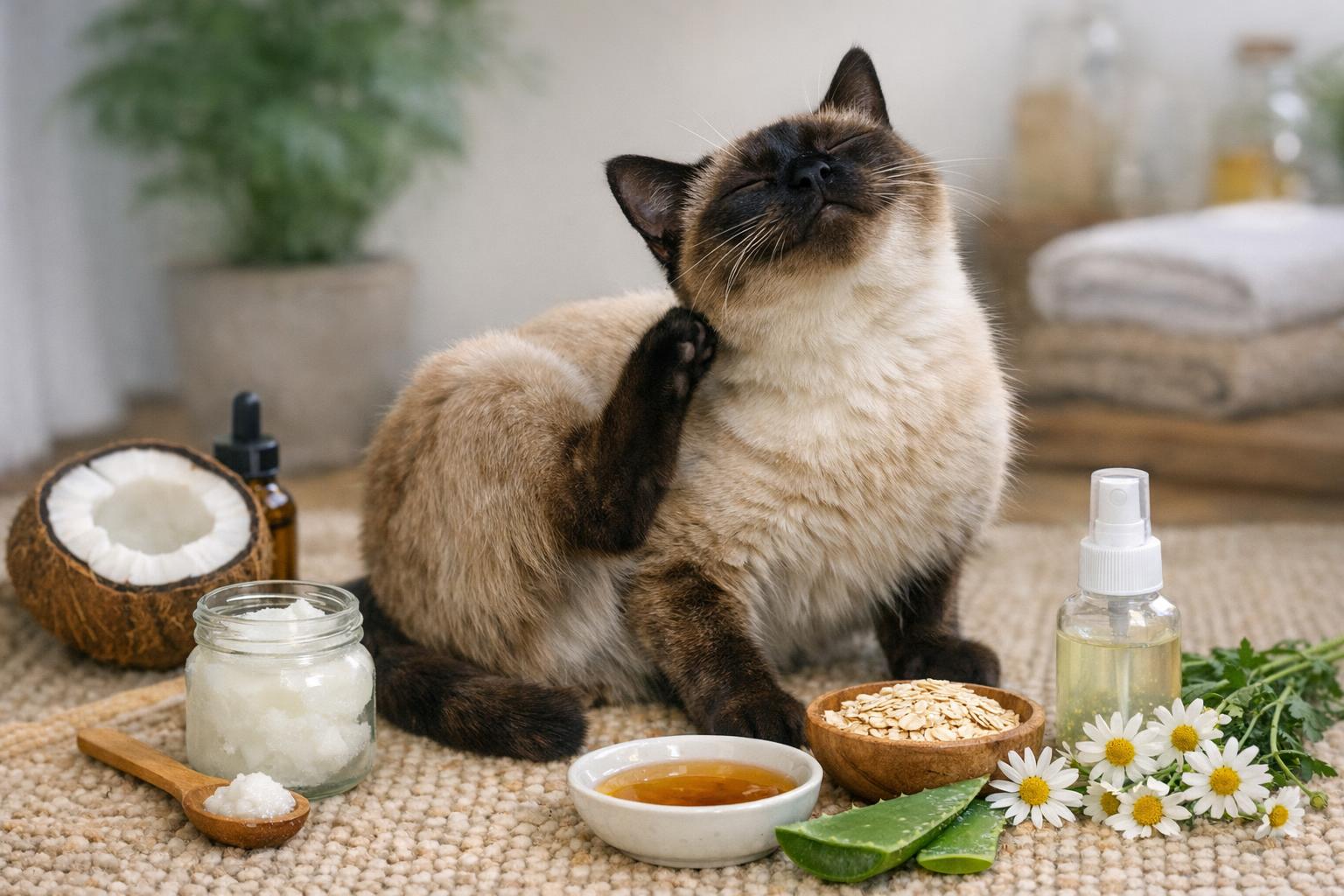
For parasites, follow a vet-recommended schedule for flea, tick, and deworming meds. Products are more effective when used consistently. If you see flea dirt or your cat is scratching constantly, treat immediately and check the enviroment. Vacuuming and washing bedding will help break the lifecycle.
### Oral Care Without the Drama
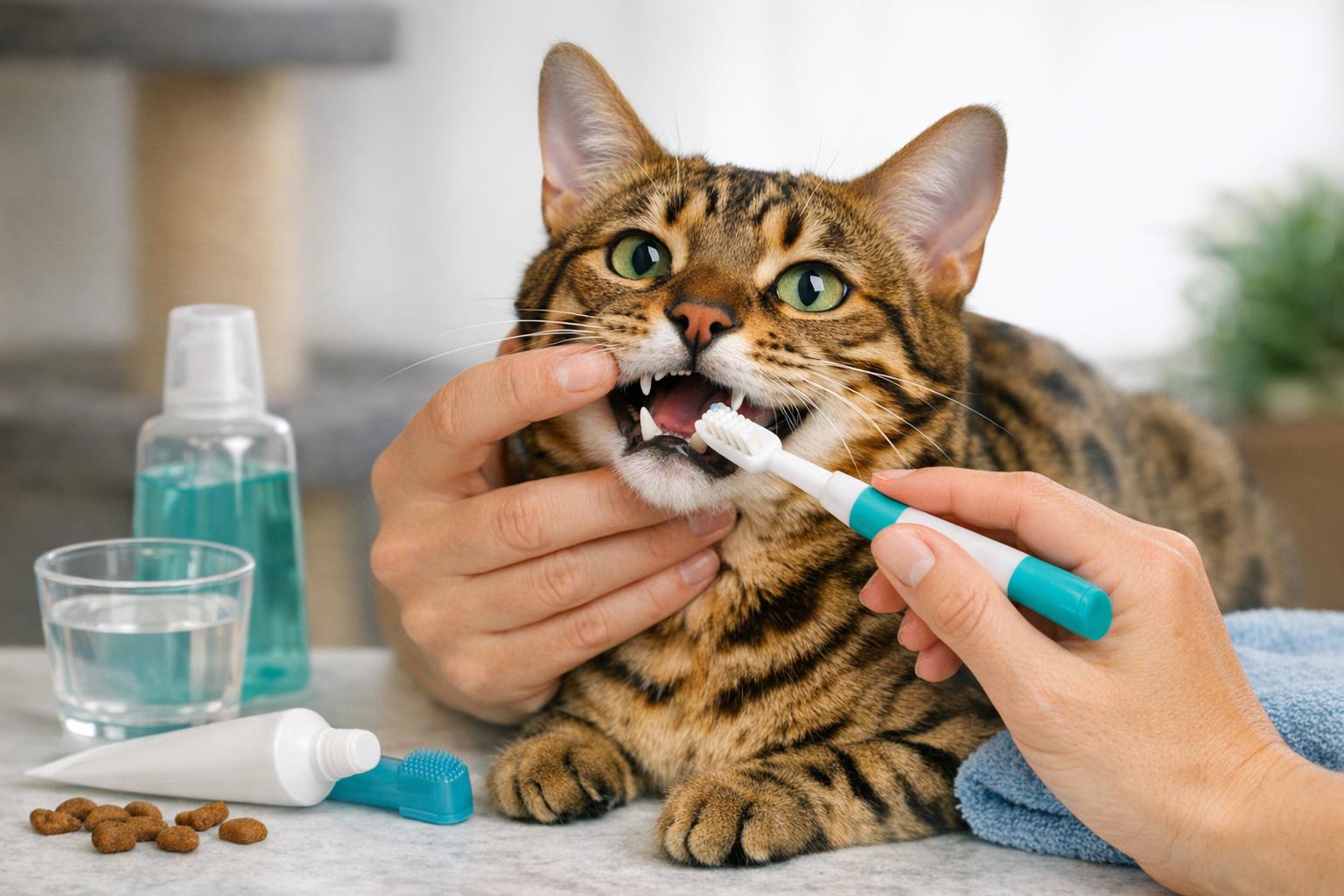
Dental disease is common and painful. You can reduce it at home with small steps. Offer dental-friendly toys and treats, and try to introduce tooth brushing slowly. Start with a finger rub of the gums, then move to a soft brush with feline toothpaste. Even irregular at-home care helps. If brushing is impossible, discuss dental chews and professional cleanings with your vet.
## Building A Home Wellness Routine For Cats
A routine reduces stress and helps you catch problems early. Structure matters for cats.
### Feeding And Weight Management
Measure food. Free feeding is convenient but it invites weight creep. Use a scale or measuring cup and follow feeding guidelines adjusted to your cat’s age and activity level. If your cat is putting on two pounds over a few months, act quickly. Obesity is linked to diabetes, arthritis, and shorter lifespans.
Weigh your cat monthly. Keep a simple log on your phone or notebook. Small weight changes are easier to correct than large ones. If you have multiple cats, feed them separately to manage portions.
### Hydration And Diet Quality
Cats evolved to get water from prey, so they often drink too little. Offer wet food regularly. Add a water fountain if your cat prefers moving water. Change water daily and keep bowls clean.
Choose a food appropriate to life stage and health needs. Discuss special diets with your vet for urinary issues, kidney problems, or allergies. Rotate protein sources gradually if you change brands to avoid gastrointestinal upset.
### Environmental Enrichment And Mental Health
Boredom shows up as mischief, excessive vocalization, or destructive scratching. Provide perches, scratching posts, and puzzle feeders. Rotate toys to keep interest high. Short, focused play sessions twice a day beat long, irregular ones. Use interactive toys to simulate hunting. This benefits both physical health and feline wellness.
Create safe hiding spots. Cats appreciate retreats where they can be alone. Multi-level spaces satisfy the need to observe from height. A window perch with a bird feeder outside can provide hours of enrichment.
#### Socialization And Stress Reduction
Routine handling, gentle grooming, and positive interactions help reduce fear of carriers and vet visits. Practice short carrier sessions: open the carrier, put treats inside, close the door for a few seconds, then open. Repeat and build up. This lowers stress when travel is necessary.
If your cat becomes anxious with changes, provide pheromone diffusers or speak with your vet about short-term supplements or behavior strategies.
## When To Involve The Veterinarian
At-home care is powerful, but some things need a professional. Regular vet visits are part of cat preventive care, not just reactive care.
### Vaccines, Testing, And Preventive Medications
Vaccination schedules and the need for FeLV testing depend on your cat’s lifestyle. Indoor cats often need fewer vaccines than outdoor cats, but they still benefit from core immunizations. Discuss a tailored plan at annual or biannual checkups.
Older cats benefit from bloodwork and urine testing to catch early kidney disease, thyroid problems, and diabetes. Preventive flea, tick, and heartworm medications require a vet prescription in many places. Keep refills on schedule.
### Recognizing Red Flags
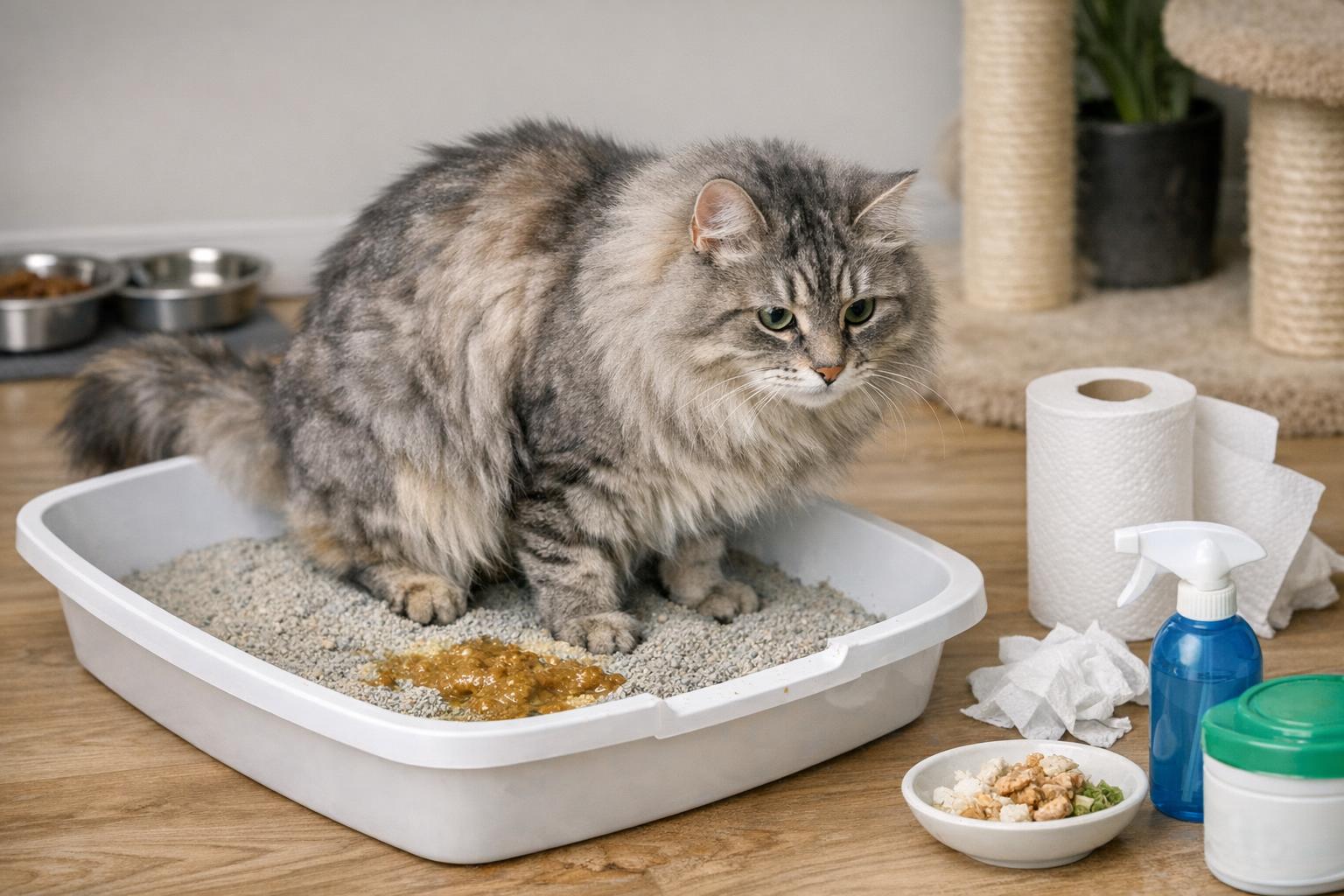
Know the urgent signs: trouble breathing, severe bleeding, unresponsive behavior, repeated vomiting, or straining to urinate. Those situations require immediate veterinary care. Less urgent but still important signs include steady weight loss, increased thirst or urination, and persistent changes in litter box habits.
If you miss a dose of medication, do not guess the next step. Call your clinic. If you miss a dose, don’t wait until tommorow to ask for instructions.
## Records, Medication Management, And Home First Aid
Good records reduce mistakes. Keep vaccination dates, medication schedules, and weight entries in one place. A simple spreadsheet or app works fine.
### Medication Tips
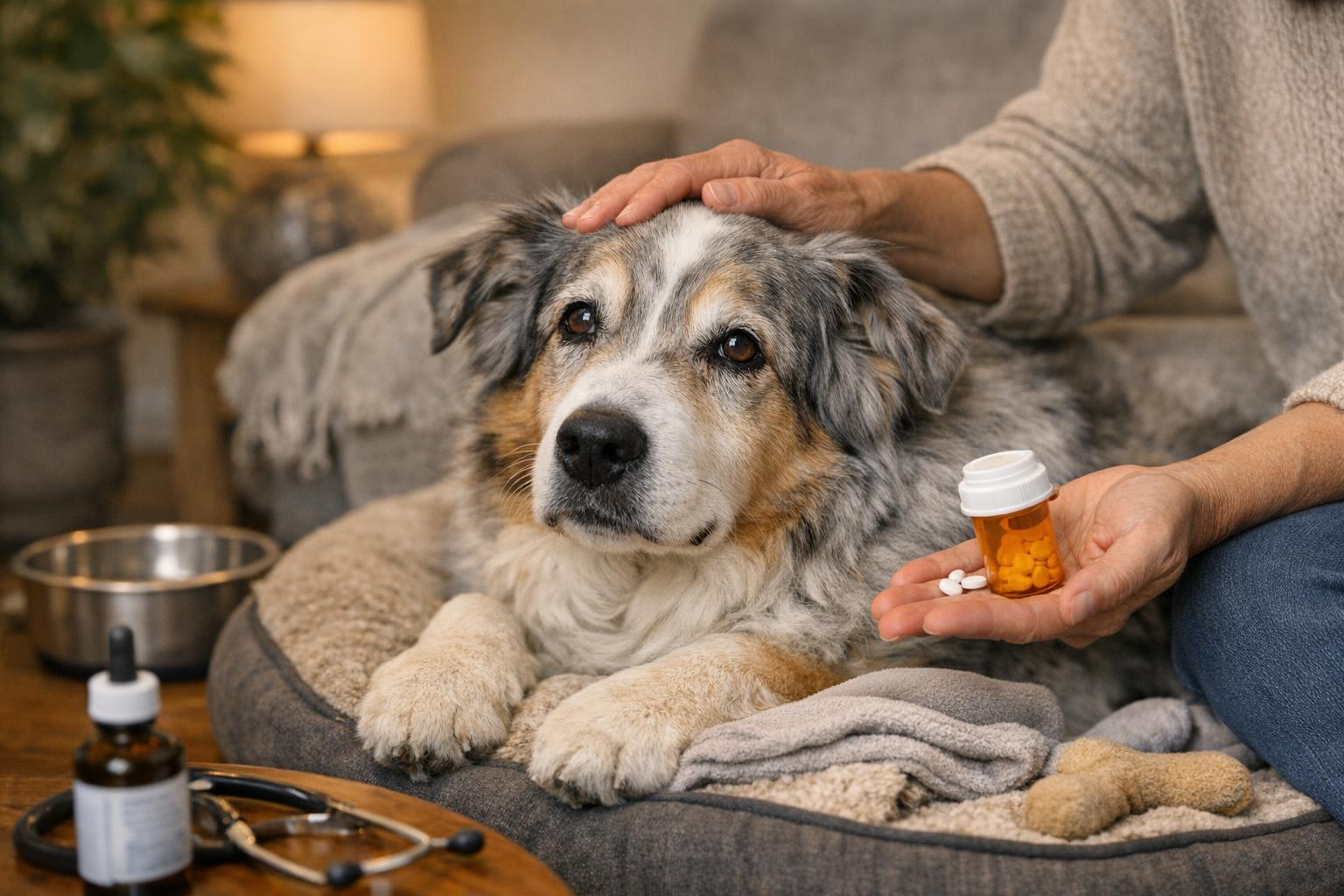
Label pillboxes with dates and doses. Use pill pockets or pill guns for difficult cats. For topical meds, apply to a spot your cat cannot lick and follow the timeline your vet gave you. If you see side effects like vomiting, lethargy, or skin irritation, stop and call your vet.
#### Simple Home Kit Items
– Soft towel for restraint.
– Disposable gloves.
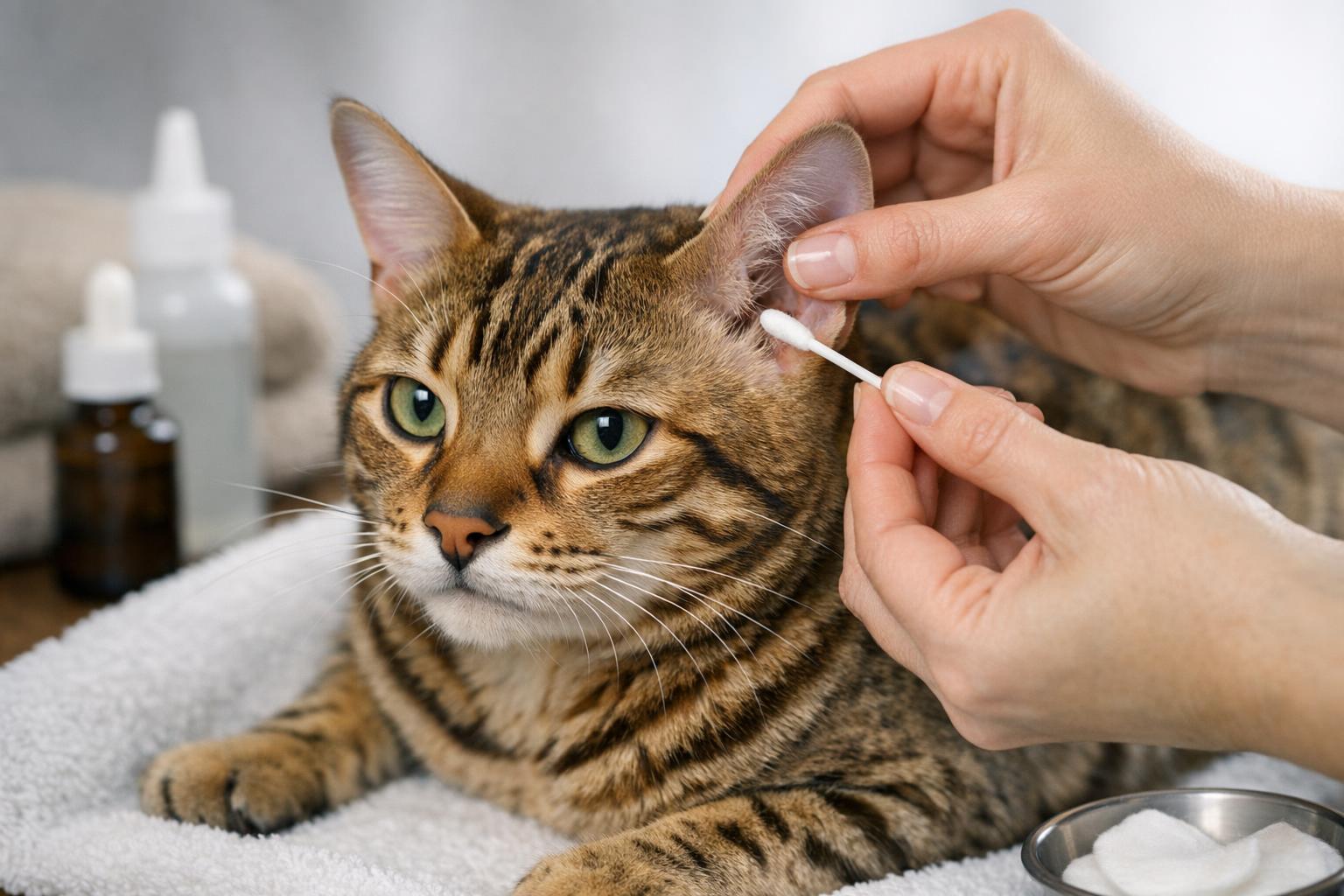
– Saline solution for eye flushing.
– Styptic powder or cornstarch for small nail bleeds.
– Digital thermometer and lubricant.
Practice using these items so you are calm during an incident. For anything beyond a superficial wound, seek professional care.
## Special Considerations For Senior Cats
As cats age, preventive care needs change. Senior cats are more likely to have arthritis, dental disease, kidney decline, or hyperthyroidism.
### Monitoring And Modifications
Check mobility regularly. Add low-sided litter boxes, heated beds, and ramps. Offer softer food if teeth are a problem. Keep a closer eye on weight and behavior. Visit the vet more frequently. Early intervention for subtle changes makes a big difference in quality of life.
Feline preventive care for seniors includes regular lab work, dental evaluations, and pain management planning. Discuss baseline diagnostics and a care plan with your vet.
### Home Comfort Adjustments
Small changes help a lot. Move food, water, and litter to the same level so older cats do not have to jump. Use non-slip mats to prevent slipping on floors. Keep nighttime lights for cats with vision changes.
## Preventive Care For Multi-Cat Households
A house with several cats needs a slightly different approach. More cats means more resources and more observation.
### Litter Boxes And Territory
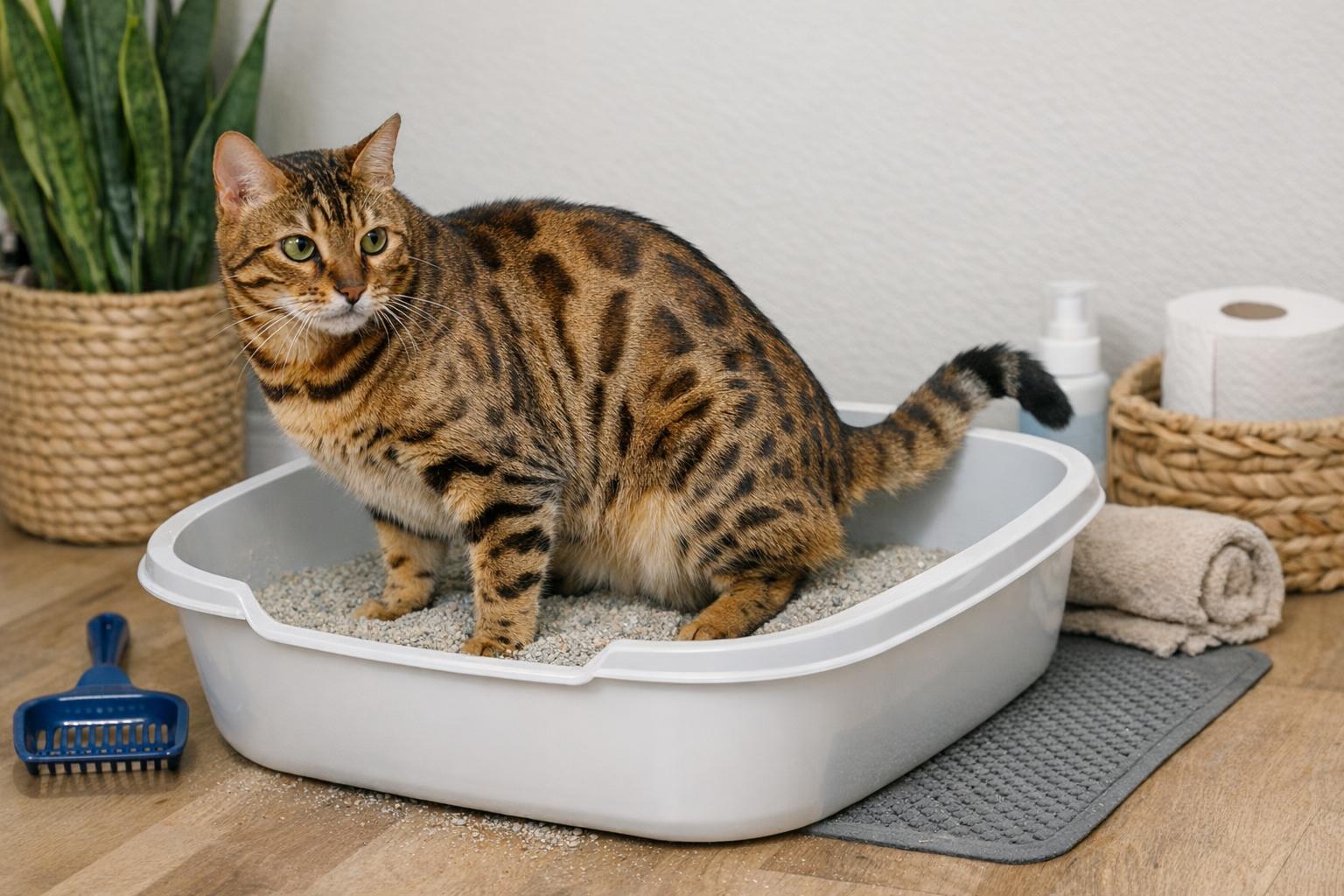
Rule of thumb: one litter box per cat plus one extra. Place boxes in separate areas to prevent guarding and eliminate accidents. Use unscented litter and clean boxes daily.
Separate feeding stations when necessary. Introduce new cats slowly, with scent swapping and gradual visual exposure. Monitor for changes in behavior, fighting, or hiding.
### Disease Control
If one cat is ill, isolate them until you know what you are dealing with. Clean common areas and bedding. Keep up vaccinations and parasite preventives across all cats to reduce disease spread.
## Practical Habits That Save Money And Stress
Finally, small predictable habits prevent bigger problems. Trim nails regularly to avoid painful ingrown nails. Brush teeth a few times a week to reduce plaque. Weigh monthly. Keep a calendar for vaccine and medication dates. Teach cats to enjoy handling so vet visits are less traumatic.
Being proactive is not about perfection. It is about noticing trends early and leaning on your veterinarian when something feels off. These daily choices form the backbone of cat preventive care and support long, healthy lives for the cats you share your home with.
























Leave a Reply