






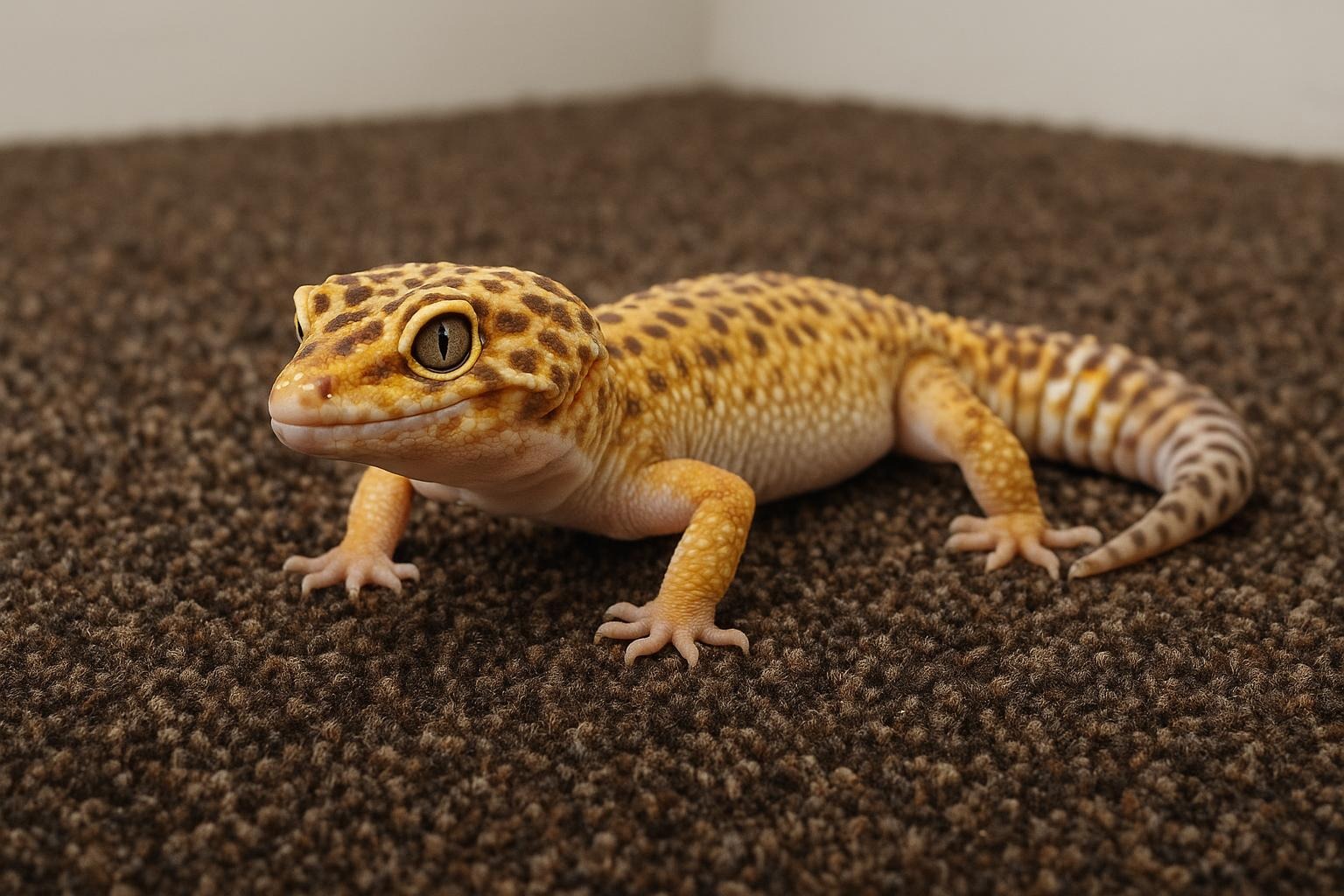
Shopping for a leopard gecko substrate can feel like choosing a carpet for your living room—but with more tail flicking and fewer opinions on color. Reptile carpet is a popular choice for leopard geckos because it’s tidy, soft on toes, and reusable. This guide will walk you through how to choose the best option, set it up safely, and keep it clean without turning your terrarium into a chemistry lab.
## Benefits Of Reptile Carpet For Leopard Gecko
Reptile carpet for leopard gecko setups scores points for hygiene, traction, and overall simplicity. Unlike loose substrates, carpet reduces the risk of impaction—a real concern for ground-dwelling geckos that occasionally sample substrate with their mouths. Carpet also provides a stable surface for hides, dishes, and climbing décor, and it establishes a predictable micro-environment for heating gradients.
Leopard geckos appreciate surfaces that allow secure footing during feeding and shedding. Reptile carpet for leopard gecko enclosures often comes in reptile-safe fibers that are less likely to snag or irritate shedding skin compared with coarse materials. It’s also often washable, which means you can keep odors down and maintain a healthier habitat over time.
## Choosing The Right Material And Size
Not all reptile carpets are created equal. Look for:
– Low-pile, tightly woven fabrics that won’t catch toes or shed fibers.
– Non-toxic dyes and materials labeled safe for reptiles.
– Sizes that match your terrarium dimensions to minimize gaps.
Avoid looped or shaggy fabrics and loosely braided rugs. These can trap food, feces, and moisture, and tiny loops can entangle toes or tails. If in doubt, choose brands specifically marketed as reptile carpet and check for positive reviews from leopard gecko owners.
### Surface Texture And Traction
Texture matters. Leopard geckos need enough grip to walk confidently and to push off during feeding. A carpet with a subtle pebbled or brushed texture tends to provide the best traction while still being gentle on the gecko’s belly and feet.
### Cleaning Frequency And Durability
How often you clean depends on tank population, humidity, and feeding habits. Expect to spot-clean daily (remove feces, uneaten food), do a moderate wash weekly, and perform a deep clean every 2–3 months. Choose a carpet that tolerates frequent washing without breaking down.
## Placement, Layout, And Heat Considerations
Place the carpet so it lies flat with no angled edges or bunching. If you use an under-tank heater (UTH), ensure the carpet is compatible—some carpets can insulate and reduce heat transfer. Test temperatures with a digital surface thermometer after installing the UTH and carpet together to ensure the warm side achieves the desired 88–92°F (31–33°C) surface temperature, and the cool side stays in the mid-70s°F (24°C) for a proper gradient.
### Hide Placement And Moist Hide
Arrange hides and a moist hide on the cool side or warm side as appropriate for your gecko’s shedding and behavioral needs. The carpet can be cut to shape to snugly tuck around hide entrances, but always leave smooth, clean edges to avoid fraying.
### Monitoring For Wear And Tear
Inspect the carpet weekly for pilling, loose threads, or fabric breakdown. Replace the carpet if it shows signs of heavy wear; damaged fibers could entangle toes or trap bacteria.
### 1. Homemade Disinfecting Spray For Reptile Carpet
Materials (Ingredients)
– 1 liter distilled water (or filtered water)
– 60 ml (1/4 cup) white vinegar
– 15 ml (1 tablespoon) unscented 3% hydrogen peroxide (optional for stain treatment)
– 5–10 drops citrus-free dish soap (mild, fragrance-free)
– Clean spray bottle labeled clearly
Procedure and Application (Formal)
1. Prepare Solution: In a clean container, mix 1 liter of distilled water with 60 ml of white vinegar. Add 5–10 drops of mild, unscented dish soap. If treating a stubborn stain, add up to 15 ml of 3% hydrogen peroxide. Do not exceed recommended peroxide concentration to avoid fabric discoloration.
2. Transfer: Pour the solution into the spray bottle. Label the bottle with contents and date.
3. Spot Test: Before full use, apply a small amount to a hidden corner of the reptile carpet to confirm there is no discoloration or damage. Wait 24 hours.
4. Application: Remove the gecko and all décor from the terrarium. Spray the soiled areas lightly, then scrub gently with a soft brush or cloth. Avoid saturating the carpet; aim for dampness rather than soaking.
5. Rinse: Using a cloth dampened with clean distilled water, blot and rinse the treated area to remove residue. For whole-carpet cleaning, rinse under a gentle stream of water.
6. Dry: Air-dry completely in direct sunlight if possible—sunlight helps natural disinfection. Ensure the carpet is fully dry before returning it to the enclosure to prevent mold growth.
Safety Notes
– Do not use essential oils, harsh chemical disinfectants, or bleach directly in the enclosure. These can harm reptiles even in small residues.
– Keep the enclosure well-ventilated during cleaning, and ensure the gecko has a secure temporary habitat while the carpet dries.
## 2. Creating A Secure Backing For Reptile Carpet For Leopard Gecko
Materials (Tools And Supplies)
– Reptile carpet sized to tank dimensions
– Adhesive Velcro strips (sew-on or heavy-duty peel-and-stick)
– Scissors and a fabric marker
– Hot glue gun (low-temperature) or a non-toxic fabric adhesive (optional)
– Clean cutting board or surface
Procedure and Application (Formal)
1. Measure And Cut: Remove any existing substrate. Measure the internal dimensions of the terrarium base. Mark and cut the carpet to match, leaving no more than 1–2 mm clearance from tank walls to avoid edges folding up.
2. Prepare Backing Points: Position Velcro strips along the outer edges and one or two centers depending on tank size. For a secure fit, place strips evenly—four corners and one center strip for aquariums up to 20 gallons; add more for larger tanks.
3. Attach Velcro: For peel-and-stick Velcro, remove backing and firmly press hook side to the cleaned base of the terrarium where contact will be made. For sew-on Velcro or when extra durability is needed, use a low-temperature hot glue or fabric adhesive sparingly to attach the loop side to the underside of the carpet. Allow adhesive to cure fully per manufacturer instructions.
4. Install Carpet: Align the carpet inside the tank and press each Velcro contact firmly. Verify the carpet lays flat with no lifting corners. Trim any overhang or stray threads.
5. Final Check: Place hides and dishes and observe the gecko’s activity. The backing should prevent sliding during feeding or movement.
Safety And Maintenance
– Reattach or replace Velcro if it begins to lose grip.
– During cleaning cycles, you can detach the carpet, wash and dry it, and then re-secure it. This prevents trapped moisture and bacterial buildup under the carpet.
## Dealing With Shedding, Stains, And Accidents
Leopard geckos often use the same spots for dealing with sheds and bathroom needs. Frequent spot-cleaning prevents stains from embedding. If the carpet develops a persistent odor or staining despite cleaning, plan to replace it—carpets are inexpensive compared to health risks.
### Handling Stubborn Spots
For stubborn organic spots, a brief soak in the vinegar solution described earlier, followed by a rinse and full sun-dry, usually removes residue. Avoid chlorine bleach on most carpets; it can degrade fibers and leave toxic residues.
### When To Replace The Carpet
Replace reptile carpet for leopard gecko when you observe:
– Frayed edges or loose threads that could entangle toes.
– Persistent odors after several cleaning cycles.
– Mold or mildew that cannot be removed by washing.
– Irreparable staining where bacteria may be harboring.
## Encouraging Natural Behavior On Carpet
Carpets can be enhanced with textured hides and low, stable décor to encourage natural behavior. Provide a moist hide during shedding, a warm hide on the heated side, and scattered small rocks or flat branches for exploration. Carpet is compatible with this setup and helps maintain cleanliness while your gecko enjoys its domain.
If you’re experimenting between substrate options, keep a log of behavior, stool frequency, and shed quality. These observations will help you decide whether reptile carpet for leopard gecko is the best long-term choice for your individual animal.





























































Leave a Reply