

## Parrot Dry Skin: Causes And When To Act
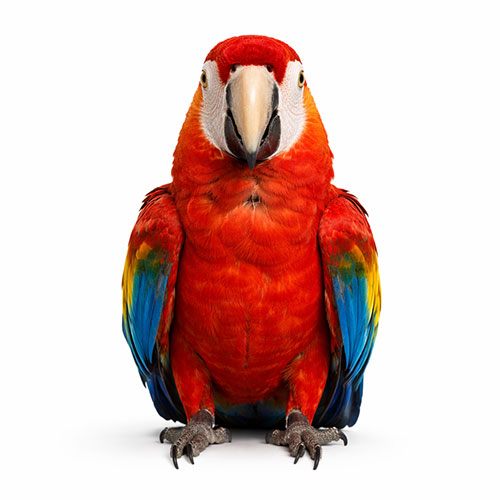
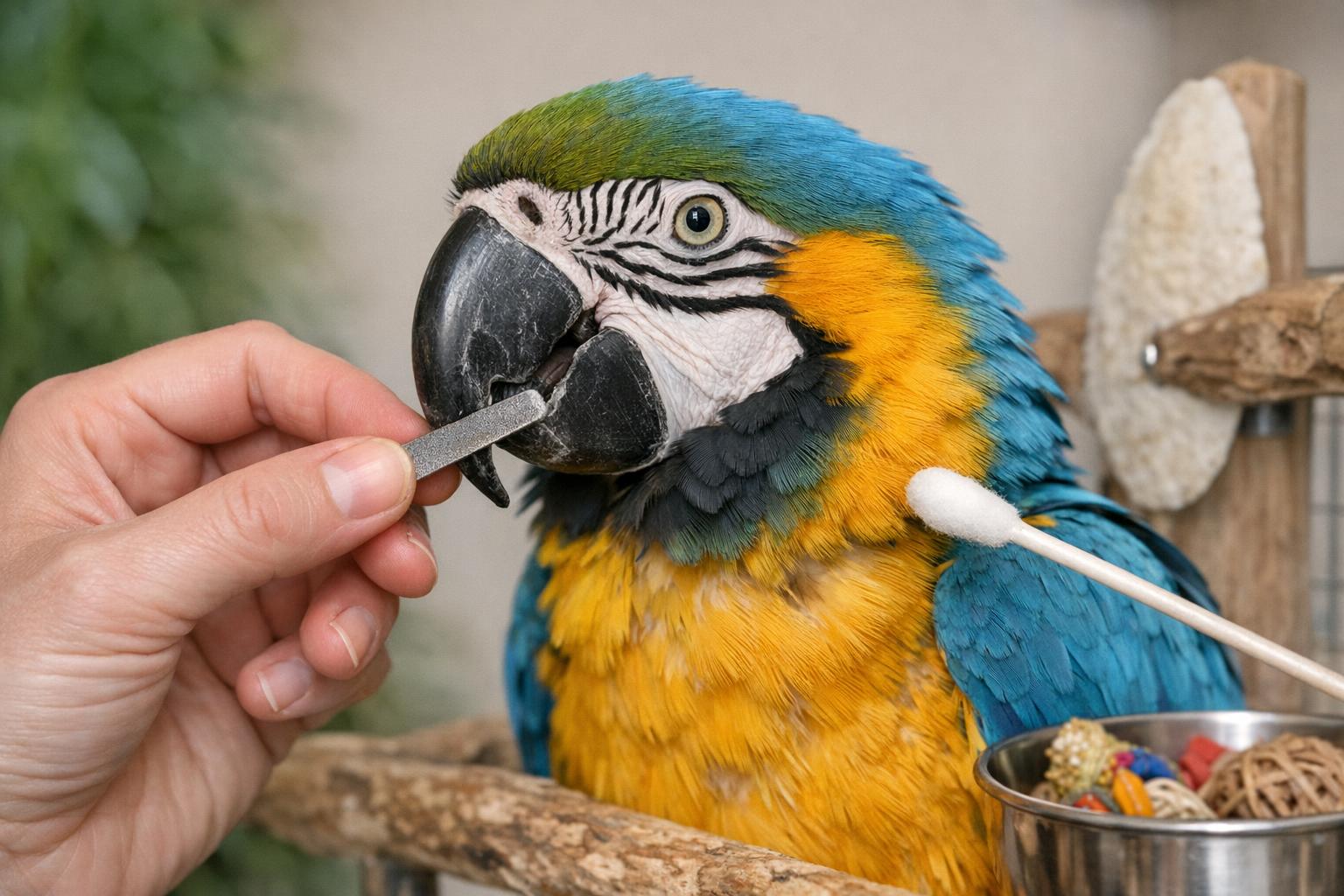
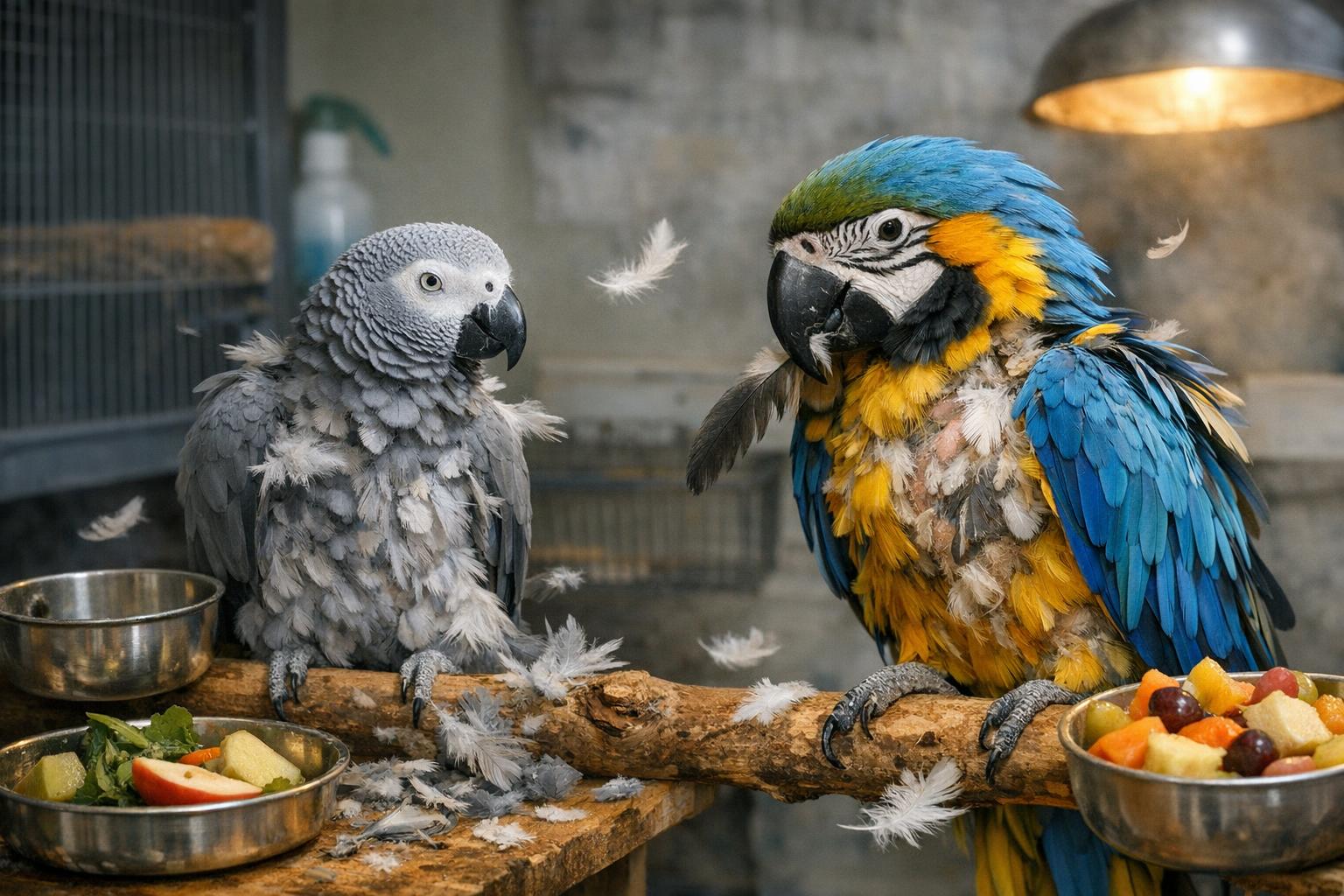
If your squawky roommate is scratching more than usual or you notice dusty, flaky skin under the feathers, you might be dealing with parrot dry skin. This is a common issue and, thankfully, usually manageable at home if it’s mild. Before we jump into remedies, let’s clarify what’s normal and what’s not — because birds are dramatic performers, but skin problems are not a stage act you want to ignore.
### Signs To Watch For
Look for:
– Flaky, white or yellowish bits at the base of feathers.
– Excessive preening or scratching.
– Dull, brittle feathers and increased dusting.
– Red, inflamed patches or bleeding (this is more serious).
When you see these signs of parrot dry skin, especially if the bird is lethargic, losing weight, or plucking feathers, consult an avian vet. Mild dryness can be handled at home; infection, mites, nutritional deficiencies, or hormonal issues need professional care.
### Environmental Triggers
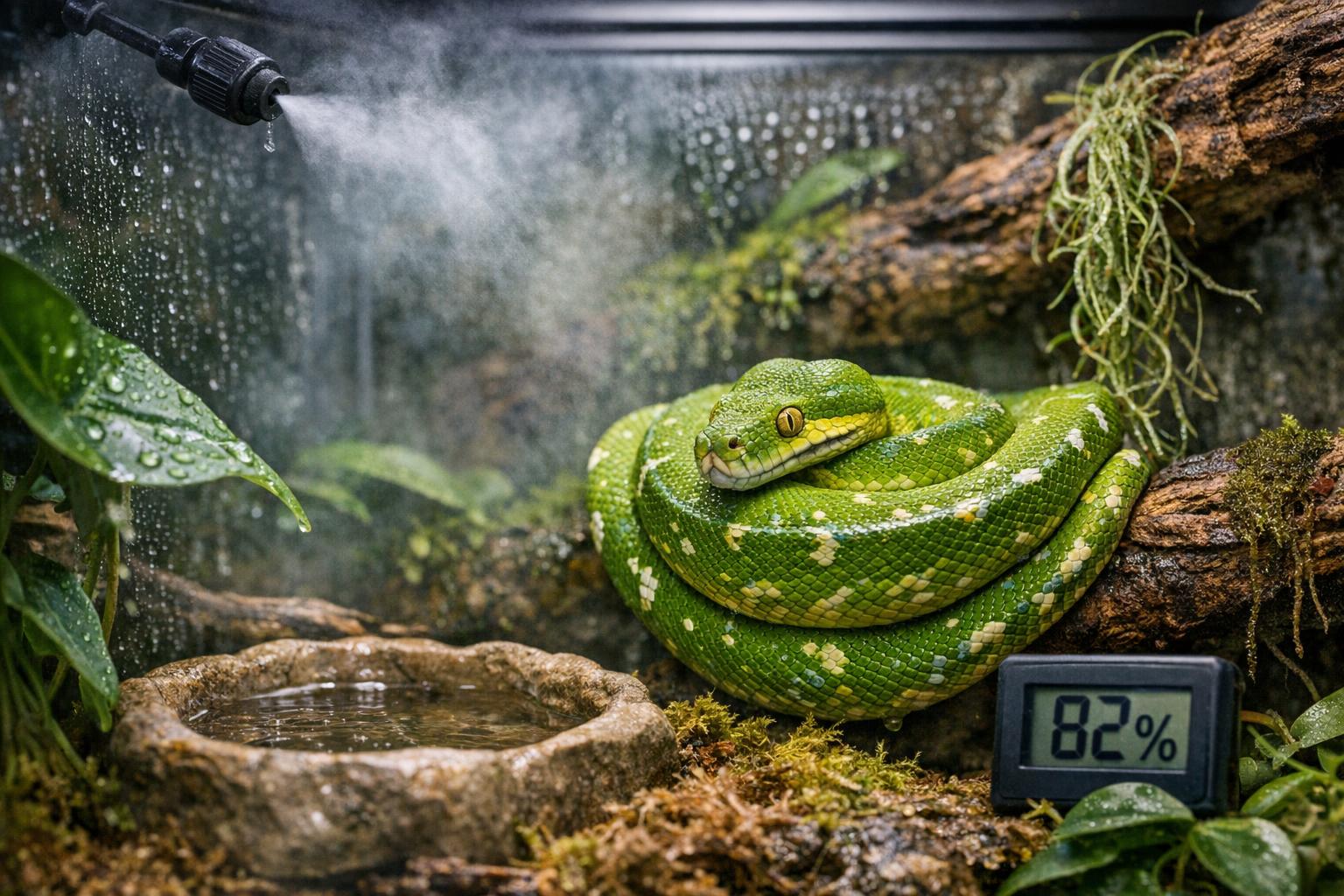
Parrots evolved in humid climates. Indoor heating, air conditioning, and dry winters strip moisture from their skin. Low-humidity living spaces, dusty cages, and not enough bathing opportunities all contribute to parrot dry skin. Stress and poor diet are also frequent culprits.
## 1. Humidity And Gentle Bathing Remedy
A simple home-first approach: increase ambient humidity and offer regular baths. This is often the gentlest, most effective way to relieve parrot dry skin without introducing oils or creams that might interfere with natural preening.
### Why It Works
Humidity helps maintain the skin’s natural oils and reduces feather brittleness. Bathing removes dust and dander that block oil glands and lets your bird rehydrate its skin during preening.
### Materials Required
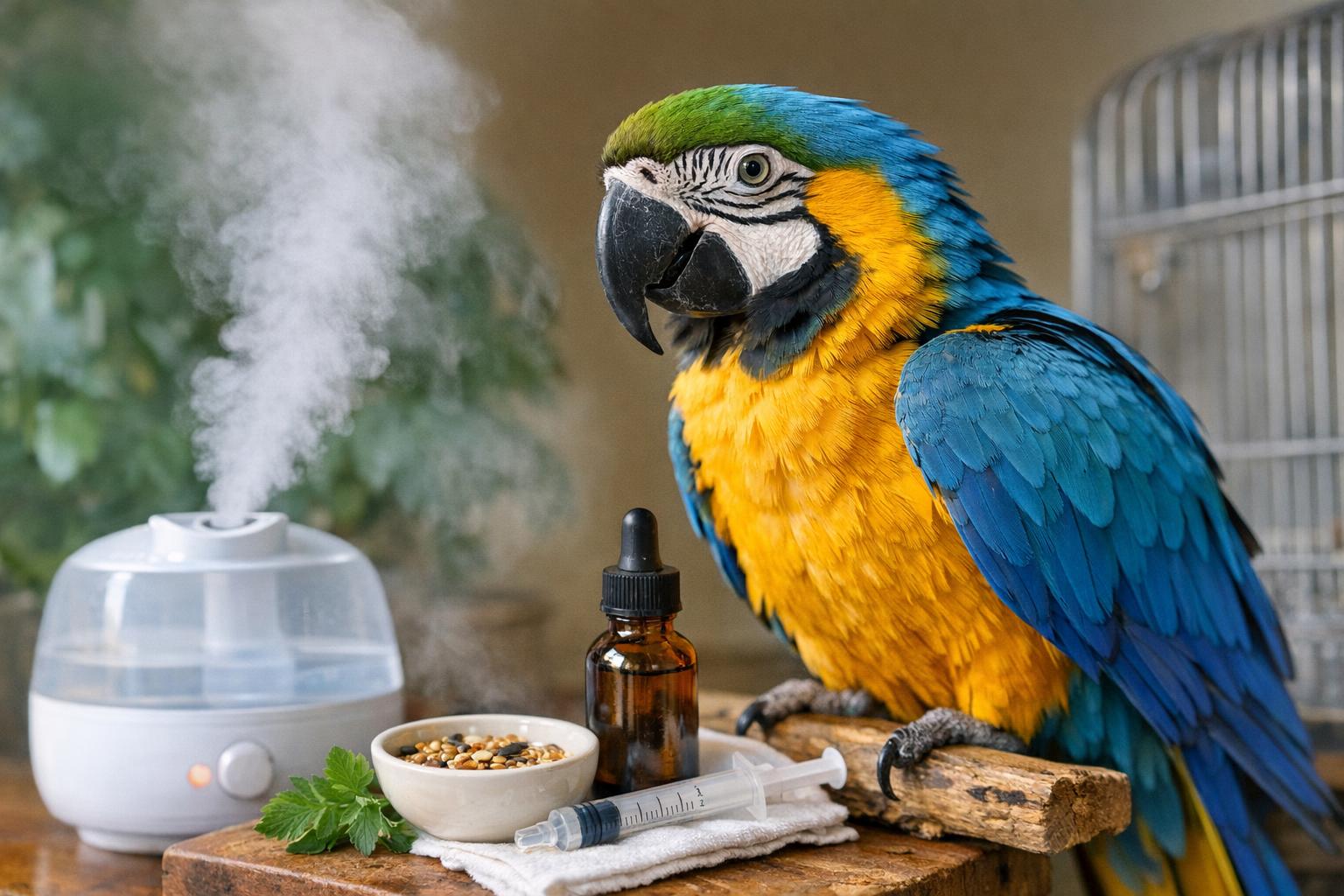
– A ceramic or stainless-steel humidifier (no essential oils).
– Shallow bird bath dish or a gentle spray bottle designed for birds.
– Soft towel.
– Clean, lukewarm water.
### Creation And Application Steps
1. Place the humidifier in the room where your parrot spends most time. Set it to maintain relative humidity around 40–60%.
2. Offer a shallow bird bath a few times per week. Fill it with lukewarm water — about room temperature.
3. If your bird prefers spraying, use a bird-safe spray bottle set to a gentle mist. Spray from above so the bird feels like natural rain.
4. Allow the bird to preen and dry naturally in a warm room. Towel-dry only if absolutely necessary and do so gently.
5. Monitor results over 1–2 weeks. If dryness improves, continue this routine. If not, proceed to other remedies or vet assessment.
Be careful not to use essential oils in humidifiers or sprays; many are toxic to birds.
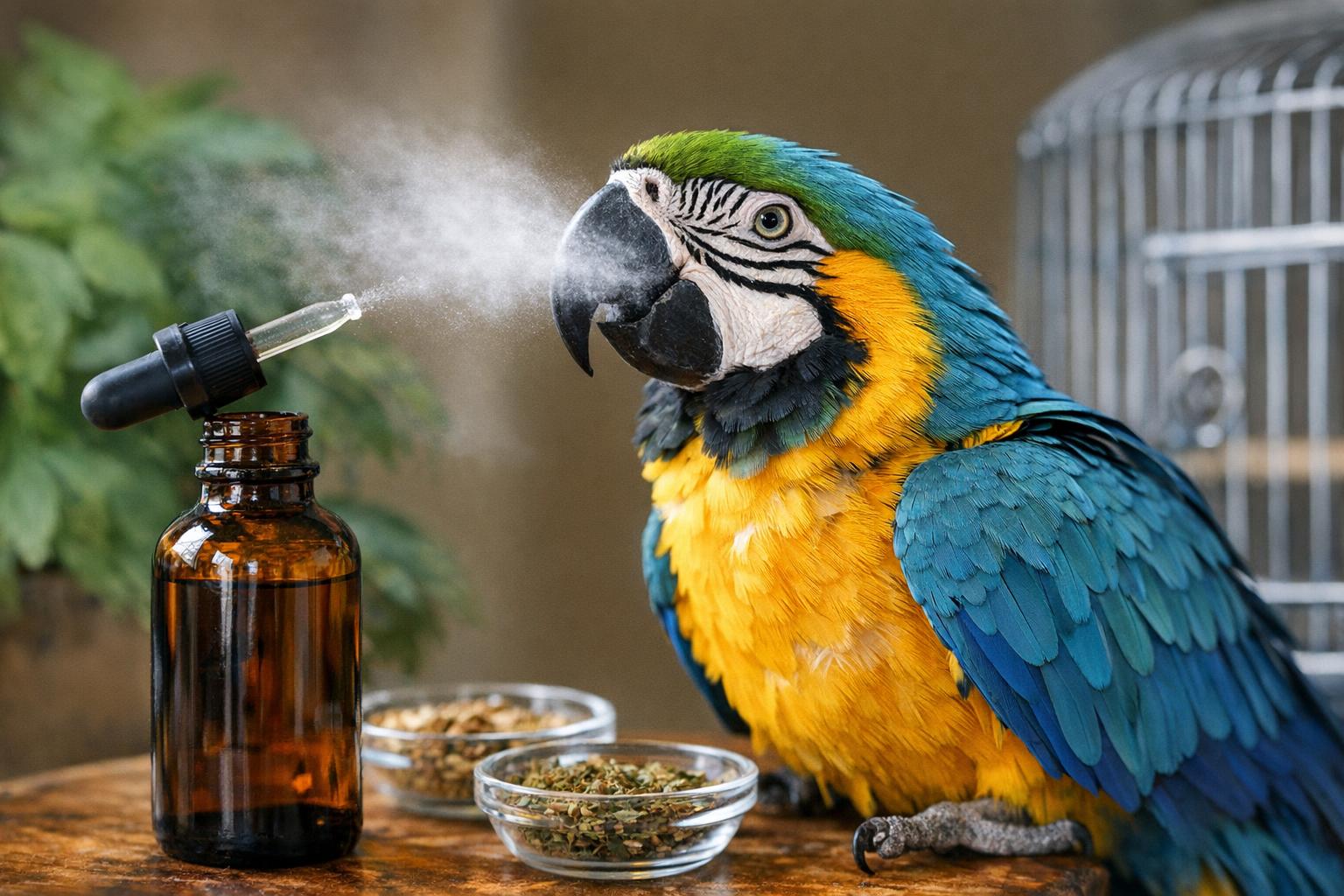
## 2. Natural Oil Barrier Spray Remedy
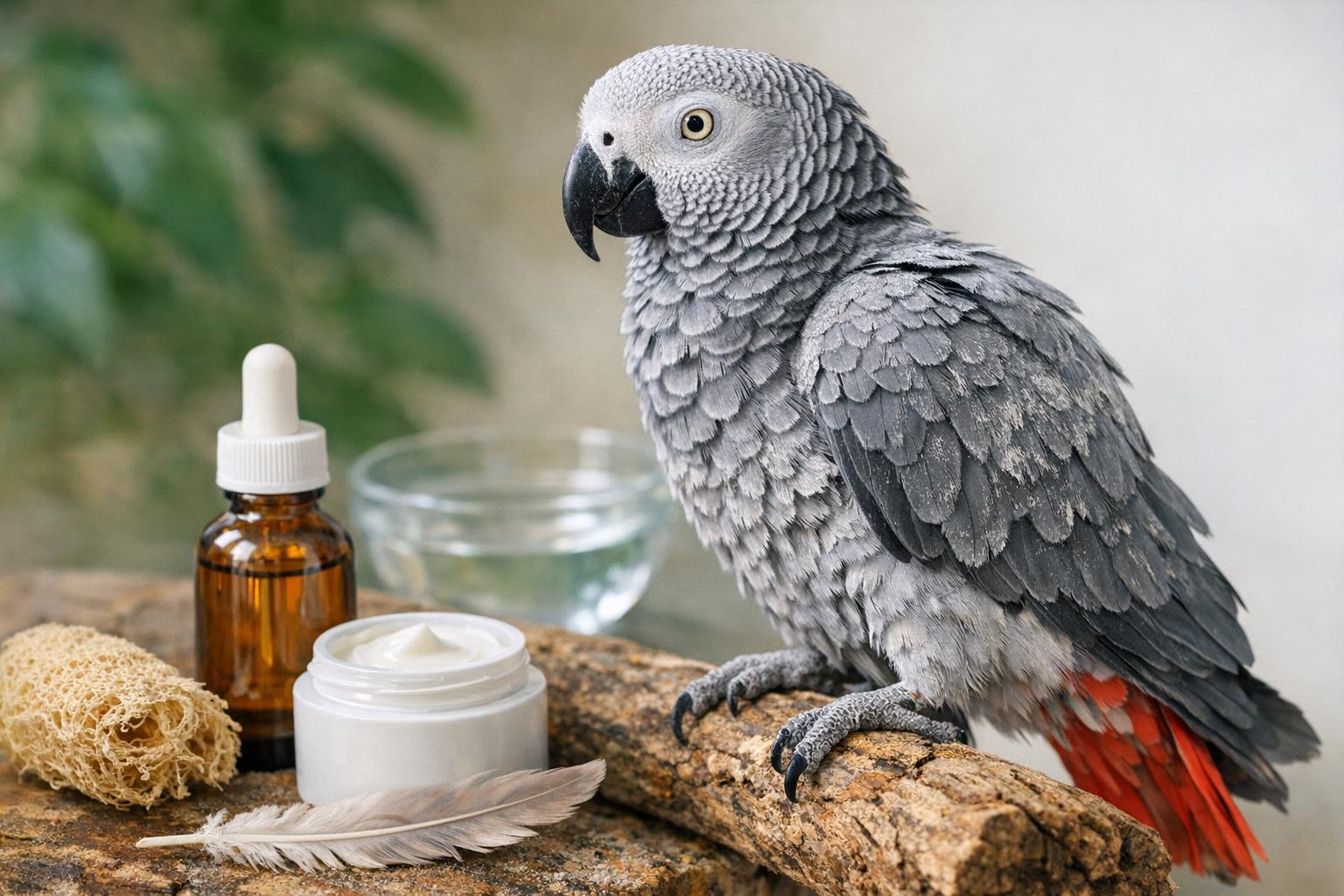
When humidity and bathing aren’t enough, a light natural oil spray can help replenish the skin’s protective layer. This is a more active intervention and should be done with strict hygiene and precise dilution.
### Ingredients And Materials
– 1 cup distilled water (sterile base).
– 1/2 teaspoon organic fractionated coconut oil or cold-pressed olive oil (use fractionated coconut for lighter texture).
– 1/4 teaspoon vegetable glycerin (optional, for mild humectant effect).
– Small amber glass spray bottle (2–4 oz) with fine mist sprayer.
– Small funnel and clean mixing container.
### Preparation
1. Warm the distilled water slightly (not hot) and add vegetable glycerin if using; stir to dissolve.
2. Mix the oil with the water using vigorous shaking or a small emulsifier (a drop of mild, fragrance-free liquid soap can help but avoid if your bird has sensitive skin).
3. Funnel into the spray bottle and label with date. Store in a cool, dark place and use within 7–10 days.
### Application Steps (Formal Instructions)
1. Patch Test: Spray a very small amount onto a few feathers while your bird is calm. Observe for 24 hours for irritation or behavioral change.
2. If no adverse reaction, lightly mist the bird from above at about 12–18 inches distance, avoiding the face and eyes.
3. Allow the bird to preen the treated area. Do not rub or massage the oil in manually.
4. Use 1–2 times weekly. Overapplication can interfere with natural feather maintenance.
5. Discontinue if you observe increased feather picking, skin redness, or respiratory distress.
This treatment is for external use only. Never apply essential oils or undiluted carrier oils directly on skin without veterinary guidance.
## 3. Dietary Support And Gentle Supplements
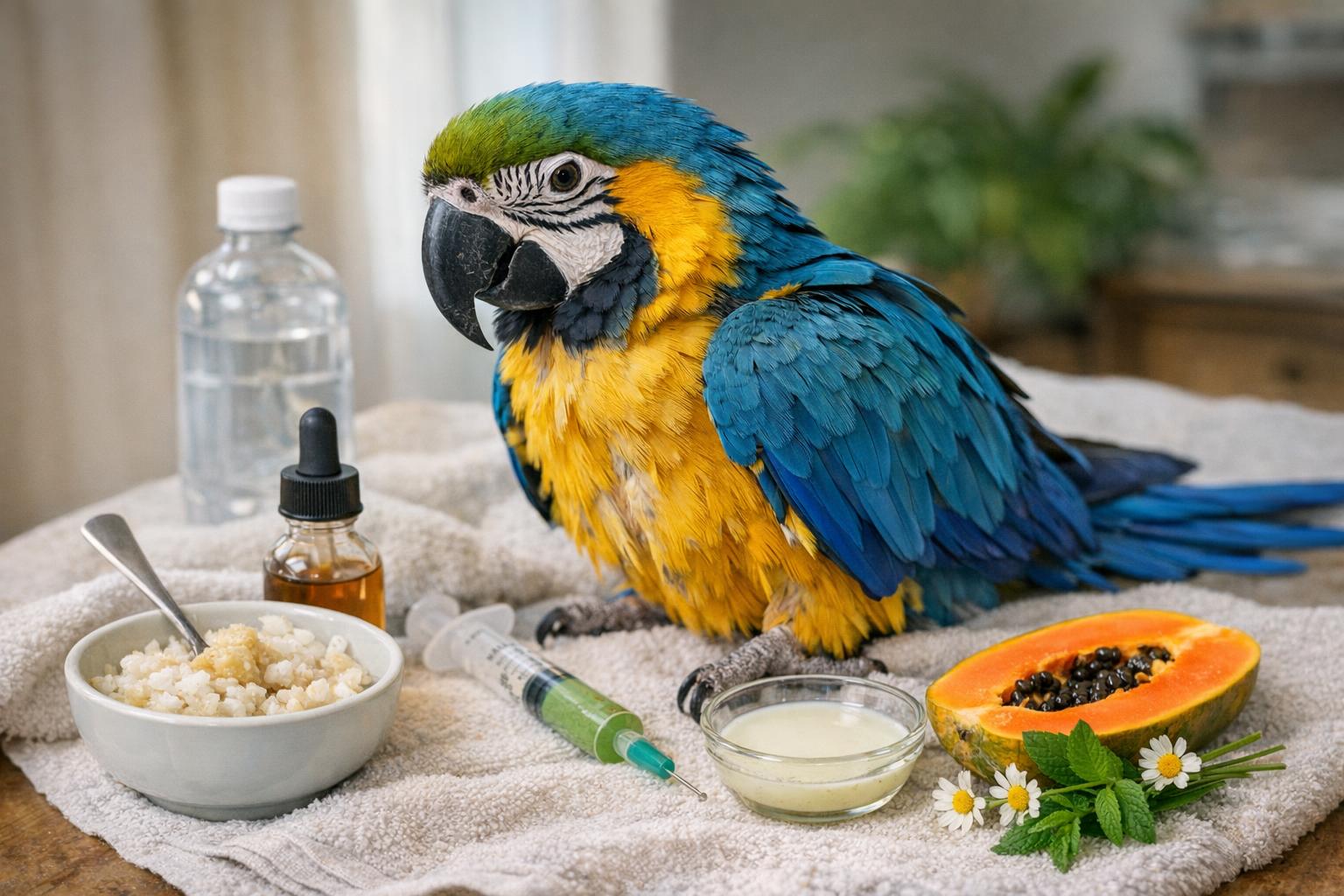
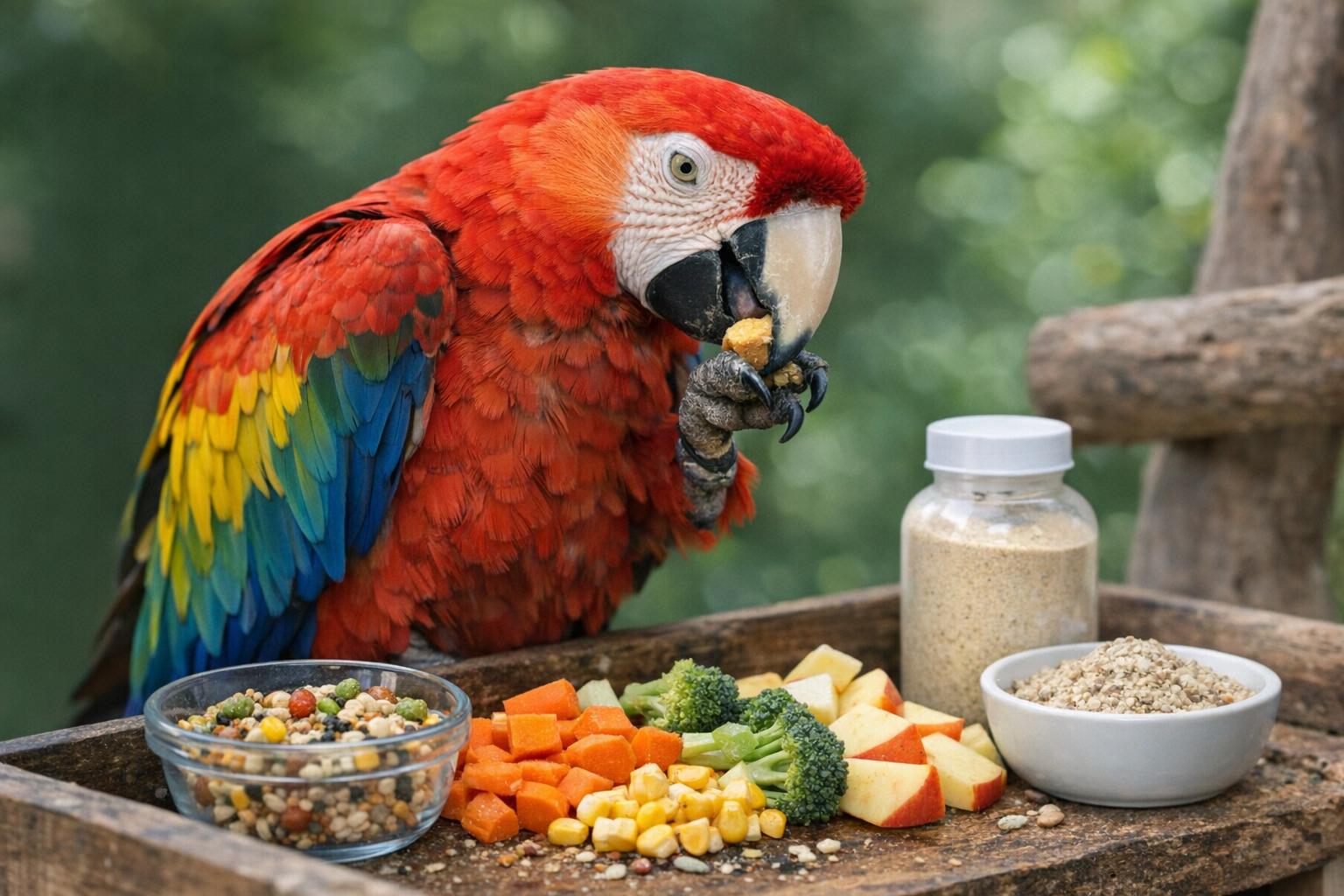
Many instances of parrot dry skin are nutritional. Amino acids, omega fatty acids, and vitamins are foundational for healthy skin and feathers.
### Foods And Supplements That Help
– Fresh fruits and vegetables rich in beta-carotene (carrots, sweet potatoes, dark leafy greens).
– High-quality pellet base diet tailored to species.
– Omega-3/6 sources: small amounts of flaxseed, chia, or a species-appropriate fish oil supplement (vet-approved).
– Zinc, vitamin A, and B-complex support feather health but require careful dosing.
### How To Introduce Changes Safely
1. Consult an avian vet before starting supplements. Dosage and type vary by species, weight, and existing health.
2. Gradually introduce fresh foods over several days to avoid digestive upset.
3. If using a supplemental oil, give it mixed into food or via a vet-recommended capsule. Never force oils directly into the crop.
4. Monitor feathers and skin over 4–8 weeks; nutritional changes take time to manifest in plumage.
Providing a balanced diet is as important as topical care for long-term improvement of parrot dry skin.
## Preventive Care And Cage Management
Prevention is easier than cure. Small changes in daily care and environment dramatically reduce recurrences of parrot dry skin.
### Bathing Schedule And Grooming
– Offer baths 2–4 times weekly depending on species and season.
– Provide fresh water daily and clean feeders to reduce dust accumulation.
– Avoid over-bathing; excessive bathing can strip oils and paradoxically worsen dryness.
#### Feather-Friendly Perches And Toys
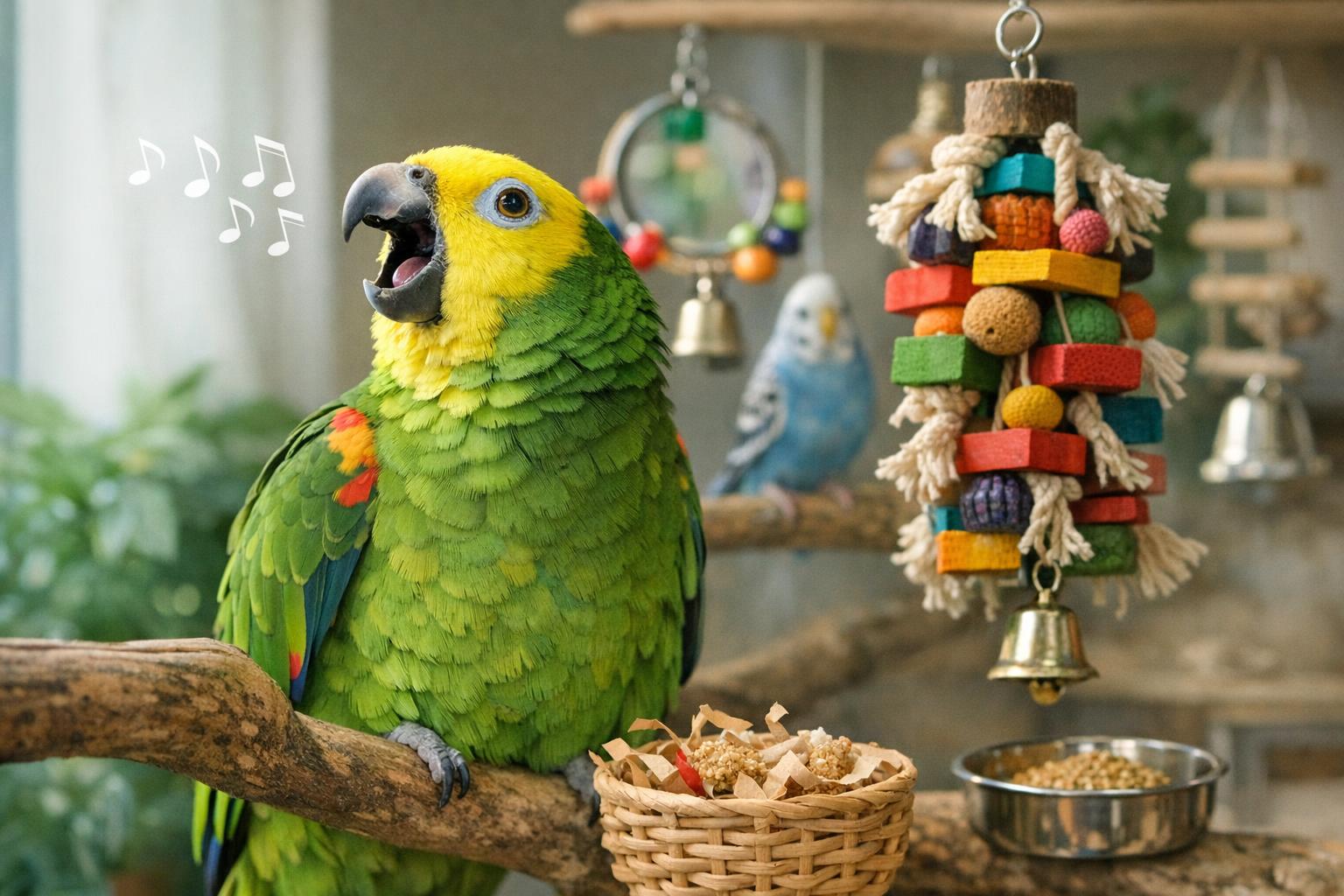
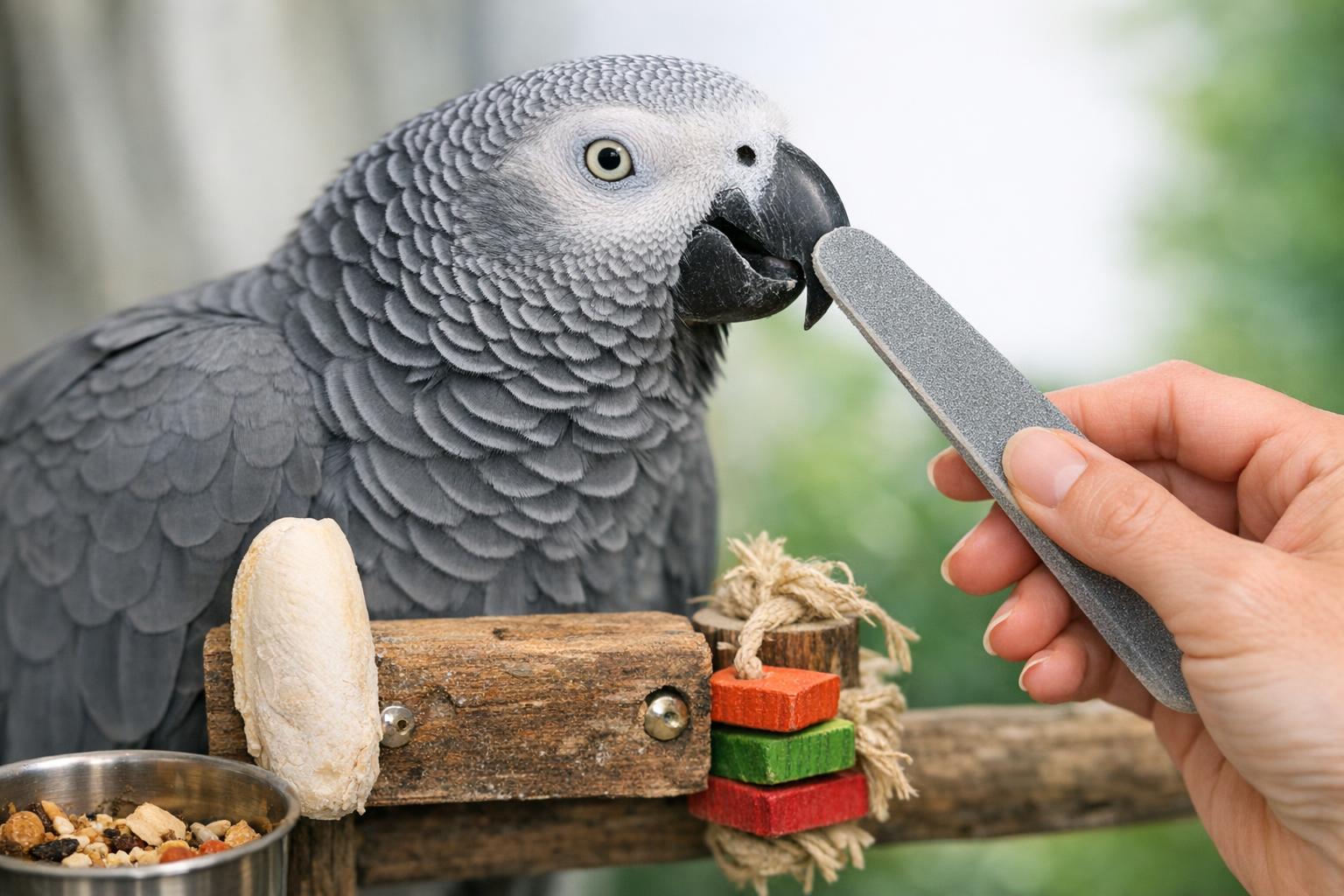
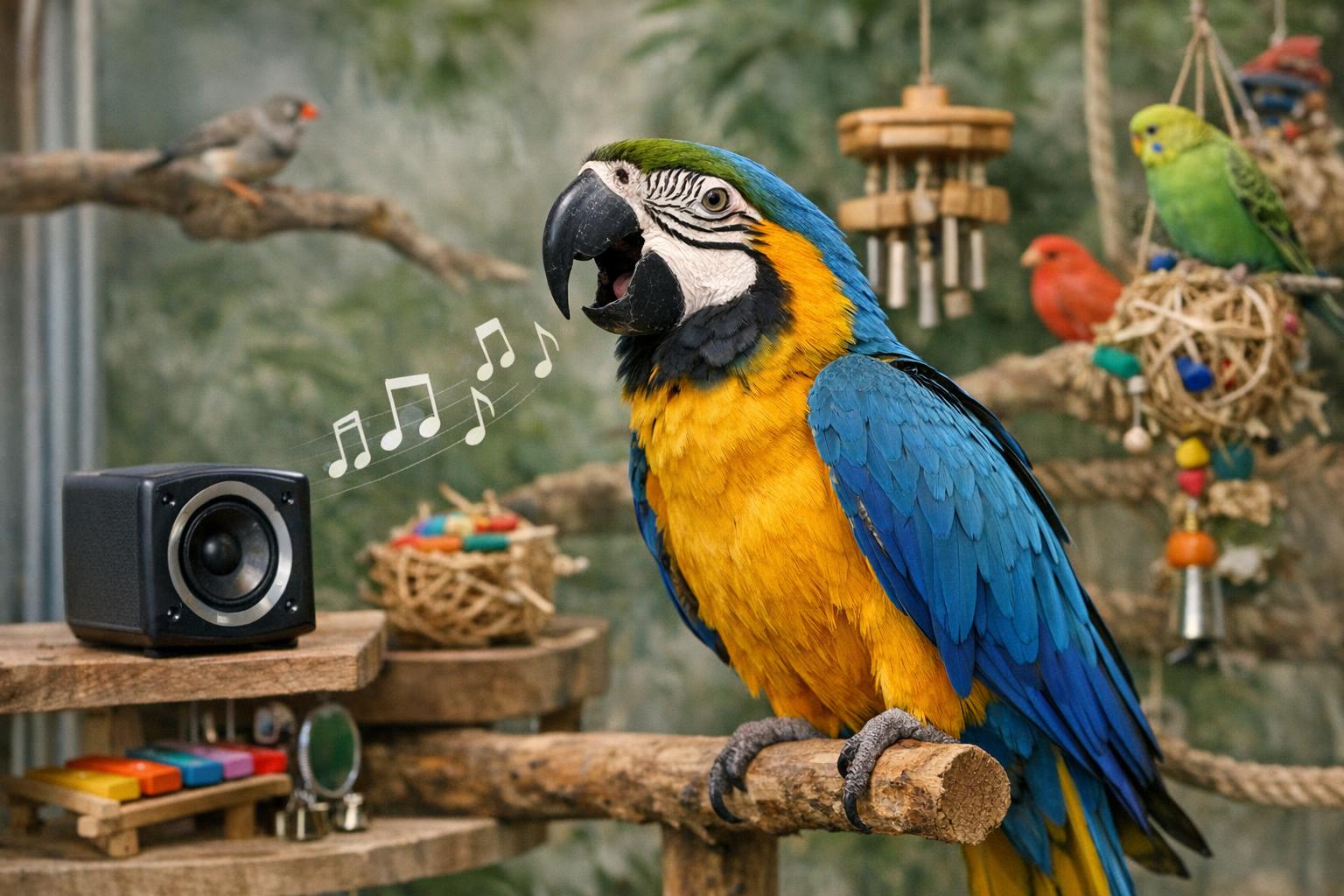
Choose natural wood perches of different diameters to promote healthy feet and natural preening behavior. Avoid plastic perches that can increase static and irritate skin. Rotate toys to reduce stress — boredom can exacerbate feather picking and skin issues.
### When To See An Avian Vet
If parrot dry skin is accompanied by weight loss, lethargy, bleeding, bald patches, or if home measures fail after two weeks, schedule a vet visit. Professional diagnostics (skin scrapings, blood work, fecal tests) rule out mites, infections, and nutritional deficiencies.
## Extra Tips And A Little Encouragement
Keep a “skin and feather” diary: note changes in environment, bathing, and diet alongside skin observations. This helps you and your vet find patterns. And remember — birds are excellent at making small problems seem urgent with dramatic preening sessions; treat them with calm, consistent care and a little patience (and maybe an extra millet spray if they deserve it).
If you try these approaches and still see persistent parrot dry skin, don’t fret — just call your avian vet. Many issues are reversible with the right diagnosis and treatment plan.


Leave a Reply