



How To Heal Fin Rot Betta With DIY Home Remedies For Fish
## What Is Fin Rot And Why It Happens
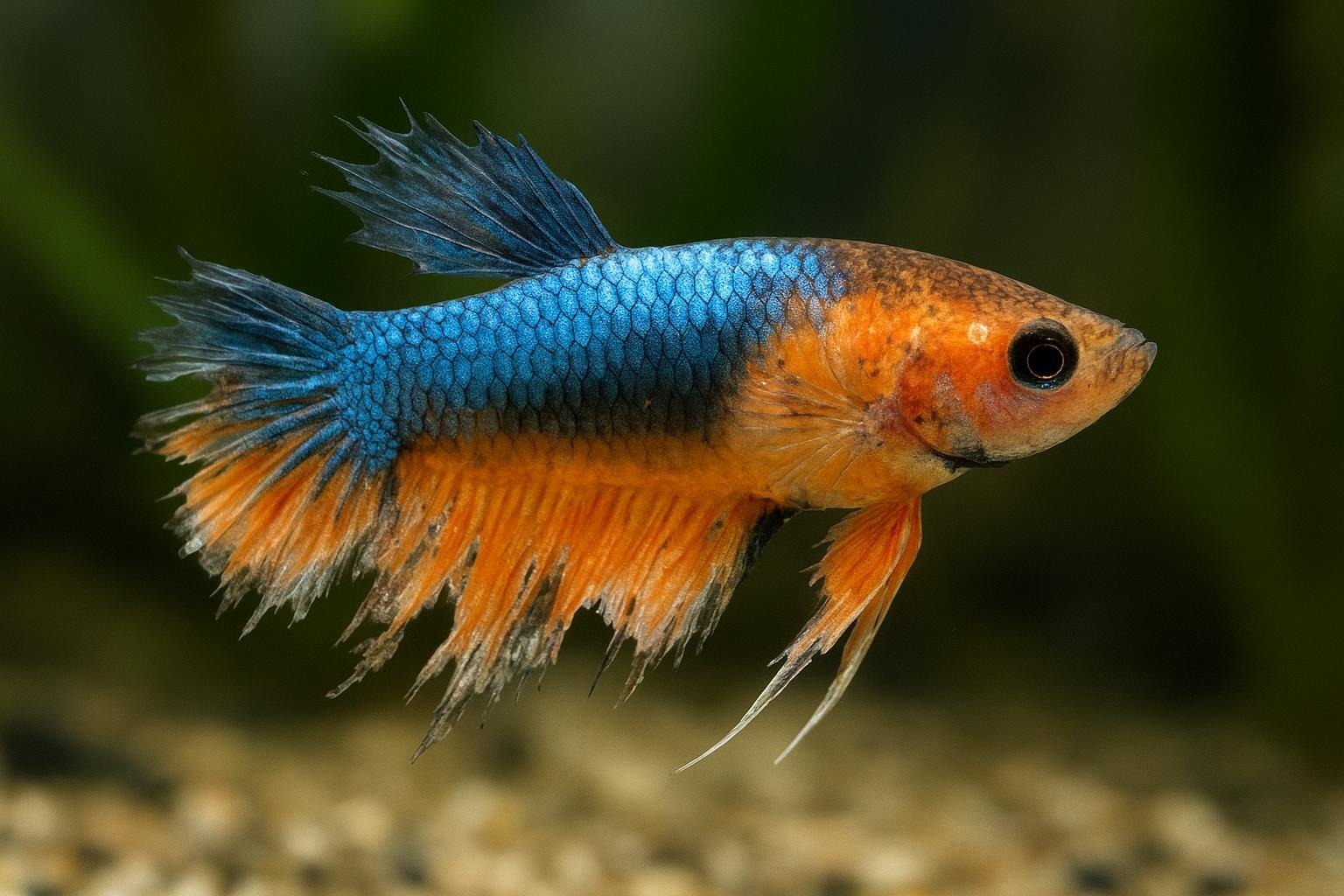
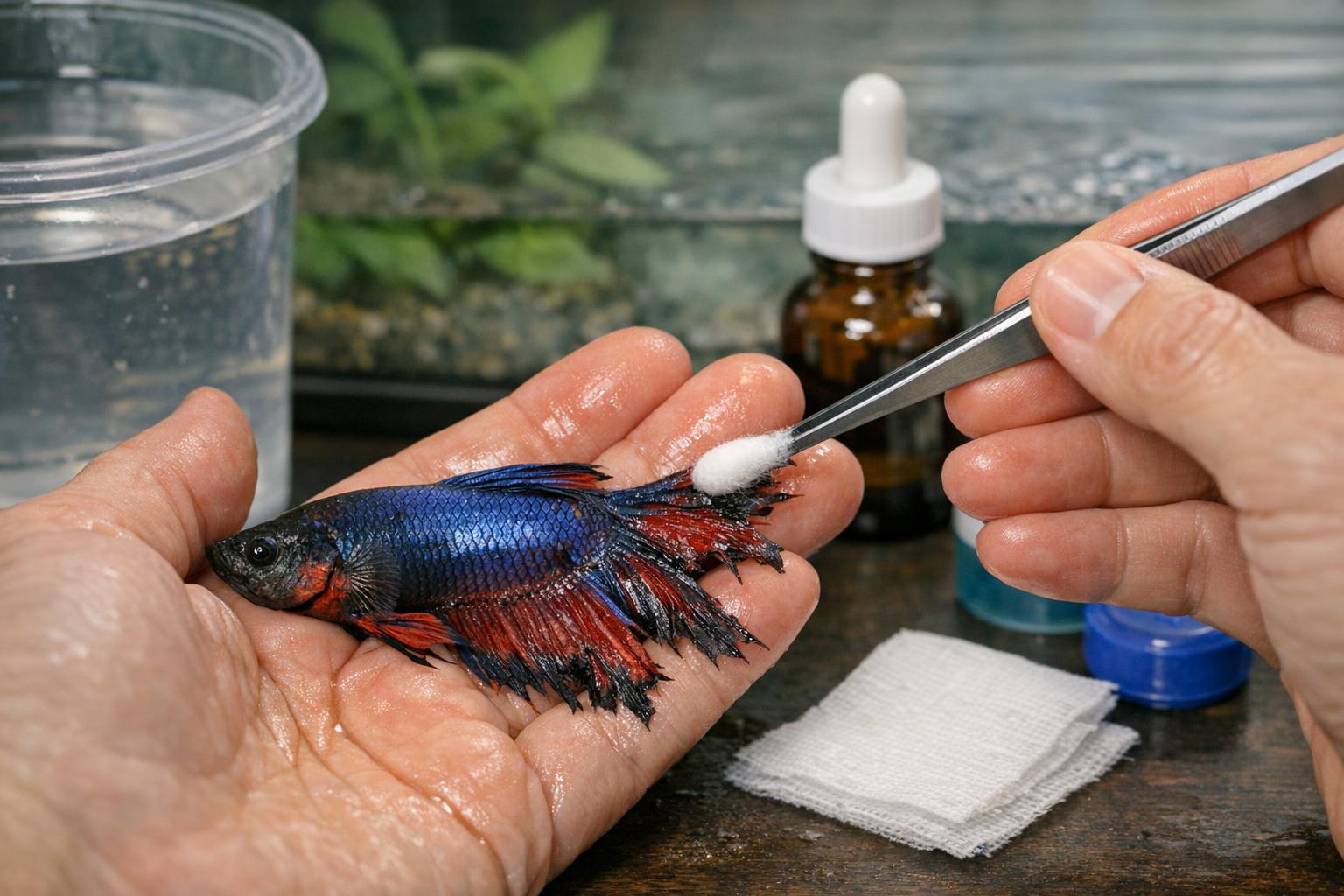
Fin rot is one of those fish problems that looks dramatic but is often very treatable if you act fast. A bacterial or fungal infection attacks the delicate fins of your betta, causing ragged edges, discoloration, or complete fin loss in severe cases. Poor water quality, stress, and small injuries are common triggers. If you’ve ever watched a betta sulk in the corner with shredded fins, you’re not alone — and you can help.
Fin rot betta cases usually start at the fin tips and work inward. Early detection makes home remedies much more effective, so learning the signs can save you money, time, and fishy heartbreak.
### Symptoms To Watch For
– Frayed, ragged, or missing fin margins.
– Fins that look discolored (brown, black, or white edge).
– Slowed swimming or hiding more than usual.
– Inflamed fin base or flared gills in advanced cases.
If you spot any of these, start treatment quickly. The sooner you act, the better chance your betta has of full fin regrowth.
## 1. Epsom Salt Soak For Fin Rot Betta
Epsom salt (magnesium sulfate) is a gentle, well-known aid for reducing swelling and aiding osmoregulation in fish. It’s not an antibiotic, but it can help a betta recover from minor fin damage and some mild infections by improving overall stress resilience and reducing fluid retention in damaged tissues.
#### Ingredients And Materials
– Aquarium-safe Epsom salt (no additives)
– A clean, separate treatment container (1–3 gallons depending on betta size)
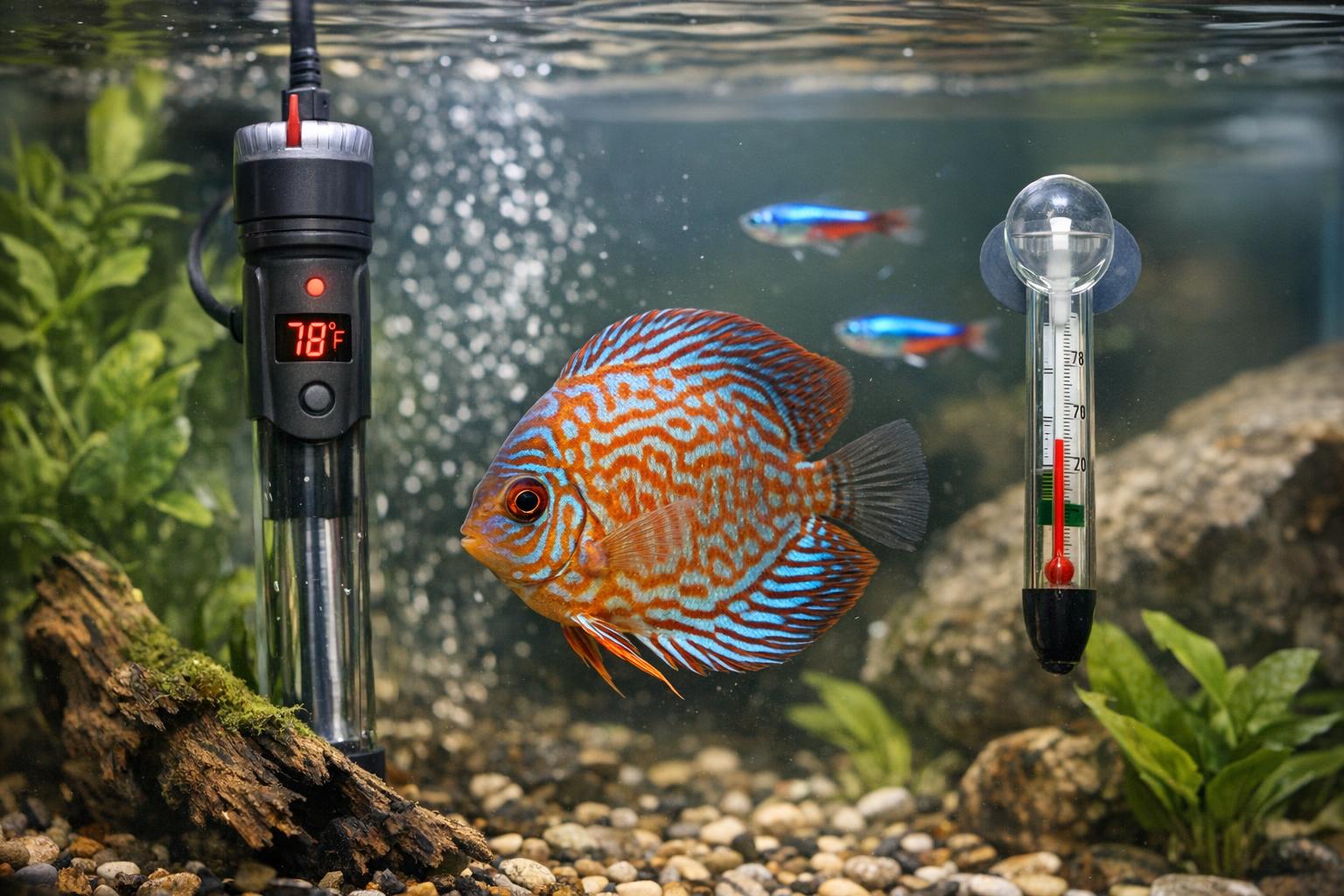
– Dechlorinated water at the same temperature as the main tank
– Hydrometer or thermometer
#### Step-By-Step Application
1. Prepare the Treatment Container: Fill the clean container with dechlorinated water. Match the temperature to the main tank exactly (within 1°F/0.5°C) to avoid thermal shock.
2. Dosage: Dissolve Epsom salt at a rate of 1 teaspoon per 5 gallons of water for a mild soak. For a short-term therapeutic soak, many hobbyists use 1 teaspoon per gallon — but stick closer to the mild concentration for first-timers. (When in doubt, err on the side of lower concentration.)
3. Transfer the Betta: Gently net or cup your betta and move it to the treatment container. Minimize stress; keep the environment calm and dim the lights if possible.
4. Soak Time: Allow the betta to remain in the soak for 10–15 minutes for the gentle concentration. If you used a stronger concentration for a short soak, limit to 5–10 minutes and watch for signs of distress.
5. Return To Tank: After soaking, move your betta back to the main aquarium. Do not pour treatment water into the main tank.
6. Repeat Frequency: Perform once daily for up to 3 days and reassess. If there’s no improvement or the condition worsens, escalate to other remedies or professional care.
Be precise with measurements and avoid prolonged exposure to high concentrations. While helpful, Epsom salt is supportive care, not a definitive cure for moderate-to-severe infections.
## 2. Water Quality Restoration And Partial Water Changes
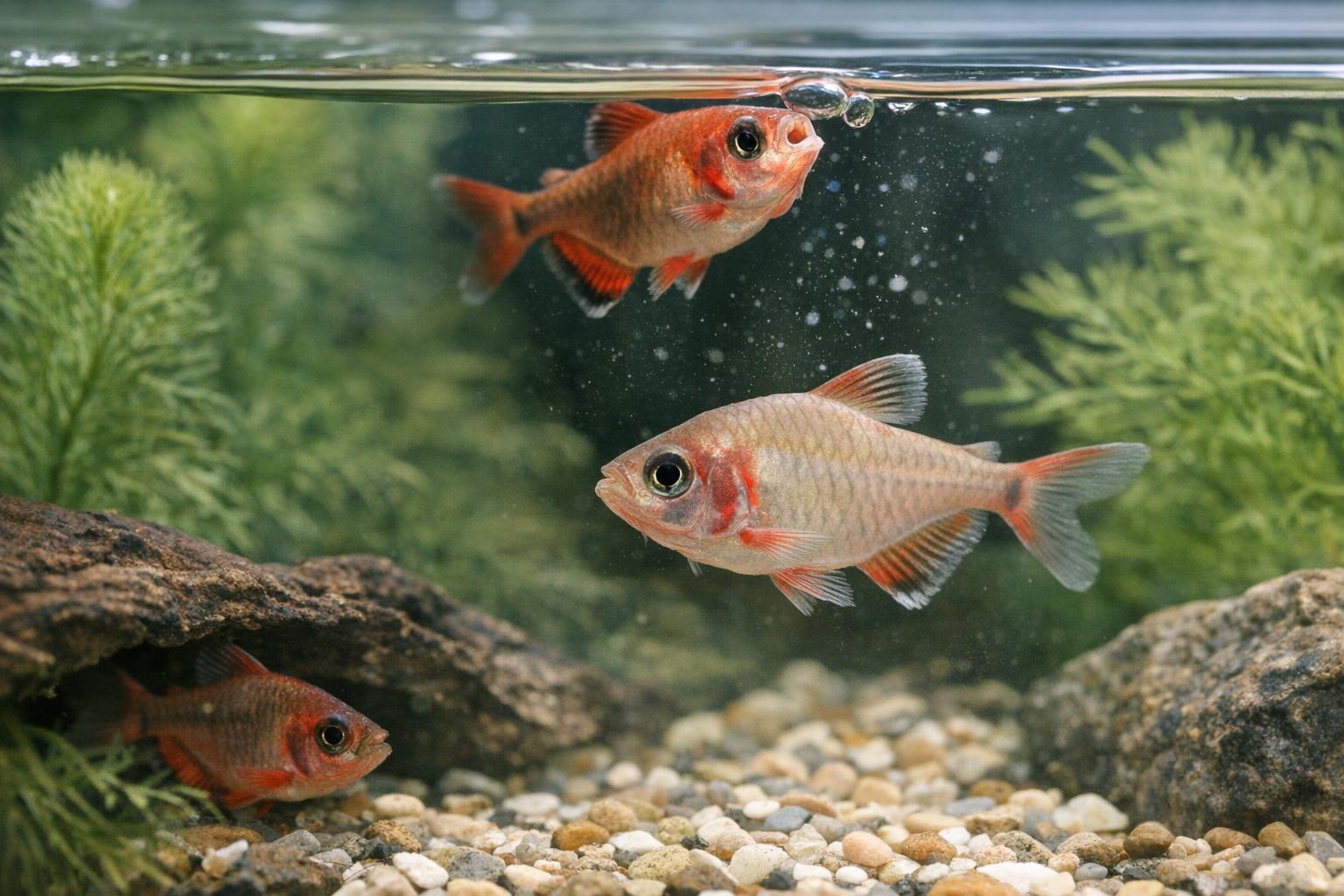
Restoring pristine water conditions is the single most important step in healing fin rot betta. Poor water quality feeds bacteria and weakens your fish’s natural defenses.
#### Materials Needed
– Dechlorinator (water conditioner)
– Gravel vacuum or siphon
– Bucket reserved for aquarium use
– Test strips or liquid test kit (ammonia, nitrite, nitrate, pH)
– Optional: Activated carbon pad for filter
#### Step-By-Step Application
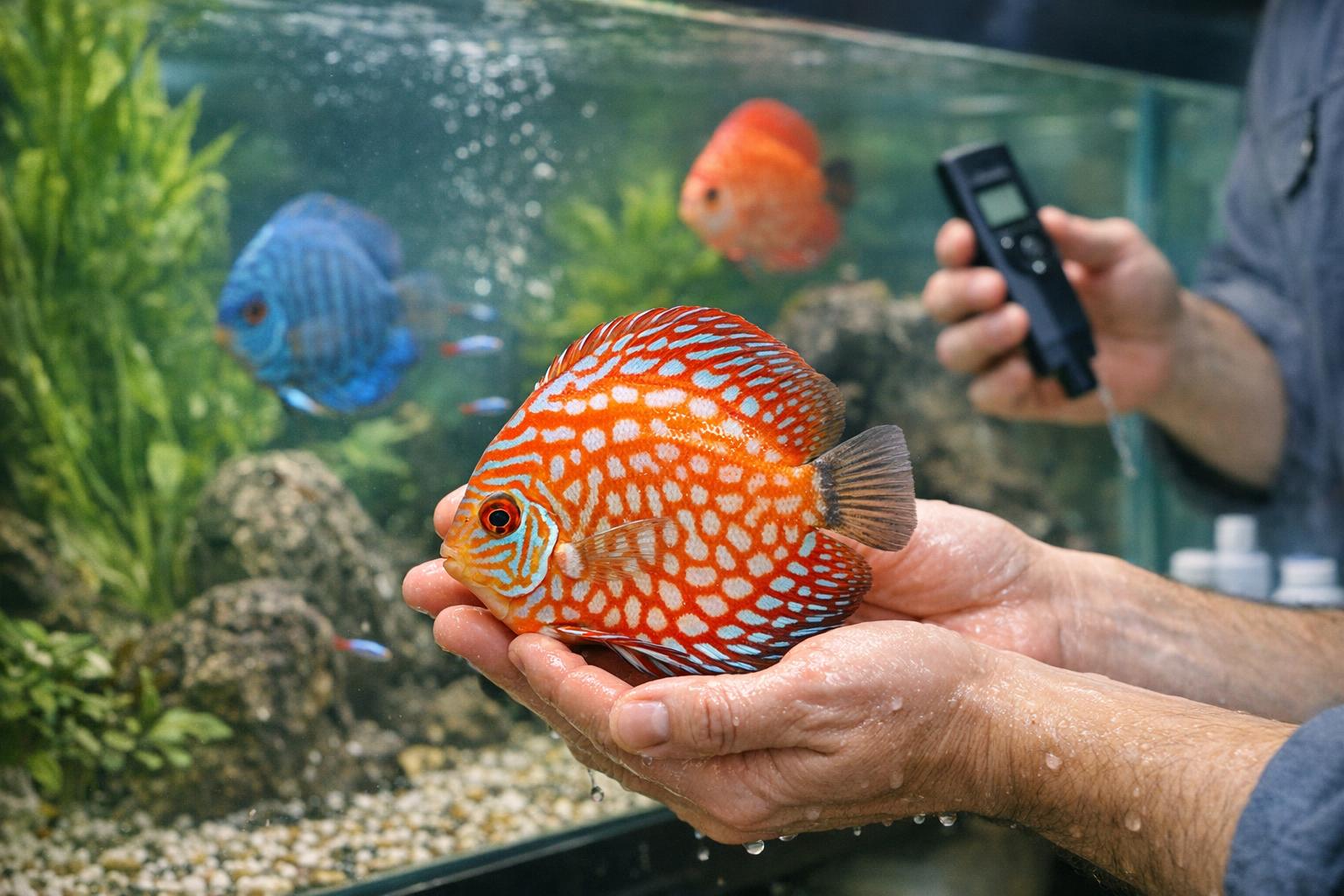
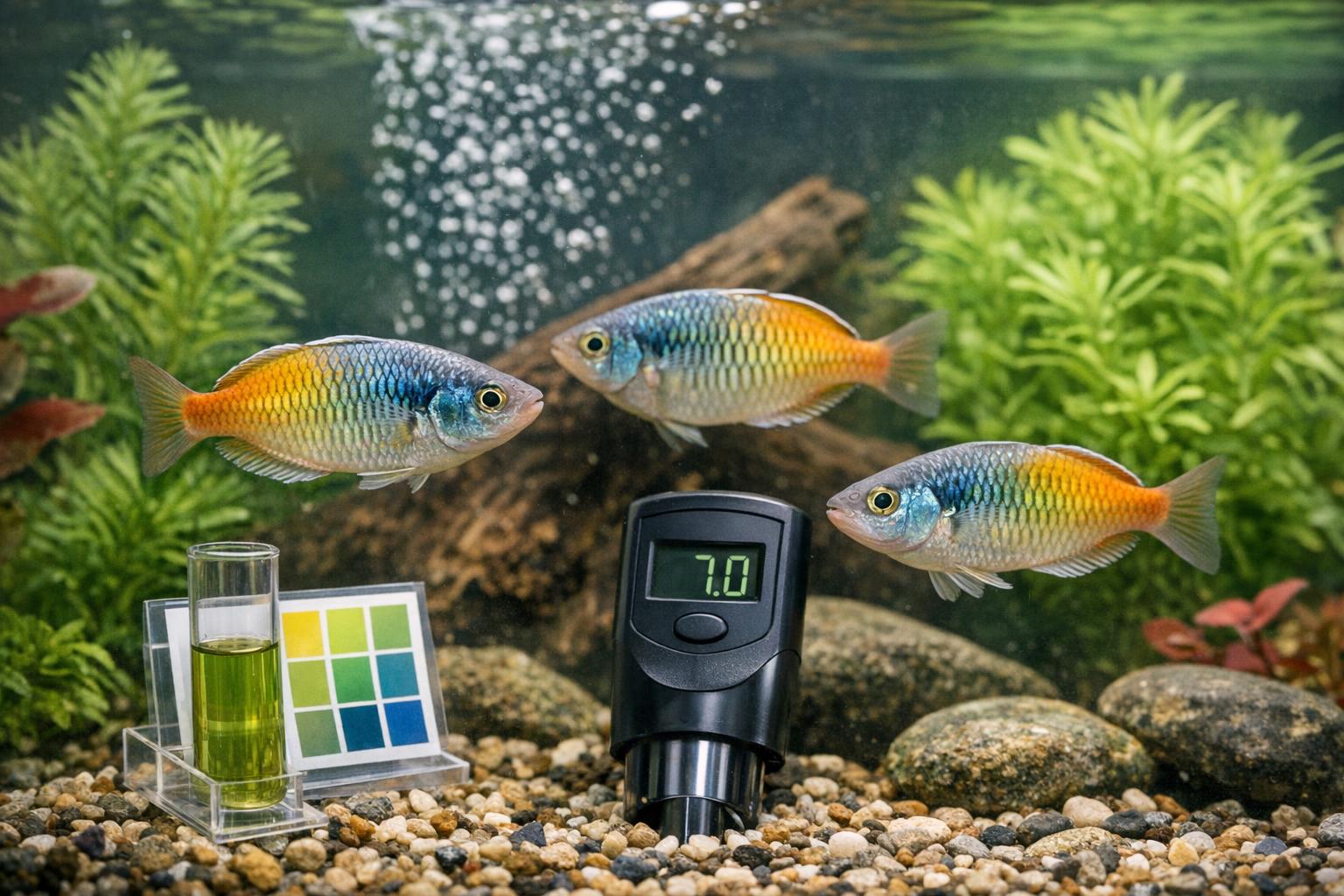
1. Test Water: Check ammonia, nitrite, nitrate, and pH. Ammonia and nitrite must be zero; nitrates should be low.
2. Partial Water Change: Remove 25–50% of the tank water using a siphon and perform a gravel vacuum to remove debris. Do not change all the water at once; abrupt shifts can stress the fish.
3. Replace With Conditioned Water: Refill with dechlorinated water that matches temperature and, ideally, pH.
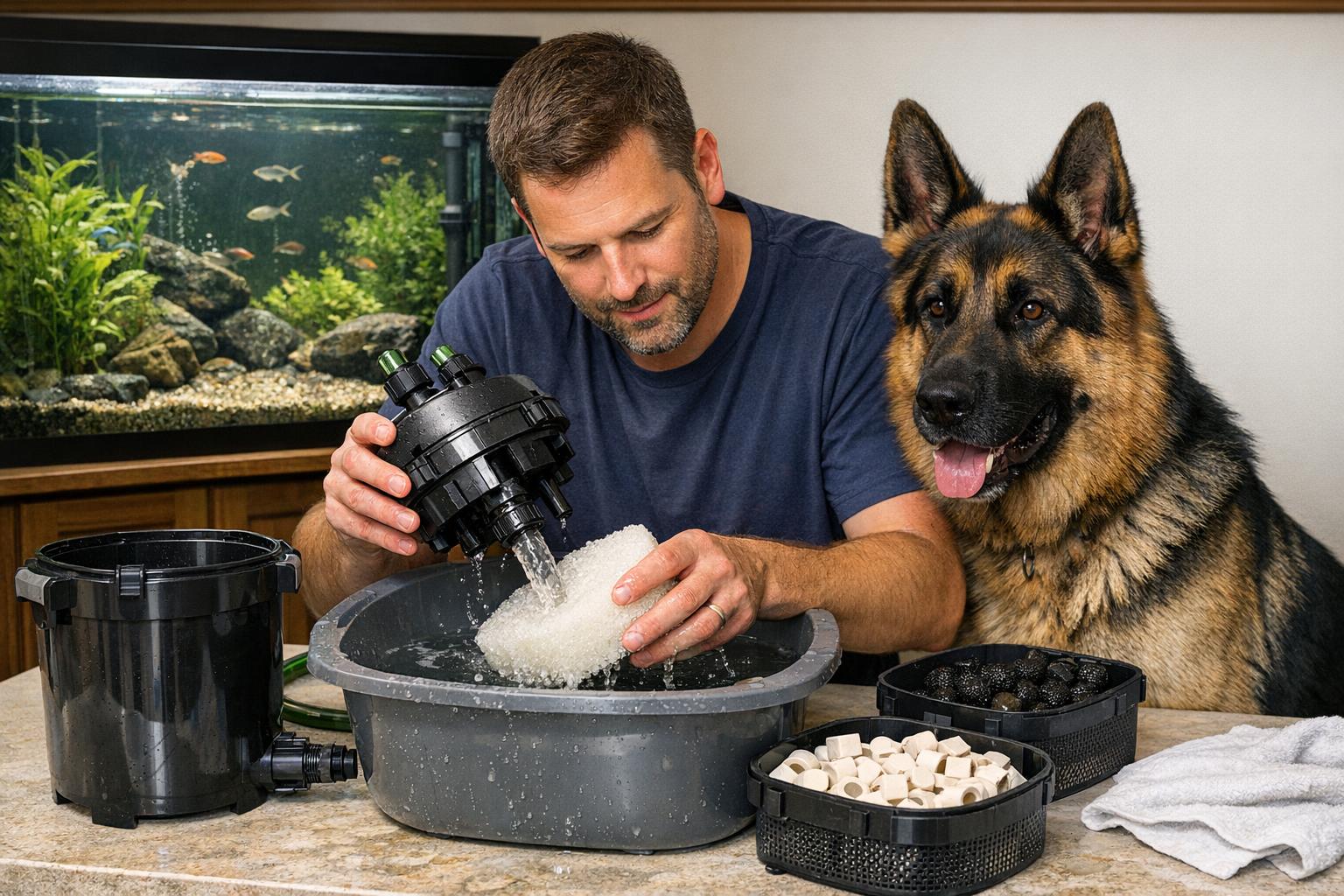
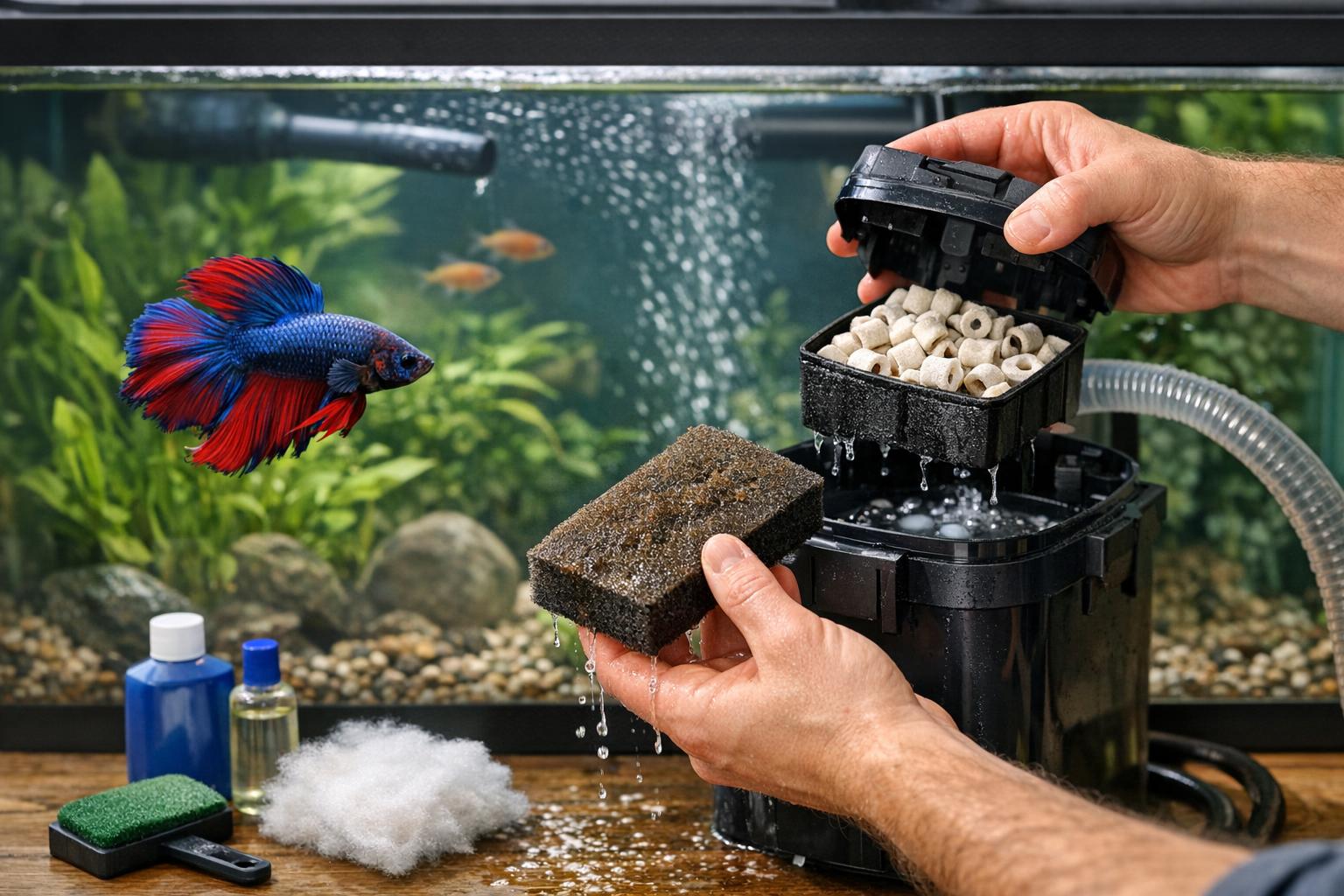
4. Improve Filtration: Clean filter media gently by rinsing in removed tank water (never tap water) to preserve beneficial bacteria. Replace activated carbon if it’s been in the filter for a month or more.
5. Repeat: Perform 25–30% water changes every 2–3 days until water parameters are stable and the betta shows clear signs of improvement.
Formally addressing water chemistry reduces pathogenic load and gives any treatment (including medicated or herbal baths) a better chance to work.
## 3. Antibacterial Tea Bath (Green Tea Or Chamomile) For Soothing And Minor Antimicrobial Support
Certain herbal infusions have mild antibacterial and anti-inflammatory properties and can comfort a stressed betta while you address the environment and more direct therapies.
#### Ingredients And Materials
– Unsweetened green tea bag or chamomile tea bag (no additives, caffeine-free)
– Boiling water and a small cup
– Strainer
– Treatment container with dechlorinated water (same temp as tank)
#### Step-By-Step Application
1. Brew A Strong Tea: Steep one tea bag in 1 cup of boiling water for 10–15 minutes to make a concentrated infusion. Allow it to cool completely.
2. Strain And Dilute: Strain the infusion and dilute it into the treatment container so the final solution is very weak — roughly 1 tablespoon of concentrated tea per gallon of tank water.
3. Transfer The Betta: Place the betta in the tea bath for 10–20 minutes while observing closely.
4. Return To Tank: After the soak, move the betta back to its main aquarium.
5. Frequency: Use 1–2 times per week as supportive care. This is an adjunct therapy and not a replacement for water changes or antibacterial agents when an infection is advanced.
Use caution and keep concentrations gentle. When applied carefully, these tea baths can reduce surface irritation and provide a comforting, low-risk supportive step for mild fin damage.
## When To Add Medicated Treatments Or See A Vet
If you’ve tried the gentle home remedies above (and kept water parameters pristine) but the condition continues to worsen — fins recede significantly, the base of the fin looks black or rotted away, or your betta’s behavior declines — it’s time to escalate. Over-the-counter antibacterial or antifungal aquarium treatments are often necessary for moderate to severe infections. Look for products formulated for fin and tail rot from reputable brands, and follow dosing instructions precisely.
If medicated treatment doesn’t help within a week, or if the infection seems systemic (white patches on the body, extreme lethargy), consult an aquatic veterinarian. Some bacterial strains are resistant and need professional antibiotics.
### Monitoring Recovery And Expected Timeline
Recovery times vary. Mild cases can start improving within 5–10 days with good water quality and supportive treatments. Noticeable fin regrowth may take several weeks to months, depending on severity and the betta’s age and health. Keep a recovery log: photos every 3–5 days help you see progress (or regression) more clearly than memory alone.
### Preventing Future Outbreaks
A few easy habits prevent a lot of pain:
– Cycle and maintain your tank; test weekly.
– Avoid overfeeding and remove uneaten food.
– Quarantine new fish or plants before introducing them to the main tank.
– Handle nets and decorations cleanly to avoid introducing pathogens.
Fin rot betta issues are too common, but mostly manageable with early detection, clean water, and the right supportive remedies. If you prefer DIY care, combine careful Epsom soaks, strict water management, and occasional herbal baths — and be ready to step up to medicated solutions if the condition fails to improve.












Leave a Reply