


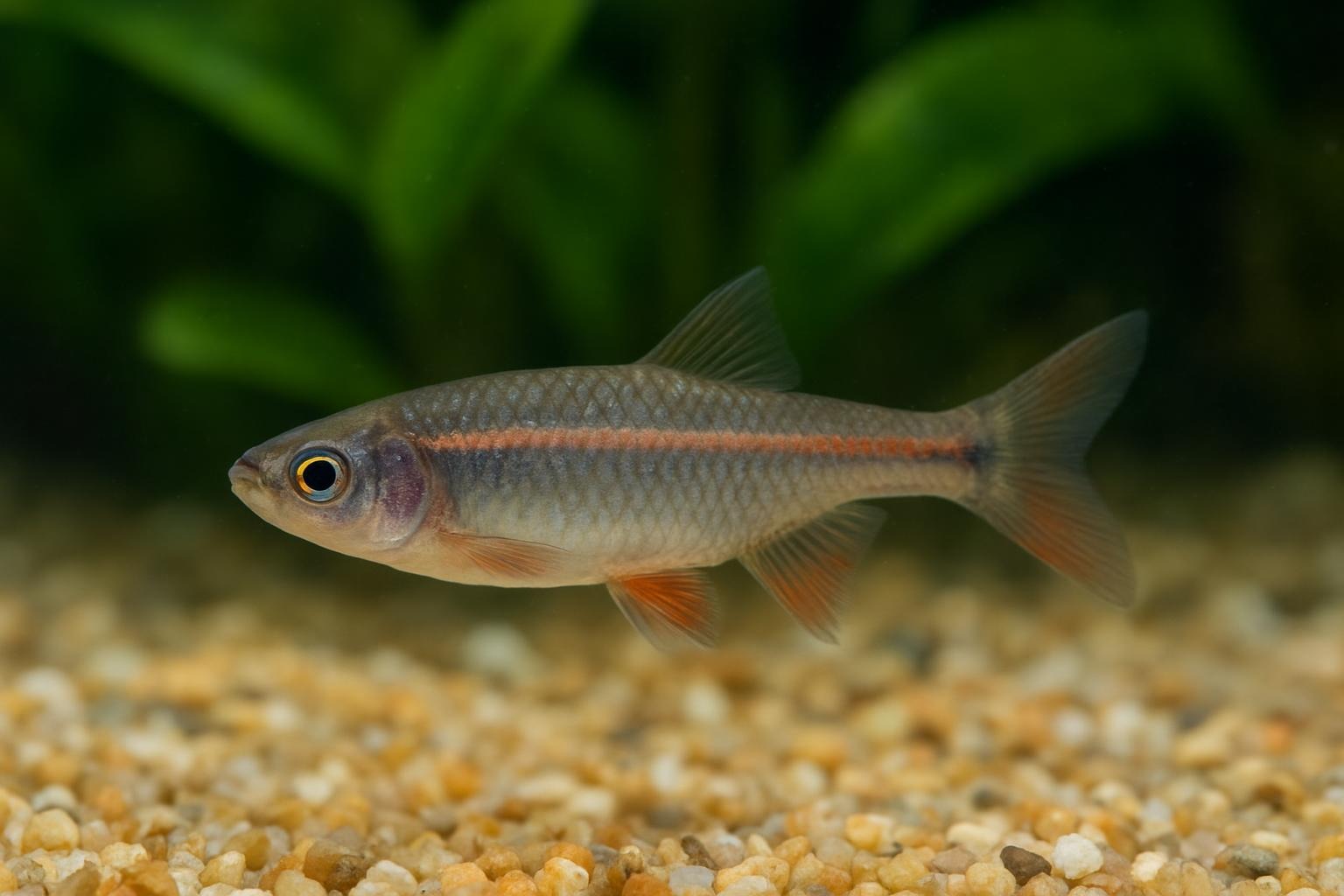
## Understanding Common Fish Ailments
If you keep fish, you’ll eventually meet a few of the usual suspects. From fuzzy cottony patches to ragged fins, these symptoms are part of the “who’s who” of aquarium life. This article walks through the most common fish ailments, why they happen, and—more importantly—practical, mostly DIY remedies you can do at home. Think of it as triage for your tank, with a warm cup of koi-kapuccino on the side (okay, maybe leave the cup out of the aquarium).
### Common Signs To Watch For
– White spots or dust-like specks on the body (Ich).
– Velvet- or gold-dust sheen and fast breathing.
– Ragged, disintegrating fins or blackened edges.
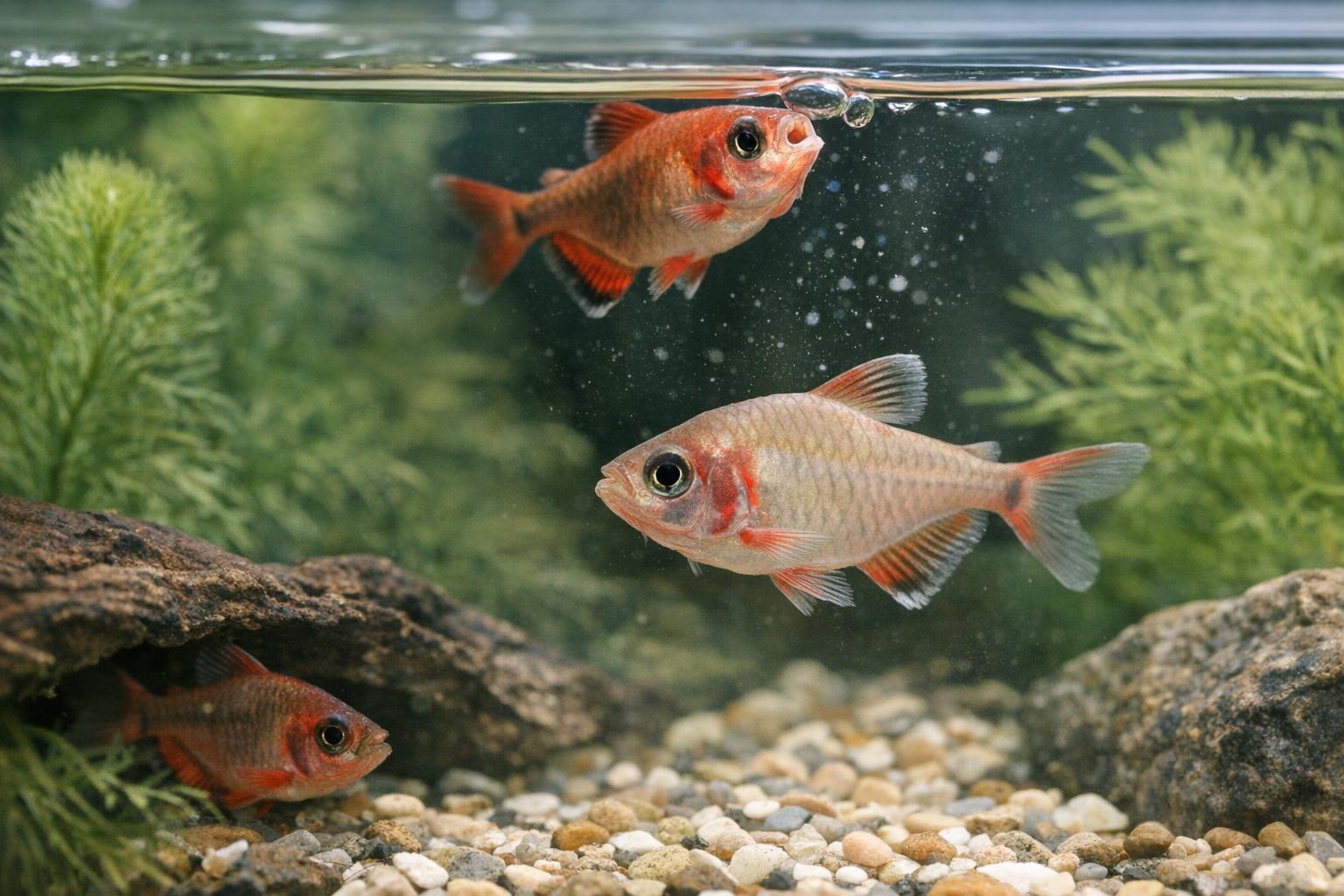
– Lethargy, loss of appetite, or gasping at the surface.
– Excess mucus, ulcers, or fungus-like growths.
If you spot any of these signs, act promptly—early treatment is simpler and less stressful for your fish.
## Causes And Prevention Of Common Fish Ailments
Most common fish ailments aren’t mystical; they’re a result of poor water quality, stress, overcrowding, or the wrong temperature/nutrition. Good news: many problems are preventable.
### Tank Hygiene Basics
Keep these points simple but consistent:
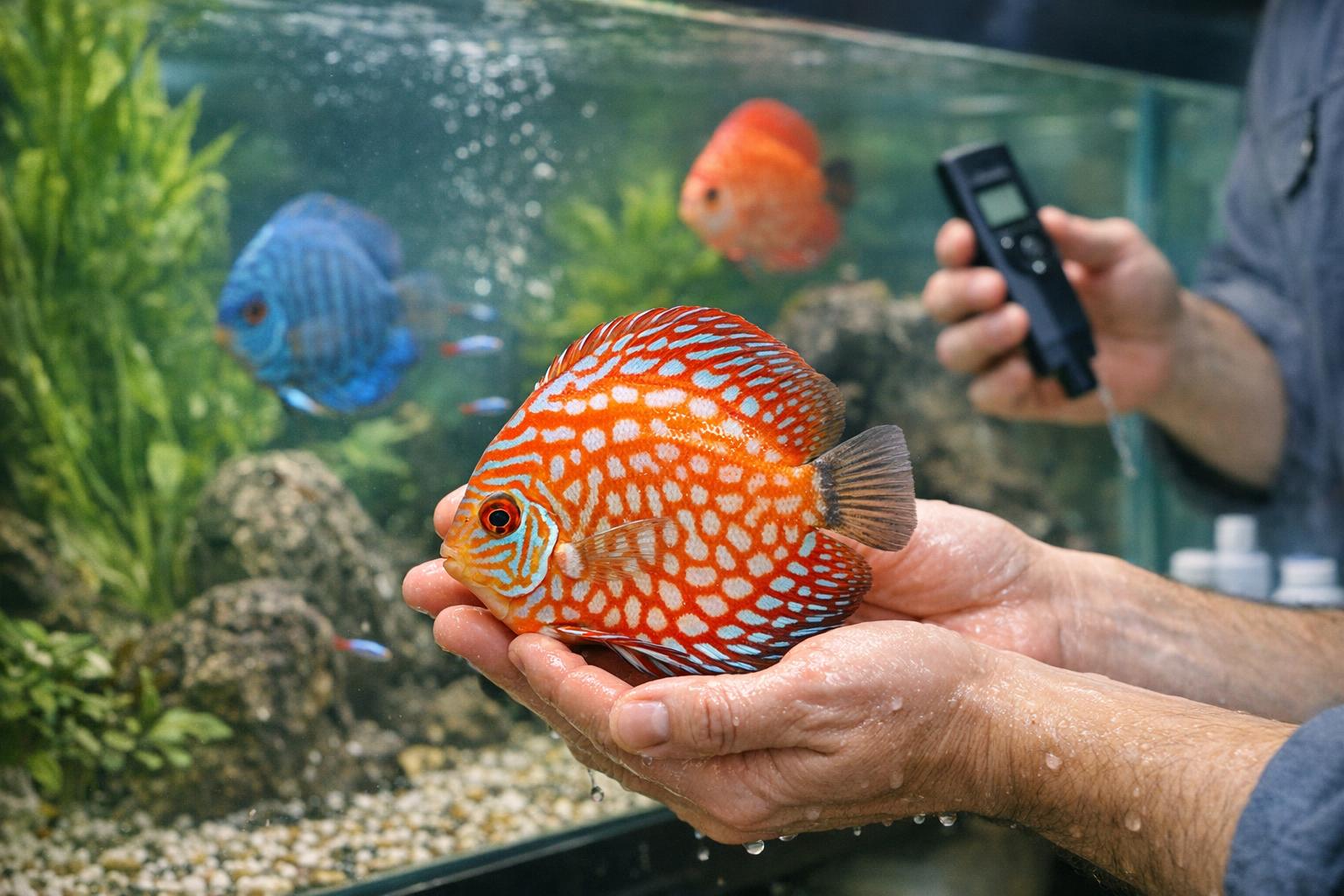
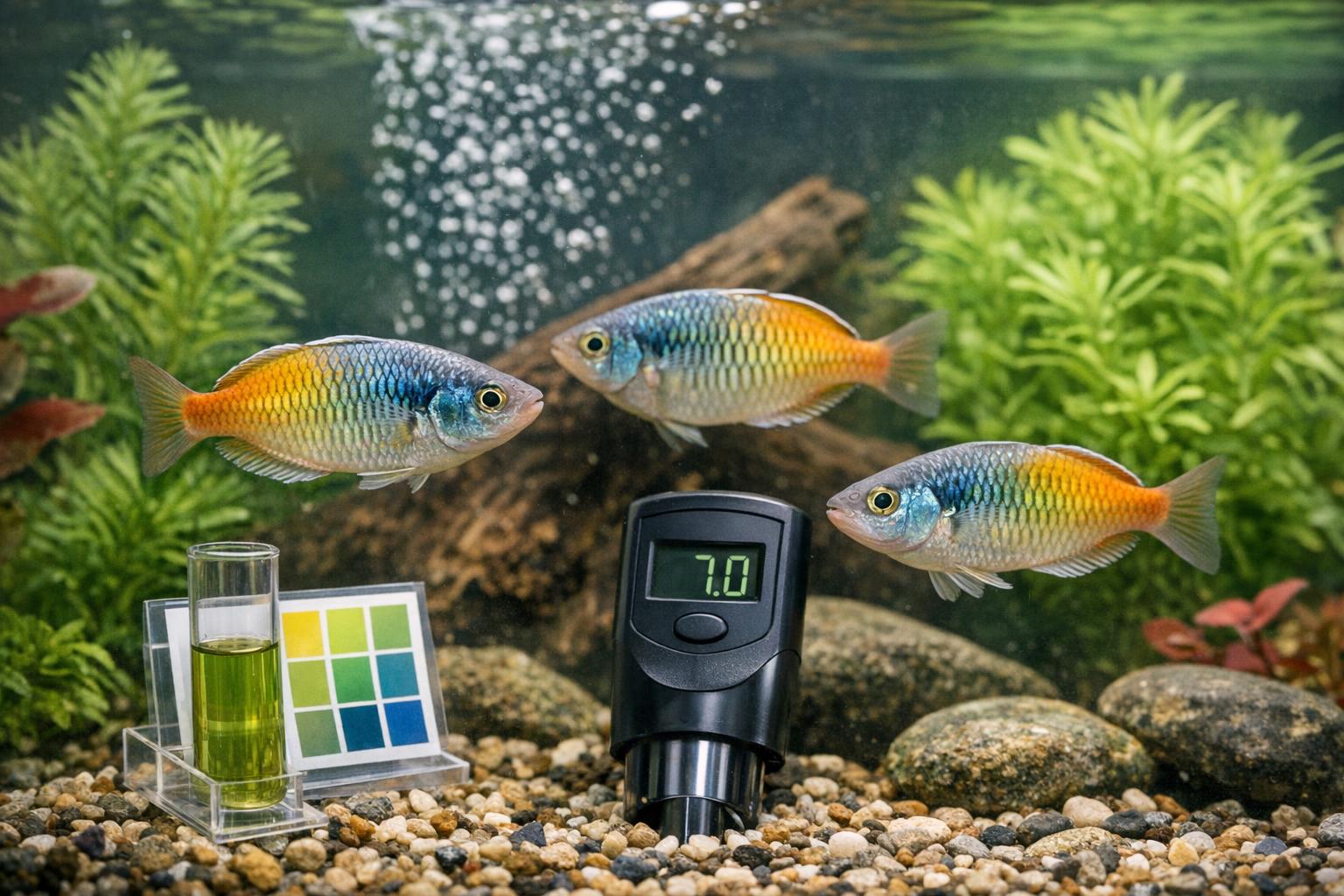
– Test ammonia, nitrite, nitrate, and pH at least weekly.
– Do regular partial water changes (20–30% weekly for many tanks).
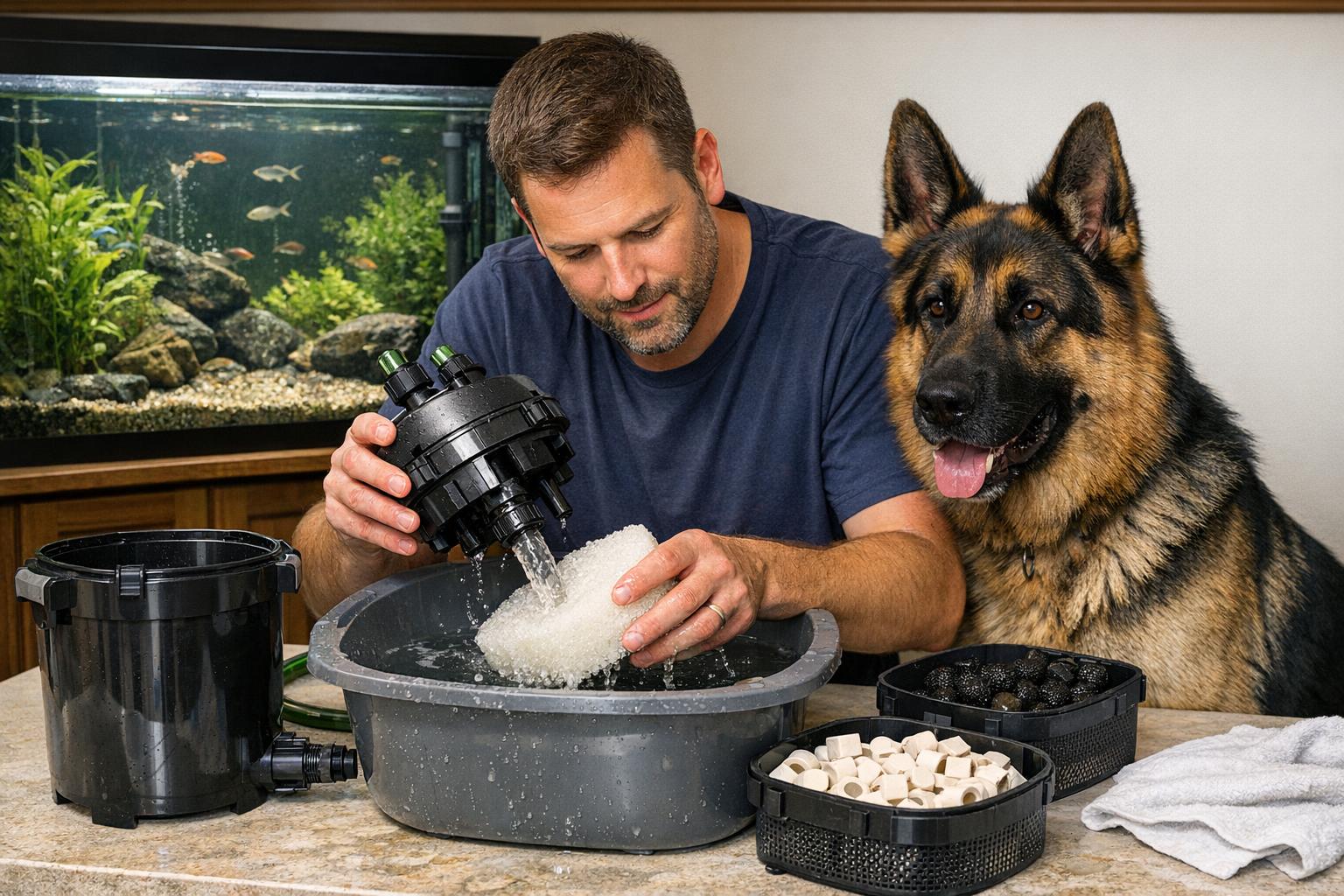
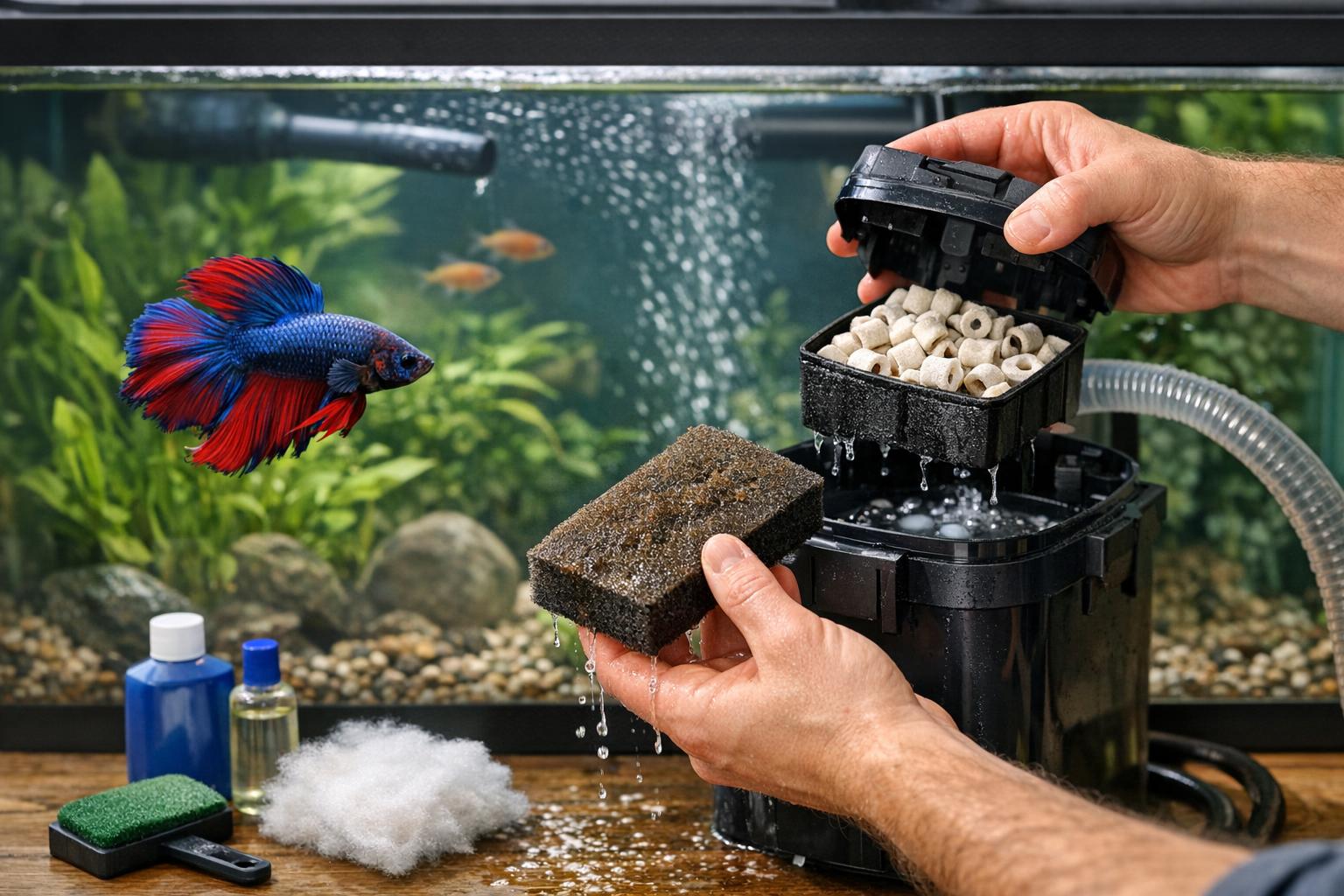
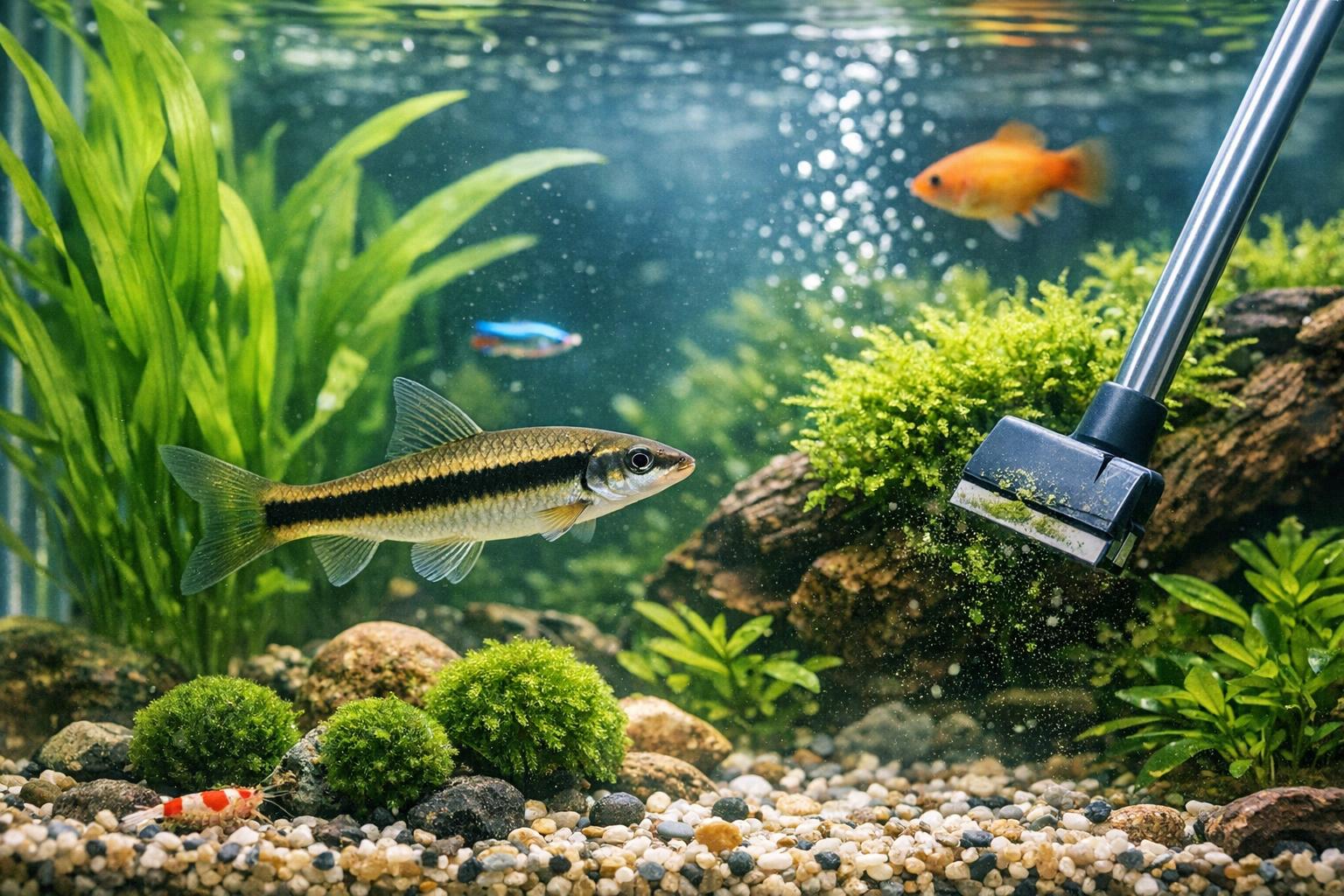
– Vacuum substrate to remove uneaten food and waste.
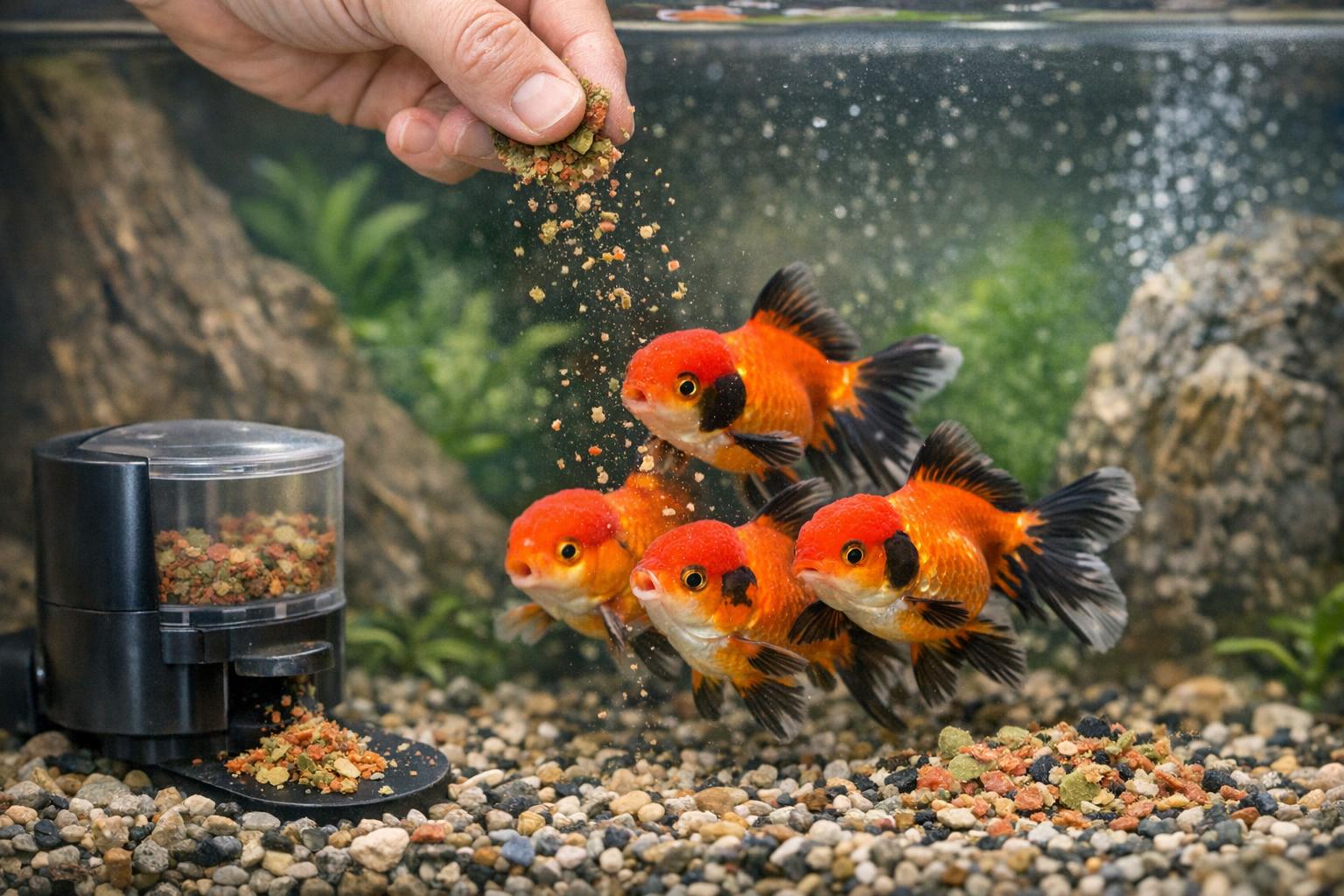
– Don’t overfeed—offer what your fish consume in 2–3 minutes.
– Quarantine new arrivals for 2–4 weeks before adding to a main tank.
### Nutrition And Stress Reduction
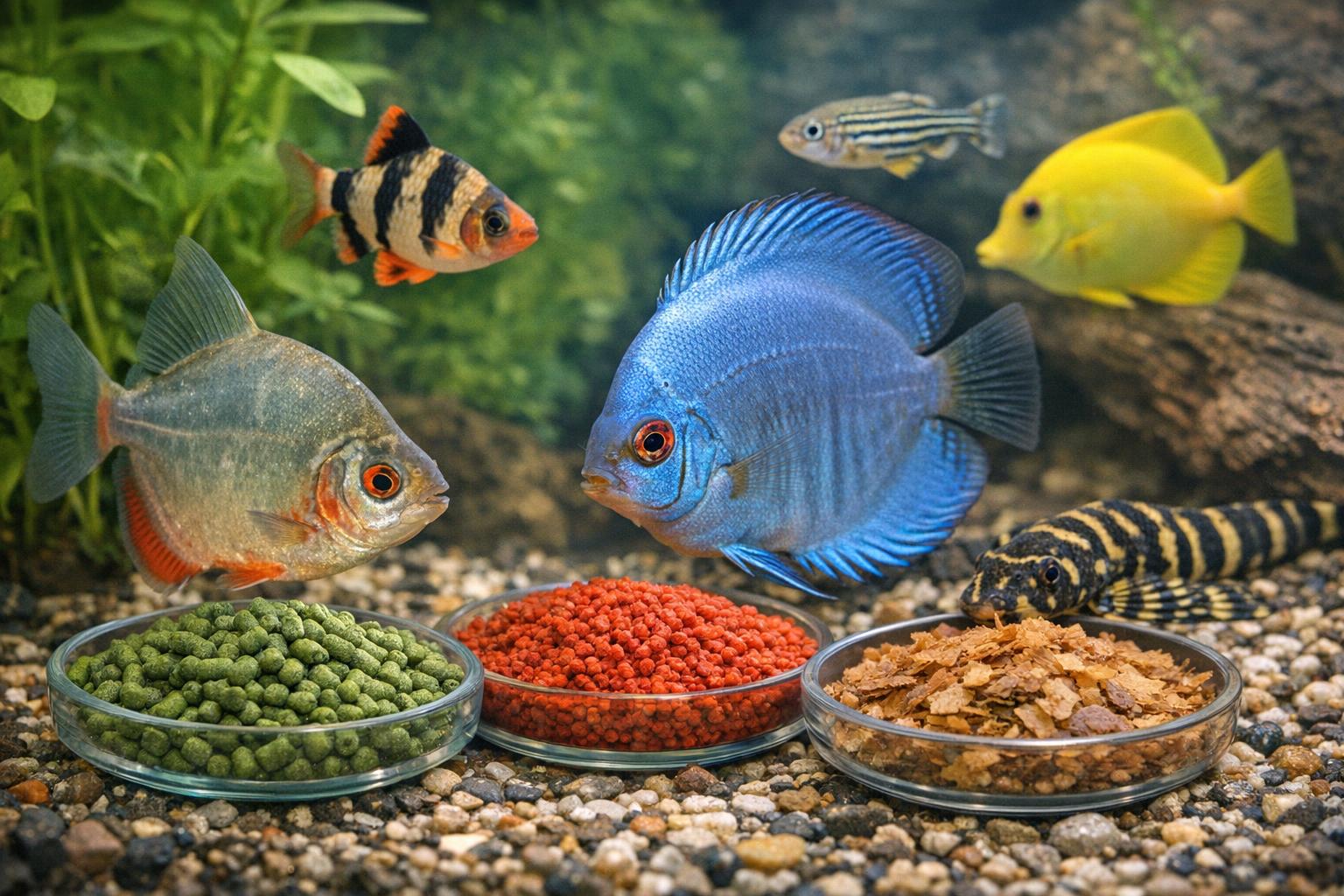
A varied, species-appropriate diet strengthens immune response. Provide hiding places and proper tankmates to reduce bullying and chronic stress, which opens the door to disease.
## Remedy 1: Salt Bath For Ich (White Spot Disease)
Ich (Ichthyophthirius multifiliis) is one of the most recognizable of the common fish ailments—tiny white spots that make fish look like they sprouted grains of salt. A salt bath can be an effective early intervention for many freshwater species.
### Ingredients Or Required Materials
– Aquarium-safe salt (non-iodized).
– A separate quarantine container or hospital tank.
– Dechlorinated water at the same temperature as the main tank.
– Net or gentle transfer cup.
– Thermometer.
#### Step-By-Step Creation And Application
1. Prepare the quarantine container with dechlorinated water matching the main tank’s temperature and pH. This prevents shock.
2. Dissolve 1 tablespoon of aquarium salt per 5 gallons (roughly 3.8 L) — this is a mild therapeutic dose. For big, salt-tolerant species the concentration can go higher but only under specific guidance.
3. Move the affected fish gently into the salt bath. Avoid netting too roughly; use a container transfer if possible.
4. Leave the fish in the salt bath for 5–15 minutes, monitoring closely for distress (rapid gill movement or frantic gasping).
5. Return the fish to the clean quarantine tank with the same salt concentration for ongoing treatment, or to the main tank only after the main tank has been treated appropriately and the salt concentration adjusted (if safe).
6. Repeat daily for 7–10 days, or until no new spots appear and the fish shows normal behavior. Continue treatment for at least 48 hours after spots disappear to interrupt the parasite life cycle.
Note: Not all fish tolerate salt well (e.g., certain catfish and some livebearers). Verify species tolerance before using salt therapy.
## Remedy 2: Fin Rot Treatment With Salt And Water Management
Fin rot typically comes from bacteria that take advantage of torn fins or poor water conditions. Healing focuses on improving water quality and reducing bacterial load.
### Ingredients Or Required Materials
– Aquarium salt.
– Water testing kit.
– Dechlorinator.
– Soft sponge or siphon for partial water changes.
– Optional: Broad-spectrum antibacterial aquarium medication (if severe).
#### Step-By-Step Creation And Application
1. Test water to identify ammonia, nitrite, and nitrate levels. Correct any problems immediately with partial water changes and filtration checks.
2. Perform a 25–50% water change, vacuuming the substrate to remove debris and reduce bacterial food sources.
3. Add aquarium salt at 1 tablespoon per 5 gallons, which can help reduce osmoregulatory stress and inhibit some bacteria.
4. Maintain pristine water: daily testing and 20–30% water changes every other day for a week or until healing begins.
5. If fins continue to deteriorate after 3–4 days of strict water maintenance, consider a targeted antibacterial medication according to label instructions. Use formal veterinary-grade meds when home measures fail.
6. Isolate severely affected fish in a hospital tank to prevent reinfection and to control medication dosing precisely.
Treatment for fin rot depends heavily on water quality remediation. The technical aspect—concentration, dosing, and timing—must be followed precisely for safety and efficacy.
## Remedy 3: Copper-Free Treatment For Velvet (Piscinoodinium)
Velvet presents as a fine, dusty coating with a golden sheen. Dimmed lighting, elevated temperature for freshwater species, and salt treatment can slow parasite progression.
### Ingredients Or Required Materials
– Aquarium salt.
– Dimmer for aquarium light or cover to reduce light intensity.
– Separate quarantine tank (preferred).
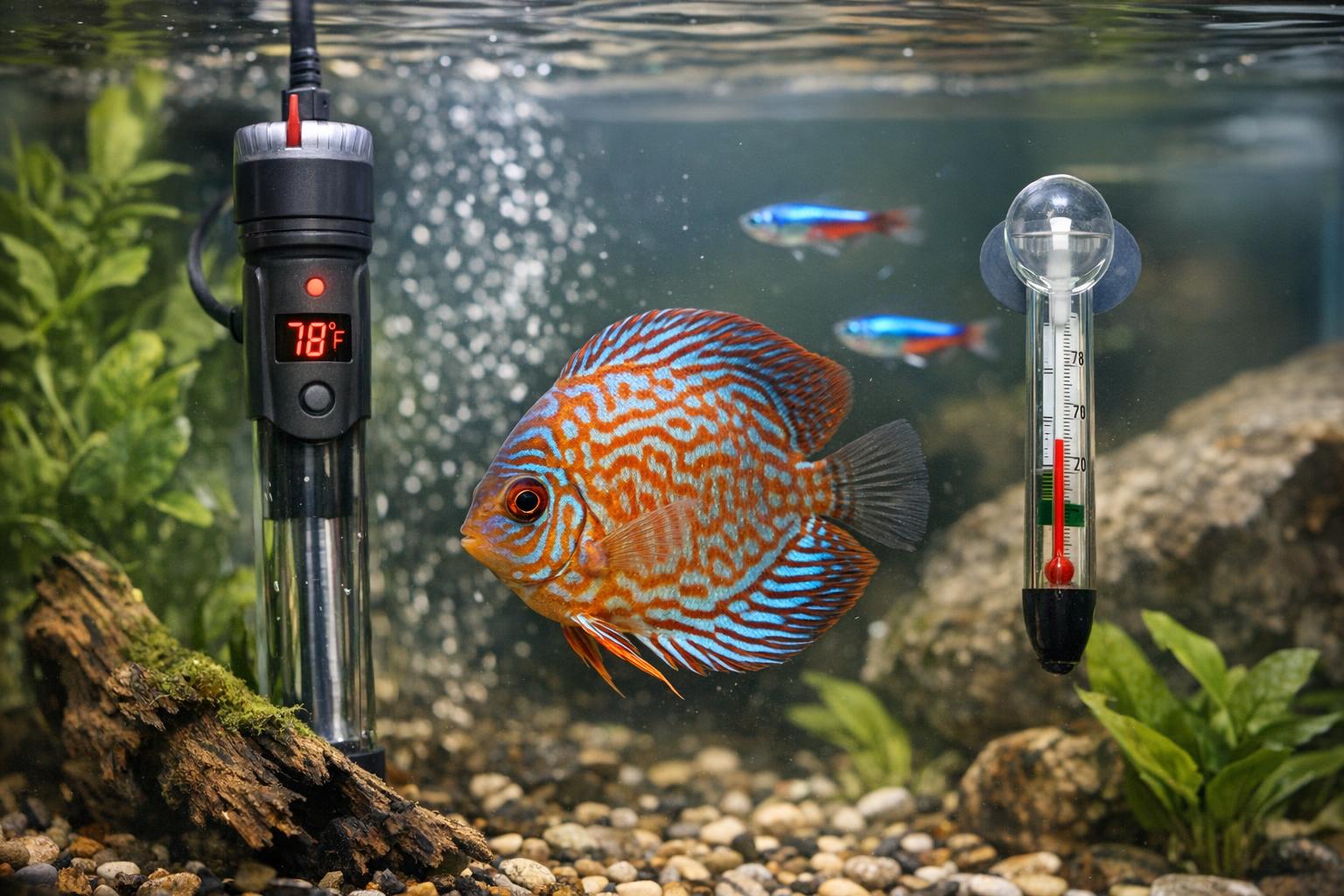
– Water heater (if needed and species-appropriate).
– Formal anti-parasitic medication (copper-free options preferred for home use).
#### Step-By-Step Creation And Application
1. Move affected fish to a quarantine tank to reduce stress and limit spread. Keep lighting low; parasites that cause velvet are photosynthetic and reproduce faster under strong light.
2. Increase the quarantine tank temperature gradually (2–3°F or 1–2°C) within the safe range for the species; this speeds up the parasite life cycle and makes treatments more effective.
3. Add aquarium salt at 1 tablespoon per 5 gallons as an adjunct therapy where species tolerate salt.
4. Administer a copper-free antiparasitic medication according to the manufacturer’s instructions. Follow dosing intervals and perform activated carbon filtration during and after treatment as directed to remove residues.
5. Continue treatment for one life-cycle beyond visible symptoms—this may require 7–14 days depending on the product and species.
When using antiparasitics, adhere strictly to dosing schedules and isolation protocols. Improper use can be ineffective or harmful.
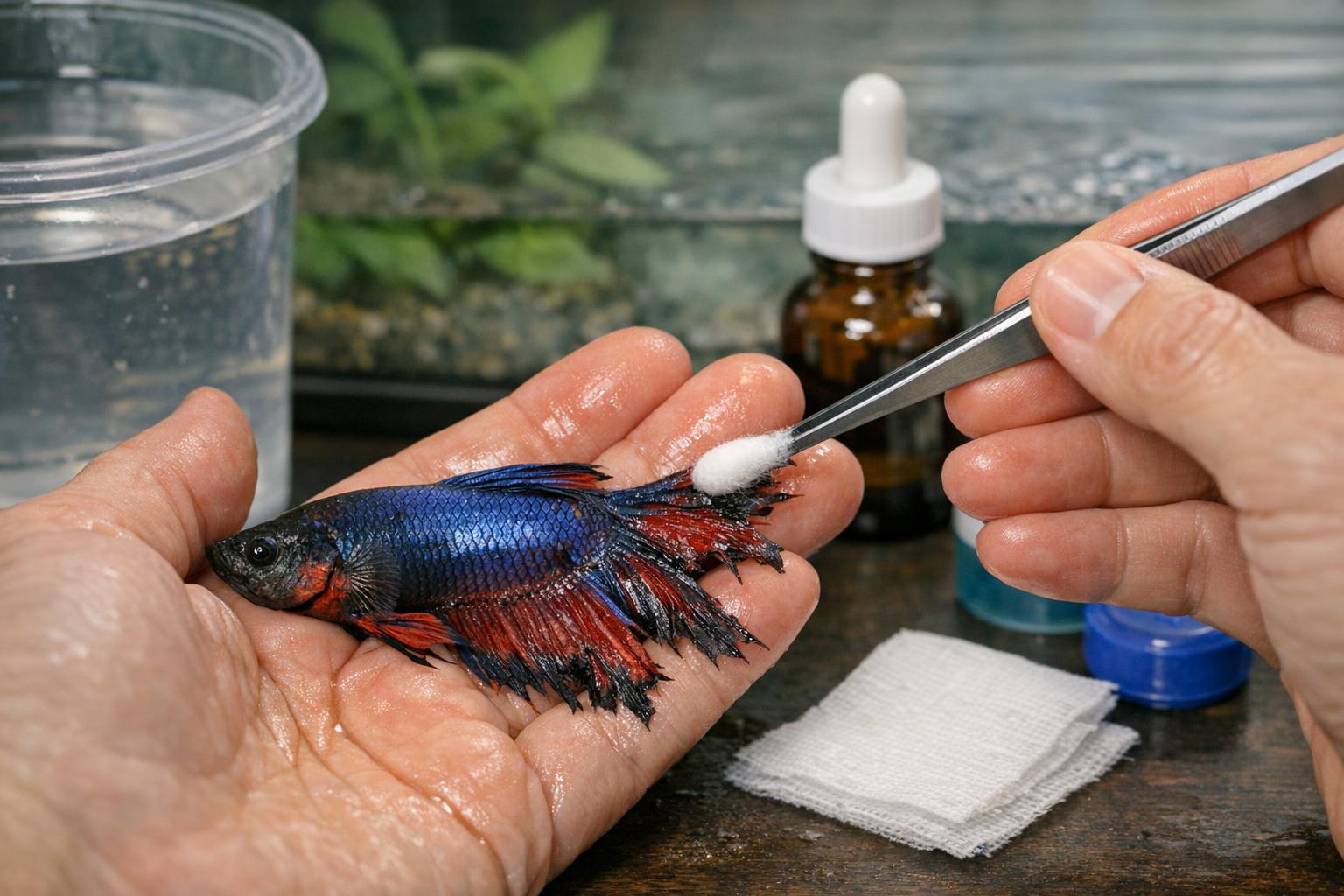
## Remedy 4: Methylene Blue Or Antifungal Dip For Fungal Infections And Egg Fungus
Fungal growths appear as cottony patches, often secondary to injury. A short dip of methylene blue or an antifungal solution can reduce spores and protect healing tissues.
### Ingredients Or Required Materials
– Methylene blue or approved aquarium antifungal solution.
– Quarantine/dip container with dechlorinated water.
– Net or transfer cup.
– Timer.
#### Step-By-Step Creation And Application
1. Prepare a dip solution following label instructions for concentration. Use fresh, dechlorinated water and match temperature.
2. Gently transfer the fish into the dip container.
3. Administer a brief dip of 1–5 minutes depending on product instructions and species tolerance. Observe the fish closely for signs of distress.
4. After the dip, move the fish to a clean quarantine tank with optimal water conditions for recovery.
5. Repeat dips as recommended—usually daily or every other day for several treatments—until fungal tissues resolve.
6. Continue to maintain impeccable water quality to prevent recurrence.
Dips are short, controlled exposures. Follow product guidance precisely and do not improvise concentrations.
### When To Quarantine Or Call A Vet
If multiple fish are affected, if symptoms worsen despite home measures, or if fish show severe lethargy, rapidly worsening lesions, or abnormal swelling, seek professional advice. A fish vet or experienced aquatic specialist can run diagnostics and prescribe prescription treatments or more aggressive therapies.
## Preventive Routine For A Healthier Tank
Prevention is the best remedy. Keep a stable environment, do regular maintenance, quarantine new fish, feed a balanced diet, and observe your livestock frequently. Small, consistent efforts will cut the number of times you have to play nurse to a sick fish.
Now that you’ve got a handful of practical, stepwise approaches for several common fish ailments, you’re better equipped to spot trouble early and apply safe, thoughtful care.









Leave a Reply