





Keeping an aquarium is a bit like raising very quiet, very judgmental roommates: they expect clean water, regular meals, and zero surprises. The good news is that with a gentle, consistent approach to aquarium filter maintenance you can keep your fish healthy and your tank sparkling without turning it into a weekend ritual of frantic scrubbing. Below are friendly, practical tips and two carefully documented remedies to help you keep the heart of your setup—the filter—humming along.
## Gentle Aquarium Filter Maintenance Tips For Home Pet Care
### Why Regular Aquarium Filter Maintenance Matters
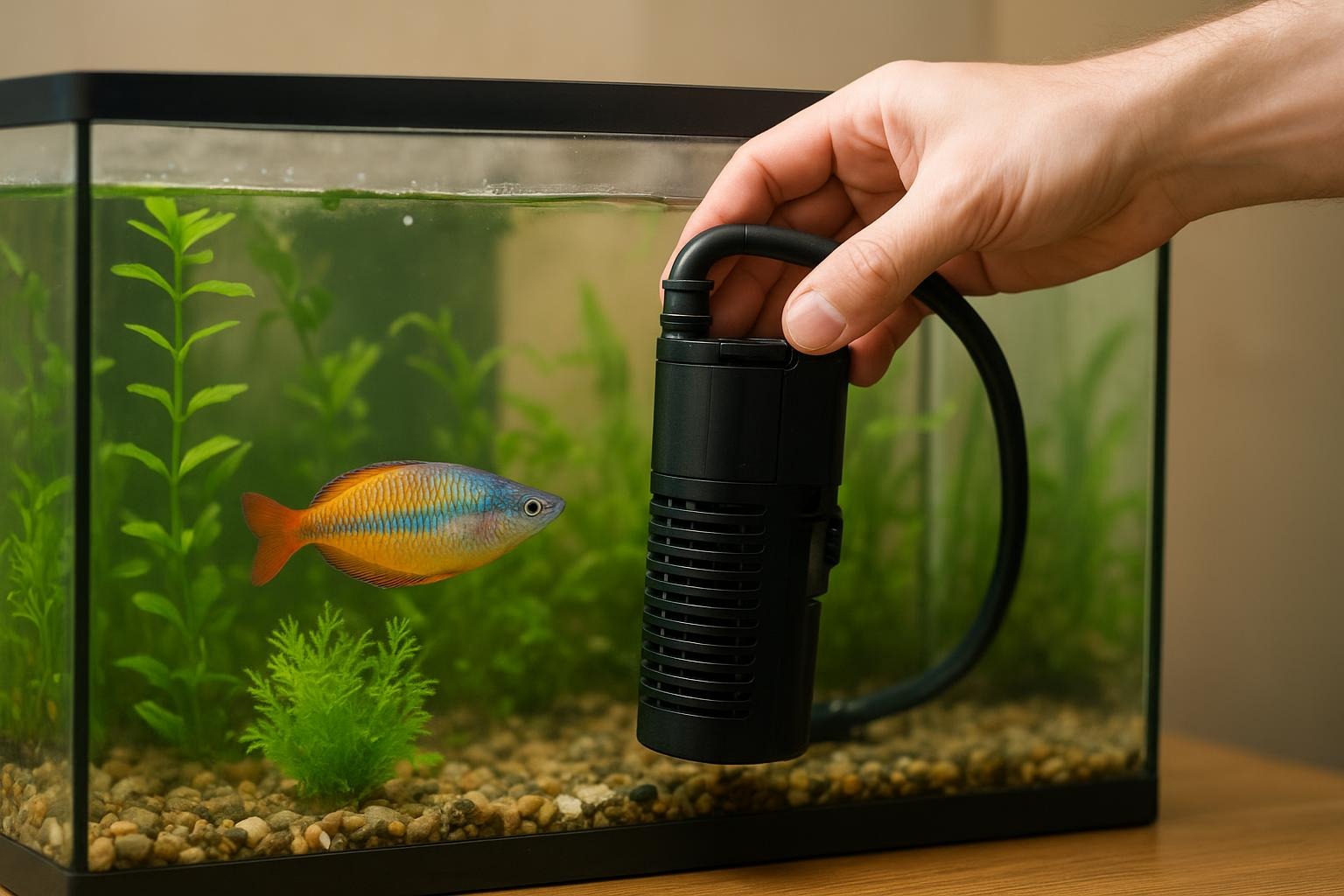
Filters do more than just make the water look clearer. They remove debris, host beneficial bacteria that break down toxic ammonia and nitrite, and can even control odors. Skipping maintenance lets waste accumulate, reduces biological activity, and can stress fish or lead to algae blooms. Gentle, regular care prevents sudden problems and keeps water chemistry stable, which is far less traumatic for everyone involved—especially your fish.
### How Filters Work — The Three Stages
Understanding what your filter is doing helps you care for it more effectively.
#### Mechanical Filtration
This traps solid particles (uneaten food, waste, plant debris). Rinse foam, pads, or floss regularly to avoid clogging.
#### Biological Filtration
Beneficial bacteria colonize porous media (bio-rings, ceramic noodles) and convert ammonia to nitrite and then nitrate. Preserve this bacteria during cleaning—harsh treatments can set your tank back to square one.
#### Chemical Filtration
Activated carbon or specialty resins remove odors, discoloration, and some dissolved organics. Replace on a schedule or when you notice reduced effectiveness.
### Signs Your Filter Needs Attention
You don’t need to be a detective, but keep an eye out for:
– Reduced flow or strange gurgling sounds.
– Cloudy water that doesn’t clear after a partial water change.
– Strong ammonia or “fishy” smell.
– Visible buildup on media or intake strainers.
If you see these, it’s time for attention before a minor issue becomes an ugly emergency.
### Weekly And Monthly Checklist For Healthy Operation
A simple, consistent routine keeps maintenance manageable:
– Weekly: Check flow, clear debris from intake strainer, perform a 10–20% water change.
– Biweekly: Rinse mechanical media in tank water (not tap) and inspect impeller.
– Monthly: Replace chemical media and perform a deeper rinse of filter housings.
– Every 3–6 months: Evaluate whether biological media needs gentle revitalization rather than full replacement.
### Safe Cleaning Supplies And What To Avoid
Use only soft brushes, old toothbrushes, buckets reserved for aquarium work, and dechlorinated or tank water. Never use soaps, detergents, or household cleaners—these leave residues toxic to fish. Bleach is sometimes suggested for sterilizing, but unless you are thoroughly following a full dechlorination protocol and rebuilding the bacterial colony, avoid it for routine maintenance.
### 1. Gentle Filter Media Cleaning (Remedy)
Materials:
– Bucket reserved for aquarium use
– Aquarium siphon or turkey baster
– Soft-bristled brush or old toothbrush
– Dechlorinated water or water taken from the aquarium during a water change
– Gloves (optional)
Application (formal, step-by-step):
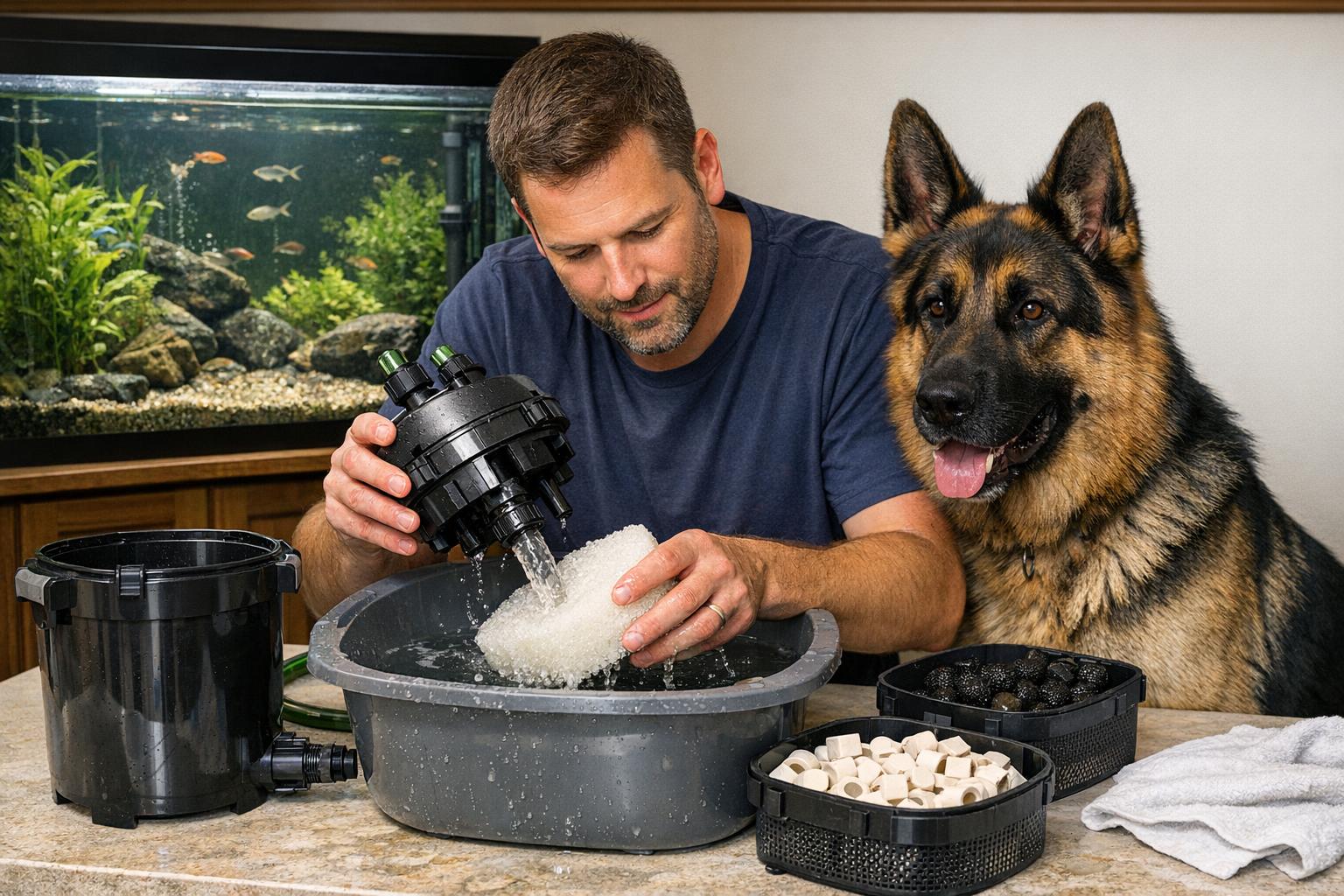
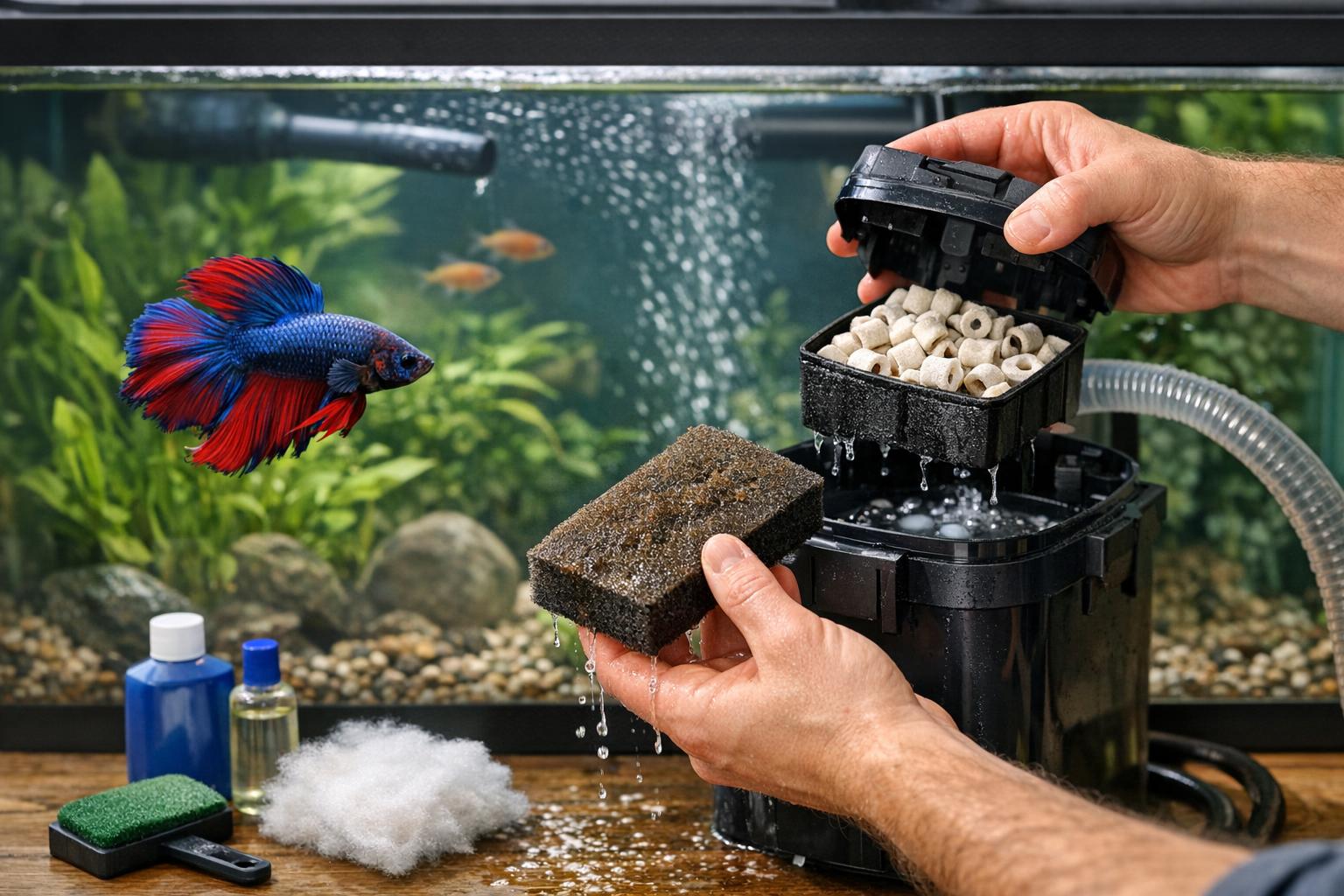
1. Prepare: Turn off electrical equipment and unplug the filter. Position the bucket below the filter to catch drained water.
2. Remove Media: Open the filter housing and remove mechanical media (sponges, floss) first, followed by any chemical media, leaving biological media until last if possible.
3. Rinse Mechanical Media: Place mechanical filtration media in the bucket containing water taken from the aquarium. Gently agitate and squeeze sponges until visible debris is reduced. Replace water as needed to keep rinsing effective. Do not use tap water.
4. Inspect Biological Media: For bio-rings or ceramic media, perform a gentle rinse by swirling them in the aquarium water bucket just enough to remove large clumps of detritus. Preserve as much of the bacterial film as possible.
5. Clean Impeller and Housing: Use the toothbrush or siphon to remove buildup from the impeller and housing. If the impeller is heavily fouled, soak it briefly in dechlorinated water and scrub gently.
6. Reassemble: Reinsert media in the proper order—biological media should remain in contact with water flow but not be compacted. Replace chemical media if near the end of its recommended lifespan.
7. Restart and Monitor: Reconnect power and observe flow. Check water parameters over the following days to ensure biological function remains stable.
Note: This cleaning focuses on preservation of beneficial bacteria. Frequency depends on bioload; heavily stocked tanks may need biweekly attention while lightly planted tanks can stretch to monthly.
### 2. Rebuilding A Balanced Bio-Filter (Remedy)
Materials:
– Fresh biological media (if replacement is needed)
– Beneficial bacteria supplement (commercially available)
– Dechlorinated water
– New mechanical and chemical media as required
– Bucket and gentle brush
Application (formal, step-by-step):
1. Assess Need: Only rebuild biological media if media is falling apart, completely clogged beyond cleaning, or you’re upgrading. Complete replacement removes bacteria—plan to re-seed.
2. Replace Media Strategically: If replacing, swap out no more than 25–50% of biological media at once to reduce bacterial loss. If full replacement is necessary, stagger changes over several weeks.
3. Seed New Media: Add a measured dose of a high-quality beneficial bacteria supplement directly into the filter or aquarium according to the manufacturer’s instructions. Use dechlorinated water to avoid killing the bacteria.
4. Maintain Flow and Oxygenation: Ensure the filter is producing adequate flow; biological colonization requires oxygenated water. If flow is reduced, address mechanical blockage or impeller issues immediately.
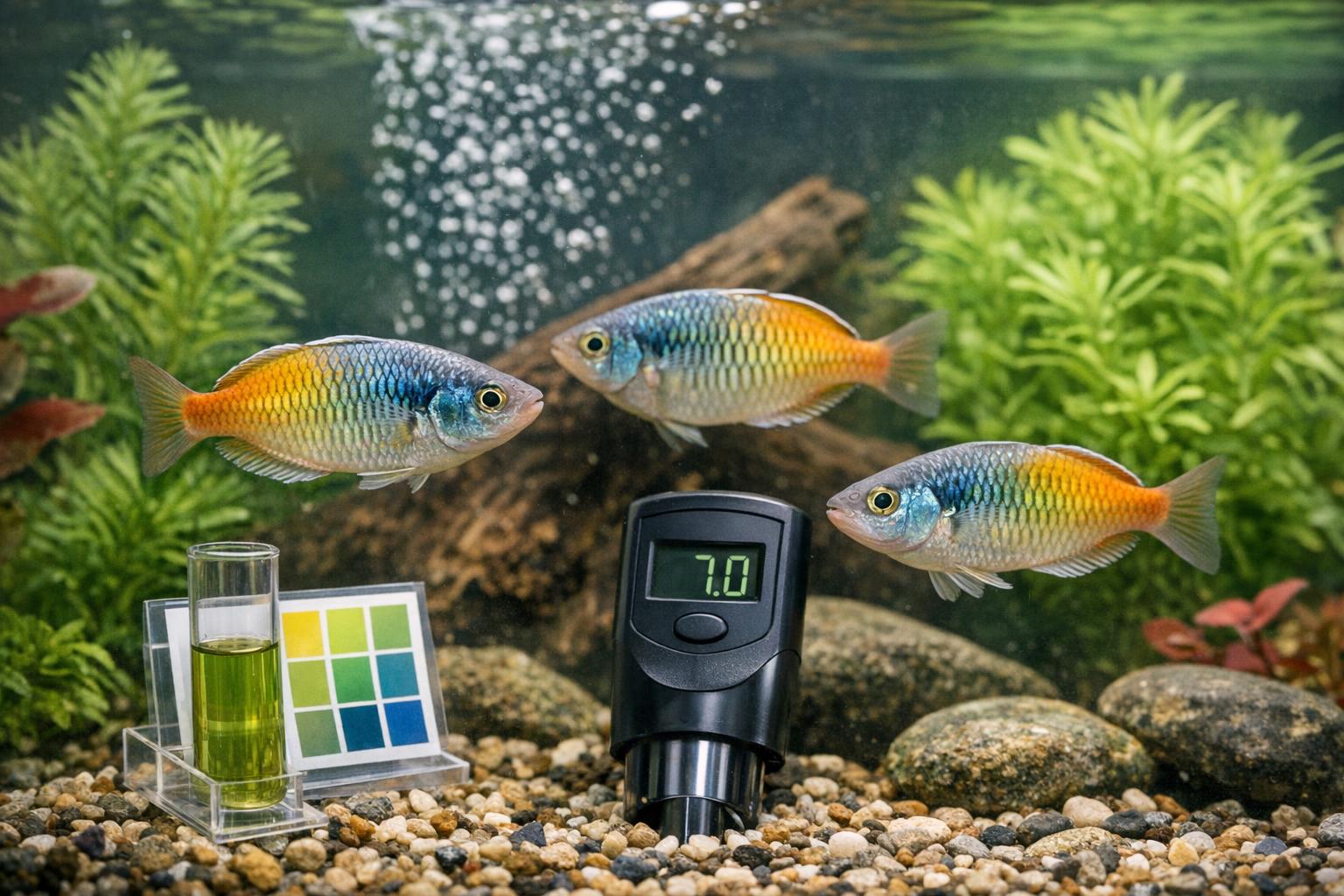
5. Monitor Parameters: Test ammonia, nitrite, and nitrate daily for the first week, then every few days for a month. Expect a short spike in ammonia or nitrite if significant bacteria were lost—treat with water changes and supplements as needed.
6. Reassess: If parameters remain unstable beyond two weeks, consider partial media adjustments and consult product guidance or local aquarium forums for targeted troubleshooting.
### Practical Tips To Extend Filter Life And Efficiency
– Avoid overfeeding. Most filter problems start with too much food and waste.
– Match filter size to tank volume and bioload. Bigger filters with more media tend to be more stable.
– Keep spare media on hand so you can replace chemical cartridges or aged mechanical pads promptly.
– For hang-on-back filters, clean the lid and air intake regularly to prevent buildup and spluttering.
– Rotate mechanical media location periodically so waste doesn’t compact in one spot and reduce flow.
### Troubleshooting Common Issues
If the filter is noisy, inspect the impeller and housing for debris, air pockets, or worn bearings. If flow is weak despite cleaning, check for collapsed hoses or clogs in tubing. Persistent cloudy water after proper maintenance may indicate an imbalance—test for ammonia, nitrite, and nitrate and address accordingly. When in doubt, a small water change and a gentle media rinse usually calms most problems.
### When To Call In Expert Help
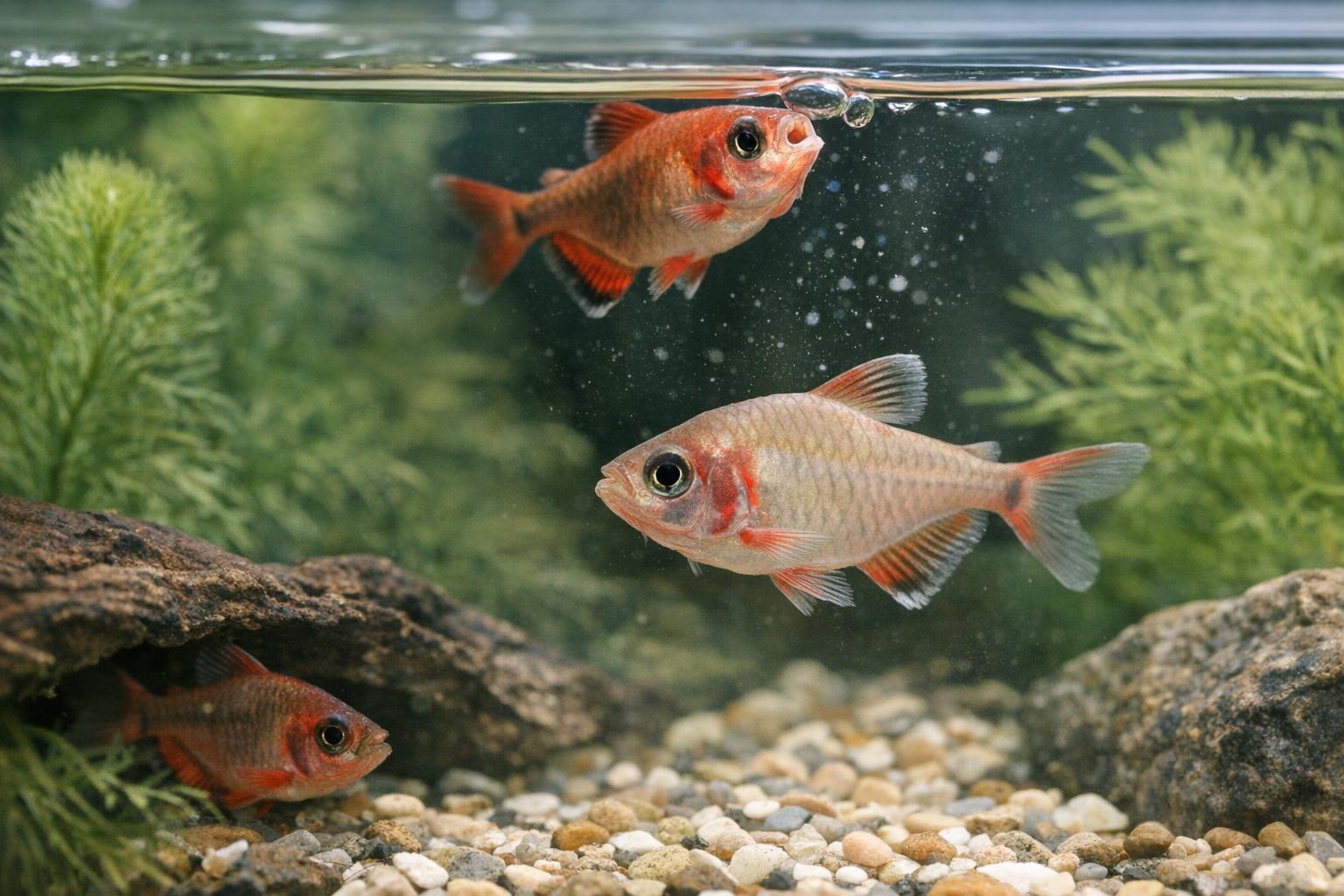
If you’ve followed maintenance steps and your fish show signs of distress (gasping at the surface, lethargy, sudden deaths), contact a vet or experienced aquarist promptly. Rapid onset of symptoms can signal toxic spikes that need professional attention.
Keep your routine gentle, keep an eye on the little details, and remember: a happy filter means happier fish and fewer frantic weekend fixes.



























Leave a Reply