
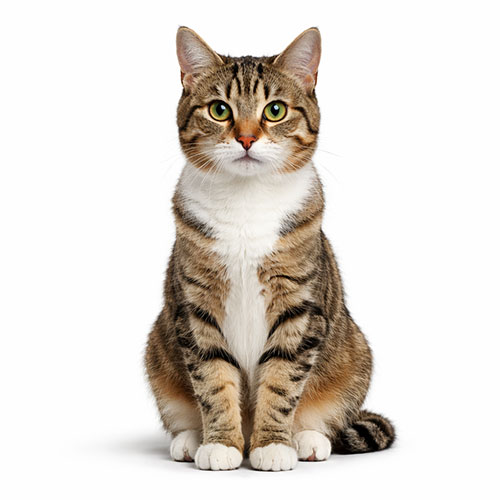

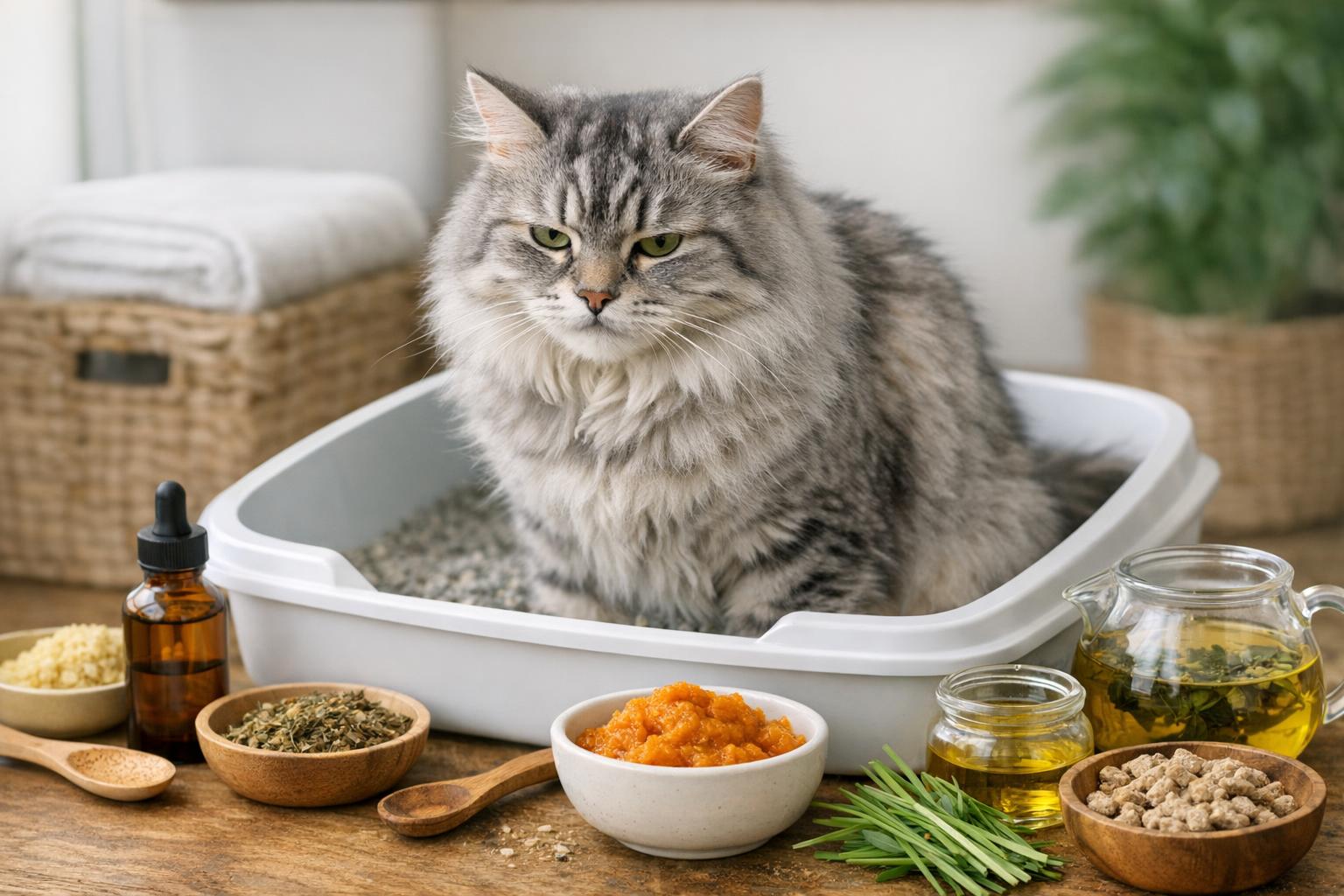
Noticing your cat straining, making odd postures in the litter box, or otherwise acting like a tiny grumpy yogi can be worrying. Constipation in cats is common, usually manageable at home if mild, and often solvable with gentle, natural care. Below I’ll walk you through what to look for, what causes it, and three safe, numbered home remedies with clear ingredients and step-by-step instructions. A little patience, some pumpkin, and a warm towel can go a long way.
## Cat Constipation Symptoms: What To Watch For
Cats are notoriously private about their bathroom business, so you might miss early signals. Spotting cat constipation symptoms early makes treatment simpler and helps you avoid emergency trips to the vet.
### Common Behavioral Signs
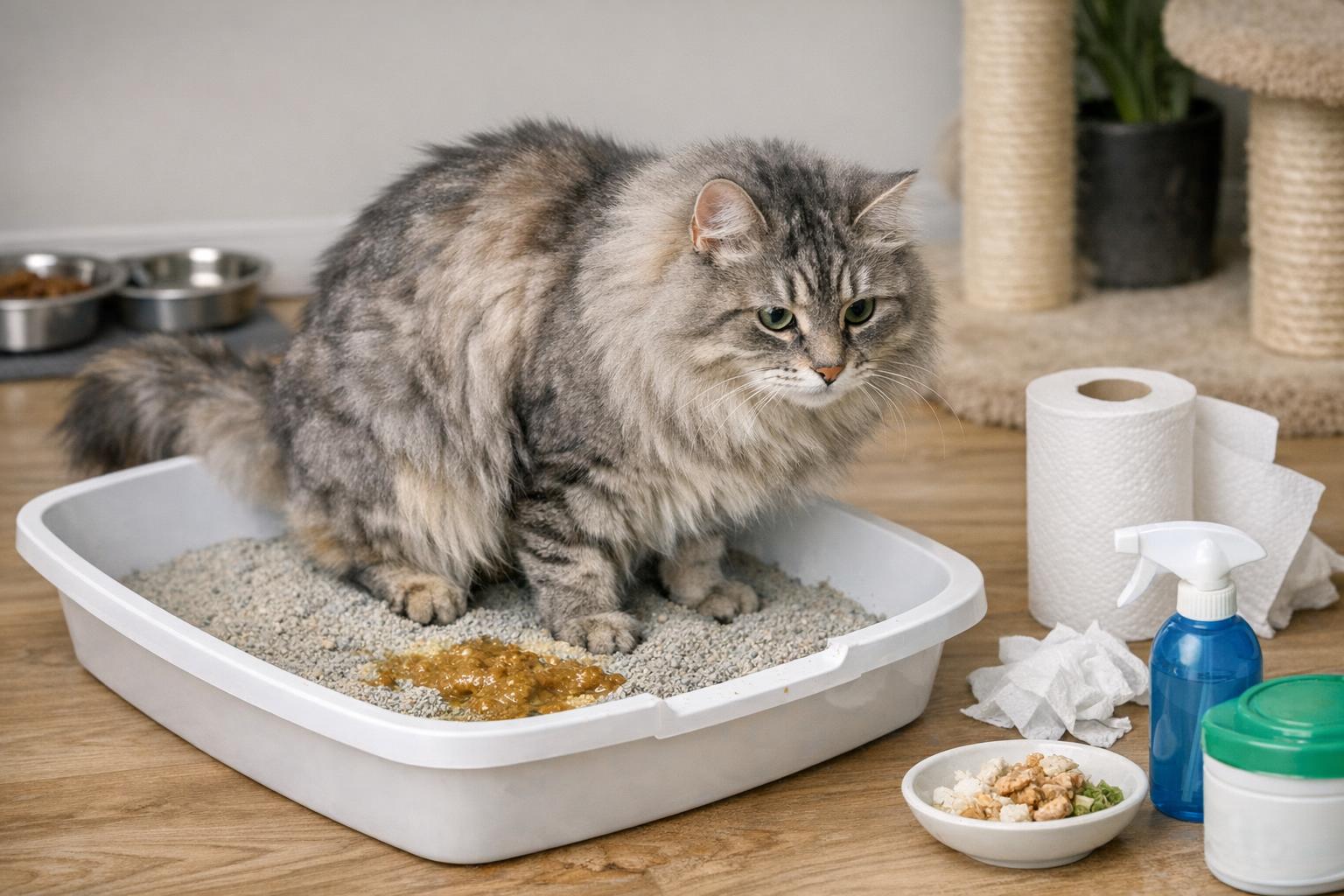
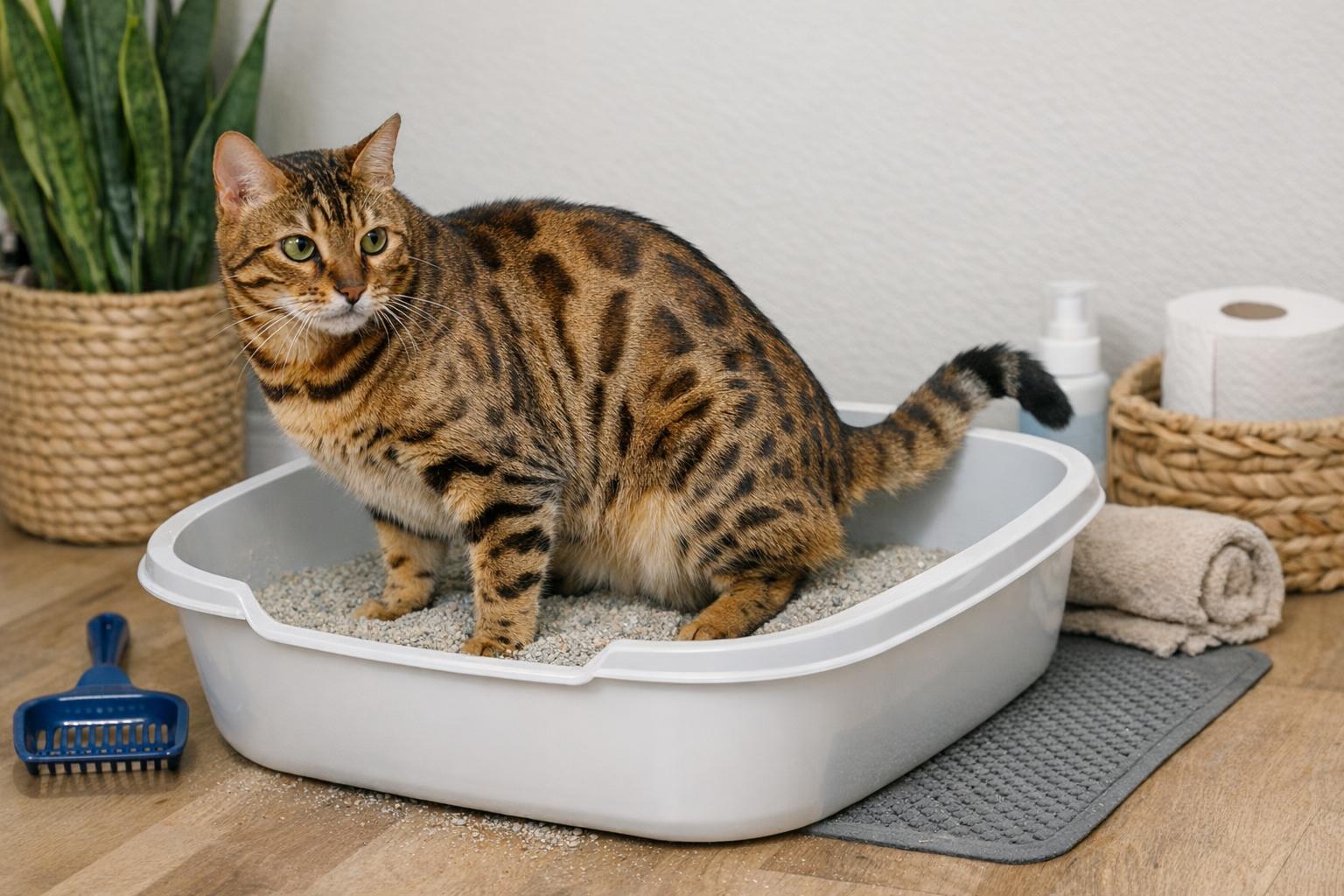
– Straining in the litter box without producing much stool.
– Frequent attempts to defecate with little or no result.
– Spending longer than usual in the litter box or avoiding it altogether.
– Vocalizing, looking uncomfortable, or acting restless when trying to poop.
– Litter box avoidance due to pain or discomfort.
### Physical Signs And When It’s Serious
– Hard, dry, or pebble-like feces.
– A visibly distended or uncomfortable abdomen.
– Vomiting, decreased appetite, or lethargy — these could indicate a more serious blockage.
– If your cat hasn’t passed stool for more than 48–72 hours, or shows signs of severe pain, seek veterinary care promptly.
## Causes And Risk Factors
Understanding the root causes helps you choose the best remedy. Not every case is the same, and the following factors commonly contribute to constipation.
### Diet And Hydration
Low water intake and a diet too low in moisture (many dry-food-only diets) reduce stool softness. Hairballs can also bulk up in the gut and contribute to slow transit.
### Age, Activity Level, And Medical Issues
Older cats and those with arthritis may defecate less due to discomfort in getting into the litter box. Underlying medical problems—like megacolon, nerve disorders, dehydration, or medication side effects—can also play a role.
### Litter Box Problems
Dirty boxes, boxes that are hard to access, or changes in litter type can cause cats to delay defecation, which may progress to constipation.
## Remedy 1: Canned Pumpkin For Gentle Fiber
Canned pumpkin is a classic, safe first-line home remedy. It’s high in soluble fiber, helps soften stool, and is generally well tolerated.
### Ingredients
– 100% plain canned pumpkin (not pumpkin pie filling)
– Measuring spoon
– Small bowl
– Optional: plain wet food to mix with pumpkin
### Steps
1. Confirm the product: Check the label to ensure it’s 100% pumpkin with no added spices, sugars, or salt.
2. Start small: Add 1/2 teaspoon of canned pumpkin to your cat’s wet food once daily for a small cat; up to 1 teaspoon for larger cats. If mixing into dry kibble, moisten the meal slightly so the pumpkin blends in.
3. Monitor and adjust: After 24–48 hours, if stool softening is not observed and your cat tolerates the pumpkin, you can increase to 1 teaspoon twice daily, but do not exceed a modest amount without vet approval.
4. Watch for changes: Look for softer, more regular stools. If diarrhea develops or your cat refuses the mixture, stop and reassess.
Remedy note: Pumpkin is safe for most cats, but persistently severe constipation shouldn’t be handled by pumpkin alone.
## Remedy 2: Hydration And Wet Food Strategy
Keeping your cat well-hydrated is a core prevention and treatment approach. Increasing moisture in the diet often improves stool consistency.
### Ingredients
– Canned/wet cat food (high quality)
– Fresh water available at all times
– Cat water fountain (optional but effective for many cats)
– Small dish for adding water to food (if needed)
### Steps
1. Shift gradually: Replace one meal of dry food per day with wet food. Do this over a few days to avoid stomach upset.
2. Increase water intake: Keep several shallow bowls of fresh water around the house. Some cats prefer running water; consider a fountain.
3. Add moisture to meals: Mix a tablespoon of warm water into wet food or rehydrate a portion of dry food with warm water to create a porridge-like consistency.
4. Monitor intake and output: Track drinking and litter box activity over several days. Improved hydration should correlate with softer stools and more regular bowel movements.
Remedy note: Avoid adding large volumes of water directly into dry kibble if your cat dislikes soggy food—use a gradual approach.
## Remedy 3: Warm Compress And Gentle Abdominal Massage
Physical stimulation can help move stool along and is particularly helpful for older or stiff cats who strain due to discomfort getting into position.
### Ingredients
– A soft towel
– Warm water (not hot)
– Optional: a warm (not hot) heating pad wrapped in a towel
– A calm environment and a helper if your cat is nervous
### Steps
1. Create a calm space: Choose a quiet room and place a towel on your lap or a table.
2. Warm the towel: Soak a towel in warm water, wring it out, and test the temperature on your wrist.
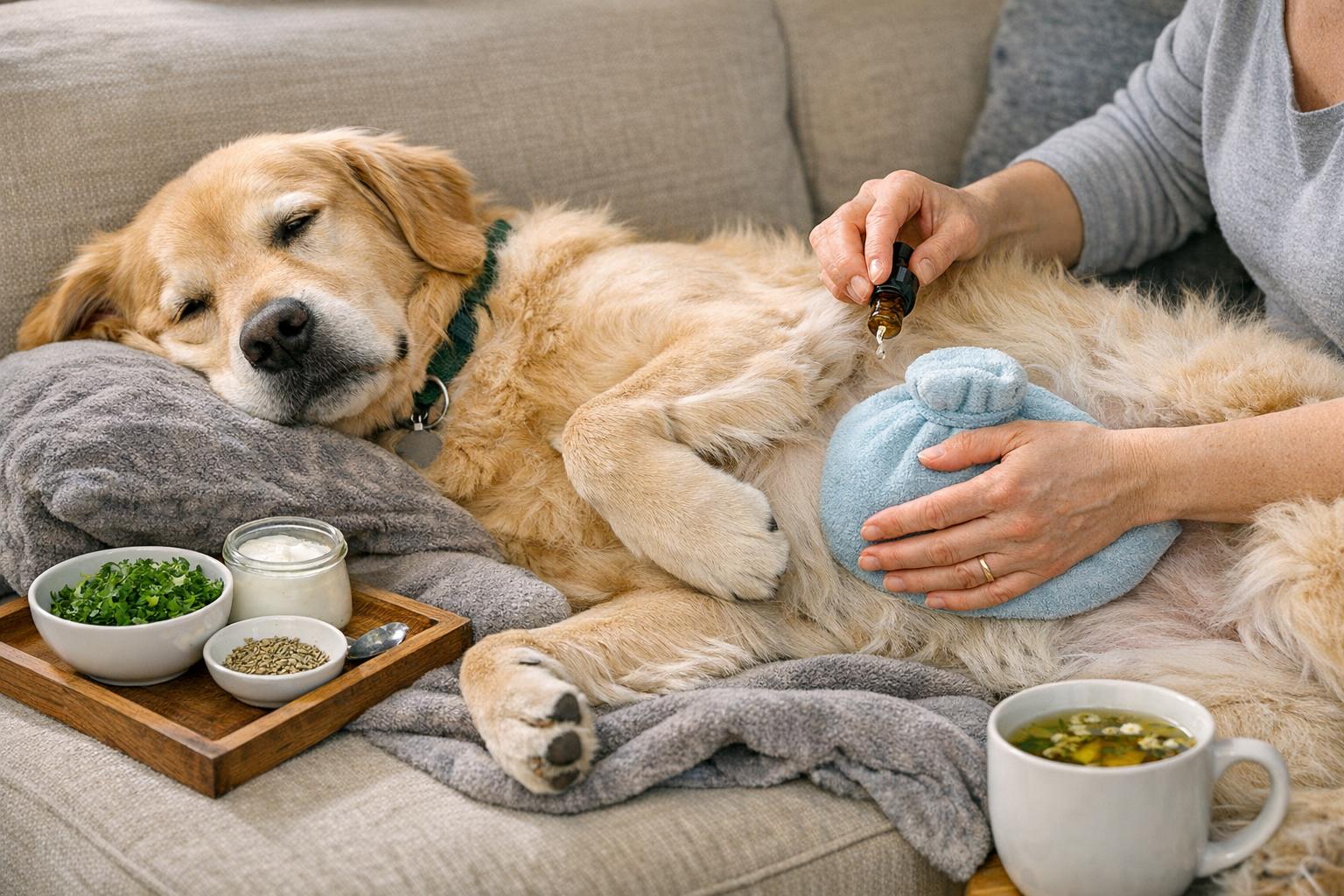
3. Apply the compress: Gently place the warm towel on the cat’s lower abdomen for 3–5 minutes. This can relax muscles and stimulate bowel movement.
4. Gentle massage: Using flat fingers, massage the abdomen in slow, circular motions clockwise (following the direction of the colon). Keep pressure light to moderate—enough to be reassuring, not painful.
5. Repeat carefully: Do this for up to 5–10 minutes, two to three times a day. If your cat becomes distressed, stop immediately.
Remedy note: Never apply direct heat without a barrier, and do not massage if the abdomen is hard, painfully distended, or your cat shows severe discomfort—these are signs to see a vet.
## Probiotic Support And Safe Supplements (Optional)
A feline-specific probiotic may help normalize gut flora and improve stool consistency. Only use supplements formulated for cats and follow dosing instructions from the manufacturer or your veterinarian.
### Ingredients
– Veterinarian-recommended feline probiotic paste or capsules
– Dosing syringe or capsule piller (if needed)
### Steps
1. Consult first: Ask your vet whether a probiotic is suitable for your cat’s condition.
2. Administer as directed: Many pastes can be given directly on the gums or mixed into wet food. Capsules should only be used if the product is approved for that form of administration.
3. Track results: Probiotics can take several days to show benefits. If no improvement occurs, seek further advice.
## Prevention Tips And Litter Box Hygiene
Prevention is more relaxing than treatment, and cats appreciate the effort.
### Regular Monitoring And Environment
– Keep litter boxes clean and accessible.
– Maintain a consistent diet with regular wet food meals.
– Encourage daily exercise to stimulate bowel mobility.
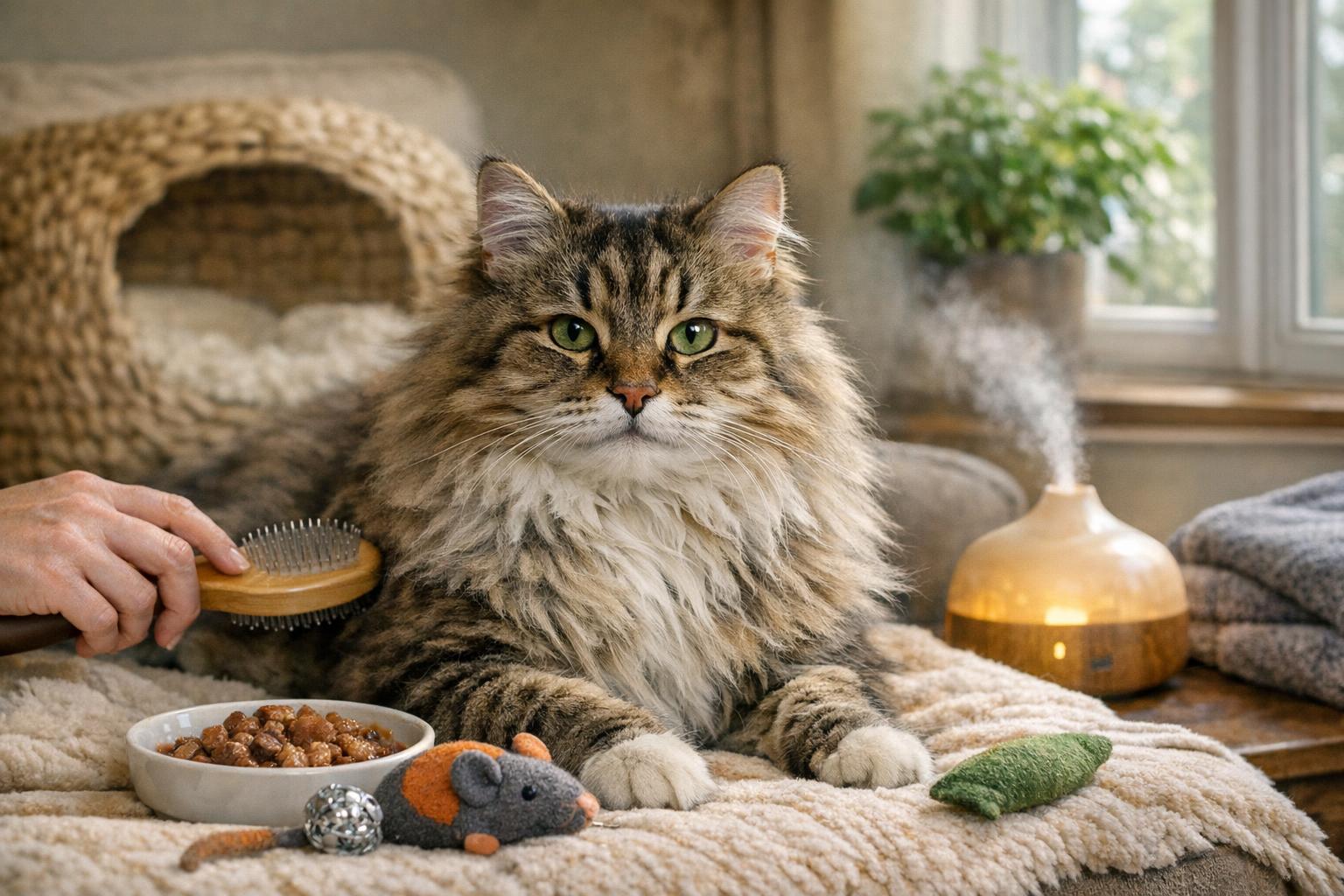
– Groom long-haired cats regularly to reduce hairball formation.
#### Litter Box Placement And Comfort
Place boxes in quiet, easily reachable areas. Older or arthritic cats may prefer a low-sided box to a high-entry one.
## When To See A Veterinarian
If home care doesn’t help within 24–48 hours, or if there are any red flags, contact your veterinarian. Signs that require prompt medical attention include severe abdominal pain, vomiting, complete lack of appetite, bloody stool, or if the abdomen feels hard and distended.
If you’re ever unsure, call your vet; they’d rather help you early than treat a progressed problem. Recognizing cat constipation symptoms early and using safe, measured home remedies can save stress for both you and your feline roommate—but when in doubt, professionals are the best pit stop.




Leave a Reply