
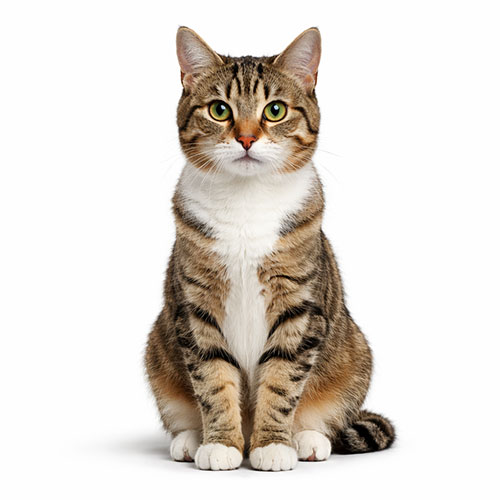


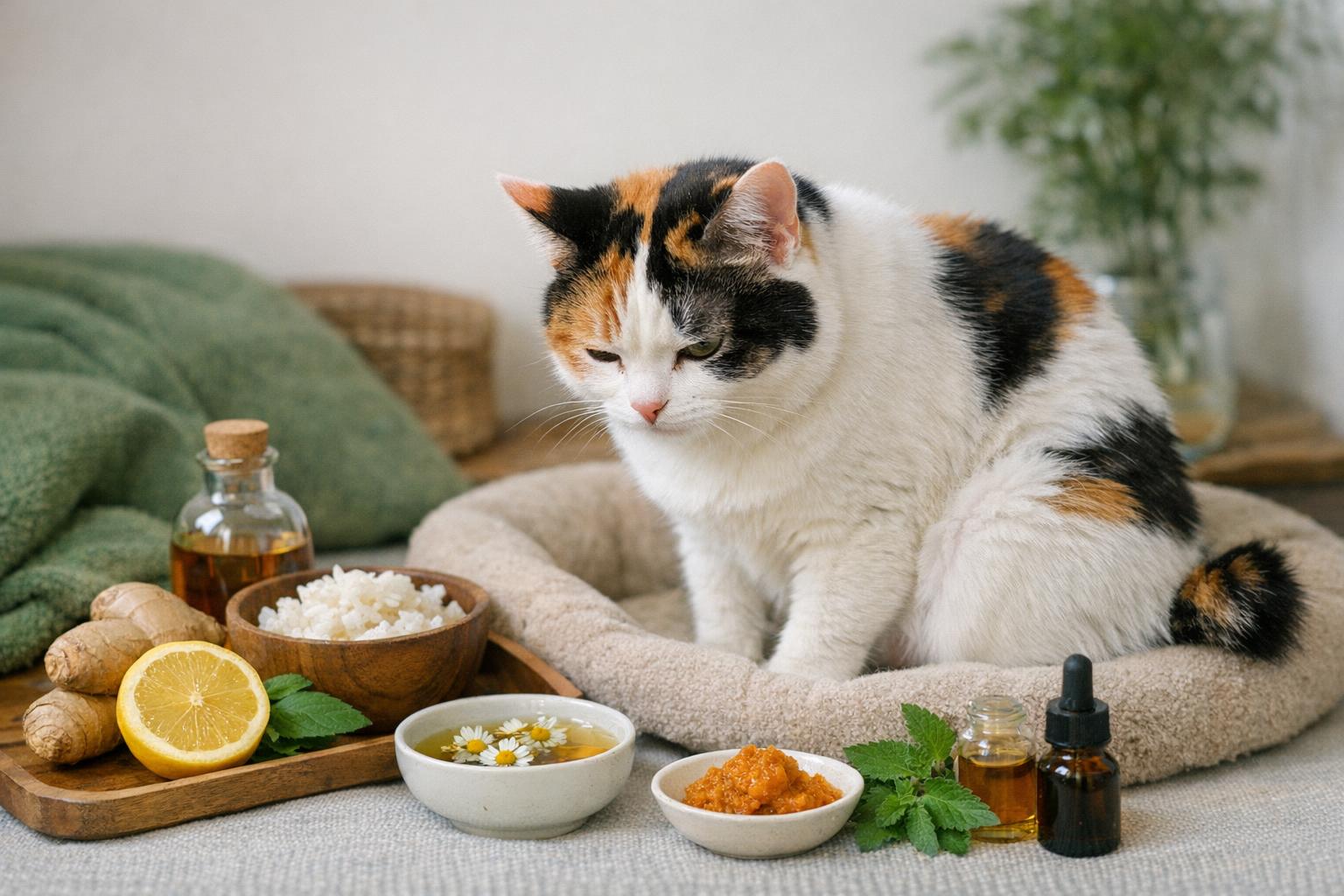
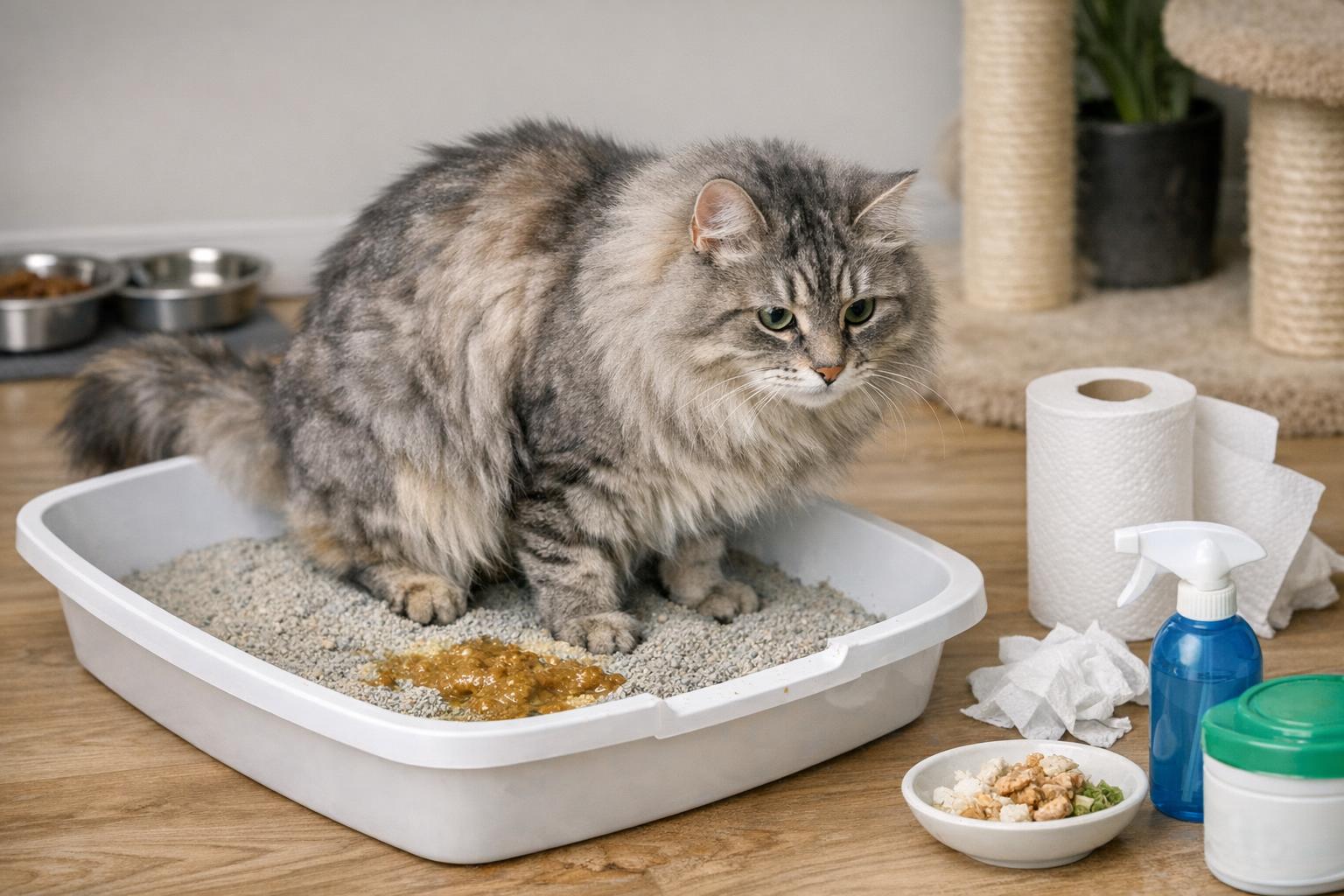
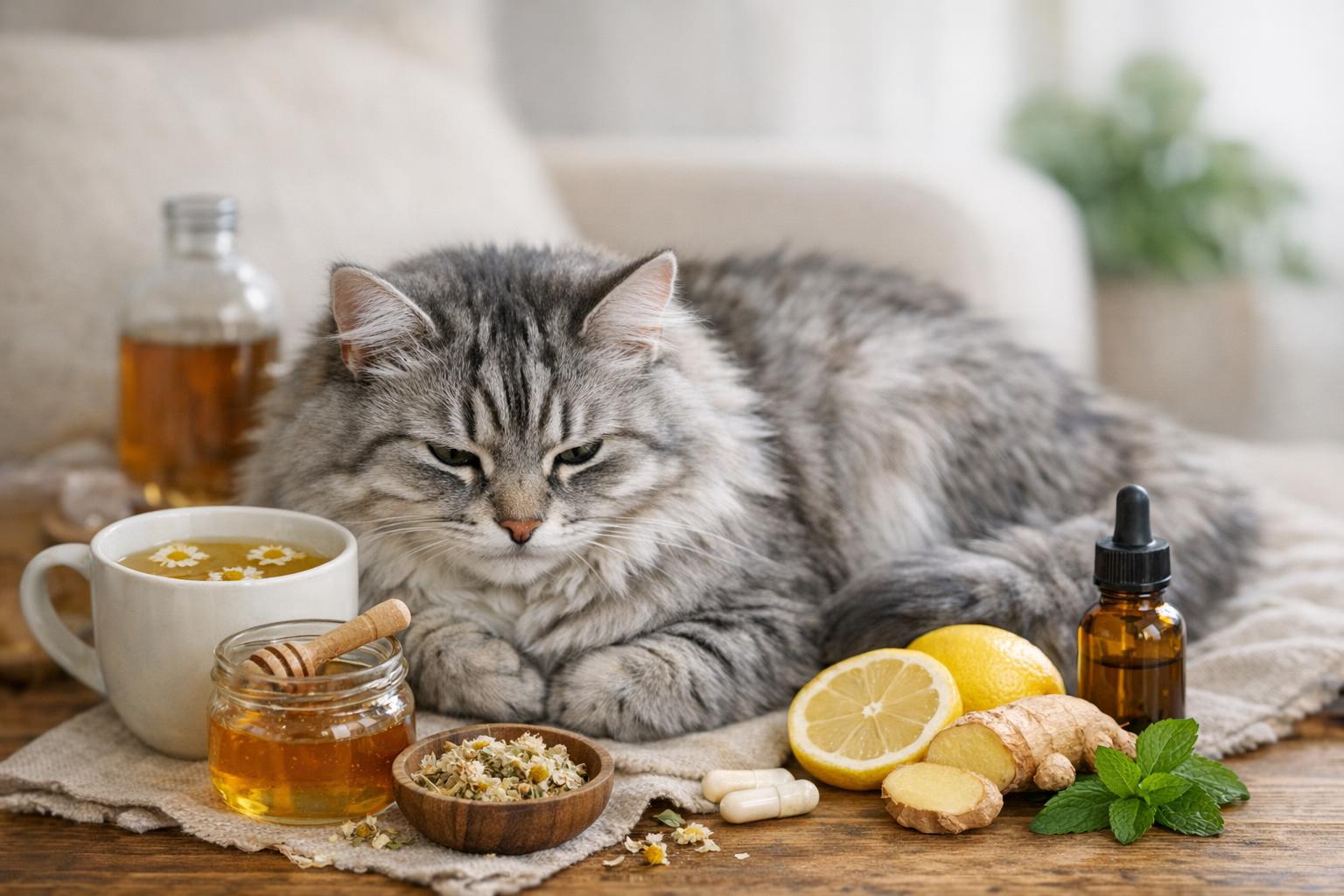
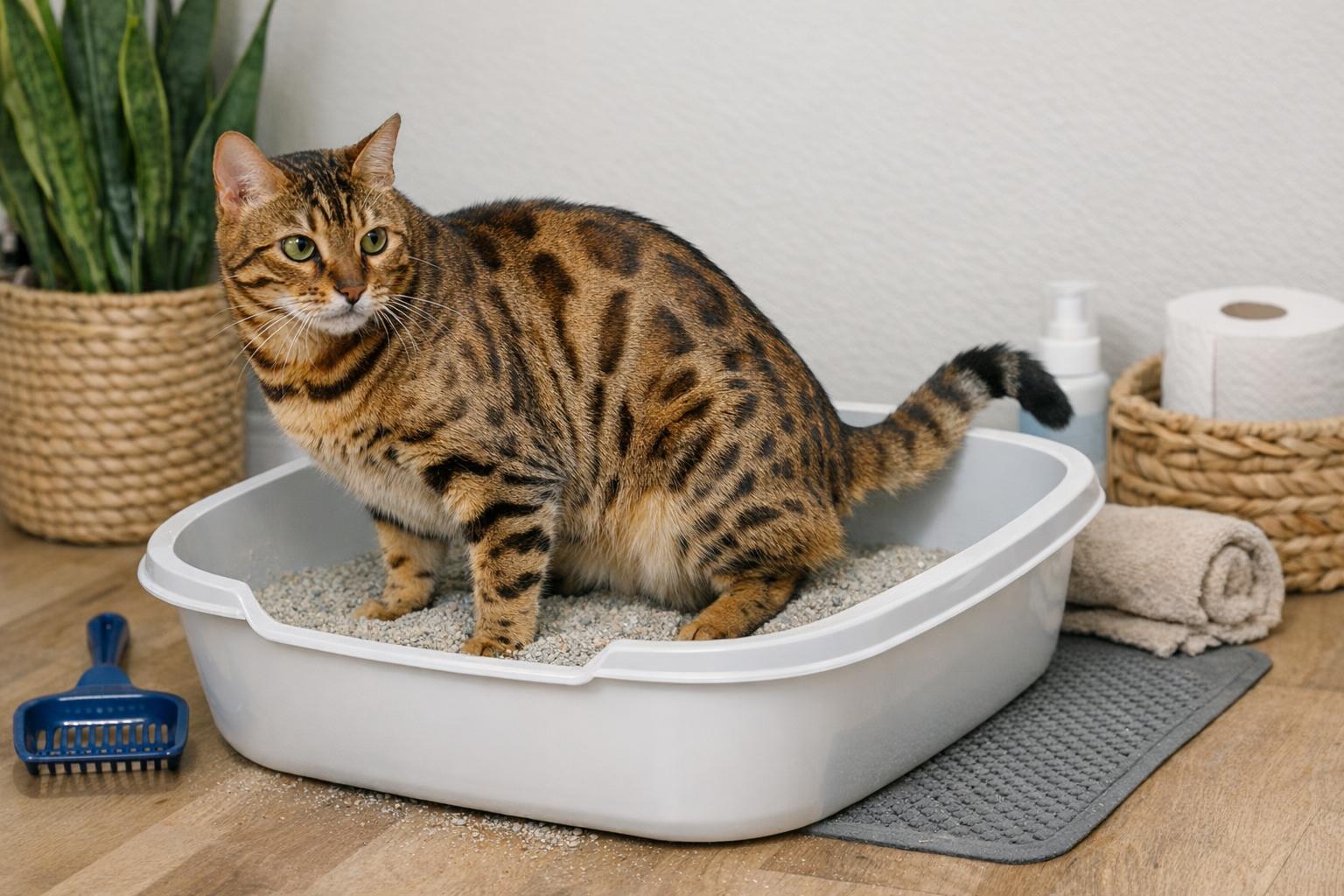
You know that look — the low-energy, slightly betrayed stare your cat gives when their tummy isn’t cooperating. A cat upset stomach is common and usually manageable at home, but it pays to be sensible: some cases are simple fixes, some need a vet. Below are friendly explanations, clear warning signs, and three formal, practical natural remedies you can try at home (with ingredients and step-by-step instructions). A little patience, careful observation, and gentle care go a long way.
## Home Care For Cat Upset Stomach
Cats are notorious for hiding discomfort, so “mild” signs can mean trouble brewing. Home care for a cat upset stomach focuses on hydration, short-term dietary changes, and gentle gut-soothing supports. These tips are for short-term problems — if symptoms are severe, persistent, or accompanied by lethargy, blood, or repeated vomiting, seek veterinary care immediately.
### Common Signs To Watch
Cats can’t tell you they feel queasy, so watch for:
– Vomiting (one-off vs. repeated)
– Diarrhea or soft stools
– Loss of appetite or sniffing food then walking away
– Lethargy, hiding, or decreased grooming
– Excessive drooling or lip licking
If your kitty shows subtle behavior changes with any of the above, you may have a classic cat upset stomach on your hands.
### When To Call The Vet
Call your veterinarian right away if you notice:
– Repeated vomiting (more than twice in a short period)
– Blood in vomit or stool
– Severe lethargy, collapse, or unresponsiveness
– Signs of pain, bloating, or difficulty breathing
– Inability to hold fluids down for 24 hours
These could indicate a blockage, toxin ingestion, pancreatitis, or other serious conditions.
## Remedy 1: Bland Diet And Controlled Fasting
A bland diet is the safest first-line home remedy for an acute cat upset stomach. It reduces digestive workload and lets the gut recover.
#### Ingredients Or Materials
– Boiled, skinless, boneless chicken breast (plain)
– Plain white rice (well-cooked)
– Measuring spoon
– Clean bowl
– Scale (optional, for precise dosing by weight)
#### Creation And Application Steps
1. Withhold food for 6–12 hours for adult cats that are otherwise alert and drinking water. Do not fast kittens, senior cats, or dehydrated animals — contact a vet.
2. Prepare the bland food: boil chicken until fully cooked (no seasoning). Shred finely. Cook white rice until very soft.
3. Mix a small portion: aim for a ratio around 2/3 chicken to 1/3 rice by volume. Use small amounts at first.
4. Offer 1–2 teaspoons for small cats or 1–4 tablespoons for larger cats every 3–4 hours. Observe appetite and tolerance.
5. If tolerated for 24–48 hours and stools normalize, gradually reintroduce regular food over 3–5 days by mixing increasing amounts of the regular diet with the bland food.
6. If vomiting recurs or the cat refuses to eat, stop feeding and contact your vet.
Be formal about portions and frequency. The objective is to provide easily digestible protein and carbs while avoiding fats and seasonings that can irritate the stomach.
## Remedy 2: Canned Pumpkin And Probiotics
Plain canned pumpkin (not pumpkin pie mix) is a soluble fiber source that can firm stool and help regulate digestion. Combined with a feline-specific probiotic, it supports healthy gut flora.
#### Ingredients Or Materials
– 100% plain canned pumpkin (no spices, no added sugar)
– A feline-specific probiotic (powder or capsules designed for cats)
– Measuring spoon
– Food syringe (optional, for picky eaters)
– Small mixing bowl
#### Creation And Application Steps
1. Confirm the canned pumpkin is 100% pumpkin. Read label carefully.
2. Dosage: for an average adult cat, start with 1/2 to 1 teaspoon of canned pumpkin mixed into a meal once or twice daily. Larger cats can have up to 1 teaspoon twice daily. Reduce for small or senior cats.
3. Probiotic selection: choose a product formulated for cats with guaranteed CFUs (colony-forming units) and strains like Enterococcus faecium or specific feline blends. Avoid giving human formulations without vet approval.
4. Follow probiotic packaging for dosing — typically a small scoop or capsule split into meals. Mix into the bland diet or regular food.
5. Monitor stool consistency and frequency for 48–72 hours. Pumpkin will often show improvement in 24–48 hours; probiotics may take several days to re-establish balance.
6. Maintain hydration; if diarrhea or vomiting persists, discontinue and consult vet.
This remedy is straightforward and evidence-based: soluble fiber helps bulk stool, and probiotics can reduce pathogen overgrowth and normalize transit.
## Remedy 3: Slippery Elm Gel For Soothing (Use Carefully)
Slippery elm (Ulmus rubra) is a traditional mucilaginous herb that forms a soothing gel when mixed with water. It may coat and soothe irritated digestive mucosa. Use a veterinary-approved source and dose conservatively.
#### Ingredients Or Materials
– Slippery elm powder (food-grade, sourced for pets)
– Warm water
– Measuring spoon
– Small container
– Optional: small amount of tuna water or low-sodium broth for palatability
#### Creation And Application Steps
1. Verify product quality and consult your veterinarian if your cat has other medical conditions or is on medications.
2. Preparation: stir 1/8 to 1/4 teaspoon of slippery elm powder into 1–2 tablespoons of warm water until it forms a smooth gel. Adjust amount by size — start low.
3. Application: offer the gel mixed into a small portion of food or administered via a food syringe into the mouth if necessary. Do not force-feed.
4. Frequency: give once to twice daily for up to 3–5 days while monitoring response.
5. Observe for improvement in vomiting, appetite, and stool. If signs worsen, stop use and contact a vet.
Be formal: slippery elm can interact with drug absorption by coating the gut — stagger dosing if your cat is on oral medications (give medications at least 1 hour before or 2 hours after slippery elm).
### Supportive Measures And Monitoring
While trying home remedies, keep these sensible practices in mind:
– Hydration: Offer fresh water constantly. If your cat won’t drink, try low-sodium chicken broth or a small amount of unflavored Pedialyte (vet approval recommended) to prevent dehydration.
– Small, Frequent Meals: After fasting, give small portions every few hours rather than one large meal. This reduces the likelihood of rebound vomiting.
– Quiet Comfort: Stress worsens GI upset. Provide a calm, warm resting spot and minimize handling during the acute phase.
– Record Keeping: Note frequency of vomiting/diarrhea, appearance (undigested food, bile, blood), and appetite. This log helps your vet if symptoms persist.
A cat upset stomach often responds to these measured, home-based interventions. However, remember that cats can deteriorate quickly, so err on the side of caution with kittens, seniors, or cats with health conditions.
#### When Natural Remedies Aren’t Enough
If symptoms continue beyond 24–48 hours, escalate to professional care. Your veterinarian may perform diagnostics (bloodwork, X-rays, fecal tests) or give fluids, antiemetics, or specific medications tailored to the cause. Even the most determined DIYer needs a vet’s expertise when a cat’s condition suggests a deeper issue.
Play detective, stay gentle, and when in doubt, call your vet — your cat’s comfort and safety are worth the extra caution.




Leave a Reply