
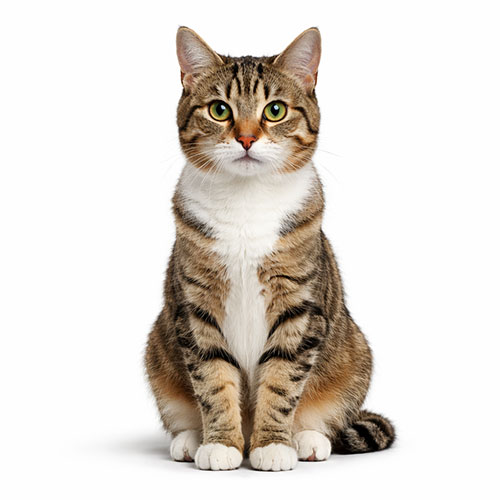


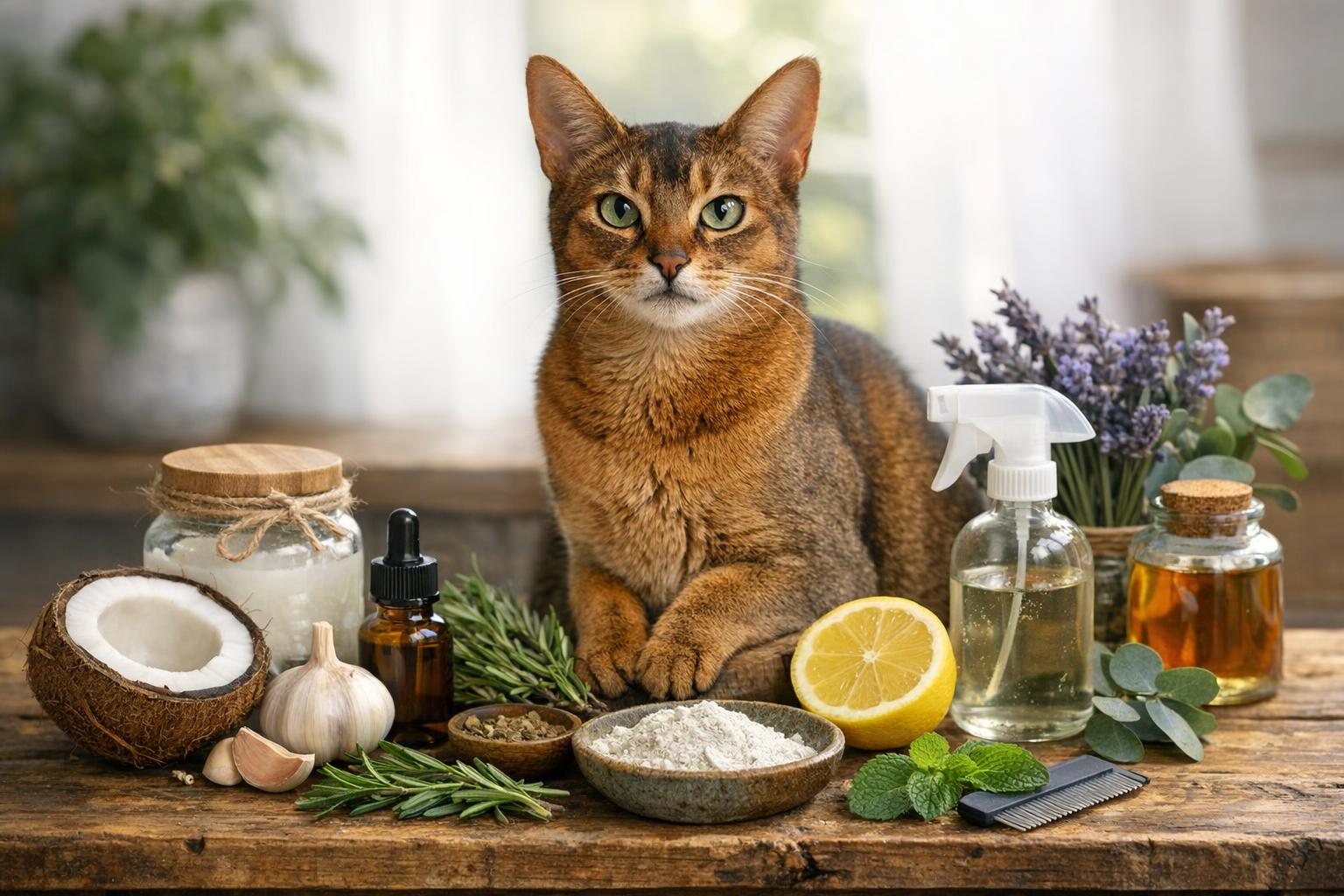
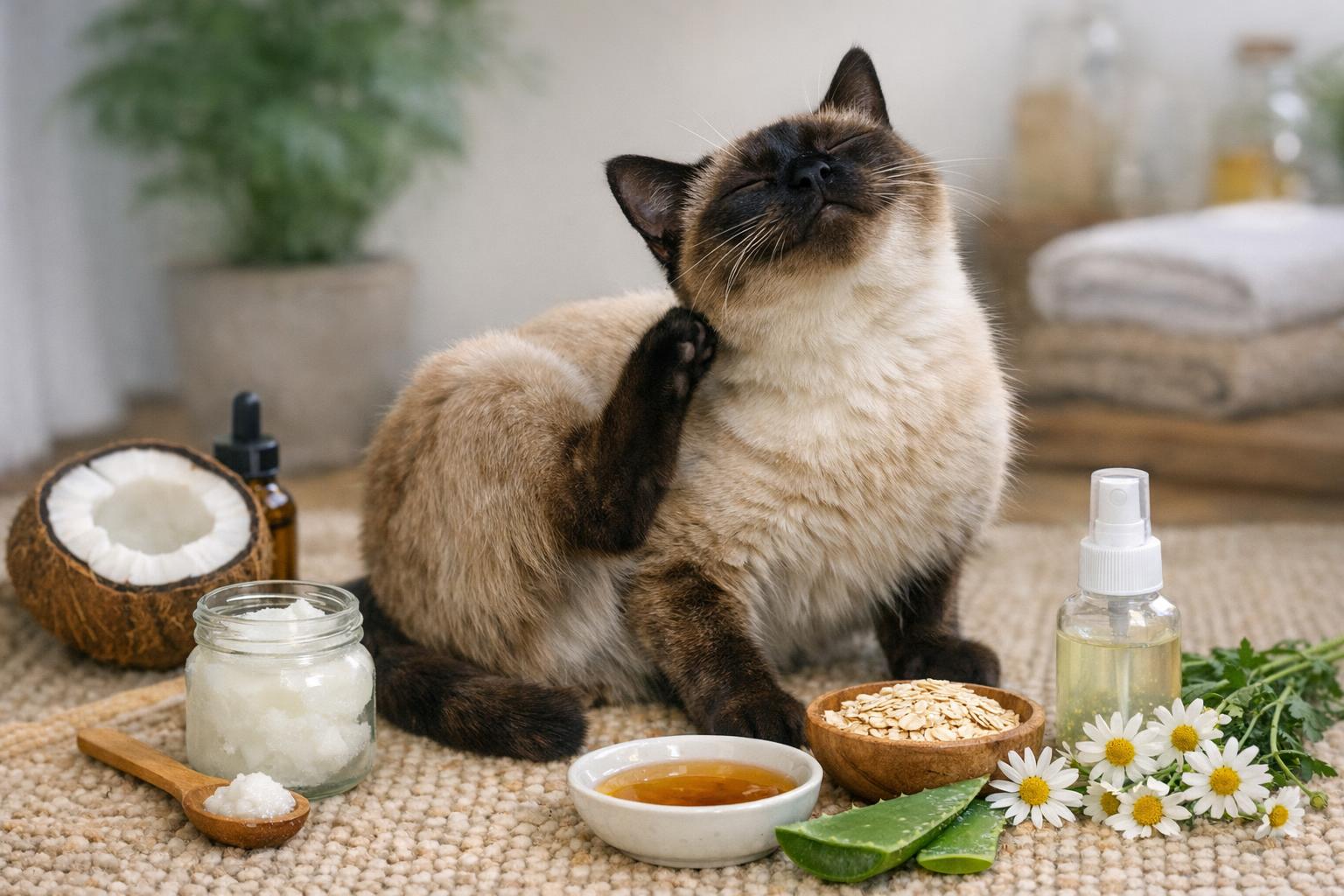
If you’re reading this, you probably spotted an unwelcome tiny acrobat on your couch or found your cat doing the midnight flea-tango. Relax — indoor cats can and do get fleas, and there are gentle, practical home remedies that help. This article walks through safe, natural approaches and environmental fixes so you can treat the problem without turning your living room into a chemistry lab.
## Flea Medicine For Indoor Cats: Natural Options
Indoor cats generally have fewer flea encounters than outdoor cats, but one hitchhiking flea or a visitor who brings in fleas is all it takes. When you search for flea medicine for indoor cats, you’ll find everything from vet-grade topical drops to kitchen-cupboard tricks. The methods below focus on natural, low-toxicity options that reduce flea numbers and protect your cat and household.
### How Fleas Live Indoors
Fleas spend most of their life cycle off the pet — eggs, larvae, and pupae hide in carpets, bedding, and upholstery. Adult fleas jump on your cat to feed and reproduce. That’s why treating the animal alone is rarely enough; the environment must be part of your plan.
### When To Choose Natural Home Remedies
Natural remedies are good for:
– Mild infestations or prevention.
– Cats who react to strong chemicals.
– Households wanting low-toxicity approaches.
If your cat is itchy all the time, has hair loss, signs of anemia (pale gums, lethargy), or if fleas are widespread in your home, consult a veterinarian — professional flea medicine for indoor cats may be necessary.
## 1. Apple Cider Vinegar Spray For Repelling Fleas
Apple cider vinegar (ACV) is a popular gentle repellent. It won’t kill fleas instantly, but it can make your cat’s scent less attractive to them. Use this only on healthy skin — don’t apply to open wounds or severely irritated areas.
Ingredients / Materials
1. 1 cup distilled or filtered water
2. 1/2 cup organic apple cider vinegar
3. Clean spray bottle
4. Soft cloth or towel
Step-By-Step Creation
1. Sterilize the spray bottle by rinsing with boiling water (let cool).
2. Pour 1 cup water into the bottle.
3. Add 1/2 cup apple cider vinegar and gently swirl to combine.
4. Label the bottle with the date and contents. Store in a cool place; discard after two weeks.
Application (Formal, Precise)
1. Test: Apply a small amount to your cat’s inner foreleg and wait 24 hours. If any redness, swelling, or unusual behavior appears, discontinue use immediately.
2. Use: Lightly mist your hands (not the face) and rub onto the fur, or spray the cloth and stroke your cat. Avoid eyes, nose, mouth, and open wounds.
3. Frequency: Apply once daily during flea season or as needed. Monitor skin for dryness; you may need to dilute more if skin becomes dry.
Note: ACV is a repellent and part of an integrated approach. It typically does not eliminate an established infestation by itself.
## 2. Flea Combing And Soapy Water Baths
This is the most direct, chemical-free way to remove adult fleas. It’s physical removal, which often gets overlooked but is highly effective.
Ingredients / Materials
1. Fine-toothed flea comb (metal teeth)
2. Bowl of warm soapy water (mild dish soap)
3. Towels
4. Treats and calm environment
Step-By-Step Creation
1. Prepare: Fill a bowl with warm water and a few drops of mild dish soap. Keep towels handy.
2. Calm: Sit in a quiet space. Use treats and gentle pets to soothe your cat.
3. Comb: Hold the comb against the fur and draw through from neck to tail. After each stroke, dip comb into soapy water to drown captured fleas.
4. Bath Option: If your cat tolerates baths and the infestation is notable, a brief bath with warm water and mild dish soap can drown many adult fleas. Rinse thoroughly and dry well.
Application (Formal, Precise)
1. Repeat combing daily for at least two weeks to capture newly emerging adults.
2. Inspect and clean bedding, rugs, and cushions concurrently. Flea combing targets adults; environmental control targets eggs and larvae.
Warning: Some cats are stressed by baths. If combing alone calms and reduces fleas, avoid bathing. Never use dish soap with oils or additives that could irritate skin.
## 3. Environmental Control With Diatomaceous Earth And Cleaning
Treating your home is essential. Vacuuming and laundering are frontline defenses; food-grade diatomaceous earth (DE) can help reduce immature flea stages in carpets and crevices.
Ingredients / Materials
1. Vacuum with attachments
2. Laundry detergent and hot water
3. Food-grade diatomaceous earth (optional)
4. Broom or brush for corners
5. Disposable gloves and mask (DE is dusty)
Step-By-Step Creation
1. Launder: Wash all bedding, soft toys, and removable covers in the hottest water safe for the fabric. Dry on the highest heat setting permitted.
2. Vacuuming: Vacuum floors, upholstery, mattresses, and baseboards daily for two weeks. Empty the vacuum bag or canister outside after each session to prevent reinfestation.
3. DE Application (If Using): Put on gloves and a dust mask. Lightly sprinkle food-grade DE in thin layers over carpets, rugs, and under cushions. Leave for 48 hours, then vacuum thoroughly. Repeat every 7–10 days for three cycles if necessary.
4. Seal Cracks: Use caulk or sealants for baseboards and floor cracks where larvae might hide.
Application (Formal, Precise)
1. Implement a strict cleaning schedule: vacuum high-traffic areas daily in an active infestation.
2. Combine laundering and DE as complementary methods: washing removes eggs and larvae on fabrics; DE dehydrates immature stages in carpets.
3. Continue environmental measures for at least one month after active fleas disappear because pupae can emerge later.
Safety Note: Only use food-grade DE and avoid heavy dusting. Keep cats out of treated areas until DE settles and you’ve vacuumed excess.
### Avoid These Common Home “Fixes”
Some internet suggestions are unsafe for cats. Never use essential oils like tea tree, eucalyptus, citrus, pennyroyal, or concentrated cedar oil directly on cats — many oils are toxic. Do not give oral garlic, onions, or other human supplements that are toxic to felines. Avoid flea collars or topical products not specifically labeled for cats.
### When Home Remedies Aren’t Enough
If your cat isn’t improving, fleas are multiplying rapidly, or you see signs of anemia or skin infection, it’s time for professional flea medicine for indoor cats. A veterinarian can prescribe effective, cat-safe topical or oral medications, and they’ll consider your cat’s age, health, and any other pets in the household. Think of the vet as the heavy artillery you call in if the cavalry of DIY remedies needs backup.
### Preventive Habits That Help
– Regularly comb your cat (weekly at minimum; daily in season).
– Wash bedding weekly in hot water.
– Keep windows and screens clean to reduce insect guests.
– Treat all pets in the house simultaneously; a single untreated animal can restart an infestation.
– Consider scheduled vet checkups for preventive treatments if your area has heavy flea seasons.
#### When To Call The Vet Immediately
– Pale gums, weakness, or rapid breathing (possible anemia).
– Too many fleas to manage with combing and cleaning.
– Open sores, severe itching, or secondary infections.
– Kittens under 8 weeks or very young/sick cats — many DIY options are unsafe for them.
A final friendly reminder: flea medicine for indoor cats can be a mix of gentle home remedies and vet-recommended treatments. Use the natural options above as part of a balanced plan — clean the environment, use physical removal, and consult your veterinarian when needed. You’ll likely regain peace, and your cat will stop practicing acrobatics on the furniture without applause.














Leave a Reply