







Allergy season can be rough for humans and pups alike — watery eyes, itchy skin, and a dog that looks like it wants to become a professional scratcher. This guide walks through practical, allergy-friendly home remedies for dogs and antihistamines: when they help, what to watch for, and a few safe DIY treatments to soothe your four-legged buddy without turning your living room into a pharmacy.
## Dogs And Antihistamines: What You Need To Know
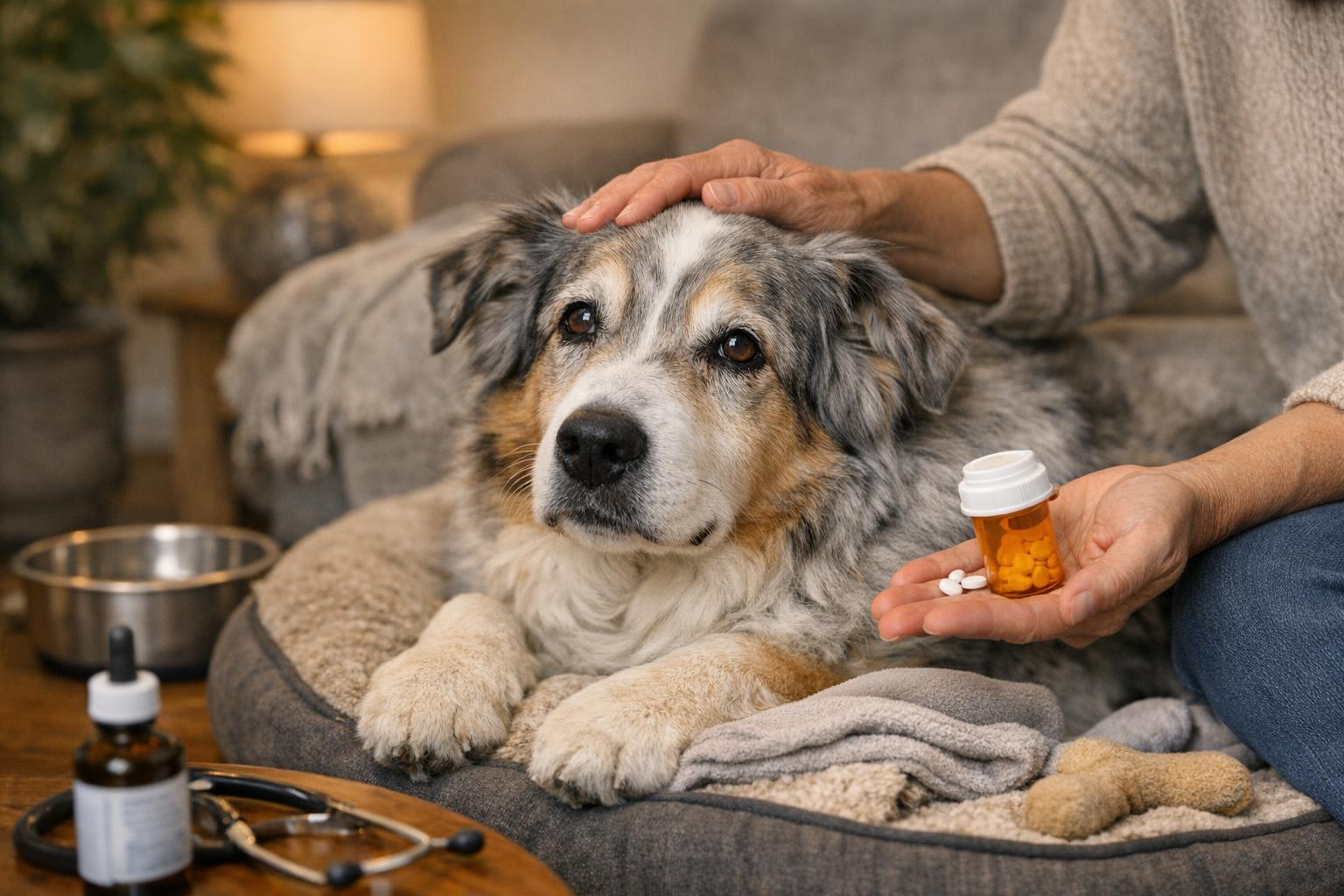
Antihistamines are often the first medication owners think of when a dog is sneezing, itching, or showing mild allergic signs. In many cases, antihistamines can reduce itching and histamine-driven symptoms, but they’re not a magic cure. Before you reach for a human medicine cabinet, get clear on three things: diagnosis, drug choice, and dose — and always check with your veterinarian.
### How Antihistamines Work
Antihistamines block histamine receptors to reduce itching, swelling, and other symptoms associated with allergic reactions. They’re most useful for environmental allergies (pollen, dust mites) and mild reactions. For severe or systemic allergic reactions, immediate veterinary care is required.
### Veterinary Guidance Is Essential
Never assume your dog will react to human antihistamines the same way you do. A vet can help determine whether antihistamines are appropriate for your dog’s condition, recommend a safe product, and advise on possible interactions with existing medications or health problems. When researching dogs and antihistamines, bring notes about your dog’s weight, health history, and current meds to the appointment — it makes the vet’s job easier and keeps your dog safer.
## Allergy Triggers And Symptoms In Dogs
Dogs react to a wide range of triggers: pollen, mold, dust, insect bites, certain foods, and contact allergens like cleaning products. Symptoms can include:
– Recurrent scratching or licking, especially paws and face
– Red, inflamed, or scabby skin
– Sneezing, watery eyes, or runny nose
– Ear infections or head shaking
If symptoms are seasonal or tied to outdoor exposure, environmental allergies may be involved. If symptoms are year-round or include gastrointestinal signs, food allergies might be a factor. Accurate identification helps you choose the right combination of home remedies and medical interventions.
### Diagnosing Allergies
A vet may perform skin tests, elimination diets, or bloodwork. For many owners the first line is trial-and-error management: reduce environmental triggers, try topical therapies, and consider medications if symptoms persist. Use anti-itch remedies to improve comfort while you and your vet work on a diagnosis.
## When Antihistamines Make Sense
Antihistamines are a reasonable option for mild environmental allergies, for short-term relief during flare-ups, or as an adjunct when other measures aren’t fully controlling symptoms. They tend to be safer and cheaper than stronger prescription drugs, but they are rarely sufficient alone for chronic, severe allergies.
Commonly used antihistamines in veterinary practice include diphenhydramine (Benadryl), cetirizine (Zyrtec), and loratadine (Claritin). Some work better for certain dogs than others — trial under veterinary supervision is the norm. Keep in mind that dogs and antihistamines interact differently based on size, breed, and health status.
## Remedy 1: Soothing Oatmeal Bath For Itchy Skin
An oatmeal bath is a time-tested, gentle method to calm itchy, irritated skin. This is ideal for dogs with dry, flaky or mildly inflamed skin — and it’s a great first step before jumping into medications.
Ingredients / Materials:
– 1 cup colloidal oatmeal (finely ground) or plain, unflavored oats ground into a powder
– Warm water in a tub or basin
– Towel for drying
– Optional: 1–2 tablespoons baking soda for extra soothing (avoid if open wounds)
Creation and Application Steps:
1. Prepare Oatmeal: If using whole oats, grind them in a blender until they are a fine powder (colloidal oatmeal). This helps them disperse in water.
2. Fill Tub: Fill a bathtub or basin with warm (not hot) water deep enough to reach your dog’s belly for small dogs, mid-body for larger dogs.
3. Add Oatmeal: Sprinkle the oatmeal powder into the tub and stir. The water should become milky and silky.
4. Soak: Gently place your dog in the tub and let them soak for 8–10 minutes. Use your hands or a cup to pour the oatmeal water over itchy areas.
5. Rinse Lightly: Rinse with plain warm water to remove residue if needed, or leave a light coating to continue soothing (check for slipperiness).
6. Dry: Pat dry with a towel. Avoid vigorous rubbing that can irritate the skin.
Frequency: Use this treatment 1–2 times per week during flare-ups. If irritation worsens or skin is broken, stop and consult your vet.
## Remedy 2: Apple Cider Vinegar Rinse (Spot Treatment)
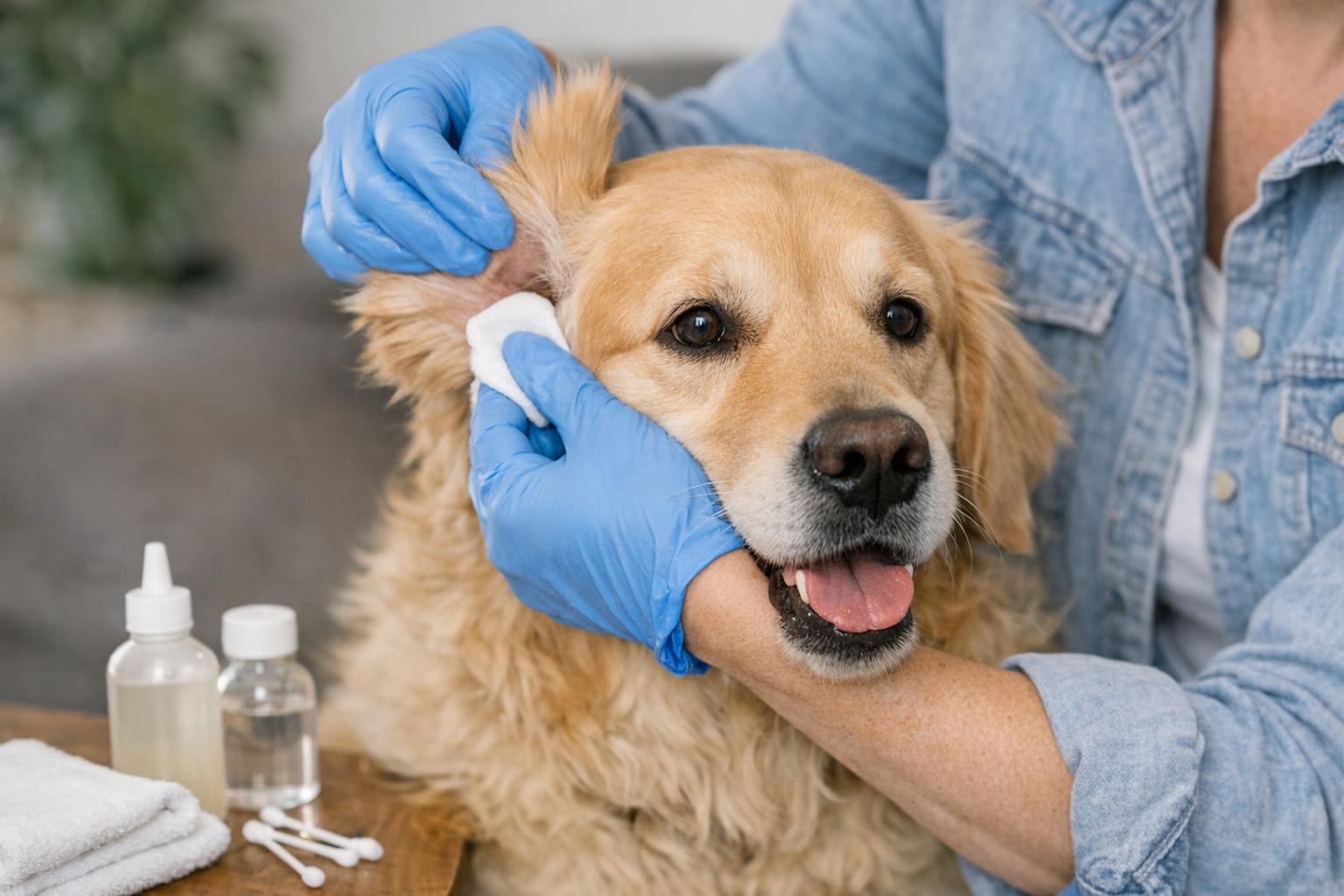
Apple cider vinegar (ACV) can help restore skin pH and deter minor yeast or bacterial overgrowths. It’s useful as a spot rinse for smelly ears, itchy paws, or contact-dermatitis areas — but never apply to raw, open wounds.
Ingredients / Materials:
– 50% apple cider vinegar (with mother) and 50% distilled water mixture
– Spray bottle or bowl and cloth
– Cotton balls for ear application (use diluted mixture only around the outer ear, not deep inside)
Creation and Application Steps:
1. Dilute: Mix equal parts ACV and distilled water in a clean spray bottle (50/50).
2. Test: Do a spot test on a small patch of healthy skin. Check after 24 hours for irritation.
3. Apply: Spray lightly on affected areas or apply with a cloth. For paws, soak a cloth and press onto pads for a minute before wiping off.
4. Dry: Let air-dry or gently towel-dry. Do not rinse off unless residue is bothersome.
5. Frequency: Apply once daily during flare-ups. Avoid use if skin is raw or bleeding.
Caution: ACV can sting broken skin. If you see redness increase or your dog shows signs of pain, discontinue and consult your vet.
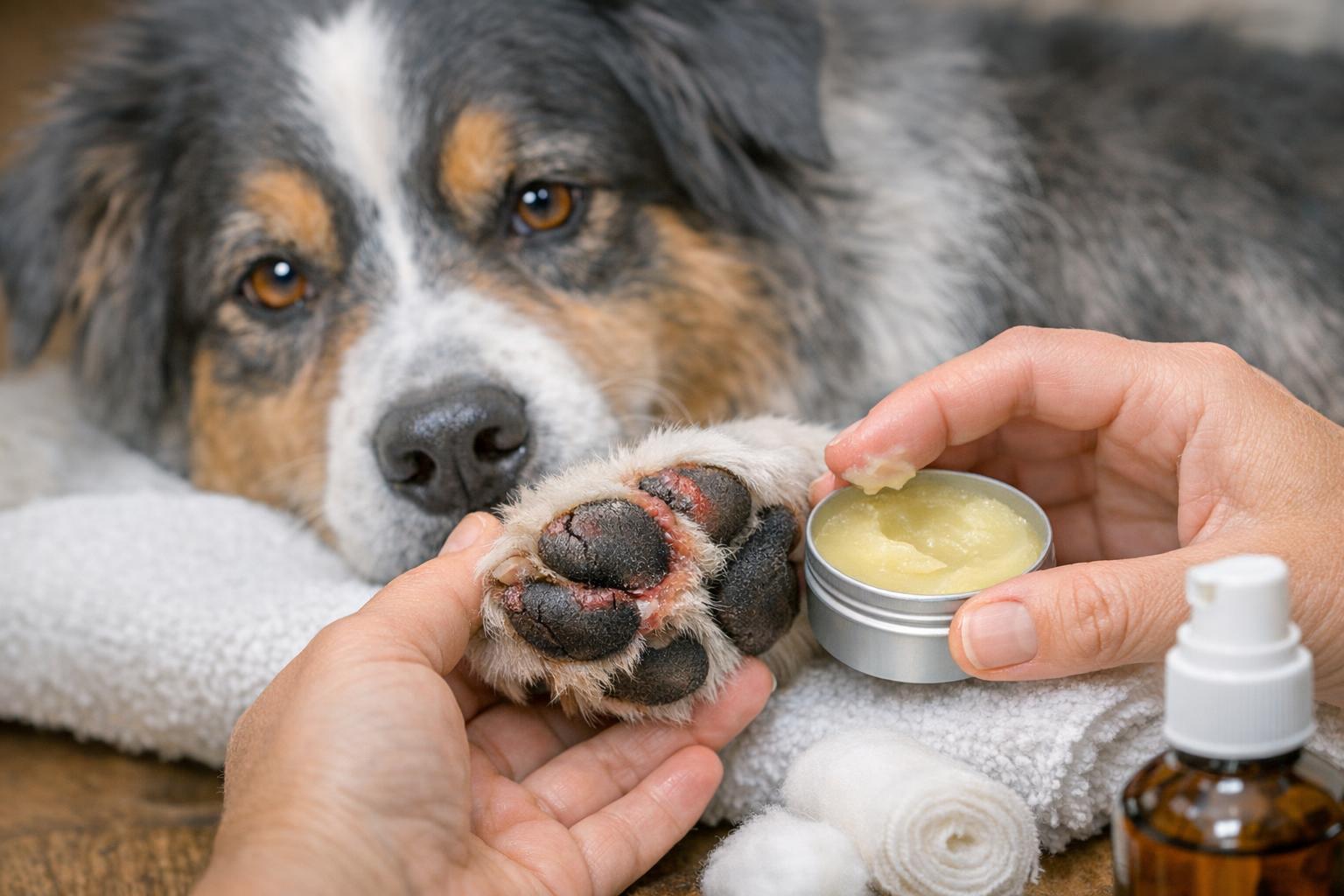
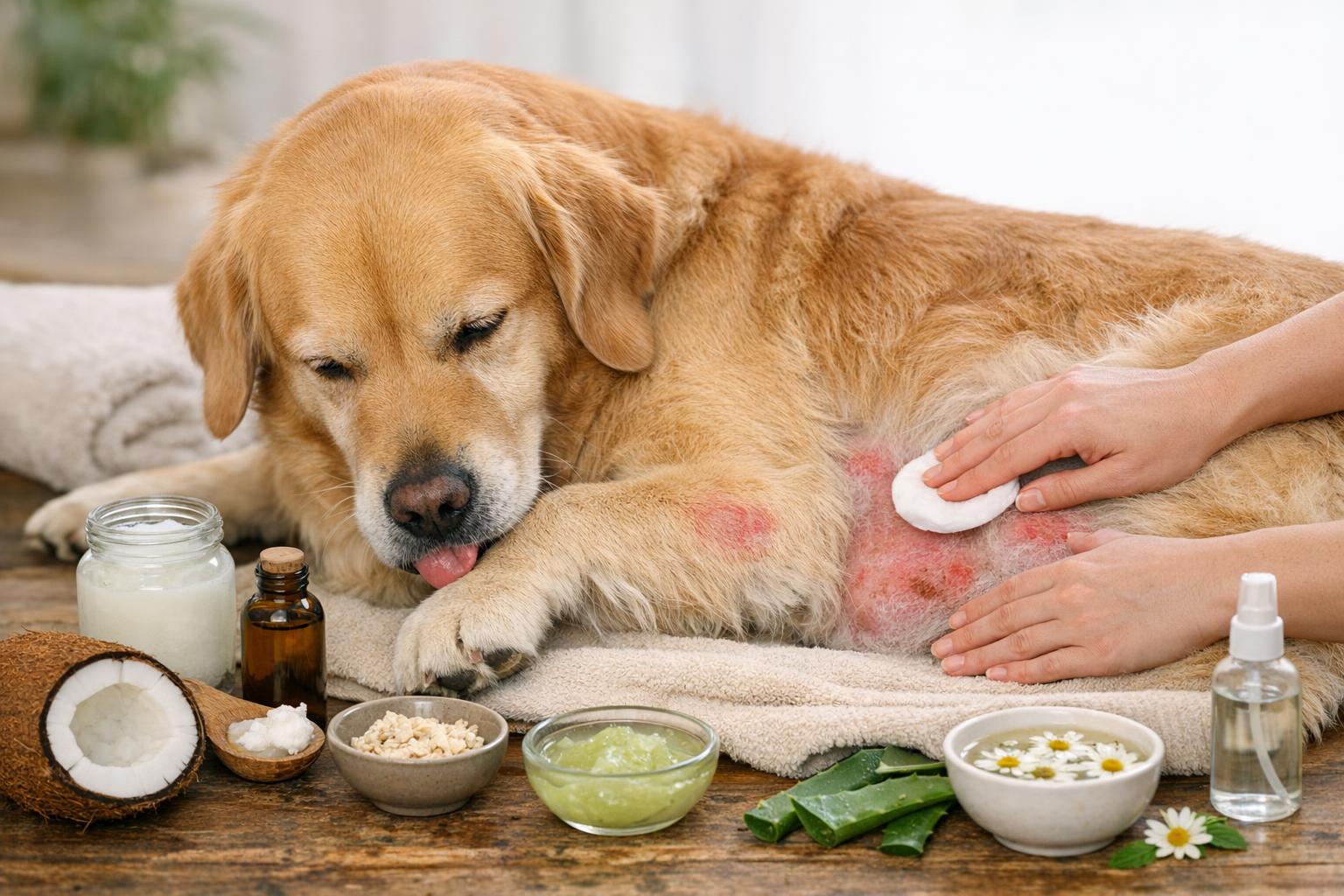
## Remedy 3: Topical Coconut Oil For Localized Itch
Coconut oil has mild antibacterial and moisturizing properties and can be helpful for localized dry patches. It’s not a cure-all but can support the skin barrier.
Ingredients / Materials:
– Virgin coconut oil (solid at room temperature)
– Clean fingers or a soft cloth
– Optional: small bowl to warm oil
Creation and Application Steps:
1. Warm a small amount of coconut oil in your hands until it becomes soft and spreadable.
2. Apply sparingly to dry patches or small areas of irritation. Massage gently until absorbed.
3. Use once or twice daily as needed.
4. Monitor: If the area becomes more inflamed or greasy, stop use. Overuse can trap dirt and lead to secondary infection.
## Safe Use Tips And When To See A Vet
– Never combine multiple human medications without veterinary approval.
– Avoid antihistamines that contain decongestants (like pseudoephedrine); these are dangerous for dogs.
– Monitor for side effects: sedation, dry mouth, urinary retention, rapid heart rate, or GI upset. If your dog shows severe signs (collapsing, trouble breathing), seek emergency care immediately.
– If topical remedies don’t produce improvement within a week, or symptoms are severe or spreading, schedule a vet visit. In many cases, combining topical care with a vet-prescribed medication plan yields the best results.
### Can I Use Human Antihistamines At Home?
Many owners ask whether they can use over-the-counter products. Short answer: sometimes, but only under veterinary guidance. For example, diphenhydramine is commonly used in dogs for allergic reactions and motion sickness, and cetirizine or loratadine are sometimes used for chronic itch. The wrong dose or the wrong formulation (liquid with alcohol or extra ingredients) can be harmful. Discuss options with your vet before treating.
### Combining Natural Remedies And Antihistamines
Combining topical or bathing remedies with vet-approved antihistamines may reduce overall medication needs and improve comfort. For example, oatmeal baths and coconut oil can support the skin while a vet-prescribed antihistamine manages systemic itch. Keep a treatment log so your vet can judge what’s working.
## Frequently Asked Practical Questions
How long before I see improvement? With mild allergies, topical remedies may reduce irritation within a day or two; antihistamines can take several hours to show effect. If a reaction is severe or rapidly worsening, seek veterinary care immediately.
Are there breeds that react badly to antihistamines? Certain medical conditions (glaucoma, seizure disorders, heart disease) and some drug interactions increase risks. Always vet-check before starting a new drug because breed alone isn’t the only factor.
If you find yourself comparing a dozen over-the-counter options, remember to read labels and avoid products with decongestants or multiple active ingredients. Keeping a calm, consistent approach — and consulting your vet — will get you the best outcomes for both you and your itchy, not-so-patient pup.
If you’re researching dogs and antihistamines for the first time, bring this article’s notes to your next vet visit so you and your veterinarian can make a clear, personalized plan for treating your dog’s allergies.






























Leave a Reply