





Allergic dogs are a bit like that friend who sneezes dramatically at every pollen cloud — only fluffier and more persuasive when it comes to getting belly rubs. If your pup is scratching, rubbing, or chewing more than usual, you’re probably hunting for gentle, effective ways to help. Below are practical, mostly natural approaches to ease symptoms and support long-term skin and immune health.
## Natural Dog Allergies Treatment Options
Dog allergies treatment doesn’t always require pharmaceuticals, though drugs and vet care have their place. Natural strategies can reduce irritation, strengthen skin barriers, and minimize exposure to triggers. Use these approaches in combination with professional guidance, especially for severe or persistent cases. In many situations, lifestyle and home-care adjustments complement medical dog allergies treatment and can reduce reliance on medicated interventions.
### How To Spot Allergies Versus Other Problems
Allergic reactions commonly involve itchy skin, recurrent ear infections, red or inflamed patches, and chewing at feet. Seasonal sneezing or watery eyes may point to environmental allergens, while frequent facial rubbing or lip licking can signal contact or food sensitivities. A quick checklist:
– Itching localized to paws, face, or armpits often suggests contact or food allergies.
– Widespread itching and secondary infections suggest a deeper immune issue.
– Timing with seasons hints at pollen or mold exposures.
### When To See A Vet
If your dog has open sores, fever, weight loss, pus, or sudden behavior changes, seek veterinary care promptly. For chronic but non-urgent cases, your vet can run tests (skin scrapings, cytology, elimination diets) to pinpoint causes and recommend a structured dog allergies treatment plan that may include natural remedies as supportive care.
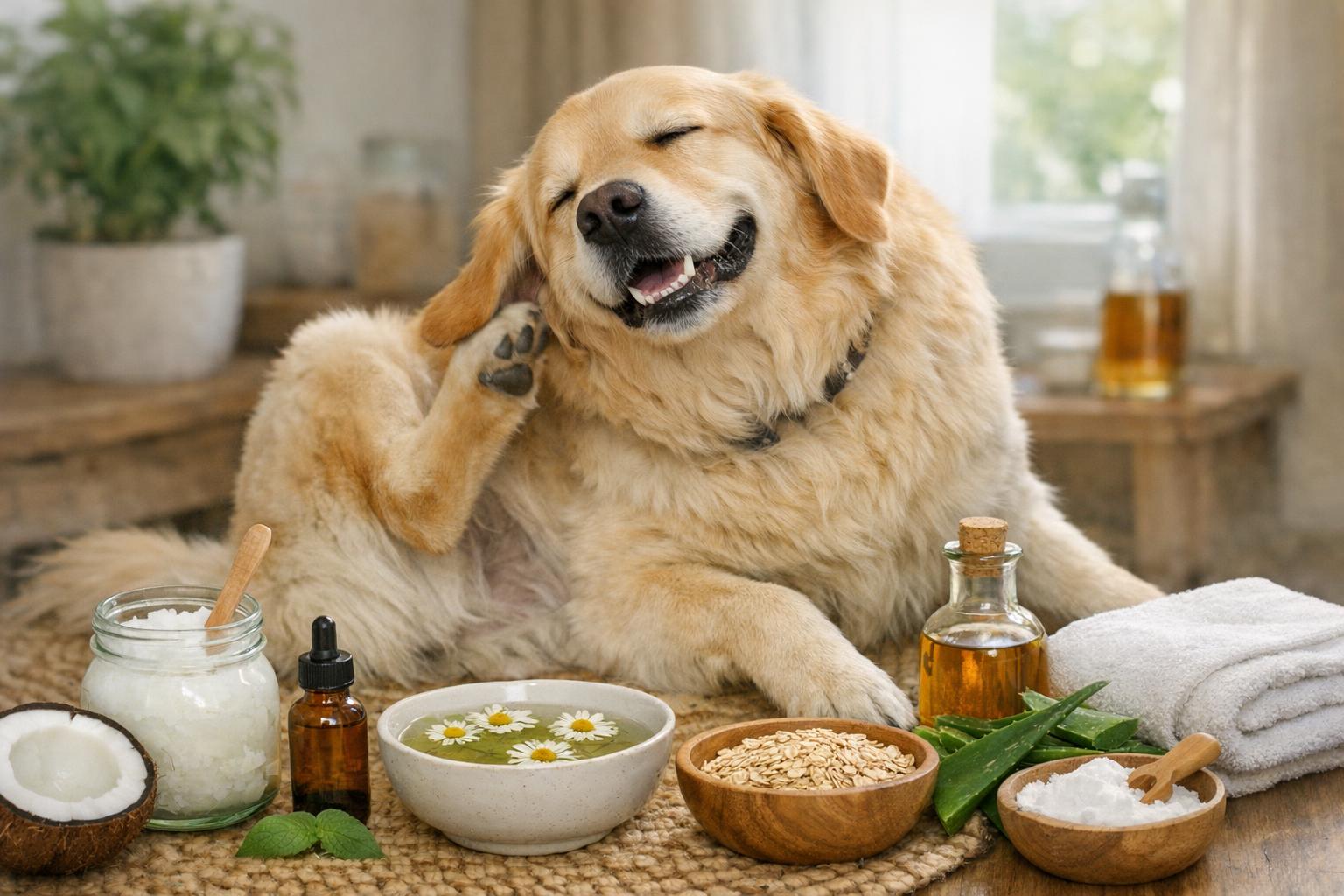
## Remedy 1: Oatmeal Bath For Itchy Skin
Oatmeal baths are a time-tested, gentle way to soothe inflamed skin and relieve itchiness. This remedy should be used as an adjunct to any prescribed medical dog allergies treatment and not as a sole therapy for severe infections.
Ingredients / Materials:
– 1 cup colloidal oatmeal (finely ground, no additives)
– 1 lukewarm bath (enough water to cover dog’s lower body or allow full immersion)
– Two clean towels
– Optional: 1 tablespoon baking soda for additional itch relief
Step-By-Step Creation And Application:
1. Fill a tub or basin with lukewarm water. Avoid hot water; it worsens itch and dries skin.
2. Stir in the colloidal oatmeal until the water becomes milky and slightly thickened. Add baking soda if using.
3. Gently place your dog in the bath and soak for 5–10 minutes. For anxious dogs, use a shallow soak and a calm voice.
4. Massage the oatmeal water into itchy areas using slow, soothing strokes for 2–3 minutes to help lift allergens and soothe the skin.
5. Rinse lightly with lukewarm water if your dog dislikes residue, but leaving some oatmeal on the coat can provide continued relief.
6. Pat dry with towels; avoid vigorous rubbing which can irritate the skin.
7. Repeat 1–3 times weekly depending on severity and veterinarian guidance.
Use caution if your dog has open wounds; consult your vet before applying baths to broken skin.
## Remedy 2: Apple Cider Vinegar Spray For Hot Spots And Yeasty Odors
Apple cider vinegar (ACV) can help rebalance skin pH and discourage certain bacteria and yeasts. It’s an acidic topical that should be used only on intact skin. This is a supportive measure and not a replacement for prescribed antimicrobial treatments when infection is present.
Ingredients / Materials:
– 1 part raw, unfiltered apple cider vinegar
– 1 part water (sterile or boiled and cooled for greater safety)
– Clean spray bottle
– Cotton cloth or pads
Step-By-Step Creation And Application:
1. Combine equal parts ACV and water in the spray bottle and shake gently to mix.
2. Spray lightly onto the affected area or apply with a cotton pad. Do not saturate; a light mist is sufficient.
3. Allow to air dry. Repeat twice daily until symptoms improve.
4. If the skin stings, reddens further, or if you see oozing or open sores, discontinue use and consult your veterinarian.
ACV should never be applied to raw or broken skin; it will sting and delay healing. Always patch-test a small area first.
### When To Avoid Topical Acidic Treatments
#### Do Not Use On Broken Skin
If your dog has open lesions, erosions, or active infections, topical acidic treatments like ACV can cause pain and impede healing. Seek veterinary care to determine an appropriate medicated cleanse or ointment.
## Remedy 3: Probiotic And Diet Support To Reduce Allergic Reactivity
Dietary and gut-microbiome support can be a powerful pillar in dog allergies treatment. A healthy microbiome helps regulate immune responses, which may reduce overreactivity to allergens.
Ingredients / Materials:
– High-quality canine probiotic supplement (species-specific strains)
– Balanced, limited-ingredient diet or hypoallergenic diet recommended by your vet
– Fresh water
– Optional: plain, unsweetened canned pumpkin (fiber source) or fermented foods designed for dogs
Step-By-Step Creation And Application:
1. Consult your veterinarian to choose a probiotic with proven canine strains and an appropriate CFU count for your dog’s size and needs.
2. Transition to the recommended diet gradually over 7–10 days to avoid gastrointestinal upset: start with 25% new food and 75% old food and increase daily.
3. Add probiotics according to the manufacturer’s dosing instructions, usually mixed into food once daily.
4. Monitor stool quality, energy level, and skin condition for 4–8 weeks; many changes take time as the microbiome adapts.
5. If incorporating fermented foods or pumpkin, introduce in small amounts and watch for any digestive or allergic reactions.
6. Continue regular veterinary check-ins to adjust diet or supplements as needed and to coordinate with other dog allergies treatment strategies.
### Allergy-Proofing Your Home Environment
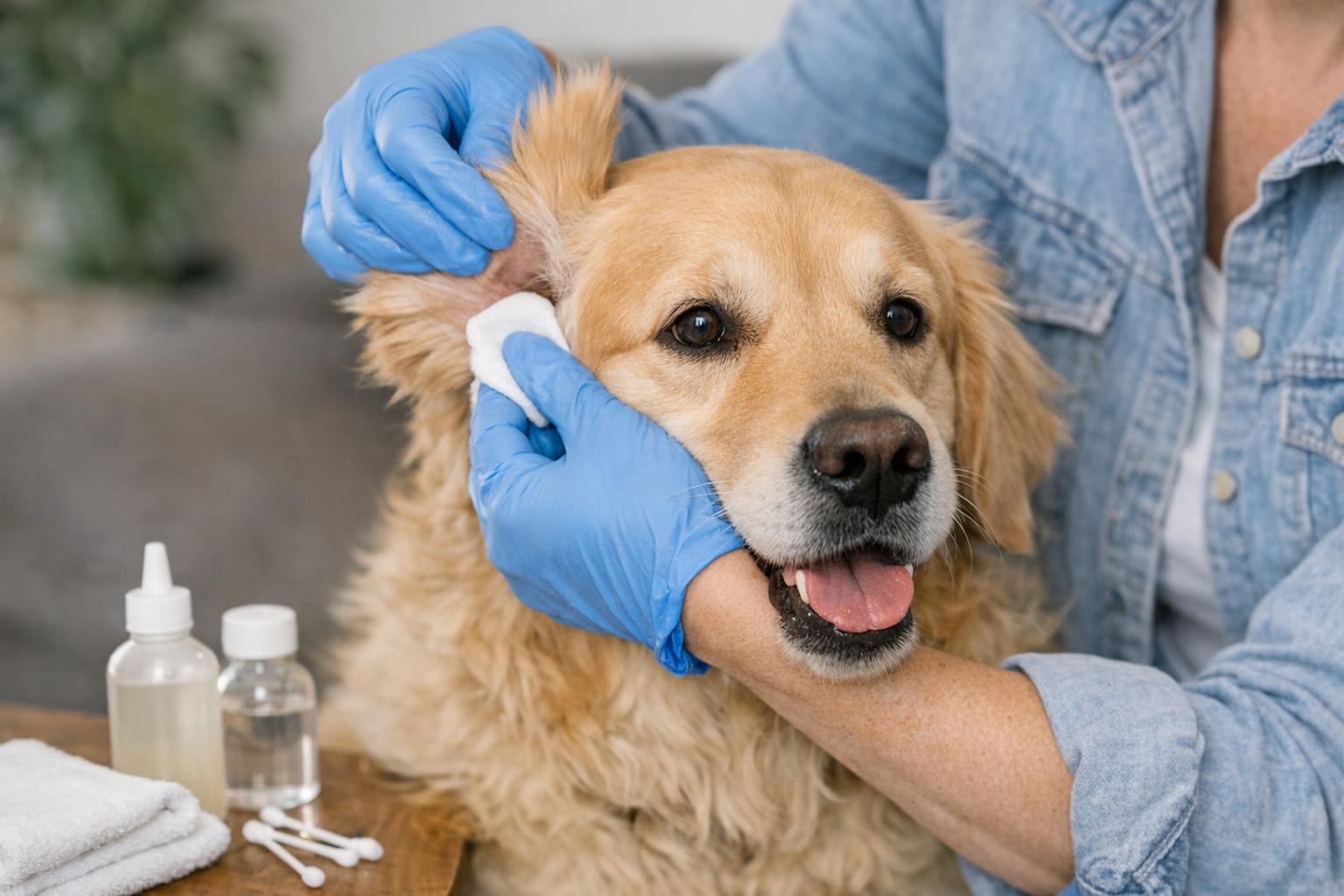
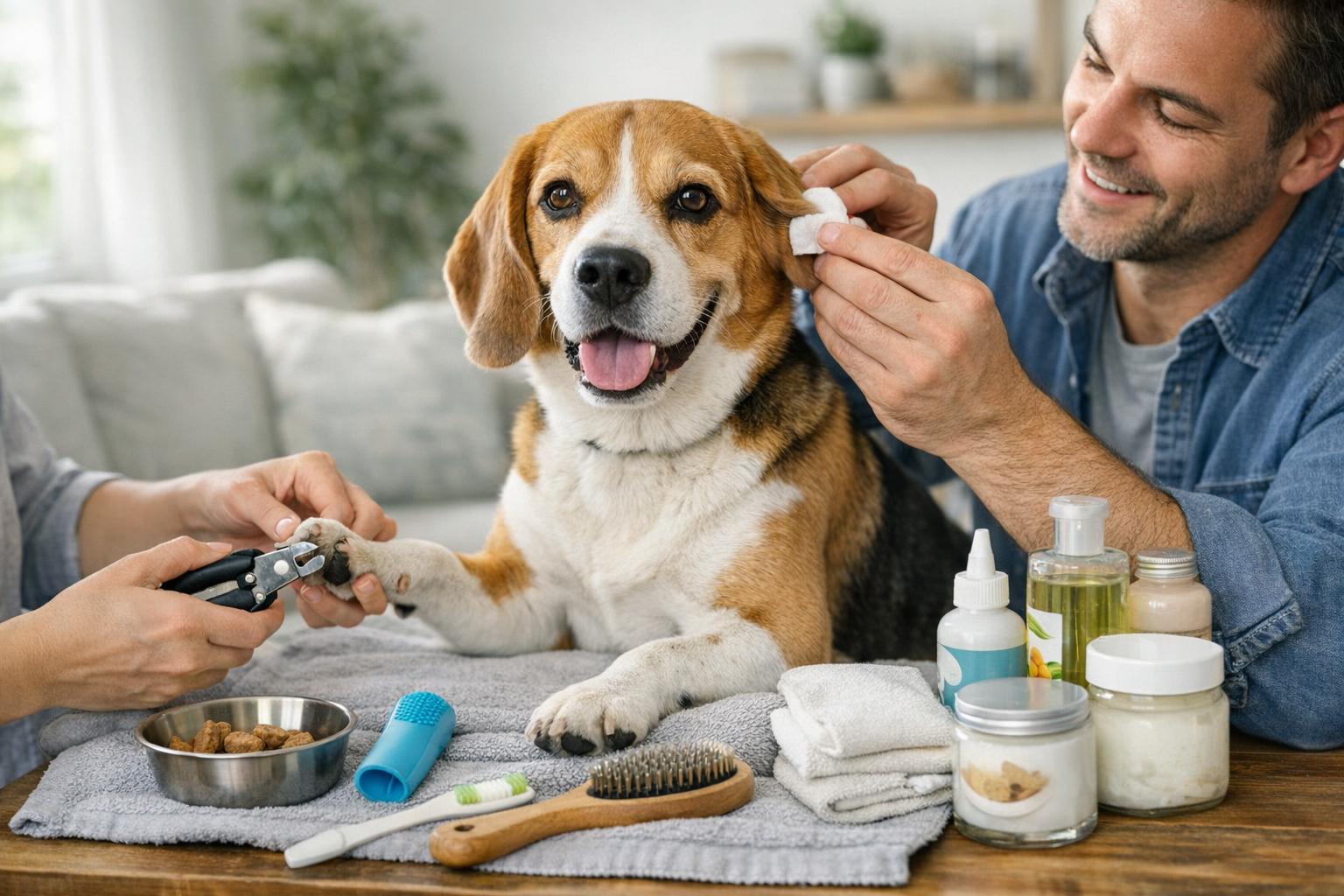
Indoor management reduces exposure to many common environmental triggers. Practical steps include frequent vacuuming with a HEPA filter, using washable bedding, bathing your dog regularly with gentle cleansers, and controlling humidity to limit mold growth. These actions are integral to a comprehensive dog allergies treatment plan.
#### Laundry And Bedding Tips
Wash dog bedding weekly in hot water when tolerated. Use hypoallergenic, fragrance-free detergents. For stuffed toys that can’t be washed often, consider periodic freezing for 24 hours to kill mites, then brushing outdoors.
### Supporting Skin Barrier With Natural Oils
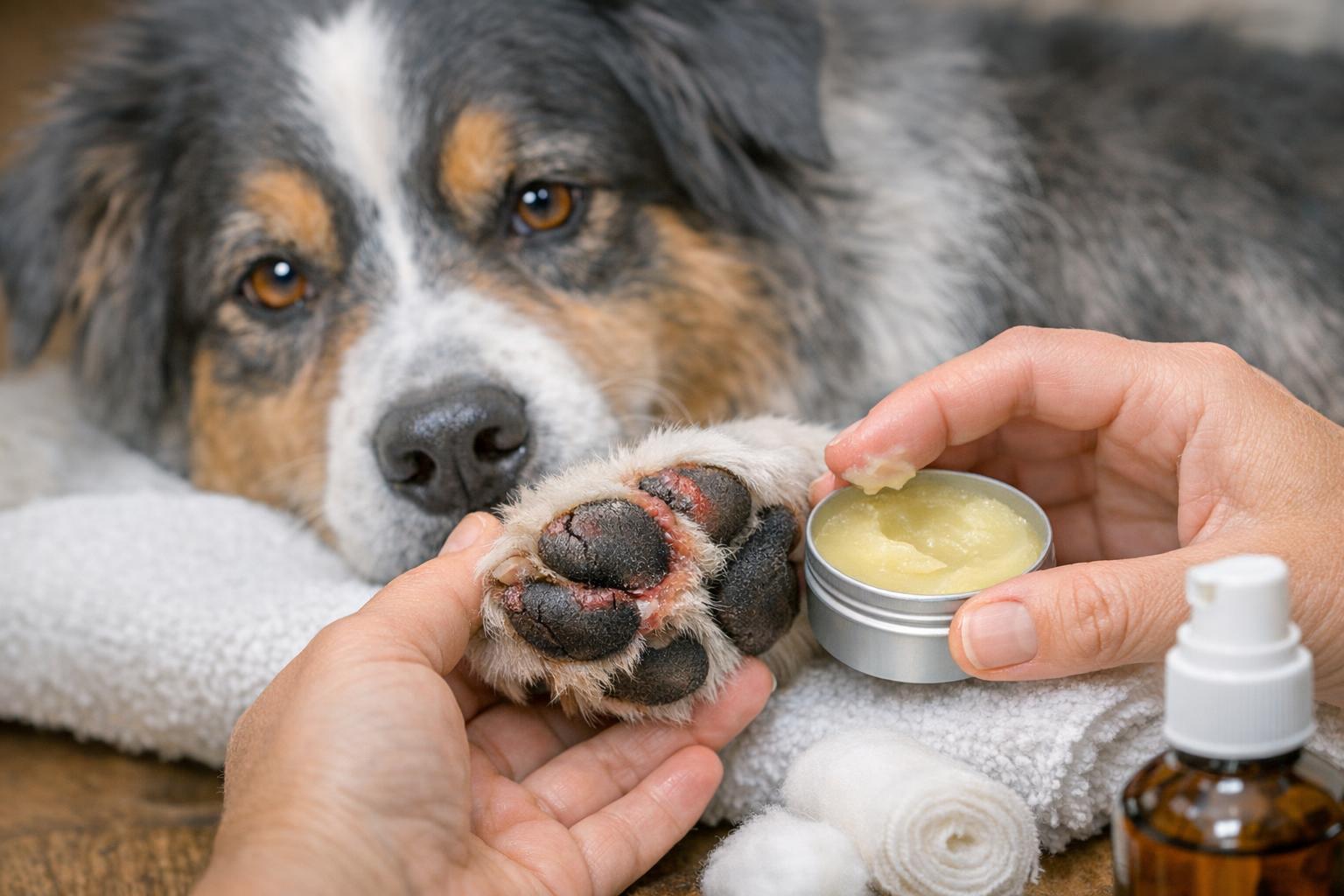
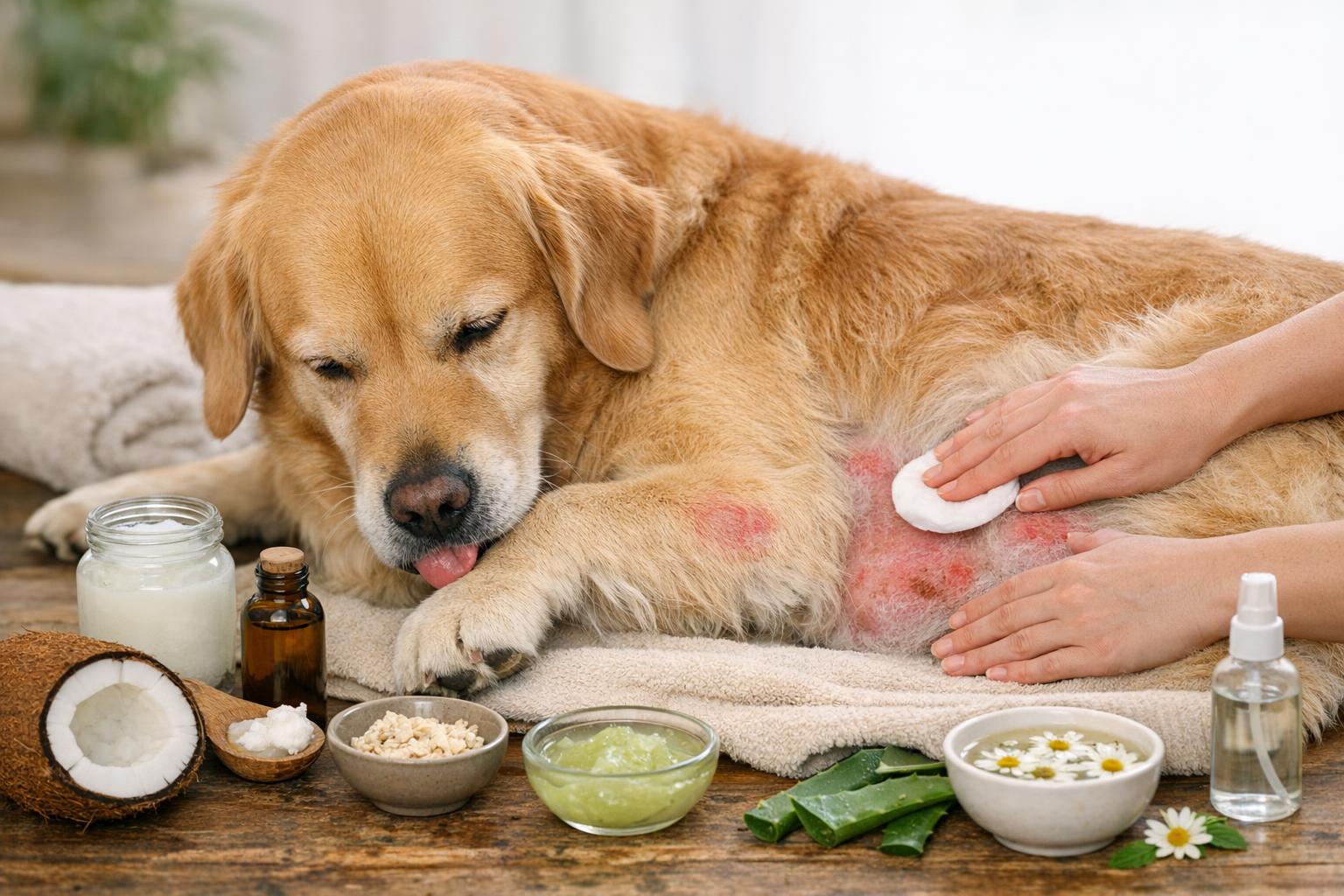
Certain oils can moisturize and support the skin barrier when used properly. Fish oil (omega-3 fatty acids) supplements given orally can reduce inflammation and are evidence-backed in supporting skin health. Topical coconut oil can be applied sparingly to dry spots but may not be suitable for all dogs (some develop contact reactions). Introduce any oil under vet guidance.
## When Medications And Natural Remedies Work Together
Often the most effective dog allergies treatment is a combined plan: targeted medications for active flares, allergy testing for long-term control, and natural/home remedies for daily comfort and barrier support. Communicate closely with your veterinarian so natural treatments complement — not conflict with — prescribed therapies. If your dog is on immunosuppressants or topical medicated treatments, check interactions and timing before adding topical or dietary interventions.
If you decide to try any of these natural options, keep a simple record of what you use and when, along with symptom changes. That log becomes gold information for your vet and helps refine which elements of dog allergies treatment are truly helping your pup.










Leave a Reply