
Keeping your pup’s paws clean doesn’t have to be a chore that requires superhero strength or a chemistry degree. A little gentle care goes a long way toward preventing infections, irritation, and the dreaded crunchy paw aftermath of a long walk in the city. Below are practical tips and two reliable, natural DIY solutions you can mix up at home. Relax — this is the kind of pampering both you and your dog will enjoy (well, you will; your dog will tolerate it like a champ).
## 1. Dog Paw Pad Cleaner: Gentle Soothing Paw Wash
### Why This Works
This mild paw wash is designed to remove dirt, salt, and allergens without stripping natural oils from the paw pads. The formula uses antiseptic and soothing agents that reduce minor irritation and help prevent bacterial growth. When preparing and applying this dog paw pad cleaner, accuracy and hygiene are important: measure, dilute, and store correctly.
#### Materials
– 1 cup distilled or boiled-and-cooled water
– 2 tablespoons colloidal oatmeal (finely ground) or plain rolled oats, processed
– 1 teaspoon apple cider vinegar (diluted antiseptic)
– 1 teaspoon aloe vera gel (pure, no additives)
– Mild dog shampoo (optional, 1 teaspoon)
– A soft microfiber cloth or small nonabrasive sponge
– A clean container with lid (glass jar or pump bottle)
#### Step-By-Step Creation And Application
1. Combine the distilled water and ground oatmeal in a small pot and warm gently for 2–3 minutes while stirring until it’s slightly thickened. Remove from heat and let cool to lukewarm.
2. Stir in the apple cider vinegar and aloe vera gel. If using, add the teaspoon of mild dog shampoo and mix thoroughly. Transfer the solution to your clean container and label with the date. Store in the refrigerator for up to 7 days.
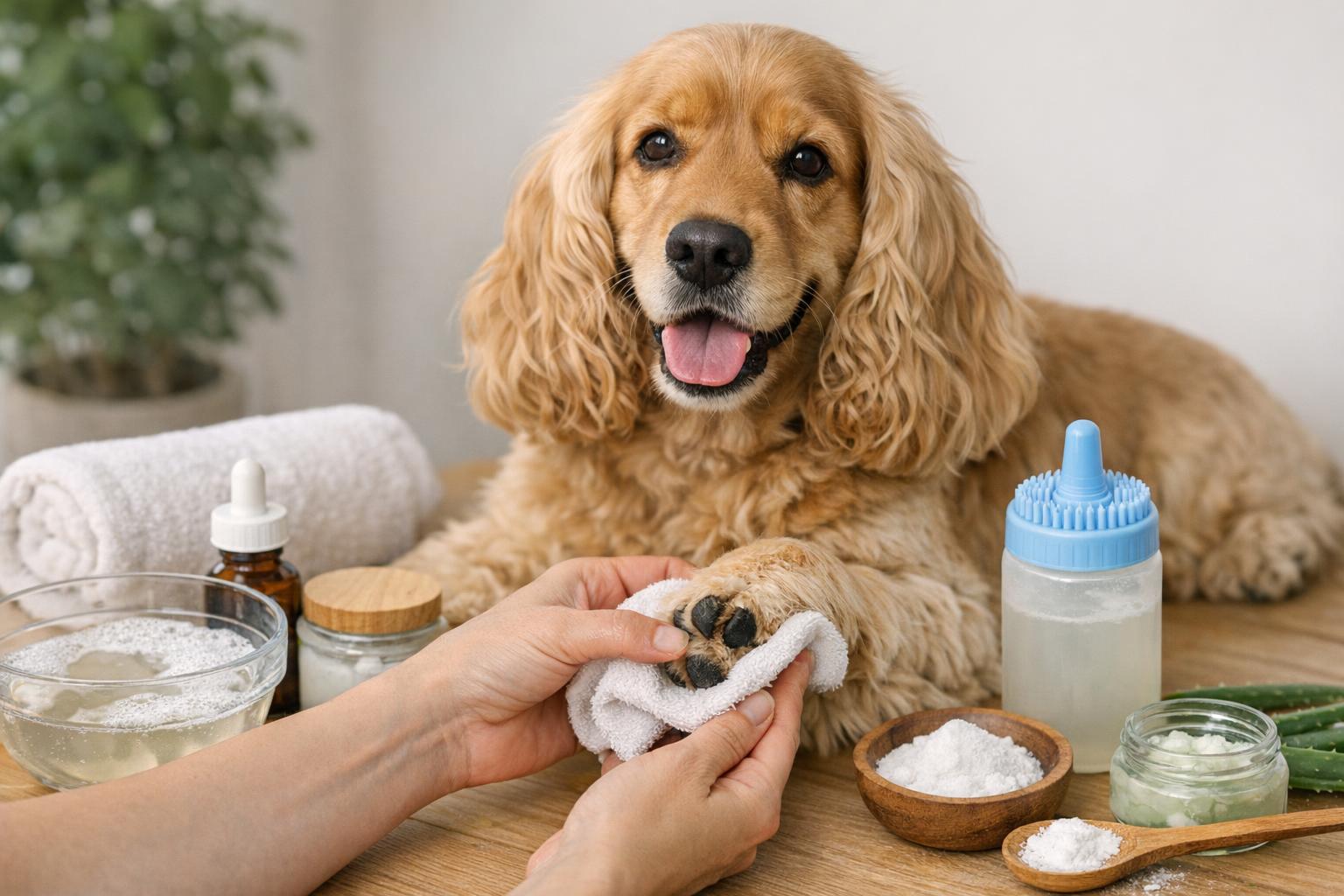
3. For application, gently place your dog on a secure surface. Calmly lift one paw and inspect between toes and pads for foreign objects.
4. Moisten the microfiber cloth with the paw wash (do not soak the paw). Wipe across the pad, between toes, and around nail beds. Be thorough but gentle; avoid tugging at hair or skin.
5. If a stubborn debris or salt stain remains, let a small amount of the wash sit on the area for 30–60 seconds and then re-wipe.
6. Dry the paw thoroughly with a clean towel. Damp paws attract dirt and can encourage irritation. Repeat for each paw.
7. Discard leftover wash after 7 days and make a fresh batch to reduce contamination risk.
## 2. Nourishing Paw Balm Cleaner And Protector
### Why This Works
This second remedy serves dual purposes: it cleans light grime with a gentle wiping action and leaves behind a protective balm to condition cracking or dry pads. The balm uses natural emollients and a small amount of beeswax to create a breathable barrier that seals in moisture without clogging pores.
#### Ingredients
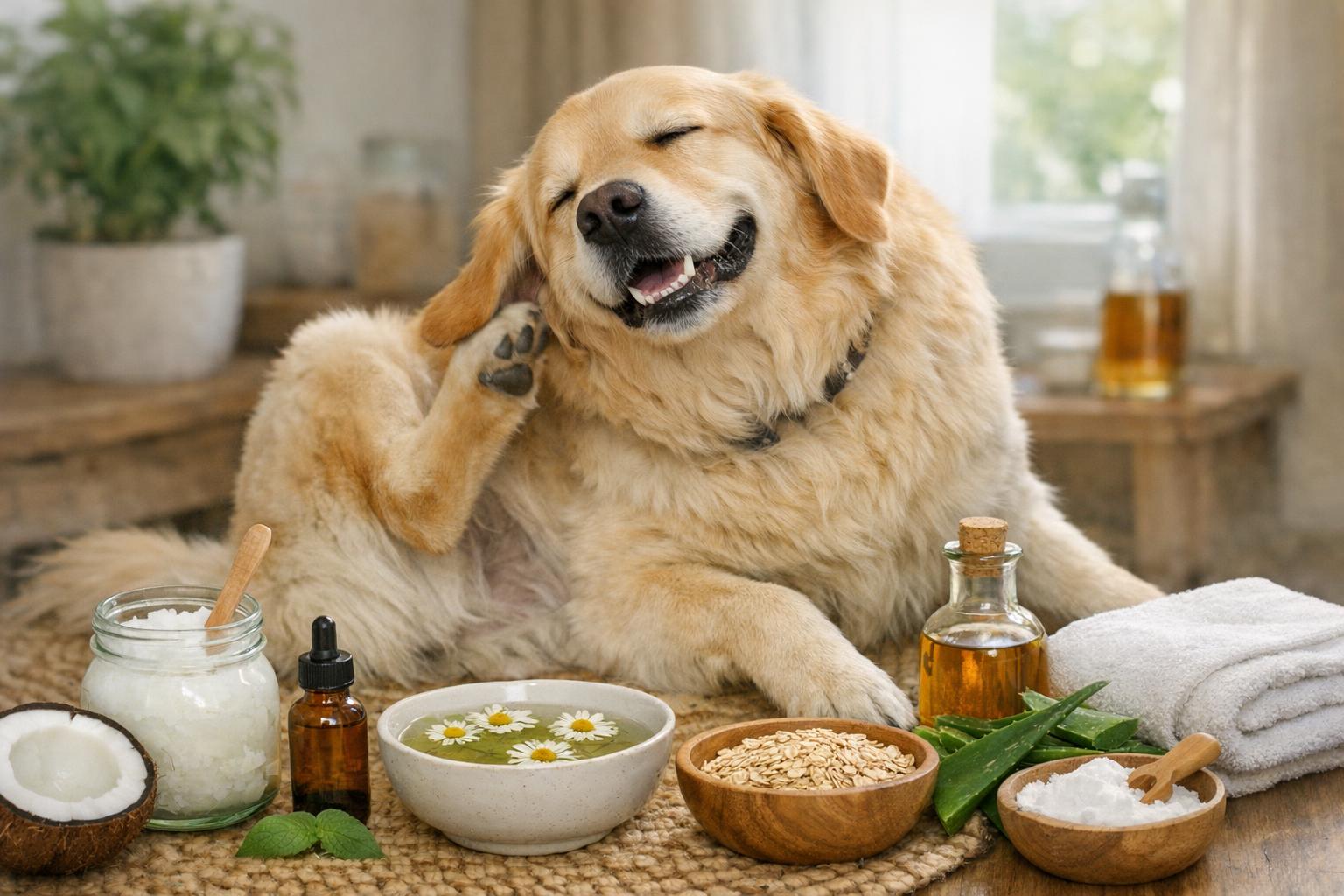
– 2 tablespoons shea butter
– 2 tablespoons coconut oil (fractionated or refined to reduce scent)
– 1 tablespoon sweet almond oil or olive oil
– 1 teaspoon beeswax pellets
– 2 drops lavender essential oil (optional; test for sensitivity)
– Soft cotton pads or reusable wipes
– Small tins or tubes for storage
#### Step-By-Step Creation And Application
1. In a double boiler, melt beeswax, shea butter, and coconut oil together until liquid and blended. Remove from heat and stir in the sweet almond oil.
2. Allow the mixture to cool slightly before adding essential oil. Pour into small tins or tubes and let solidify at room temperature. Label with the date; shelf life is typically 6–12 months.
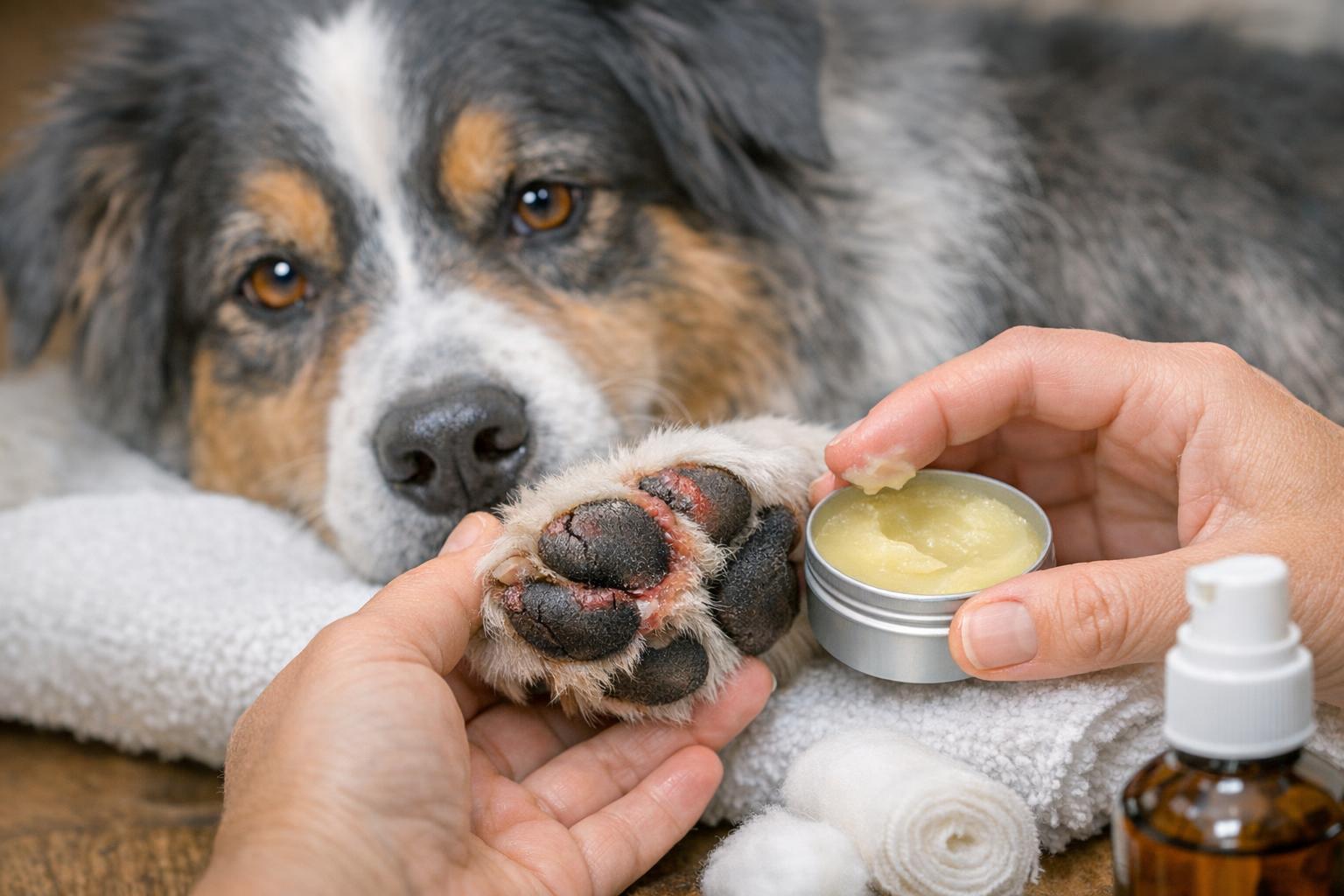
3. To use as a cleaner/balm combo, take a small amount of balm on a warm finger and rub gently on each paw pad to soften light dirt and lift surface grime. Use a soft cotton pad to wipe away loosened debris.
4. After wiping, apply a thin layer of balm to each pad, massaging gently. The intent is to leave a protective film, not to saturate the fur.
5. Reapply every few days for dry-season maintenance or after long walks on abrasive surfaces.
## When And How Often To Use A Dog Paw Pad Cleaner
### Signs Your Dog Needs A Paw Clean
Your dog will tell you in little ways: limping, licking their paws more than usual, a visible film of dirt, or tiny pebbles lodged between toes. If you notice redness, swelling, a strong odor, or persistent licking, cleaning alone may not be enough — consult a professional.
### Frequency Guidelines
– After muddy or salty walks: clean each paw after the outing.
– In winter where de-icers are used: clean after every outdoor session to remove chemicals.
– Regular maintenance: 1–2 times weekly for city dogs; less for quiet indoor dogs.
– For active hiking dogs: inspect and clean after each trail.
Use the dog paw pad cleaner more often when your dog’s paws are frequently exposed to irritants.
## Tips For Extra-Gentle Paw Care
### Drying And Trimming
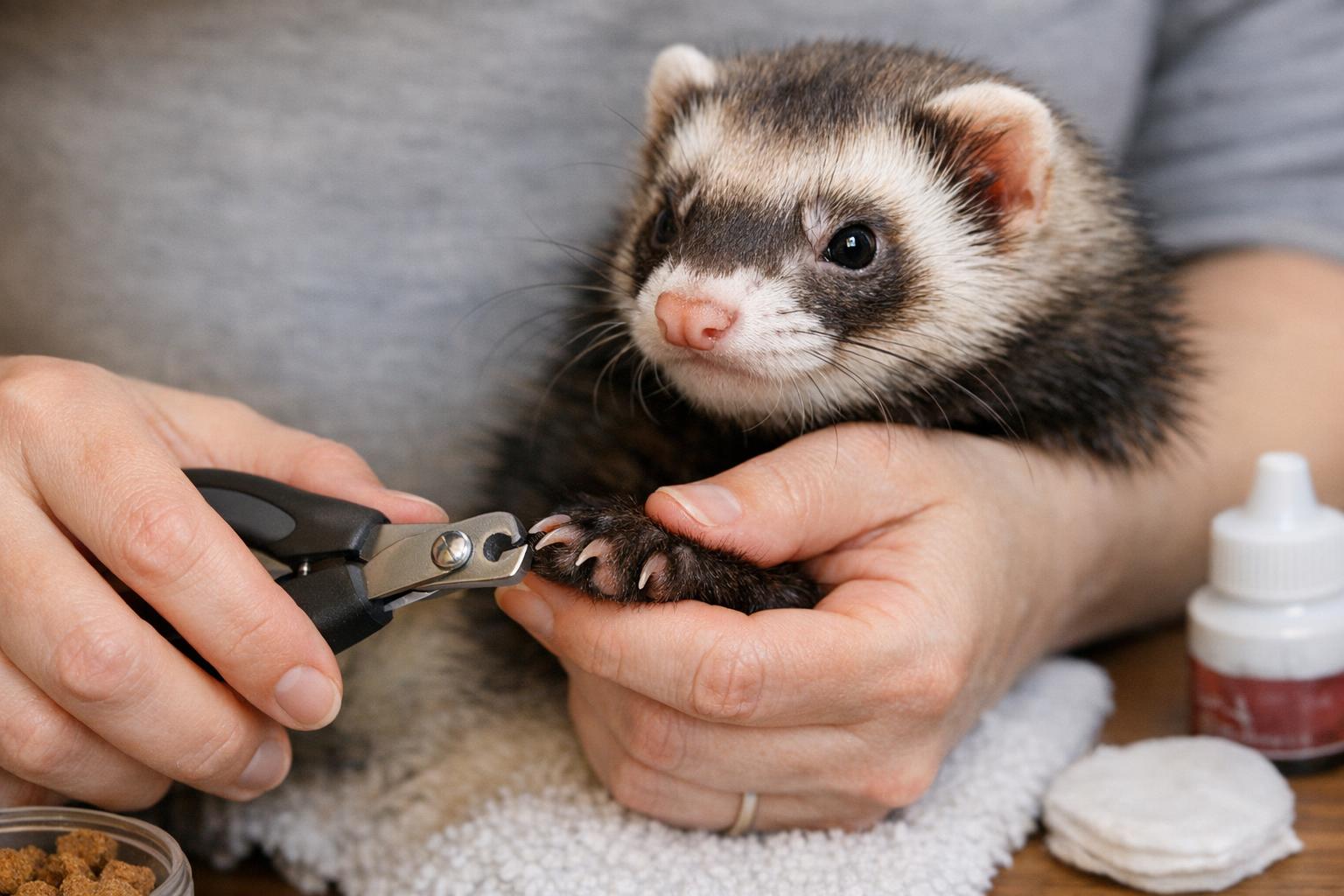
Always dry paws completely after washing. Moisture trapped between toes can cause fungal growth. Trim excess fur between pads with blunt-nosed scissors to prevent matting and debris buildup, but avoid cutting too close to skin.
### Outdoor Season Considerations
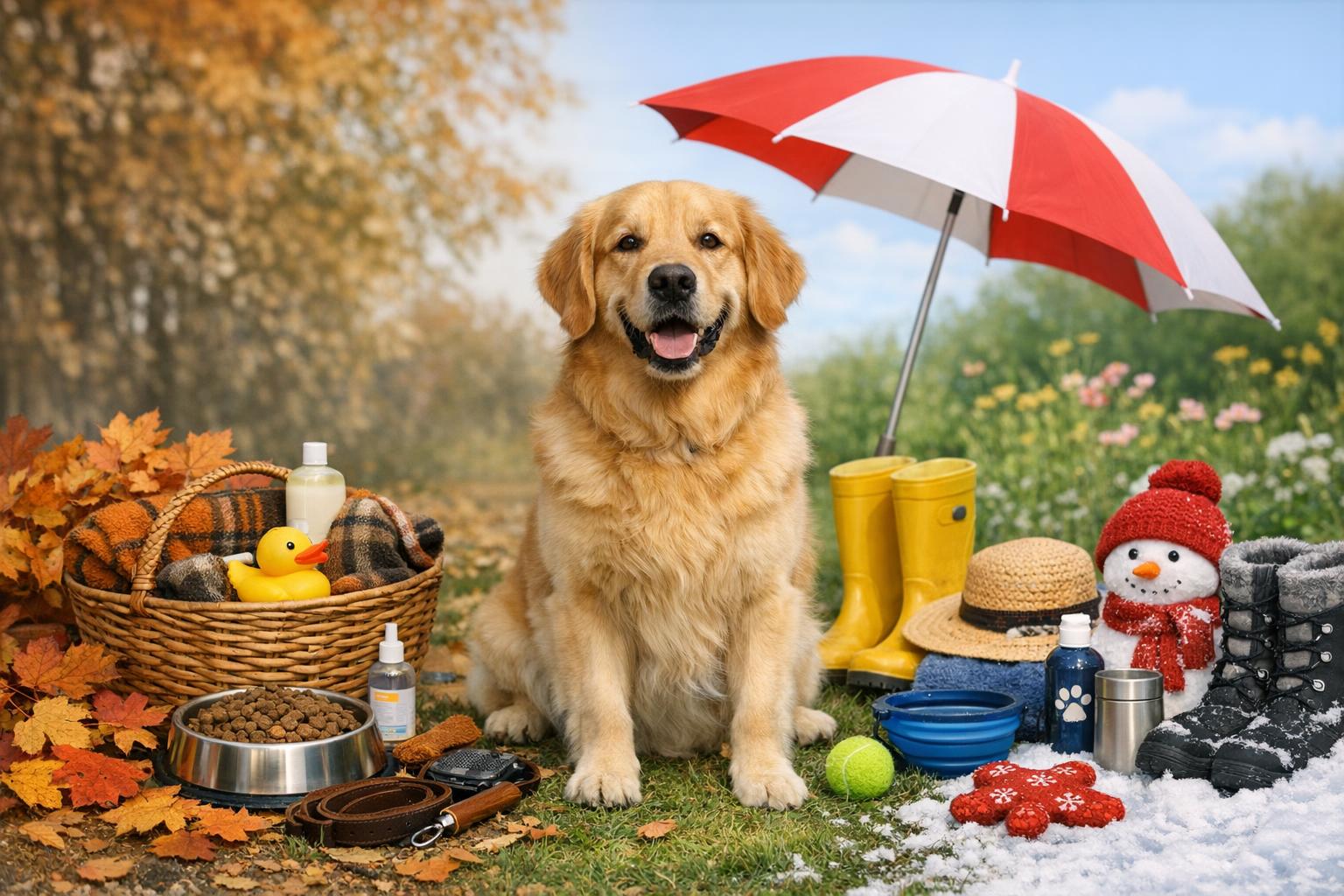
In hot weather, asphalt can burn paw pads; test surfaces with the back of your hand before long walks. In winter, boots can provide protection, but ensure the fit is correct to avoid rubbing. After beach days, rinse salt and sand thoroughly; salt left on pads can lead to cracking and pain.
## Grooming Tools And Supplies That Help
### Selection Tips
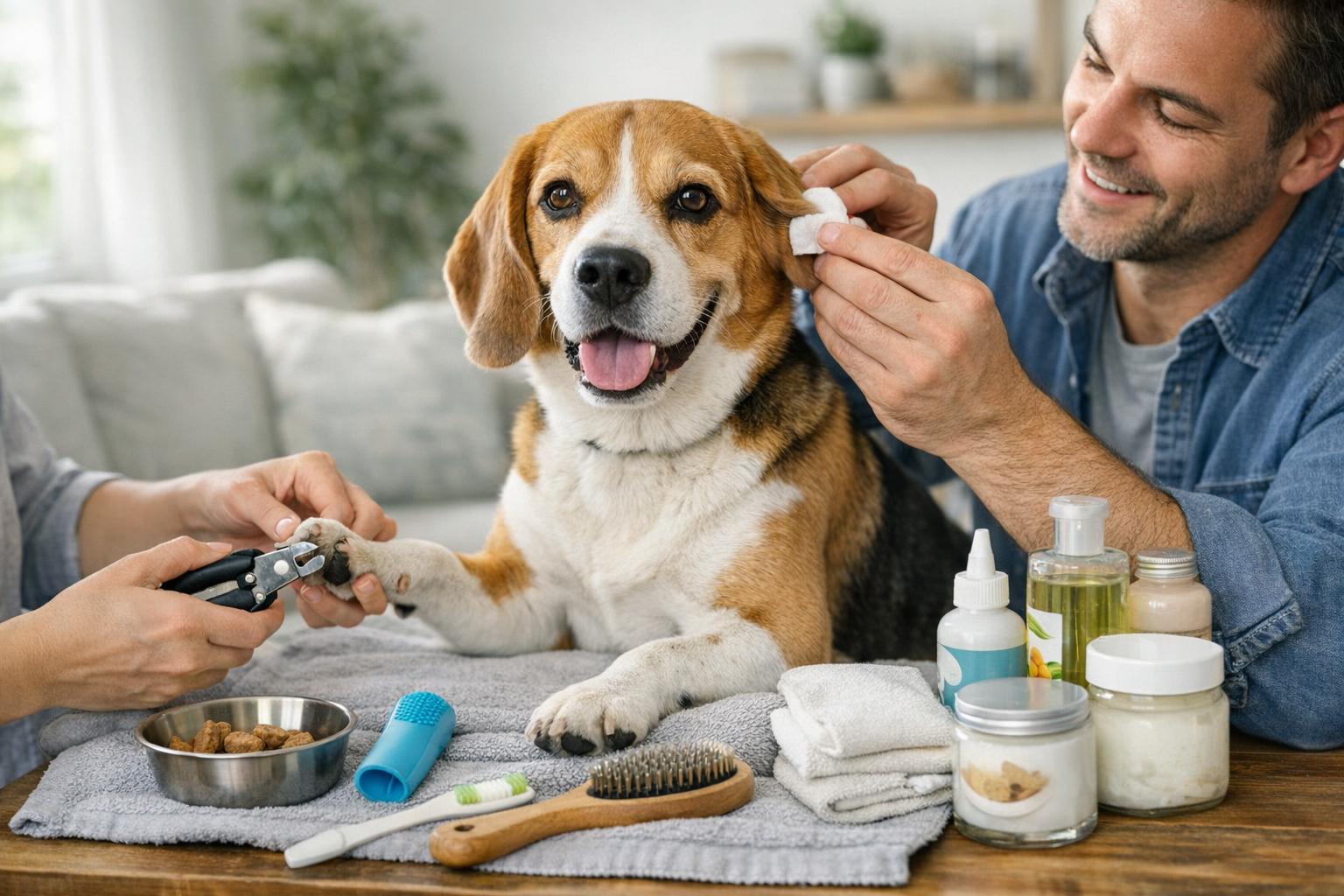
Choose soft, hypoallergenic cloths for sensitive paws. Avoid human soaps and disinfectants, which can be too harsh. A small paw brush can help remove pebbles and dirt without force.
## Safety Precautions And When To See A Vet
### Potential Allergens And Irritants
Some dogs are sensitive to essential oils, certain carrier oils, or vinegar. Perform a spot test on the inner leg and wait 24 hours before wider use. If irritation occurs, discontinue immediately.
### Signs That Warrant Professional Care
If cleaning and home balms do not improve symptoms within a few days, or if there is excessive swelling, bleeding, deep cuts, or signs of infection (pus, strong odor, persistent limping), seek veterinary care promptly. Chronic pad issues may indicate allergies, autoimmune conditions, or systemic disease and require diagnostics.
## Making Paw Cleaning A Positive Experience
### Calm Handling Tips
Use treats, a soothing voice, and short sessions. Build a routine so your dog associates paw attention with rewards. Start with a few seconds of touch and gradually increase time as trust grows.
Using a dedicated dog paw pad cleaner at home is an easy, effective way to protect your dog’s paws from everyday hazards. With the two recipes above and a handful of gentle grooming habits, you’ll keep those pads soft, healthy, and ready for the next adventure — boots optional, treats mandatory.

Leave a Reply