





## Black Flaky Skin On Dog: What It Looks Like
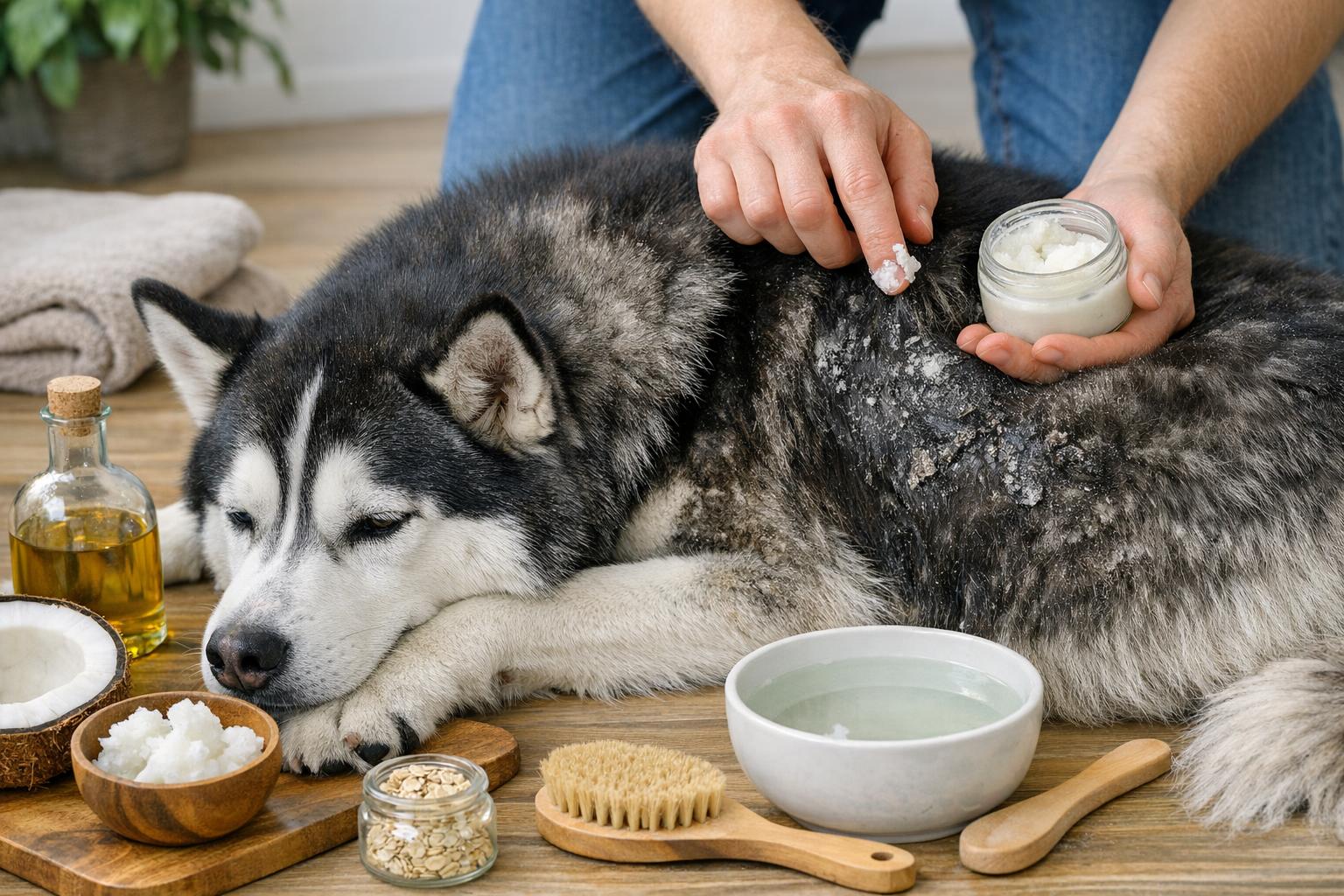
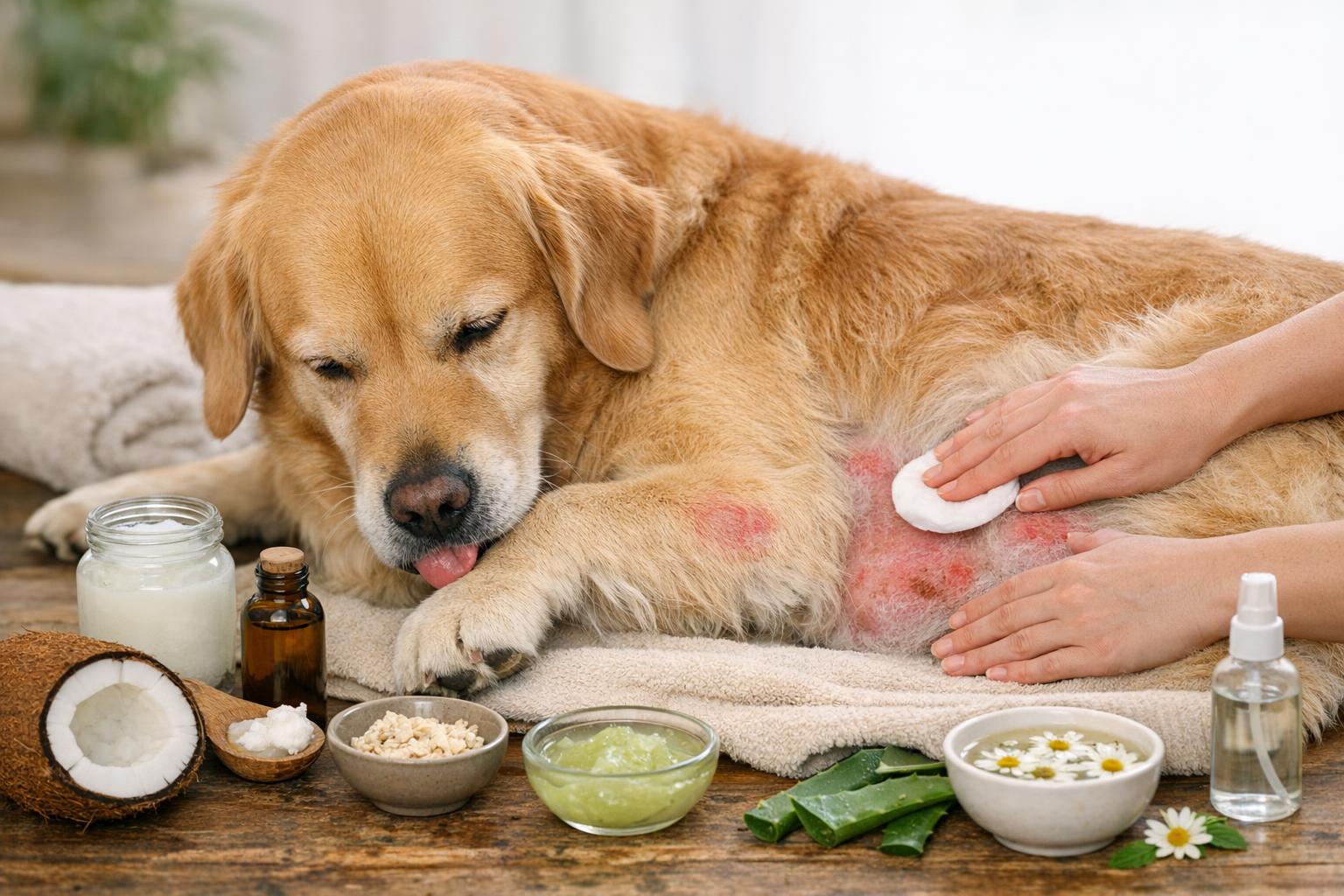
If your pup has itchy, scaly patches that look darker than the surrounding fur, you may be dealing with black flaky skin on dog — a common but annoying issue that can make both you and your dog a little miserable. It’s not always dramatic: sometimes it’s tiny speckles, other times it’s broader patches where the skin looks dry, crumbly, and darker than normal.
### Why The Skin Turns Dark And Flaky
When skin is chronically irritated it thickens and can darken (hyperpigmentation), and that combination of oil, dead skin and dirt produces the flaky look. Causes range from simple dryness to allergies, fungal infections, parasites, hormonal problems, or repetitive scratching. Recognizing the pattern — location, how fast it spread, odor, and whether your dog is scratching a lot — helps narrow things down. Many owners Googling symptoms will find the term black flaky skin on dog and assume it’s one problem; in reality it’s a symptom, not a single diagnosis.
### Common Causes To Consider
– Allergies (environmental or food) often cause redness and chronic scratching that leads to dark, flaky patches.
– Yeast overgrowth (Malassezia) thrives in warm, moist spots like skin folds and causes greasy, smelly, dark flakes.
– Fleas or mites create irritation and secondary infections.
– Poor coat care, low humidity or harsh shampoos can strip oils and leave skin dry and scaly.
– Endocrine disorders (like hypothyroidism) or nutritional deficiencies can change skin texture and color.
### When To See A Vet
If the skin shows oozing, bleeding, rapid spreading, widespread hair loss, sores, or your dog seems systemically unwell (fever, lethargy, loss of appetite), get veterinary help promptly. If over-the-counter home care doesn’t improve the problem in a week or two, a vet-level diagnosis is wise. Treating “black flaky skin on dog” without confirming the underlying cause risks masking a deeper infection or hormonal issue.
## 2 Natural Remedies For Black Flaky Skin On Dog
Below are two practical home remedies that can help with mild cases of dry, flaky, pigmented skin. Use these only for intact skin that is not oozing or acutely infected. If you’re uncertain, consult your vet before starting.
### 1. Oat And Coconut Soothing Bath
#### Ingredients
– 1 cup colloidal oatmeal (or finely ground plain oats)
– 1/2 cup fractionated coconut oil or light coconut oil
– 1–2 tablespoons baking soda (optional, for itch relief)
– Warm water in a tub or sink
#### Materials Required
– Non-slip mat
– Towels
– Soft brush or washcloth
– Measuring cup
Preparation and Application (Formal, Step-By-Step)
1. Fill a tub or sink with enough warm water to reach your dog’s belly. Water temperature should be comfortable, not hot.
2. Add the colloidal oatmeal and baking soda to the water, stirring until evenly dispersed. The oatmeal makes the water milky; it’s normal.
3. Apply the coconut oil to patches of thicker, flaky skin before bathing to help loosen scales and add moisture.
4. Place your dog in the water and gently pour the oatmeal water over the body, avoiding eyes and inside ears.
5. Let your dog soak for 8–12 minutes. Gently massage affected areas with a soft brush or washcloth to dislodge flakes.
6. Rinse thoroughly with warm water until the water runs clear of oatmeal residue.
7. Pat dry with towels; do not aggressively rub. Apply a thin layer of coconut oil to very dry patches after drying to lock in moisture.
8. Frequency: once weekly for maintenance, up to twice weekly for short-term therapy. Monitor for improvement or skin irritation.
Notes: Colloidal oatmeal is soothing, reduces inflammation, and is safe for most dogs. Fractionated coconut oil stays liquid and is less greasy; regular coconut oil is fine if you prefer it. Baking soda can reduce itch but may be drying for some dogs — skip it if your pet has sensitive skin.
### 2. Apple Cider Vinegar Spot Treatment
#### Ingredients
– 1 part apple cider vinegar (raw, unfiltered)
– 1 part distilled water
– Optional: a few drops of lavender essential oil for scent (use with caution)
#### Materials Required
– Small spray bottle or clean cloth
– Cotton balls
– Gloves (recommended)
Preparation and Application (Formal, Step-By-Step)
1. Prepare a 50:50 dilution of apple cider vinegar and distilled water. Use only this diluted ratio; higher concentrations can sting.
2. Test a small patch of skin first. Apply a small amount to an unaffected area and wait 24 hours. If there is no redness or discomfort, proceed.
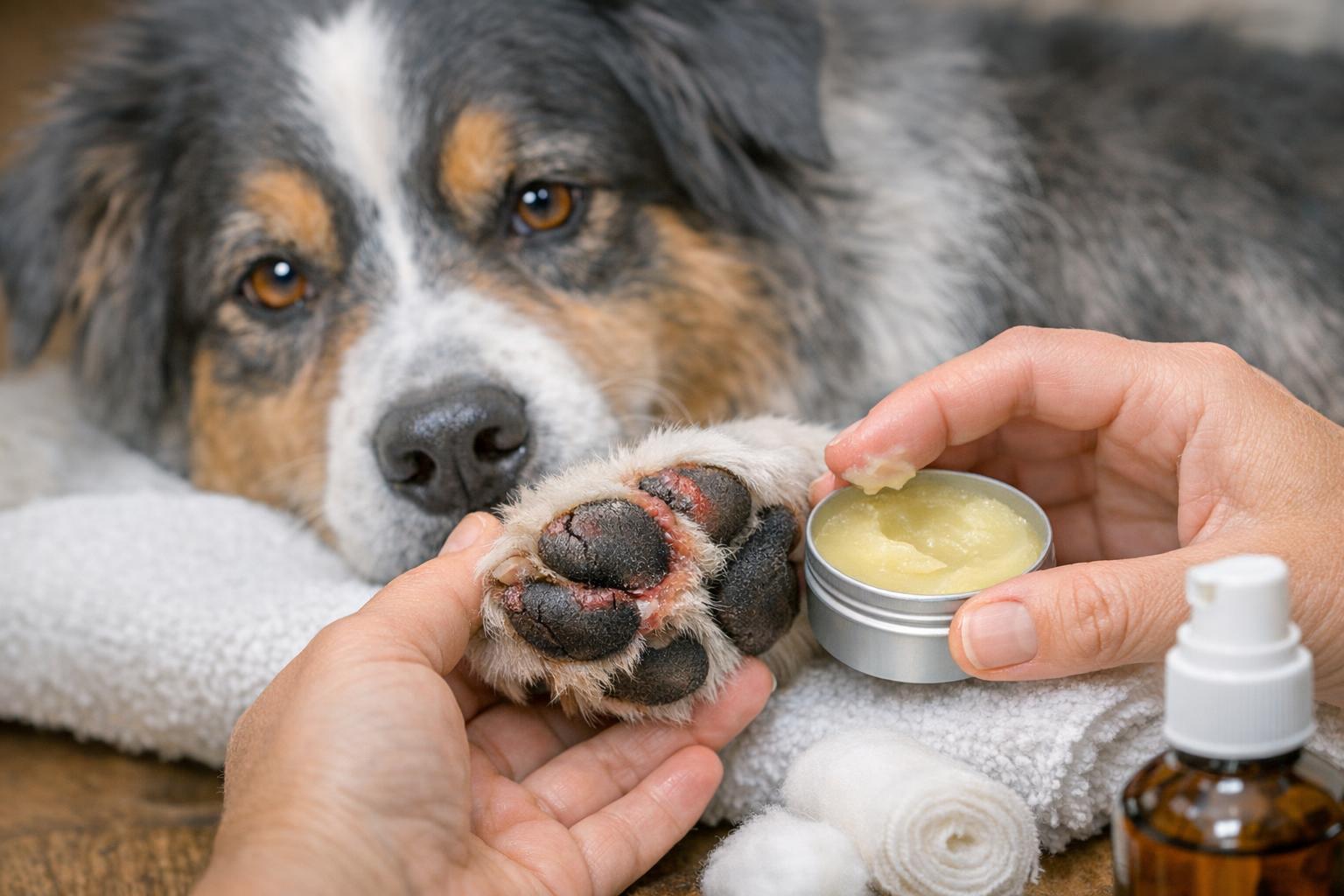
3. For localized flaky patches, spray lightly or dab with a soaked cotton ball. Avoid open wounds, raw or oozing lesions.
4. Allow the area to air-dry. Do not rinse off immediately; the vinegar helps rebalance skin pH and can inhibit yeast and bacteria.
5. Apply once daily for up to a week, then reduce to every other day as the skin improves.
6. Discontinue use if irritation, redness or worsening occurs.
Notes: This treatment is antimicrobial but should not be used on broken skin. If your dog has a strong yeast odor or greasy, black flakes around skin folds, diluted apple cider vinegar can be very effective when used carefully.
### Extra Care: Diet, Supplements, And Grooming
Long-term prevention of black flaky skin on dog often comes from diet corrections, omega fatty acid supplementation, and consistent grooming. An omega-3 fish oil supplement reduces inflammation and improves coat quality; typical products are given daily per label or veterinarian recommendation. Regular brushing distributes natural oils, helps remove dead skin, and lets you spot problems early. Avoid harsh detergents or over-bathing; use gentle, pH-balanced dog shampoos.
#### Practical Feeding And Supplement Tips
– Switch to a high-quality diet with named animal proteins and balanced fats if current food is low-quality.
– Consider a fish oil supplement (EPA/DHA) and give for 8–12 weeks to evaluate skin response.
– Add moisture to the home environment if humidity is very low; a humidifier in dry climates can help.
### Home Care Do’s And Don’ts
Do:
– Keep fleas and ticks prevented — even a few fleas can trigger severe reactions.
– Use gentle grooming tools and shampoos formulated for dogs.
– Patch-test any topical remedy and monitor skin response.
Don’t:
– Use human steroid creams, antiseptics or strong shampoos without vet guidance.
– Cut or shave skin without consulting a vet — shaving can worsen some conditions.
– Ignore progressive or painful symptoms.
### When Home Remedies Aren’t Enough
If there’s no improvement after two weeks of consistent, appropriate home care — or if the condition worsens — it’s time for diagnostics. A vet may perform skin scrapings, fungal cultures, cytology, allergy testing, blood work, or hormonal screening. Treating the underlying cause (allergy, endocrine disease, infection) often resolves what looks like just dry, black flaky skin.
Keep monitoring the patches, take photos to document change, and report any new symptoms promptly. If black flaky skin on dog persists despite careful home treatment, diagnostic testing is the responsible next step.
















Leave a Reply