


## Dogs Pad Peeling: What It Means
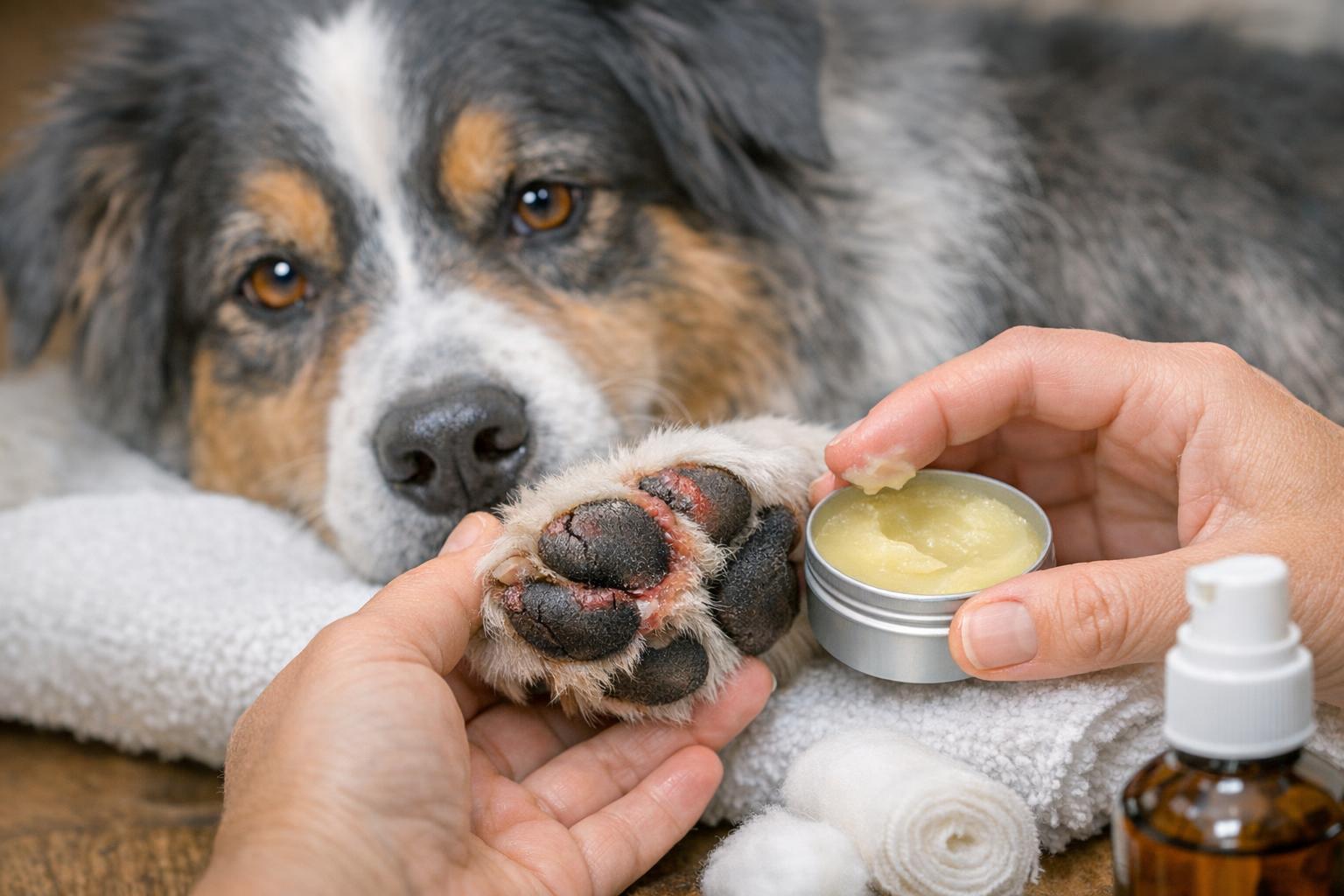
If your pup’s paws look like they’ve been shedding tiny scales or peeling in patches, you’re seeing dogs pad peeling — and it’s more common than you might think. Don’t panic; it isn’t always an emergency. That said, paw-pad problems can be uncomfortable for your dog, and keeping them healthy is key to preventing limps, infections, and a cranky canine who refuses to go for walks.
### Signs To Watch
Dogs with peeling pads may show:
– Flaky, cracked, or scaly skin on the paw pads.
– Redness, soreness, or sensitivity when you touch the paw.
– Limping, favoring one paw, or licking and chewing at their feet.
– Bleeding or open sores in severe cases.
#### How To Check Pads Safely
Gently lift each paw, press lightly on the toes to expose the pads, and look for changes in texture, color, or moisture. If your dog pulls away, keep sessions short and calm, and offer treats to make it less stressful.
### Common Causes Of Dogs Pad Peeling
Dogs pad peeling can result from several issues. Some common causes include:
– Environmental factors: hot pavements, ice-melting chemicals, rough terrain, or extreme dryness can all wear down pad skin.
– Allergies: food or contact allergies can lead to inflamed, flaky pads.
– Infections and parasites: fungal infections, bacterial infections, or mites can cause peeling and discomfort.
– Nutritional deficiencies or hormonal issues: rare but possible contributors to poor skin health.
– Overuse and trauma: repetitive abrasion from long hikes or rough play can erode pad tissue.
If you’ve ever seen your dog run full tilt across gravel, you know pads are tough but not invincible.
### When To See A Vet About Dogs Pad Peeling
If dogs pad peeling is accompanied by swelling, heat, a foul smell, persistent bleeding, or if your dog can’t or won’t put weight on the paw, see a veterinarian promptly. Chronic or worsening cases deserve professional diagnosis — skin cytology, fungal cultures, or allergy testing may be needed.
## Remedy 1: Soothing Oatmeal Salt Paw Soak (Numbered Remedy)
This is a gentle, easy first-line home remedy for mild dogs pad peeling due to dryness or mild irritation. Use cautiously; do not soak open, bleeding wounds without veterinary advice.
Ingredients / Materials:
– 1 cup of colloidal oatmeal (or ground plain oats)
– 1 tablespoon non-iodized sea salt or Epsom salt (optional for mild antiseptic benefit)
– 3 cups warm water (not hot)
– A shallow bowl or basin large enough for your dog’s paw
– Towels and treats
Step-By-Step Creation And Application:
1. Prepare the Soak: Place the warm water in the basin. Stir in the oatmeal until the water becomes milky. Add the salt if using and mix gently.
2. Calm Your Dog: Have treats ready. Gently position your dog and make the experience positive and short.
3. Soak The Paw: Immerse the affected paw for 5–10 minutes. For small dogs, one paw at a time is easiest. Keep the water warm but comfortable.
4. Pat Dry Thoroughly: Use a clean towel to dry between toes and around pads. Moisture trapped between toes can encourage infection.
5. Apply A Protective Balm (optional): After drying, apply a thin layer of a protective paw balm (see Remedy 2) if there are no open wounds.
6. Frequency: Repeat once daily for up to a week. If there’s no improvement or the condition worsens, stop and consult your vet.
Keep in mind this remedy addresses surface dryness and mild irritation. Dogs pad peeling from infections or systemic issues will need different treatment.
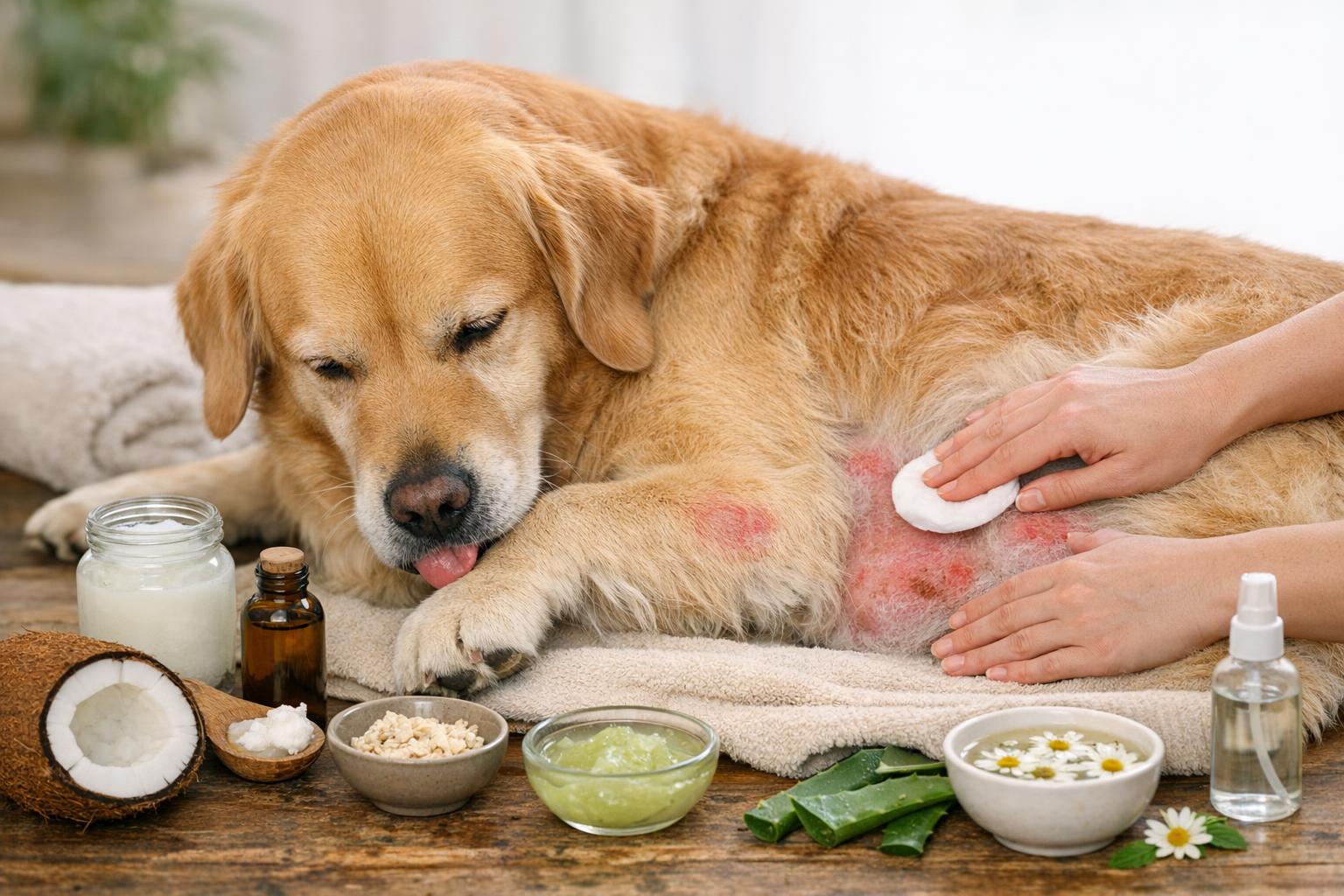
## Remedy 2: Coconut Oil And Beeswax Balm — A Moisture Barrier (Numbered Remedy)
This balm creates a protective layer to help heal and prevent further peeling. It’s more concentrated and should be used on intact skin only. Be precise and clean when preparing balms to avoid contamination.
Ingredients / Materials:
– 2 tablespoons unrefined coconut oil
– 1 tablespoon beeswax pellets
– 1 tablespoon shea butter (optional, for extra moisture)
– Small sterilized tin or jar
– Double boiler or heat-safe bowl over simmering water
– Spoon and small spatula
Step-By-Step Creation And Application:
1. Melt Ingredients: In a double boiler, gently melt the beeswax, coconut oil, and shea butter until fully liquid. Stir gently to combine.
2. Pour And Cool: Pour the mixture into the sterilized tin and allow it to cool until solid. Cap the container to keep it clean.
3. Apply To Pads: Clean and dry the paw thoroughly. Using clean hands, apply a thin layer of balm to the pads and between toes. Massage gently so it absorbs.
4. Prevent Licking: If your dog will lick, apply at night and use clean socks or dog booties until the balm absorbs. Reapply once or twice daily.
5. Storage: Keep in a cool, dry place. Discard if it develops an off smell or changed texture.
This balm provides a moisture barrier to prevent friction-related peeling and supports natural healing. Use as a preventive measure in dry seasons or after long walks on abrasive surfaces.
### Safety Note For Home Remedies
Avoid using essential oils directly on paw pads without veterinary approval — many are toxic to dogs. If you’re unsure whether a pad is open or infected, get professional input before applying anything that could trap bacteria.
## Remedy 3: Aloe And Vitamin E Protective Gel (Numbered Remedy)
For dogs pad peeling associated with mild inflammation and the need for antioxidant support, a simple aloe and vitamin E gel can soothe and aid skin repair. As always, only apply to intact skin unless instructed otherwise by your vet.
Ingredients / Materials:
– 2 tablespoons pure aloe vera gel (ensure it’s pet-safe, no alcohol or additives)
– 1–2 vitamin E capsules (or 1/2 teaspoon liquid vitamin E)
– 1 teaspoon raw honey (optional; natural antimicrobial, avoid if your dog will groom it off)
– Small mixing bowl and clean spoon
– Sterile container
Step-By-Step Creation And Application:
1. Mix Ingredients: In the bowl, combine aloe gel with vitamin E oil. Add honey if using and mix until smooth.
2. Clean The Paw: Lightly clean and dry the paw to remove debris.
3. Apply A Thin Layer: Spread a small amount over the affected pad area. Massage lightly until absorbed.
4. Monitor For Reaction: Watch for any increased redness or irritation over the next 24 hours. Discontinue if signs worsen.
5. Reapply: Use once daily for up to seven days for mild cases. Consult your vet if no improvement.
Aloe soothes, vitamin E supports skin repair, and honey — if tolerated — can add mild antimicrobial benefits. This remedy is best for non-infected, superficial peeling.
### Preventive Care And Daily Maintenance
Prevention matters almost as much as treatment. Simple daily habits can reduce the risk of dogs pad peeling:
– Moisturize: Use a pet-safe balm after walks in dry or cold weather.
– Clean After Walks: Rinse pads after contact with road salt, chemicals, or hot pavements.
– Trim Hair Between Pads: Long hair can trap moisture and debris.
– Use Booties For Harsh Conditions: Protection on ice, hot sand, or rough trails prevents wear.
– Balanced Diet: Omega-3 fatty acids and a complete diet support skin health from the inside out.
#### When Home Care Isn’t Enough
If you’ve tried these home remedies and your dog’s condition is unchanged after a week, or if signs escalate quickly, a veterinary visit is required. Professional care may include topical prescription treatments, systemic antibiotics or antifungals, and investigation into underlying allergies or metabolic conditions.
Follow these steps thoughtfully, keep an eye on progress, and you’ll often nip mild dogs pad peeling in the bud. If your pup starts doing a victory run through the yard again, give them a gentle high-five — or a paw-five.

Leave a Reply