

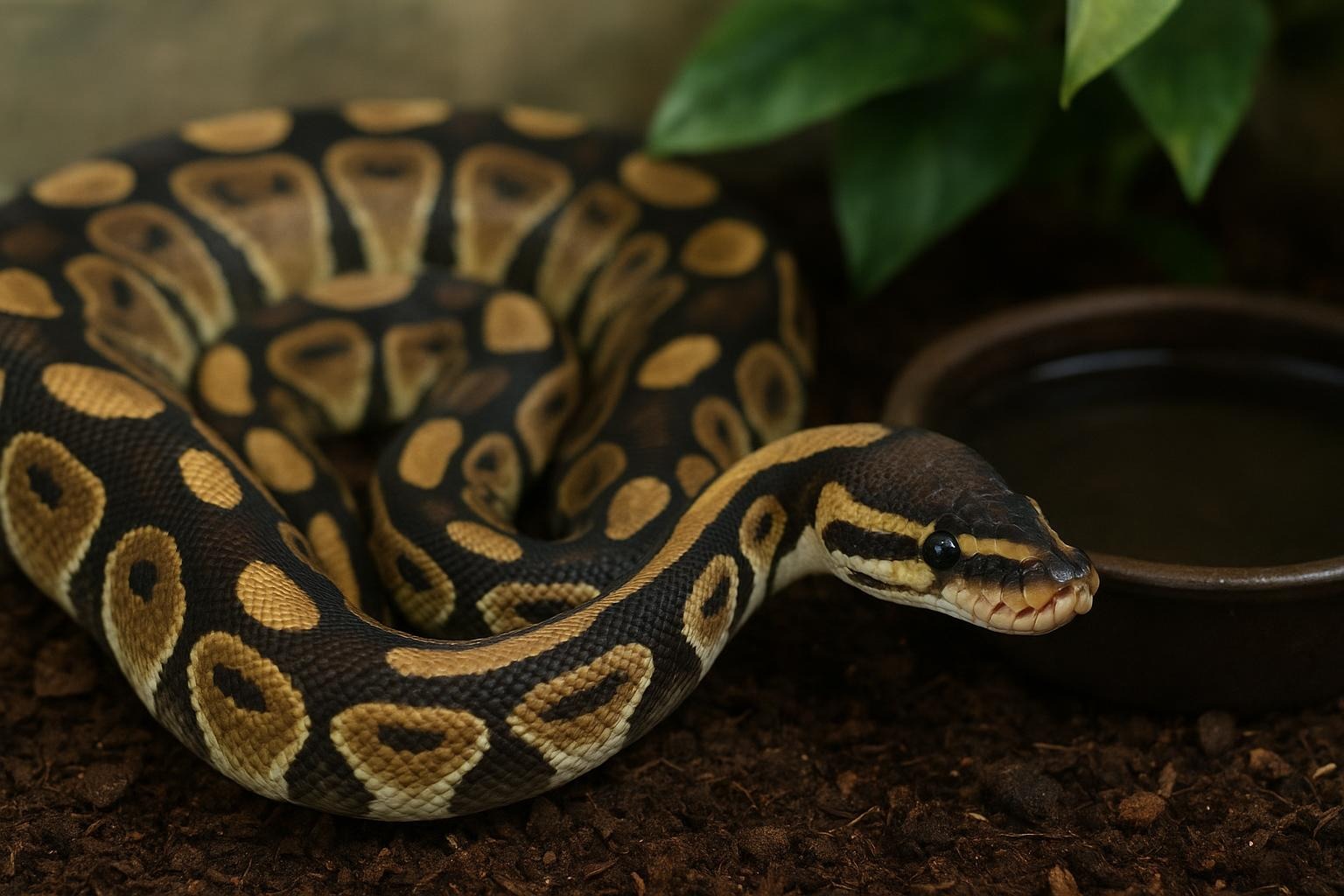
Keeping your ball python healthy at home often comes down to the little details — temperature, diet, and yes, that mysterious thing called humidity. Get it right and your snake will shed cleanly, digest well, and generally be more cooperative when you want to admire its pattern. Get it wrong and you might be dealing with stuck sheds, respiratory issues, or a grouchy ophidian roommate. Here’s a relaxed, practical guide to managing ball python humidity without turning your living room into a rainforest. (You’re welcome.)
## Ball Python Humidity Basics
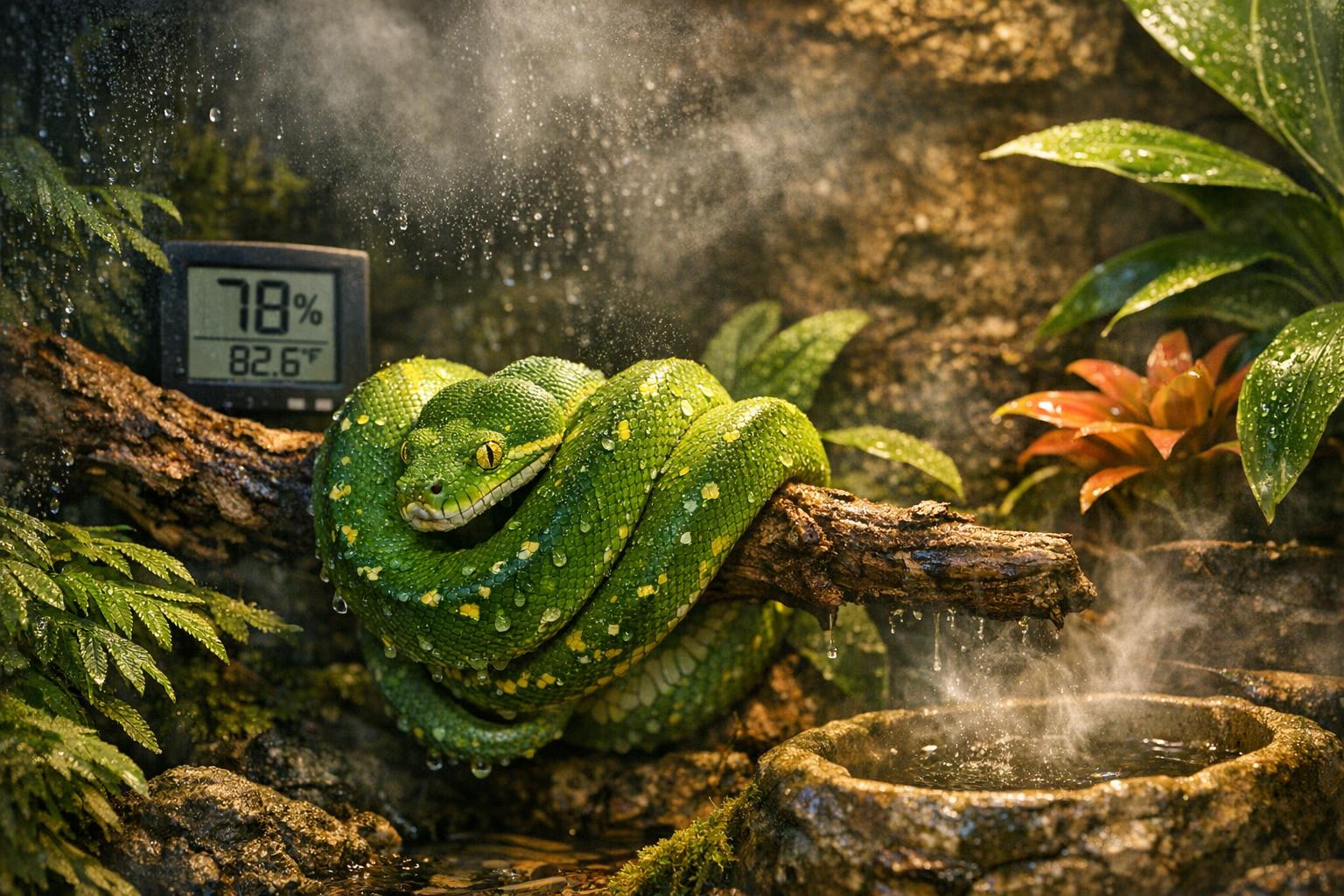
Ball pythons come from sub-Saharan Africa and prefer a fairly stable microclimate. The general target for ball python humidity is roughly 50–60% for most of the time, with short, occasional rises into the mid-60s around shed cycles. Maintaining this range supports healthy skin shedding, respiratory health, and comfort levels.
Humidity needs can vary by individual, enclosure size, and the time of year. Babies and juveniles may tolerate slightly higher humidity; during shedding your snake will benefit from a temporary boost. Equally important is providing a humidity gradient so your snake can move between moister and drier zones as it chooses.
### How To Measure Humidity Accurately
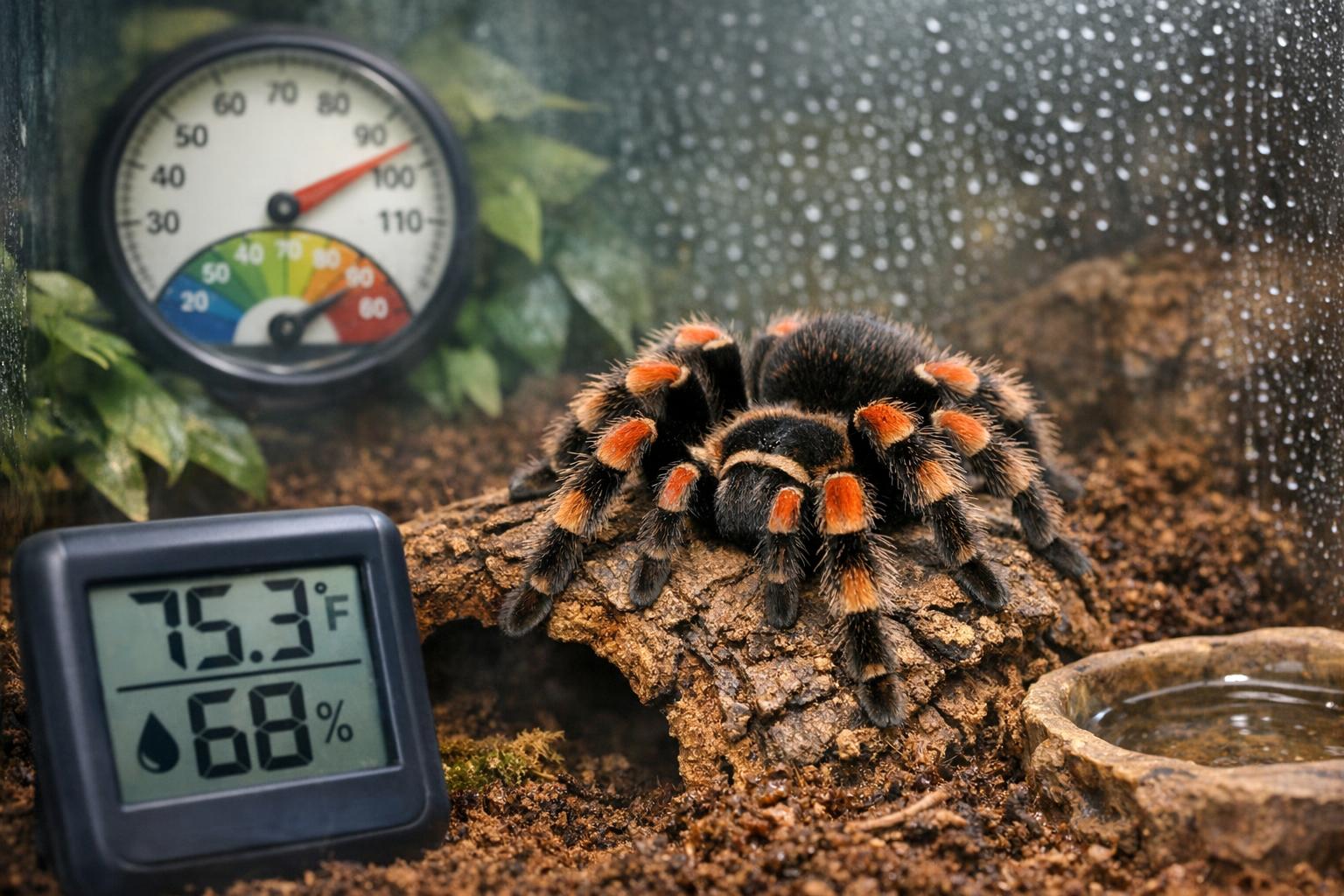
Relying on guesswork invites mistakes. Invest in at least one reliable hygrometer — digital is typically more accurate and easier to read than analog models. For larger enclosures, place two hygrometers: one near the warm hide and one near the cool area to monitor the gradient.
– Calibrate if necessary with a salt test or verify against a trusted unit.
– Avoid placing the hygrometer directly in a hide or pressed against glass; readings need to reflect the air the snake breathes.
– Log readings at different times of day for several weeks to understand natural fluctuations.
### Common Humidity Problems And Symptoms
Low humidity signs:
– Partial or incomplete sheds (retained eye caps)
– Dry, dull skin
– Increased irritability
High humidity signs:
– Watery or milky discharge from the mouth or nose
– Lethargy or lack of appetite
– Persistent wet substrate and odor
If ball python humidity drops too low for prolonged periods, shedding issues are the most common complaint. If it stays too high, the risk of bacterial or fungal infections increases. Regular monitoring and quick adjustments prevent small problems from becoming medical issues.
## Practical Setup Tips For Consistent Humidity
A thoughtful enclosure setup minimizes daily fuss. Here are practical, friendly tips that actually work:
– Substrate Choice: Coconut coir, orchid bark, or a soil-based mix (without fertilizers) holds moisture well and helps stabilize humidity. Avoid dry items like paper towels as a sole substrate for adults if you want steady humidity.
– Hide Boxes: Provide at least two hides — one on the warm side and one on the cool side. A humid hide on the warm side will create a controllable micro-humidity area for shedding.
– Water Bowl: Use a large, shallow bowl; evaporation raises humidity naturally. Bigger bowls work better for larger enclosures.
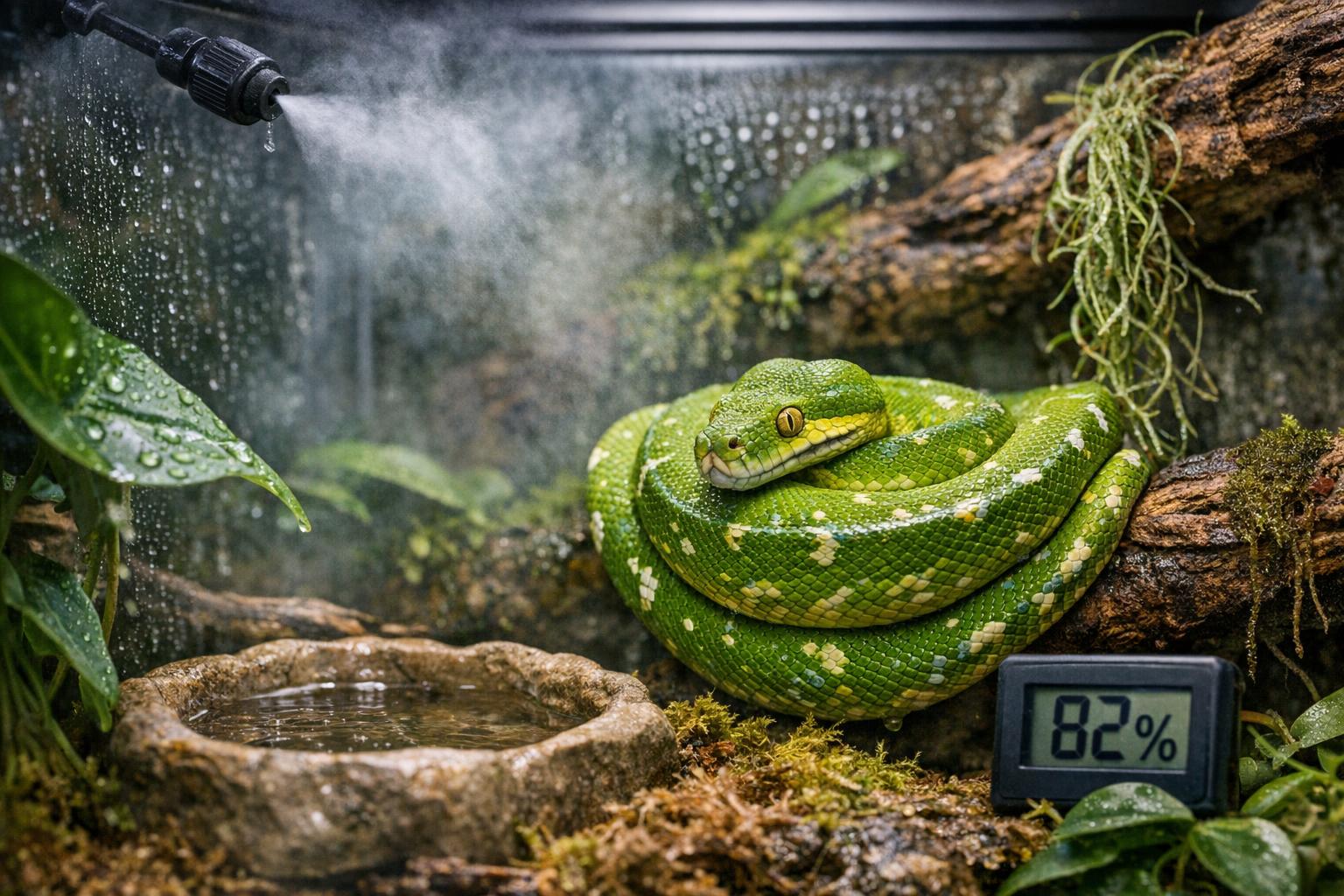
– Misting: Short, regular misting increases humidity without soaking the enclosure. Use a spray bottle; don’t flood the substrate.
– Ventilation: Balanced ventilation prevents mold. Ensure there’s enough airflow to avoid stagnant dampness while still retaining moisture.
– Heating: Keep ambient temperatures stable. Heat affects relative humidity, so if the enclosure gets too hot or cool, humidity readings will change.
– Live Plants: Hardy plants can help retain moisture and make the enclosure more natural, but they require maintenance to avoid rot.
– Routine Checks: Log humidity twice daily until you establish a pattern. Adjust as needed for seasonal changes or A/C use.
## Remedies 1 And 2: DIY Humidity Box And Humidity Tray
When routine measures aren’t keeping the humidity steady, targeted remedies work well. Below are two practical, do-it-yourself solutions that are affordable and effective.
### Remedy 1: DIY Humidity Box (Hide)
A dedicated humid hide gives your snake a reliable spot to go for higher humidity when shedding or when it wants more moisture without raising room humidity.
#### Ingredients/Materials
– Plastic storage container or sturdy plastic hide (size appropriate for your snake)
– Moist sphagnum moss or coconut fiber (pre-moistened, not dripping)
– Drill with 1/4–1/2 inch bit (for ventilation holes) or a utility knife
– Measuring cup or spray bottle
– Hygrometer (optional, small) to place inside the hide
#### Steps To Create And Use
1. Select a container large enough for the snake to coil comfortably with some space to move.
2. Drill several small ventilation holes near the top on the sides and lid for airflow; do not over-ventilate or moisture will escape too quickly.
3. Moisten sphagnum moss or coconut fiber until it is damp but not dripping. Squeeze out excess water so the bedding holds moisture without pooling.
4. Line the base of the hide with a 1–2 inch layer of the damp material.
5. Place the hide on the warm side of the enclosure where the snake will naturally seek it during shed cycles.
6. Optionally put a small hygrometer inside to monitor the microclimate; aim for mid-60s %RH inside the hide during sheds.
7. Refresh the substrate every 1–2 weeks or sooner if it becomes soiled or develops odor. Replace completely if mold appears.
8. Observe use: If the snake frequently uses the humid hide during sheds and not otherwise, it’s working well. If it avoids the hide, try slightly adjusting moisture levels or placement.
Use this humidity box as a controlled, localized humidity boost without changing the entire enclosure.
### Remedy 2: Humidity Tray With Sponges
A humidity tray is a low-maintenance option to increase ambient moisture. This approach works best for moderate humidity increases rather than curing severe dryness.
#### Ingredients/Materials
– Shallow, sturdy plastic tray or reptile water dish
– Clean kitchen sponges or coarse absorbent foam
– Distilled or dechlorinated water
– Optional: aquarium-safe heater if you want passive evaporation to increase slightly
#### Steps To Create And Use
1. Choose a tray that fits beneath or beside a hide, or place it on the warm side to promote gentle evaporation.
2. Cut kitchen sponges to fit the tray in a single layer so they cover most of the tray surface.
3. Soak the sponges in distilled or dechlorinated water and wring until damp but not overflowing. Place them in the tray.
4. Position the tray so the hygrometer readings show a modest rise in the snake’s preferred area — generally aimed at the target 50–60% baseline or slightly higher near the warm hide.
5. Re-wet the sponges daily or as needed. Replace sponges every 3–7 days or sooner if they smell or start to break down.
6. For larger enclosures or greater humidity needs, use multiple trays spaced across the enclosure to even out moisture distribution.
7. Clean the tray and replace water regularly to prevent bacterial growth.
When using either remedy, monitor humidity closely for the first week to determine efficiency. Adjust the frequency of re-wetting, container size, or substrate moisture to reach and maintain desired levels.
#### Quick Troubleshooting Notes
– If readings stay stubbornly low, reduce ventilation slightly or increase the size/number of moisture sources.
– If mold appears quickly, decrease moisture and improve airflow; replace affected materials immediately.
– Never seal an enclosure completely; lack of oxygen and excessive stagnation can harm your snake.
Treat humidity management like gardening: some patience, regular observation, and small adjustments go a long way. If respiratory signs or persistent problems appear despite proper humidity control, consult an exotic veterinarian promptly.










Leave a Reply