

## Food For Betta Fish: Species-Specific Basics
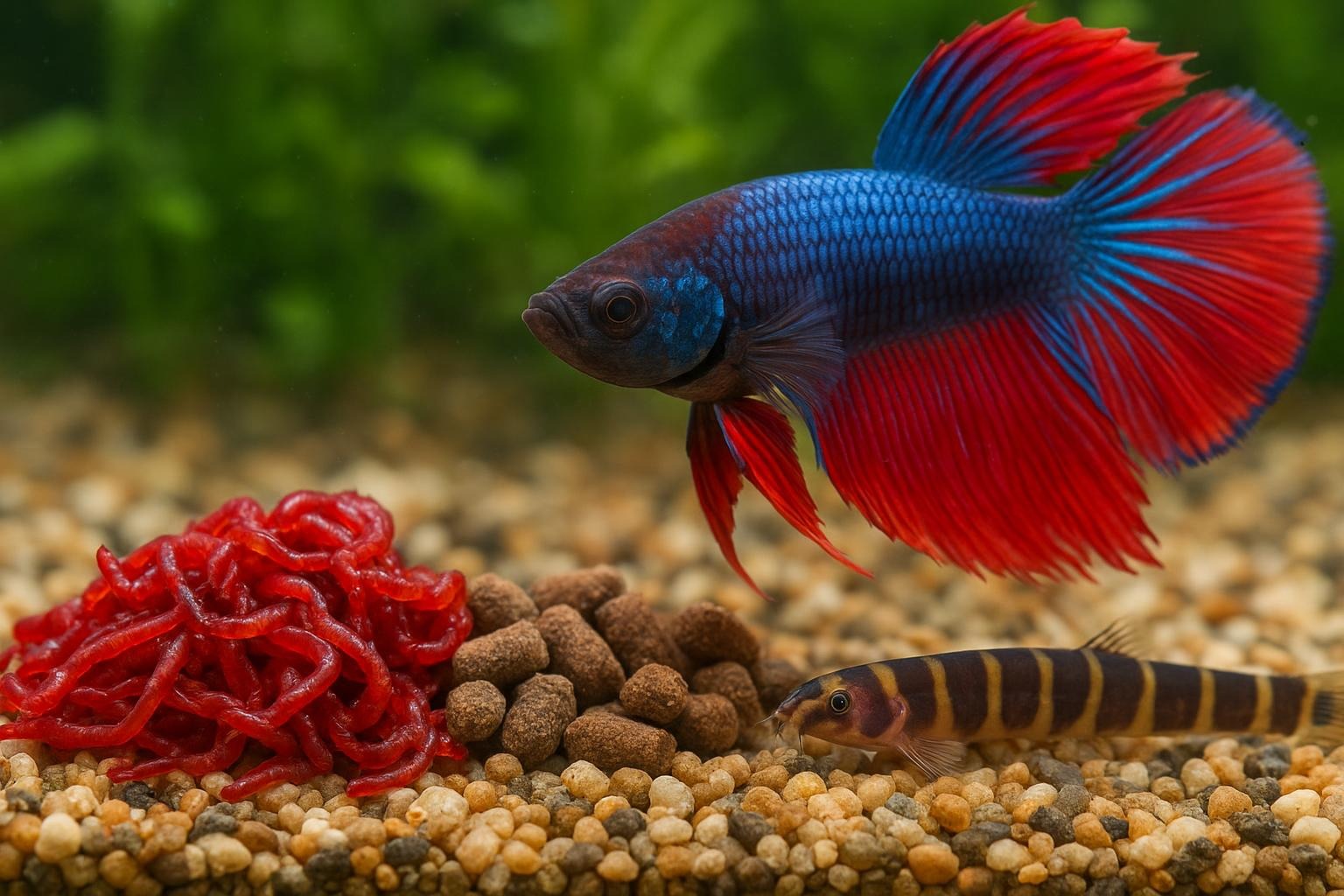
Bettas are divas with fins — not picky, but they do have specific tastes and needs. Understanding what makes good food for betta fish isn’t just about keeping them alive; it’s about keeping them vibrant, active, and doing those dramatic tail-flares that make you go “aww” every time. A species-specific approach means focusing on high-protein, nutrient-dense items and avoiding fillers that bloat or starve them in disguise.
Wild bettas are carnivorous micro-predators. That means their digestive systems are built to handle meaty fare — live or frozen microfauna, tiny crustaceans, and insect larvae. Translating that into aquarist reality gives us pellets rich in animal protein, frozen or freeze-dried foods like brine shrimp and bloodworms, and occasional live treats. When you choose food for betta fish, think quality protein first, binder and filler second.
### Protein Needs And Natural Diet
Bettas need a diet where animal protein is the main event. Ideally, protein content should be around 35–45% in a commercial pellet or flake. Keep fats moderate, and carbs low; too many plant-based fillers can lead to constipation or swim bladder issues. When shopping, glance at the ingredient list: the first few items should be named animal proteins (shrimp meal, fish meal, krill, etc.), not wheat or soybean.
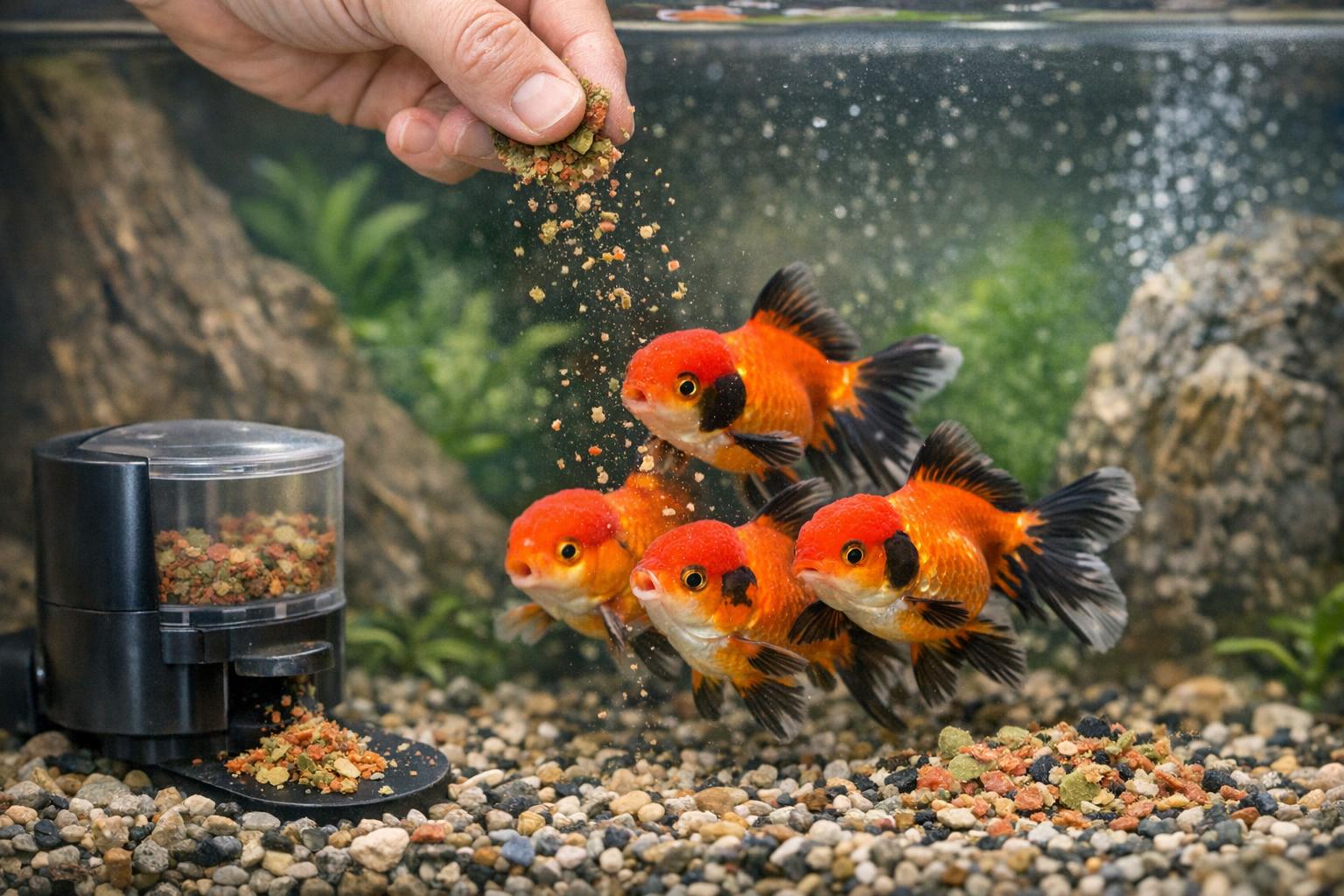
Wild-type feeding habits also tell us timing: bettas are intermittent feeders, not grazers. Offering small, concentrated meals twice daily works better than a constant trickle of low-quality food. Overfeeding is one of the most common mistakes — it leads to water pollution, obesity, and digestive troubles.
### Feeding Frequency And Portion Size
A typical guideline is 2–4 pellets per feeding for adult bettas, depending on pellet size, twice a day. Alternatively, a pinch of frozen brine shrimp or a single frozen bloodworm can substitute once per day. Watch your fish’s body: a rounded belly may mean too much, a sunken flank suggests underfeeding. Treats should be occasional and brief; think of them like dessert, not dinner.
## 2 Home Remedies For Common Betta Diet Issues
When diet goes sideways — constipation, bloating, or picky eating — gentle, species-appropriate home remedies can help. Below are two remedies tailored to common problems. The instructions are intentional and practical; follow them carefully.
### 1. Remedy For Constipation And Bloated Belly (Pea Treatment)
Ingredients / Materials:
– One fresh garden pea (defrosted frozen if needed)
– Boiling water and a small bowl
– Tweezers or small fork
– A tiny food mesh or strainer
– Siphon or net for partial water change (if needed)
Preparation And Application Steps:
1. Shell and de-vein the pea. Remove the outer skin completely — this is the important part for fish digestion.
2. Blanch the pea in boiling water for 1–2 minutes, then immediately cool in cold water. The goal is to soften, not cook to mush.
3. Using tweezers, gently squeeze the softened pea so a small amount of inner flesh dispenses. Alternatively, mash a small pea portion through a fine strainer to create tiny, betta-sized pieces.
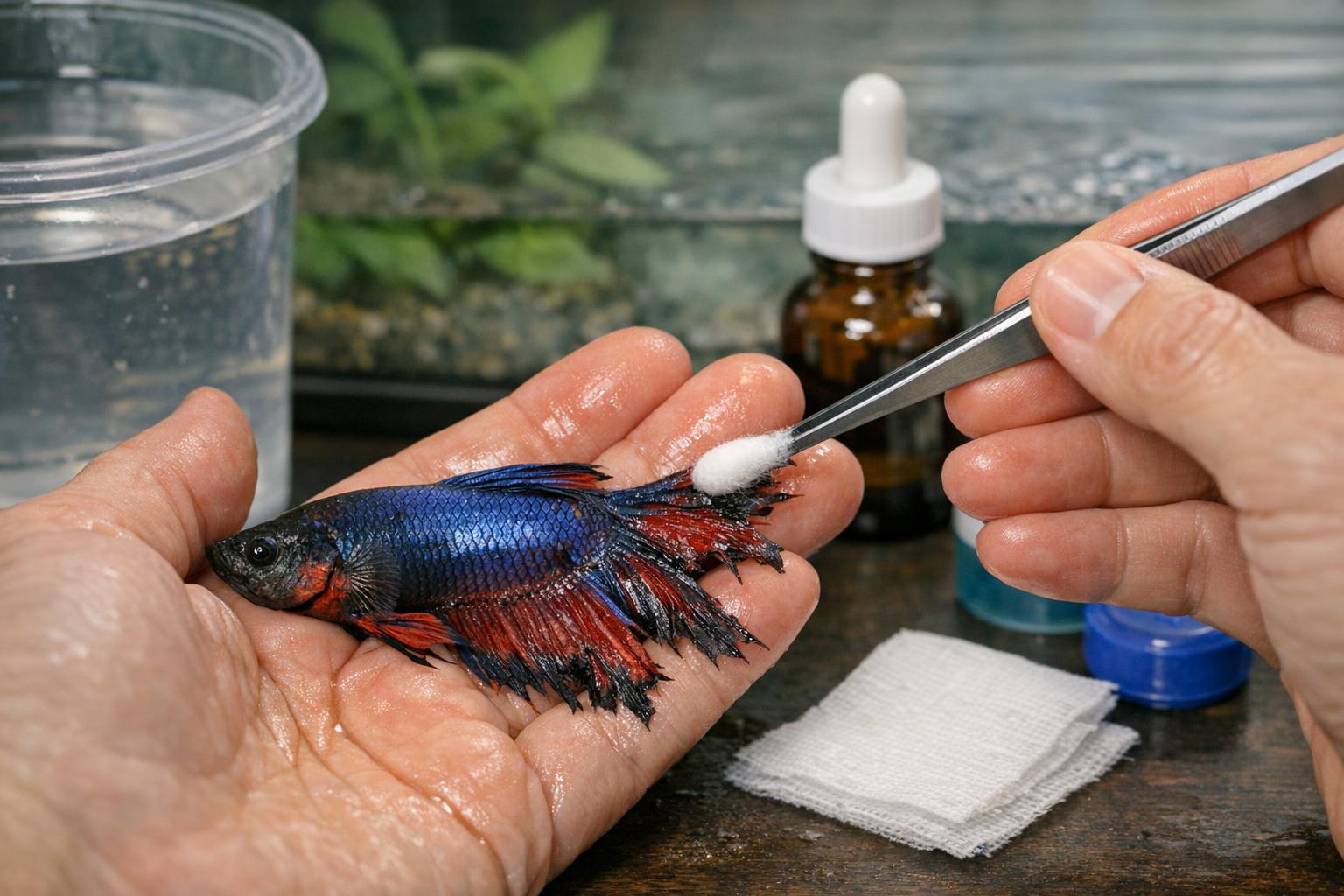
4. Offer a pea morsel the size of a pellet. Use tweezers to present it near the fish’s mouth. Do not overfeed peas: this is a short-term fix.
5. Fast the betta for 24 hours before offering the pea, and observe. If constipation improves, resume normal feeding at reduced quantities and consider more frequent water changes.
Notes: Peas act as a gentle laxative by adding bulk and moisture. They’re best for mild constipation caused by overfeeding or low-fiber diets. If bloating persists for more than 48 hours, or if the fish shows lethargy, discoloration, or labored breathing, consult an aquatic veterinarian.
### 2. Remedy For Nutritional Gaps: Homemade Gel Diet (High-Protein Formula)
Ingredients / Materials:
– 2 tablespoons high-quality fish flakes or pellets (ground to powder)
– 1 tablespoon freeze-dried or powdered shrimp/brine shrimp
– 1/4 teaspoon marine or fish-specific vitamin powder (optional)
– 1 teaspoon unflavored powdered gelatin (or agar-agar for a vegetarian binder)
– 1/3 cup water (sterile or boiled and cooled)
– Small saucepan
– Spoon and mixing bowl
– Silicone mold or ice cube tray (for portioning)
– Clean storage container and refrigerator
Preparation And Application Steps:
1. Grind the flakes or pellets into a fine powder using a coffee grinder or mortar and pestle. This ensures even texture in the gel.
2. Combine the powdered food, powdered shrimp, and vitamin powder in a mixing bowl. Mix thoroughly to distribute nutrients.
3. In a small saucepan, heat the water gently. Do not boil vigorously; warm enough to dissolve gelatin.
4. Sprinkle the gelatin over the warm water and stir until fully dissolved. If using agar-agar, follow package instructions for activation (often simmer briefly).
5. Remove from heat and quickly stir in the powdered food mix until you achieve a uniform slurry.
6. Pour the mixture into silicone molds or a shallow container to a depth that makes individual portions about the size of a pellet or small cube.
7. Refrigerate until set (usually 30–60 minutes). Once firm, cut into appropriately sized pieces and store in an airtight container in the refrigerator for up to 3–4 days.
8. Thaw one portion and offer it to your betta with tweezers. Observe how readily it accepts the gel and adjust portion sizes accordingly.
Notes: This gel-based food allows you to control protein sources and avoid plant fillers. It’s also useful for sick or finicky bettas who may refuse dry pellets. Rotate this homemade food with commercial foods to provide variety and balanced nutrition.
### Treats, Live Food, And Water Quality Considerations
Treats and live foods like Daphnia, brine shrimp, and mosquito larvae are excellent for bettas — they mimic natural hunting and are highly digestible. Live food can be a behavioral enrichment as much as a dietary supplement. However, quarantine live foods when possible, or use frozen sources to reduce pathogen risk.
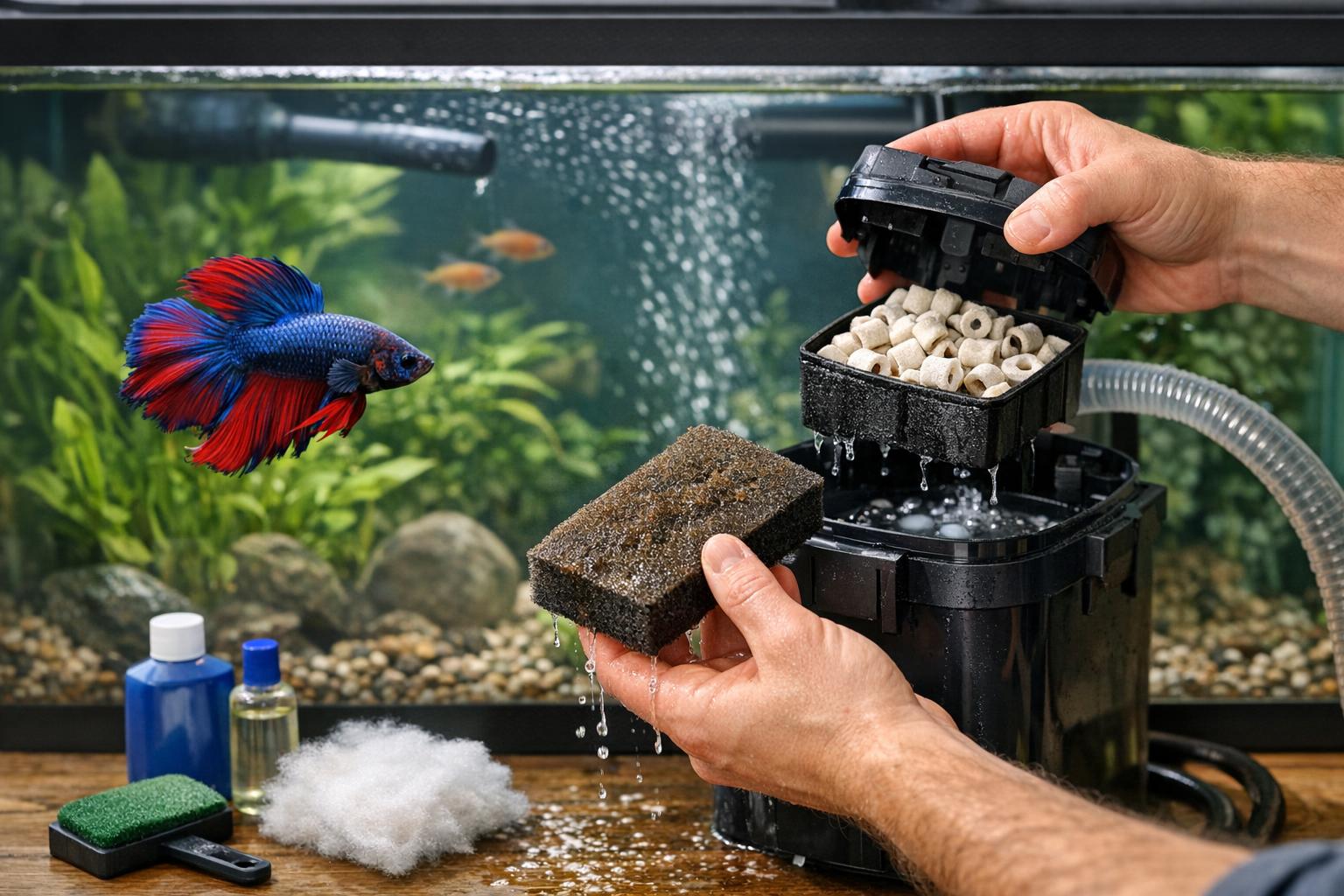
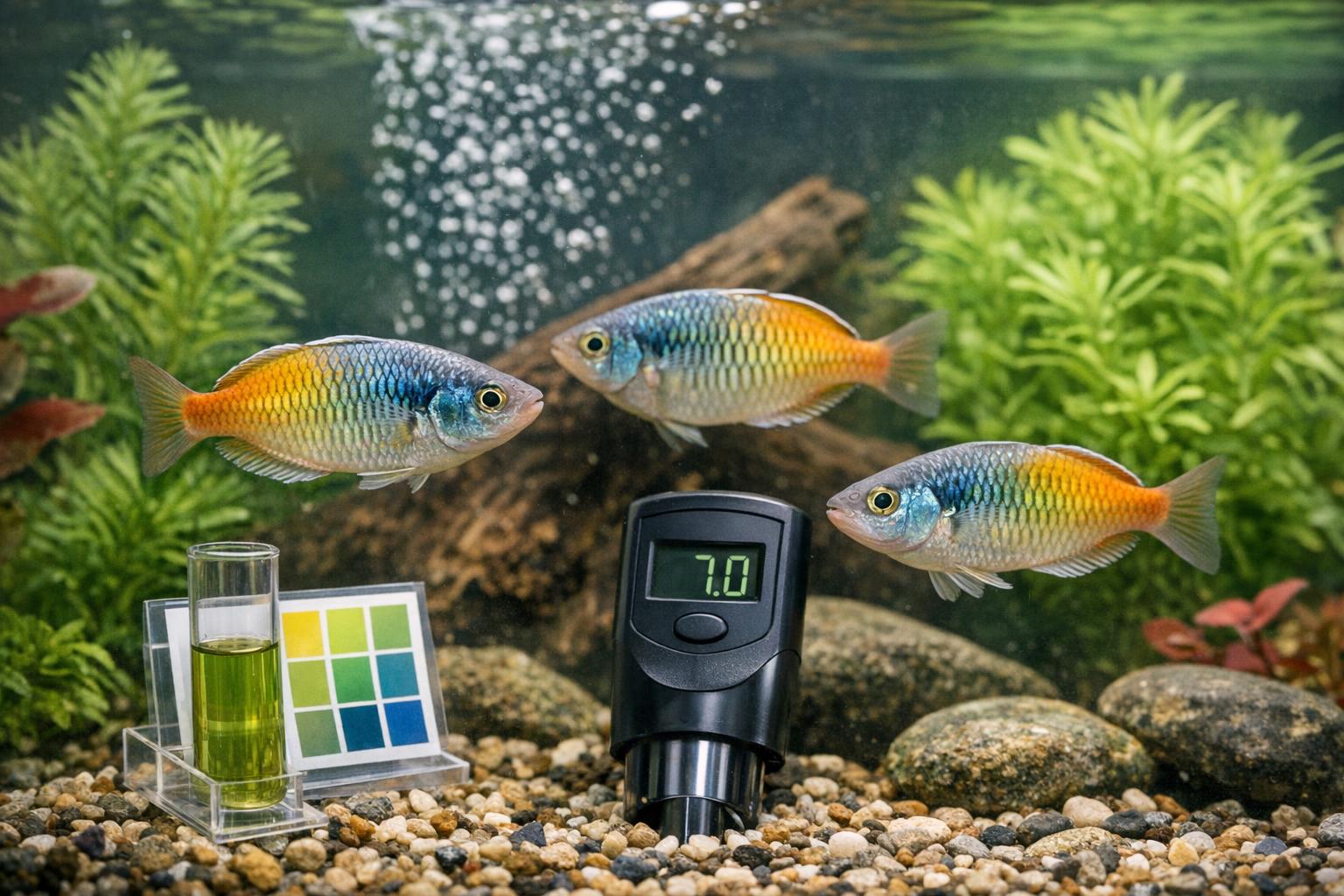
Water quality interacts tightly with diet. Uneaten food increases ammonia and nitrite, stressing fish and impairing digestion. Regular partial water changes (20–30% weekly) and a reliable filter will reduce the risk of diet-related health issues. If you use frozen or live foods, rinse them before feeding to minimize water contamination.
### Reading Labels And Avoiding Common Food Pitfalls
When choosing commercial food for betta fish, beware of vague ingredient lists. “Meat meal” without specification or long lists of grains as top ingredients are red flags. Look for items that list specific animal proteins early and avoid products with excessive plant binders or artificial colors. Color additives are unnecessary and can mask poor nutrition.
Also, be cautious with “color-enhancing” foods that rely on artificial dyes. Natural options containing astaxanthin (from shrimp/krill) can support color without chemical additives. Rotate brands occasionally to prevent nutritional monotony, but transition slowly — overzealous changes can upset digestion.
### Signs Your Betta Is Getting The Right Diet
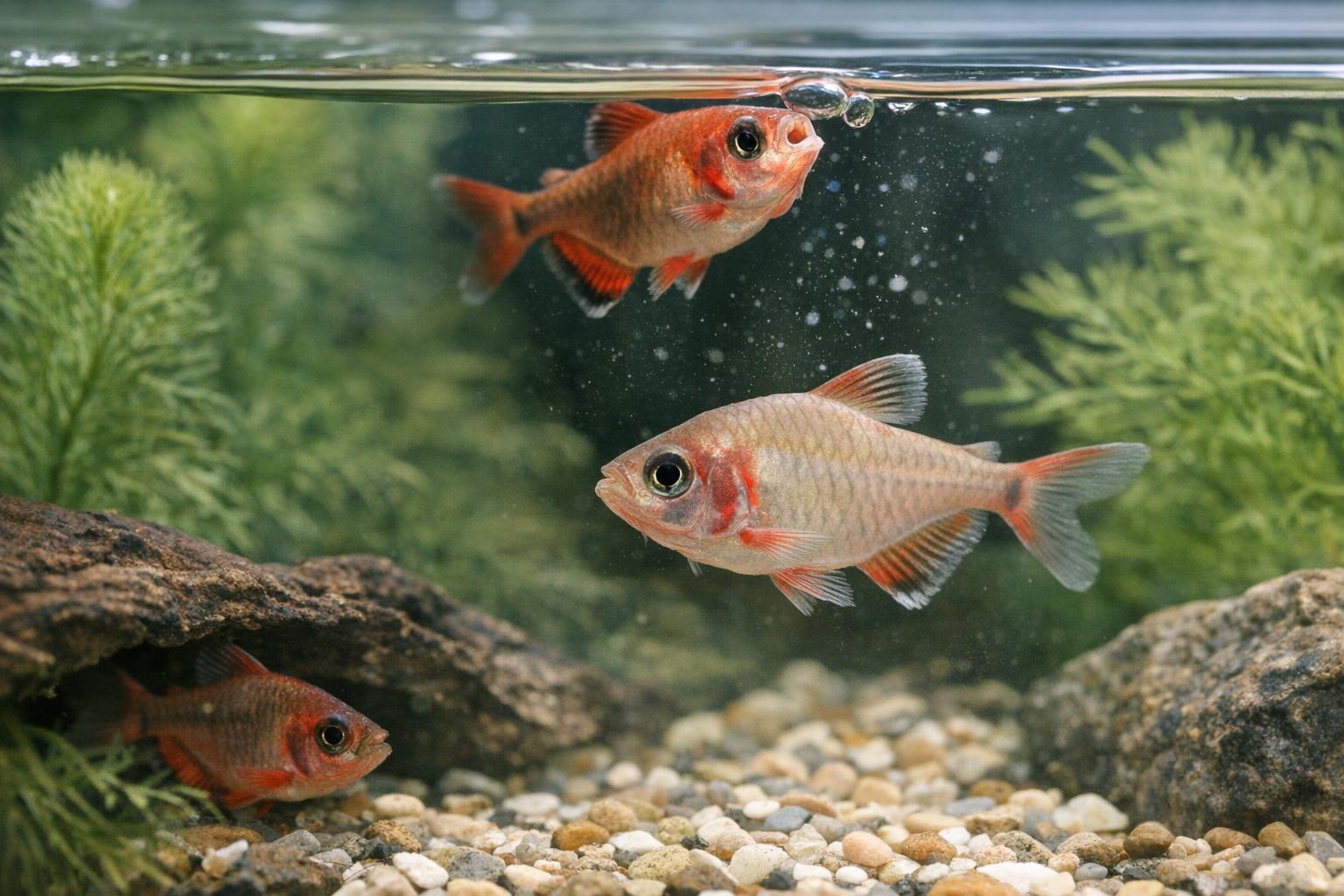
A well-fed betta will display vibrant color, active swimming, and a rounded but not overfilled body shape. Regular feeding should produce small, well-formed pellets of waste and steady appetite. If your betta refuses food for a day or two, don’t panic — short fasting is often okay. Persistent appetite loss, flared or clamped fins, gasping at the surface, or discolored feces warrant closer attention and possibly professional help.
### Treating Picky Eaters And Encouraging Natural Feeding Behavior
If your betta turns its nose up at food, try offering live or frozen micro prey — many bettas respond to motion. Present food with tweezers near the face to simulate hunting. You can also use feeding rings to keep food in a familiar spot. When introducing new foods, blend them with a favorite for several days to ease acceptance.
Sprinkling a small amount of crushed pellet over frozen fare or mixing a tiny fraction of the homemade gel with flake food can bridge the gap between unfamiliar and accepted. Patience helps — bettas are clever and often develop preferences, but they can be retrained.
## Water Changes, Filtration, And Feeding Schedule Integration
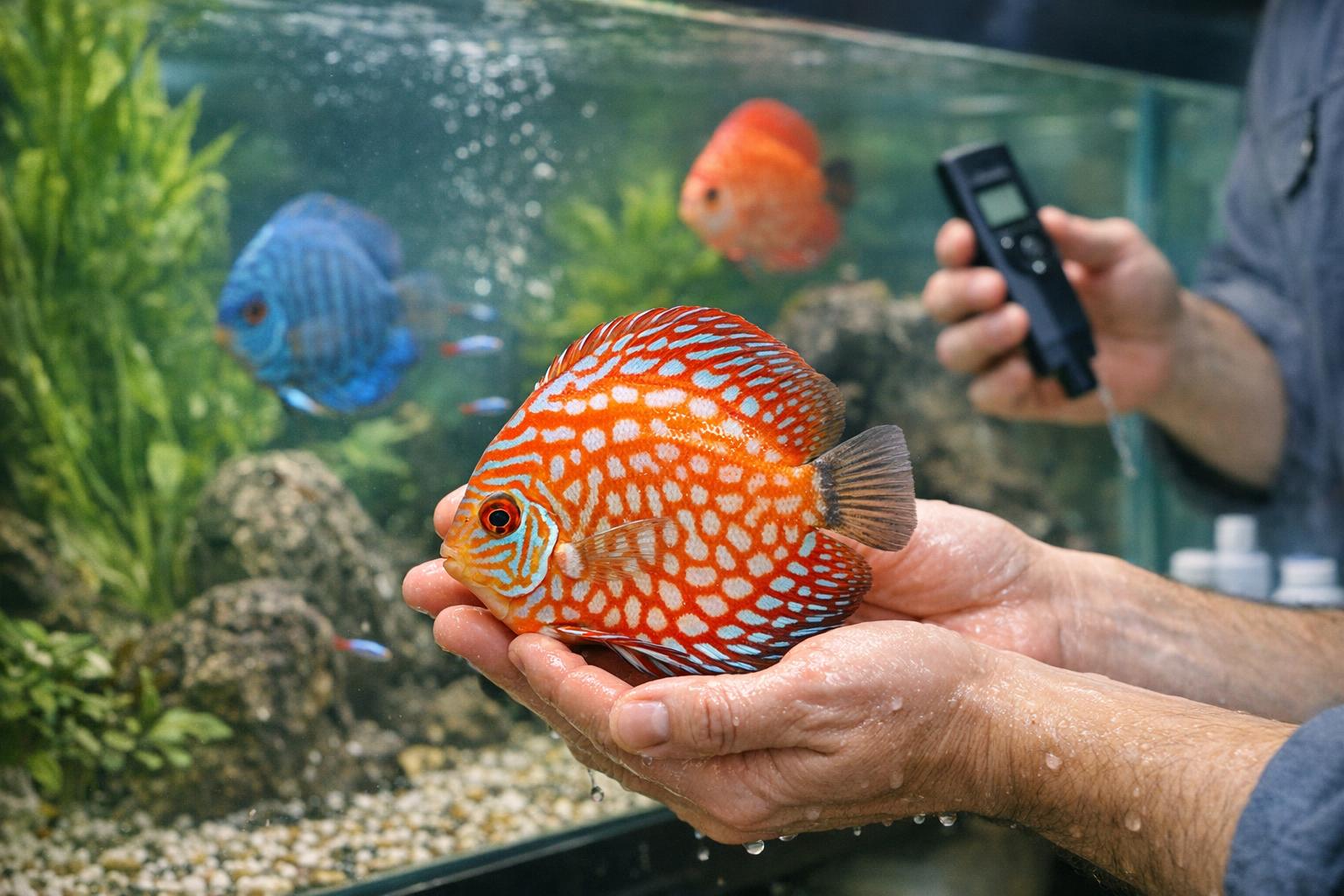
Good filtration and consistent partial water changes are as important to diet success as the food itself. Accumulated waste from overfeeding quickly degrades water quality, creating a feedback loop of poor appetite and disease. Keep a predictable feeding schedule and perform routine maintenance: siphon uneaten food, test ammonia/nitrite/nitrate levels, and adjust portions if water quality dips.
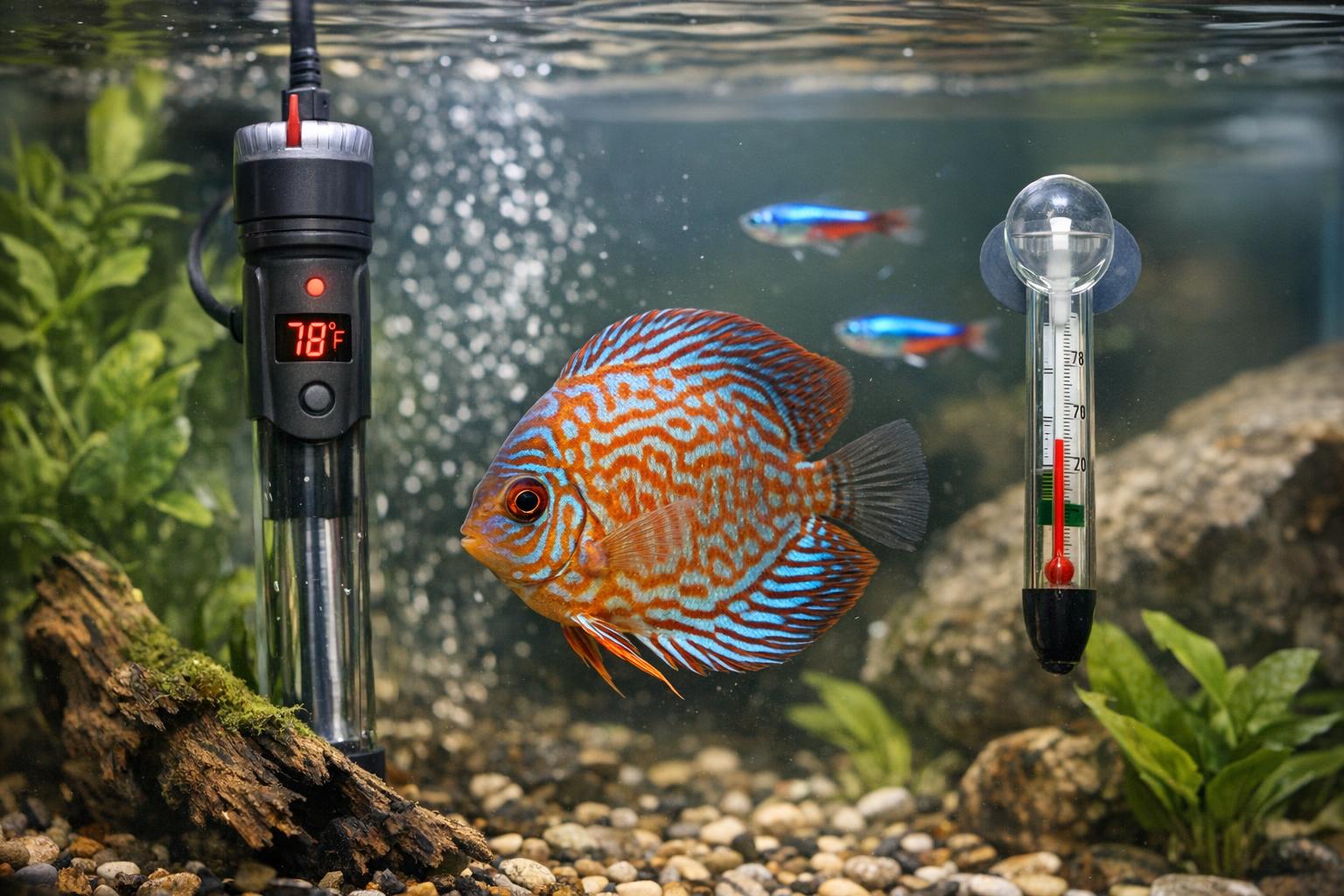
Finally, remember that the best food for betta fish is the one that meets their carnivorous needs, is fed in appropriate quantities, and is part of a broader husbandry plan that includes clean water, correct temperature (about 78–80°F/25–27°C), and mental enrichment. A little attention to diet detail goes a long way toward keeping your little aquatic friend theatrical, healthy, and utterly photogenic.








Leave a Reply