

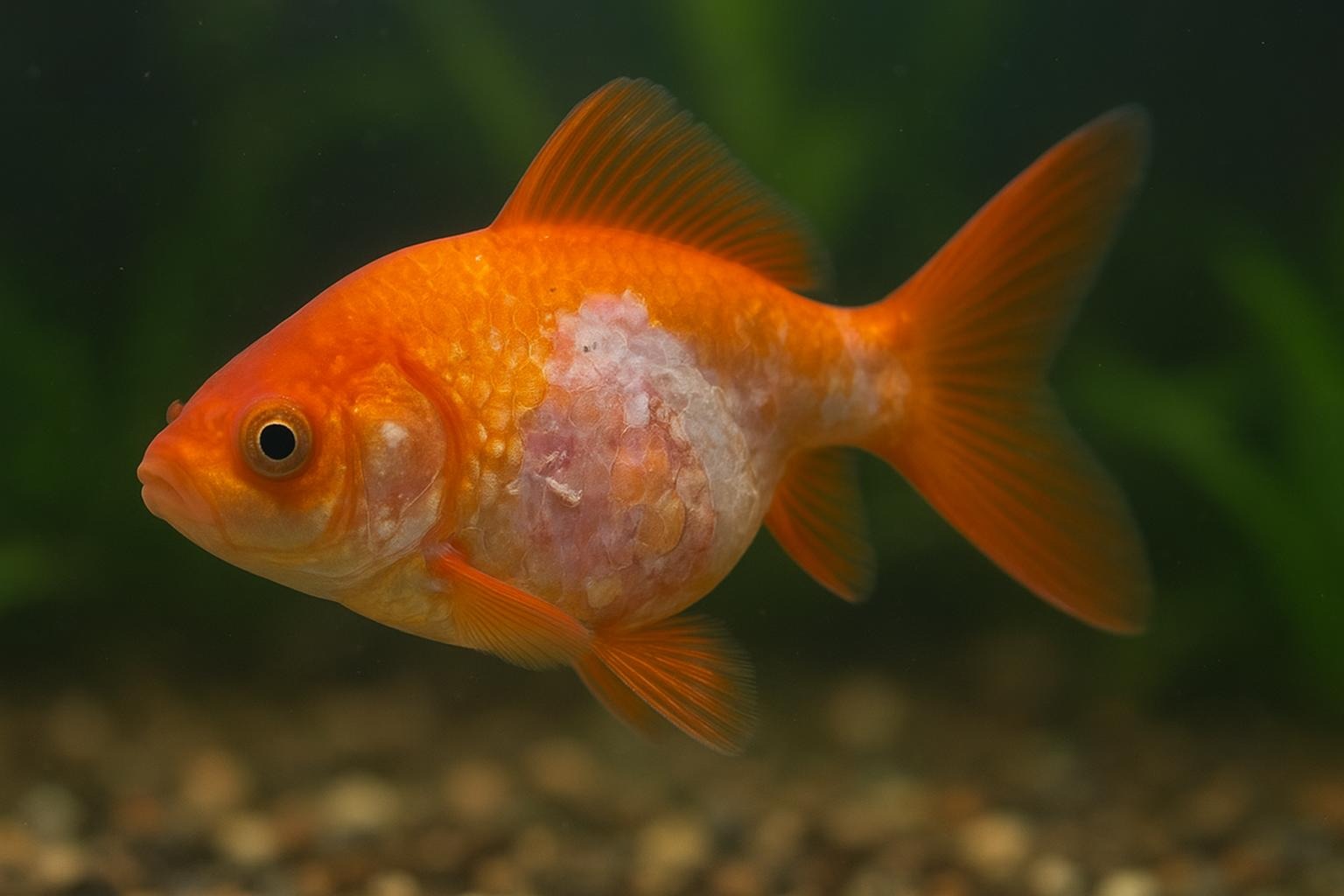
Noticing a patch of missing scales on your goldfish is a heart-sinking moment — kind of like finding a bald spot on a pillow you love. Relax (mostly). Missing scales can look dramatic, but with quick, calm action you can help your fish heal and prevent infection. This guide walks through causes, immediate checks, and three practical home-friendly remedies to try — with the remedies written in a clear, step-by-step, slightly more formal tone so you don’t have to wing it.
## What To Do When Your Goldfish Missing Scales
### Quick Triage Checklist
– Is the fish swimming normally? Eating?
– Any redness, frayed fins, ulcers, or exposed flesh?
– Any other fish showing damage or aggression?
– Test ammonia, nitrite, nitrate, pH, temperature right away.
If the fish is lethargic, gasping at the surface, or the wound is raw and bloody, treat this as an urgent situation and move quickly (and consider contacting an aquatic vet). If it’s a small patch with no infection signs, you have time to do careful, effective home treatment.
## Why Scales Fall Off: Common Causes
### Physical Trauma And Tank Hazards
Goldfish love their scenery: bumping into sharp decor, rough gravel, or glass can scrape scales off. Rough handling during netting is another frequent culprit.
### Aggression And Fin Nipping
Tankmates that nip, especially fast or territorial fish, can tear off scales. Even playful chasing can cause abrasions.
### Poor Water Quality And Stress
High ammonia or nitrite, sudden pH shifts, or very cold water weaken skin and scales, making them more likely to slough.
### Infection And Disease
Bacterial infections, fungal growths, and parasites like flukes can damage skin and cause scale loss. If the wound looks red, swollen, fuzzy, or if the fish isolates itself, infection is more likely.
## Signs That Warrant Immediate Action
### Red Flags
– Exposed pink or red flesh under missing scales.
– Raised scales (pineconing) or fluid-filled swelling (dropsy).
– Any white or fuzzy growth, streaking discoloration, or open sores.
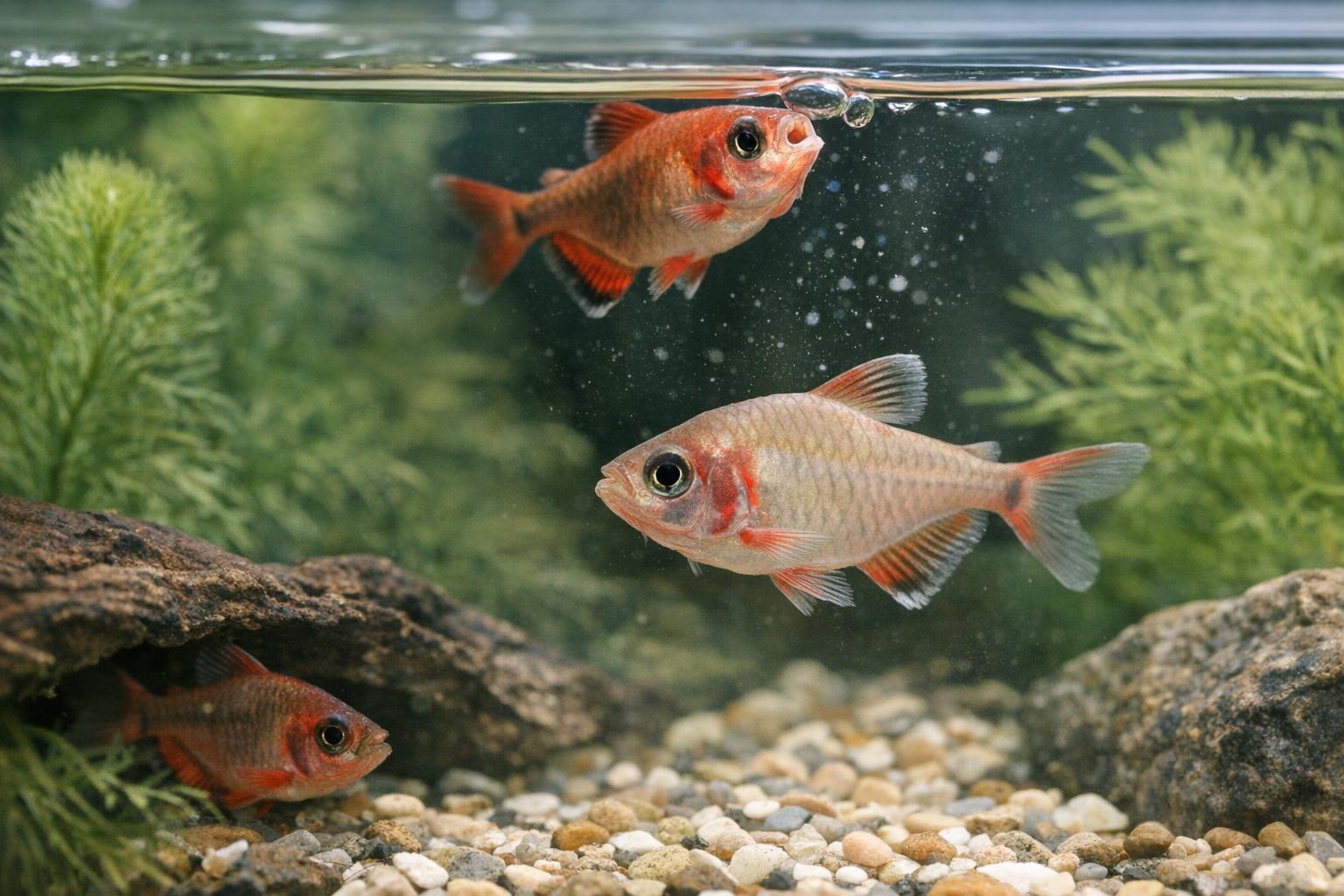
– Rapid breathing, refusal to eat, or erratic swimming.
If you observe these, isolate the fish and move into one of the remedies below, then consult a vet if there’s no fast improvement.
## Remedy 1: Quarantine Tank + Water Quality Reset (First Line Response)
Ingredients / Materials
– Clean quarantine tank (10–20% of main tank size or larger for comfort)
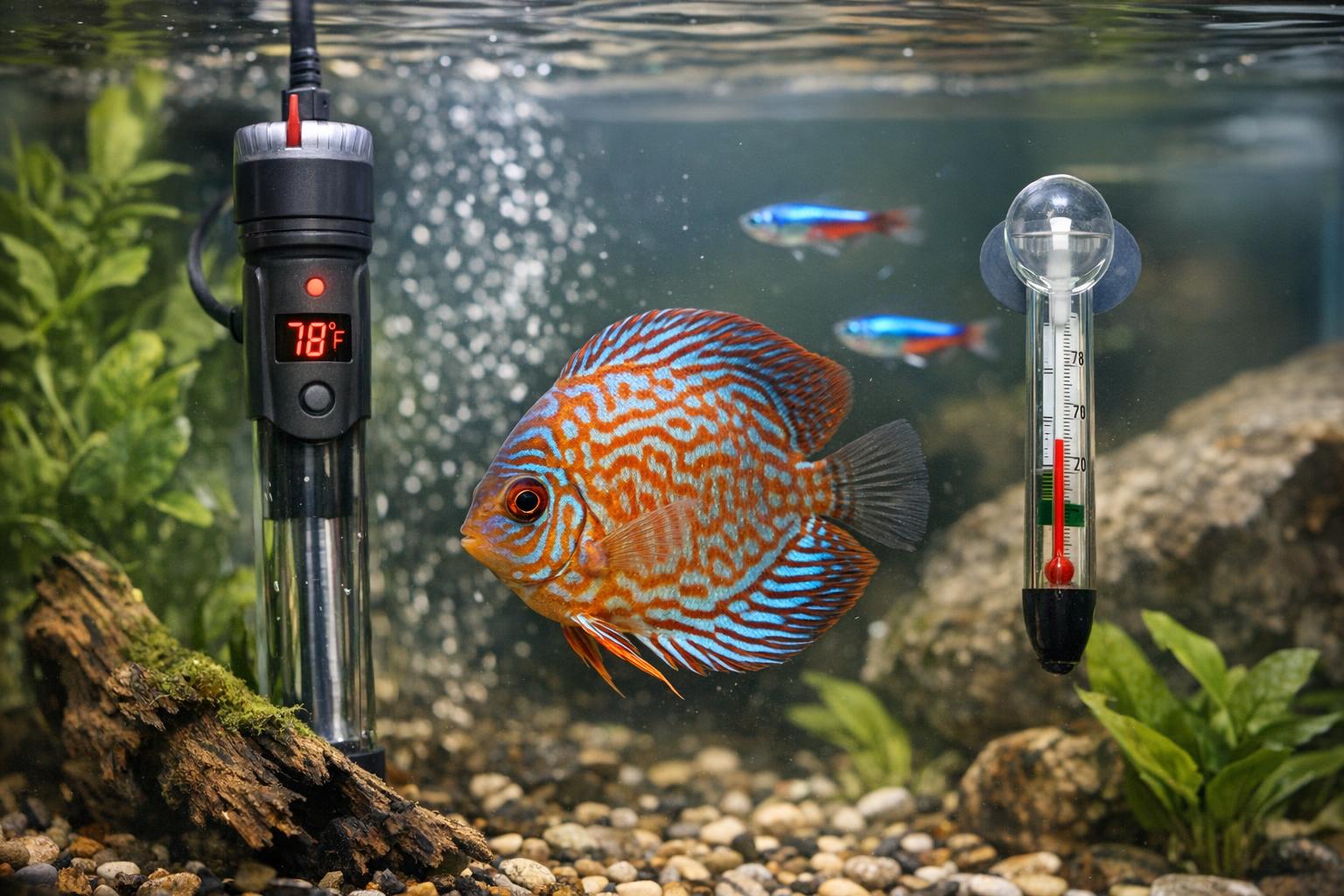
– Heater and thermometer
– Air stone or gentle filter
– Water conditioner (dechlorinator)
– Water test kit (ammonia, nitrite, nitrate, pH)
– Soft net, clean bucket, and gravel siphon
– Aquarium salt (non-iodized) — optional, manufacturer instructions on hand
Step-By-Step Creation And Application
1. Prepare The Quarantine Tank: Rinse the tank and equipment with dechlorinated water only (no soap). Fill with conditioned, temperature-matched water from the main tank. Aim to match pH and temperature to reduce shock.
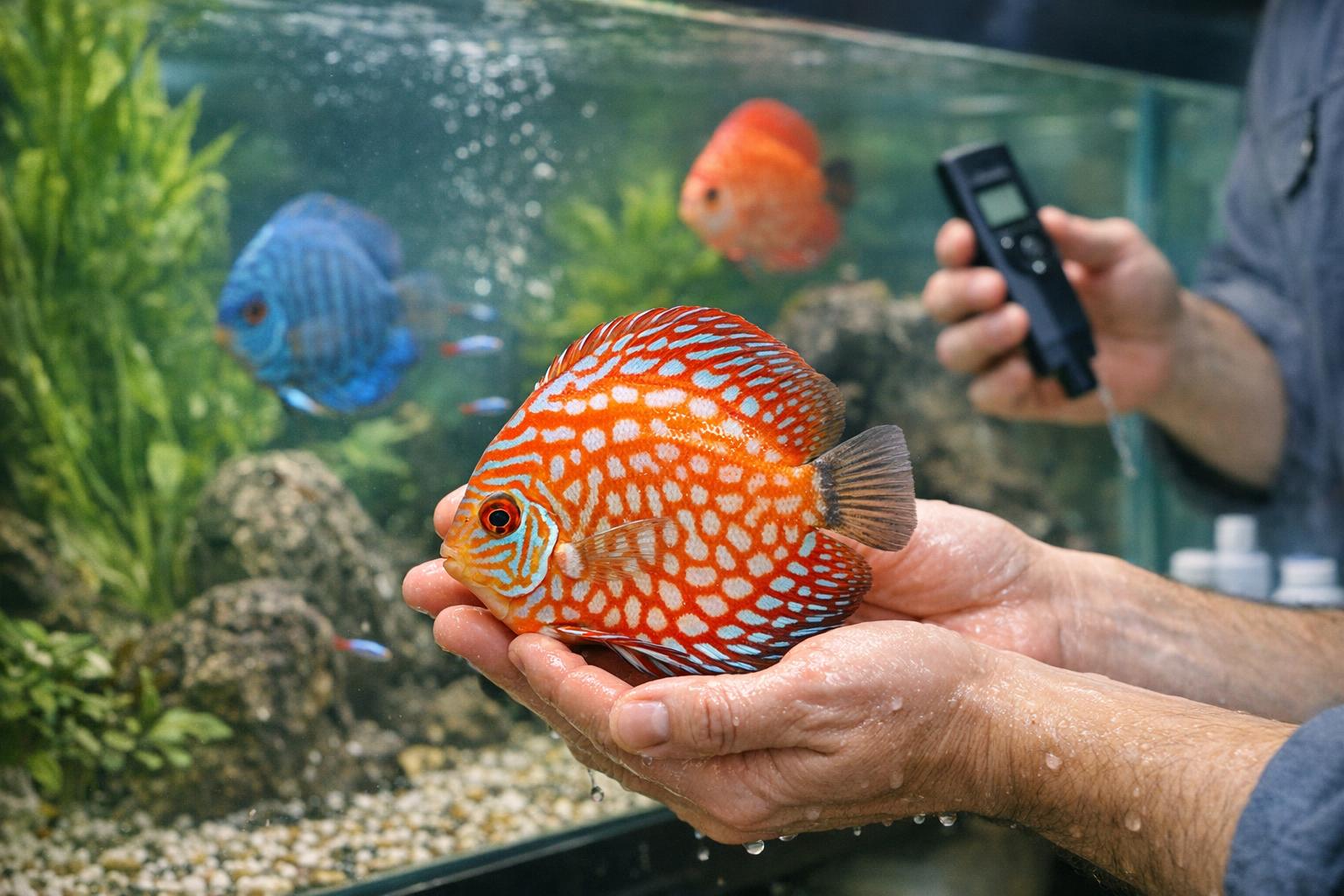
2. Transfer The Fish Carefully: Use a soft net or cup to move the goldfish gently. Avoid scraping the wound.
3. Stabilize Water Quality: Run the filter or air stone for oxygenation. Test the water immediately and keep ammonia and nitrite at zero; perform partial water changes (20–30%) if needed.
4. Decide On Salt Use: If the wound is not bleeding and no species contraindication exists, a mild supportive level of aquarium salt can help osmotic balance and reduce stress. Use the aquarium salt at manufacturer-recommended therapeutic dosing for freshwater fish. Do not exceed recommended concentrations.
5. Monitor Closely: Check the fish daily for appetite, coloration, and signs of spreading damage. Log water parameters each day and do regular partial water changes to keep the environment pristine.
Notes: This remedy is a must-do baseline — clean, stable water is the single most important factor in healing.
## Remedy 2: Epsom Salt Soak For Swelling And Osmotic Support
Ingredients / Materials
– Small container or bucket large enough for the fish to turn (or a small hospital tank)
– Epsom salt (magnesium sulfate), food- or pharmaceutical-grade
– Thermometer
– Dechlorinated water from the quarantine tank
– Timer and eyedropper or turkey baster for rinsing
Step-By-Step Creation And Application
1. Prepare The Soak Container: Fill with dechlorinated water at the same temperature as the quarantine tank. Ensure a calm, dim environment to reduce stress.
2. Dose The Epsom Salt Carefully: Use a conservative dose appropriate for short soaks. Start with a low concentration and follow established aquarist references or product instructions. (If you have manufacturer guidance, follow it strictly.)
3. Gently Move The Fish: Transfer your goldfish into the soak container using a soft net. Minimize handling and keep the fish supported as it moves.
4. Soak Time And Monitoring: Soak for a short duration (typically minutes rather than hours) while watching breathing and swimming. If the fish becomes distressed, return it immediately to quarantine water.
5. Rinse And Return: After the soak, gently rinse the fish with clean, conditioned quarantine water using a turkey baster or cup to remove residual salt, then return it to the quarantine tank.
6. Repeat Only If Needed: Use this soak as a one- to two-time supportive measure for swelling; do not overuse it. Continue supportive care in the quarantine tank.
Formal Note: Epsom salt addresses internal osmotic balance and can reduce fluid buildup. Use precise dosing guidance from reputable aquarium sources or a vet. Overuse can harm the fish.
## Remedy 3: Topical Antiseptic And Professional Meds For Infection Risk
Ingredients / Materials
– Commercial aquarium antibacterial product recommended for open wounds (e.g., products formulated for fish)
– Povidone-Iodine solution (diluted) — only if advised by an expert
– Small syringe or dropper for precise application
– Gloves and clean towel for handling
– Veterinary contact information
Step-By-Step Creation And Application
1. Assess For Infection: If redness, oozing, or fuzzy growth appears, prepare for topical treatment or medicated baths. If you’re unsure, take clear photos and contact an aquatic vet or experienced aquarist for triage.
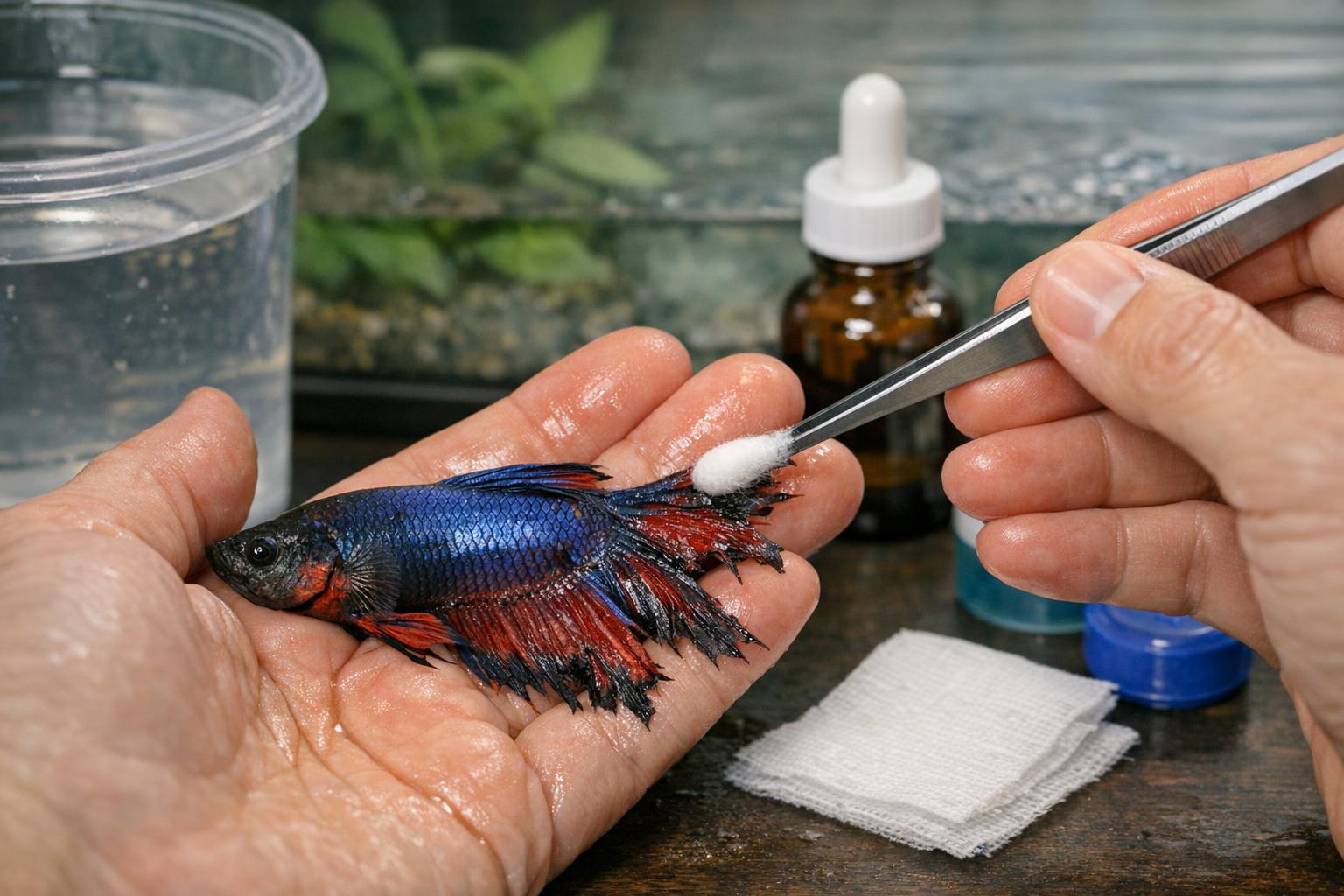
2. Choose A Safe Product: Use a product specifically labeled for aquarium use. Melaleuca-based or formulated antibacterial solutions designed for fish can be applied per label instructions. Avoid home remedies not intended for fish (e.g., essential oils).
3. Dilute And Dose Exactly: If using a diluted povidone-iodine dip under guidance, follow the exact dilution and exposure time provided by a professional. Improper concentration can damage tissues.
4. Apply Or Bath Carefully: Follow product directions: add medication to quarantine tank at recommended concentration or apply locally with a dropper if the product allows. Keep notes of timing, amount, and fish response.
5. Monitor And Escalate: If signs improve within 48–72 hours, continue as directed. If there’s no improvement or signs worsen, stop home treatment and seek veterinary antibiotic therapy.
Formal Note: Topical and systemic antibiotics should be used under veterinary guidance. Misuse can cause resistance and harm.
## Preventing Future Scale Loss
### Routine Tank Maintenance
Keep ammonia and nitrite at zero, do regular partial water changes, and vacuum uneaten food. Stable water is the best prevention for skin issues.
### Check Tankmates And Decor
Remove nippers, round off sharp decor, and use smooth substrate. Goldfish appreciate roomy, low-flow environments.
### Gentle Handling
Use soft nets and minimize netting. If you need to move a fish, use a cup or container to reduce accidental scrapes.
### Regular Health Checks
Look over your fish weekly; early detection of small scale loss makes treatment easier and quicker.
## When To Call The Vet Or Local Aquarist
If the wound is deep, spreading, bleeding, the fish stops eating, or multiple fish are affected, professional help is the safest call. A vet can prescribe appropriate antibiotics, topical treatments, or diagnostic tests.
A final practical note: keep photos and a brief log of water parameters and symptoms — that’s gold when you ask for help. And remember, with prompt, calm care, many cases of goldfish missing scales heal just fine.





Leave a Reply