

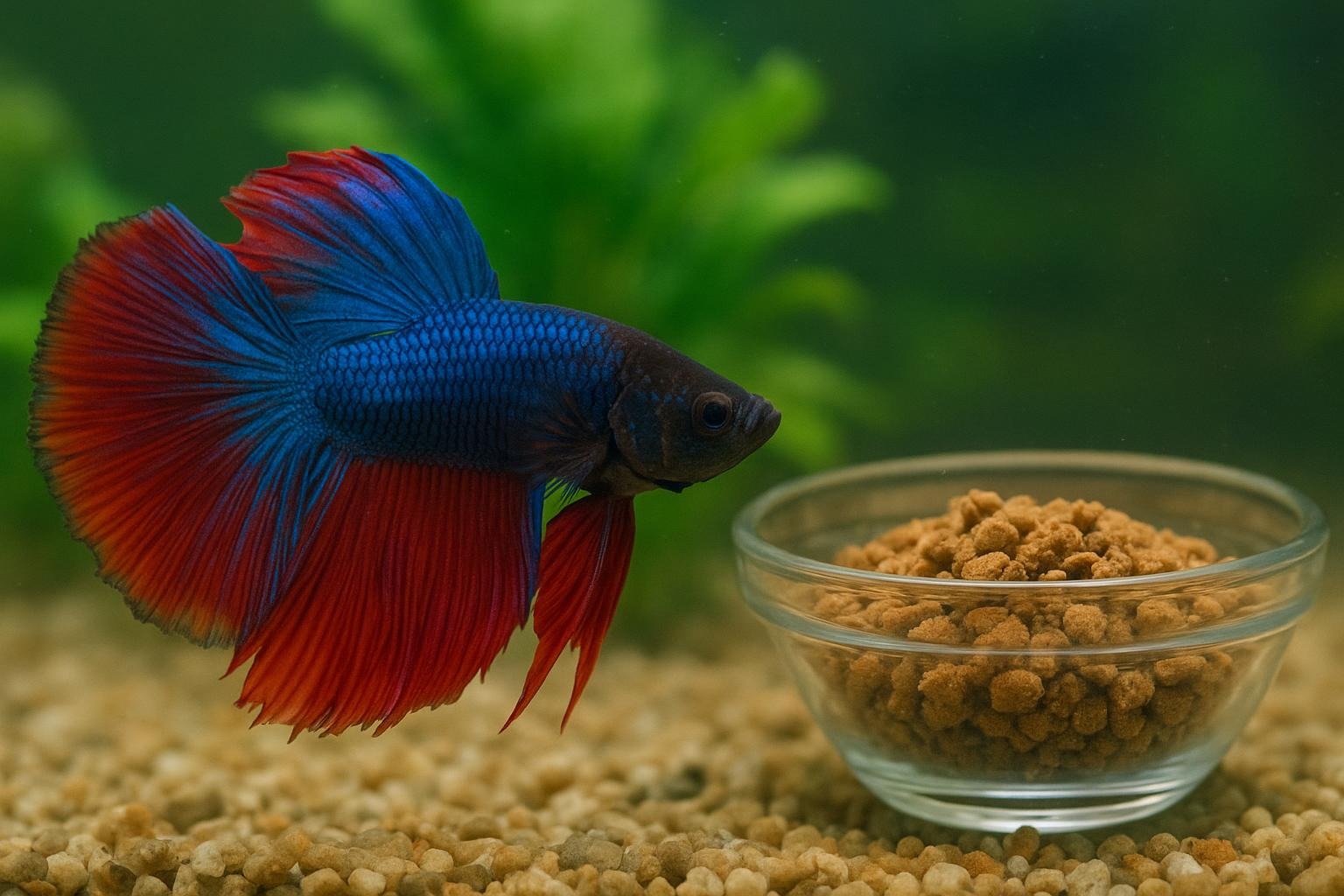
Keeping a betta healthy can feel like a balancing act between “feed me, human!” and “maybe not another pellet.” Overfeeding is one of the most common mistakes new and veteran aquarists make, so this guide is here to help you spot problems early and use simple home remedies to stop a betta fish overfed before it becomes a real health issue.
## Preventing Betta Fish Overfed: Quick Overview
Betta fish overfed leads to constipation, swim bladder issues, poor water quality, and shortened lifespan. Fortunately, most causes are easy to fix with routine changes and a couple of proven home remedies. Think of this as gentle prevention: small habits, big payoff.
### Why Overfeeding Happens
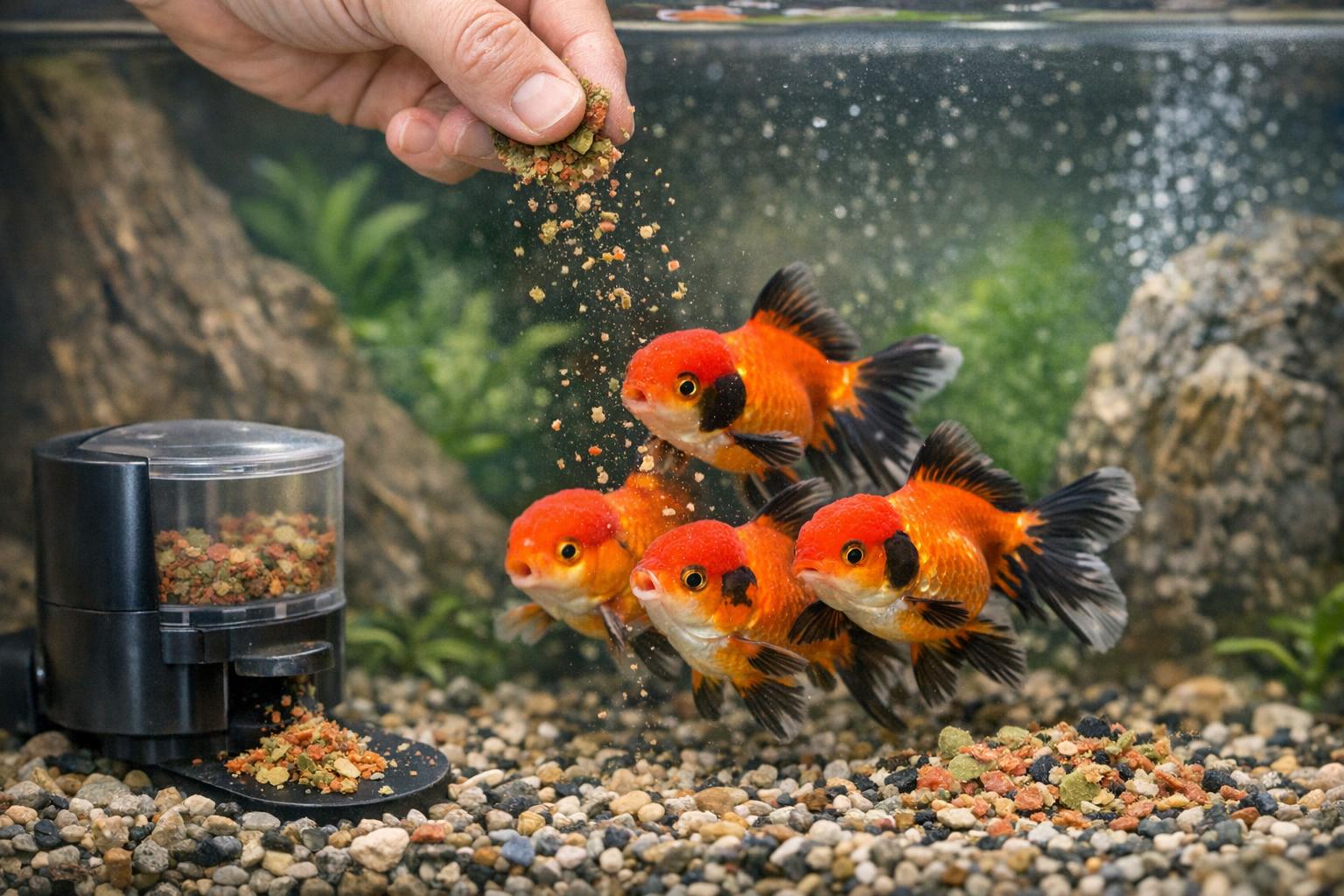
Most of the time it’s not malicious—it’s human nature. We see a tiny fish and feel compelled to keep feeding, or we misread the packaging and give too many pellets, or automatic feeders get set too generous. Commercial food can be calorie-dense, and bettas have tiny stomachs (about the size of their eye). All of these factors make it easy for a betta fish overfed situation to develop.
### Signs Your Betta Is Overfed
If you’re asking whether your fish is getting too much, watch for:
– A bloated, rounded belly that doesn’t look like normal plumpness.
– Floating or swimming awkwardly (head-up, tail-down).
– Uneaten food sinking to the bottom and fouling the water.
– Reduced activity, listlessness, or gasping at the surface.
These symptoms often accompany a betta fish overfed problem, but they can overlap with disease, so observe carefully.
## 1. Remedy: Scheduled Fasting And Portion Control
This is a primary and highly effective correction method. Formal approach and consistency matter here.
### Ingredients Or Required Materials
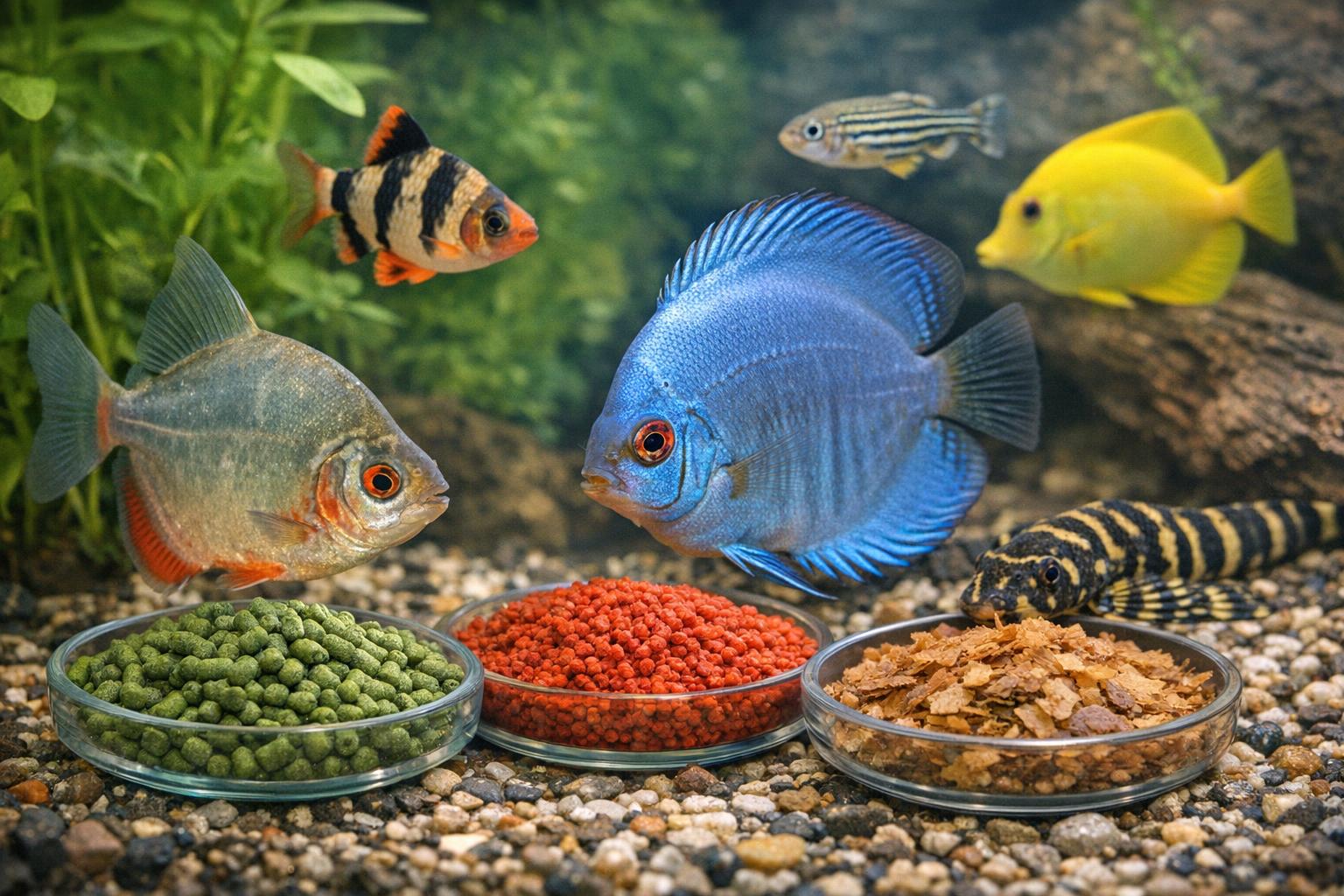
– High-quality betta pellets or frozen foods (bloodworms, daphnia).
– A small feeding spoon or tweezers (optional but helps portion).
– A calendar or simple tracker (paper or phone).
### Steps To Create And Apply The Remedy
1. Establish A Feeding Window: Feed once in the morning and once in the evening, or simply once per day for healthy adults. Juveniles need more frequent feeding.
2. Measure Portions Precisely: For adults, give 2–4 pellets per feeding, sized to the betta’s mouth. If using frozen foods, offer a pea-sized amount.
3. Implement Routine Fasting: Schedule one or two fast days per week (24-hour periods with no food). Fasting helps clear the gut and prevents constipation.
4. Monitor And Adjust: If your betta still appears hungry, slightly increase variety (a small meaty treat) rather than quantity. If signs of overfeeding persist, reduce pellets to the lower end of the range.
5. Record Feedings: Use your tracker to log feedings and observe correlations between amount and behavior/water quality.
Frequency And Safety Notes:
– Adult bettas tolerate 24-hour fasts well; frequent longer fasts are not recommended.
– For bettas recovering from illness, consult a vet before changing intake drastically.
## 2. Remedy: Pea Treatment For Constipation (Safe Natural Laxative)
Formally proven in hobby practice, a blanched pea can clear a blocked gut and relieve swim bladder pressure. This remedy should be applied carefully and not as a daily treatment.
### Ingredients Or Required Materials
– One frozen garden pea (or small portion of thawed baby pea).
– A bowl of warm water for blanching.
– Tweezers or a clean spoon.
### Steps To Create And Apply The Remedy
1. Prepare The Pea: Boil water briefly and blanch the frozen pea for 1 minute. Cool and remove the skin by pinching—this makes it easier for the fish to digest.
2. Offer A Tiny Piece: Break a pea into a pea-sized morsel appropriate for the betta’s mouth.
3. Observe Feeding: Hold the morsel near the betta with tweezers or drop it in and watch. If the betta doesn’t accept it, do not force feed.
4. Follow-Up Fast: After the pea is ingested, skip the next feeding to allow the digestive system to process.
5. Repeat If Necessary: You may try once more after 24–48 hours if constipation signs persist. If no improvement, seek veterinary advice.
Safety Notes:
– Do not use peas as a regular staple. This is a targeted remedy for constipation created by a betta fish overfed.
## 3. Remedy: DIY Portion Control Tools (Feeding Ring Or Dropper Dispenser)
Controlling how much food actually reaches your betta is practical and reduces overeating incidents. This remedy involves a simple craft to keep portions predictable.
### Ingredients Or Required Materials
– Small suction cup or fish-safe floating ring (available online or improvised).
– A spoon for portioning or a small calibrated dropper.
– (Optional) A low-release automatic feeder set to micro-portions.
### Steps To Create And Apply The Remedy
1. Create Feeding Ring: Attach a small suction cup to a plastic ring sized so food drops inside a confined area. This prevents pellets from dispersing and encourages the betta to take only what it needs.
2. Calibrate Portions: Use your spoon or dropper to count out the standard portion (2–4 pellets) and place them inside the ring each feeding.
3. Train The Fish: Feed in the same location daily so the betta learns to go to the ring and waits for food, reducing frantic surface feedings.
4. Use With Automatic Feeders Carefully: If you rely on an automatic feeder, set it to the lowest portion and test how many pellets drop in a single cycle; adjust as necessary.
5. Clean The Tool: Rinse the ring or suction cup weekly to avoid biofilm buildup.
This structured approach reduces waste and lowers the risk of a betta fish overfed due to accidental spills or feeder mis-settings.
## Tank Maintenance To Prevent Problems From Overfeeding
Good husbandry prevents many issues that follow from overfeeding. Keep maintenance formal and consistent.
### Cleaning Schedule
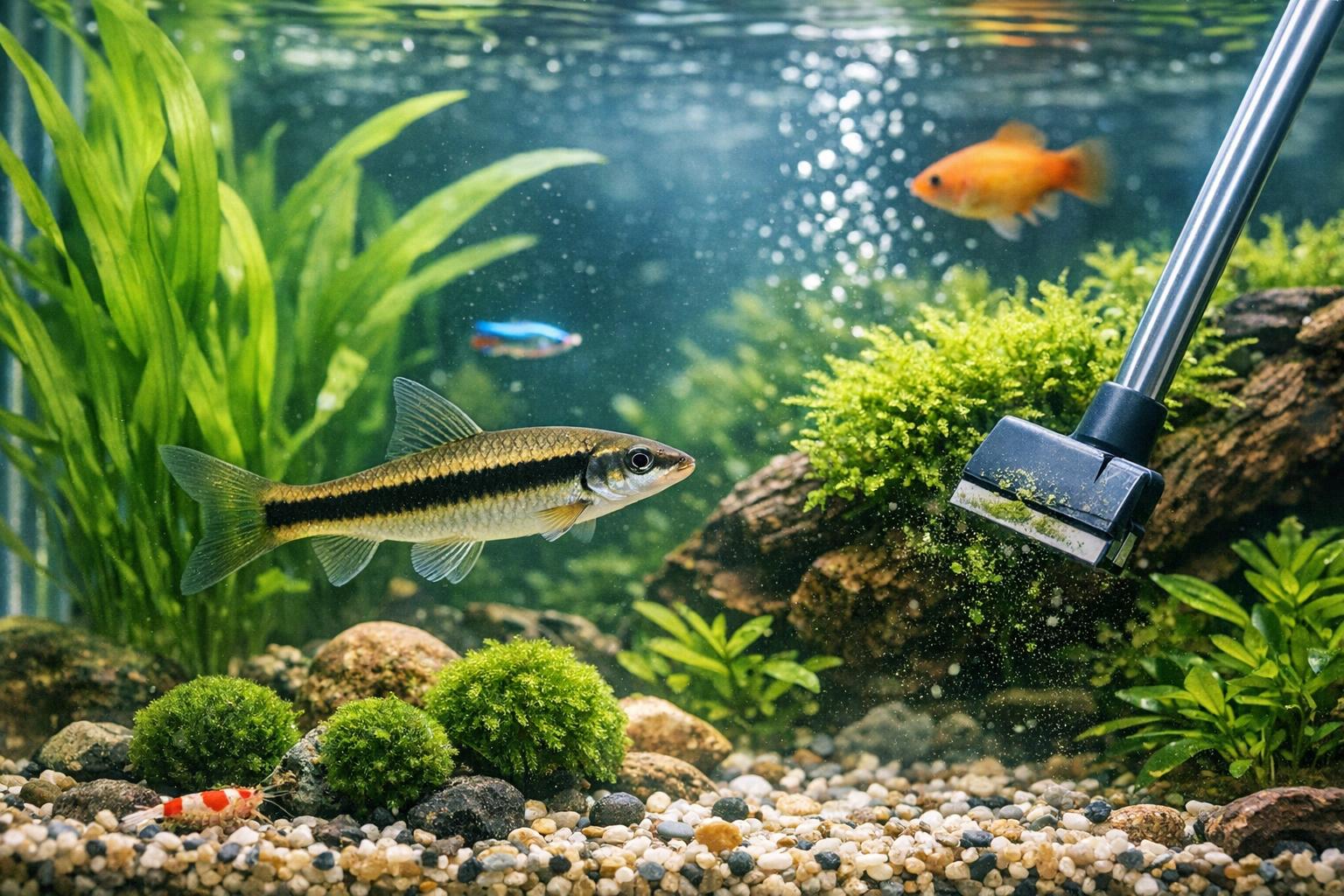
– Perform 25–50% water changes weekly depending on tank size and bio-load.
– Use a siphon to remove uneaten food and waste from the substrate after each feeding if visible.
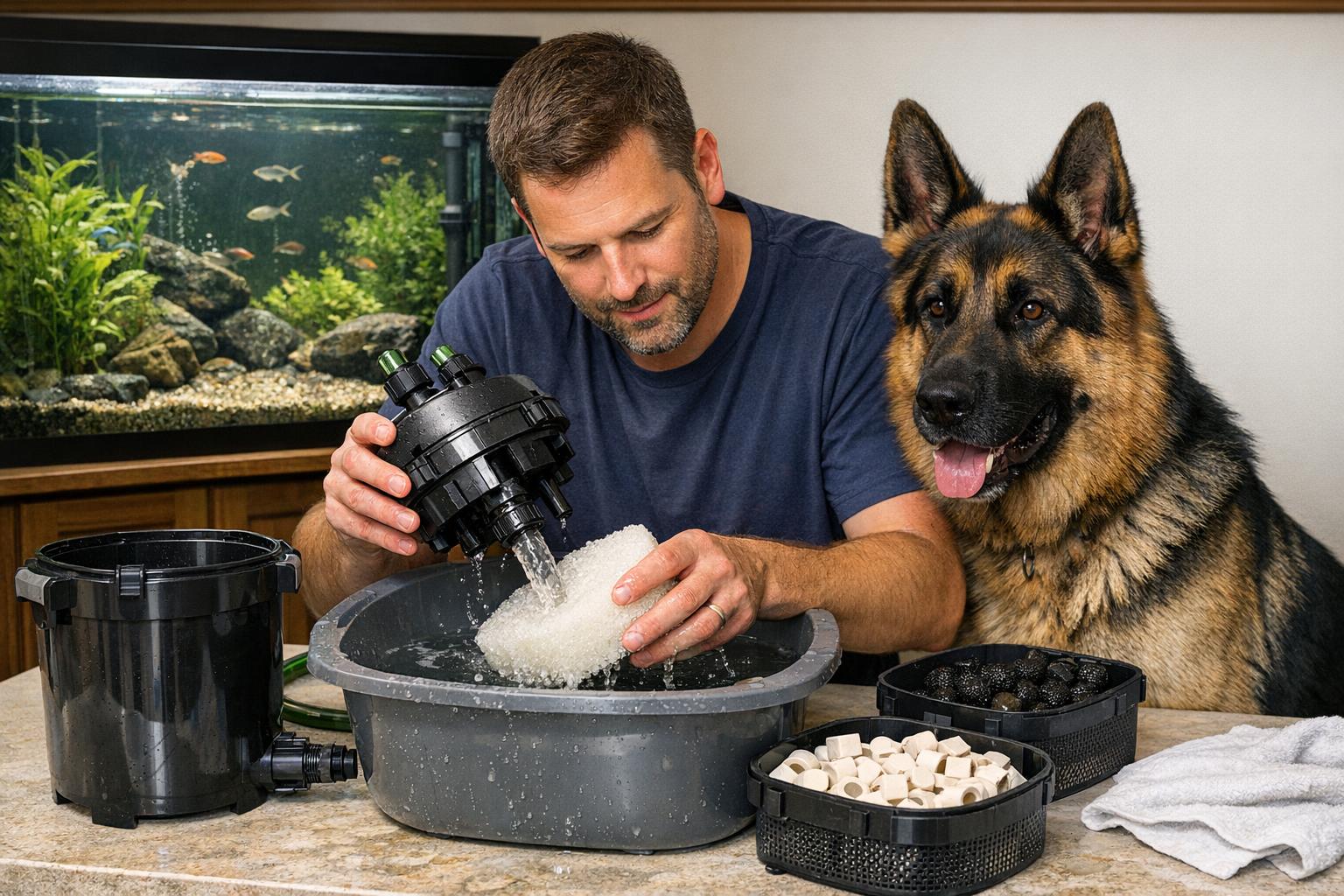
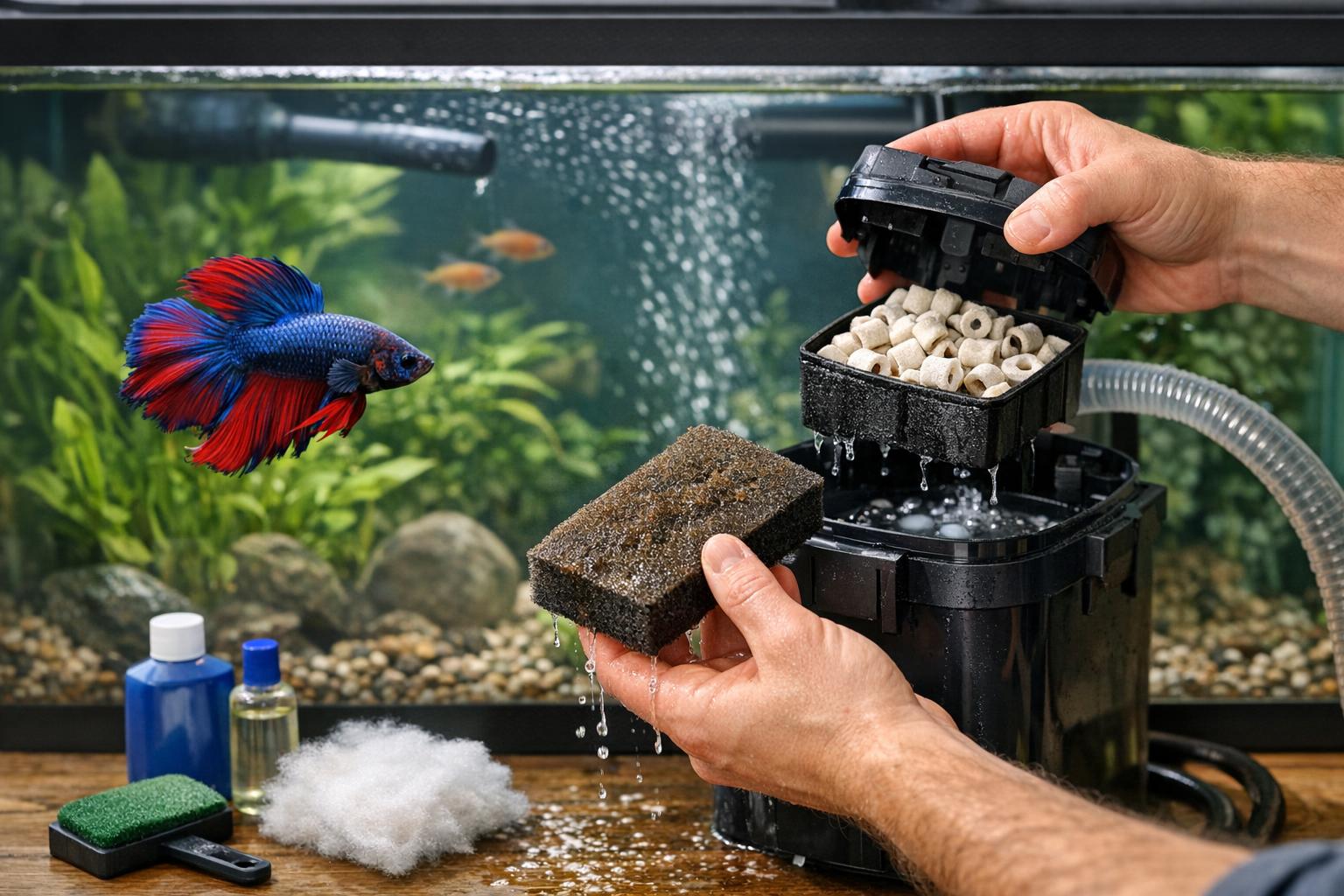
– Clean filter media gently (rinse in tank water) monthly; never replace all media at once to preserve beneficial bacteria.
### Water Testing And Quality
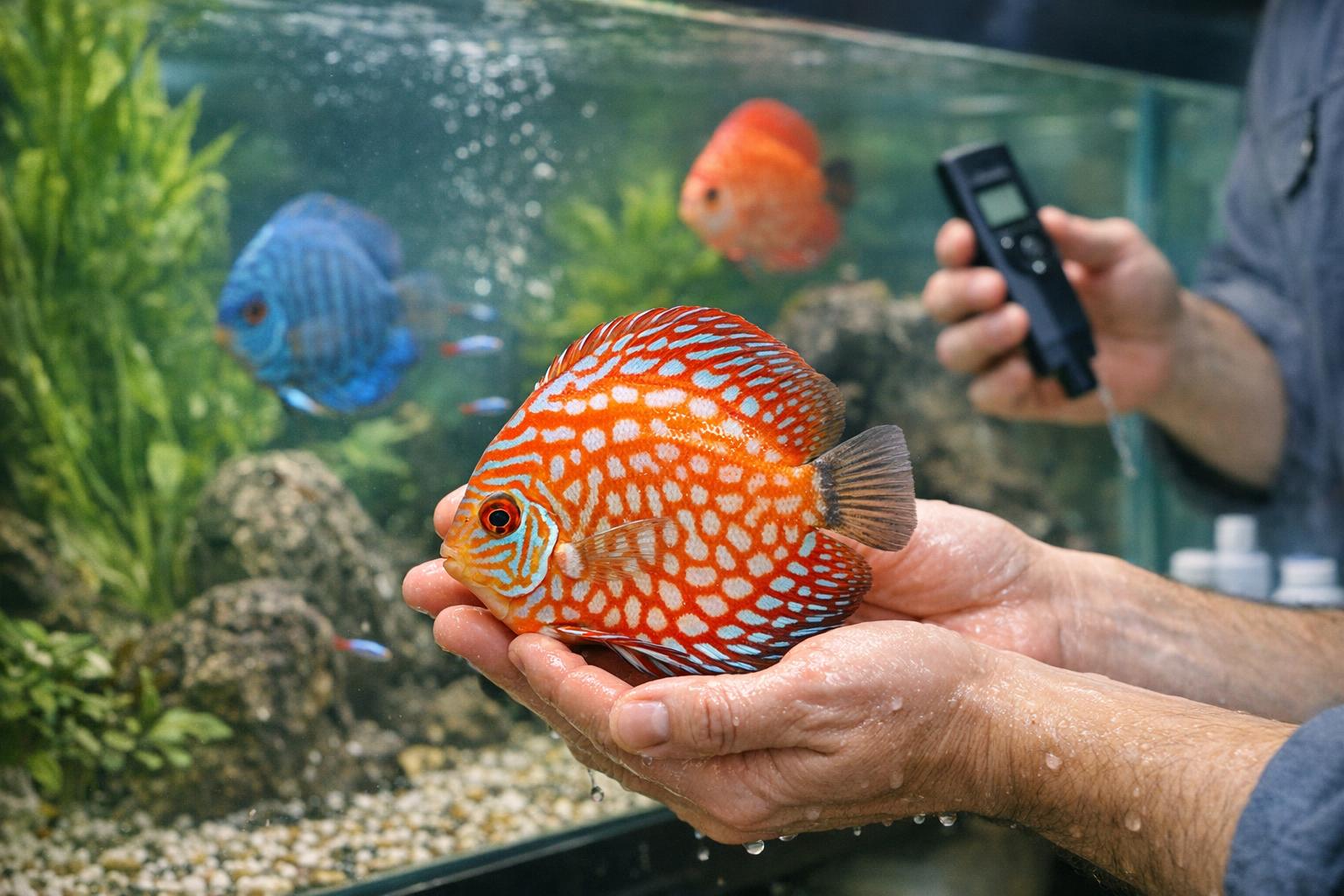
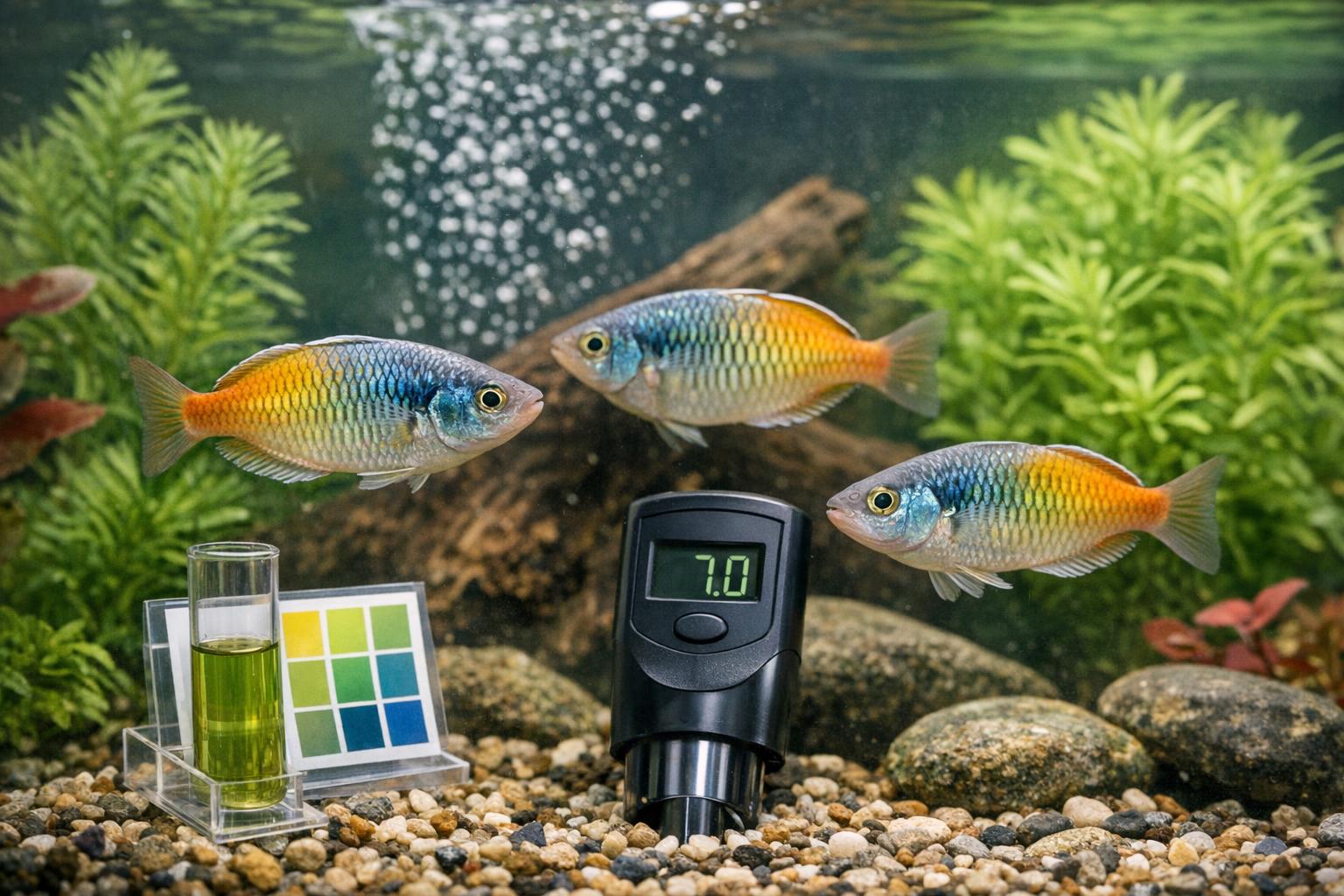
– Test ammonia, nitrite, nitrate weekly. Any elevated ammonia or nitrite indicates overfeeding or inadequate filtration.
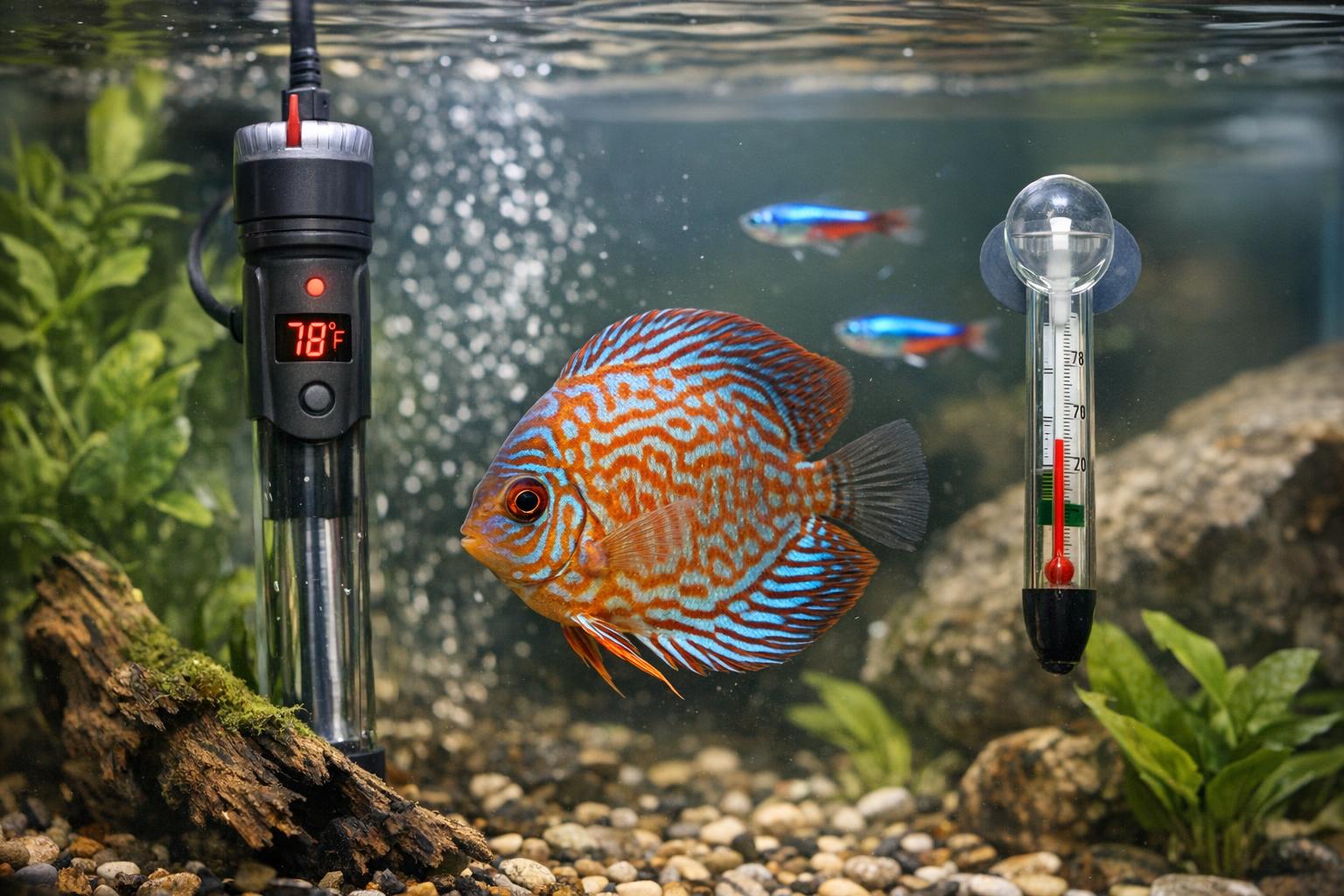
– Maintain temperature 76–82°F (24–28°C) and stable pH depending on your betta’s needs.
– If water quality problems coincide with a betta fish overfed condition, reduce feeding immediately and perform a larger water change.
## Monitoring Behavior And Adjusting
Keep a casual but attentive eye on behavior. Minor habit tweaks can prevent recurring overfeeding.
### When To Seek Veterinary Care
If bloating, labored swimming, lethargy, or drops in appetite continue after fasting and pea treatment, consult an aquatic veterinarian. Persistent internal issues may need medication or professional intervention. A betta fish overfed can sometimes develop secondary infections or irreversible swim bladder damage if left unaddressed.
### Practical Tips For Long-Term Prevention
– Use varied diet with occasional live or frozen treats to reduce constant pellet consumption.
– Resist the “clean plate” instinct—betta health does not improve by finishing every pellet.
– Educate household members on the correct portions and feeding schedule to avoid accidental double-feeding.
If you start small—measure portions, add a weekly fast, have a pea ready for constipation, and maintain clean water—you’ll likely prevent most problems associated with a betta fish overfed. Keep things relaxed, but stick to the plan: your betta will thank you with brighter colors and better swimming (and fewer surprise vet bills).














Leave a Reply