



Keeping your aquarium happy and your fish smiling (well, as close as fish can smile) starts with the basics: stable water chemistry. Ph is one of those invisible but mighty players. This article lays out what you need to know about ph level for freshwater fish, how to test it, and two practical remedies to gently nudge pH where it should be — with clear ingredient lists and step-by-step instructions for each remedy.
## Understanding Ph Level For Freshwater Fish
Think of pH as the personality of the water: alkaline, neutral, or on the sour side. Most freshwater fish prefer a fairly steady personality — sudden mood swings (pH swings) stress them and invite health problems. The pH scale runs from 0 (acid) to 14 (alkaline), with 7 being neutral. What matters most is stability within the range suited to your species.
Many community aquariums thrive between pH 6.5 and 7.5, but some species want it more acidic (tetras, many Amazonian fish) and some prefer alkaline (African cichlids, livebearers). Keep an eye on ph level for freshwater fish because both acute and chronic pH deviations can affect respiration, osmoregulation, and ammonia toxicity.
### Water Chemistry Basics: Ph, Gh And Kh
pH tells you acidity/alkalinity. GH (general hardness) measures dissolved calcium and magnesium — important for osmoregulation and healthy bones/shells. KH (carbonate hardness) measures bicarbonates/carbonates and is the main buffer that keeps pH from swinging wildly.
Low KH = low buffering = pH can change quickly with small additions of acids or bases. That’s why you’ll often see advice to raise KH (not just pH) for long-term stability.
### Signs Of Ph Imbalance In Fish
Fish can’t tell you their pH, but they’ll show symptoms:
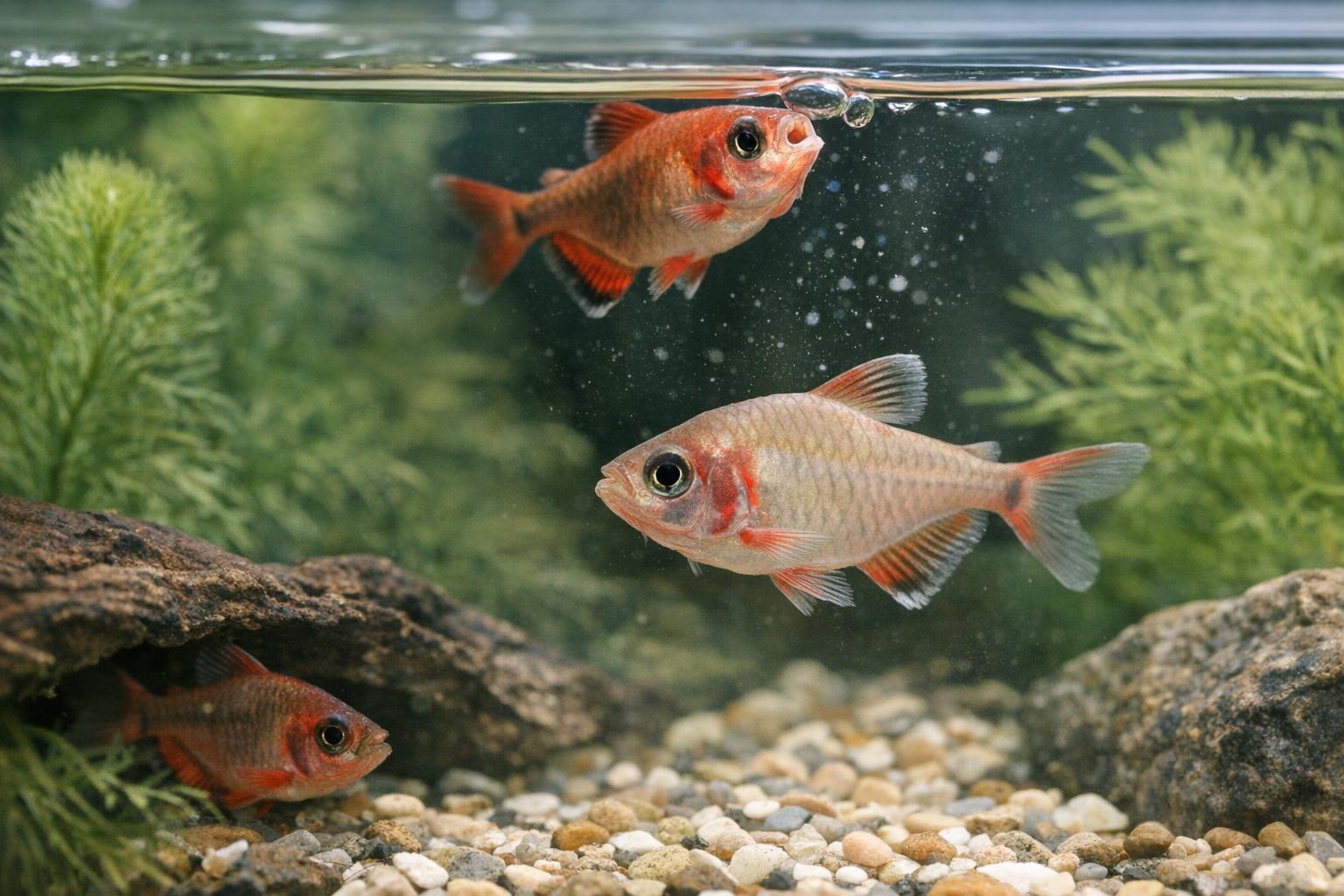
– Listlessness, gasping at the surface
– Loss of appetite, hiding
– Reddened or pale gills, fin clamping
– Sudden increase in disease or fin rot
If you suspect an imbalance, test water immediately. Don’t rush to “fix” pH without data — rapid corrections are more harmful than the original problem.
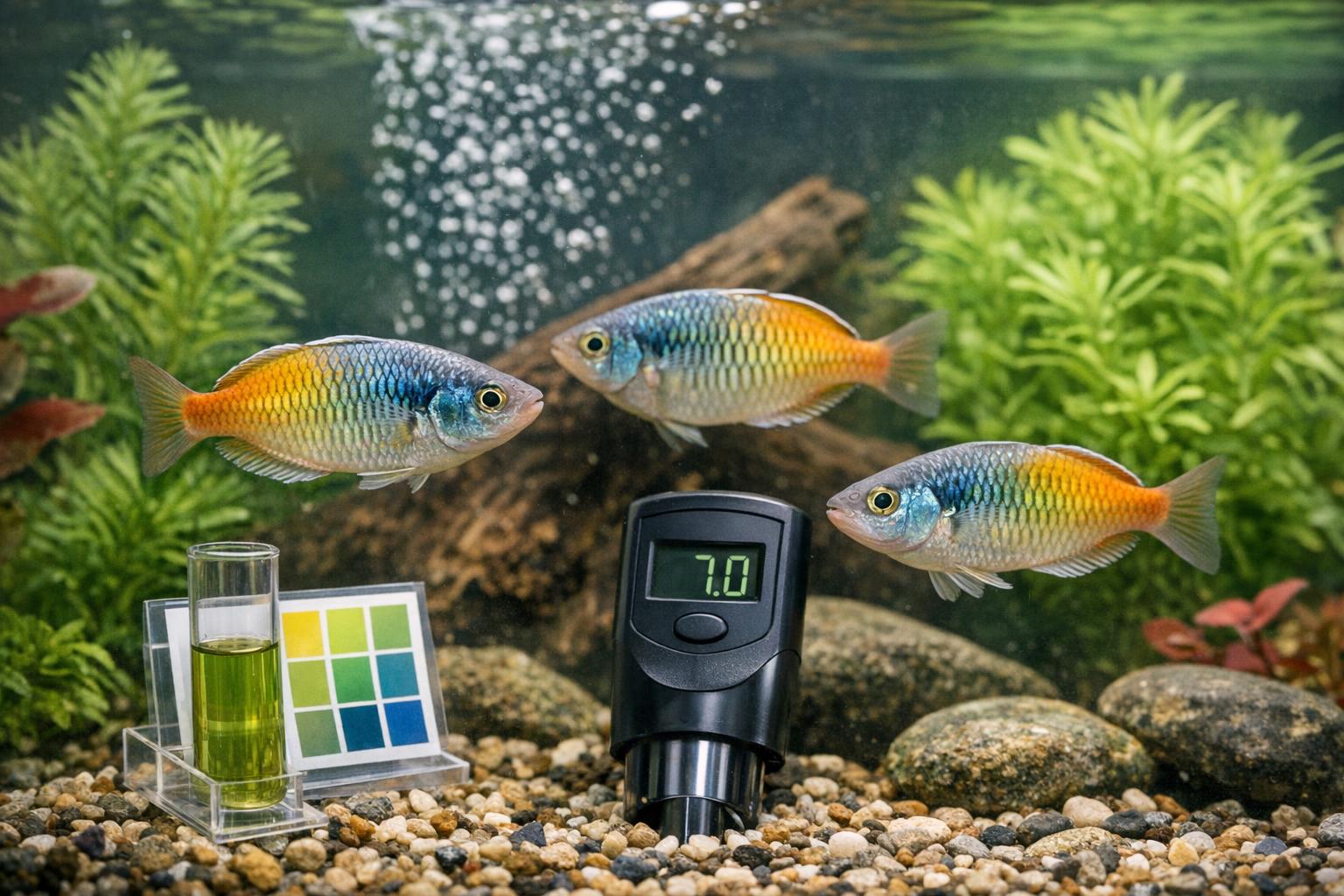
### How To Test Ph
Use one of these:
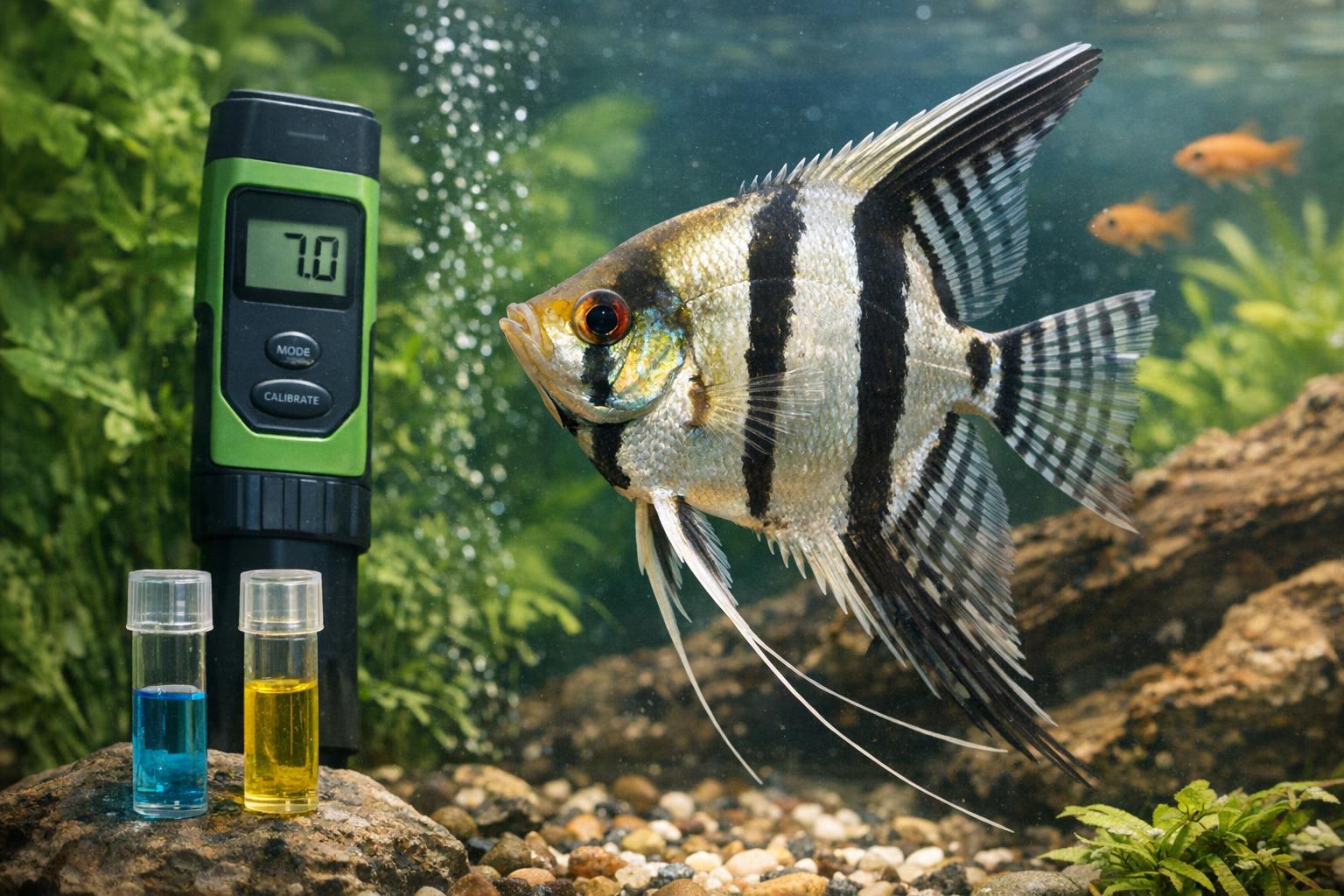
– Liquid test kits (color drop tests): reliable and inexpensive.
– Test strips: quick, slightly less precise — fine for routine monitoring.
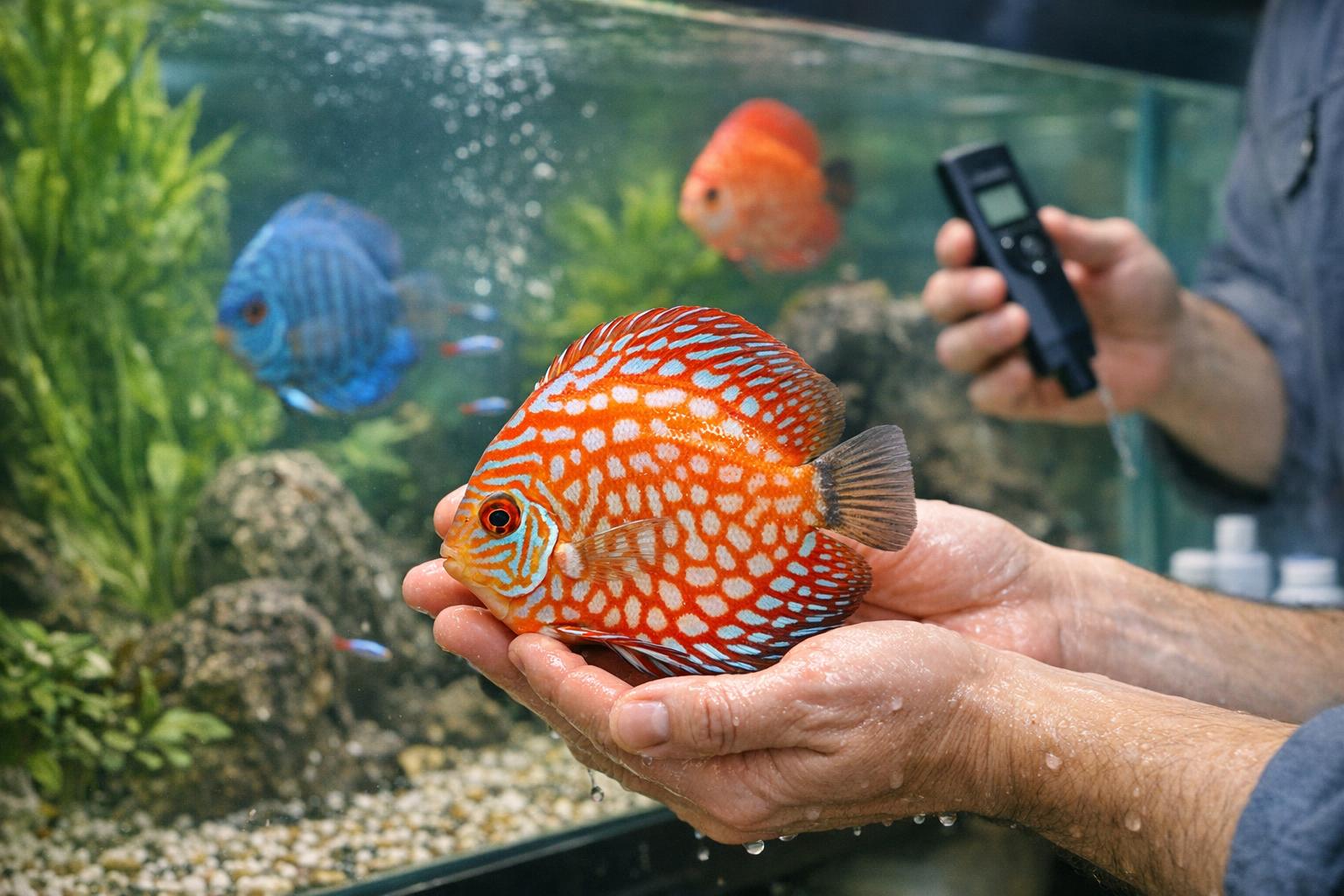
– Electronic pH meter: most accurate for frequent testing; needs calibration and maintenance.
Test frequency: weekly for stable tanks, daily if you’re troubleshooting or making changes. Record results so you can spot trends.
#### How To Read Test Strip Results
Dip briefly, shake off excess, compare to the provided chart quickly — colors fade. For ambiguous readings, confirm with a liquid test. If using an electronic meter, calibrate using pH 7 and pH 4 or pH 10 buffers per the manufacturer’s instructions.
## Remedy 1: How To Safely Raise Ph (Using Crushed Coral Or Baking Soda)
When you need to raise and stabilize pH — especially in soft, acidic water with low KH — two common, relatively safe DIY options are crushed coral in a filter or cautious addition of baking soda. When applied properly, these produce gentle, controlled changes and increase buffering.
Ingredients / Materials
– Crushed coral (aquarium-grade) or aragonite substrate OR baking soda (sodium bicarbonate), food grade
– Mesh filter bag (if using crushed coral)
– Accurate freshwater pH test kit and KH test kit
– Measuring spoon, small container for dissolving (if using baking soda)
– Gloves and eye protection
Step-By-Step: Crushed Coral Method (Long-Term Stabilizer)
1. Test current pH and KH; record baseline values.
2. Place crushed coral or aragonite in a mesh bag. For medium-sized tanks (10–40 gallons), start with about 1/2 to 1 cup of crushed coral in the bag. For larger tanks, scale proportionally.
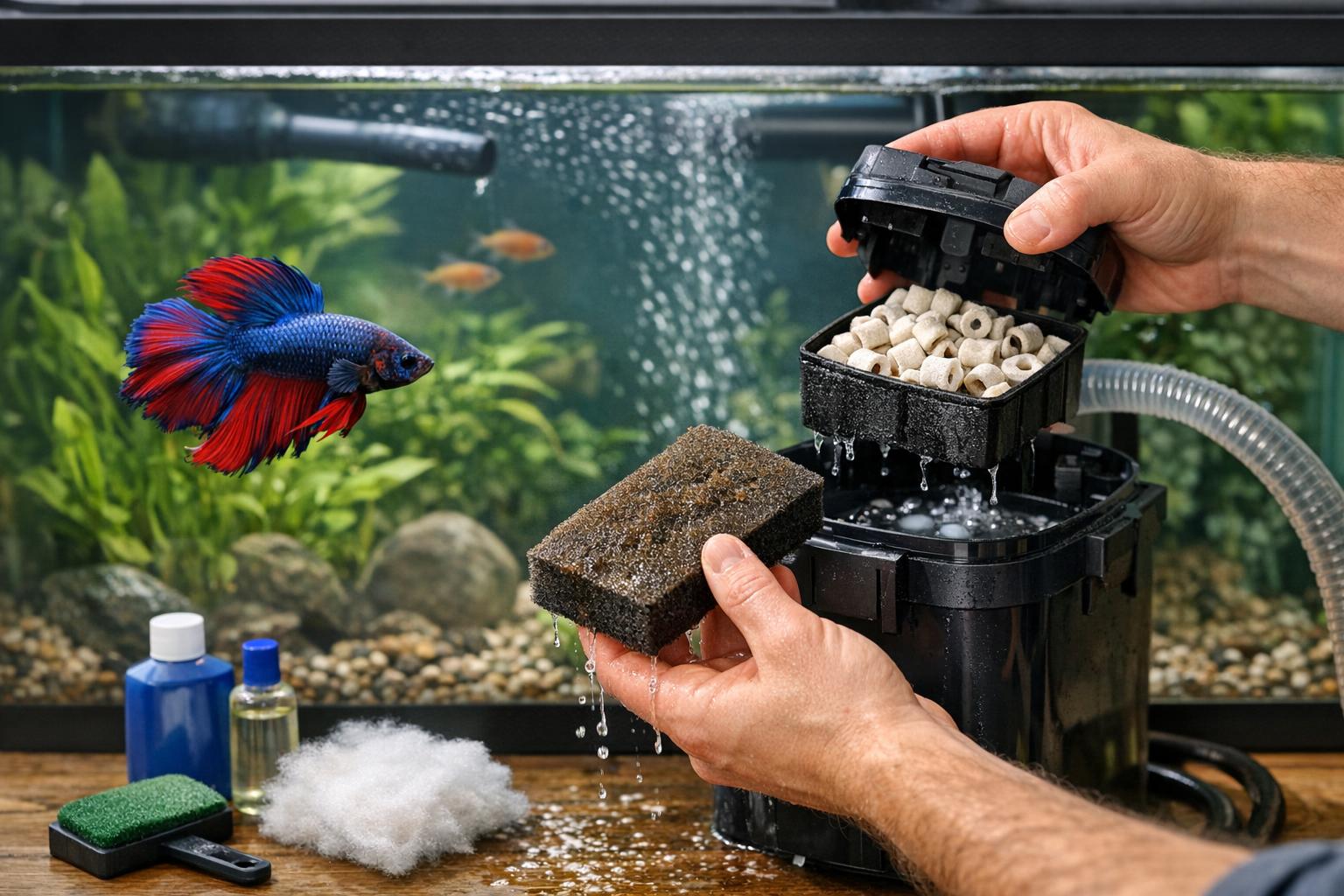
3. Put the mesh bag in your canister filter, hang-on-back filter intake, or in the aquarium where water flow is steady. Avoid dumping directly on substrate unless you intend to use it as substrate.
4. Test pH and KH after 24 hours, then every 48–72 hours for the first two weeks. Expect gradual rises in KH and pH over days to weeks.
5. Adjust the amount of crushed coral as needed to reach desired KH and stabilize pH. Once stable, replace coral after several months if it becomes depleted or clogged.
Step-By-Step: Baking Soda Method (Quick Fix, Short-Term)
1. Test and record pH and KH.
2. Dissolve a small measured amount of baking soda in a cup of aquarium water. Start tiny: dissolve 1/4 teaspoon in the cup for a 10–20 gallon tank as an initial micro-dose.
3. Add only about 10–20% of that solution to the aquarium, then wait 30–60 minutes and retest pH and KH.
4. Repeat in small increments until you reach the target pH/KH. Never add a large dose all at once.
5. Monitor fish over the next 24 hours for signs of stress. If pH drifts back down, consider crushed coral or a commercial KH buffer for longer-term stability.
Notes (Formal, Informative)
– Baking soda increases alkalinity (KH) and will raise pH, but effects can be temporary if underlying causes persist. Use micro-dosing and frequent testing to avoid overshoot.
– Crushed coral is slower but provides a steady, long-term buffering capacity.
– Document all changes and allow fish to acclimate gradually. Rapid pH changes are dangerous.
## Remedy 2: How To Safely Lower Ph (Using Peat, Driftwood Or Reverse Osmosis Water)
Lowering pH should be done slowly. Natural methods that add tannins — peat moss, Indian almond leaves, or well-cured driftwood — tend to be safer than chemical “pH down” products because they mimic conditions many freshwater species evolved in.
Ingredients / Materials
– Sphagnum peat moss (aquarium-safe) in a mesh bag OR well-cured aquarium driftwood OR Indian almond leaves
– Mesh bag or filter media bag
– Reverse osmosis (RO) or distilled water (optional) and mineral supplement (for remineralizing RO water)
– pH and KH test kits
Step-By-Step: Peat Or Driftwood Method (Natural, Slow)
1. Test and record baseline pH and KH.
2. If using peat: rinse peat lightly to remove dust, place 1–2 cups of peat in a mesh bag for a 20–40 gallon tank. Place bag in the filter or in an area of good flow.
3. If using driftwood or almond leaves: make sure driftwood is fully cured (leached) and won’t float; add a small piece or a few leaves to the tank.
4. Monitor pH daily for the first week, then every other day. Tannins will cause a gradual drop in pH and a softening of water; expect changes over several days to weeks.
5. Adjust the amount (add more peat/driftwood or remove some) to slow or accelerate the change. If pH drops too far, remove media and perform partial water changes with source water to raise pH gently.
Step-By-Step: RO Water Mixing (Precise Control)
1. Use RO water to dilute hard/alkaline tap water. Mix RO water with tap water gradually to lower pH and hardness, then add a remineralizer designed for freshwater aquaria if necessary.
2. Prepare small volumes of mixed water and test pH and KH before using for water changes.
3. Perform partial water changes (10–20%) with the mixed water and monitor pH over 24–48 hours.
4. Adjust the RO:tap ratio until you reach the desired, stable pH/KH balance.
Notes (Formal, Informative)
– Peat and driftwood also lower KH slightly, which can destabilize pH if overused — monitor KH along with pH.
– Commercial pH decreasers are effective but can induce rapid changes; use only per manufacturer guidance and with careful monitoring.
### Long-Term Stability: Buffering And Maintenance
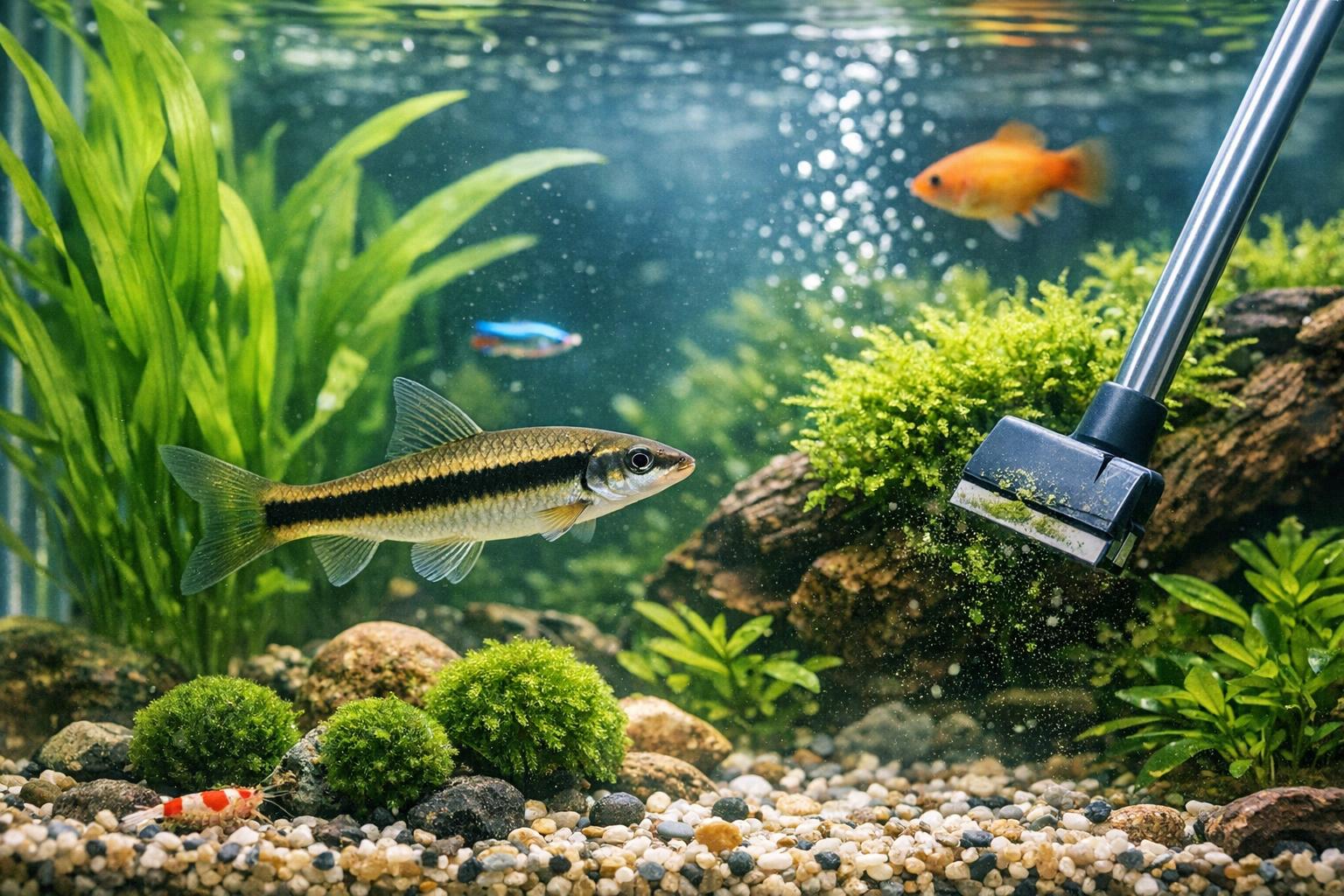
The best strategy is prevention: maintain appropriate KH for your species, avoid mixing incompatible species from different pH preferences, and perform regular, partial water changes with water matched to tank parameters. Keep records of pH and KH, and if you make changes, do them gradually — aim for shifts no greater than 0.2–0.3 pH units per day when possible.
### Species Quick Guide: Best Ph Ranges For Common Freshwater Fish
– Tetras, many Amazonian species: 5.5–7.0
– Bettas and many community tanks: 6.5–7.5
– Livebearers (guppies, mollies): 7.0–8.0
– African Rift Lake cichlids: 7.8–8.6
– Goldfish and koi: 7.0–8.4
Always check species-specific needs; the ph level for freshwater fish is not a single number but a range that pairs with hardness and temperature.
### Troubleshooting And Safety Notes
– Never change pH rapidly. Large swings cause osmotic stress and can be fatal.
– Ammonia toxicity increases at higher pH — when in doubt, test ammonia, nitrite, and nitrate along with pH.
– If you see erratic readings, cross-check with another test method (liquid kit vs. meter) before taking action.
– When in doubt or dealing with sick fish, consult an aquatic veterinarian or experienced aquarist before making major water chemistry changes.
Keeping ph level for freshwater fish steady and suited to your stock is less about magic tricks and more about careful testing, patience, and incremental adjustments. Follow the steps above, use the materials and remedies responsibly, and your aquarium will be much more forgiving — and your fish will thank you in the only way they can: by being less dramatic.













Leave a Reply