

Fish are masters of looking calm and mysterious while quietly telling you something’s wrong with a tiny flick or a sad fin. If you keep an aquarium — small or sprawling — you’ll eventually encounter health bumps. Below I’ll walk you through the most common diseases in fish, how to recognize them, and practical remedies you can do at home (with clear ingredient lists and step-by-step instructions). Relax — fish are resilient and many issues are treatable when caught early.
## Common Diseases In Fish: Quick Overview
When you search for common diseases in fish, you’ll find a handful that show up more often than others. These include ich (white spot disease), fin rot, fungal infections, bacterial infections like columnaris, swim bladder disorders, internal parasites, and problems from poor water quality such as ammonia or nitrite poisoning. Some are infectious, others are environmental or stress-related, and some are secondary complications.
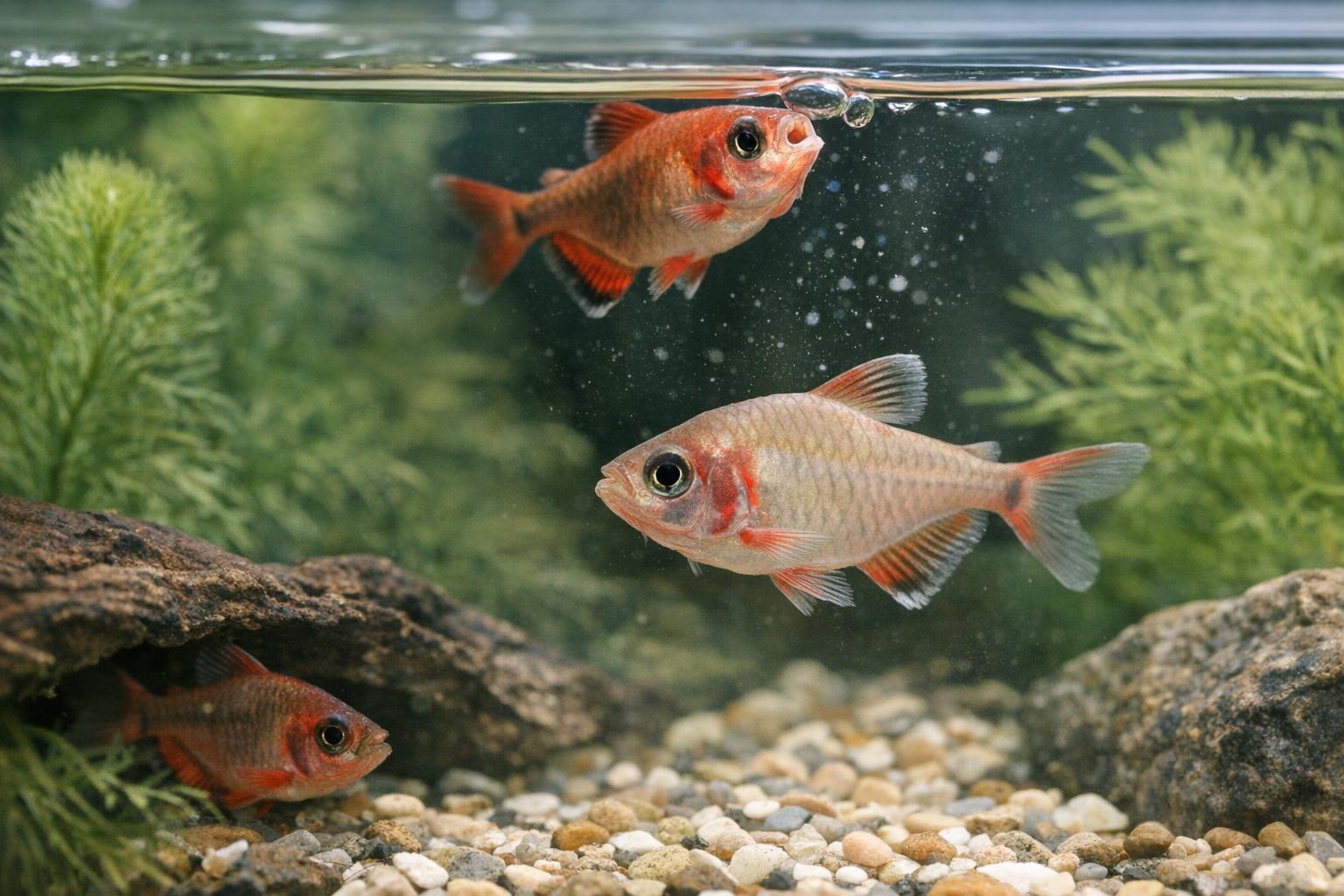
These common diseases in fish often share overlapping signs — lethargy, loss of appetite, clamped fins, color changes, abnormal swimming, and surface gasping. Observing behavior and water parameters daily is the simplest early warning system. Below are practical remedies for three frequent problems, plus a prevention checklist.
### Remedy 1: Treating Ich (White Spot Disease)
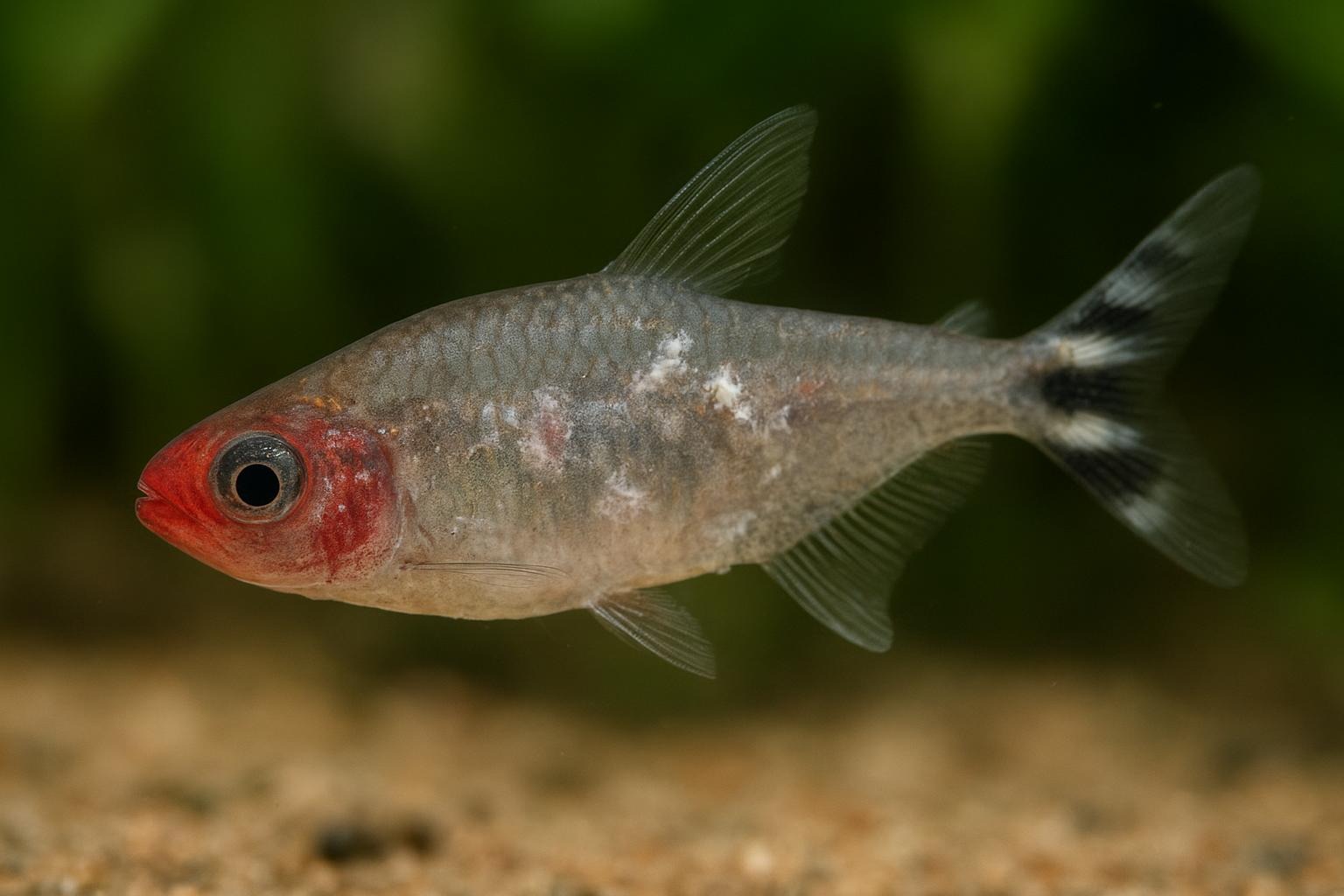
Ichthyophthirius multifiliis — or ich — is one of the most common diseases in fish. It looks like tiny grains of salt sprinkled on fins and body. Left alone, it can rapidly spread and be fatal.
Ingredients / Materials
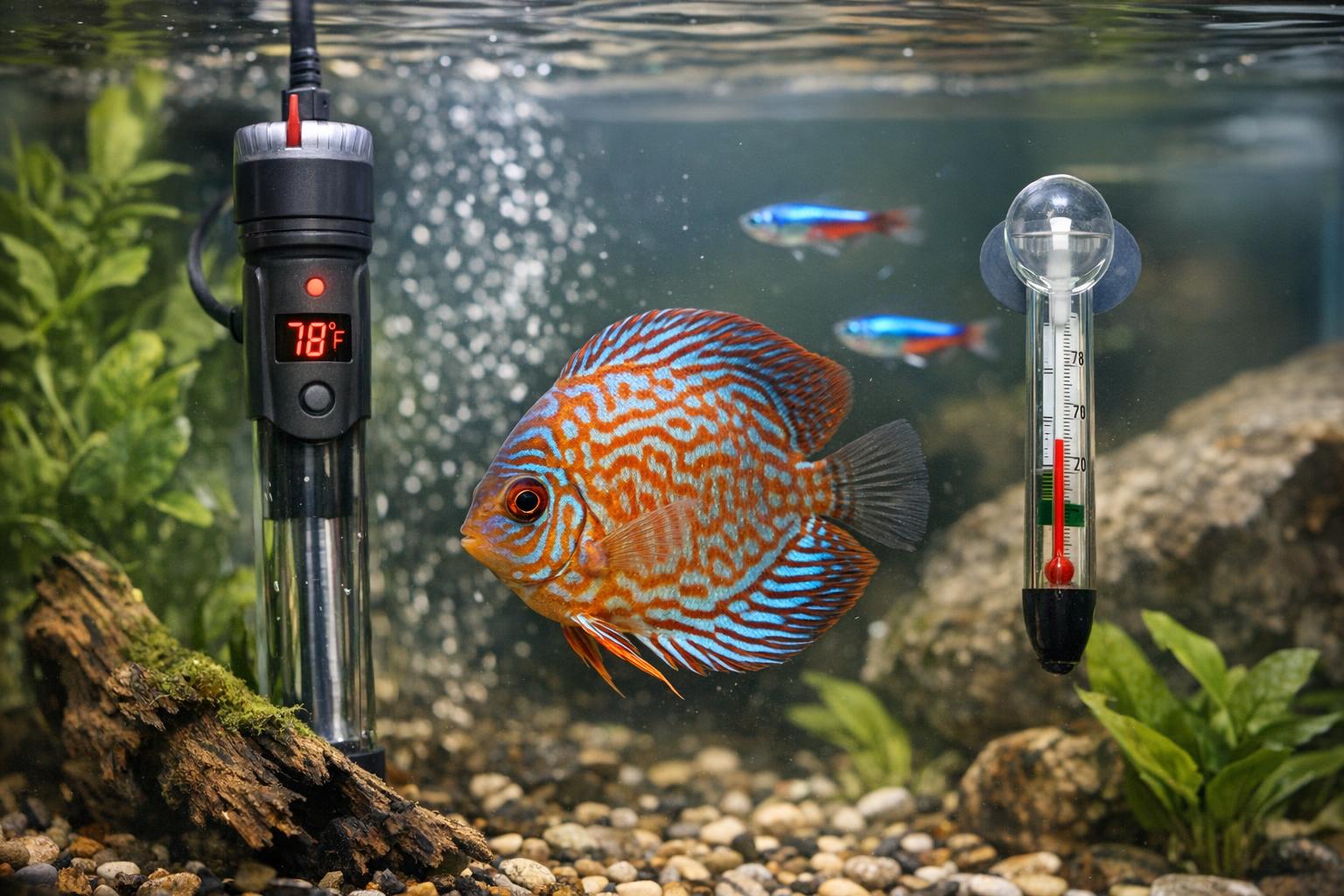
– Aquarium thermometer
– Clean bucket for transfers
– Aquarium salt (non-iodized)
– Commercial ich medication (malachite green, formalin, or copper-based medications depending on species)
– Siphon and dechlorinator
– Heater (to maintain temperature)
Step-By-Step Treatment
1. Quarantine: If possible, move infected fish to a quarantine tank to protect healthy inhabitants. Use water from the main tank to reduce shock.
2. Raise Temperature (If Appropriate): Increase water temperature by 2–3°C (3–5°F) to speed the ich life cycle — this makes treatments more effective. Some coldwater species may be stressed by this; research your species first.
3. Add Aquarium Salt: For most freshwater community fish, add 1 tablespoon of aquarium salt per 5 gallons (follow species-specific tolerances). Salt helps reduce osmotic stress and can reduce ich severity.
4. Apply Medication: Follow the manufacturer instructions for your chosen ich medication. Treat the entire aquarium if you cannot quarantine, and continue treatment through at least one full life cycle of the parasite (often 7–10 days at raised temperature).
5. Perform Regular Water Changes: Remove medication residues and waste. Do partial water changes (20–30%) every 2–3 days with dechlorinated water at the same temperature.
6. Monitor And Repeat: Continue treatment until all white spots are gone and fish behavior has normalized for at least a week.
Notes: Copper-based medications are toxic to invertebrates and some plant life. Formalin and malachite green require careful dosing and ventilation. When in doubt, consult your medication’s label and a veterinarian.
#### Signs To Watch
White spots, rubbing against objects, lethargy, rapid breathing. Early detection improves outcomes.
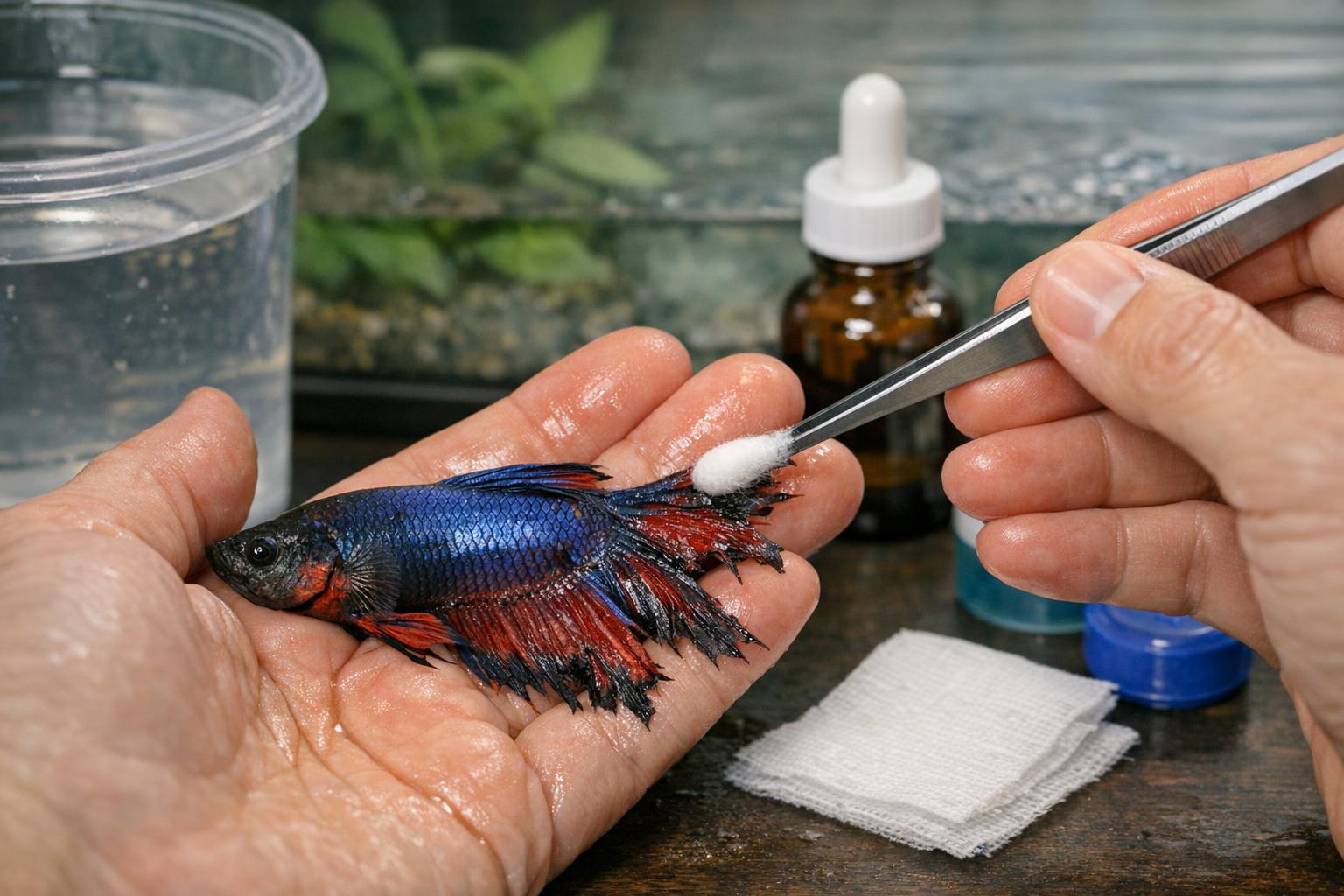
### Remedy 2: Treating Fin Rot (Bacterial Necrosis Of Fins)
Fin rot usually starts as frayed edges and can progress to significant tissue loss. It’s often bacterial and opportunistic, flaring when fish are stressed by poor water or aggression.
Ingredients / Materials
– Water test kit (pH, ammonia, nitrite, nitrate)
– Aquarium salt
– Broad-spectrum antibacterial medication (e.g., erythromycin or commercial fin-rot mixes)
– Net and clean bucket
– Therapeutic aquarium gravel vacuum
Step-By-Step Treatment
1. Test Water Parameters: Check ammonia, nitrite and nitrate immediately. High ammonia or nitrite is a common underlying cause. Correct these first with water changes and filtration.
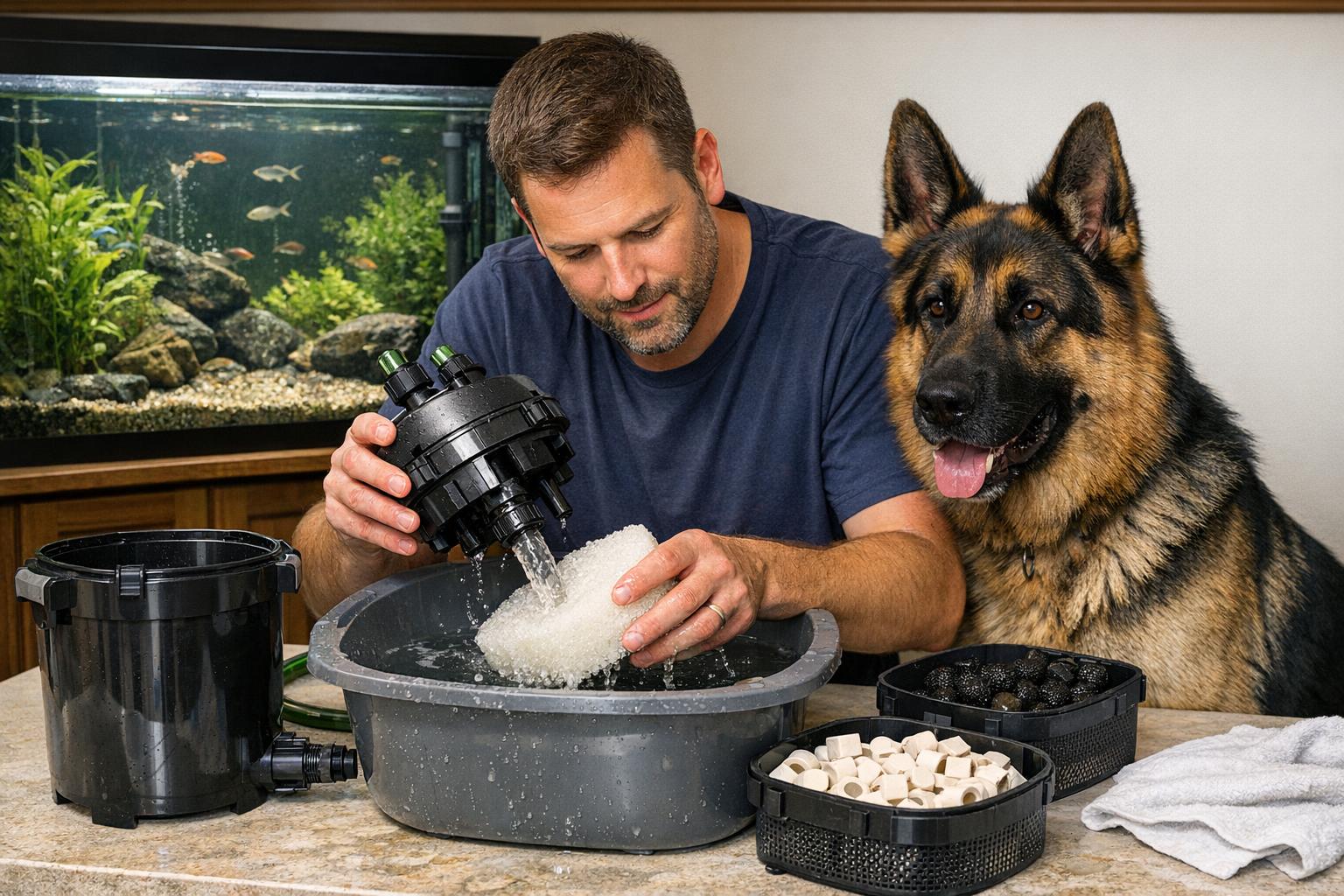
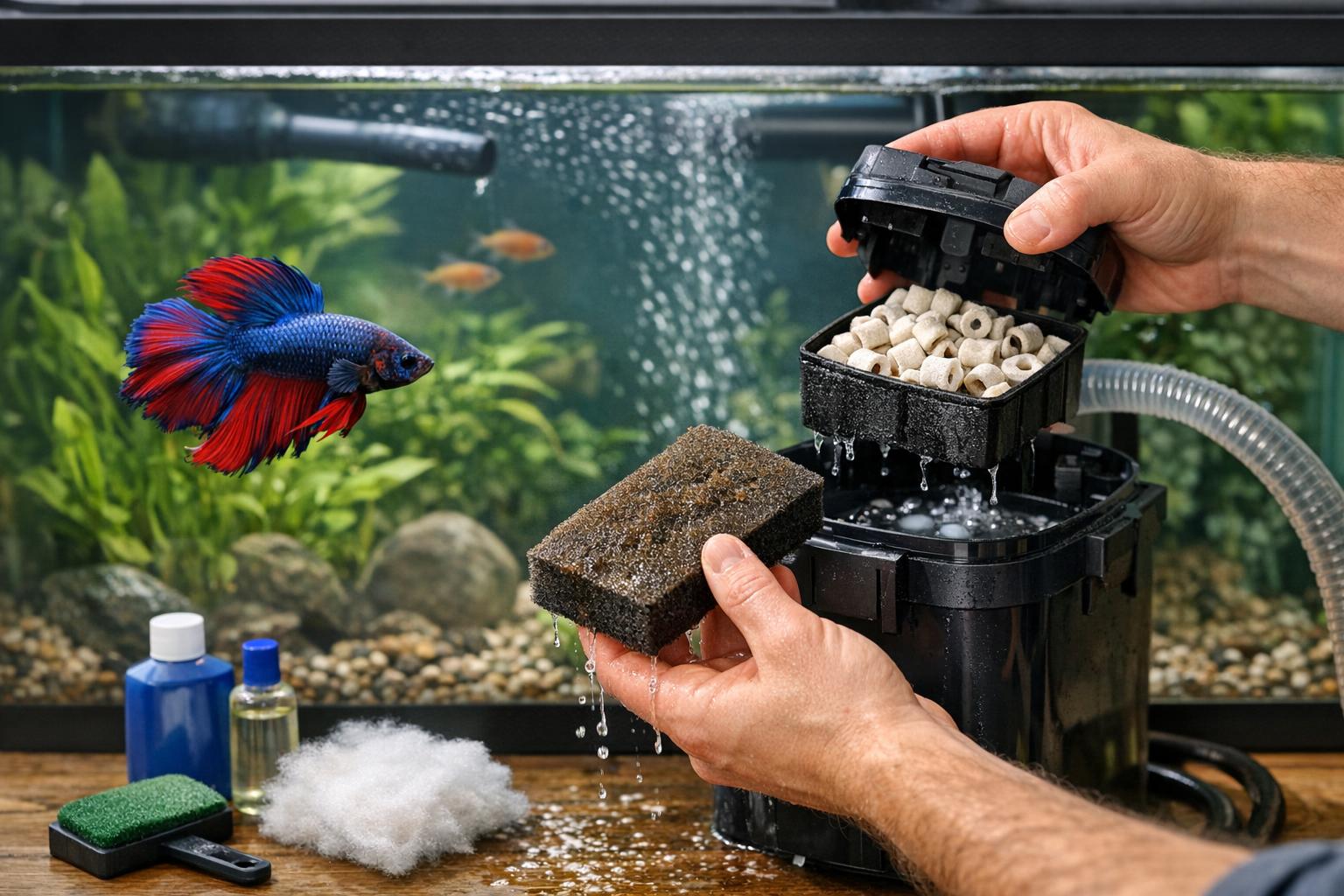
2. Improve Water Quality: Perform a 25–50% water change. Clean filter media gently in old tank water (not tap water) to retain beneficial bacteria.
3. Add Aquarium Salt: For many freshwater fish, add 1 tablespoon per 5 gallons to reduce osmotic stress and support healing.
4. Begin Antibacterial Treatment: Dose according to product directions for fin rot. Some treatments require multiple doses over several days. Maintain attentive water changes as medication can affect biological filtration.
5. Remove Aggressors: If fin nipping from tankmates is a culprit, rehome or separate aggressive fish.
6. Monitor Healing: Fins should begin to regrow within 1–2 weeks if conditions improve. Continue treatment as directed, and keep water pristine.
Notes: If the rot is severe and tissue is black or the base of the fin is eaten away, consider consulting an aquatic vet — systemic infections may require different antibiotics.
### Remedy 3: Treating Swim Bladder Problems
Swim bladder disorders cause buoyancy issues — fish may float sideways, sink, or struggle to maintain level swimming. Causes include constipation, bacterial infections, or developmental issues.
Ingredients / Materials
– Peas (frozen green peas, thawed, skins removed)
– Siphon and clean bucket
– Aquarium salt (optional)
– Broad-spectrum antibacterial if infection suspected
– Heating source to maintain stable temperatures
Step-By-Step Treatment
1. Fast The Fish: Do not feed for 24–48 hours to clear any constipating food.
2. Feed Cooked, Skinned Peas: Offer a small piece of pea (remove outer skin) once or twice. Peas act as a mild laxative for many species like goldfish and bettas.
3. Observe For Improvement: If buoyancy improves after a couple of feedings, continue small pea feedings for 2–3 days.
4. If No Improvement, Check Water Quality: Test for ammonia and nitrite spikes — poor water can exacerbate swim issues.
5. Consider Antibacterial Treatment: If swim bladder disorder is accompanied by bloating, redness, or lethargy, a bacterial cause may be present. Follow a veterinarian’s suggestion or use appropriate aquarium antibiotics per label instructions.
6. Prevent Recurrence: Adjust feeding routines — avoid overfeeding and provide high-fiber foods periodically.
Notes: Not all swim bladder problems respond to peas; internal structural issues won’t be fixed this way.
### Preventing Common Diseases In Fish
Prevention is easier (and cheaper) than treatment. These practical steps reduce the risk of common diseases in fish:
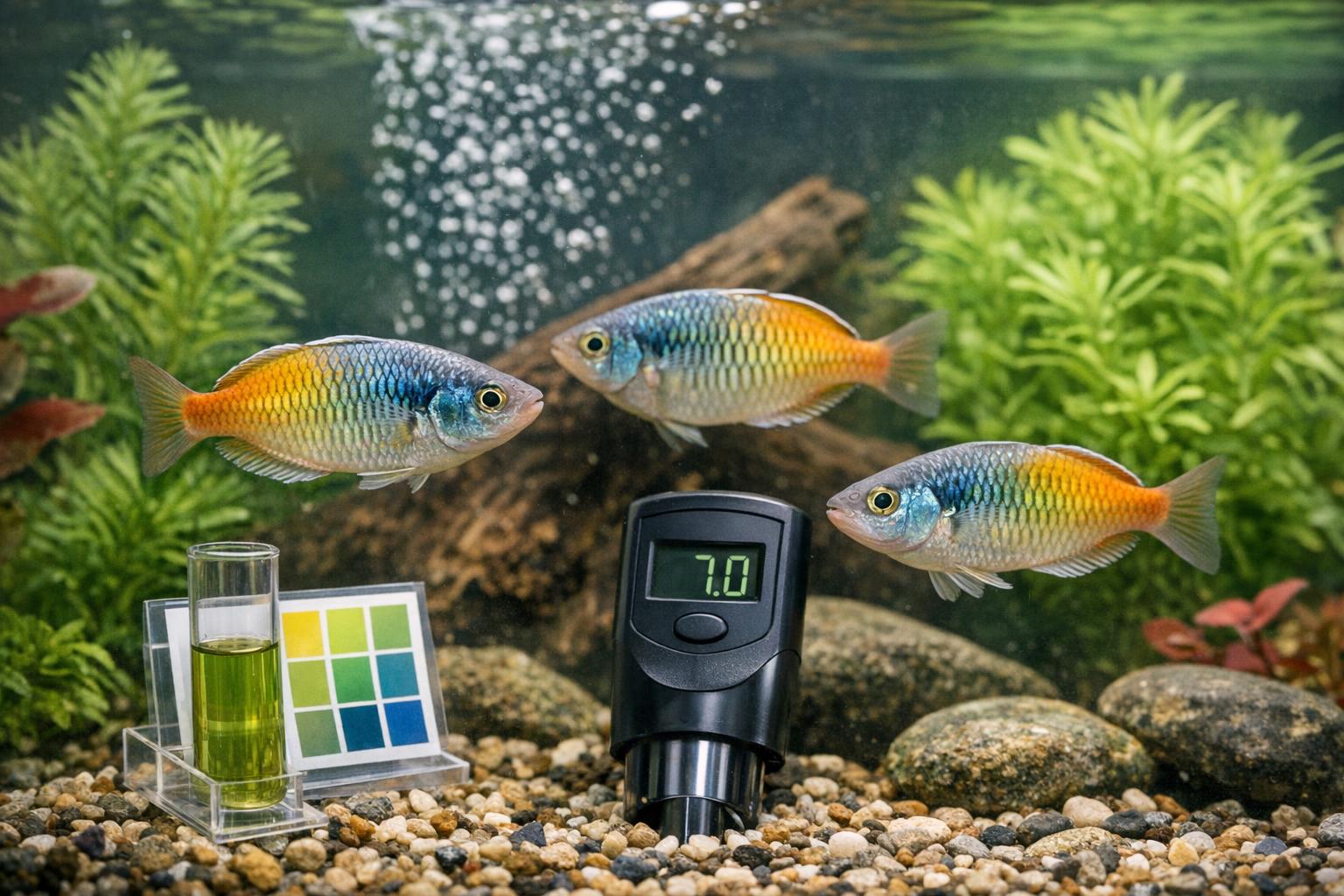
– Test water weekly and maintain zero ammonia and nitrite, and low nitrates.
– Do regular partial water changes (10–25% weekly depending on bioload).
– Quarantine new fish for 2–4 weeks before adding them to the main tank.
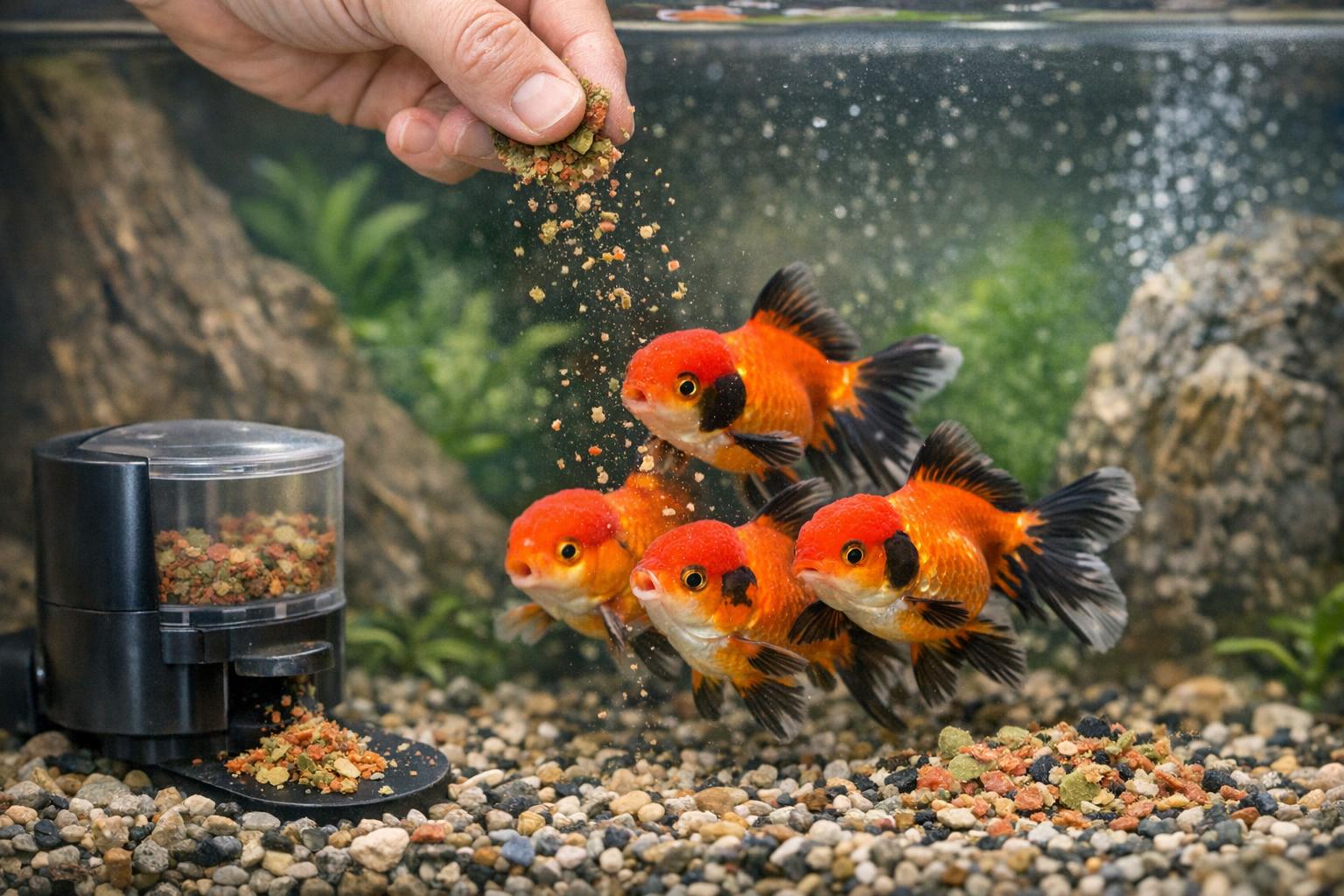
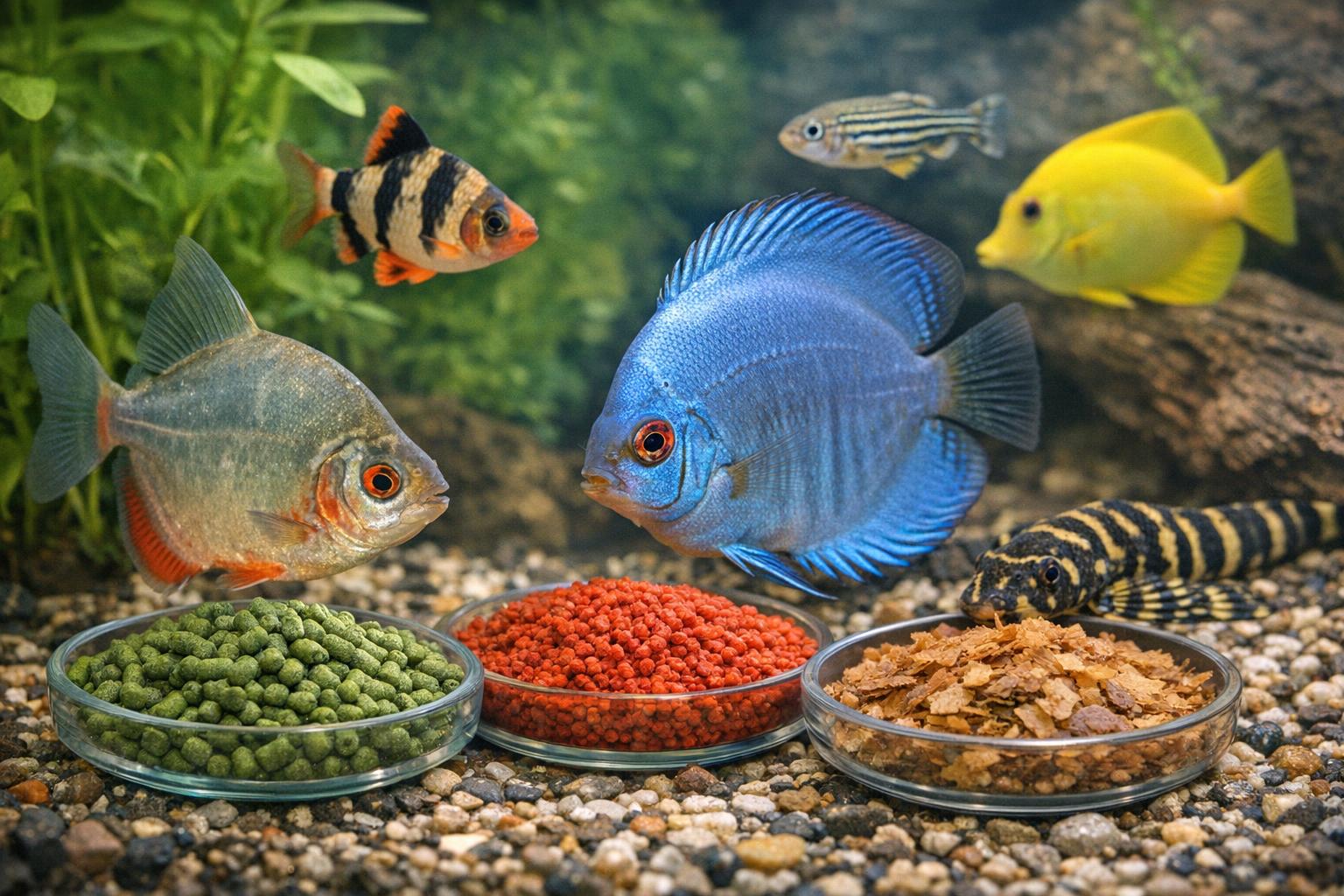
– Avoid overfeeding; feed small amounts that are eaten within a few minutes.
– Maintain stable temperatures and suitable water chemistry for your species.
– Avoid overcrowding; give fish appropriate space and hiding places.
– Observe fish daily for early signs of stress or disease.
### When To Call A Professional
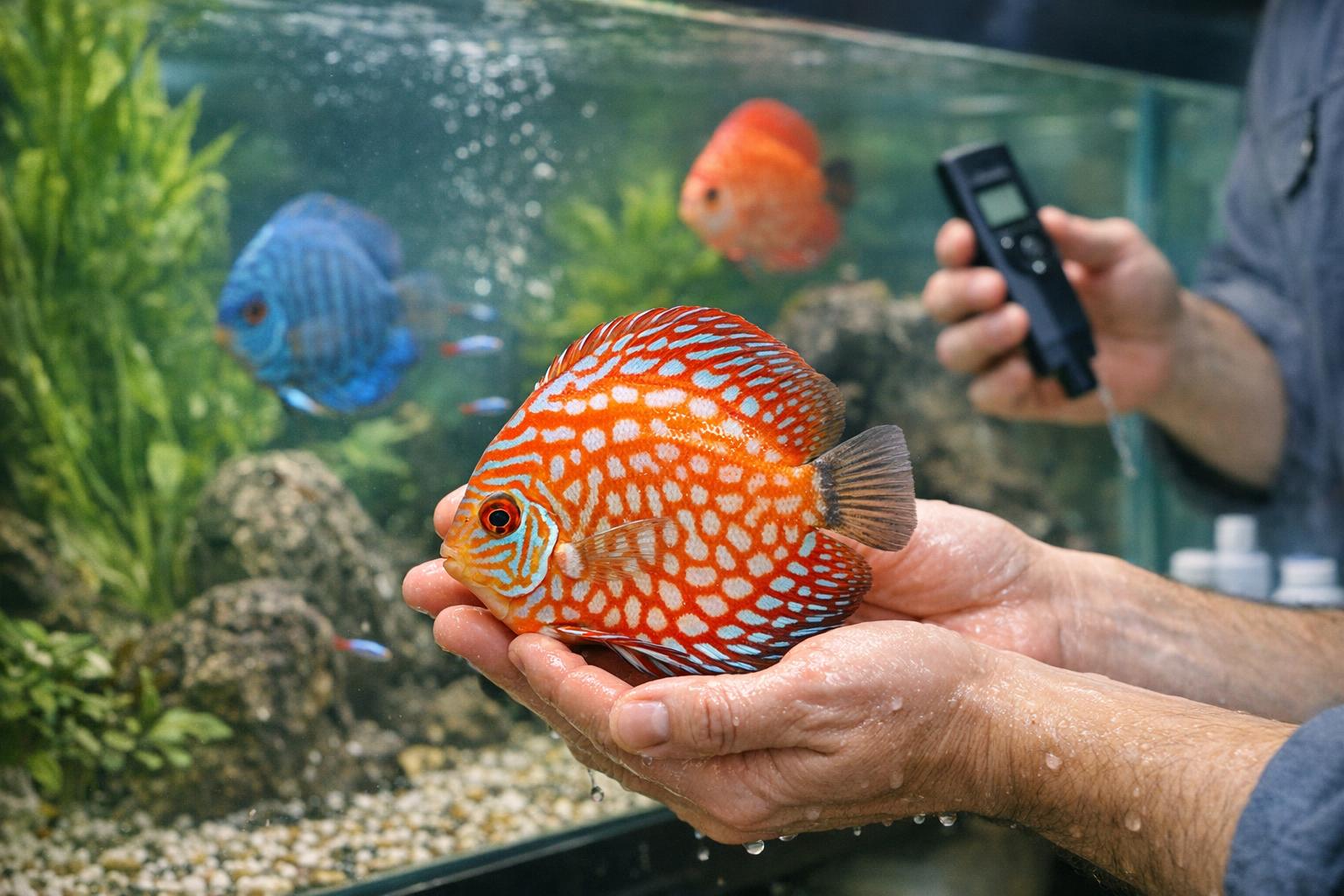
If fish show rapid deterioration, multiple fishes fall ill in succession, or you suspect a systemic bacterial or parasitic infection that does not respond to first-line remedies, consult an aquatic veterinarian. Some medications require prescriptions or professional oversight, particularly for severe systemic infections.
#### Keeping Records Helps
Note water parameters, medication dosages, temperatures, and treatment dates. This makes it easier to troubleshoot stubborn problems and provides useful information if you consult a vet or an experienced aquarist.
If you stay observant, address water quality first, and treat early with the right materials and steps, the most common diseases in fish are manageable. Fish may be quiet roommates, but they reward you handsomely for consistent care and a little detective work.





Leave a Reply