




Dogs are adorable, goofy, and occasionally give you that dramatic “I have something in my eye” look. A little tear staining or mild discharge is common, especially in light-colored breeds or those with facial folds. With a gentle, safe approach you can keep your pup’s eyes comfortable and clean — without resorting to harsh chemicals or chasing them with a cotton swab like it’s a tiny earwig.
## Gentle Home Care: Eye Cleaning Solution For Dogs Naturally
If you’re searching for an eye cleaning solution for dogs that is gentle, inexpensive, and easy to make at home, this guide walks you through a simple, vet-friendly formula and how to use it correctly. We’ll keep things relaxed but precise when it comes to ingredients and steps — because your dog’s eyes deserve both love and accuracy.
### Why Gentle Eye Care Matters
Eyes are delicate. Dogs can tolerate a lot, but the tissues around the eye and the surface of the eye itself can become irritated by soaps, fragrances, or undiluted solutions. Over-cleaning or using an aggressive product can strip protective tears or cause redness. A mild, saline-based eye cleaning solution for dogs helps dissolve crusts, wash away debris, and reduce staining risks without irritating tissue. Think of it as a spa day: not a pressure wash.
### When To Clean And When To Call The Vet
A weekly wipe-down is often enough for many dogs. Clean more often if your dog has heavy tearing, allergies, or obvious crusting. Seek veterinary care immediately if you notice:
– Thick yellow or green discharge
– Swelling, extreme redness, or pain around the eye
– Squinting, pawing at the eye, or sudden vision change
These signs could indicate infection, injury, or blocked tear ducts that need professional treatment before a home remedy will help.
### Ingredients And Materials For The Solution
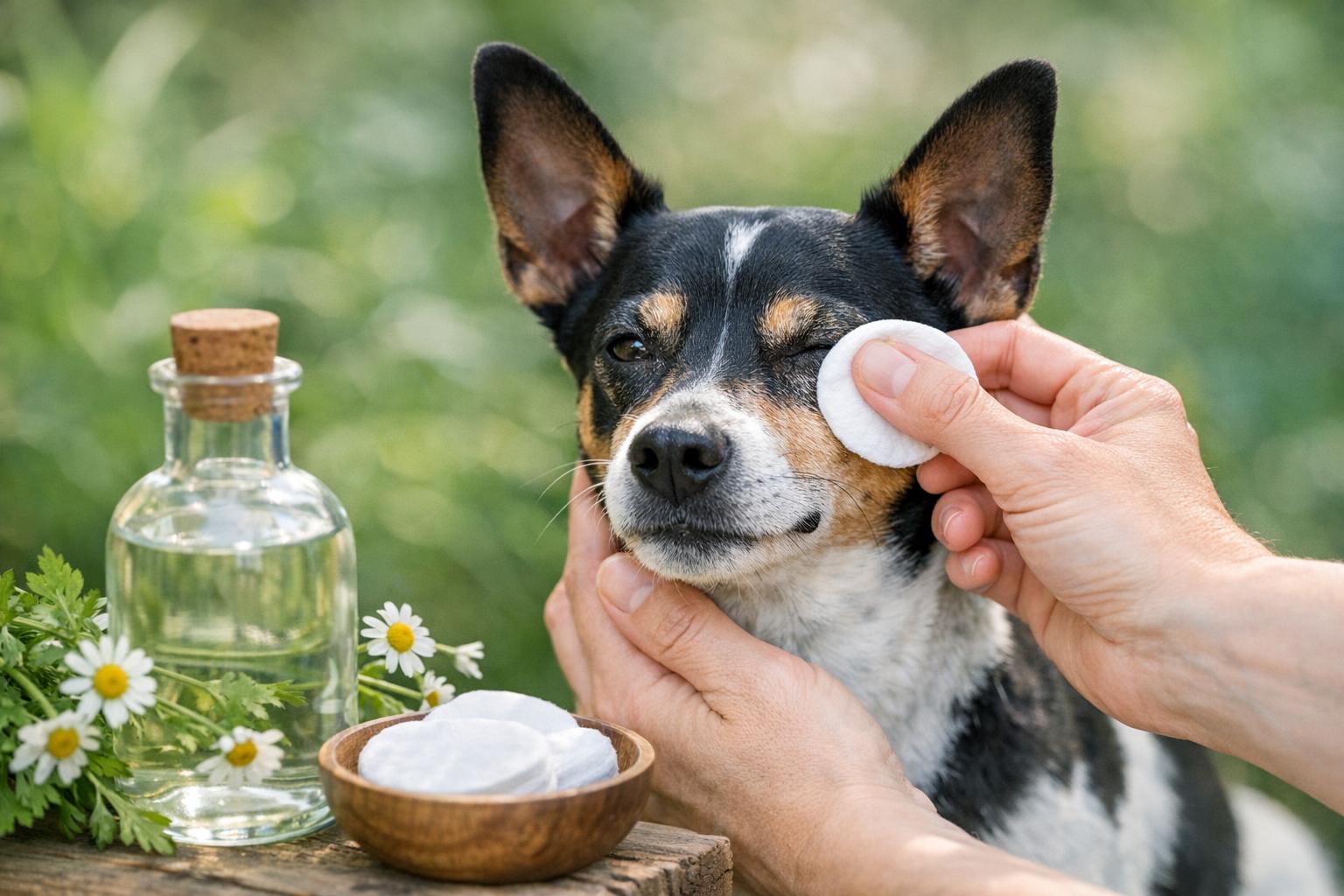
For a single, safe, veterinarian-friendly eye cleaning solution for dogs, you’ll need:
– 1 cup (240 ml) distilled water (boiled and cooled if using tap water)
– 1/4 teaspoon non-iodized sea salt or table salt (no additives)
– 1/8 teaspoon baking soda (optional — helps with mild crusting and adjusts pH)
– Sterile gauze pads or soft, lint-free cloths
– Small clean bowl/container
– Syringe without needle or small dropper (optional, for rinsing)
– Clean towel
Note: Avoid hydrogen peroxide, alcohol, or human eye drops unless specifically prescribed by your vet.
### Step-By-Step Creation And Application (Formal Procedure)
1. Preparation And Sterility
– Wash your hands thoroughly with soap and water. Dry them with a clean towel.
– Use distilled water, or bring tap water to a rolling boil for 5 minutes and let it cool to room temperature. This reduces bacterial contamination.
2. Mixing The Solution
– In the clean bowl, combine 1 cup (240 ml) of the cooled distilled or boiled water with 1/4 teaspoon non-iodized salt. Stir until fully dissolved.
– If opting to include baking soda, add 1/8 teaspoon and mix until dissolved. The final solution is a mild isotonic saline with a slightly buffered pH — appropriate for superficial cleaning of the eye area.
– Transfer the prepared solution to the sink of a clean container or use immediately. Do not store homemade solutions longer than 24 hours; discard any unused portion thereafter.
3. Preparing Your Dog
– Choose a calm, well-lit area. Have someone gently hold your dog if needed. Speak in soothing tones and reward with treats to keep it positive.
– Gently wipe away loose debris near the eye with a dry, soft cloth before applying the solution so you don’t rub crusts into the eye.
4. Application Methods (Choose One)
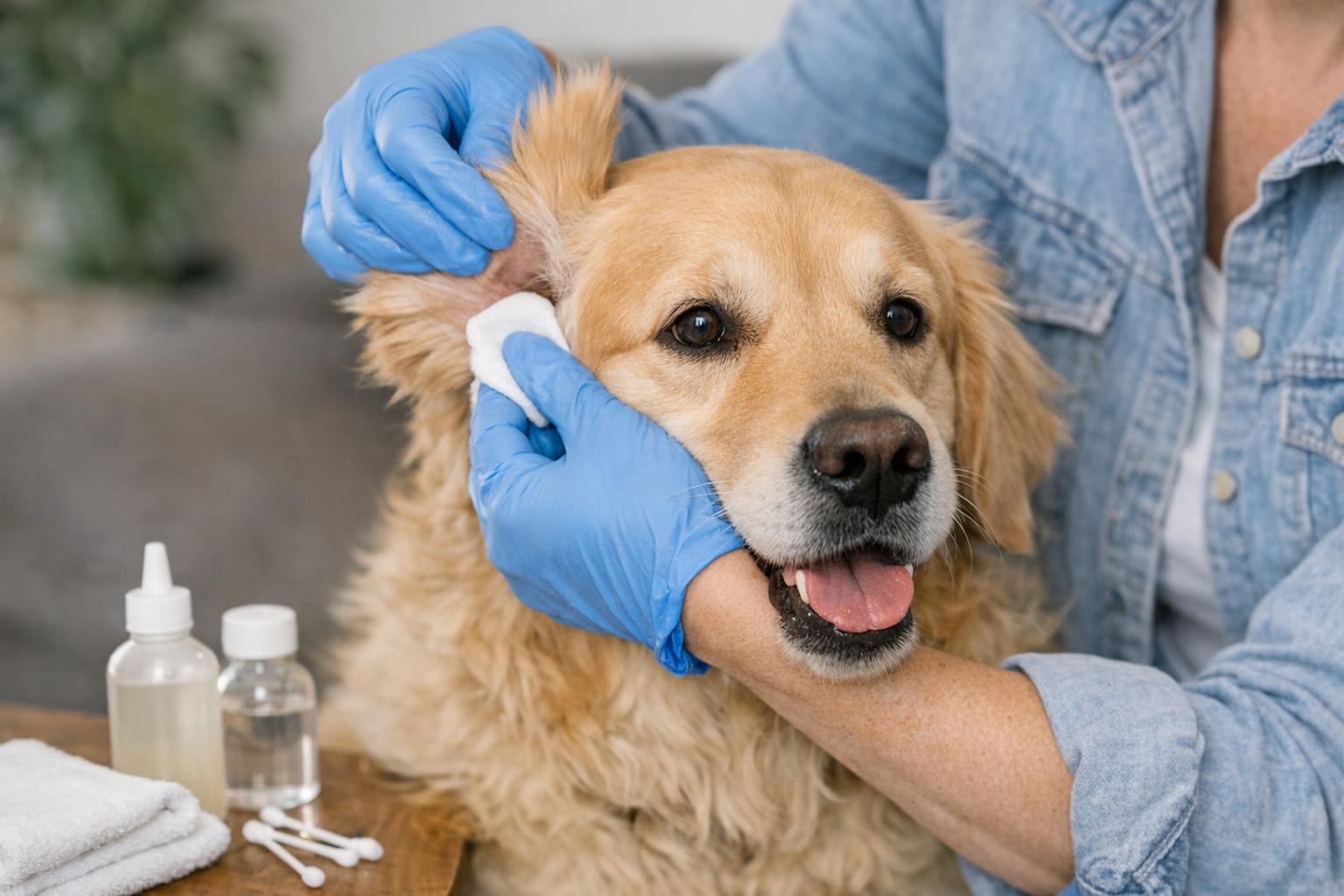
– Soaked Gauze Method: Fold a sterile gauze pad into a small square, soak it with the solution (not dripping), and gently wipe from the inner corner of the eye outward. Use a fresh piece for each wipe to avoid reintroducing debris.
– Dropper Rinse Method: Fill a clean dropper or syringe (no needle) with solution. With your hand supporting your dog’s head, hold the eyelids open gently and apply 1–2 drops into the corner of the eye. Allow fluid to flow across the eye; then let your dog blink naturally. Use as a gentle rinse, not a forceful flush.
– Rinse And Pat Dry: After wiping or rinsing, gently pat the area dry with a lint-free cloth. Avoid rubbing.
5. Frequency And Monitoring
– For routine maintenance: once daily or every other day as needed.
– For mild crusting: up to 3 times daily for a short course, watching for improvement.
– Stop and consult a veterinarian if irritation increases, discharge changes color, or there’s no improvement within 48–72 hours.
6. Cleanup And Disposal
– Dispose of used gauze and any solution remaining after 24 hours. Clean and sterilize your dropper or syringe between uses with boiling water, or replace cheaply as needed.
### Tips For A Calm Cleaning Session
– Keep treats handy and praise liberally; a positive association makes future cleanings smoother.
– Trim facial hair that channels tears toward the eye (careful with scissors; if in doubt, ask a groomer).
– If your dog is nervous, try short sessions — a quick wipe today, a longer rinse tomorrow.
– Never use human medicated drops or ointments unless prescribed for your dog — what’s fine for your eye isn’t always safe for theirs.
### Signs The Solution Is Working And When To Reassess
A good eye cleaning solution for dogs will reduce crusting, remove surface debris, and lessen staining over time. You should see:
– Softer crusts that come away with gentle wiping
– Reduced redness and tearing after several cleanings
– Happier, less squinty behavior
If you don’t see gradual improvement in a few days, or symptoms worsen, re-evaluate and contact your vet.
### Common Mistakes To Avoid
– Using tap water without boiling in areas with questionable water quality (risk of contamination).
– Applying too much force — never rub the eyeball.
– Reusing the same piece of gauze across both eyes (that can transfer infection).
– Ignoring asymmetry: if one eye is clearly worse, that’s a red flag.
### Safe Alternatives And Add-Ons
If your dog tolerates it and your vet agrees, ophthalmic wipes specifically formulated for pets are convenient and sterile. Some owners find pre-moistened, saline-based pet wipes helpful for quick cleanups on the go. Herbal or essential oil products should be avoided around the eye unless veterinarian-approved and formulated for ocular use.
### FAQ: Quick Answers
– How often is too often? Overdoing it can dry the eye. Unless advised by a vet, sticking to once daily or every other day for maintenance is sensible.
– Can I put this solution directly into the eye? Small drops to rinse are fine. Avoid forceful flushing and never use solutions meant for skin or ears in the eye.
– Is staining normal? Some staining is common in light-colored fur. Persistent staining with discharge may indicate a tear duct issue or infection.
### Preparing For A Vet Visit
If you need to see the vet, bring a brief history: when the issue started, how often you’ve cleaned with your eye cleaning solution for dogs, and whether the discharge changed. A photo can also help track progression between visits.
A calm, consistent routine using a mild homemade saline-based eye cleaning solution for dogs can do wonders for comfort and cleanliness. Keep it simple, keep it gentle, and keep a vet on speed dial when the eyes tell you something’s up.










Leave a Reply