
Hyper pups are a joy and a tiny whirlwind. They bounce, zoom, and investigate everything in sight — which is adorable until your favorite shoes become a chew toy. The right selection of playthings can turn pent-up energy into focused activity and calm engagement. Below are effective, tested ideas — including three DIY remedies you can make at home — to help redirect that exuberance into peaceful play. Expect practical tips, a few chuckles, and straightforward instructions.
## Dog Toys For Hyper Dogs: What Works
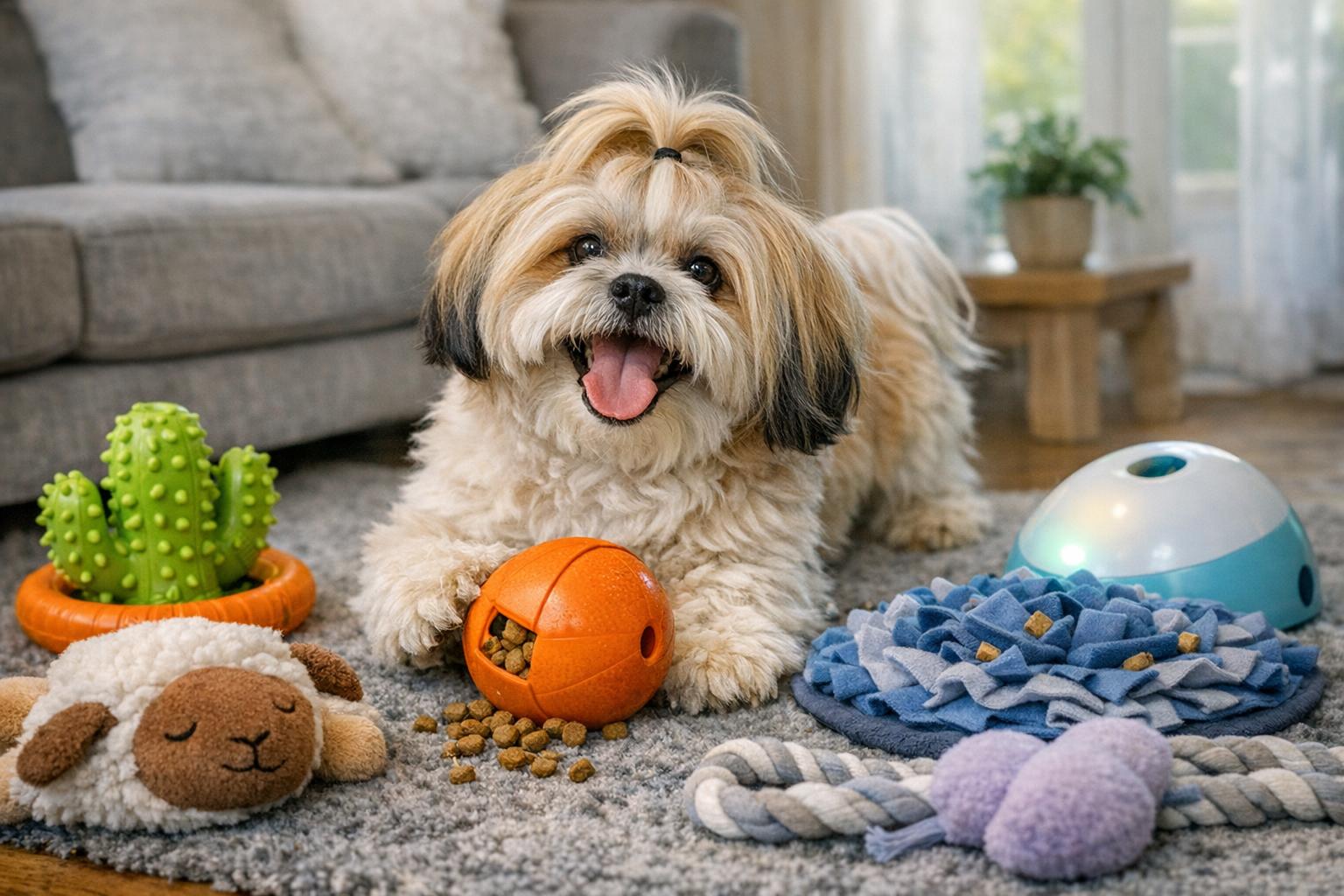
If you’re hunting “dog toys for hyper dogs,” aim for items that combine mental stimulation, physical challenge, and safe oral engagement. Hyperactivity often stems from boredom as much as physical need, so toys that require thought (not just chase) are efficient energy burners. Key categories include puzzle feeders, scent games, durable chews, and interactive toys that reward focused behavior. The single best approach is rotation: a toy only surprises your dog when it’s not available every day.
### Puzzle Toys And Treat Dispensers
Puzzle toys force a dog to problem-solve, slowing feeding and rewarding attention. When choosing commercial options, look for adjustable difficulty and strong, non-toxic materials. Puzzle toys are especially effective for high-drive breeds; they reduce frantic behavior by creating a task-oriented calm.
### Chew Toys And Durable Options
For dogs who mouth everything, durable chews satisfy instinct and promote jaw work. Rubber, nylon, and several reinforced fabric designs are good choices. Swap chew options regularly to maintain interest and monitor wear to prevent choking hazards.
## 1. DIY Puzzle Feeder (Slow-Release Treat Toy)
This first remedy is a budget-friendly, customizable puzzle feeder that keeps a hyper dog engaged while promoting calm for meal times or training sessions.
### Materials
– A sturdy plastic bottle or large pvc pipe with secure end caps OR a hard plastic treat-dispensing ball
– Small, healthy kibble or soft treats
– Duct tape or non-toxic glue (if modifying a bottle)
– Scissors or a drill (for holes)
– Optional: tennis ball halves for smoothing edges
### Steps
1. Prepare the Container: Clean and dry the bottle or pipe. If using a bottle, remove labels.
2. Create Feed Openings: Make holes slightly larger than a kibble piece (or adjustable to treat size). Space them irregularly so the dog must roll the toy to release food.
3. Smooth Edges: File or cover sharp edges with tape or tennis ball halves to prevent lip or gum injury.
4. Fill and Secure: Add kibble or small treats and securely cap both ends. Test by rolling to ensure treats dispense intermittently, not all at once.
5. Supervise First Uses: Introduce under supervision to observe how your dog interacts and adjust hole size as needed.
### Application And Frequency
Use this toy during meal times to slow feeding or as a reward during training. For hyper dogs, two to three 10–20 minute sessions daily can reduce frantic energy—adjust based on your dog’s response and caloric needs. Always calculate food given through the feeder into their daily calorie count.
#### Safety Notes
Never leave a severely destructive chewer unsupervised with a homemade feeder unless it’s built from indestructible material. Replace the toy at the first sign of cracking.
## 2. Snuffle Mat For Nose Work And Calm Engagement
Nose work taps primal instincts and is remarkably effective at inducing a relaxed state. This remedy provides structured sniffing sessions that tire the brain without exhausting the body.
### Materials
– A rubber non-slip mat with holes (placemat or pet mat)
– Several strips of fleece fabric (1–2 inch wide, 10–12 inch long)
– Scissors
### Steps
1. Prepare Fleece Strips: Cut fleece into strips; you’ll need hundreds depending on mat size.
2. Knot Fleece Into Mat: Thread fleece through the mat holes and knot each strip so it forms a soft tuft. Cover the mat densely so treats can be buried among the tufts.
3. Hide Treats: Scatter small treats or kibble into the mat and press slightly into the tufts.
4. Introduce Gradually: Encourage your dog with short sniffing sessions, gradually increasing duration to 10–15 minutes as they master the game.
### How To Use
Use the snuffle mat before walks or training to calm a hyper dog and focus attention. It’s especially useful when you need a quiet moment at home or after visitors leave. Rotate treats and placement to maintain novelty.
#### Cleaning And Maintenance
Shake out daily and machine wash the mat periodically to prevent odor and bacteria buildup. Replace fleece pieces when dirty or frayed.
## 3. Calming Sensory Toy Bundle (Weighted Plush With Scent)
This remedy combines a gently weighted plush and calming scent to mimic the soothing effects of pressure and familiar odors. It’s intended for supervised use and short sessions to promote relaxation.
### Materials
– A durable plush toy with a stitched or zippered cavity
– Rice, dried flaxseed, or poly-pellets (for weight)
– Small cloth pouch or sock
– Lavender (dried) or chamomile (optional and used sparingly)
– Needle and thread or fabric glue
### Steps
1. Prepare Weighted Inserts: Fill a small cloth pouch or old sock with rice or poly-pellets. If using a calming scent, add a pinch of dried lavender or chamomile to the pouch.
2. Secure Insert: Seal the pouch tightly and place it inside the plush cavity. Stitch or glue the cavity closed for safety.
3. Introduce Gradually: Present the toy in a calm environment. Use during quiet times like after a walk or before bedtime.
4. Monitor Reaction: Some dogs are sensitive to scents; observe for any signs of irritation or aversion. Remove scented materials immediately if you notice sneezing, coughing, or visible discomfort.
### Usage Guidelines
Use the calming plush for short intervals (10–30 minutes), especially during transitions (alone time, travel, vet waiting). Avoid prolonged unsupervised access if the dog tends to rip toys apart.
#### Storage And Care
Keep the sachet removable for washing the plush toy. Replace the scented filler every few weeks to keep the aroma subtle and effective.
### Rotating Toys And Creating A Balanced Play Plan
A thoughtful rotation schedule — alternating puzzle, chew, scent, and calm toys — prevents overstimulation from novelty burnout and maximizes effectiveness. For example, use the puzzle feeder in the morning, a snuffle mat midday, and a calming plush before bedtime. Track which toys your dog engages with longest and increases attention span.
### Choosing Quality Toys
Prioritize durability, non-toxic materials, and appropriate sizing. If your dog is a powerful chewer, opt for toys rated for heavy chewers, and always discard toys that show significant damage. Look for adjustable challenge levels in puzzle toys to increase difficulty as your dog learns.
#### When To Seek Professional Advice
If hyperactivity is extreme or accompanied by anxiety-related behaviors (excessive barking, self-injury, or inability to settle), consult a veterinarian or certified behaviorist. Toys are a powerful tool but are not a substitute for professional assessment when needed.
Use these approaches consistently and with patience. The right “dog toys for hyper dogs” can transform chaotic energy into engaged focus, leaving you both a bit calmer — and maybe with one less shoe casualty.









Leave a Reply