







If your cat just practiced its ninja moves on your arm and now you’re dealing with a persistent itch, you’re in the right place. Scratches happen — to the best of us — and many are minor surface wounds that respond well to simple, safe home care. Below are practical, pet-safe remedies you can use for gentle cat scratch itch relief at home. Think of this as a little first-aid toolkit that’s low-fuss and doesn’t require you to don a hazmat suit.
A quick note: these tips are for shallow scratches and mild irritation only. Deep punctures, heavy bleeding, signs of infection, or changes in your cat’s behavior require a vet visit. Now, let’s get those itches calmed.
## 1. Aloe Vera Soothing Compress
### Ingredients
– Pure, food-grade or medicinal aloe vera gel (no alcohol, no added fragrances)
– Clean water
– Soft, lint-free cloth or sterile gauze
### Steps
1. Wash your hands thoroughly.
2. Rinse the scratch gently under cool running water to remove debris and dirt. Pat dry with a clean towel.
3. Apply a thin layer of pure aloe vera gel to the scratch using a clean fingertip or gauze.
4. Place the soft cloth over the area for a few minutes to allow gentle cooling and moisture retention.
5. Reapply two to three times daily until the area shows signs of healing.
#### Precautions
Aloe vera is generally safe for topical use, but always test a tiny amount on your cat’s fur or your own skin first to ensure no sensitivity. Avoid gels with added ingredients like alcohol that can sting or delay healing. This remedy provides cat scratch itch relief by soothing inflammation and supporting a moist healing environment.
## 2. Cat Scratch Itch Relief With Chamomile Rinse
### Ingredients
– 1 chamomile tea bag or 1 tablespoon of dried chamomile flowers
– 1 cup boiling water
– Clean bowl and strainer
– Cotton pads or a soft cloth
### Steps
1. Steep the chamomile like tea: pour boiling water over the tea bag or dried flowers, cover, and let it steep for 10–15 minutes.
2. Allow the infusion to cool completely to room temperature.
3. Strain the liquid into a clean bowl.
4. Soak a cotton pad or cloth in the chamomile rinse and gently dab the scratch for 2–3 minutes. Do not rub aggressively.
5. Repeat up to three times daily until irritation diminishes.
#### How It Works
Chamomile has mild anti-inflammatory and antiseptic properties. When applied properly, the cooled brew offers soothing relief and can reduce redness and itching without harsh chemicals. This is a formal, evidence-based adjunct for minor surface wounds, and when used with proper hygiene it can support cat scratch itch relief naturally.
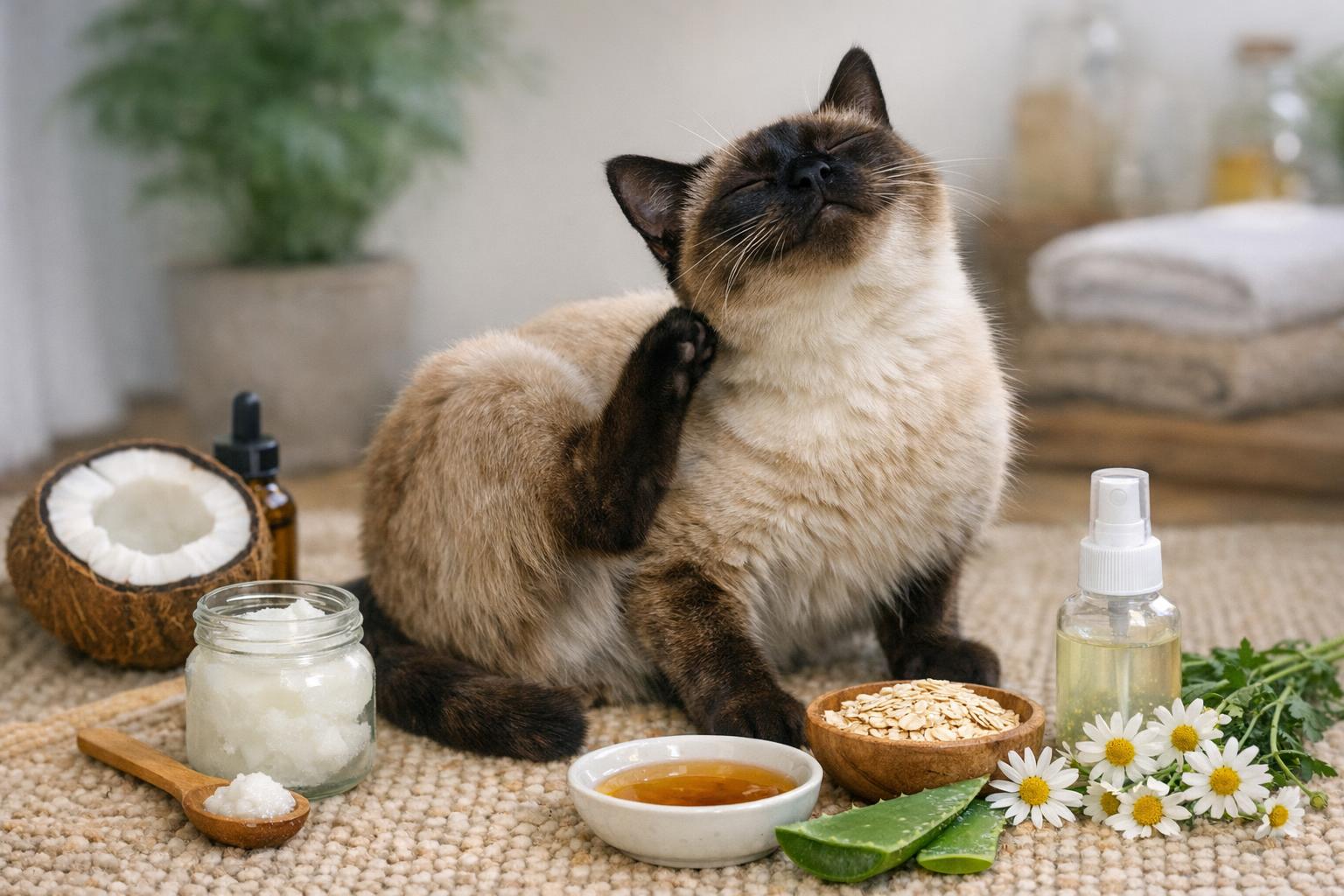
## 3. Honey And Coconut Oil Ointment
### Ingredients
– 1 teaspoon raw, medical-grade honey (manuka if available)
– 1 teaspoon virgin coconut oil (unrefined)
– Small sterile container
– Cotton swab
### Steps
1. Ensure the scratch is clean: rinse and pat dry.
2. Mix the honey and coconut oil in a sterile container until you achieve a spreadable consistency.
3. Using a clean cotton swab, apply a thin layer to the scratch. The texture helps protect the surface and reduce irritation.
4. Reapply once or twice daily. Keep the area dry between applications.
#### Precautions
Both honey and coconut oil have antimicrobial and moisturizing qualities, but avoid applying to deep punctures. If your cat licks the area, the ingredients are non-toxic in small amounts, but licking may remove the ointment and delay healing. This formula offers gentle cat scratch itch relief through hydration and mild antimicrobial action.
## 4. Cold Tea Bag Or Ice Pack For Quick Soothing
### Materials
– Green or black tea bag (cooled), or a small ice pack wrapped in thin cloth
– Clean cloth or bandage if needed
### Steps
1. Brew a tea bag and allow it to cool fully in the fridge, or wrap an ice pack in a soft cloth.
2. Apply the cooled tea bag or wrapped ice pack to the affected area for 5–10 minutes to reduce swelling and numb the itch.
3. Remove for 10–15 minutes, then repeat once or twice as needed.
4. After cooling, you can follow up with one of the topical remedies above if needed.
#### Precautions
Do not apply ice directly to the skin. Limit application time to avoid cold injury. The tannins in tea provide mild astringent action that can reduce irritation and help with cat scratch itch relief quickly when used as a short-term measure.
## When To Contact Your Veterinarian
### Signs To Watch For
– Increased redness, swelling, or heat around the wound
– Pus, foul odor, or drainage
– Fever or lethargy in your cat
– Deep puncture wounds, prolonged bleeding, or wounds that don’t improve within 48–72 hours
If you notice any of these signs, seek veterinary care promptly. While home remedies can provide short-term cat scratch itch relief for minor surface scrapes, infections can escalate and will need professional treatment.
## Simple Bandaging And Aftercare
### Materials
– Sterile gauze
– Soft self-adhesive wrap (non-stick)
– Scissors
– Mild antiseptic solution (veterinary-recommended)
### Steps
1. Clean the area and allow it to dry.
2. Place a sterile gauze pad over the scratch.
3. Wrap lightly with self-adhesive wrap to keep the pad in place while allowing some air exchange.
4. Change the dressing daily and inspect for any signs of infection.
Bandaging can keep the area clean and discourage excessive licking, but ensure your cat isn’t stressed by the wrap. If the cat keeps removing it, supervised confinement and topical care may be a better option.
## Preventing Future Scratches And Infection
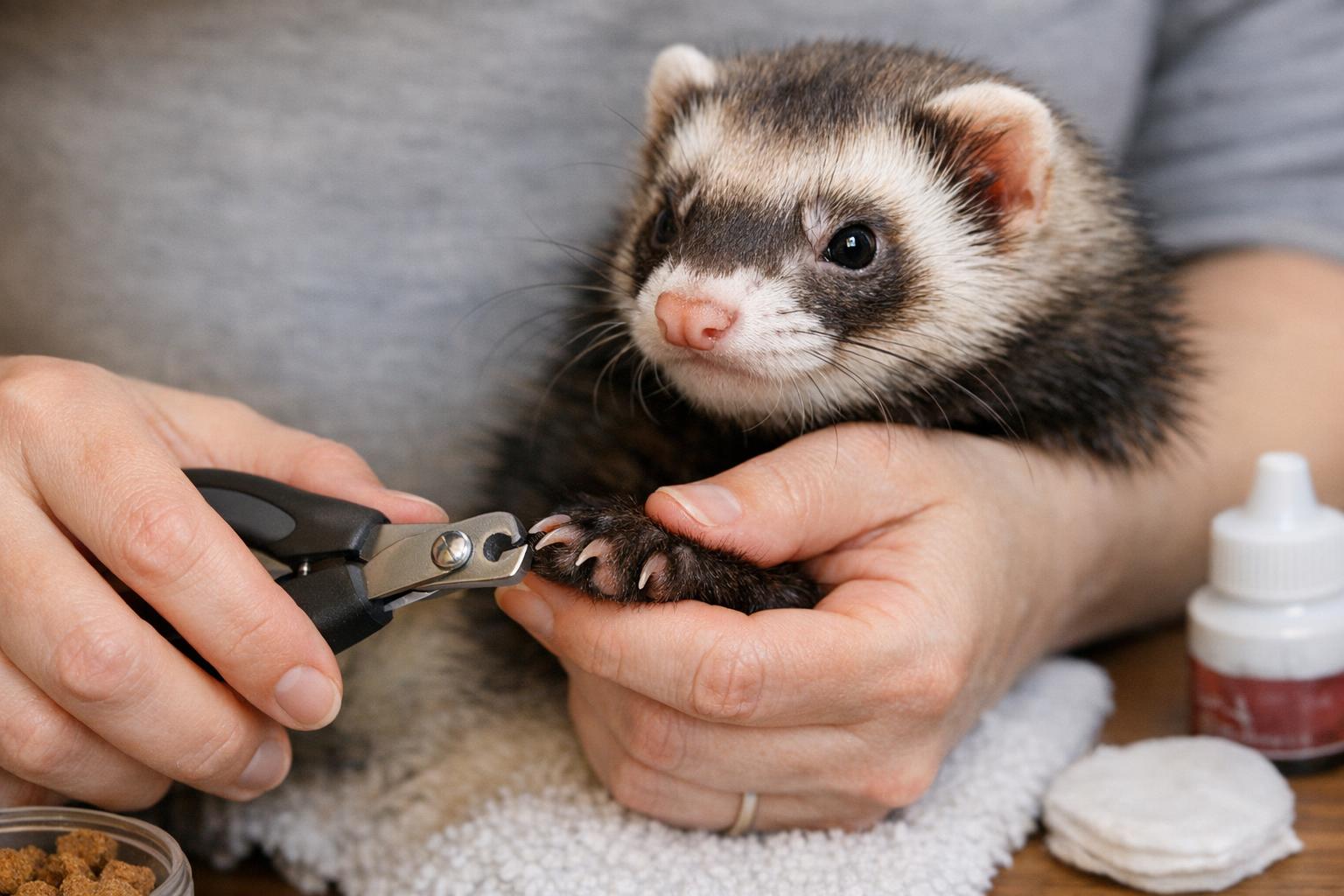
Keep your claws trimmed and your cat’s environment enriched to reduce rough play. Regular nail trims, interactive toys, and supervised play sessions help lower the chance of accidental scratches. If you host guests or have children, teach gentle handling techniques—cats are less likely to scratch when they feel secure and calm.
For immediate prevention of infection after a scratch, promptly clean the wound and apply one of the remedies above for cat scratch itch relief. Always prioritize hygiene: clean hands, clean supplies, and a calm approach go a long way.
## Home Safety Tips And When To Avoid DIY
Some scratches happen in less-than-ideal places (think near joints or over a tendon). Avoid DIY care if a scratch is deep, bleeding heavily, or near the eyes. Tetanus is uncommon from cat scratches, but if you have a compromised immune system or concerns about your own health, consult your physician about tetanus or other precautions. For your cat, a vet visit is necessary if the wound is deep, large, or shows signs of infection despite home care.
A little care, the right materials, and a calm approach will often turn a scratch from “ouch” to “no big deal” in a day or two. If you’d like, I can tailor a remedy list for specific scratch locations (face vs. paw) or help you pick pet-safe products from your pantry.





























Leave a Reply