
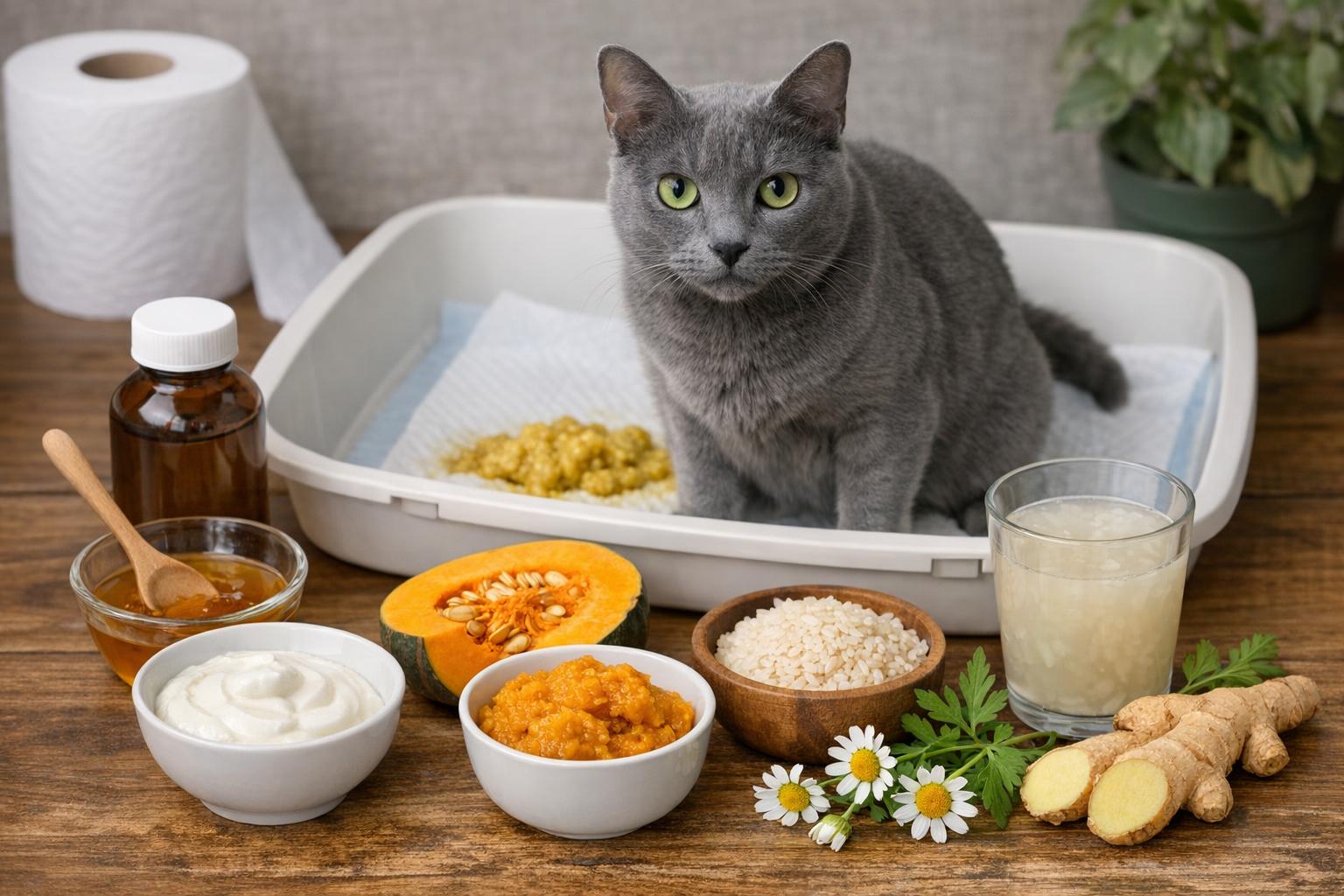
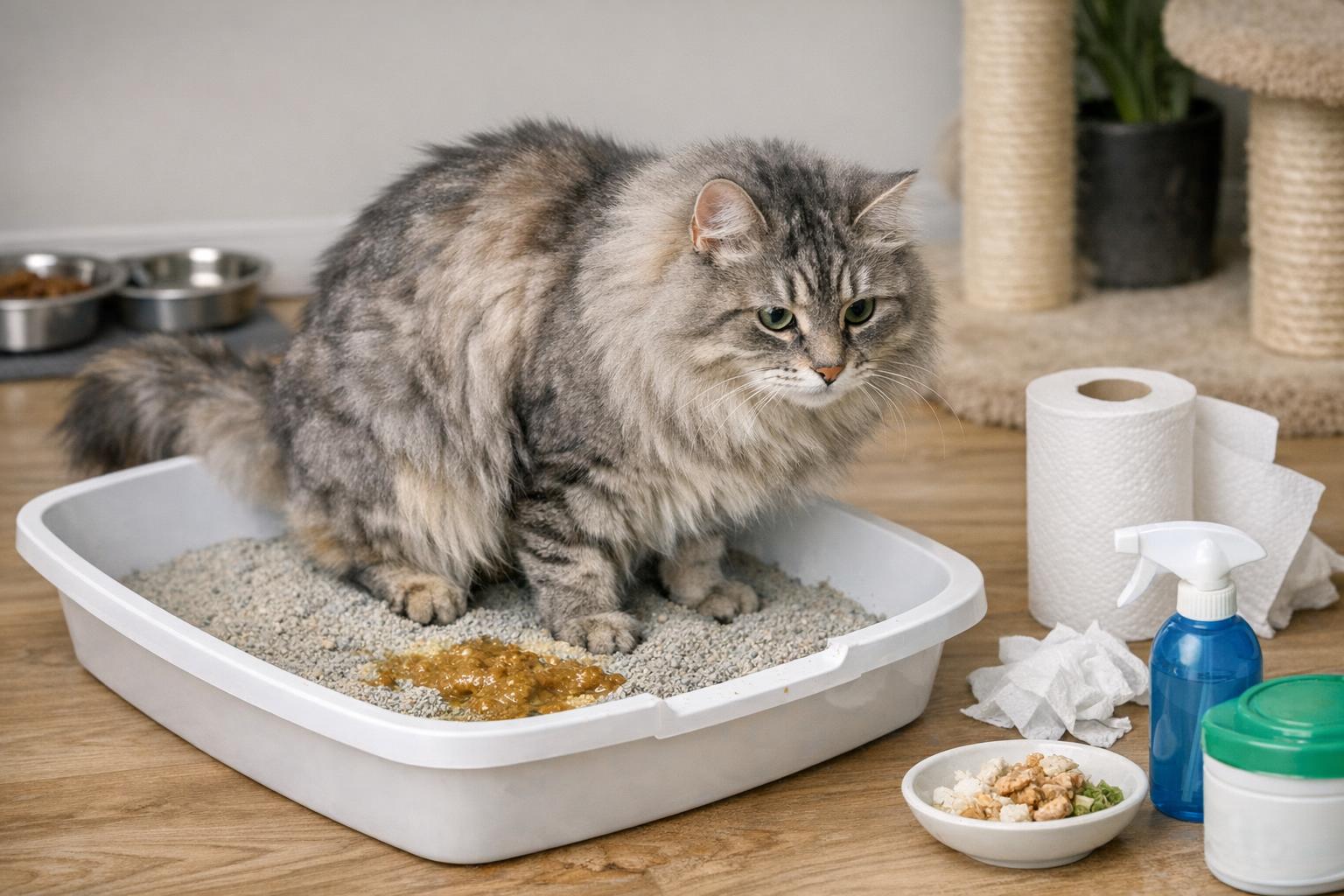
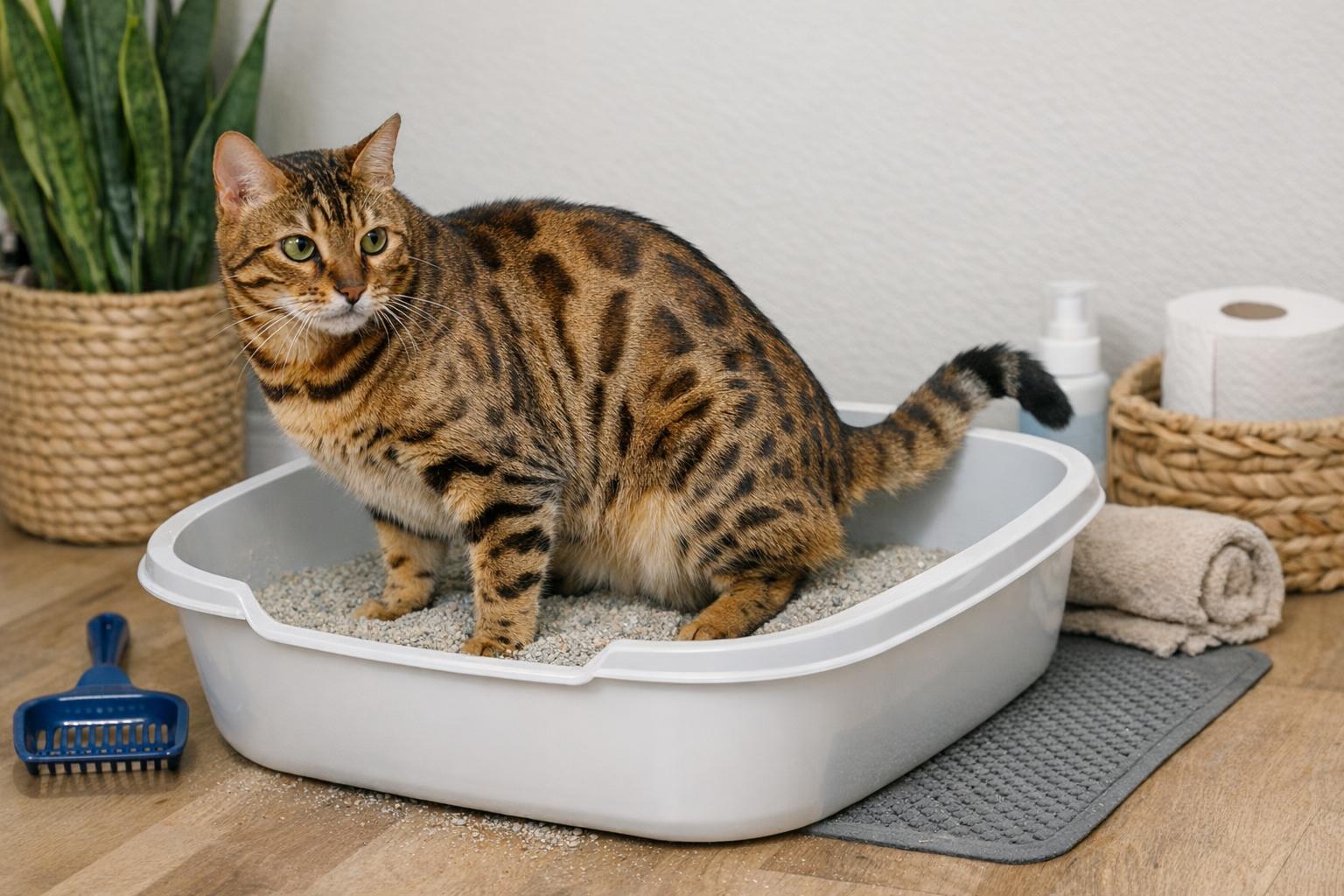
If your cat has surprised you with a litter-box masterpiece that’s more banana-split than biscuit-brown, you’re not alone. Yellowish stool can be puzzling and a little alarming, but it’s a clue—like a Post-it note from your cat’s gut—that something is off. This guide walks you through what yellow stool might mean, when to call the vet, and three practical home remedies you can try safely. Expect a touch of humor, but when it matters—remedies and steps—we’ll be strictly professional.
## Cat Yellow Poop: What It Means
Yellow feces in cats is often caused by bile pigments, changes in digestion speed, diet shifts, or mild gastrointestinal upset. In healthy digestion, bile helps break down fats and gives poop its typical brown color. If food moves too quickly through the intestines, bile doesn’t get fully processed and poop can appear yellow. Other causes include food intolerance, parasites, or liver/gallbladder issues.
Common, Non-Urgent Causes:
– Recent diet change (new canned food, treats, or people-food indulgence).
– Mild viral or bacterial upset that resolves in a day or two.
– Stress-related changes in bowel transit time (boarding, new pet, move).
More Serious Possibilities:
– Pancreatic, liver, or bile-duct problems.
– Parasites (Giardia and some worms can cause yellow, greasy stool).
– Chronic inflammatory bowel disease or food allergies.
## When To Worry About Cat Yellow Poop
If yellow poop is a single, isolated episode and your cat behaves normally—eating, drinking, playing—you can observe for 24–48 hours. Immediate veterinary attention is warranted if you notice:
– Lethargy, vomiting, or refusal to eat.
– Signs of dehydration (sunken eyes, tacky gums).
– Blood in stool, very smelly or greasy stools, or a caregiver’s gut feeling that something is wrong.
– Repeated yellow stools over several days.
### Watch For Related Symptoms
Cats are masters at hiding illness. Keep an eye on appetite, water intake, litter box frequency, grooming habits, and any sudden personality shifts. These details help the vet diagnose whether the yellow stool is a minor hiccup or part of a bigger issue.
## Remedy 1: Bland Diet Fast (Simple, Safe)
When a cat has mild digestive upset, a short period on a bland diet often soothes the gut and normalizes color and consistency. This is a conservative, veterinarian-friendly first step.
#### Ingredients And Materials
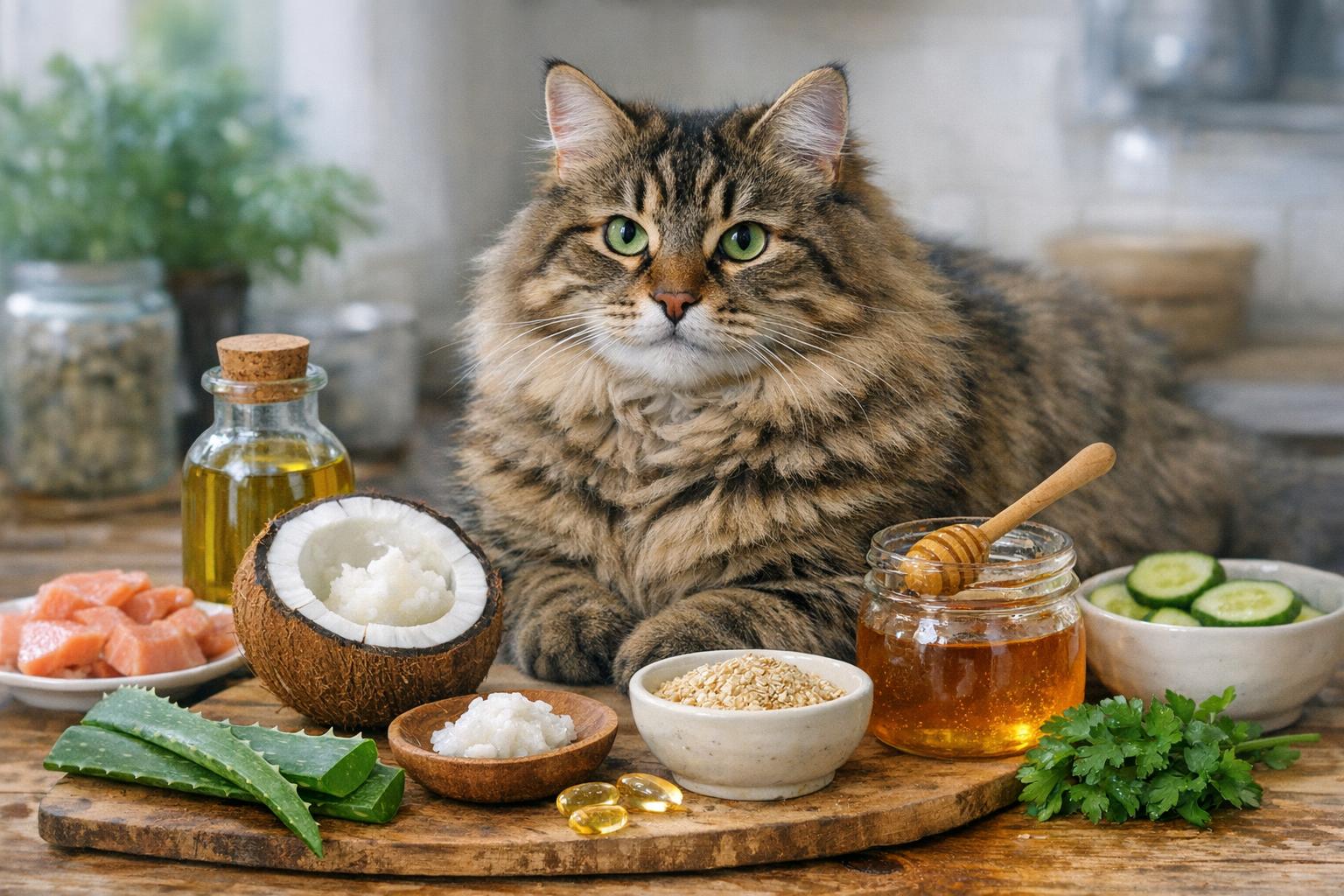
– Plain boiled chicken breast (no skin, no seasoning) or plain canned white-meat tuna in water (sparingly).
– Plain cooked white rice (well-cooked, mushy).
– Clean bowls and fresh water.
– Kitchen scale or measuring spoons (optional, for portion control).
#### Preparation And Application Steps
1. Withhold food for 8–12 hours for adult cats that are still active and not vomiting; keep water available. Skip this fasting step for kittens or cats underweight—go straight to bland feeding.
2. Boil a small chicken breast until fully cooked. Shred finely and remove all fat and stray skin. Cook rice until very soft.
3. Mix chicken and rice at roughly a 2:1 ratio (chicken:rice) by volume to create a palatable, easily digestible meal.
4. Offer small portions (1–2 tablespoons, depending on cat size) every 3–4 hours. Monitor for acceptance and stool changes.
5. Continue bland diet for 24–48 hours. Gradually reintroduce regular food over 2–3 days by mixing increasing amounts of the original diet with the bland mix.
Notes: If diarrhea worsens or yellow stool persists beyond 48 hours, stop home treatment and consult your vet.
## Remedy 2: Probiotic Support (Formal And Evidence-Based)
Probiotics can help rebalance gut flora, reduce diarrhea duration, and sometimes improve stool color by normalizing digestion. Choose feline-specific products or human-grade probiotics that are safe for pets, following veterinary guidance.
#### Ingredients And Materials
– Veterinarian-approved feline probiotic paste or powder (products containing Enterococcus faecium, Bifidobacterium, or Lactobacillus strains for pets are common).
– Syringe or dropper for precise dosing (often included with pet probiotics).
– Small container for mixing if using powder.
#### Preparation And Application Steps
1. Select a probiotic designed for cats or recommended by your veterinarian. Verify strain and CFU (colony forming units) on the label.
2. Follow manufacturer dosing instructions based on cat weight. If using powder, measure the appropriate dose into a small dish.
3. Administer probiotics with a treat or mixed into a teaspoon of wet food to ensure ingestion. For paste, apply the recommended amount to the cat’s gums or place at the back of the tongue.
4. Continue daily for 7–14 days and observe stool color and frequency. Improvement is typically seen within 48–72 hours if the cause is minor dysbiosis.
5. If no improvement occurs in 72 hours or symptoms worsen (vomiting, lethargy), discontinue and consult your veterinarian for diagnostic testing.
Clinical note: Probiotics are supportive, not curative, for serious hepatic or pancreatic disease.
## Remedy 3: Pumpkin Fiber Treatment (Natural, Gentle)
Plain canned pumpkin (100% pumpkin — not pie filling) is a go-to home remedy for both constipation and mild diarrhea due to its soluble fiber. It can bulk stool and help normalize transit time and color.
#### Ingredients And Materials
– 100% pure canned pumpkin (no sugar, spices, or additives).
– Measuring spoons.
– A small dish or spoon.
#### Preparation And Application Steps
1. Confirm the product is pure pumpkin. Labels like “pumpkin puree” are preferred; avoid products labeled “pumpkin pie filling.”
2. Start with a conservative dose: 1/2 teaspoon for small cats and kittens, 1 teaspoon for medium-to-large adults, once daily mixed into wet food.
3. Monitor stool over 48 hours. If improvement occurs, maintain for up to 5–7 days and then taper off.
4. Do not exceed 1 tablespoon per day for adult cats without veterinary sign-off, as too much fiber can worsen diarrhea in some animals.
5. If stool color shifts back to normal and other symptoms improve, gradually resume regular diet. Lack of improvement within 72 hours or worsening signs requires veterinary evaluation.
### Diet Tweaks And Environmental Tips
Minor cases of cat yellow poop often respond to small lifestyle changes:
– Revert to the previous food if you recently switched brands or flavors.
– Avoid giving table scraps or fatty treats.
– Ensure fresh water is always available; dehydration can exacerbate GI issues.
– Reduce stressors—keep litter box clean, maintain routines, and provide quiet resting spots.
### When To Seek Diagnostics
If home measures don’t help, your veterinarian may recommend:
– Fecal testing for parasites and bacterial overgrowth.
– Bloodwork to check liver and pancreatic enzymes.
– Ultrasound or X-rays if structural disease is suspected.
These diagnostics help distinguish between benign, diet-related yellow poop and conditions that require targeted medical management.
### Monitoring And Recordkeeping
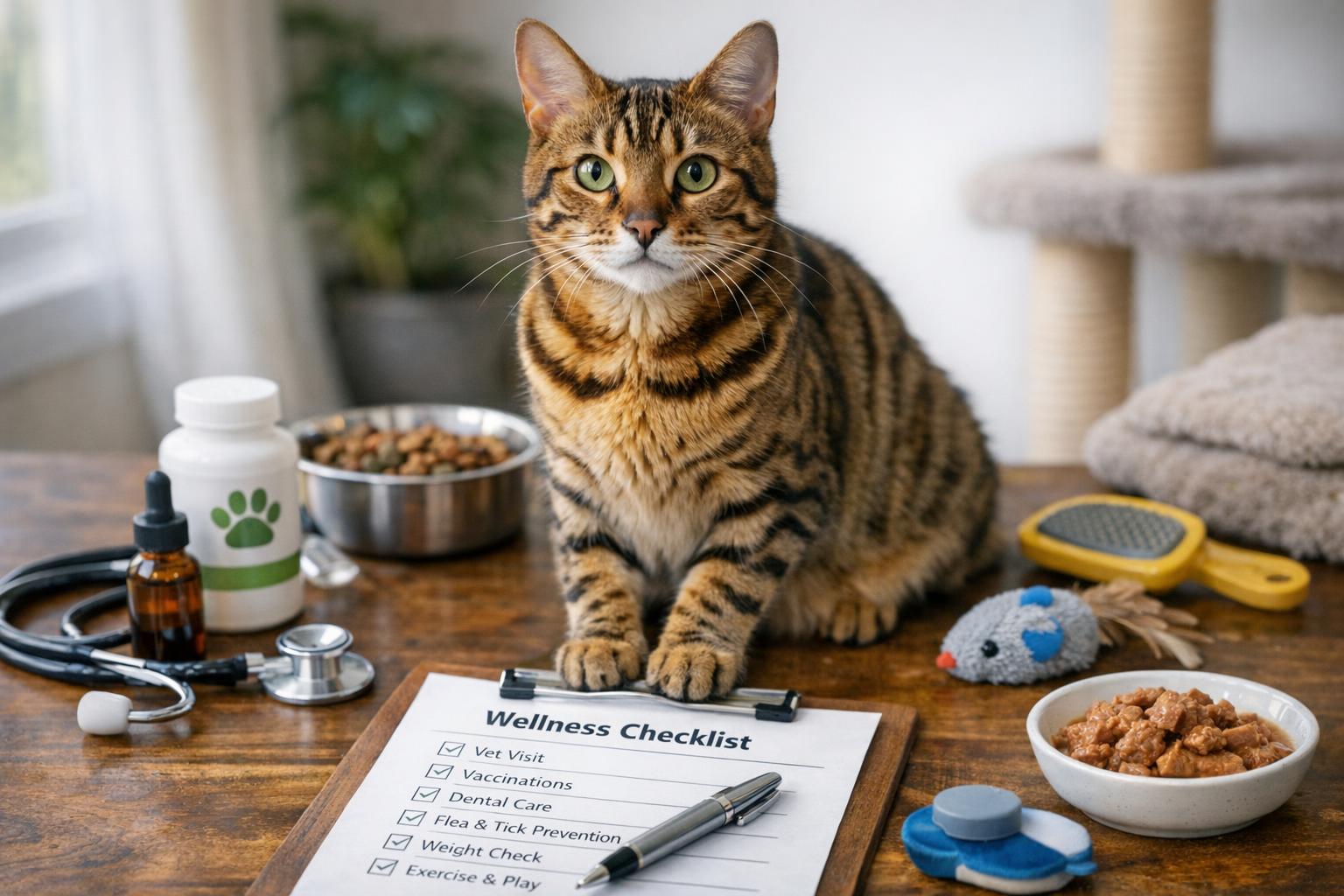
Keep a simple log: date, stool color/consistency, appetite, and any household changes (new food, medications, stressors). This record can be invaluable to a veterinarian and helps you spot patterns instead of guessing.
If your cat’s yellow stool is a one-off, give it a day and a bland-meal try. If it’s persistent, smelly, or accompanied by other signs, please consult your vet. Your cat might not be dramatic about discomfort, but their poop does the talking—and you’ve got the translator now.

Leave a Reply