

Vocalization Behavior: How To Get A Bird To Stop Chirping
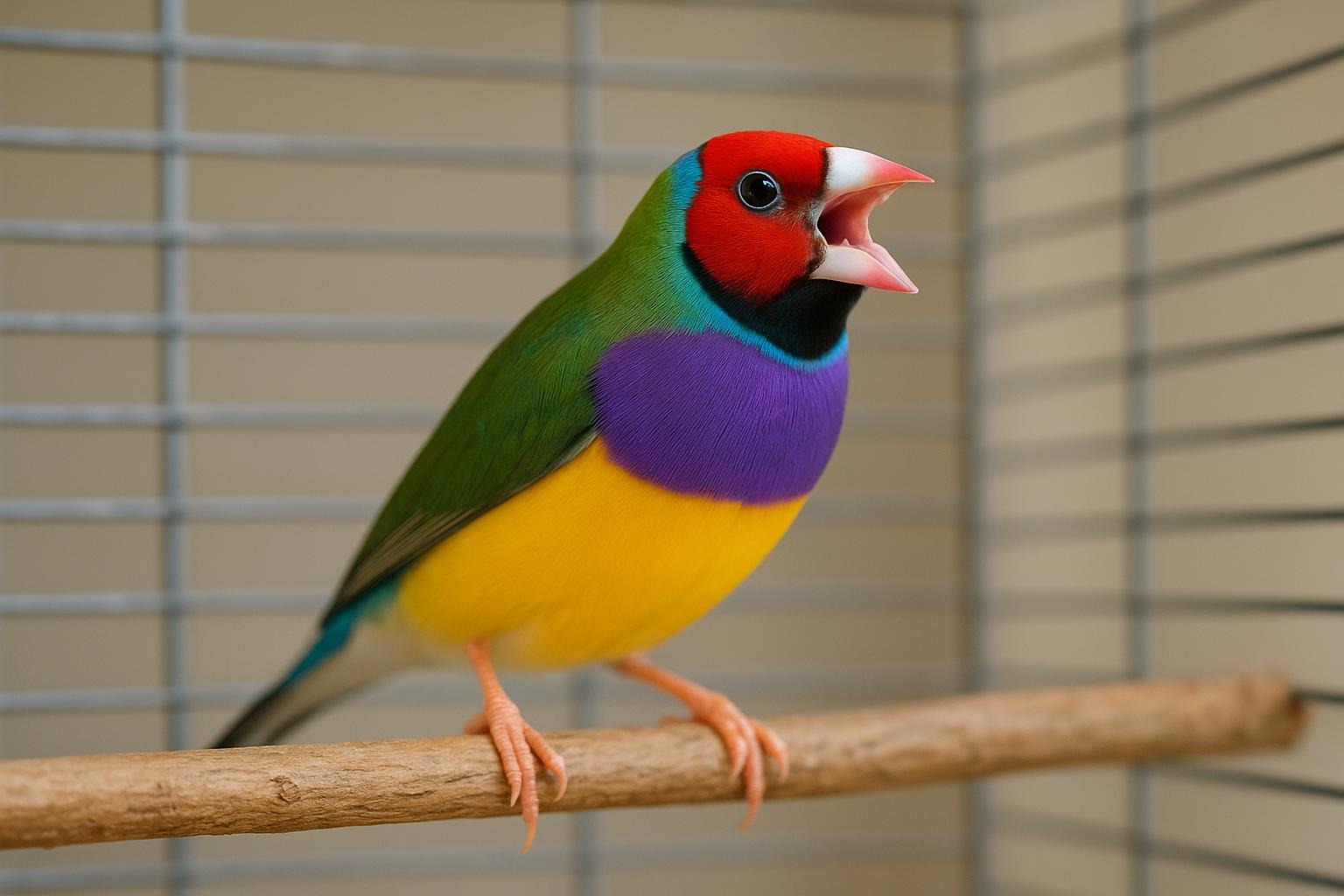
Chirping is what birds do. It’s how they announce breakfast, flirt, complain about the draft, and sometimes audition for a tiny avian podcast. But when that soundtrack starts running on loop—early mornings, late nights, or non-stop during your Zoom calls—you may seriously wonder how to get a bird to stop chirping. The good news: most chirping is normal. The better news: with observation, adjustments, and a couple of practical remedies, you can reduce excessive vocalization without silencing your companion’s personality.
## How To Get A Bird To Stop Chirping: Assess The Cause
Before you try to change the volume, figure out why it’s happening. Birds chirp for reasons that are behavioral, environmental, social, or medical. Identifying the trigger is the most reliable way to reduce unwanted noise.
– Hunger or thirst: Birds are routine-driven. A missed feeding or empty water dish will produce vocal protest.
– Lack of sleep: Too much light or disturbances during the night cause daytime napping and evening chirp-a-thons.
– Boredom and loneliness: Many cage birds are social and mentally active; boredom becomes a noisy plea for interaction.
– Mating/territorial season: Hormonal cycles increase calling, especially in spring.
– Medical issues: Respiratory infections, pain, or other illnesses can change vocal patterns.
If you’re asking how to get a bird to stop chirping, start with observation. Note the timing, duration, and context of chirps for several days. That data informs whether you need environmental changes, enrichment, training, or veterinary care.
## Practical Steps To Reduce Excessive Chirping
These general adjustments often bring down the noise level without heavy-handed tactics.
### Sleep And Lighting Schedules
Birds need consistent darkness to sleep deeply. Aim for 10–12 hours of uninterrupted darkness at night for most pet species. Use light-blocking curtains or a cage cover and avoid sudden night-time lights that trigger alertness. Blackout covers or moving the cage to a quiet, windowless room temporarily can help reset sleep cycles.
### Enrichment And Foraging Opportunities
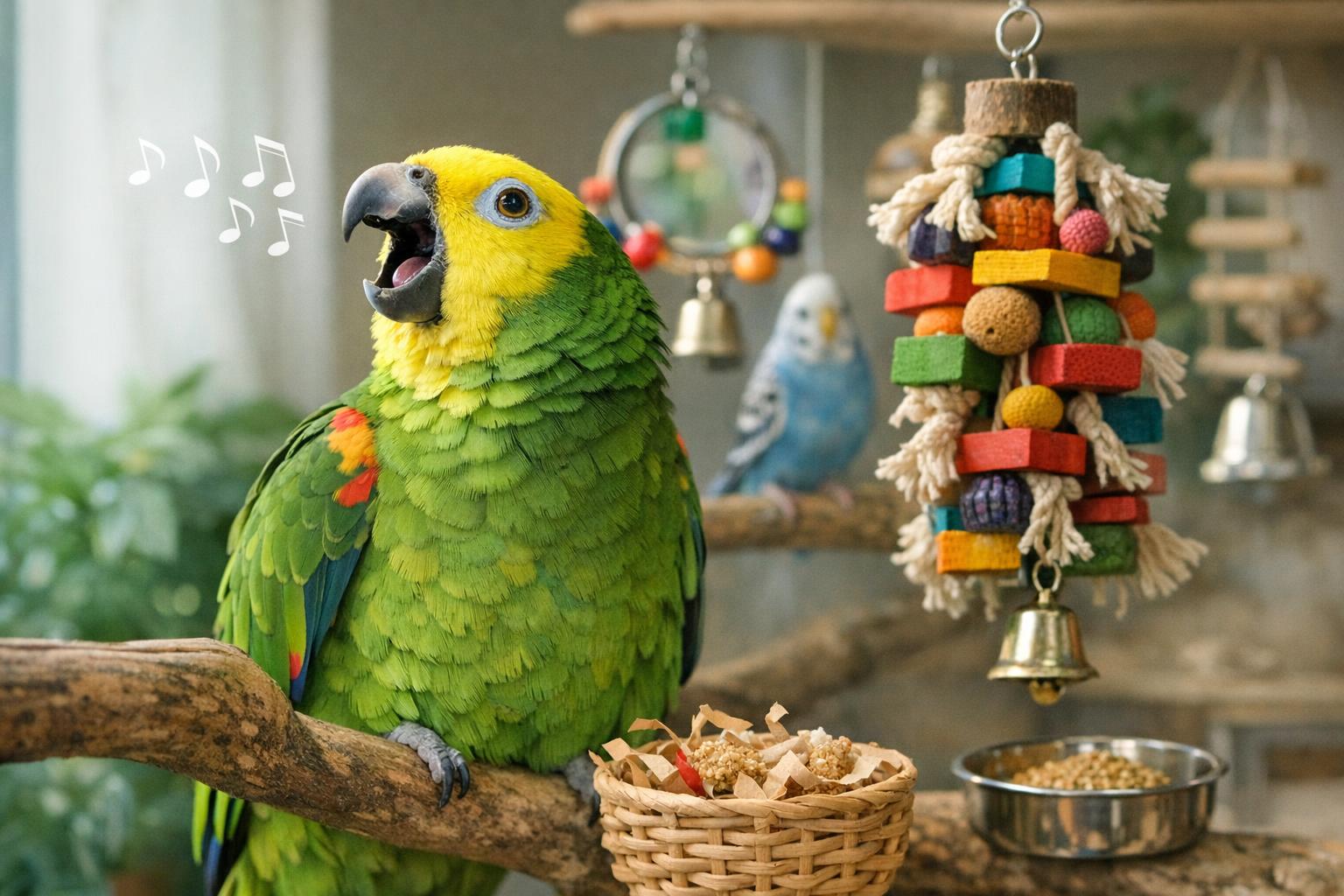
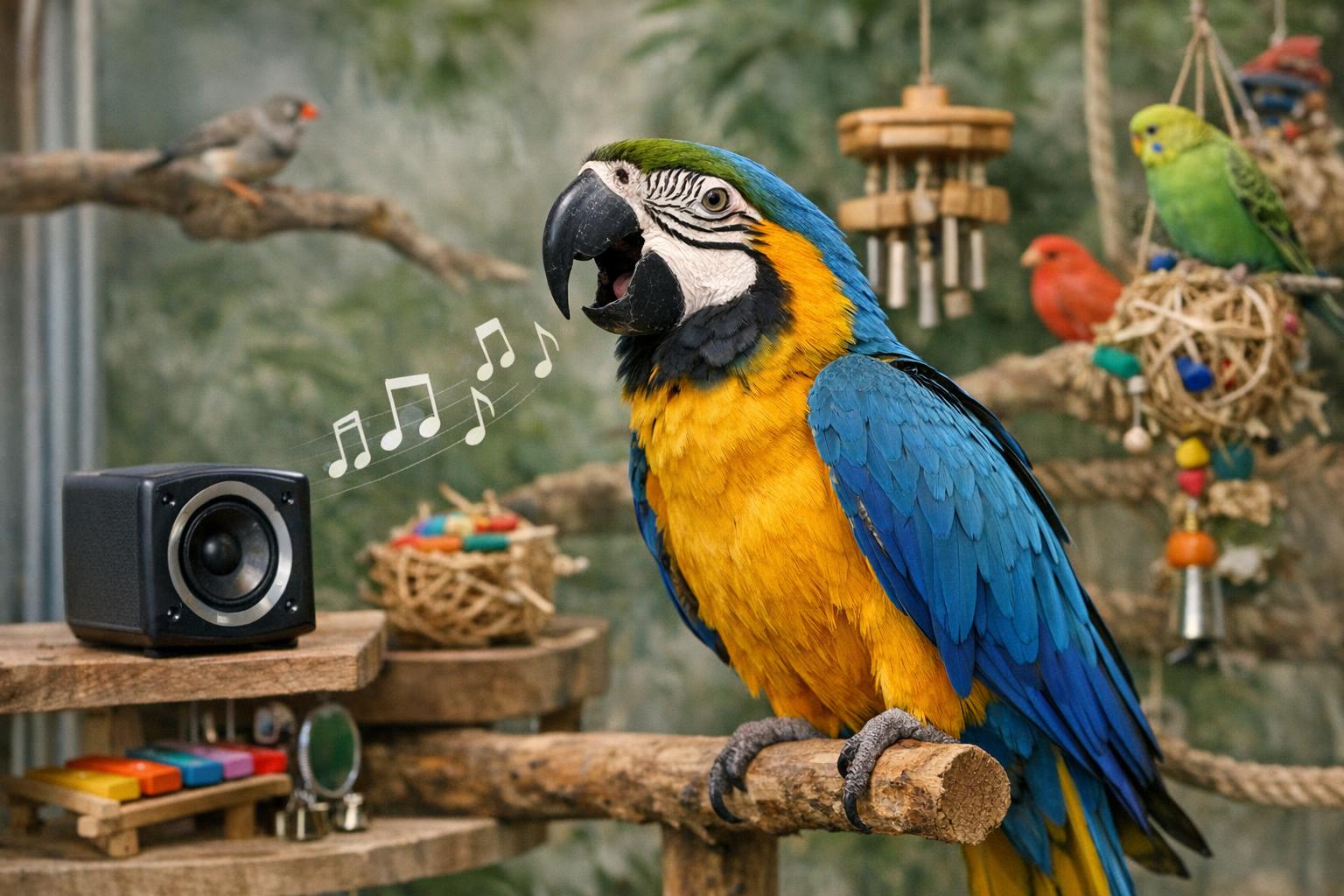
A bored beak is a loud beak. Provide toys that encourage shredding, chewing, and foraging. Rotate toys weekly to keep novelty and mental stimulation high. Foraging promotes natural behaviors, reduces stress, and typically results in quieter, contented birds.
### Social Interaction And Training
Birds, particularly parrots, are social creatures. Regular, scheduled interaction reduces need for noisy attention-seeking. Teach simple cues like “quiet” paired with rewards. Use consistent positive reinforcement: when your bird is quiet for a short period after a cue, reward with a treat or brief attention.
### Environment And Routine Stability
Changes in household routine, new pets, or loud appliances can trigger alarm calls. Keep the cage in a stable spot where the bird can see household activity without being startled. A predictable routine for feeding, cleaning, and play reduces stress-related vocalizing.
### Health And Vet Checks
If chirping is paired with lethargy, fluffed feathers, changed droppings, or labored breathing, consult a vet. Only a professional can rule out underlying medical causes that might be causing vocal changes.
## Remedy 1: Create A Quiet Sleeping Den (How To Get A Bird To Stop Chirping)
When night-time or early-morning chirping is the issue, improving sleep quality is a formal, evidence-based approach that reduces vocalization.
Materials/Ingredients:
– Dark, breathable cage cover or blackout cloth
– Tape measure (optional)
– Soft, lightweight blanket or fitted cover that allows air flow
– Timer or consistent household routine
Steps To Create And Apply:
1. Measure the cage to choose or cut a cover that drapes fully to the base but does not block ventilation. Proper airflow is critical; never seal off the cage completely.
2. Use a breathable fabric such as cotton or muslin—avoid plastic. The cover should reduce ambient light while allowing fresh air.
3. Establish a consistent lights-out time that provides 10–12 hours of continuous darkness. Use a timer for room lights if household activity varies.
4. Place the covered cage in a low-traffic area if possible. A bedroom corner or a den-like space helps birds feel secure.
5. For early-morning chirping triggered by sunrise, extend darkness with the cover until your chosen wake time. Gradually shift timing earlier over several days if you need to adjust the schedule.
6. Monitor the bird for signs of stress. If covering increases pacing or vocal alarm, slowly acclimate by covering for short intervals during the day until the bird is comfortable.
This remedy is formal and straightforward: improve sleep hygiene to reduce the biological drive to call during inappropriate hours.
## Remedy 2: Foraging Toy Routine To Redirect Attention (How To Get A Bird To Stop Chirping)
For daytime attention-seeking or boredom chirps, structured enrichment that mimics natural behaviors reduces vocal demands.
Materials/Ingredients:
– Foraging toys (store-bought or DIY)
– Safe food treats (unsalted nuts, chopped fruits, or seed mixes appropriate for species)
– Non-toxic twine, cardboard, wooden dowels, or paper tubes for DIY toys
– Supervision and periodic rotation plan
Steps To Create And Apply:
1. Select age- and species-appropriate foraging toys. For small birds, simple treat puzzles work; larger parrots need more robust, chew-resistant toys.
2. Prepare safe treats and hide them within cavities, under paper, or inside hollow wooden toys. Ensure no choking hazards—avoid small hard pieces for large birds and vice versa.
3. Introduce the toy during a quiet period and supervise the first few interactions. Demonstrate retrieval if needed to teach the foraging concept.
4. Rotate toys every 3–7 days to maintain novelty. Keep one or two favorites available and cycle the rest.
5. Pair foraging sessions with short, scheduled social interactions. Offer enrichment before or after playtime to balance stimulation and attention.
6. Track behavioral changes. If foraging reduces cue-based chirping by at least 50% within two weeks, maintain the rotation and gradually increase the complexity of the tasks.
This structured enrichment provides mental work that decreases the need for attention-seeking vocalizations and fosters natural behavior patterns.
### When Training, Use Positive Reinforcement
For behavior modification, reward quiet behavior immediately. Say “quiet” in a calm tone when the bird pauses, then provide a small treat or brief praise. Do not yell over the bird; that reinforces the behavior by adding attention.
#### Avoid Punishment Or Isolation
Punishment—yelling, hitting the cage, or isolating the bird—often increases stress and vocalization. Never use aversive methods. Quieting a bird with fear damages trust and welfare.
### When To Seek Veterinary Help
Persistent, sudden, or drastically changed vocalization patterns warrant professional assessment. If chirping accompanies physical changes—weight loss, breathing difficulty, droppings changes, or decreased appetite—contact an avian veterinarian promptly. They will perform a diagnostic exam and possibly tests to rule out infections, organ dysfunction, or pain that can manifest as altered vocal behavior.
If you’ve tried schedule, enrichment, and sleep changes and still ask how to get a bird to stop chirping, document the behavior (time-stamped audio/video) and bring that information to the vet. Detailed records help uncover patterns tied to environmental or medical factors, and a vet may recommend targeted behavioral therapy or medical treatment.
If your bird’s chirping is just friendly small-talk, remember: a little music is part of sharing a life with a feathered roommate. But if it’s disrupting your life, these targeted, humane strategies will help you restore peace without silencing your bird’s personality.
















Leave a Reply