




Hey there — glad you stopped by. If your feathered friend has been a little more flappy, vocal, or withdrawn than usual, you’re not alone. Birds are sensitive little characters: changes in routine, noisy neighbors, or a drafty perch can send them into a tailspin. This article is a friendly guide full of practical anti stress for birds tips, including three safe, natural remedies you can make at home. Read on for clear steps, materials lists, and a few sanity-saving notes for both you and your bird.
## Stress Reduction For Birds: Anti Stress For Birds Tips
### Recognizing Signs Of Stress In Birds
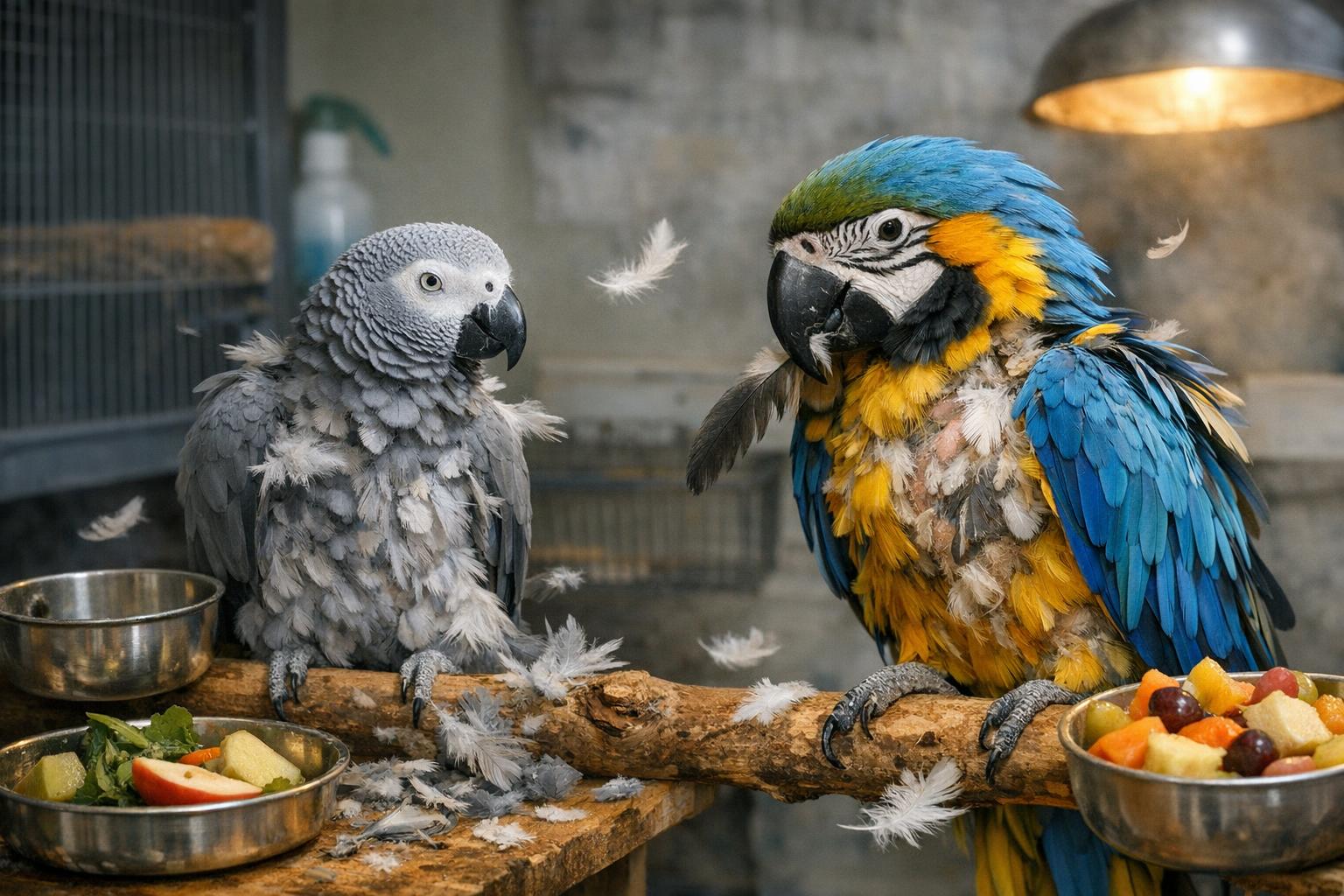
Birds don’t have a “bad day” face the way mammals do, so look for behavior changes. Common signs of stress include increased screaming, feather-plucking or over-preening, loss of appetite, aggression, or repetitive pacing along the cage. Subtle signs can be reduced playfulness, fluffed feathers, or altered droppings. Pay attention; early detection makes anti stress for birds strategies much more effective.
### What Causes Stress In Pet Birds
Stressors range from the obvious — new people, loud construction, new pets — to the less obvious, like too-bright lights, inadequate sleep, or cages that are too small. Even changes in household scent (cleaning chemicals or strong perfumes) can upset a bird’s respiratory system and mood. Seasonal daylight shifts and inconsistent feeding or social schedules also matter. Removing or mitigating these causes is the first line of anti stress for birds care.
### Why Routine And Environment Matter
Birds thrive on predictability. A consistent schedule for sleep, feeding, and interaction creates a stable baseline for their behavior. Environmental enrichment (toys, perches, safe-foraging activities) replaces boredom-driven behaviors with healthy mental stimulation. Adequate sleep (10–12 hours in many species), a quiet sleeping area, and temperature stability are simple, high-impact anti stress for birds adjustments.
#### Lighting And Visual Comfort
Use natural daylight when possible but avoid prolonged direct sun that can overheat the cage. Dim lights in the evening to mimic dusk; this supports natural circadian rhythms.
#### Noise And Social Interaction
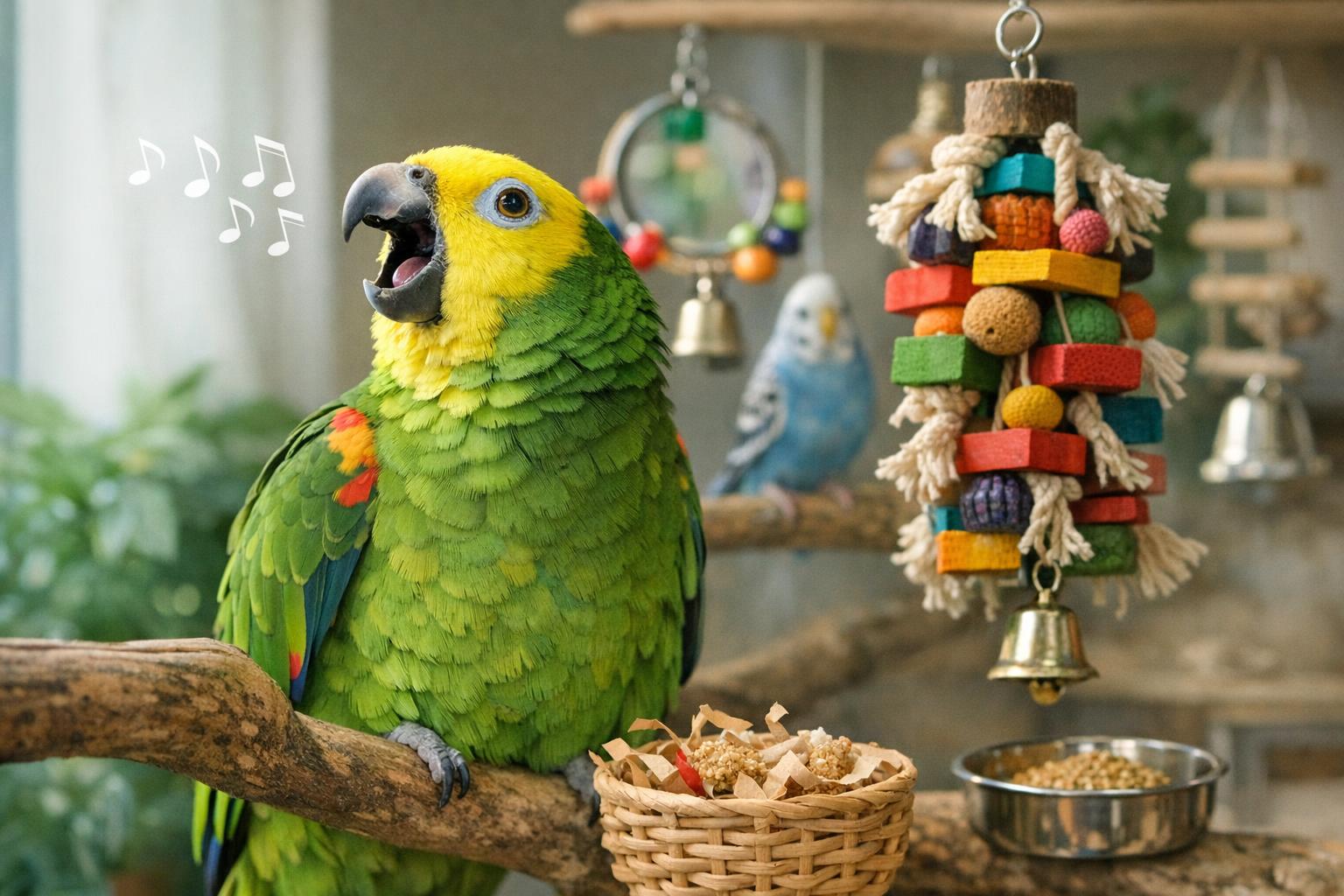
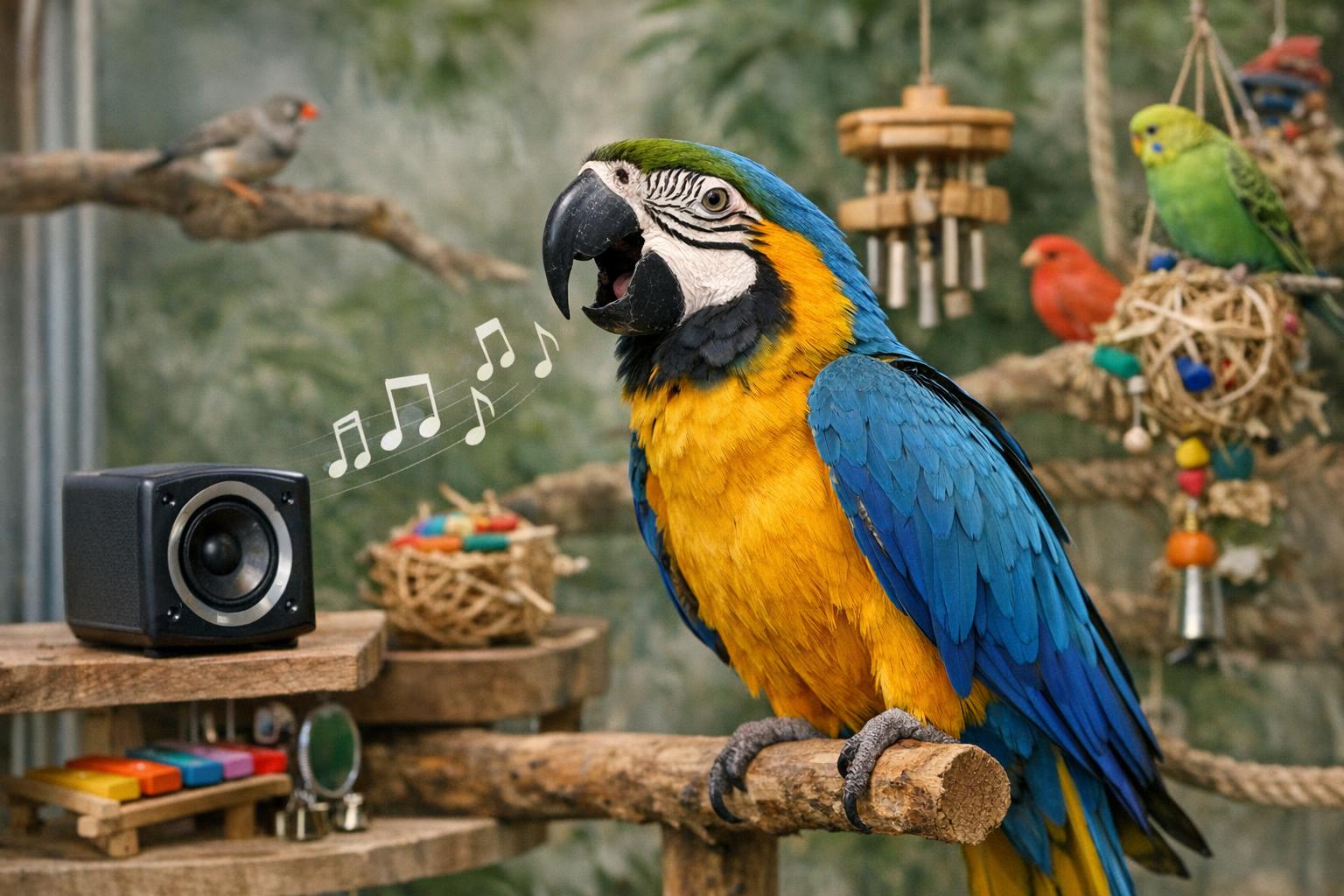
Moderate, predictable social interaction is good; sporadic surprise visitors or constant loud music is not. Background noise like low-volume classical music or nature sounds can soothe some birds, but monitor their response.
## Anti Stress For Birds: 3 Natural Remedies
Below are three evidence-informed, bird-safe remedies you can implement at home. Each is numbered and includes ingredients/materials and step-by-step creation and application instructions. These remedies focus on enrichment, sensory comfort, and environmental stability — the safest pathways to reduce anxiety without risky chemicals.
### (1) Foraging Enrichment Station (DIY)
Materials
– A few untreated wooden dowels or branches (bird-safe wood like apple or manzanita)
– Natural fiber ropes (cotton, hemp) — no synthetic frays
– Cardboard tubes (toilet paper or paper towel rolls)
– Safe treats (small pieces of millet, chopped unsalted nuts, dried fruit)
– Non-toxic glue (optional) or twine
– Scissors and a small hole punch
Steps
1. Clean Materials: Ensure wood and cardboard are free of inks, glues, or pesticides. Wash gently and let dry.
2. Prepare Tubes: Punch a few holes in each cardboard tube to allow treats to be hidden inside and to let the bird manipulate them.
3. Assemble Base: Secure a wooden dowel or branch horizontally across the cage as a base perch using twine tied outside the cage to avoid loose ends near the bird.
4. Create Foraging Elements: Thread treats into the tubes, tuck small bits into folds of twine, and tie short ropes with knots and small treat pockets.
5. Attach Securely: Hang or tie the tubes and ropes from the top or sides of the cage so they dangle at comfortable heights. Ensure nothing can trap toes or wings.
6. Rotate Weekly: Change the arrangement every few days to keep it mentally engaging.
Application
Introduce the foraging station during a quiet period. Demonstrate by placing visible treats initially so your bird understands the game. Supervise initial sessions to ensure safety. This type of enrichment reduces boredom and redirects stress-driven behaviors — a cornerstone of anti stress for birds care.
### (2) Quiet Corner Retreat (Safe Visual Barrier)
Materials
– Corner perch or platform
– Lightweight cage cover (breathable cotton), or a partial cover (one side)
– Corner-friendly hideable toy or small, covered nest box
– Thermometer/hygrometer (to monitor temperature & humidity)
Steps
1. Choose Location: Place the cage where household foot traffic is moderate but not constant; avoid drafts or direct sunlight.
2. Install Perch Platform: Add a perch that faces away from the busiest area of the room so the bird feels safer visually.
3. Add Partial Cover: Drape a breathable cotton cover over only the back and one side of the cage, leaving airflow open. Do not cover the whole cage unless your bird is already used to full-cover sleeping; sudden darkness can cause panic.
4. Provide Hide: Add a small covered box or a folded cloth tucked on one side to provide a den-like feel.
5. Monitor Microclimate: Use the thermometer/hygrometer to keep temperature stable (species-dependent) and humidity moderate; rapid changes can stress birds.
Application
Introduce the quiet corner during low-activity times so the bird learns to retreat there voluntarily. Use soft, calm voice cues when guiding your bird to the space. This environmental refuge is a simple, formalized anti stress for birds approach that helps birds self-regulate.
### (3) Soothing Soundscape And Routine Reinforcement
Materials
– Audio source (phone, speaker) with timer capability
– Preselected low-volume playlists (nature sounds, soft classical music, gentle rain)
– Notebook or habit-tracking app for consistent scheduling
Steps
1. Curate Audio: Choose recordings without sudden loud spikes. Avoid banging or heavy percussion — birds are sensitive to abrupt noises.
2. Schedule Quiet Times: Set timers for a morning gentle wake-up sound and a wind-down session an hour before bed.
3. Record Daily Routine: Write down consistent feeding, play, and sleep times. Stick to them for at least two weeks to let the bird adapt.
4. Observe And Adjust: Watch how your bird reacts. If a track causes agitation, swap it for something calmer. Short, consistent sessions are better than long, irregular ones.
Application
Play soothing soundscapes during otherwise noisy hours to buffer sudden household sounds. Use the routine tracker to keep social interactions and feeding predictable. Consistency here supports all other anti stress for birds strategies by creating a stable daily rhythm.
### Safety Notes And Precautions
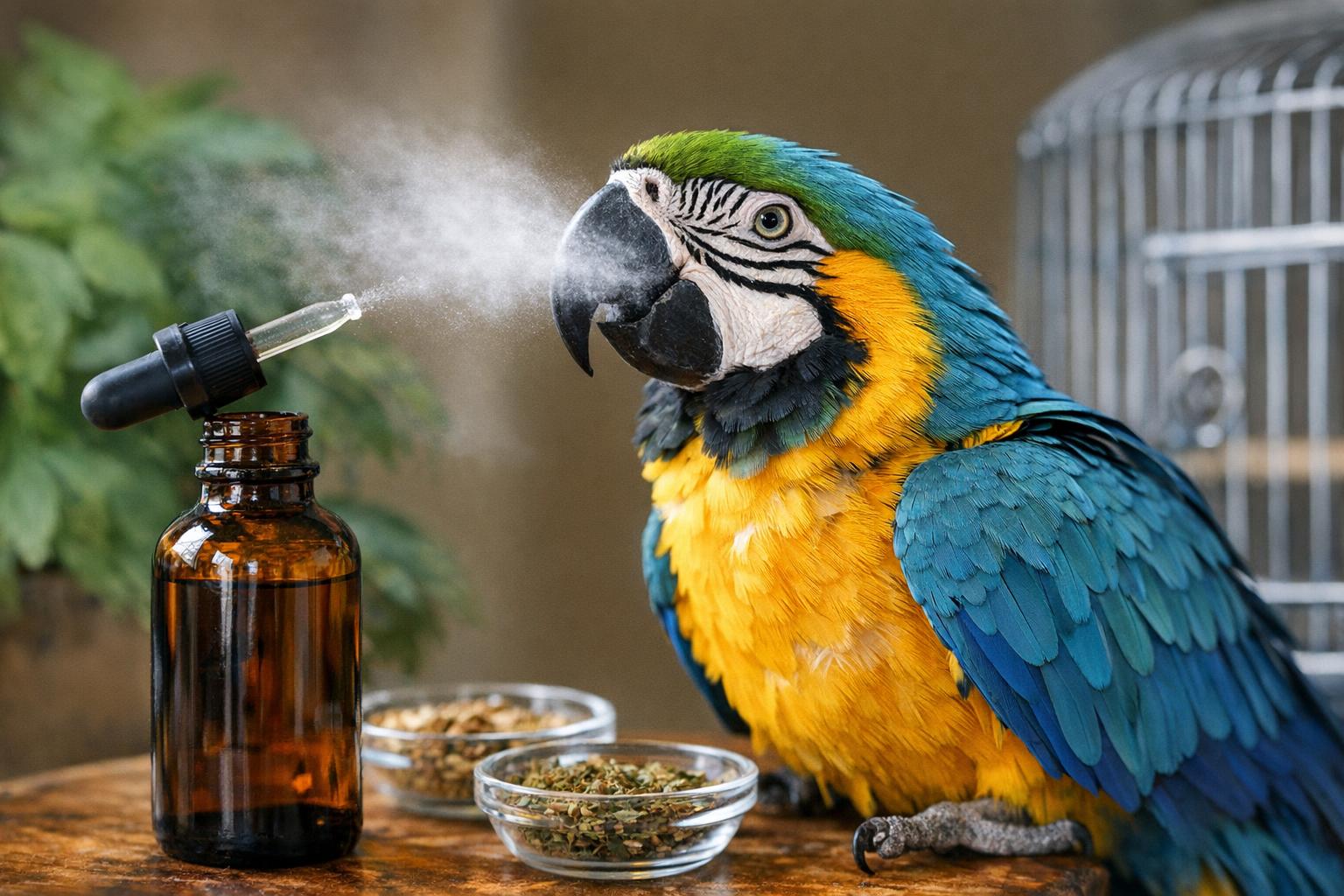
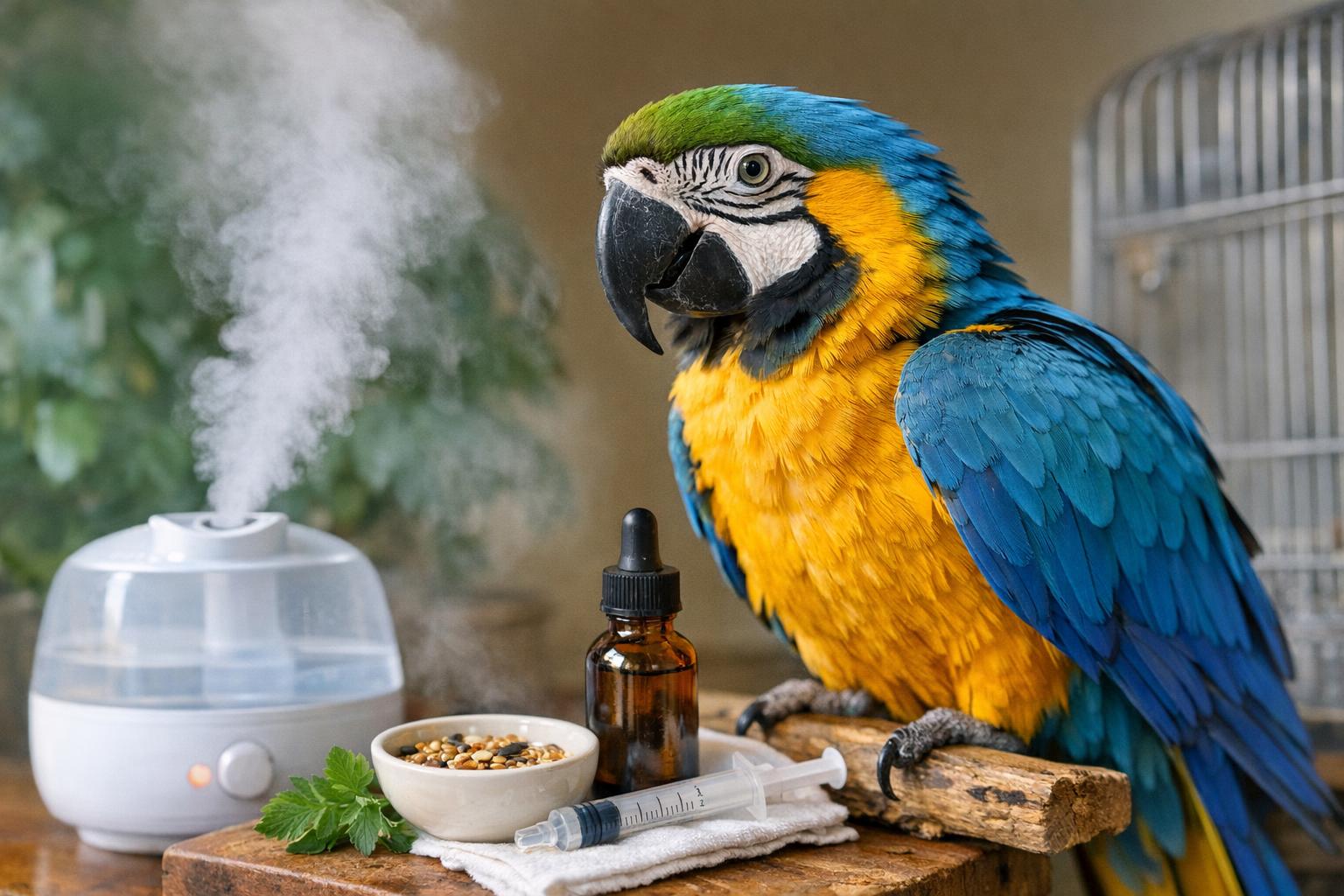
– Avoid Essential Oils: Many essential oils are toxic to birds. Do not use diffusers or sprays containing oils such as tea tree, eucalyptus, or lavender without veterinary approval.
– Avoid Small Parts: When creating toys, ensure no tiny pieces can be swallowed or create choking hazards.
– Veterinary Check For Persistent Stress: If behavior doesn’t improve, consult an avian veterinarian to rule out medical causes.
– Introduce Changes Gradually: Sudden alterations in environment or routine can increase stress. Implement one change at a time and monitor response.
### Small Environmental Tweaks That Help
– Temperature: Keep it stable and appropriate for your species.
– Sleep: Ensure 10–12 hours of uninterrupted sleep in a dim, quiet area.
– Diet: Provide a balanced diet tailored to species; sudden diet changes can spike stress.
– Handling: If your bird dislikes being handled, respect boundaries and build trust through short, positive interactions.
### When To Call The Vet
If your bird shows signs like labored breathing, drastic weight loss, persistent lethargy, self-mutilation, or bleeding, these are medical emergencies. Use anti stress for birds techniques to support comfort, but don’t delay professional care for severe or sudden symptoms.






Leave a Reply