
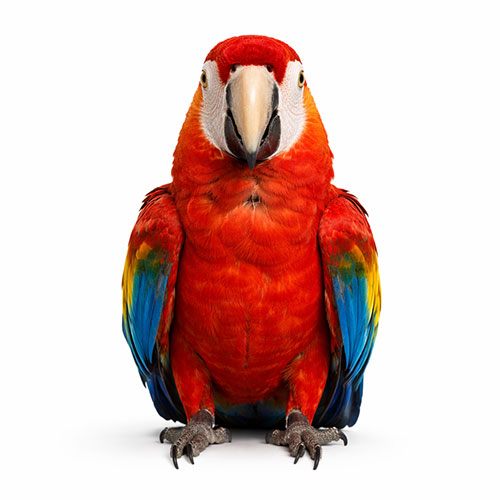

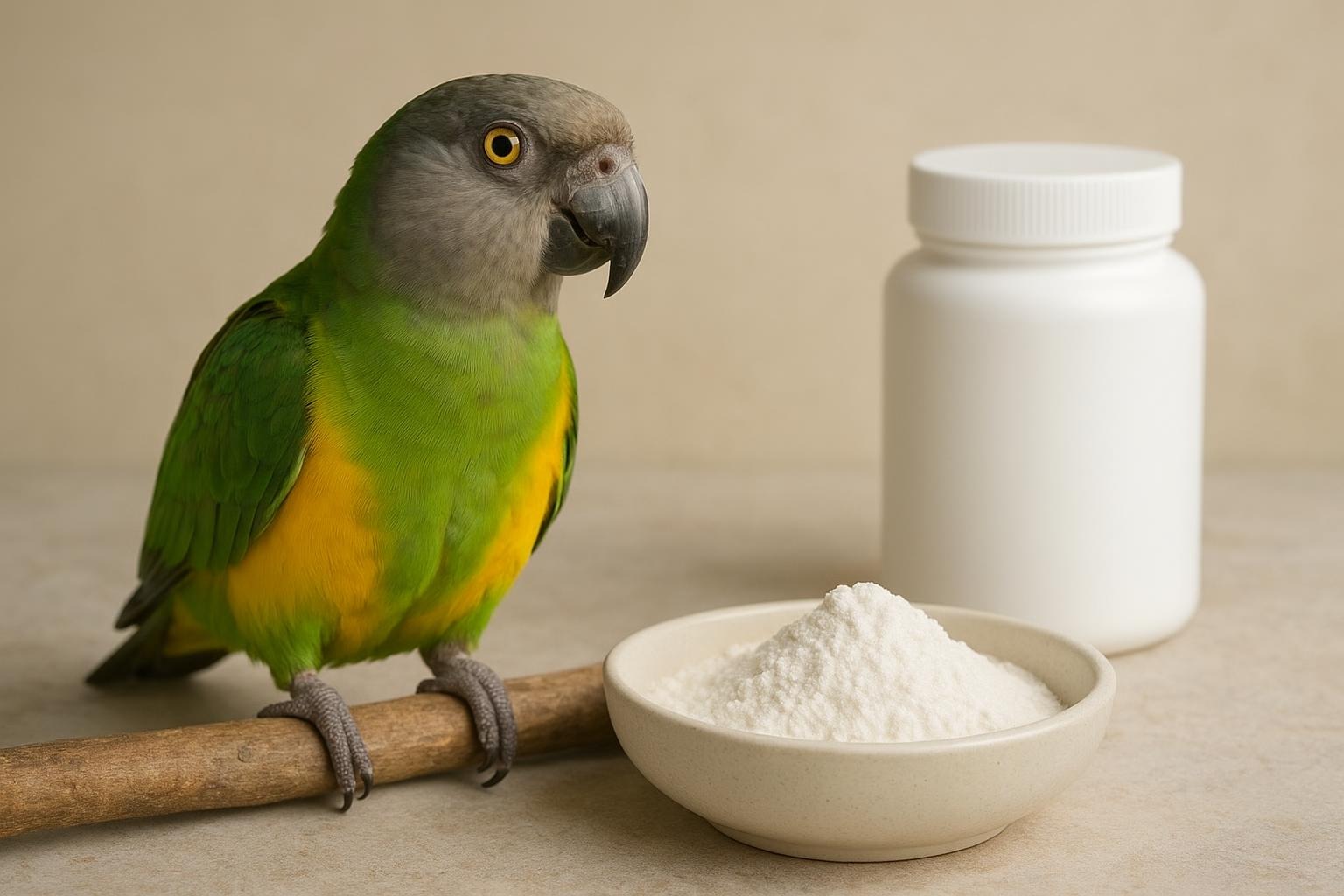
Birds are little calcium machines: feather production, eggshell formation, muscle and nerve function—all depend on a steady supply. If you’re reading this, you probably want to do the sensible thing and give your avian friend the right support without turning your kitchen into a chemistry lab. Welcome. Let’s keep it practical, useful, and just a touch reassuring.
## Bird Calcium Supplement Basics
Calcium is essential for birds of all ages. Growing chicks, laying hens, and older birds all have different needs, but the core principle is the same: calcium must be available in a bioavailable form and balanced with phosphorus and vitamin D3 for proper absorption. A bird calcium supplement can fill dietary gaps when pellets and fresh foods aren’t enough, but how you choose and use one matters.
### Signs Of Calcium Deficiency
Watch your bird’s behavior and body for clues. Common signs include:
– Weak, soft, or misshapen eggshells.
– Muscle tremors, seizures, or general lethargy.
– Poor feather quality or delayed molt.
– Reduced appetite or changes in climbing and perching ability.
If you notice these signs, contact an avian vet quickly—supplementation helps, but diagnosis and monitoring are important.
### How Much Calcium Do Birds Need
Requirements vary by species, age, and reproductive status. As a rough guide:
– Pet parrots: 0.5–1.5% of diet as calcium (varies by species and activity).
– Laying birds: significantly higher needs during the egg-laying cycle.
Too much calcium can be as harmful as too little—especially in birds with kidney issues. Use a balanced bird calcium supplement according to package directions or a vet’s guidance.
## Choosing A Bird Calcium Supplement
Not all calcium supplements are created equal. Consider source, form, and additional nutrients.
### Calcium Source And Form
Common forms include:
– Calcium carbonate (cuttlebone, ground shells): widely available and relatively inexpensive.
– Calcium citrate: more soluble and sometimes better tolerated by sensitive birds.
– Bone meal or shells: can be used but quality matters—avoid contaminated sources.
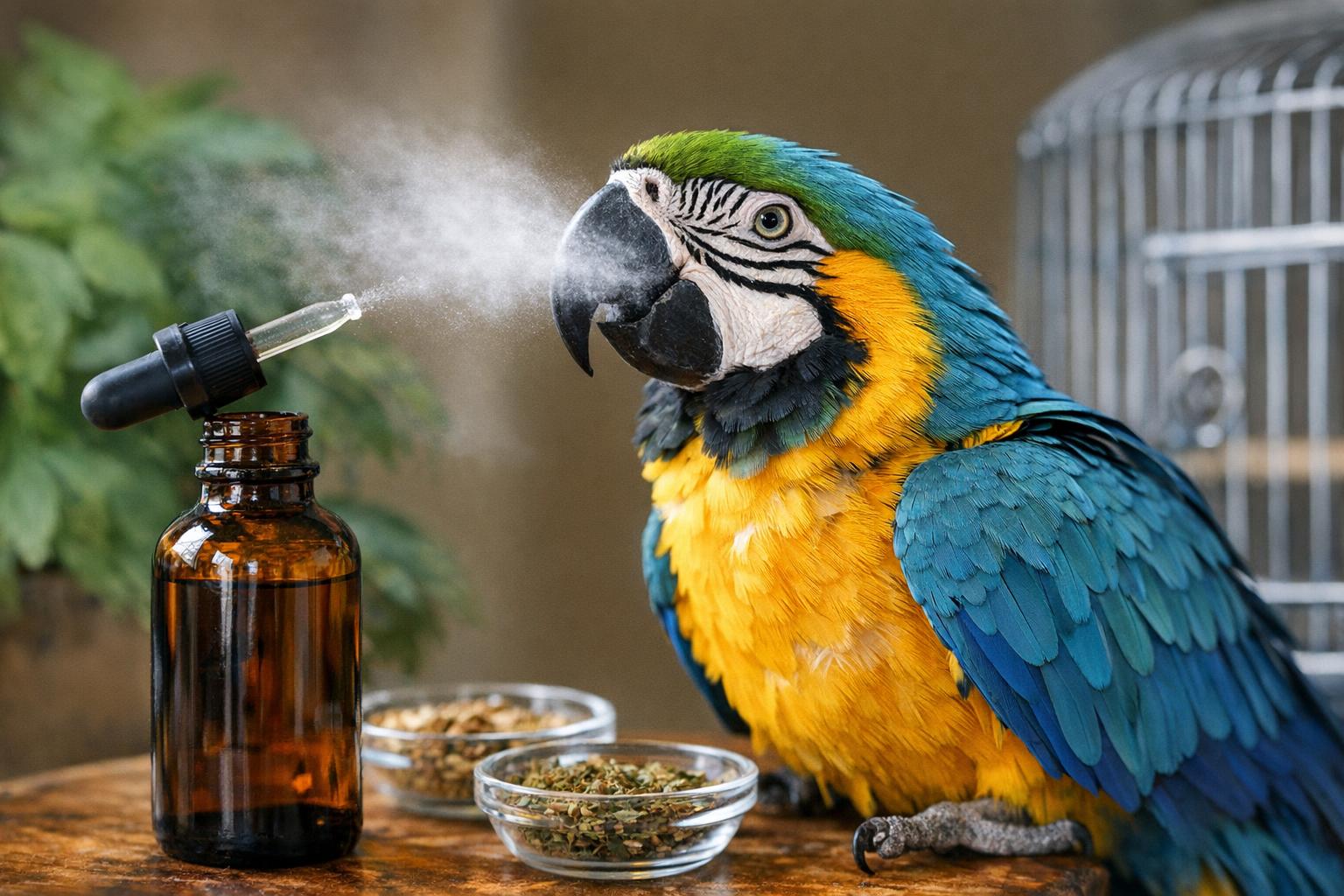
Powders are the most versatile; liquids work for syringe dosing but may contain preservatives. The simplest, often safest household option is a cuttlebone or commercially prepared powder specifically labeled for birds.
### Vitamin D3, Phosphorus, And Balance
Calcium needs vitamin D3 for intestinal absorption and must be balanced with phosphorus. A bird calcium supplement that includes appropriate D3 or instructions for combined use is helpful—especially in indoor birds with limited UVB exposure. Avoid over-the-counter human supplements that have inappropriate D3 concentrations for small avian patients.
### Packaging, Purity, And Storage
Choose a product with clear ingredient labeling and minimal fillers. Keep dry powders in airtight containers away from humidity. If you make a homemade option, store small batches in the fridge and label them with a date.
### Ingredients To Avoid
Steer clear of:
– Excessive fillers (sugars, unnecessary salts).
– Unlabeled “natural” bone powders (risk of heavy metals).
– High-dose vitamin mixes intended for humans.
## 1. DIY Calcium Powder Supplement
If you prefer a controlled, simple supplement you can make at home, this powdered option is cost-effective and customizable. It’s suitable for many pet birds when prepared correctly and used in moderation.
Ingredients / Materials:
– Food-grade cuttlebone or oyster shell (clean, dried)
– Clean mortar and pestle or coffee/spice grinder dedicated to supplements
– Fine mesh sieve
– Airtight glass jar for storage
– Optional: a small digital scale for dosing
Creation And Application (Step-By-Step):
1. Prepare The Shell: If using whole cuttlebone, rinse under hot water to remove dust. If using oyster shell, make sure it’s labeled food-grade and free of additives. Dry completely in a low oven (90–120°C / 200–250°F) for 15–30 minutes to sanitize and remove moisture.
2. Grind To A Fine Powder: Use a clean grinder or mortar and pestle. Aim for a fine, dustlike texture so it mixes evenly into food and is less likely to clump.
3. Sieve For Consistency: Pass the ground powder through a fine mesh sieve. Re-grind larger particles until you have a consistent powder.
4. Measure And Dose: A starting dose can be as low as 1/8 to 1/4 teaspoon mixed into a day’s worth of food for small parrots; larger birds need proportionately more. If you have a scale, calculate milligrams of calcium per kg of food to match recommendations for your species—consult an avian vet for precise dosing.
5. Mix With Regular Feed: Blend the powder into pellets, chopped veggies, or soft foods. Avoid over-supplementing eggs or diets already rich in calcium.
6. Store Properly: Keep the powder in an airtight jar in a cool, dry place. Label with preparation date and discard after 6 months to ensure freshness.
Notes: This approach provides elemental calcium mainly as carbonate. It’s inexpensive and effective for general maintenance but may be insufficient for severe deficiencies or special cases—veterinary oversight is recommended for those situations.
## 2. Calcium-Rich Soft Treat Paste (For Picky Birds And Youngsters)
A palatable paste can be useful for hand-feeding chicks, medicating, or encouraging picky birds to accept calcium supplementation.
Ingredients / Materials:
– 1 tablespoon DIY calcium powder (see recipe above) or commercial bird calcium supplement powder
– 2 tablespoons plain, unsweetened Greek yogurt or unsweetened mashed banana (yogurt provides probiotics; banana provides energy for chicks)
– 1 teaspoon finely ground fortified pellet or seed mix
– Small bowl, spoon, and syringe (optional for precise feeding)
– Refrigerator-safe container
Creation And Application (Step-By-Step):
1. Combine Base And Calcium: Mix the yogurt or mashed banana with the calcium powder until smooth. The paste should be thick but spreadable.
2. Add Fortified Pellets: Stir in the finely ground pellet/seed mix for familiar flavor and texture.
3. Portion And Store: Divide into small servings and refrigerate. Use within 48–72 hours to avoid spoilage.
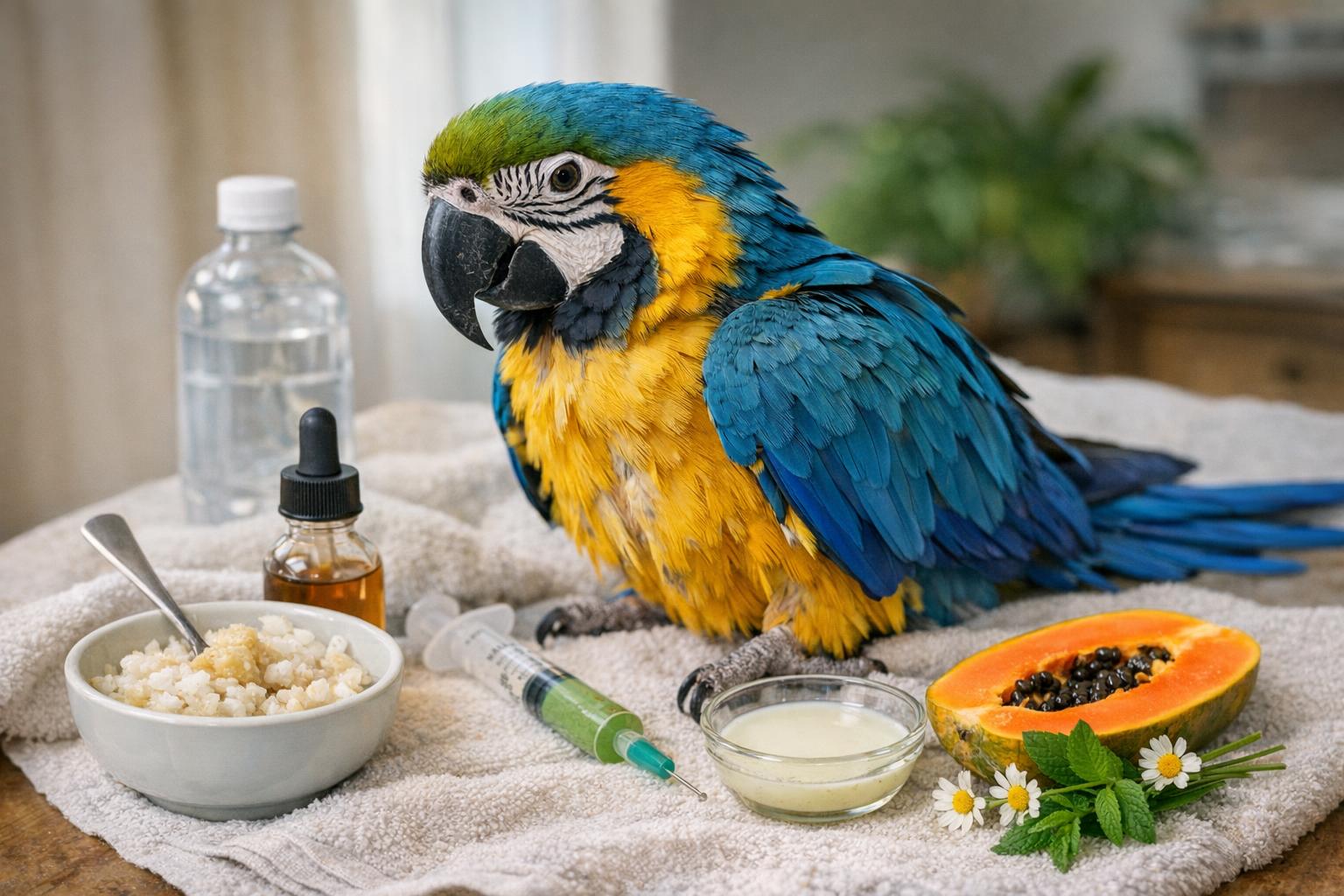
4. Administer Carefully: For hand-feeding chicks or medicating, warm the paste to room temperature. Use a small spoon or feeding syringe. For adult birds, offer a small smear on a favorite perch, cuttlebone holder, or on a piece of fruit as an occasional treat.
5. Monitor Intake: Ensure the bird is consuming an appropriate amount; do not rely solely on treats as a main calcium source.
Clinical Note: This paste is supportive, not a complete substitute for targeted supplementation in diagnosed hypocalcemia. If your bird has clinical signs, seek veterinary care.
#### When To Use Homemade Supplements Versus Commercial Ones
Homemade supplements are great for maintenance and emergencies, but commercial bird calcium supplement formulations have controlled dosing, added vitamin D3 when needed, and consistent particle sizes that reduce risk of impaction. Choose commercial products for long-term dosing in breeding flocks or when precise dosing is necessary.
#### Safety, Overdose, And Veterinary Care
Too much calcium can lead to mineralization issues and kidney strain. Never double-dose without veterinary advice. If a bird shows signs of toxicity (lethargy, decreased appetite, constipation), stop supplementation and consult a vet. Pregnant or laying birds need tailored plans—do not improvise without professional input.
## Practical Tips And Daily Habits
– Offer a cuttlebone in the cage at all times for birds that like to chew. Replace when heavily worn or soiled.
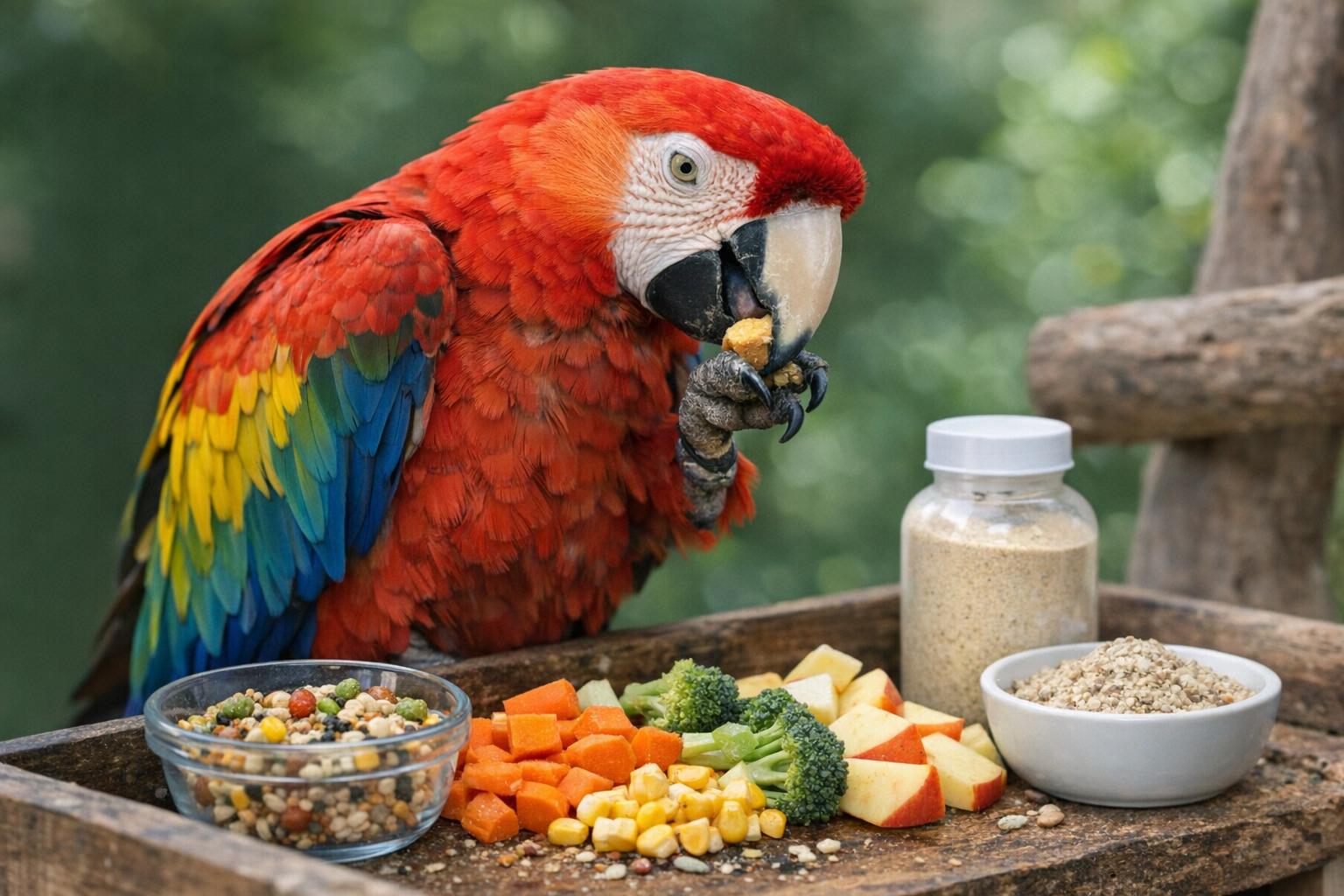
– Rotate sources: combine cuttlebone, powdered supplements, and calcium-enriched foods like collard greens and broccoli.
– Ensure adequate vitamin D3: safe sun exposure or balanced dietary sources help absorption. Indoor birds may need supplemental D3 as directed by an avian vet.
– Keep a small dietary log: note when you add a bird calcium supplement, what form, and how the bird responded. This helps pattern recognition and vet consultations.
If you’ve made it this far, you now have practical options for supporting your bird’s calcium needs, including a straightforward DIY recipe and a palatable paste for picky eaters. Remember: the safest path is a balanced diet first, supplements second, and your avian vet as the final arbiter.



Leave a Reply